Reviewed · ZANZIBAR TOURS
Fair Tourism In Paje
Local life is the main attraction here. Fair Tourism in Paje gives you a small-scale way to meet people, learn Swahili cooking, visit a farm, and see the village beyond the beach hotels. I like the maximum of two people, which should make the day more personal, and I like that money collected helps support local community work. The strongest praise centers on guides Bigambo and Saidi, who introduce visitors to schools, families, makers, and everyday village life.
The main drawback is a lack of precise scheduling. The advertised duration says approximately six to eight days, which appears unclear for a cooking, farm, or village visit, and the exact activity depends on what you book. Confirm the length, meeting point, food plan, and return transport before paying.
In This Review
- Key points to know before booking
- Why Fair Tourism in Paje feels different
- Starting in Paje with a small group
- Choosing the Swahili cooking lesson
- What to expect from a farm visit
- Walking through Paje village
- Meeting local families and makers
- The role of Bigambo and Saidi
- Is $26.67 a fair price?
- Practical details, weather, and cancellation
- Who should book this Paje experience?
- Should you book Fair Tourism in Paje?
- FAQ
- Where does Fair Tourism in Paje start?
- Does the experience provide pickup?
- Where does the activity end?
- How many people can join?
- Is breakfast included?
- What food is included in the cooking lesson?
- What is included in the farm visit?
- Is WiFi available on board?
- Can I cancel for a full refund?
Key points to know before booking
- Small groups: The activity allows a maximum of two people, a useful setup for questions and personal conversation.
- Local cooking: A Swahili cooking option includes the meals prepared during the lesson.
- Farm visits: A shamba visit includes fruit available on the farm that day, so the food selection can change.
- Village connections: Bigambo and Saidi can show you schools, local businesses, family life, and goods sold directly by makers.
- Pickup plan: You are asked to meet 30 minutes before the activity, with hotel drop-off offered after the tour.
- Flexible cancellation: Cancel at least 24 hours before the start time for a full refund, subject to the weather policy.
Why Fair Tourism in Paje feels different
Paje is widely known as a beach base, but beach time only shows one part of Zanzibar. This experience points you toward the people and routines that give the town its character. You may spend time with a local family, visit a school, walk through village areas, or learn how a meal is made rather than simply ordering one at a restaurant.
That difference matters. A standard sightseeing trip can leave you with photographs and a few facts. A small local activity gives you a chance to ask questions, share a meal, and understand how daily life works. The experience is especially appealing if you want your spending to reach community members instead of staying only within large hotels and tour offices.
The name Fair Tourism suggests a community-minded approach, and the stated purpose is to use collected money to help society in different ways. The exact projects and amounts are not specified, so I would ask for more detail if that matters to your booking decision. Still, the format itself is promising: local guiding, local food, local producers, and a very small group.
A few more trips of this kind worth comparing:
- From Zanzibar: Mikumi Safari Day Trip with Flights and Meal
★ 4.7 · 1,470 reviews - Zanzibar: Quad Bike Adventure departing from Kendwa or Nungwi
★ 4.9 · 1,233 reviews - Zanzibar: Stone Town, Spice Tour, Prison Island with Lunch
★ 4.4 · 1,219 reviews
Starting in Paje with a small group
The activity begins in Paje, Tanzania. You are told to arrive at a meeting point 30 minutes before the tour, and pickup is offered. The information does not list a single fixed pickup address, so you should confirm the exact spot and time after booking.
A two-person limit is one of the best features here. You will not be trying to hear a guide over a large bus group, and you should have more room to ask about family life, farming, food, or village businesses. If you are a couple, parent and child, or two friends, this format can feel more like a guided visit than a standard group excursion.
There is one practical detail to settle in advance. The information says the guide will pick you up at a meeting point and drop you at your hotel after the tour, while the end point is also described as the meeting point. Those instructions do not fully match. Ask whether the final transfer is to your hotel or back to the original meeting place.
The published opening hours run from midnight to 11:30 p.m., Monday through Sunday, for the stated booking period. That appears to describe booking availability rather than a normal tour timetable. It does not tell you when your specific activity begins, so do not assume the tour runs all day.
Choosing the Swahili cooking lesson
The cooking course is the clearest option for anyone who wants an active cultural experience. You visit a local family and learn to prepare a traditional Swahili dish. The meal prepared during the lesson is included, which gives the activity a useful finish: you do not just watch a demonstration, you get to eat the result.
I like this format because food provides an easy bridge between visitors and hosts. You can learn about ingredients, preparation, and household routines in a setting that feels more personal than a restaurant kitchen. The lesson also gives you something concrete to remember and perhaps repeat at home.
The cooking experience received particularly strong praise for its warmth and humility. One account describes a morning in Paje spent with a local family, learning a traditional dish. That detail is worth noting because the setting matters as much as the recipe. You are not simply signing up for a cooking class in a commercial venue. You are being welcomed into a family environment, at least for the portion of the visit arranged by the guide.
The listing does not identify the specific dish, the cooking equipment, the class length, or the full menu. Ask about those points if you have food allergies, dietary restrictions, or strong preferences. The phrase Swahili cooking may cover different dishes depending on the household and the day.
Breakfast is included in the general tour information. The cooking option also includes all food prepared during the day. Because the meal plan is not described in detail, ask if breakfast and the cooking meal are separate, and whether drinks are included.
What to expect from a farm visit
The farm option takes you into a shamba, the Swahili word commonly used for a cultivated plot or farm. You receive any fruit available there that day. That wording is important: the fruit is seasonal and depends on what is growing and ready, so you should not book this expecting a fixed tasting menu.
A farm visit can be a good choice if you want a simple look at food production near Paje. It may help you connect what you eat in Zanzibar with the work behind it. You might see crops, hear about farming, or enjoy fruit picked from the site, but the supplied details do not confirm the exact route, crops, or activities.
The changing fruit selection is part of the appeal. It keeps the visit tied to the season rather than turning it into a staged display. It also means the experience may be modest. If you want a long agricultural tour with many demonstrations, ask exactly what the farm visit includes before booking.
The farm option appears to include food from the shamba, while the general description also lists breakfast. Confirm how these inclusions fit together. A quick question can prevent confusion, especially if you are choosing the farm visit mainly for its food.
A completely different kind of day out from Zanzibar:
- From Kendwa: Mnemba Boat Trip and Dolphin Snorkel Adventure
★ 4.8 · 1,043 reviews - From Zanzibar: Day Selous Game Reserve Safari with Flights
★ 4.7 · 1,025 reviews - Zanzibar: Prison Island and Nakupenda Boat Trip with Lunch
★ 4.1 · 882 reviews - Skydive Zanzibar | Tandem Skydive
★ 5.0 · 877 reviews
Walking through Paje village
The village tour is the broadest option. It offers a look at local life in Paje, including a school, family activities, small businesses, and crafts made by local producers. Bigambo is identified as an excellent guide for this route, and Saidi is also connected with the village visit.
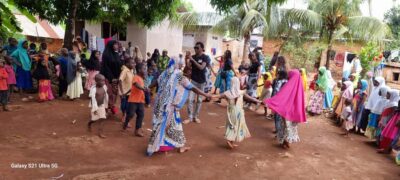
The most memorable detail is Bigambo’s local connection. He is described as knowing people throughout the village, which can change the tone of a walk. Instead of passing anonymous buildings, you may meet women cooking, children playing, school students, and local entrepreneurs. Those encounters can make Paje feel like a real community rather than a backdrop for a beach holiday.
The school visit is another notable part. You may see students and learn something about the local education setting. The description gives no schedule, visiting rules, or guarantee that a school will be open, so treat this as an arranged possibility rather than a fixed performance. A respectful attitude is essential around children and classrooms. Follow the guide’s instructions about photographs and conversation.
Shopping directly from makers is also part of the village experience. This can give you a more direct way to support local people, but purchases are not listed as included in the $26.67 price. Bring some spending money if you want to buy something, and remember that shopping should remain optional.
The village tour may be the best choice if you want variety. The cooking class goes deeper into one household activity, and the farm visit focuses on food and land. The village walk brings together several parts of Paje in one outing.
Meeting local families and makers
The social side is the heart of this activity. One account describes seeing women cook, children play, local entrepreneurs work, and products being sold by the people who made them. These are small details, but they are precisely what can make a short visit meaningful.
You should approach these encounters with care. A local family is sharing part of its daily routine, not putting on a show. Ask before taking photographs, listen more than you speak, and let the guide handle introductions. If you are visiting with children, this can be a useful way to teach them that a place is more than its hotels, beaches, and souvenir stalls.
The French-language praise for the experience also highlights time spent with local people and children sharing unusual moments of daily life. That suggests the value is not just the route. It is the quality of the contact and the guide’s ability to create a comfortable exchange.
The experience is not designed for someone who wants to rush from one major sight to another. Its appeal lies in ordinary scenes. You may find that the best moment is a conversation, a cooking step, or a short stop at a small workshop rather than a formal attraction.
The role of Bigambo and Saidi
Bigambo is the clearest personal name attached to the experience. He guides the village tour and the cooking activity, and he is praised for knowing the people of Paje. That local familiarity can help you meet residents in a natural way and understand how different parts of village life connect.
Saidi is also named as a guide for the village tour. The available information does not explain which guide leads each booking or whether both guides will be present every time. If meeting a particular guide is important to you, request that in advance, but do not assume it can be guaranteed.
A good local guide does more than provide facts. The guide helps you read social situations, introduces you properly, explains what you are seeing, and keeps the visit respectful. With a group limit of two, you should have a better chance to ask personal questions and adjust the pace.
Still, the guide cannot control every part of village life. A school may be closed, a producer may be away, or a family activity may change. That is normal for a community visit. The experience works best when you accept some flexibility rather than expecting a perfectly timed show.
Is $26.67 a fair price?
At $26.67 per person, this is priced as an accessible local activity rather than a full-day private sightseeing program. The value depends on what you choose and how long the actual tour lasts. The published duration of approximately six to eight days is not credible for the described activities, so I would treat it as a data error and confirm the real duration before booking.
For the price, you receive a small-group activity, local guiding, and food connected to the selected option. Breakfast is included, the cooking course includes the meals prepared during the day, and the farm option includes available fruit from the shamba. Those inclusions make the price more attractive than a simple walking tour.
The strongest value comes if you care about direct local contact and community spending. You are paying for access, explanation, and introductions, not for an expensive attraction with elaborate facilities. That can be a good trade if your goal is to understand Paje.
The price does not include WiFi on board. Since transport details are limited and the tour may not involve a vehicle for the whole activity, this may not matter. If you depend on internet access, arrange your own connection rather than expecting onboard service.
Practical details, weather, and cancellation
Confirmation is provided at the time of booking. Service animals are allowed, public transportation is nearby, and most people can participate. No special fitness requirement is stated, but the exact activity may involve walking, standing, cooking, or moving around a farm, so ask if you need specific mobility information.
The activity requires good weather. If poor weather causes cancellation, you are offered another date or a full refund. This is useful for a farm or village visit, where rain could affect the route and local meetings.
You can cancel for a full refund if you do so at least 24 hours before the start time. Cancellations or changes made less than 24 hours before the start are not refunded or accepted. The cut-off uses local time in Zanzibar, so check the time zone before making a last-minute change.
Who should book this Paje experience?
I would recommend it to you if you want a small, personal introduction to Paje and prefer local contact over a polished resort activity. The cooking lesson suits food lovers and families. The farm visit fits anyone curious about local produce. The village tour is the best match if you want schools, crafts, family life, and small businesses in one outing.
Families may find the village visit especially meaningful because children can meet local students and see ordinary activities outside the hotel zone. Couples and solo visitors may appreciate the two-person limit, which allows more conversation and less waiting.
I would be more cautious if you need a tightly timed itinerary, a guaranteed list of stops, or a fixed menu. The available details leave several points open, including the true duration, exact route, specific food, and final drop-off. This is a flexible community visit, not a highly structured sightseeing circuit.
Should you book Fair Tourism in Paje?
Book it if you want to see a more personal side of Paje and you value spending time with local families, cooks, farmers, guides, and makers. The small group size, the community focus, and the strong personal connection associated with Bigambo and Saidi give it real appeal.
Before booking, send a short message asking which option you are reserving, how many hours it lasts, where pickup happens, what food is included, and whether hotel drop-off is provided. If those answers suit your plans, $26.67 is a reasonable price for a locally guided activity with food and direct community contact. If you want a fixed schedule with little uncertainty, choose a more formal tour instead.
FAQ
Where does Fair Tourism in Paje start?
The activity starts in Paje, Tanzania. You are asked to meet at a designated meeting point 30 minutes before the tour.
Does the experience provide pickup?
Pickup is offered. Confirm the exact meeting point and pickup arrangement after booking because a specific address is not provided.
Where does the activity end?
The stated end point is the meeting point. The tour information also says you will be dropped at your hotel, so confirm which return arrangement applies to your booking.
How many people can join?
The activity has a maximum of two participants.
Is breakfast included?
Yes. Breakfast is listed as included.
What food is included in the cooking lesson?
The Swahili cooking option includes all meals prepared during the day. The exact dishes are not specified.
What is included in the farm visit?
The farm visit includes any fruit available in the shamba on that day.
Is WiFi available on board?
No. WiFi on board is not included.
Can I cancel for a full refund?
Yes. You can receive a full refund if you cancel at least 24 hours before the experience start time. Poor weather may result in another date or a full refund.
Just added around Zanzibar
- Spice Tour of Zanzibar★ 4.5 · 3 reviews
- Zanzibar : Stone Town Tour,history without transport★ 4.8 · 3 reviews
- Zanzibar: 3-Day Northern Safari with Flights Included★ 4.8 · 3 reviews
- Jozani Forest, kuza cave and mtende beach★ 5.0 · 3 reviews
- Starfish Beach; The Rock; Kuza Cave; Paje Beach; Salaam Cave Tour★ 4.5 · 3 reviews
- ZANZIBAR: Stone Town and Jozani Forest Guided Tour★ 4.0 · 3 reviews
- Zanzibar: African Sunset Boat Party in Zanzibar Music, Views★ 4.3 · 3 reviews
- Joazani forest & Spice farm with lunch★ 5.0 · 3 reviews
Zanzibar Tours, compared.

Mikumi Safari Day Trip with Flights and Meal
Read our review →
Quad Bike Adventure departing from Kendwa or Nungwi
Read our review →
Stone Town, Spice Tour, Prison Island with Lunch
Read our review →
Mnemba Boat Trip and Dolphin Snorkel Adventure
Read our review →
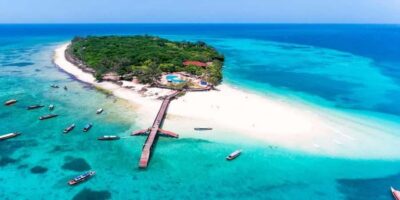
Prison Island and Nakupenda Boat Trip with Lunch
Read our review →