
Reviewed · JOZANI FOREST TOURS
Jozani Forest Tour
Red colobus monkeys are the main event. This four-hour Jozani Forest tour brings you into Jozani Chwaka Bay National Park, where a maintained trail passes through tall trees, mangroves, and the area known as the Medicine Jungle. You get a private vehicle, a professional guide, and a bottle of water, so the day is simple from start to finish.
I like the private transportation and the small-group format, since you avoid the confusion of navigating the forest on your own. I also like the mix of wildlife and plant knowledge. One point to keep in mind: animal sightings are never guaranteed, and the outing may feel shorter if you skip the optional folklore or cultural portion at the end.
In This Review
- Key points to know before you book
- Why Jozani Forest deserves a half-day
- A private ride makes the morning easier
- Walking beneath Jozani’s tall trees
- Meeting Zanzibar’s red colobus monkeys
- The mangrove trail adds a second habitat
- A forest that doubles as a natural pharmacy
- Butterflies, birds, and smaller signs of life
- What the three-hour forest visit feels like
- Who will enjoy this tour most
- Is $60 a fair price?
- Should you book the Jozani Forest Tour?
- FAQ
- How long does the Jozani Forest Tour last?
- Is transportation included?
- Is this a private tour?
- What animals might I see at Jozani Forest?
- Are entrance fees included?
- Are meals included?
- What is the cancellation policy?
Key points to know before you book
- Red colobus monkeys are the star attraction: Jozani is one of the last remaining sanctuaries for these rare Zanzibar monkeys.
- The route includes more than forest: You can walk through mangrove habitat and look for fish and crabs along the path.
- A private vehicle keeps the day easy: Pickup is offered, and only your group takes part in the private activity.
- The guide adds real value: Expect explanations about medicinal plants, wildlife, and the forest’s ecology.
- Wildlife goes beyond monkeys: The park is home to blue monkeys, birds, butterflies, chameleons, mongoose, and other species.
- The $60 price covers the essentials: Transport, guide, water, entrance fees, and taxes are included, while meals and personal spending are not.
Why Jozani Forest deserves a half-day
Jozani Forest gives you a useful change of pace from Zanzibar’s beaches and historic streets. The visit is not built around a long hike or strenuous expedition. Instead, you follow a maintained nature trail through one of the island’s most important protected areas.
The forest is part of Jozani Chwaka Bay National Park, a sanctuary for rare animals and native plant life. Its most famous resident is the Zanzibar red colobus monkey. This species is endemic to Zanzibar, which means you will not find it naturally living everywhere else in the world.
The setting changes as you walk. You may begin among tall trees, then reach thicker vegetation, open sections of forest, and mangrove areas. This variety makes the outing more interesting than a simple woodland stroll. You are not just looking for monkeys in one spot. You are moving through several habitats that support different plants and animals.
I would allow about four hours for the complete outing, including transport and time in the park. The guided forest portion is listed at about three hours, giving you enough time to walk at an easy pace, stop for wildlife, listen to explanations, and take photographs.
More Jozani Forest and red colobus trips:
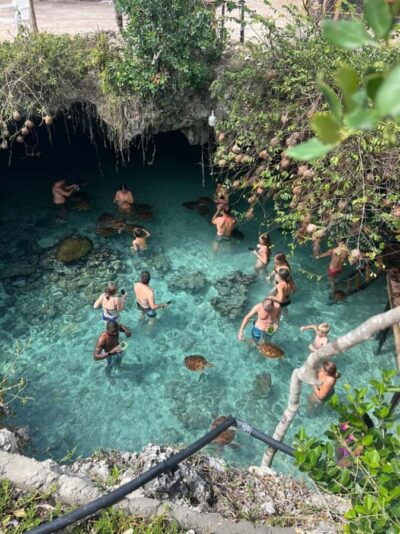
- Zanzibar: Jozani Forest & Sea Tortoises Sanctuary Tour
★ 4.6 · 204 reviews - Dolphin tour, Jozani Forest, Jambiani Kuza Cave, Paje Beach &The Rock restaurent
★ 4.5 · 164 reviews - Zanzibar full day Jozani forest + Spice farm and stone town
★ 4.7 · 90 reviews
A private ride makes the morning easier
Pickup is offered, and the tour uses private transportation. That matters in Zanzibar, where finding the right entrance or arranging a reliable ride can add needless stress to a short excursion.
Because this is a private activity, only your group participates. You do not have to match the walking speed of a large party, wait for strangers to finish taking pictures, or listen to explanations that do not interest you. You can ask questions about plants, monkeys, or the mangrove habitat as you go.
The private format also gives the guide room to adjust the pace. If you want more time for photographs, you can ask. If you prefer to keep moving, you are not tied to a crowded group schedule. The supplied water is a small but welcome touch, especially in Zanzibar’s warm climate.
The main tradeoff is price. At $60 per person, this is not the cheapest way to reach Jozani Forest. Still, the cost includes private transport, a guide, water, entrance fees, and taxes. For a couple, family, or small group that values convenience, the package can be reasonable. If you already have a car and only want entry to the park, you may find the private setup less important.
Walking beneath Jozani’s tall trees
The forest trail is maintained, so you are not signing up for a rough backcountry trek. You should still expect regular walking on a natural path, along with warm and possibly humid conditions. A moderate level of physical fitness is recommended.
The tall trees create the feeling of a proper tropical forest, but the trail keeps the visit manageable. You can focus on looking upward for monkeys, scanning branches for birds, and checking the undergrowth for smaller creatures rather than worrying about route finding.
Photography is a natural part of the visit. Bring a camera or phone, but keep your attention on the forest too. A quick photograph of a red colobus monkey is exciting, yet the guide’s explanation of its habitat can make the sighting more meaningful.
The forest is not a zoo. Animals move through their own habitat, and some are easier to spot than others. Red colobus monkeys are the main hope, but even they may be in the trees, behind leaves, or farther along the trail. A patient attitude will serve you better than a strict checklist.
Meeting Zanzibar’s red colobus monkeys
The red colobus monkey is the reason most people come to Jozani. It is rare, strongly associated with Zanzibar, and central to the park’s identity.
Your guide can help you look in the right places and explain what you are seeing. You might notice monkeys in the canopy or moving through the trees, while others may remain out of clear view. The experience depends on the animals’ behavior that day, so the tour should be judged by the whole forest visit, not just by getting a perfect photograph.
The park also shelters other mammals and reptiles. Possible sightings include blue monkeys, chameleons, mongoose, tree hyrax, bush pigs, civets, and two endemic antelope species. The Zanzibar leopard is also listed among the park’s wildlife, though a sighting would be particularly unlikely and should not be treated as part of the normal promise of the tour.
That distinction matters. The tour gives you access to the habitat and an experienced guide, not a guaranteed wildlife parade. If you see several species, you have had a fine outing. If the monkeys are the only major sighting, the visit can still be worthwhile because the forest and guide’s explanations remain part of the experience.
A few more trips of this kind worth comparing:
- From Zanzibar: Mikumi Safari Day Trip with Flights and Meal
★ 4.7 · 1,470 reviews - Zanzibar: Quad Bike Adventure departing from Kendwa or Nungwi
★ 4.9 · 1,233 reviews - Zanzibar: Stone Town, Spice Tour, Prison Island with Lunch
★ 4.4 · 1,219 reviews - From Kendwa: Mnemba Boat Trip and Dolphin Snorkel Adventure
★ 4.8 · 1,043 reviews
The mangrove trail adds a second habitat
The mangrove section is one of the most useful parts of the route. It shows you a side of Zanzibar’s natural environment that is easy to miss if your holiday stays close to the beach.
Mangroves grow in coastal water and support small aquatic creatures. Along the path, you may spot fish and crabs. These sightings are modest compared with a monkey in the canopy, but they help explain how the forest connects with the coast.
Mangrove areas can also feel quieter and more enclosed than the taller forest. As you move through them, listen for birds and watch the water and roots rather than looking only into the treetops. The change in habitat keeps the walk from becoming repetitive.
The route is described as a network of paths, with the guide leading you through the different sections. That guidance is useful because you can concentrate on the surroundings instead of trying to work out which turn to take.
A forest that doubles as a natural pharmacy
One of the more distinctive parts of this outing is the focus on plant use. The guide explains how local people have used plants and trees as natural remedies, giving you a different way to understand the forest.
The Medicine Jungle is presented as a source of natural treatments. You may learn which plants have particular traditional uses and why certain trees matter beyond their appearance. This does not turn the tour into a medical lesson, and you should not treat plant explanations as medical advice. Their value is cultural and ecological.
I like this part because it changes the way you walk. Instead of seeing a wall of green, you begin to notice individual trees and plants. A guide who explains local use can connect botany with everyday life, making the forest feel useful as well as beautiful.
The quality of this section depends heavily on the guide. One French-speaking guide was described as punctual, friendly, and talkative, with clear explanations of the monkeys and mangroves. If you prefer guiding in French, it is worth asking the provider about language availability when booking rather than assuming it is guaranteed.
Butterflies, birds, and smaller signs of life
Jozani Forest is home to about 50 species of butterflies and 40 species of birds. Those numbers make clear that the park’s appeal is not limited to large animals.
Butterflies may be easier to appreciate when you slow down near plants and sunny patches. Birds can be harder to identify, especially when they remain hidden in the canopy. A guide can point out movement, calls, or a shape you would probably miss on your own.
The forest also rewards close attention to the ground and lower branches. Chameleons, mongoose, and smaller creatures may not announce themselves. You might find that the most memorable moment is not a dramatic animal encounter but a brief glimpse of something well camouflaged.
Bring patience along with your camera. The tour is best for people who enjoy observation, not for anyone expecting constant action. The calm pace is part of the appeal, especially after busy sightseeing elsewhere in Zanzibar.
What the three-hour forest visit feels like
The visit begins with the walk through Jozani Chwaka Bay National Park. Your guide leads you along the maintained paths and introduces the forest’s wildlife, trees, and plant uses.
The early part of the walk is likely to focus on the tall forest and the search for red colobus monkeys. This is the portion where you will want your camera ready, though you should keep enough attention on the branches and surrounding sounds to notice animals before they disappear.
The route then includes mangrove habitat, where fish and crabs may be visible. The guide can explain how this wet environment differs from the forest around it.
The advertised forest time is about three hours, but the full excursion lasts around four hours. That difference likely includes pickup, driving, and time around the park. A previous French-language visit felt shorter because the group chose not to take part in the folklore at the end. If you want every part of the program, ask the provider how much time is planned for that additional activity.
The tour does not include lunch or dinner. Plan to eat before or after the excursion, and bring money for any personal expenses. Water is supplied, but the included bottle is not a substitute for planning your day around food and drinks.
Who will enjoy this tour most
I would recommend this outing to you if you want a straightforward nature visit without arranging transport, park admission, and guiding separately. It is especially suitable for couples, families, and small groups that like the privacy of their own vehicle.
It also works well for anyone interested in more than animal photographs. The combination of forest ecology, traditional plant use, mangroves, birds, butterflies, and monkeys gives the visit real variety.
You should have a moderate level of fitness. The trail is maintained, but this is still a walking tour in a tropical forest. Service animals are allowed, which is useful information for people who travel with an assistance animal.
This may not suit you if you want a long, demanding hike or a guaranteed close encounter with a particular species. It may also feel expensive if you only need a ride to the park and do not want a private guide.
Is $60 a fair price?
The $60 per-person charge makes the most sense when you value an easy, organized half-day. Private transport is included, as are all fees and taxes, a professional guide, and a bottle of water. You are paying for convenience as well as access to the forest.
For a small group, the value improves because everyone shares the private vehicle and guide. Group discounts are offered, although the exact saving is not specified, so ask for the current rate before booking.
The price does not cover lunch, dinner, or personal spending. That is not a serious problem for a four-hour outing, but it means you should fit the tour into your meal plans.
Free cancellation is available if you cancel at least 24 hours before the start time. Changes or cancellations made within 24 hours are not accepted and are not refunded. The tour also depends on good weather. If poor weather causes cancellation, you can choose another date or receive a full refund.
Should you book the Jozani Forest Tour?
Book it if you want to see Zanzibar’s red colobus monkeys while learning about the forest from a guide, with transport and park costs handled for you. The private format, maintained trail, mangrove section, and plant-use explanations give the half-day more substance than a quick stop for photographs.
I would be realistic about wildlife. The red colobus monkeys are the main draw, but other animals may remain hidden, and the Zanzibar leopard is not a sighting you should expect. If that sounds acceptable, the tour offers a calm and practical way to experience one of Zanzibar’s most important natural areas.
Ask about the available guide language and the timing of the folklore portion before you confirm. If you want an uncomplicated outing with your own group, $60 can be fair value. If you already have private transport or prefer to explore independently, the price may be harder to justify.
FAQ
How long does the Jozani Forest Tour last?
The full excursion lasts approximately four hours. The forest visit itself is listed at about three hours.
Is transportation included?
Yes. Private transportation is included, and pickup is offered.
Is this a private tour?
Yes. Only your group participates, and you travel in a private vehicle.
What animals might I see at Jozani Forest?
Possible wildlife includes red colobus monkeys, Zanzibar Sykes’ monkeys, blue monkeys, endemic antelope species, chameleons, mongoose, tree hyrax, bush pigs, civets, and potentially other animals. The forest is also home to about 50 butterfly species and 40 bird species.
Are entrance fees included?
Yes. All fees and taxes are included in the tour price.
Are meals included?
No. Lunch, dinner, and personal expenses are not included. A complimentary bottle of water is provided.
What is the cancellation policy?
You can cancel at least 24 hours before the start time for a full refund. Cancellations or changes made less than 24 hours before the start time are not accepted and are not refunded. If poor weather cancels the tour, you can receive a full refund or select another date.
Just added around Zanzibar
- Spice Tour of Zanzibar★ 4.5 · 3 reviews
- Zanzibar : Stone Town Tour,history without transport★ 4.8 · 3 reviews
- Zanzibar: 3-Day Northern Safari with Flights Included★ 4.8 · 3 reviews
- Starfish Beach; The Rock; Kuza Cave; Paje Beach; Salaam Cave Tour★ 4.5 · 3 reviews
- Jozani Forest, kuza cave and mtende beach★ 5.0 · 3 reviews
- ZANZIBAR: Stone Town and Jozani Forest Guided Tour★ 4.0 · 3 reviews
- Zanzibar: African Sunset Boat Party in Zanzibar Music, Views★ 4.3 · 3 reviews
- Joazani forest & Spice farm with lunch★ 5.0 · 3 reviews
Jozani Forest Tours, compared.
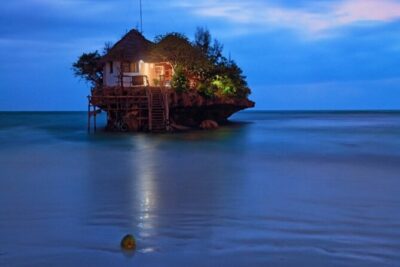
Dolphin tour, Jozani Forest, Jambiani Kuza Cave, Paje Beach &The Rock restaurent
Read our review →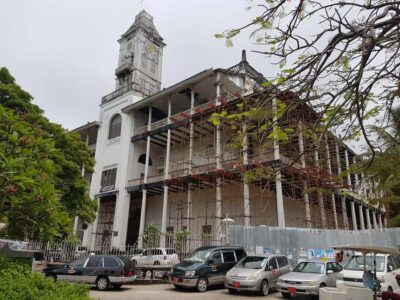
Zanzibar full day Jozani forest + Spice farm and stone town
Read our review →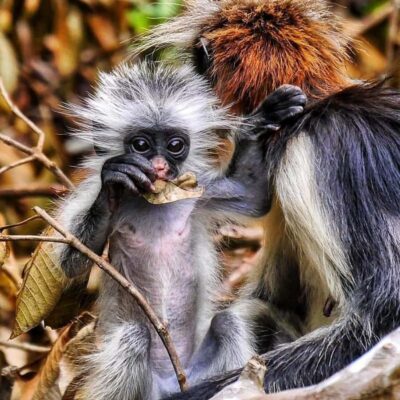
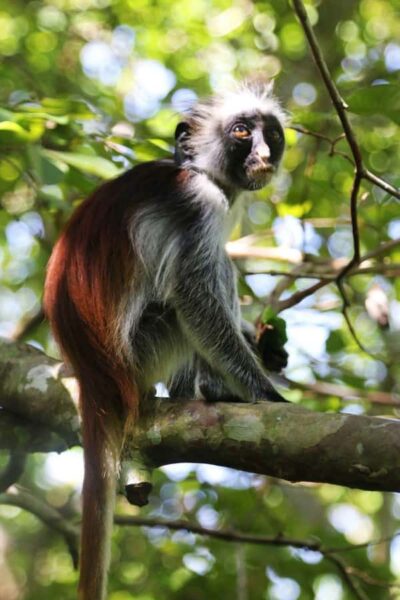
Red Colobus Monkeys in Jozani Forest Guided Tour
Read our review →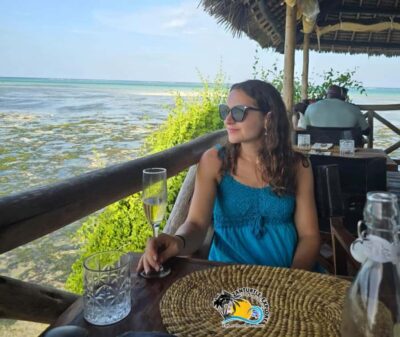
Jozani Forest, Salaam Cave & The Rock Restaurant
Read our review →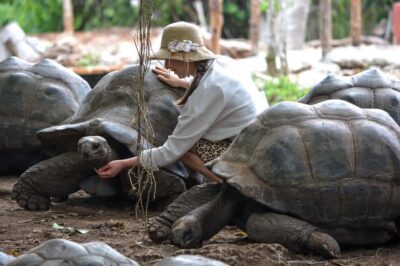
Prison Island, Tortoise, Jozani Forest Guided Tour
Read our review →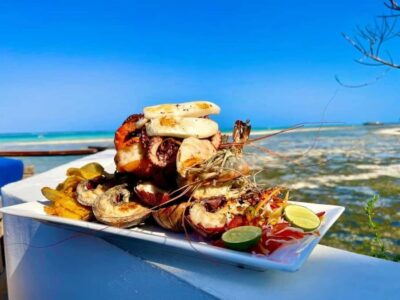
The Rock, Paje Beach, Jozani Forest, Salaam Cave
Read our review →Browse the lists this tour appears in