Reviewed · ZANZIBAR TOURS
Zanzibar: Nungwi Kilosa Zoo Conservation Tour
Animals up close make this Nungwi outing memorable. The Kilosas Conservation Center offers a small-scale, hands-on look at Zanzibar’s wildlife, with guided visits focused on endangered species, local plants, and community responsibility. I like the chance to feed and touch selected animals, and I like that the tour explains why species such as the Zanzibar red colobus monkey and Aders’ duiker need protection. The main drawback is simple: this is a small zoo, not a large safari park, and food and drinks beyond the welcome bottle are not included.
The two-hour format works well when you want a break from the beach or need a family-friendly activity in Nungwi. The private group setup and hotel pickup also take much of the effort out of the day. Still, expectations matter: the appeal is close contact and education, not long game drives or a huge collection of animals.
In This Review
- Key things to know before visiting Kilosas
- What the Kilosas Conservation Center is trying to do
- Arriving from your Nungwi hotel
- The first look: a small zoo with a personal feel
- Meeting monkeys and learning about red colobus conservation
- Aders’ duiker, birds, and smaller species
- Touching animals: what makes the visit different
- Why the two-hour length works
- Is $45 per person a fair price?
- The guides make a real difference
- Best fit for families, beach breaks, and curious visitors
- Practical tips for a smoother visit
- My verdict: should you book the Kilosas tour?
- FAQ
- Where is the Kilosas Conservation Center?
- How long does the tour last?
- How much does the tour cost?
- Is hotel pickup included?
- Which animals can I see?
- Can I touch and feed the animals?
- Which languages are available?
- What should I bring?
Key things to know before visiting Kilosas
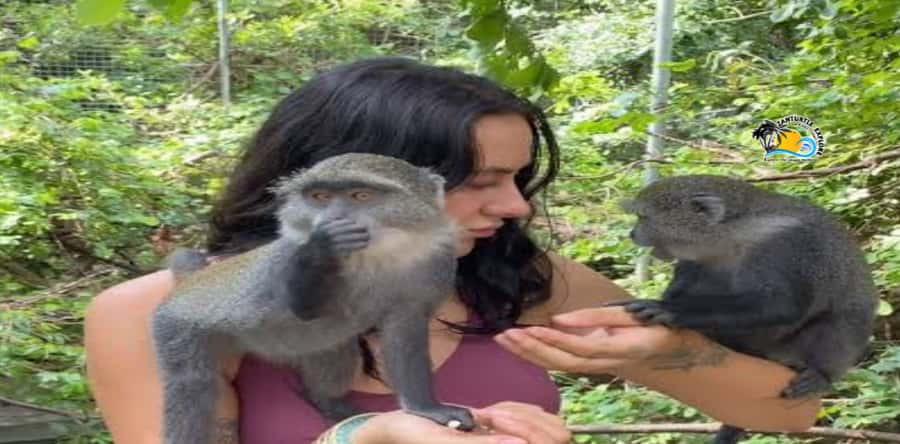
- The monkey feeding is the likely highlight: Several bookings singled out the friendly monkeys and feeding session as the most memorable part of the visit.
- This is a small, interactive zoo: You can get close to monkeys, reptiles, tortoises, ostriches, deer, crocodiles, and birds during a guided visit.
- Endangered Zanzibar species are central to the lesson: The center introduces you to the Zanzibar red colobus monkey and Aders’ duiker.
- Hotel pickup and drop-off are included: The operator meets you in your hotel lobby or reception area, so provide the hotel name and room number.
- The tour lasts two hours: That makes it easy to fit into a Nungwi holiday without giving up a full day at the beach.
- Bring sun protection: Comfortable shoes, a sun hat, and a camera are recommended. Pets are not allowed.
What the Kilosas Conservation Center is trying to do
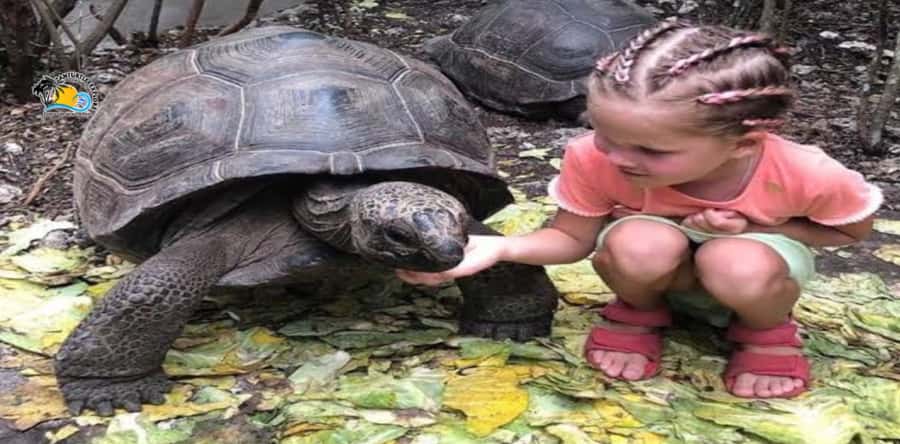
Kilosas Conservation Center is designed to teach visitors why Zanzibar’s plants and animals need care. Its work centers on conservation education, protection for endangered species, and community involvement.
That community link matters. A conservation center is not only about keeping animals in a safe place. It also tries to build local responsibility for nature, so people understand why native species and plant life should be preserved. Your entrance fee helps support an activity built around that message, though the supplied information does not explain the center’s wider funding or rehabilitation programs.
I would approach the visit as an educational animal encounter rather than a formal wildlife research facility. The center gives you a chance to see animals at close range and hear about their importance. It does not promise a full scientific tour, a large zoo, or sightings in a natural forest setting.
A few more trips of this kind worth comparing:
- Zanzibar: Nungwi Kilosa Zoo & Swimming with Turtles
★ 4.7 · 4 reviews
Arriving from your Nungwi hotel
The tour includes pickup and drop-off, a useful benefit in Northern Zanzibar. You are asked to wait in your hotel lobby or reception area, where a representative will meet you. Give the operator your hotel name and room number when booking so the pickup can run smoothly.
The transport has been praised for being punctual and easy. That is especially helpful if you are staying in Nungwi and do not want to arrange a taxi for a short activity. The experience is offered as a private group tour, so you are not simply joining an unknown crowd at the center.
The exact pickup time depends on availability. Since the tour lasts two hours, check the starting times before you book. I would avoid placing it too close to a flight, ferry, or another fixed excursion. Hotel pickup is included, but the available details do not promise a particular vehicle type or a fixed travel time from every hotel.
You receive a welcome bottle of water. Meals and other drinks are not included, so carry extra water if you expect strong sun or plan to spend more time outside before or after the tour.
The first look: a small zoo with a personal feel
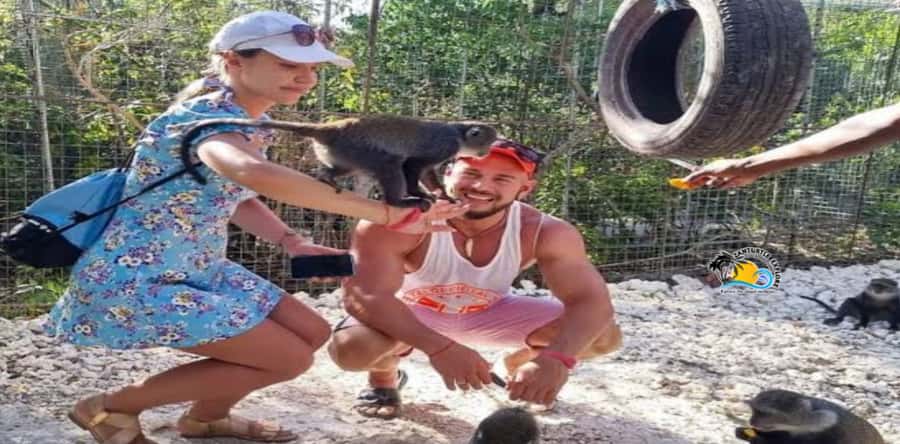
Kilosas is described as a small zoo, and that sets the right tone. You are not entering a massive animal park with long paths and dozens of separate exhibits. Instead, the visit is compact and built around direct contact, explanations, and a guide-led route.
That smaller scale can be a plus. You spend less time walking between distant enclosures and more time looking closely at the animals. Families with children may find the format easier to manage than a full-day zoo visit. One family booking described it as a strong choice for children looking for something to do in Nungwi.
The trade-off is variety. If you want hours of exploration, wide open spaces, or a long list of species, this two-hour visit may feel limited. The center works best as a focused outing that adds wildlife to a Zanzibar beach holiday.
Meeting monkeys and learning about red colobus conservation
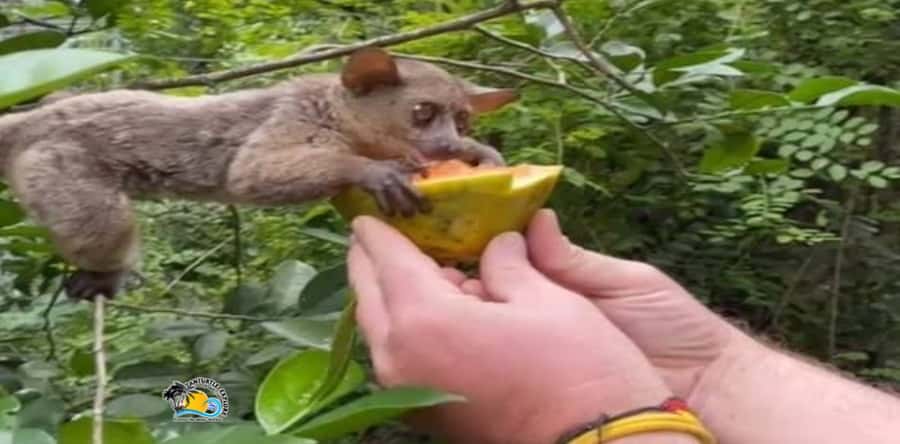
The Zanzibar red colobus monkey is one of the most important animals introduced during the tour. This endangered species is native to Zanzibar, so seeing it here gives the conservation lesson a local focus rather than turning the visit into a general display of African animals.
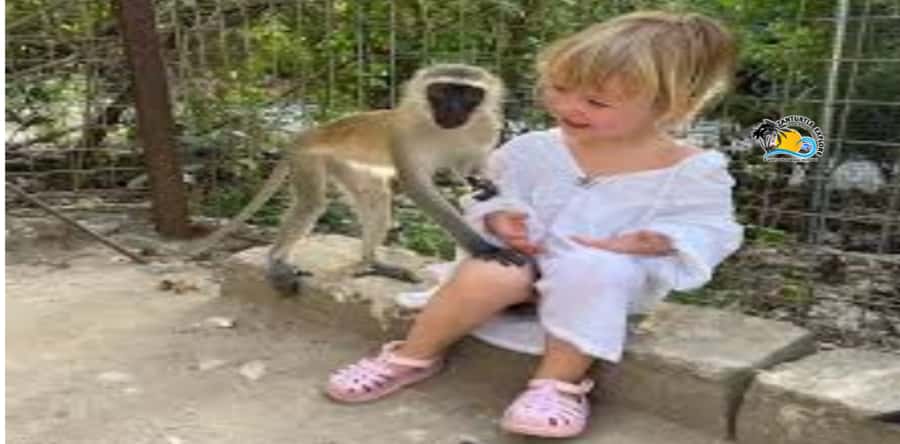
The animal encounters are interactive. You may have the chance to feed and touch animals under the guide’s direction, and the monkey feeding session has been a clear favorite. The monkeys are described as friendly, and several bookings praised the chance to get close to them.
Follow the guide’s instructions carefully during feeding. The included contact is part of the organized tour, not permission to handle every animal in any way you like. The supplied details do not specify which food is used, how long each feeding session lasts, or whether every animal is available during every visit, so let the guide set the pace.
The guide also adds humor and local explanation to the visit. Mufasa was praised for making a family outing especially enjoyable, with clear information about the animals and a playful manner. The names of other guides are not provided, but the tour is described as led by a professional guide.
A completely different kind of day out from Nungwi:
- Zanzibar: Mnemba Island Dolphin and Snorkeling Tour
★ 4.1 · 352 reviews - Zanzibar: Nungwi Turtle Aquarium Guided Half-Day Trip
★ 4.4 · 197 reviews - Matemwe: Mnemba Island Dolphin & Snorkeling Boat Trip
★ 4.3 · 152 reviews - Underwater Walking Experience in Zanzibar,No Swimming Needed
★ 4.7 · 83 reviews
Aders’ duiker, birds, and smaller species
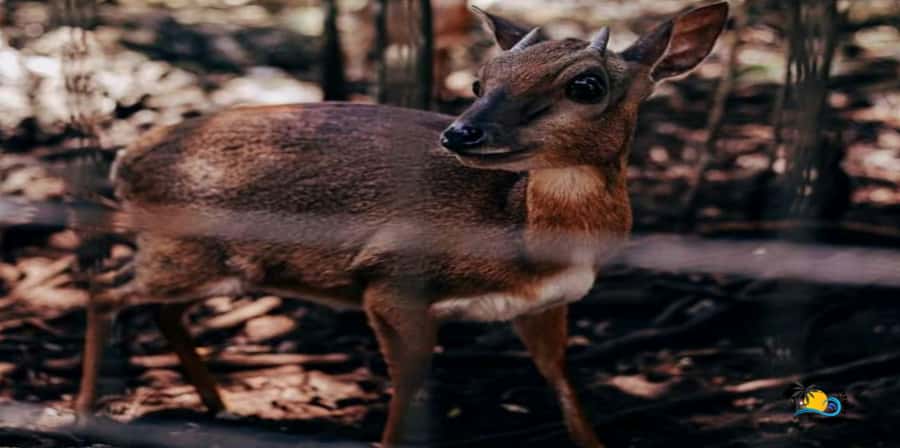
The Aders’ duiker gives the tour another Zanzibar-specific conservation angle. This small antelope is endangered, and learning about it helps you look beyond the more obvious monkeys and crocodiles.
You may also meet reptiles, tortoises, ostriches, deer, crocodiles, and various birds. Each animal offers a different kind of encounter. Tortoises and reptiles can be interesting for children who enjoy slow, close observation, while ostriches and crocodiles provide a sense of scale and power even in a compact facility.
The exact route and order are not specified, so do not expect a fixed performance-style schedule. The guide leads the visit and explains the animals as you move through the center. This leaves room for questions, but it also means the amount of time spent at each animal can vary.
I like this mix because it keeps the tour from being only a monkey visit. At the same time, the most personal moments are likely to come from animals you can approach and feed. If your main interest is birds or endangered antelope, ask the guide for extra information during the tour.
Touching animals: what makes the visit different
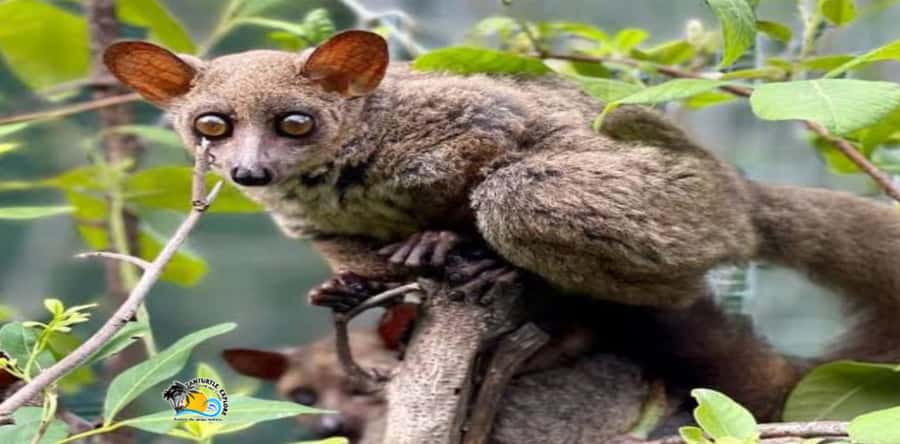
The opportunity to touch and feed selected animals is the clearest reason to choose Kilosas over a standard sightseeing stop. Children can connect an abstract conservation message with a real animal standing nearby. Adults may appreciate the chance to ask questions and see animal behavior at close range.
The experience is also social. You are not just walking past enclosures while reading signs. A guide explains the animals, gives you time to observe them, and helps create the interaction. One French booking praised the friendly guide’s humor and the chance to approach, touch, and feed the animals.
Still, hands-on wildlife encounters deserve a thoughtful approach. Keep movements calm, wait for the guide’s permission, and do not force contact if an animal does not seem interested. The center’s stated purpose is to provide a safe environment for endangered species, so animal welfare should come before getting the perfect photograph.
You can bring a camera, but keep it secondary. The close encounters may be brief, and a phone or camera can distract you from the guide’s explanation. A sun hat is also useful because the visit includes outdoor areas, though the details do not specify how much shade is available.
Why the two-hour length works
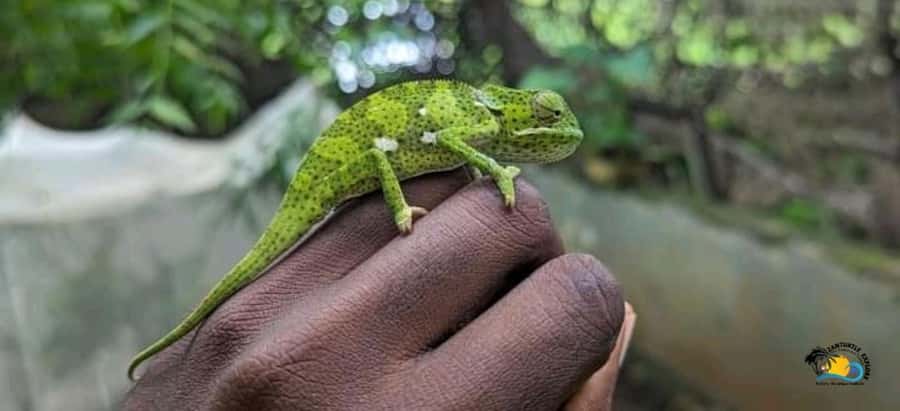
Two hours is enough time to receive a conservation explanation, see several types of animals, and take part in feeding and touching opportunities without turning the visit into an all-day commitment.
That short length is useful in Nungwi. You can schedule it around swimming, a beach afternoon, or another activity. It also suits families whose children may lose interest during a longer zoo visit. The private group format may make the timing feel less rushed, since the guide can respond to your group’s questions.
The limited duration does mean you should not expect a slow, detailed study of every animal. If you stop often for photographs or have many questions, the guide may need to keep the route moving. I would arrive ready to pay attention, especially during the conservation explanations, rather than treating the center as a quick photo stop.
Is $45 per person a fair price?
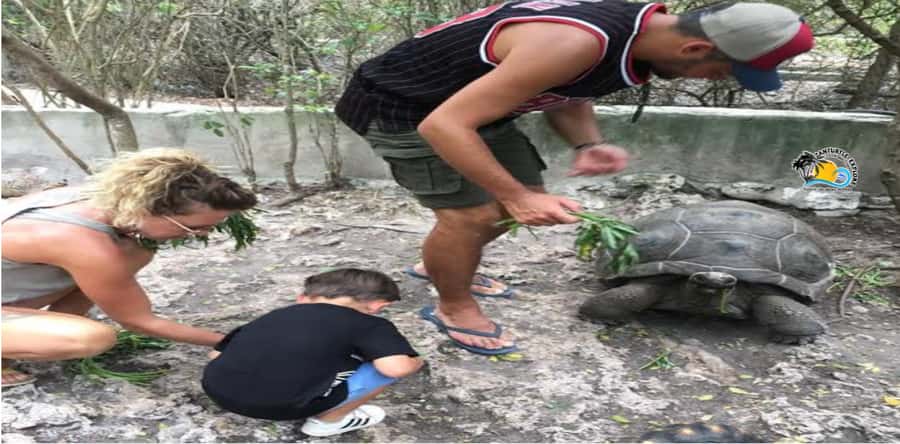
At $45 per person, the value rests on what is included. You get hotel pickup and drop-off, entry fees, taxes, a professional guide, conservation education, a welcome bottle of water, and the chance to feed and touch animals. For a private two-hour outing, that is a reasonable package if you value convenience and close contact.
The price is less compelling if you only want to look at animals from a distance. Kilosas is small, and the visit is short. You are paying for the guide, transport, organized access, and interactive format, not for a huge collection or a full-day safari.
Families may find the price easier to justify because the activity combines transport, entertainment, and learning. Couples or solo visitors should think about whether animal encounters are a major interest. If you are already planning several paid excursions, this one may feel optional. If you want an easy activity close to Nungwi, the included transport helps improve the value.
Meals and drinks are not included. Plan for that small extra cost, and do not assume the welcome bottle is the same as full refreshment for the day.
The guides make a real difference
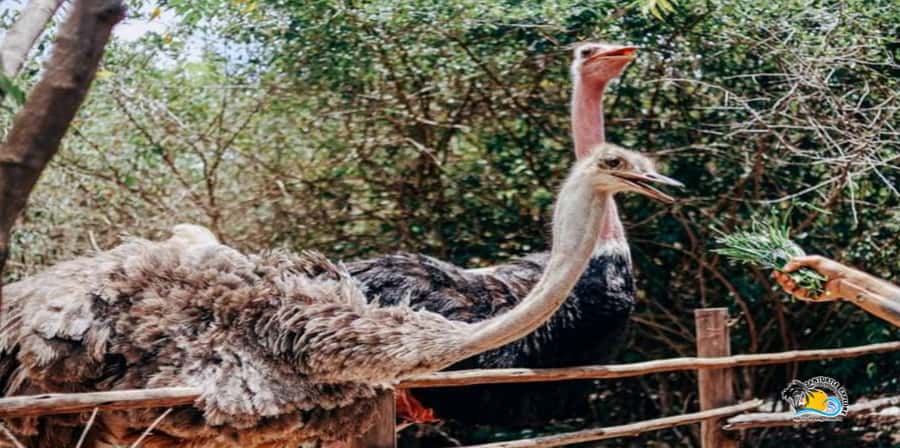
The guide is central to the quality of this visit. Animal enclosures alone would not explain the conservation work or help you understand why local species matter. The guide turns the stop into a structured lesson.
Mufasa received special praise for being helpful, funny, and good with families. Other guide descriptions also emphasize patience, clear explanations, and a friendly manner. The tour can be conducted in Arabic, English, French, German, Italian, Polish, Portuguese, Russian, Spanish, or Swahili, which gives many visitors a chance to learn in a preferred language.
Language availability can depend on the guide assigned to your booking, so state your preference when reserving. You can also write special requests before booking. That is the right place to mention language needs or other reasonable requests, rather than waiting until pickup.
The guide’s approach also shapes how much you learn. Ask about the red colobus monkey, Aders’ duiker, local plant life, and how the community is involved. The provided information confirms that conservation education is a main goal, but it does not list a set lecture or printed material.
Best fit for families, beach breaks, and curious visitors
I would recommend this tour most strongly to families with children. The animals are close, the outing is short, and feeding the monkeys gives children something active to look forward to. It also offers a useful break from a holiday built entirely around sand and sea.
It suits you if you want:
- A short wildlife activity in Nungwi
- Direct animal encounters guided by staff
- A private group rather than a large shared tour
- A conservation lesson connected to Zanzibar
- Hotel pickup and return
- A family-friendly outing with little planning
It may not suit you if you expect a wild safari, a very large zoo, or a long nature walk. You should also reconsider if you prefer not to touch or feed captive animals. The center’s purpose is conservation education, but the hands-on element is a major part of the visit.
Couples can enjoy it too, especially if they like wildlife photography or want an activity beyond the beach. Just keep your expectations in line with the small size and two-hour schedule.
Practical tips for a smoother visit
Wear comfortable shoes. Even a short guided route can be awkward in sandals if the ground is uneven, and closed shoes make it easier to focus on the animals.
Bring a sun hat and your camera. Zanzibar’s sun can be strong, and the chance to see monkeys, tortoises, birds, ostriches, deer, and reptiles gives you plenty of photo subjects. Do not bring pets, as they are not allowed.
Carry additional water if needed. One welcome bottle is included, but meals and drinks are not. This point is worth remembering because one booking specifically wished there had been more to drink.
Give the hotel’s full details when arranging pickup, including the room number requested by the operator. Meet in the lobby or reception area. Before paying, use the special request field to note your preferred language or other needs.
The booking allows free cancellation up to 24 hours before the activity for a full refund, and you can reserve now and pay later. That flexibility helps if your Zanzibar schedule is still shifting.
My verdict: should you book the Kilosas tour?
Book it if you want a compact, friendly, hands-on wildlife visit from Nungwi. The strongest reasons are the monkey feeding, the chance to see endangered Zanzibar species, the private group format, and hotel transport. The guides, especially Mufasa for families, add warmth and humor to what could otherwise be a simple zoo visit.
Skip it if you want a full safari, a large animal park, or a long outdoor adventure. At $45 per person, the price makes sense when you value convenience, personal guidance, and close encounters. For a child-friendly half-day plan, it is one of the easier Nungwi activities to recommend. Bring water, wear practical shoes, and treat the animals calmly and respectfully.
FAQ
Where is the Kilosas Conservation Center?
The center is in Nungwi in Northern Zanzibar, Tanzania.
How long does the tour last?
The guided conservation visit lasts two hours.
How much does the tour cost?
The listed price is $45 per person.
Is hotel pickup included?
Yes. Pickup and drop-off at your hotel are included. You meet a representative in the hotel lobby or reception area.
Which animals can I see?
The center has monkeys, reptiles, tortoises, ostriches, deer, crocodiles, and various birds. The tour also focuses on endangered species such as the Zanzibar red colobus monkey and Aders’ duiker.
Can I touch and feed the animals?
Yes. The tour includes opportunities to touch and feed animals under the guidance of the center’s staff.
Which languages are available?
The tour can be offered in Arabic, English, French, German, Italian, Polish, Portuguese, Russian, Spanish, and Swahili.
What should I bring?
Bring comfortable shoes, a sun hat, and a camera. Pets are not allowed. A welcome bottle of water is included, but meals and additional drinks are not.
Just added around Nungwi
- Zanzibar: Nungwi Cultural Village Tour and Swim Turtles★ 4.7 · 3 reviews
- Swimming with tirltes at The Lagoons Zanzibar in Nungwi★ 4.3 · 3 reviews
- Zanzibar Mnemba island snorkling & swim with turtles Tour★ 4.3 · 3 reviews
- Zanzibar: Horseback Riding and Turtle Aquarium Visit★ 4.3 · 4 reviews
- Zanzibar: Nungwi Kilosa Zoo & Swimming with Turtles★ 4.7 · 4 reviews
- Zanzibar: Nungwi and Kendwa Sunset Dhow Cruise with Pickup★ 4.3 · 4 reviews
- Zanzibar: Mnemba Island Snorkeling & Dolphin★ 5.0 · 4 reviews
- Zanzibar: Horseback Riding and Turtle Swimming Tour★ 3.3 · 4 reviews
Zanzibar Tours, compared.
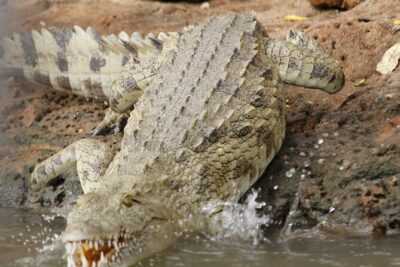
Mikumi Safari Day Trip with Flights and Meal
Read our review →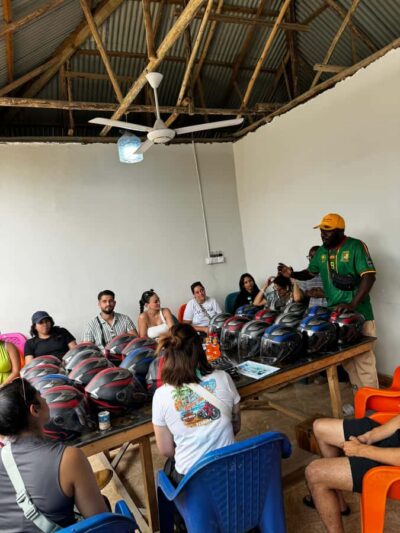
Quad Bike Adventure departing from Kendwa or Nungwi
Read our review →
Stone Town, Spice Tour, Prison Island with Lunch
Read our review →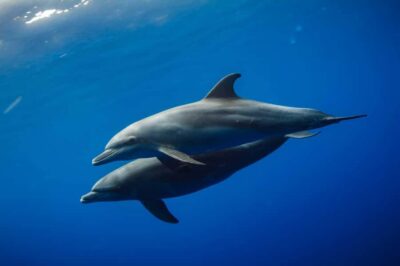
Mnemba Boat Trip and Dolphin Snorkel Adventure
Read our review →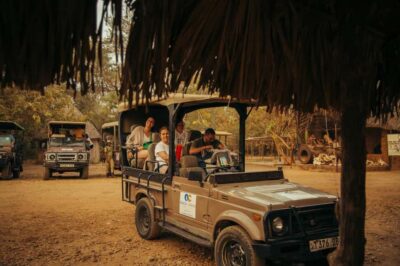
Prison Island and Nakupenda Boat Trip with Lunch
Read our review →