

Reviewed · STONE TOWN TOURS
Zanzibar Stone Town: Historical Walking Tour With a Local Guide
Stone Town rewards slow walking. This private three-hour tour brings together Zanzibar’s carved doors, old palaces, slave-trade sites, markets, and seaside gardens with a local guide to explain what you are seeing. I especially like the small private format, since you can ask questions without keeping pace with a large group, and the route packs major sights into one manageable morning or afternoon. I also like the practical mix of grand buildings and ordinary daily life, from the Anglican Cathedral to Darajani Bazaar.
The main consideration is that this is a walking tour through narrow streets and market areas, so comfortable shoes and weather-ready clothing matter. The Freddie Mercury Museum is not included in the $33 price, and the advertised Monday hours of 9:30 AM to 5:30 PM should be checked when you book.
In This Review
- Key points at a glance
- Why Stone Town works best on foot
- Beginning at Darajani Bazaar and the City Market
- Reading the old houses and carved doors
- The Old Post Office and Freddie Mercury’s birthplace
- The former slave market and Anglican Cathedral
- Sultans Palace Museum and the People’s Palace
- House of Wonders and the Old Arab Fort
- Ending at Forodhani Garden
- What the $33 price really covers
- Guide quality, weather, and practical comfort
- Who should book this Stone Town walk
- Should you book it?
- FAQ
- How long is the Stone Town walking tour?
- How much does the tour cost?
- Is this a private tour?
- What sights are included?
- Is the Freddie Mercury Museum included?
- Are meals and drinks included?
- Where does the tour end?
- What happens if bad weather cancels the tour?
Key points at a glance
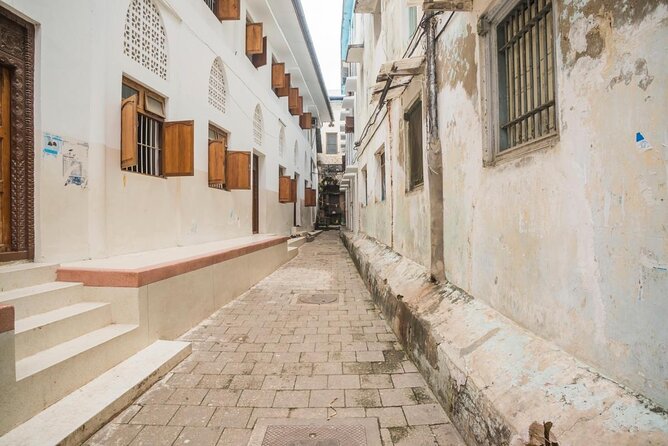
- Private three-hour walking tour: Your group explores Stone Town with a guide rather than joining a large shared outing.
- A route through UNESCO-listed Stone Town: See the city’s old architecture, carved doors, balconies, alleys, and major historic buildings.
- A serious look at the slave trade: The Old Slave Market includes chambers, monuments, historical panels, and the Anglican Cathedral of Christ.
- Local life at Darajani Bazaar: The route passes spice, fish, and fruit markets, giving you a look beyond the postcard buildings.
- Freddie Mercury connection: You pass the house associated with his birth, with an optional museum stop that costs extra.
- Good value at $33: The price covers a guide and several important sites, while meals, drinks, tips, and the Freddie Mercury Museum are separate.
Why Stone Town works best on foot
Stone Town is not a place you understand well from a vehicle. Its character is packed into narrow lanes, shaded doorways, old balconies, shopfronts, and sudden views toward the waterfront. A walking tour lets you notice the details that are easy to miss from a taxi.
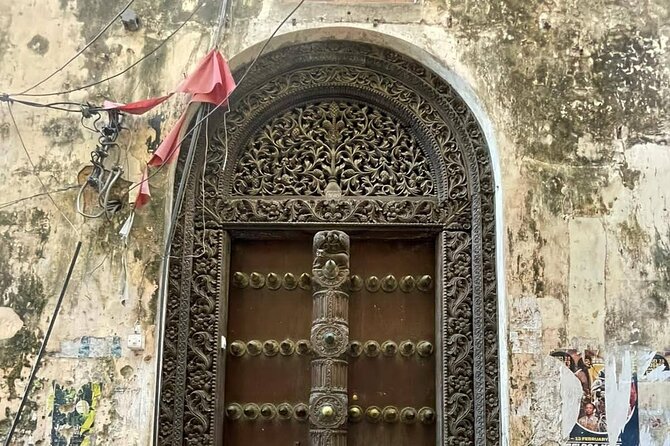
The city was declared a UNESCO World Heritage Site in 2000. That recognition reflects its unusual mix of architecture, history, and culture, but you do not need a long lecture to appreciate it. Look at the old sand-and-stone houses, many with Arab or Indian influence, then study the carved wooden doors fitted with brass studs. Those doors are among the most memorable details in Stone Town.
I like that this route does not treat the city as a museum frozen in time. You move through working streets, a local market, souvenir lanes, and public spaces where daily life continues around the old buildings. The result is more useful than a simple parade of monuments.
The tour lasts about three hours. That is enough time to get a solid first look at Stone Town without giving up an entire day. It is also short enough to fit around other Zanzibar plans, though the pace may feel full if you want to stop for long shopping sessions or detailed photographs at every turn.
More Historical Tours in Zanzibar
- Zanzibar: Stone Town Historical Cultural Walking Guided Tour
★ 4.5 · 179 reviews - Stone Town Historical Walking Tour
★ 5.0 · 143 reviews - Stone Town’s Hidden History: Private Guided Walking Tour
★ 4.6 · 94 reviews
Beginning at Darajani Bazaar and the City Market
The tour starts at the main City Market, opened in 1904. This is a practical beginning because it gives you an immediate sense of the city as a place where people shop, trade, and work, not just a collection of old buildings.
Darajani Bazaar brings together spice, fish, and fruit markets. You can watch ordinary market activity and see some of the goods that shape Zanzibar’s identity. The stop is listed at about 15 minutes, so think of it as an introduction rather than a full market visit.
I would keep your shopping expectations realistic. The tour includes an opportunity to browse spice shops and souvenir stalls, but the schedule is moving. If you see something you want, ask your guide how much time you can spare before buying. This is one of the places where a private tour helps, since your group may have more flexibility than a large party.
The market can also be a useful place to get your bearings. Stone Town’s lanes can feel confusing at first, and the guide helps connect the market to the streets and landmarks that follow.
Reading the old houses and carved doors

From the market, the walk turns toward Stone Town’s older buildings and narrow alleys. The architecture is the real thread tying the tour together. You will see houses built from sand and stone, along with Arab and Indian design details, carved balconies, and heavy wooden doors decorated with brass studs.
This part of the route rewards attention. The doors are not merely decorative. Their size, carving, and metal studs give each building a distinct face, while the balconies and upper floors show how different cultural influences met in Zanzibar.
A local guide adds value here because architectural details can otherwise blur together. You can ask why a particular doorway looks Indian, Arab, or more closely tied to the island’s own traditions. The supplied information does not promise a specialist architecture lecture, but the route is designed to explain what you are seeing rather than leave you to guess.
Allow yourself time to look up. Much of Stone Town’s interest is above street level, where balconies, shutters, and carved details can be missed if you focus only on the lane ahead.
The Old Post Office and Freddie Mercury’s birthplace
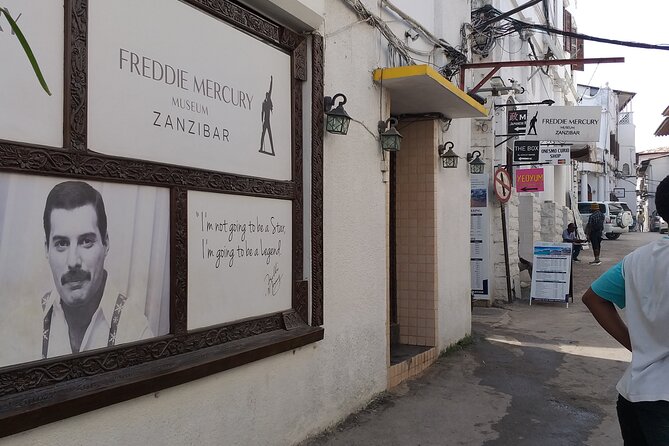
The route continues past the Old Post Office and the house associated with Freddie Mercury’s birth. This gives the tour a lighter cultural link after the older architectural and commercial sections.
Freddie Mercury, the lead vocalist and pianist of Queen, was born in Zanzibar. The stop connected with him is brief, listed at about 10 minutes if you visit the Freddie Mercury Museum. Admission to that museum is not included, so you should budget separately if you want to enter.
The practical point is simple: passing the birthplace and visiting the museum are not the same thing. You can see the location from the route without paying for museum entry, while the museum offers a more focused look at Mercury’s life and career.
If you are a Queen fan, this may be one of the tour’s personal highlights. If not, it remains a short cultural stop within a broader tour of Stone Town. I would not choose this experience solely for the museum, since the main value lies in the city-wide route.
More Walking Tours in Zanzibar
- Stone Town Private Walking Tour
★ 5.0 · 371 reviews - Zanzibar: 3 Hours Private Stone Town walking Tour with Guide
★ 4.6 · 301 reviews - Stonetown: Food Markets and Street Food Walking Tour
★ 4.7 · 151 reviews - Zanzibar Stone Town Walking Tour
★ 5.0 · 145 reviews
The former slave market and Anglican Cathedral

The most serious stop is the former slave market, now the site of the Anglican Cathedral of Christ. The visit lasts about 30 minutes and includes slave monuments, underground chambers, historical panels, a whipping post, and the grave of Bishop Edward Steere, who built the church.
This section gives the tour moral weight. Zanzibar’s past is not only about sultans, trade, carved buildings, and ocean commerce. The slave market helps you confront the human cost behind that history. The chambers and monuments are stark, and the setting inside a functioning church makes the contrast especially powerful.
I appreciate that the stop includes more than a quick photograph outside. The historical panels and preserved spaces give you information to work with, while the memorial elements create room for quiet thought. The guide can also help place the site within the larger story of Zanzibar.
This may be the most emotionally difficult part of the walk. If you prefer a light sightseeing outing, prepare yourself for a change in tone here. The subject deserves attention, and the short visit may leave you wanting more time than the schedule allows.
Sultans Palace Museum and the People’s Palace

The tour then reaches the Sultans Palace Museum, also called the People’s Palace Museum in the route details. The building was used by some of Zanzibar’s sultans as a residence, making it an important stop for understanding the island’s royal past.
The visit is listed at about 10 minutes. That is enough to see the palace setting and learn its place in Zanzibar’s story, but it is not a long museum session. If you enjoy royal interiors and historical objects, you may wish you had more time to explore.
Still, the stop works well in the sequence. After seeing the market and the slave-trade site, you encounter the world of the sultans who shaped Stone Town’s political and commercial life. The tour keeps moving, but the variety prevents the walk from becoming a series of similar old walls.
The name People’s Palace Museum can cause some confusion because the overview also calls it the Sultans Palace Museum. Keep both names in mind when checking signs or asking your guide where you are.
House of Wonders and the Old Arab Fort
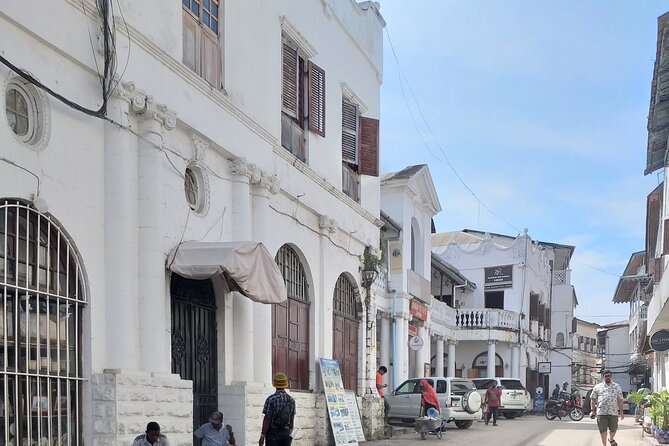
Next comes the House of Wonders, or Beit-el-ajaib. It was the ceremonial palace of Sultan Barghash and was later used as offices by the British colonial administration. The building represents changing power in Zanzibar, from the sultanate to the colonial period.
The scheduled stop is about 10 minutes, and admission is listed as free. That timing suggests a look at the exterior and a short explanation rather than an extended interior visit. Even with limited time, the building is an important marker in Stone Town’s central historic district.
The Old Arab Fort follows in the wider route. The fort helps show how defensive and political structures fit into the city’s waterfront setting. It also gives the walk a different architectural mood after the palace buildings and market lanes.
Because the tour covers several major sights in three hours, you should think of these stops as focused introductions. You will come away knowing what each site is and why it matters, but you may not receive a room-by-room museum visit at every building.
Ending at Forodhani Garden
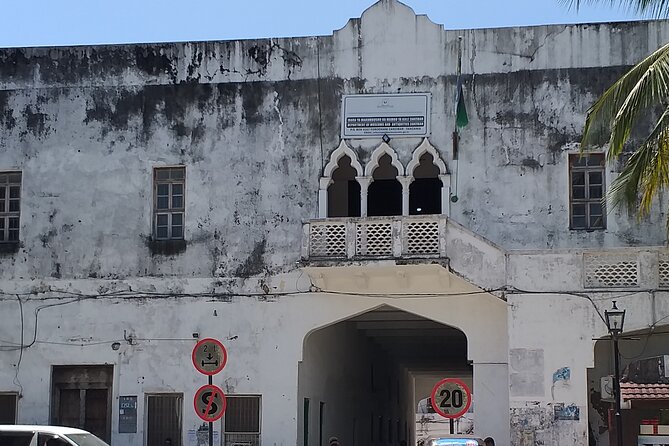
The walk finishes at Forodhani Garden, a waterfront public space that offers a natural change of pace after the tight alleys of central Stone Town. It is a sensible ending because you can pause, orient yourself, and decide what to do next.
The tour includes a stroll through the garden, but meals and drinks are not included. That distinction matters if you expect a food stop. You may have the opportunity to continue exploring local food options afterward, but the experience itself does not cover refreshments.
Ending here also places you near several of the route’s major sights, including the Old Arab Fort. The activity ends back at the meeting point, according to the provided details, so confirm the exact meeting and end point with the provider before setting out.
What the $33 price really covers
At $33 per person, this tour offers good value if you want a guided introduction to Stone Town rather than arranging several separate visits. The price covers a private guided walk, the city’s historic architecture, the Anglican Cathedral and former slave market, the Old Arab Fort, Forodhani Garden, and time around the markets and shops.
The strongest value comes from the guide’s local context. Stone Town’s buildings are interesting on their own, but the route becomes more useful when someone explains the relationship between the market, sultanate, colonial administration, religious buildings, and slave-trade history.
You should add money for anything outside the core walk. Meals and drinks are not included, tips are optional, and entry to the Freddie Mercury Museum is separate. The listed admissions for the Anglican Cathedral, House of Wonders, and People’s Palace are included or free according to the tour details, but conditions at historic sites can change, so confirm what is open on your date.
Since the activity is private, the price may be especially fair for couples, families, or a small group that values a flexible conversation. Solo visitors should weigh the per-person cost against the benefit of having a guide focused on one person.
Guide quality, weather, and practical comfort
The tour provider asks you to share a WhatsApp number for easy communication. That is useful for confirming the meeting details and coordinating with your guide before the walk.
One guide named Abdi receives particularly strong praise for his care in wet weather. During the rainy season, he brought an umbrella and continued explaining Zanzibar while answering questions beyond the formal route. That detail matters because it shows the kind of personal help you may value more than a polished script.
The experience requires good weather. If poor conditions force cancellation, you are offered another date or a full refund. Even when the tour goes ahead, bring clothing suited to changing conditions and shoes that work on an uneven urban walk.
The activity is near public transportation, allows service animals, and says most people can participate. It is still wise to consider your own comfort with three hours of walking through narrow streets and market areas.
Who should book this Stone Town walk
I would recommend this tour if you are visiting Zanzibar for the first time and want the main historic sights explained in one outing. It suits people who enjoy architecture, political history, local markets, and a serious look at the former slave trade.
It is also a good choice if you prefer a private experience. You can ask about doors, palaces, religion, markets, Freddie Mercury, or Zanzibar beyond the listed stops. Abdi’s willingness to answer unrelated questions suggests that the best part of the tour may be the conversation between landmarks.
I would be more cautious if you want long museum visits, extensive shopping time, or a relaxed food tour. The three-hour schedule is full, and several stops last only 10 to 15 minutes. The tour gives you a strong overview, but you may need to return independently to explore your favorite site in greater detail.
The experience has a 4.9 rating from 18 reviews, with 100 percent recommending it. That is encouraging, especially alongside the specific praise for Abdi’s preparation and patience, but the limited number of ratings means I would still match the tour to your interests rather than treat the score as a guarantee.
Should you book it?
Book this Stone Town tour if you want a private, well-priced introduction to Zanzibar’s old city, especially if you value local explanation over long museum entry times. The route covers the market, carved houses, slave market, cathedral, sultans’ palaces, Old Arab Fort, Freddie Mercury connection, and Forodhani Garden in about three hours.
Skip it if you mainly want a dedicated Freddie Mercury museum visit, a food-focused outing, or several hours inside palaces. For most first-time visitors, though, the combination of major landmarks, market life, architecture, and difficult history makes this a sensible way to begin exploring Stone Town.
FAQ
How long is the Stone Town walking tour?
The tour lasts approximately three hours.
How much does the tour cost?
The listed price is $33 per person.
Is this a private tour?
Yes. Only your group participates in the activity.
What sights are included?
The route includes Stone Town’s old architecture, the Old Slave Market and Anglican Cathedral of Christ, the Old Arab Fort, Forodhani Garden, Darajani Bazaar, the House of Wonders, and the People’s Palace Museum.
Is the Freddie Mercury Museum included?
No. The Freddie Mercury Museum stop lasts about 10 minutes, but admission is not included.
Are meals and drinks included?
No. Meals and drinks are not included in the tour price.
Where does the tour end?
The activity ends back at the meeting point, according to the provided tour details.
What happens if bad weather cancels the tour?
If the experience is canceled because of poor weather, you will be offered a different date or a full refund. You can also cancel up to 24 hours before the start time for a full refund.
More Historical Tours
- Private Historic Stone Town Tour
★ 5.0 · 79 reviews - Stone Town Historical Walking Tour
★ 5.0 · 40 reviews - Zanzibar Stone Town Tour: Explore Rich History and Hidden Wonders
★ 5.0 · 34 reviews - Zanzibar Stone Town Historical Tour and Spice Farm Tour
★ 5.0 · 30 reviews
More Stone Town Tours
- Zanzibar: Stone Town, Spice Tour, Prison Island with Lunch
★ 4.4 · 1,219 reviews - Zanzibar: Prison Island, Stone Town, & Spice Farm Tour
★ 4.5 · 579 reviews - Zanzibar; Prison Island, Nakupenda, StoneTown Tour with BBQ
★ 4.3 · 457 reviews - Zanzibar: Stone Town, Spice tour & Prison Island with Lunch
★ 4.6 · 453 reviews
Just added around Zanzibar
- Spice Tour of Zanzibar★ 4.5 · 3 reviews
- Zanzibar : Stone Town Tour,history without transport★ 4.8 · 3 reviews
- Zanzibar: 3-Day Northern Safari with Flights Included★ 4.8 · 3 reviews
- Jozani Forest, kuza cave and mtende beach★ 5.0 · 3 reviews
- Starfish Beach; The Rock; Kuza Cave; Paje Beach; Salaam Cave Tour★ 4.5 · 3 reviews
- ZANZIBAR: Stone Town and Jozani Forest Guided Tour★ 4.0 · 3 reviews
- Zanzibar: African Sunset Boat Party in Zanzibar Music, Views★ 4.3 · 3 reviews
- Joazani forest & Spice farm with lunch★ 5.0 · 3 reviews
Stone Town Tours, compared.

Stone Town, Spice Tour, Prison Island with Lunch
Read our review →

Prison Island, Nakupenda, StoneTown Tour with BBQ
Read our review →Stone Town, Spice tour & Prison Island with Lunch
Read our review →

3 Hours Private Stone Town walking Tour with Guide
Read our review →
Full-Day Private Stone Town +Spice Farm and Prison Island Tour
Read our review →
Stone Town Historical Cultural Walking Guided Tour
Read our review →Browse the lists this tour appears in