
Reviewed · STONE TOWN TOURS
Zanzibar: Stone Town History Walking Tour with a Local Guide
Stone Town rewards slow footsteps. This three-hour private walking tour takes you through narrow lanes, markets, old landmarks, and Swahili culture with a local guide who can help the city make sense. I like the personal pace and the chance to see more than the postcard sights. I also like that the Former East Africa Slave Market admission and bottled water are included for $12 per person.
The main thing to consider is guide quality. Several guides have been praised for clear explanations and a good pace, including Abdi and Isaak, but one German-speaking visitor felt the historical detail was too light. If you want a broad introduction with room for questions, this looks like a good fit. If you want a serious lecture on slavery, the 1960 revolution, or Zanzibar’s port economy, say so at the start.
In This Review
- Key points to know before you book
- Why Stone Town works best on foot
- Starting in Stone Town and meeting your guide
- House of Wonders and Stone Town’s grand landmarks
- Old Fort and the city’s changing past
- The Former East Africa Slave Market
- Markets, shopping, and everyday Stone Town
- Forodhani Gardens and a proper pause
- Freddie Mercury Museum: an optional extra
- What the $12 price really gets you
- Comfort, clothing, and accessibility
- Who will enjoy this walking tour most?
- Should you book the Stone Town walking tour?
- FAQ
- How long does the Stone Town walking tour last?
- How much does the tour cost?
- Is the tour private?
- Where does the tour start?
- Is hotel transportation included?
- Which languages are available?
- Is entry to the Former East Africa Slave Market included?
- Is the Freddie Mercury Museum included?
- What should I bring?
- Is the tour wheelchair accessible?
Key points to know before you book

- Three hours on foot: Expect narrow lanes, uneven surfaces, photo stops, market visits, and short breaks rather than a long vehicle-based tour.
- Private group format: You get a guide focused on your group, with the pace adjusted to your interests and walking ability.
- Strong local focus: The route covers Swahili culture, architecture, local traditions, old palaces, the spice trade, and major Stone Town landmarks.
- Several languages available: Guides can operate in English, French, German, Italian, or Spanish.
- Good value at $12: The price includes guiding, water, and entry to the Former East Africa Slave Market.
- Freddie Mercury Museum costs extra: Admission is about $8 per person if you choose to add it.
Why Stone Town works best on foot
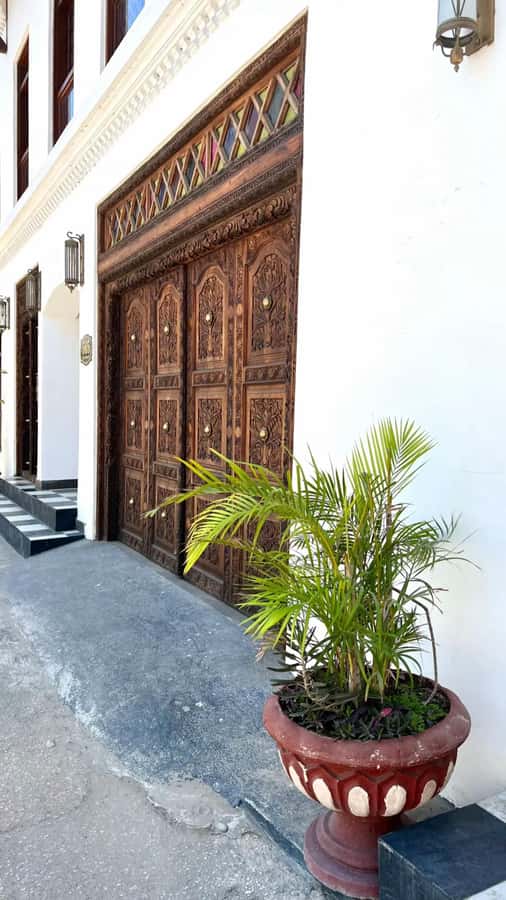
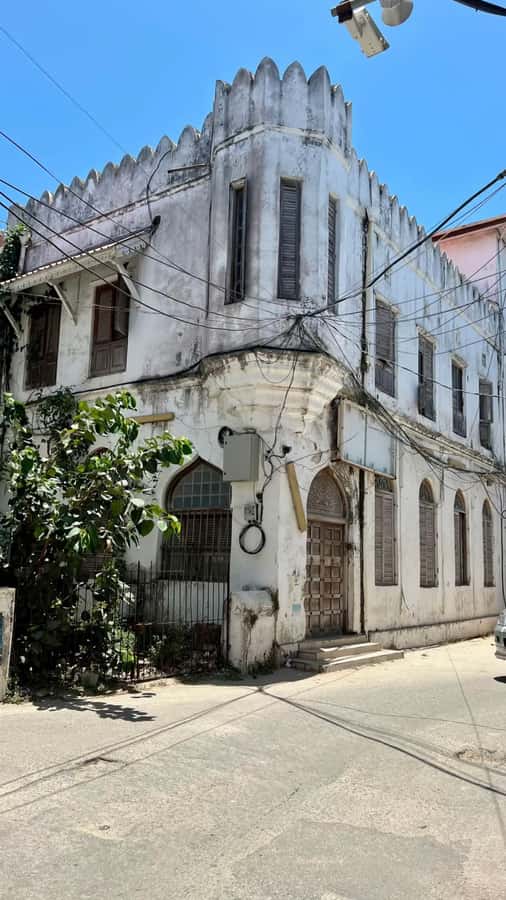
Stone Town is a place where the spaces between the sights matter as much as the sights themselves. A walking tour lets you notice carved doors, old walls, small market stalls, colored buildings, and turns you could easily miss from a car.
The lanes are narrow, and the route includes uneven streets. That is part of the charm, but it also means you should wear proper walking shoes and avoid loose clothing. Comfortable clothes, sunglasses, a sun hat, and a camera are sensible choices.
The guide gives the city a human scale. Instead of simply seeing an old building, you can ask who used it, how the neighborhood changed, and what a particular architectural detail means. The strongest feedback about this tour focuses on that personal contact. Abdi was praised for explaining Stone Town and its past clearly, while Isaak adapted the outing to his group’s wishes and kept the conversation pleasant.
That flexibility matters in a private group. You can spend more time on architecture if that interests you, ask for more context at the market, or take a short pause when the heat starts to catch up with you.
More Historical Tours in Zanzibar
- Zanzibar: Stone Town Historical Cultural Walking Guided Tour
★ 4.5 · 179 reviews - Stone Town Historical Walking Tour
★ 5.0 · 143 reviews - Stone Town’s Hidden History: Private Guided Walking Tour
★ 4.6 · 94 reviews
Starting in Stone Town and meeting your guide
The tour has two pickup options in Zanzibar, Stone Town, and hotel pickup can be arranged on request. If pickup is confirmed, your driver or guide collects you from the lobby or main entrance. You should be ready 10 minutes before the scheduled time.
The experience begins with a safety briefing, then moves into the walking portion. That simple start is useful because it gives you a chance to clarify what you want from the tour. If history is your priority, say so. If you care more about photography, markets, or local traditions, mention that too.
A three-hour tour sounds generous, but Stone Town can pull you in quickly. You may want to stop often for photographs or browse arts and crafts. A guide who controls the pace well can keep the route moving without making it feel rushed. One visitor specifically praised the guide for choosing pleasant places to pause, answering questions, and setting a comfortable pace.
The best approach is to treat the first few minutes as a planning conversation, not just a formal greeting.
House of Wonders and Stone Town’s grand landmarks
The House of Wonders is one of the major landmarks on the route. The tour uses it as a doorway into Stone Town’s architecture and political past, rather than simply as a photo backdrop.
You can expect the guide to point out notable features and connect the building to wider themes such as palaces, local traditions, and Zanzibar’s trading past. The supplied details do not promise museum entry, so think of this as a guided exterior visit unless your guide tells you otherwise.
This is where a private guide can add value. A quick photograph takes seconds. Understanding why the building matters takes conversation. Ask about its original role, its design, and how it fits with the surrounding streets. The guide’s answer will help you decide how much time to spend here.
The House of Wonders is also one of the more photogenic stops. Bring your camera, but remember that Stone Town’s best images may come from smaller details nearby: doorways, balconies, worn walls, and busy corners.
Old Fort and the city’s changing past
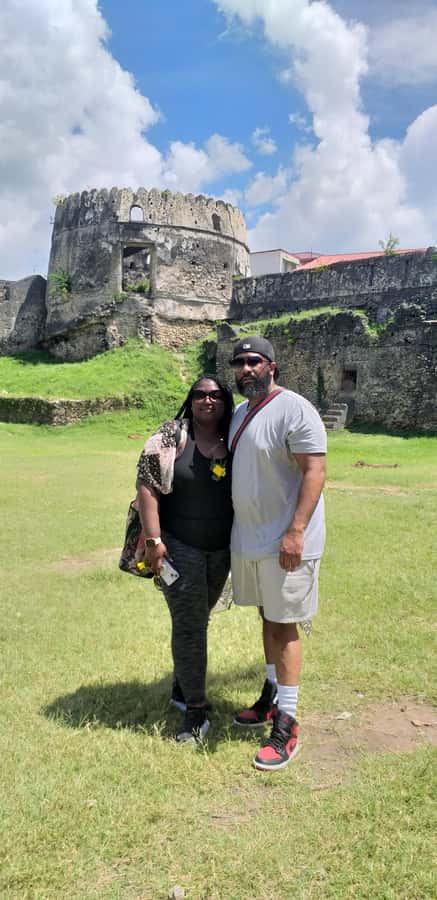
Old Fort is another central stop. It gives the tour a firm historical anchor and helps you see how different periods overlap in Stone Town.
You will likely have time for a guided visit, photographs, and some free time. The supplied description does not specify a separate admission charge for Old Fort, so do not assume that any optional museum or special exhibit is included. Your guide can clarify what is covered during the visit.
This stop is useful for putting the city’s past into a wider frame. The tour covers the spice trade, old palaces, Swahili culture, and local traditions. It also includes a visit to the former slave market, giving the day a more serious side than a simple architecture walk.
The historical depth may depend on the guide and on what you ask. One visitor wanted more detailed information about the slave trade, the 1960 revolution and its consequences, and Zanzibar City’s port economy. That is a fair warning for history-focused visitors. The tour promises historical context, but you should be direct if you want a detailed treatment of difficult subjects.
More Walking Tours in Zanzibar
- Stone Town Private Walking Tour
★ 5.0 · 371 reviews - Zanzibar: 3 Hours Private Stone Town walking Tour with Guide
★ 4.6 · 301 reviews - Stonetown: Food Markets and Street Food Walking Tour
★ 4.7 · 151 reviews - Zanzibar Stone Town Walking Tour
★ 5.0 · 145 reviews
The Former East Africa Slave Market
Admission to the Former East Africa Slave Market is included in the $12 price. This is an important part of the tour, not just another quick stop.
The site connects Stone Town’s streets and trade history with the human cost of slavery. A guide can help you approach it with care and explain the significance of the place. Because the subject is serious, you may prefer to allow enough quiet time rather than rushing through for photographs.
The available information does not provide a full account of the site or specify how long you remain there. It does confirm that admission is included and that the tour discusses the slave trade. If this is the main reason you are booking, tell the guide before the walk begins and ask for as much detail as the three-hour schedule allows.
That point matters because the tour can be broad. It combines landmarks, markets, shopping, arts and crafts, photography, and cultural history. You get range, but not necessarily a specialist treatment of every subject.
Markets, shopping, and everyday Stone Town

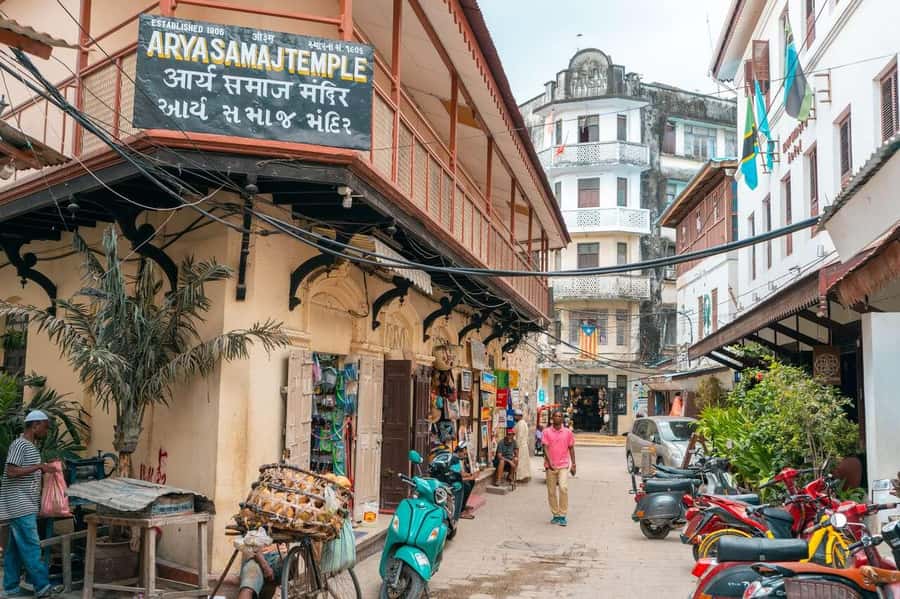
The market portion brings the tour down from grand buildings to ordinary city life. You will visit a food market and an arts and crafts market, with time for shopping.
This is one of the most useful parts of the experience for first-time visitors. A market can feel confusing when you are alone, especially when you are unsure what you are seeing or how to approach stalls. A local guide can explain the setting and help you move through it with greater confidence.
You should still keep your expectations realistic. This is a walking tour, not a dedicated food tour or shopping trip. The information does not promise tastings, shopping discounts, or a set list of products. If you want time to browse, ask for it. The private format gives you a better chance of adjusting the pace.
The markets also make good photo subjects, but be polite and ask before photographing people. Your camera is listed as an item to bring, yet respectful conduct matters more than collecting images.
Forodhani Gardens and a proper pause

Forodhani Gardens is one of the named landmarks on the route. The itinerary allows for a break, a photo stop, and free time, so this should be a natural place to slow down.
The supplied details do not promise a meal or a tasting here. You may encounter food-market activity, but the tour should not be booked as a guaranteed dinner experience. Bottled water is included, which is useful during three hours in the sun, but you should still plan your personal needs sensibly.
A break can make a big difference. Stone Town’s streets are narrow and uneven, and the climate can make a steady walk tiring. One of the strongest comments praised the guide for finding pleasant places to pause and for keeping the pace comfortable.
If you are taking photographs, Forodhani Gardens gives you a change of setting after the lanes and old architecture. If you are more interested in local life than posed landmarks, use your free time to watch the movement around the gardens and ask your guide what you are seeing.
Freddie Mercury Museum: an optional extra
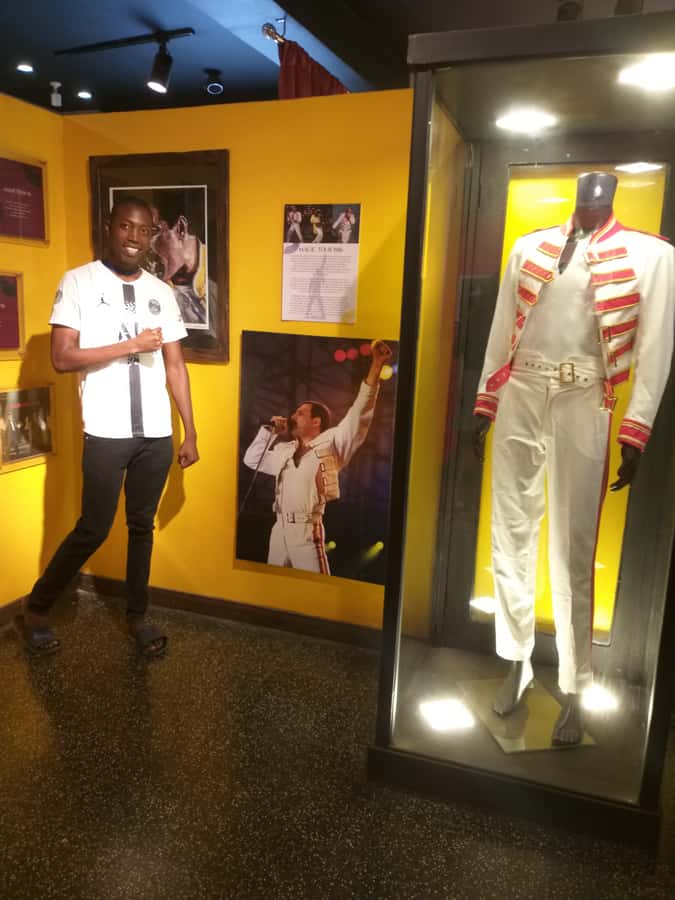
The Freddie Mercury Museum is not included. Admission is approximately $8 per person.
That extra charge is easy to understand if you are a fan, but it changes the value calculation. The walking tour itself costs $12 and includes the guide, water, and entry to the former slave market. Adding the museum brings the basic cost to about $20 per person before any personal spending or hotel transfer.
The tour information does not say that the museum is part of the standard three-hour route, so ask your guide how it would fit into the schedule. If you want a full Stone Town history walk, the main tour already has plenty to cover. If Freddie Mercury is a personal priority, the extra may be worthwhile.
What the $12 price really gets you
At $12 per person, this is inexpensive for a private, three-hour guided walk. You are paying for local orientation, a planned route, historical explanation, market access, and the convenience of asking questions as you go.
The value is strongest if you are new to Stone Town. A local guide helps you understand the relationship between the major sights and the small streets around them. You also avoid spending your first hours simply trying to work out where to go.
The price is less compelling if you expect a specialist historian, extensive site admissions, a full meal, or hotel transport included by default. Hotel pickup and return can be offered on request, but the provided information does not say that transfer is part of the $12 price.
The rating is 4.4 from 16 bookings, which suggests a generally positive experience with some variation. That variation is important. The clearest praise concerns the guides who explain well, answer questions, adapt the pace, and make the walk feel personal. The main criticism concerns limited historical detail. Your best protection is to state your interests clearly before the tour begins.
Comfort, clothing, and accessibility
The tour is marked wheelchair accessible, but the route includes narrow, uneven streets. Those two facts should be considered together. A wheelchair user should confirm the practical route and surface conditions with the provider before booking, especially if certain lanes or market areas are difficult to pass.
The tour is not considered suitable for people with back problems or altitude sickness. Altitude sickness may seem unusual for a Stone Town walk, but it is included in the activity information and should not be ignored.
For most people, the main physical issue is walking in the heat on uneven ground. Wear comfortable shoes, a sun hat, sunglasses, and light but modest clothing. Modest dress is requested to respect local customs. Loose clothing and pets are not allowed, and nudity is prohibited.
The camera is worth bringing. Stone Town offers plenty of visual detail, from colorful architecture to markets and old doorways. Just keep your equipment easy to carry, since you will be on foot for the full three hours.
Who will enjoy this walking tour most?
I would recommend it to first-time Stone Town visitors, photographers, culture lovers, and anyone who prefers a private introduction rather than a large group. It also suits families or couples who want to control the pace, though anyone with mobility or back concerns should check the route carefully.
The tour works especially well for people who like to ask questions. The strongest guide experiences came from groups who had an open conversation and received answers tailored to their interests.
History specialists may want more. The route touches the slave trade, the 1960 revolution, the port, the spice trade, palaces, and Swahili traditions, but three hours cannot cover all of those subjects in equal depth. Ask for detail at the start, and be prepared for a broad city introduction rather than an academic seminar.
The available guide languages are English, French, German, Italian, and Spanish. That range is useful, but language ability alone does not guarantee the depth you want. If historical detail matters, ask for a guide who can discuss your chosen subjects fully.
Should you book the Stone Town walking tour?
Book it if you want a low-cost, private way to get your bearings, see major landmarks, enter the former slave market, and understand Stone Town through a local guide. The $12 price is strong, especially with water and one admission included.
Before setting out, tell your guide if you want serious historical detail, extra photography time, market browsing, or a slower pace. That simple step may make the difference between a pleasant overview and a tour that feels too light.
Skip it if you dislike walking on uneven streets, need a fully vehicle-based outing, or expect the Freddie Mercury Museum and hotel transfers to be included. For most visitors seeking an approachable first look at Zanzibar’s historic center, this is a practical and well-priced choice.
FAQ
How long does the Stone Town walking tour last?
The tour lasts three hours.
How much does the tour cost?
The listed price is $12 per person.
Is the tour private?
Yes. The activity is offered for a private group.
Where does the tour start?
There are two pickup location options in Zanzibar, Stone Town. Hotel pickup can also be offered on request.
Is hotel transportation included?
Hotel pickup and return are not included by default, but they can be offered on request.
Which languages are available?
Guiding is available in English, French, German, Italian, and Spanish.
Is entry to the Former East Africa Slave Market included?
Yes. Admission to the Former East Africa Slave Market is included.
Is the Freddie Mercury Museum included?
No. Admission costs approximately $8 per person.
What should I bring?
Bring comfortable shoes, sunglasses, a sun hat, a camera, and comfortable clothes.
Is the tour wheelchair accessible?
The activity is listed as wheelchair accessible, but the route includes narrow and uneven streets. Confirm the practical route with the provider if you use a wheelchair.
More Historical Tours
- Private Historic Stone Town Tour
★ 5.0 · 79 reviews - Stone Town Historical Walking Tour
★ 5.0 · 40 reviews - Zanzibar Stone Town Tour: Explore Rich History and Hidden Wonders
★ 5.0 · 34 reviews - Zanzibar Stone Town Historical Tour and Spice Farm Tour
★ 5.0 · 30 reviews
More Stone Town Tours
- Zanzibar: Stone Town, Spice Tour, Prison Island with Lunch
★ 4.4 · 1,219 reviews - Zanzibar: Prison Island, Stone Town, & Spice Farm Tour
★ 4.5 · 579 reviews - Zanzibar; Prison Island, Nakupenda, StoneTown Tour with BBQ
★ 4.3 · 457 reviews - Zanzibar: Stone Town, Spice tour & Prison Island with Lunch
★ 4.6 · 453 reviews
Just added around Zanzibar
- Spice Tour of Zanzibar★ 4.5 · 3 reviews
- Zanzibar : Stone Town Tour,history without transport★ 4.8 · 3 reviews
- Zanzibar: 3-Day Northern Safari with Flights Included★ 4.8 · 3 reviews
- Jozani Forest, kuza cave and mtende beach★ 5.0 · 3 reviews
- Starfish Beach; The Rock; Kuza Cave; Paje Beach; Salaam Cave Tour★ 4.5 · 3 reviews
- ZANZIBAR: Stone Town and Jozani Forest Guided Tour★ 4.0 · 3 reviews
- Zanzibar: African Sunset Boat Party in Zanzibar Music, Views★ 4.3 · 3 reviews
- Joazani forest & Spice farm with lunch★ 5.0 · 3 reviews
Stone Town Tours, compared.

Stone Town, Spice Tour, Prison Island with Lunch
Read our review →

Prison Island, Nakupenda, StoneTown Tour with BBQ
Read our review →Stone Town, Spice tour & Prison Island with Lunch
Read our review →

3 Hours Private Stone Town walking Tour with Guide
Read our review →
Full-Day Private Stone Town +Spice Farm and Prison Island Tour
Read our review →
Stone Town Historical Cultural Walking Guided Tour
Read our review →Browse the lists this tour appears in