
Reviewed · MIKUMI SAFARIS
10 days Safari to Nyerere NP, Ruaha NP, Udzungwa NP and Mikumi NP + Isimila Site
Four parks, one long road journey. This safari is interesting because it links Tanzania’s southern circuit in one ambitious trip, from the Rufiji River and Selous wildlife to Ruaha’s baobabs, Udzungwa’s rainforest and Mikumi’s open plains. I like the variety of scenery and activities, especially the boat safari, armed-ranger walk, mountain hike and Stone Age site. I also like that Mansoor is named as the guide in the strongest feedback, with praise for his animal knowledge, communication and ability to arrange the daily details.
The main consideration is the amount of time spent on the road. Several driving days run for 14 to 15 hours, and some nights are outside the parks. At $2,898 per person, the price can offer good value for a private or small-group trip with park fees, lodging, meals, water and transport included, but this is not a relaxed safari.
In This Review
- What makes this safari different
- The big picture: an ambitious southern circuit
- Day 1: Rufiji River boat safari
- Day 2: A full game drive in Selous
- Day 3: Walking near Selous, then the road to Morogoro
- Day 4: From Morogoro to Ruaha by way of Iringa
- Days 5 and 6: Two full days in Ruaha
- Day 7: Isimila’s tools, fossils and red-rock canyon
- Day 8: Udzungwa forest and 170-meter Sanje Falls
- Day 9: Mikumi’s open Mkata Floodplain
- Day 10: Maasai culture and return to Dar es Salaam
- Is $2,898 a good value?
- Who should book this safari?
- Should you book it?
- FAQ
- Where does the safari start and finish?
- How long is the safari?
- Which parks and sites are included?
- Is the tour private or shared?
- Are meals included?
- Is the Udzungwa hike difficult?
- Can I cancel for a full refund?
What makes this safari different
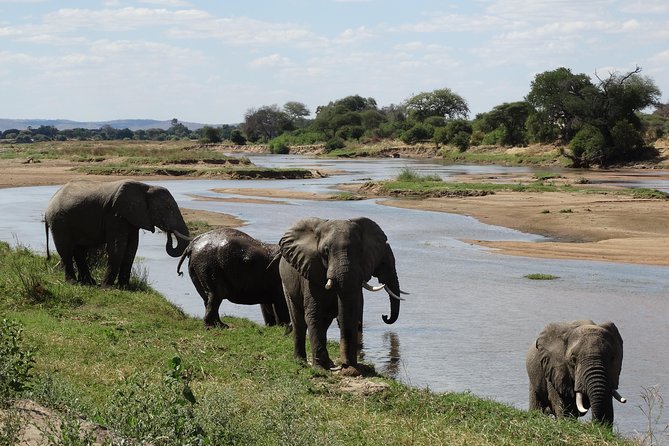
- A boat safari on the Great Rufiji River: Get close views of hippos, crocodiles, elephants, waterbuck and birdlife from the water.
- Two very different walking experiences: Walk with an armed ranger near Selous, then hike through Udzungwa forest to the 170-meter Sanje Falls.
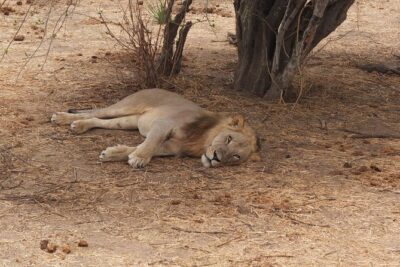
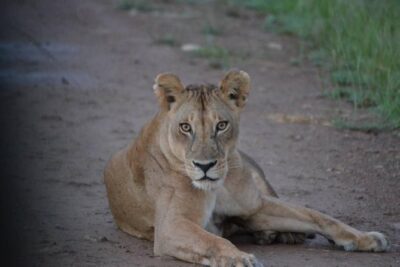
- Ruaha receives two full game-drive days: This gives you time to search for lions, elephants, cheetahs, wild dogs and large herds without rushing through the park.
- Isimila adds human history: Explore fossil beds, Stone Age tools and striking red-rock towers near Iringa.
- The southern circuit is the real subject: You pass sisal, rice and sugarcane plantations, villages, rivers, mountains and broad wildlife plains.
- Mansoor is a useful name to request: Previous customers singled him out for his explanations, friendly interaction and skill at finding animals.
The big picture: an ambitious southern circuit
This 10-day trip begins and ends in Dar es Salaam. It visits four major destinations: the Selous area, now also associated with Nyerere National Park, Ruaha National Park, Udzungwa Mountains National Park and Mikumi National Park. Isimila Stone Age Site and a Maasai boma add cultural and historical stops.
I like this route because it avoids the usual northern Tanzania circuit and shows a less familiar side of the country. You see more than animals. You pass through agricultural areas, climb toward the Uluguru Mountains, cross rivers and move from floodplain to forest to rocky savannah.
The trade-off is clear. This is a road-based safari, not a fly-in safari. Day 3, Day 4 and parts of the return journey are especially long. If you enjoy watching Tanzania change outside the vehicle, that can be rewarding. If you want an easy schedule with long afternoons at camp, you may find the pace tiring.
The tour starts around 7:00 a.m. Hotel pickup and drop-off in Dar es Salaam are included. The trip is offered as a private tour or small-group tour, so confirm the exact arrangement before paying. A private vehicle gives you more control over stops and game-drive timing, while a small group can make the $2,898 price easier to justify.
More Safaris in Dar es Salaam
- 2 nights 3 days safari to mikumi national park
★ 5.0 · 62 reviews - 3 Days Safari to Mikumi NP – Accommodation Inside the Park
★ 5.0 · 40 reviews - 2 Days and 1 Night Mikumi Safari Private Tour
★ 5.0 · 32 reviews
Day 1: Rufiji River boat safari
The first drive to the Selous area takes about five to six hours, with a hot lunch stop in Kibiti. That is a substantial opening drive, but the reward comes in the afternoon when you board a boat on the Great Rufiji River.
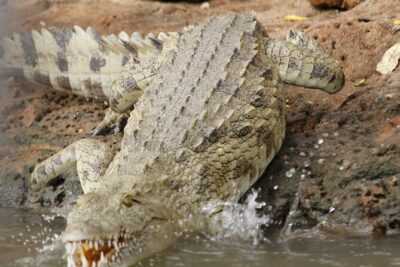
This is a fine way to begin a safari. From a boat, you approach animals at water level rather than from a high-sided vehicle. Hippos may appear very close, crocodiles can slip into the river as the boat nears, and elephants and waterbuck may come down to drink. The river also brings excellent birdwatching.
Your accommodation is listed as Mloka Safari Lodge or Africa Safari Camp. Since the exact property may depend on availability, ask which one is planned for your dates. The first night is best viewed as a wildlife-and-river introduction, not a light travel day.
Day 2: A full game drive in Selous
The second day gives you a full 4WD game drive across the reserve. The large size of the Selous area matters here. You are not simply making a short loop around one viewpoint. The route can reach different sections of a huge protected area, offering better chances for photography and a wider sense of the bush.
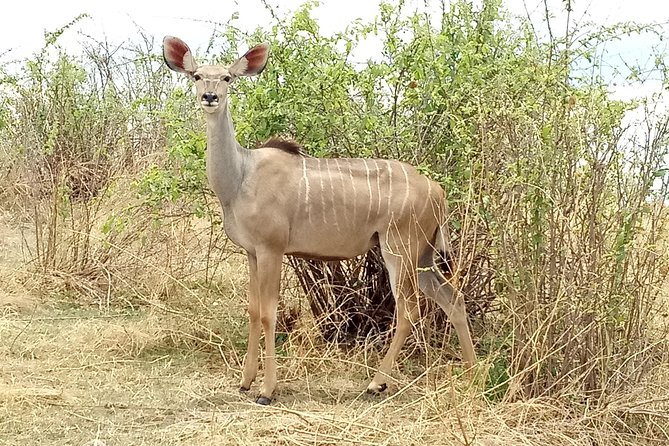
The animals listed include elephants, lions, African wild dogs, buffalo, bushbuck, impala, eland, baboons, zebra, wildebeest and greater kudu. No sighting is guaranteed, of course, but a full day gives your guide time to respond to tracks, recent animal activity and changing conditions.
I would ask for a packed lunch or confirm the lunch plan before setting out. A full game-drive day can be long, and comfort matters when you are spending hours in a 4WD vehicle. You return to Mloka Safari Lodge or Africa Safari Camp for another night.
Day 3: Walking near Selous, then the road to Morogoro
Day 3 begins with tea or coffee and a two to two-and-a-half-hour wilderness walk. An armed ranger leads the walk. This is not a game drive in which you search for large animals from a vehicle. You focus on tracks, droppings, plants and small creatures that are easy to miss from the road.
The walk gives the safari a more personal rhythm, but you should follow the ranger’s instructions closely. Afterward, you return to camp for breakfast and begin the long drive to Morogoro, with a game drive en route.
The route leads toward the Uluguru Mountains, across rivers and past local villages and farms. You may see sisal, rice and sugarcane plantations along the broader journey. This is one of the most revealing travel days because it connects protected wildlife areas with ordinary Tanzanian life.
The catch is the schedule. The day is listed at roughly 14 hours. Accommodation is at Arc Hotel in Morogoro, so expect this to be a transit night rather than a restful mountain stay.
More Mikumi safaris:
- MIKUMI NATIONAL PARK – 3 Days
★ 4.5 · 63 reviews - 2 Days 1 Night Mikumi National Park from Dar es salaam
★ 5.0 · 60 reviews - Private Full-Day Trip to Mikumi National Park from Dar es Salaam
★ 5.0 · 54 reviews - Private 3 Days 2 Nights Mikumi Adventures
★ 5.0 · 47 reviews
Day 4: From Morogoro to Ruaha by way of Iringa
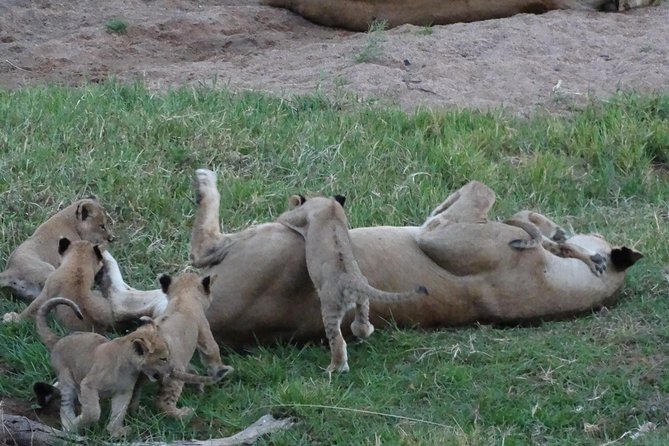
After breakfast, you drive toward Ruaha National Park, stopping in Iringa for lunch and a short town tour. The drive takes about 14 hours according to the schedule, making this another demanding road day.
Ruaha Hilltop Lodge is outside the park and provides dinner and overnight accommodation. Staying outside the park may mean an earlier start for the next morning’s game drive, but it can also keep the package price below that of a lodge inside the park.
Iringa is a useful stop because it breaks the journey and gives you a small taste of the region beyond the wildlife areas. Keep your expectations modest. The key experience here is the change from the Morogoro area toward Ruaha, not a long city visit.
Days 5 and 6: Two full days in Ruaha
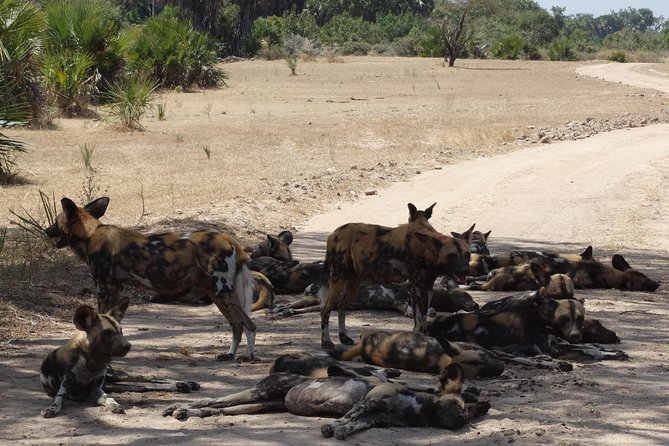
Ruaha is the wildlife heart of this trip. You get two full game-drive days, with packed lunch on the first day and an early breakfast before heading into the park.
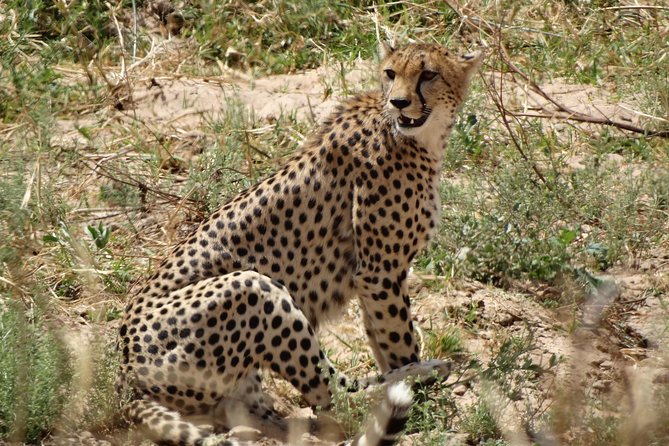
The Great Ruaha River and its seasonal tributaries shape the game viewing. In the dry season, impala, waterbuck and other antelope gather near remaining water. Those concentrations can also attract predators. The itinerary specifically highlights large lion prides and cheetahs on open grassland.
The scenery changes from river corridors to rocky kopjes and ancient baobab trees. These features make Ruaha feel different from Selous and Mikumi. You are not simply repeating the same safari scene in another park.
On Day 6, you return to the cottage for a hot lunch, then continue the game drive until sunset. That midday break may be welcome after several hours in the vehicle. Ruaha Hilltop Lodge remains your base outside the park.
The guide matters greatly here. Mansoor was praised for identifying animals, explaining surrounding plants and sharing cultural facts. His ability to arrange accommodation and excursions was also appreciated. If he is available, requesting him could improve the experience, especially during the long Ruaha drives.
Day 7: Isimila’s tools, fossils and red-rock canyon
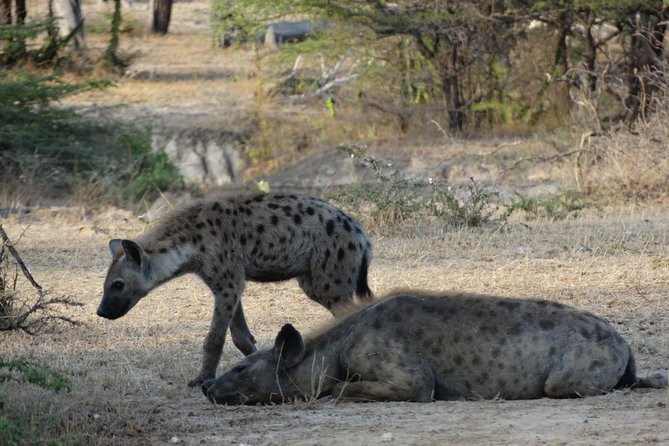
After breakfast, you drive via Iringa to Isimila Stone Age Site. The visit takes about three hours and begins at a small museum. A guide explains the displayed fossils and tools before leading you down a steep footpath into the canyon.
At the site, you see the beds where tools were found and learn how the tall rock towers formed. The reddish earth and canyon scenery offer a sharp contrast to the wildlife parks. Birds are also possible here.
Wear proper walking shoes. The footpath is described as steep, and the tour combines a museum explanation with an outdoor walk. Isimila is valuable because it adds a human timescale to the trip. You are not only looking for animals from a vehicle. You are seeing evidence of early human activity in a dramatic setting.
After the site, you continue to Udzungwa Mountains National Park for dinner and overnight accommodation. The day is again listed at about 14 hours, so it is wise to conserve energy for the next morning’s hike.
Day 8: Udzungwa forest and 170-meter Sanje Falls
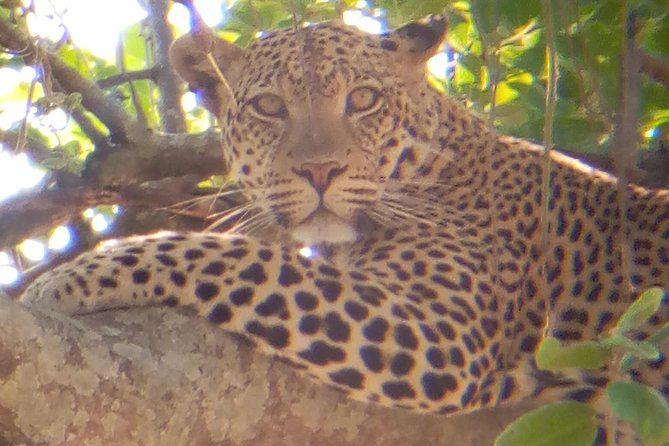
Udzungwa brings the biggest change in scenery. After breakfast and park formalities, your driver takes you to the trailhead. You then walk through forest toward Sanje Falls, which drops about 170 meters.
The hike reaches up to 1,600 meters above sea level and includes views across the Kilombero Valley. A picnic lunch is served in the bush. You may also swim in one of the waterfall plunge pools, so carry suitable swimwear and a small towel if that appeals to you.
Udzungwa is also the best stop for primate watching. Six monkey species may be seen, including the endemic Sanje crested mangabey and Iringa red colobus monkey. Sightings depend on conditions and luck, but the park gives you a type of wildlife experience that the open savannah cannot provide.
The hike is a real physical activity, not a brief walk from the vehicle. Ask about the expected trail condition and pace before departure. After the trek, you drive to Mikumi Bastian Camp or Mikumi Safari Lodge for dinner and overnight accommodation.
Day 9: Mikumi’s open Mkata Floodplain
The following morning, you check out and drive for about two hours to Mikumi National Park before beginning the game drive. The park is known for open horizons and the Mkata Floodplain, which can make animals easier to scan than in thick woodland.
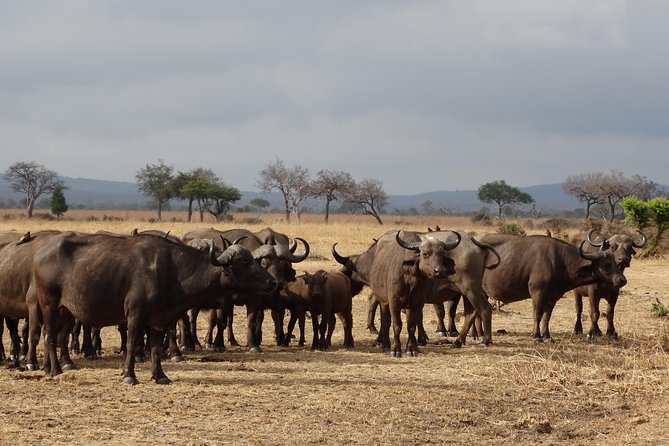
Expected species include lions, eland, hartebeest, buffalo, wildebeest, giraffes, zebras and elephants. Wild dogs may also pass through the park, though they are not guaranteed. More than 300 bird species have been recorded, giving birdwatchers a reason to keep binoculars ready.
Mikumi is a useful final park because it offers a different kind of viewing from Ruaha. The open plains provide broad views, while Ruaha’s rocky areas and baobabs create a more rugged setting. Still, some of the day is spent getting into the park and positioning for the drive, so do not assume the entire day is available for wildlife.
Day 10: Maasai culture and return to Dar es Salaam
The last morning includes a visit to a Maasai boma. You learn how the community lives and hear about the history of the tribe. This can be a meaningful cultural addition, but approach it with respect and listen carefully to the local explanation rather than treating the visit as a staged photo stop.
Afterward, you drive back to Dar es Salaam, with a hot lunch stop in Morogoro. The return drive is listed at about six hours, and you are dropped at a place of your choice in Dar es Salaam.
This final day is practical rather than leisurely. If you have an evening flight, confirm the timing carefully before booking it. The tour provides a drop-off, but road conditions and the long route make extra time sensible.
Is $2,898 a good value?
The price includes accommodation, national park fees, bottled water, a driver-guide, hotel pickup and drop-off, lunches for all 10 days, nine dinners and nine breakfasts. It also includes the listed excursions, such as the boat safari, walking safari, Isimila visit and Maasai boma.
That is a strong bundle for a 10-day private or small-group trip. Park fees alone can make a noticeable difference on a multi-park route, and this itinerary includes four protected areas. You are also paying for a driver who handles the long transfers and game-drive logistics.
The value depends on your expectations. The accommodation is described as standard in the available feedback, not luxury. Some nights are outside the parks, and drinks beyond bottled water are not included. Alcohol, other drinks and anything not specifically listed cost extra.
Ask for the final accommodation list, vehicle type, group size and exact meal arrangements. These details affect comfort more than the headline price. Also ask whether the quoted amount changes for a private vehicle, since the experience is advertised as either private or small-group.
Who should book this safari?
I would choose this trip if you want the southern circuit in one organized package and are happy to trade comfort for range. It suits people who enjoy wildlife, long road journeys, walking, photography, birding, local culture and changing scenery.
It is also a good fit if you have already seen Tanzania’s northern parks and want something less standard. Selous, Ruaha, Udzungwa and Mikumi each offer a different setting, while Isimila gives the journey a strong historical layer.
I would hesitate if you dislike early starts, long drives or basic accommodation. The walking portions also require reasonable fitness, especially the Udzungwa route to Sanje Falls and the steep path at Isimila. Children must be accompanied by an adult, and most people can participate, but the schedule may be hard on very young children.
Dietary requests, including vegetarian meals, should be given at booking. Dress is listed as smart casual, though practical clothing and suitable shoes matter more for game drives and hikes. The trip operates in all weather, so pack for changing conditions.
Should you book it?
Book this safari if you want a broad, active introduction to southern Tanzania and can handle several very long driving days. The strongest reasons are the mix of boat safari, walking, mountain forest, two full days in Ruaha and the personal guidance associated with Mansoor.
Skip it if your priority is a slow luxury safari with short transfers and lodge time. Before booking, confirm the guide, vehicle, group size, accommodation names and the timing of the longest drives. With those points clear, $2,898 can be fair value for a packed 10-day route that covers far more than a standard game-drive holiday.
FAQ
Where does the safari start and finish?
The safari starts in Dar es Salaam with pickup at about 7:00 a.m. It finishes with drop-off at a place of your choice in Dar es Salaam.
How long is the safari?
The experience lasts approximately 10 days.
Which parks and sites are included?
The route includes the Selous area, also referred to as Nyerere National Park, Ruaha National Park, Udzungwa Mountains National Park, Mikumi National Park and Isimila Stone Age Site.
Is the tour private or shared?
It is offered as a private tour or small-group tour. Confirm the exact format for your booking.
Are meals included?
Yes. The package includes lunch on all 10 days, dinner on nine days and breakfast on nine days. Other drinks and alcoholic beverages are not included.
Is the Udzungwa hike difficult?
The walk includes a route to Sanje Falls, reaches up to 1,600 meters above sea level and includes forest walking. The Isimila visit also includes a steep footpath into the canyon.
Can I cancel for a full refund?
You can receive a full refund if you cancel at least 24 hours before the experience start time. Changes or cancellations made within 24 hours are not accepted for a refund, and poor weather may lead to a different date or a full refund.
More Ruaha Safaris
- 8 Days Safari to Mikumi, Ruaha & Udzungwa Mountains
★ 5.0 · 14 reviews - 5-Day Mikumi & Ruaha Tanzania Wildlife Lodge Safari
★ 5.0 · 10 reviews - 6 Days Safari to Udzungwa Mountain NP, Ruaha NP and Mikumi NP
★ 5.0 · 10 reviews - 8 Days Safari to Mikumi NP, Ruaha NP and Nyerere NP + Isimila Stone Age Site
★ 5.0 · 7 reviews
More Selous and Nyerere Safaris
- 3 Days Selous (Nyerere National Park)
★ 5.0 · 43 reviews - 3 Days Safari – Selous Game Reserve
★ 5.0 · 21 reviews - 3 Days Nyerere NP [Selous GR] Game, Walking and Boat
★ 5.0 · 19 reviews - 5 Days Safari to Selous & Mikumi
★ 5.0 · 15 reviews
Just added around Dar es Salaam
- Ruaha National Park And Mikumi National Park Budget Safari 6 Days 5 Nights★ 5.0 · 3 reviews
- 3 Days Nyerere National Park Safari (Selous Game Reserve)★ 5.0 · 3 reviews
- Saadani National Park Day Tour★ 5.0 · 3 reviews
- Private Mikumi Adventure★ 4.5 · 3 reviews
- Dar es Salaam City tour and Beach Leisure – 9 hours★ 5.0 · 3 reviews
- Mbudya island from Dar es salaam safari.★ 4.2 · 3 reviews
- Day Trip To Bagamoyo From Dar Es Salaam ..historical town★ 4.5 · 3 reviews
- 3 Days Mikumi National Park Private Tour★ 5.0 · 3 reviews
Mikumi Safaris, compared.
Mikumi Safari Day Trip with Flights and Meal
Read our review →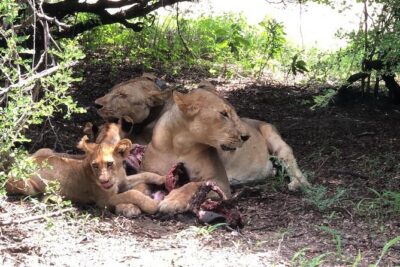
Mikumi Safari Tour: Day Trip Return Flight From Zanzibar
Read our review →
2 Days 1 Night Mikumi National Park from Dar es salaam
Read our review →
2 Day Safari To Mikumi National Park + transfers from Dar Es Salam
Read our review →
Private Full-Day Trip to Mikumi National Park from Dar es Salaam
Read our review →Browse the lists this tour appears in