
Reviewed · HISTORICAL TOURS
Day Trip To Bagamoyo From Dar Es Salaam ..historical town
History lives close to the coast. This private day trip takes you from Dar es Salaam to Bagamoyo, a former trading center where Indian and Arab merchants, German colonial officials, Christian missionaries, and caravan traders left their mark. I like the private guide, which gives you room to ask questions, and I like the chance to finish the serious history with beach time. The main drawback is the road time: you can spend much of the day getting there and back for a relatively short visit in town.
The early 6:00 am start is sensible. It gives you the best chance to make a full day of Bagamoyo, including its museum, old buildings, Kaole’s coral mosques and graves, the Wami River area, lunch, and time by the sea. Still, this is not a quick sightseeing hop. At 8 to 12 hours, it is a long outing, and the $280 price per person deserves a careful look before you book.
In This Review
- Key points to know before booking
- Why Bagamoyo makes a good break from Dar es Salaam
- The 6:00 am drive north from Dar es Salaam
- Walking through Bagamoyo’s older streets
- Bagamoyo Museum and the town’s wider story
- Kaole’s coral mosques and graves
- The Wami River and the old ferry
- Lunch at a local restaurant
- Artisan shopping and the beach finish
- What the $280 price includes
- Who will enjoy this Bagamoyo day trip
- Should you book it?
- FAQ
- How far is Bagamoyo from Dar es Salaam?
- What time does the tour start?
- Is this a private tour?
- Is lunch included?
- What is included in the price?
- What happens if bad weather cancels the tour?
Key points to know before booking
- Bagamoyo is about 75 kilometers north of Dar es Salaam, but the journey can take a meaningful part of your day.
- The 6:00 am departure helps you fit in several historic sites and a beach stop.
- A private vehicle and guide mean your group can ask questions and set the pace within the day’s plan.
- Hamis is praised for smooth driving, while Michael is noted for making the walking tour informative and easy to follow.
- The artisan market is worth looking for, especially if you want a more local, hands-on part of the visit.
- Lunch, bottled water, transport, fees, and an air-conditioned vehicle are included, but breakfast is not.
Why Bagamoyo makes a good break from Dar es Salaam
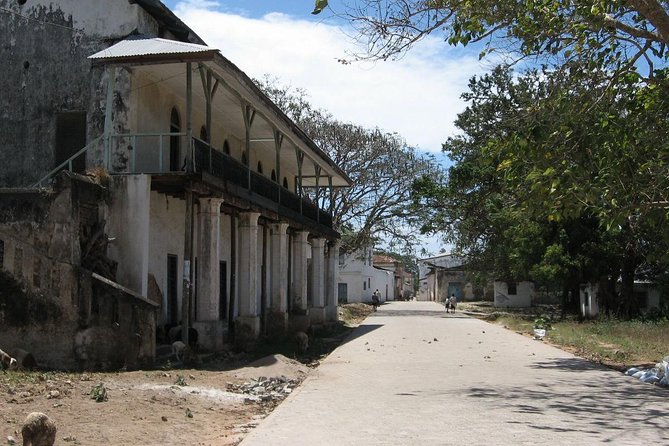
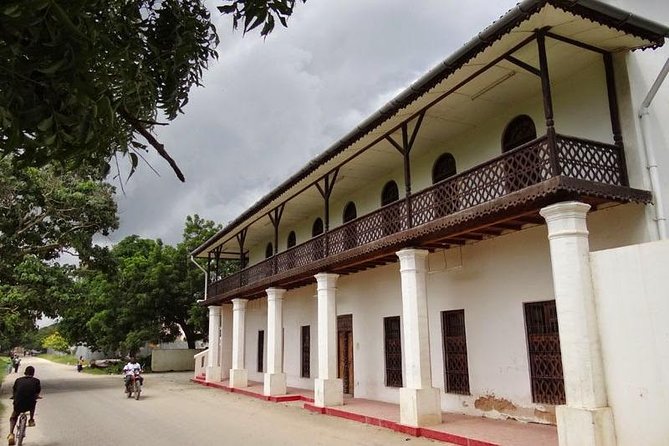
Dar es Salaam is Tanzania’s largest city, but Bagamoyo offers a very different sense of place. The town is known for unpaved streets, older buildings, coastal trade, religious sites, and reminders of the routes that once connected the interior of East Africa with the sea.
Bagamoyo means lay down your heart. That name hints at the weight of the town’s past. In the late 19th century, it was one of the most important trading centers on the east central coast of Africa. Ivory, salt, and enslaved people moved through the wider trade network, and caravan routes linked the coast with areas as far inland as Lake Tanganyika.
That history is not presented as a single neat story. You will hear about Indian and Arab traders, German colonial rule, Christian missionaries, local communities, religious buildings, graves, and the trade routes that gave Bagamoyo its importance. I find this mix valuable because it helps explain why the town matters beyond its attractive seaside setting.
The town has also been designated Tanzania’s seventh world heritage site. The trip is best for you if you want historical context, not just a beach outing. If your ideal day means staying close to Dar es Salaam and avoiding several hours in a vehicle, this may feel too demanding.
More Day Trips in Dar es Salaam
- Private Full-Day Trip to Mikumi National Park from Dar es Salaam
★ 5.0 · 54 reviews - Dar es Salaam: Mikumi National Park Day Trip with Train Ride
★ 4.8 · 25 reviews - 1 Day Safari to Mikumi National Park
★ 5.0 · 20 reviews
The 6:00 am drive north from Dar es Salaam
Pickup is offered, and the scheduled start is 6:00 am. That is early, but it makes practical sense for a day trip with several stops. You should eat breakfast before leaving, since breakfast is not included. Lunch is provided later in the day.
The journey is made in an air-conditioned vehicle, with bottled water included. Those details matter in Tanzania’s heat. A cool vehicle makes the long drive easier, and having water supplied means you do not need to organize every small item before leaving.
The driving is one of the more important parts of the experience. One account specifically praises Hamis as a pleasant driver who made the round trip smooth and easy. That is not a minor point. On a full-day road excursion, calm driving and a comfortable vehicle can shape your whole impression of the day.
You should also set your expectations correctly. Bagamoyo is around 75 kilometers from Dar es Salaam, but distance on a map does not tell you how long the road portion will feel. One assessment described it as a long drive for a short visit. I would treat that as useful advice rather than a criticism. You are choosing a historical road trip, not a compact city tour.
Walking through Bagamoyo’s older streets
Once you reach Bagamoyo, the experience shifts from road travel to walking. The unpaved streets are part of the town’s character, but they also mean comfortable shoes are a good idea. The tour is designed to give you an overview of the town’s main historic points rather than leave you to guess what each building or site means.
A private guide gives this portion of the day its best chance to work well. You can ask about the people, goods, and forces that shaped the town. You can also pause when something catches your attention instead of following a large group with a fixed script.
Michael is specifically praised for guiding the walk and answering questions throughout the town. That detail is important because Bagamoyo’s story covers several centuries and many groups. A guide who can connect the buildings and sites to the larger story makes the visit much more useful than simply looking at old walls.
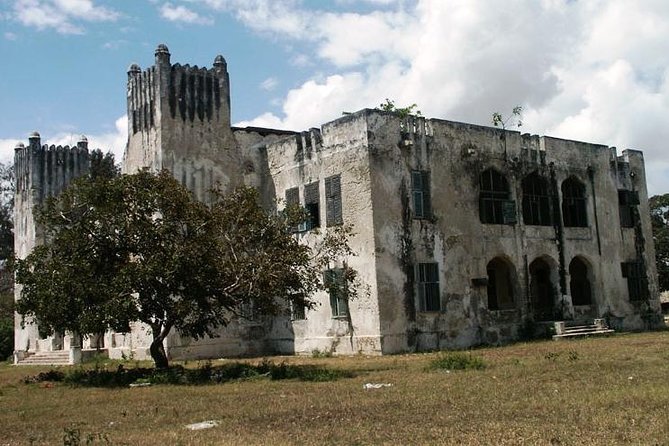
You should expect the walking portion to be historically focused, not polished or theatrical. Bagamoyo’s unpaved streets and weathered structures give the town a direct feel, but they may not suit you if you prefer restored historic centers with smooth paths and clear signs everywhere.
Bagamoyo Museum and the town’s wider story
The Bagamoyo Museum is the first listed stop. It provides a useful starting point before you move through the town. The museum setting helps organize what you will see later, especially the links between coastal trade, caravan routes, missionary activity, and colonial rule.
The most important thing to listen for is how Bagamoyo connected the ocean to the interior. Goods and people moved along routes that reached inland toward Lake Tanganyika. Ivory and salt were traded, while the slave trade brought deep suffering and made the town part of a wider system of forced movement.
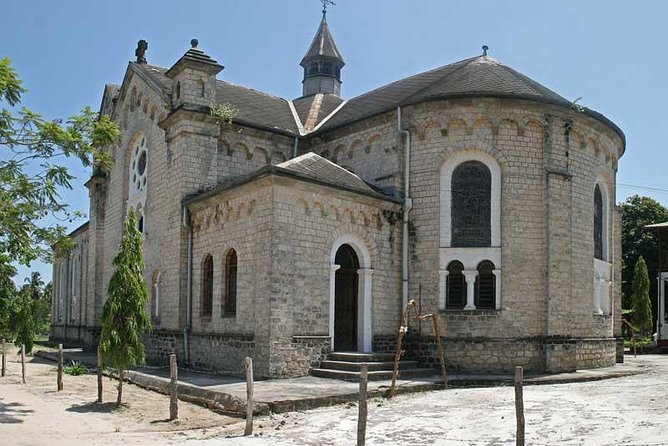
The museum also helps place the town’s Indian and Arab influences alongside the later German colonial period and Christian missionary presence. I like that this makes Bagamoyo more than a collection of old buildings. You get a sense of a working port and crossroads shaped by outside powers, local life, commerce, faith, and violence.
Because the tour is private, you can tell your guide what interests you most. If you care about colonial history, ask for more detail on German rule. If religious history interests you, ask how the Christian missionary presence relates to the town. If you want to understand trade, keep returning to the caravan routes and the products that passed through Bagamoyo.
More historical tours:
- Dar es Salaam History and Architectural Tours
★ 5.0 · 36 reviews - Bagamoyo Historical Tour – Everyday
★ 5.0 · 13 reviews - Bagamoyo Historical Tour – Everyday
★ 4.4 · 8 reviews - Private Tour in Historical Dar es Salaam with Lunch
★ 4.5 · 6 reviews
Kaole’s coral mosques and graves
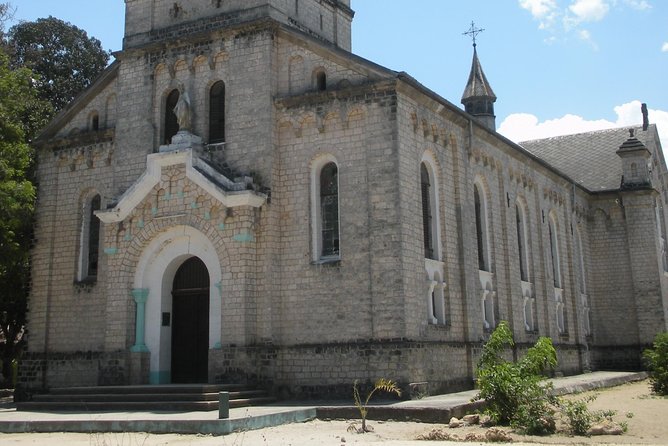
The visit to Kaole adds another layer to the day. The site includes coral mosques and graves dated to the 13th century. These remains point to the earlier coastal history of the area, before the German colonial period and before Bagamoyo became known mainly for the later caravan trade.
Coral construction is closely associated with historic settlements along the Swahili coast. Here, the value of the site is not only what remains above ground. It is also the reminder that coastal communities had established religious and trading connections long before European colonial government arrived.
This is where a guide can help you notice details that might otherwise pass without much meaning. A mosque ruin, a grave, or a fragment of coral wall may seem simple at first. With context, you can place it in the longer story of coastal exchange and Islamic influence.
The site is part of a day that asks you to move between different periods. You begin with older coastal settlements, then consider the later trade center, slavery, missionary activity, and colonial rule. That range is one of the tour’s strongest points, although it also means the day can feel packed if you want a slow visit at every stop.
The Wami River and the old ferry
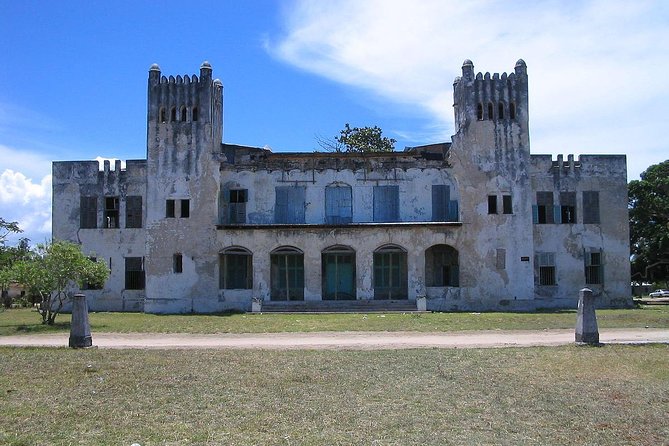
The itinerary also includes the old ferry at the great Wami River. This stop helps you picture the practical side of travel and trade. Before modern roads and bridges made movement easier, rivers could control the pace and direction of a journey.
The Wami River connects the historical story to the physical routes people used. Traders, workers, missionaries, officials, and local communities all depended on crossings and roads. Seeing the old ferry area gives you a clearer sense of how difficult and time-consuming overland travel could be.
I appreciate stops like this because they explain the mechanics behind history. A trade route is not just a line on a map. It requires crossings, resting places, vehicles or animals, port facilities, and people who maintain the connection between inland areas and the coast.
The information provided does not promise a long stay at the river, so you should think of it as one part of a broader overview. The same is true of some of the historic buildings and graves. Your guide will help frame them, but this is not a specialist archaeological tour with hours at each location.
Lunch at a local restaurant
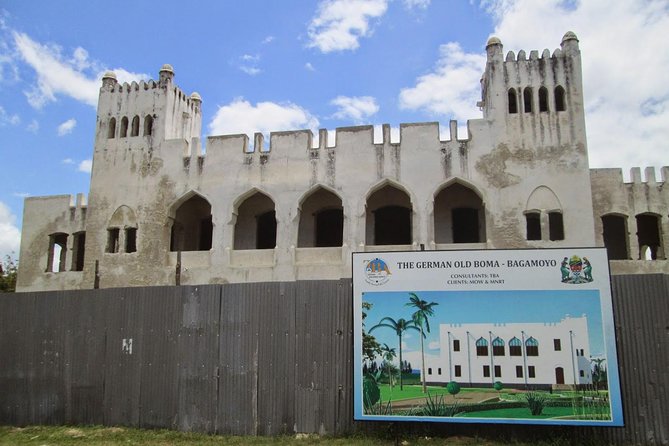
Lunch is included at a local restaurant, with Tanzanian food forming part of the experience. That makes the midday break more than a simple refueling stop. It gives you a chance to try a local meal and rest after the morning’s walking.
The food is described as acceptable rather than a major highlight. I would keep your expectations practical. You are paying for a convenient local lunch within a full-day excursion, not a carefully designed restaurant tasting.
That said, including lunch is useful. You do not have to spend time searching for a place in an unfamiliar town, and the meal is already built into the schedule. Since breakfast is not included, eat before pickup and use lunch as your main meal during the tour.
Artisan shopping and the beach finish
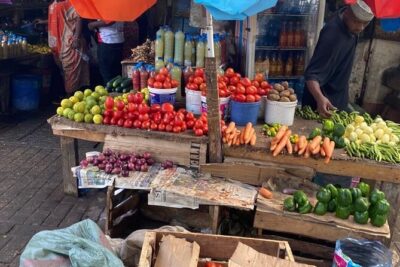
One of the most useful tips for this trip is to look for the artisan market. It is easy for a historical tour to become a sequence of museums, ruins, and explanations. A market adds a more active connection to present-day Bagamoyo.
The available information does not specify which crafts or goods you will find, so I would not arrive with a fixed shopping list. Instead, allow time to browse if the schedule permits. Ask your guide where the artisan market is and how much time you have before moving on.
The final beach stop changes the mood of the day. After learning about trade, colonial power, missionary work, and slavery, you get time to sit by the coast and rest. The beach is not presented as a major water-sports stop or a resort experience. Think of it as quiet downtime at the end of a demanding historical outing.
I like this balance. A full day focused only on difficult history could leave you worn out. A beach break gives you space to process what you have seen without turning the entire trip into a light sightseeing day.
What the $280 price includes
At $280 per person, this is not a budget excursion. The value comes from the private format and the fact that several basic costs are bundled together:
- Pickup and round-trip transport
- An air-conditioned vehicle
- A private guide
- Lunch
- Bottled water
- All listed fees and taxes
The private arrangement matters most if you value flexibility and questions. You are not sharing the experience with a large group, and only your party participates. That can make the walking tour more comfortable and personal, especially when the subject matter is complex.
The price is easier to justify for a small group that wants a dedicated vehicle and guide. If you are traveling alone, the per-person cost may feel high for a day that includes a substantial amount of driving. You should compare the convenience of an organized private trip with the effort and uncertainty of arranging transport and local guiding separately.
The short visit described in the available feedback is the main value concern. You may feel the day gives you a useful introduction rather than a complete study of Bagamoyo. That is still worthwhile if you have limited time in Tanzania and want to see a historic coastal town beyond Dar es Salaam.
Who will enjoy this Bagamoyo day trip
I would recommend it most strongly to you if you:
- Want a private experience rather than a group excursion
- Care about East African coastal history
- Prefer a guide-led visit to historic sites
- Are comfortable with an early start and a long road day
- Want lunch and transport arranged in advance
- Like ending a cultural outing with time at the beach
Families and mixed-interest groups may also find the format useful because the day includes museums, walking, historic ruins, a market, food, and the coast. The private setup can make it easier to keep the pace reasonable, although the schedule still covers a lot.
I would hesitate if you have only one free day and want a relaxed beach escape. I would also think twice if long drives are a deal breaker. The most honest way to view this outing is as a historical introduction to Bagamoyo with a coastal rest stop, not as a leisurely resort day.
The tour requires good weather. If poor weather cancels it, you can choose another date or receive a full refund. Free cancellation is available up to 24 hours before the 6:00 am start, but changes or cancellations inside that window are not refunded.
Should you book it?
Book this Bagamoyo day trip if you want to understand why the town mattered and you value having a private guide explain the connections between trade, slavery, religion, colonial rule, and coastal life. The combination of Bagamoyo Museum, the unpaved historic center, Kaole, the Wami River, local lunch, artisan shopping, and beach time gives you a useful range in one day.
Skip it if you want maximum time at each site or cannot face a long round trip from Dar es Salaam. For the right person, the $280 cost buys convenience, personal guiding, and a look at a part of Tanzania that many short city stays miss. Ask for the smooth driving service associated with Hamis and the detailed walking guidance provided by Michael if those arrangements are available for your date.
FAQ
How far is Bagamoyo from Dar es Salaam?
Bagamoyo is approximately 75 kilometers north of Dar es Salaam.
What time does the tour start?
The scheduled start time is 6:00 am.
Is this a private tour?
Yes. Only your group participates in this private tour or activity.
Is lunch included?
Yes. Lunch at a local restaurant is included. Breakfast is not included.
What is included in the price?
The price includes lunch, an air-conditioned vehicle, bottled water, and all fees and taxes. Pickup is offered.
What happens if bad weather cancels the tour?
The experience requires good weather. If it is canceled because of poor weather, you can choose another date or receive a full refund.
More Day Trips
- Dar Es Salaam: Day Trip Safari to Mikumi National Park by Train
★ 4.5 · 15 reviews - Selous/Nyerere National Park Day Trip
★ 5.0 · 8 reviews - Day trip to Mikumi National Park from Dar es salaam
★ 5.0 · 7 reviews - Sinda Island Day Trip with Snorkeling
★ 4.0 · 7 reviews
Just added around Dar es Salaam
- Ruaha National Park And Mikumi National Park Budget Safari 6 Days 5 Nights★ 5.0 · 3 reviews
- 3 Days Nyerere National Park Safari (Selous Game Reserve)★ 5.0 · 3 reviews
- Saadani National Park Day Tour★ 5.0 · 3 reviews
- Private Mikumi Adventure★ 4.5 · 3 reviews
- Dar es Salaam City tour and Beach Leisure – 9 hours★ 5.0 · 3 reviews
- Mbudya island from Dar es salaam safari.★ 4.2 · 3 reviews
- 3 Days Mikumi National Park Private Tour★ 5.0 · 3 reviews
- Dar es Salaam: Tuk-Tuk Tour, Street Food & Local Lifestyle★ 3.3 · 3 reviews
Historical Tours, compared.

Stone Town Historical Cultural Walking Guided Tour
Read our review →
Arusha Guided Walking City Tour, Culture, Lifestyle & History
Read our review →
Stone Town’s Hidden History: Private Guided Walking Tour
Read our review →

Browse the lists this tour appears in