
Reviewed · COFFEE EXPERIENCES
Arusha: Traditional Coffee Preparation(coffee tour)
Coffee starts with work. This three-hour Arusha experience takes you from a smallholder arabica farm to a finished cup, using a wooden mortar, clay pot, charcoal fire, and handmade tools. I like the fact that you do the preparation yourself, rather than simply watching a demonstration. I also like the chance to visit a real family-run farm, where three generations live and work together.
The main consideration is that this is a hands-on cultural activity, not a polished coffee museum or a specialist tasting course. The process is manual and fairly simple, and the farm visit is described as short. If you want a long agricultural tour or a detailed lesson in professional brewing, you may find the scope limited. Still, at $30 per person, it offers a personal look at an everyday craft and includes the coffee, farm visit, and guide.
In This Review
- Key Points Before You Go
- Why This Arusha Coffee Experience Feels Different
- Starting at Naturalland Expeditions
- Walking Through a Smallholder Arabica Farm
- Pounding the Beans in a Wooden Mortar
- Roasting Arabica Coffee Over Charcoal
- Grinding and Brewing Your Own Cup
- What the Three-Hour Schedule Gives You
- Is $30 a Fair Price?
- Who Will Enjoy This Coffee Tour Most?
- Practical Tips for a Smooth Visit
- Should You Book the Arusha Coffee Experience?
- FAQ
- Where does the coffee experience start?
- Where does the experience end?
- How long does the activity last?
- What language is the tour conducted in?
- How much does the coffee tour cost?
- What is included in the price?
- What kind of coffee will you learn about?
- What steps do you perform during the activity?
- How will I identify the guide?
- Can I cancel for a full refund?
Key Points Before You Go
- You prepare the coffee yourself: Husk, roast, grind, and brew the beans by hand.
- The farm is a smallholder operation: You visit a local arabica farm rather than a large commercial estate.
- The roasting uses a clay pot and charcoal: This gives the coffee a rustic flavor and makes the process feel rooted in local practice.
- The experience takes three hours: That leaves enough time for the farm walk and preparation without taking over your whole day in Arusha.
- English-language guiding is provided: Your guide should wear a gray or chocolate company shirt and wait at the main road.
- The final cup is single-origin and organic: The coffee you drink comes from the beans prepared during the experience.
Why This Arusha Coffee Experience Feels Different
Many coffee activities stop at a plantation visit and a tasting. This one puts the tools in your hands. You pound the dried beans, tend the roasting process, grind the roasted beans, and brew the drink you eventually taste.
That difference matters. Coffee can seem like a finished product until you handle the hard outer husk, hear beans breaking under a pestle, and watch them change color over charcoal. You get a clearer sense of how much labor sits behind a morning cup.
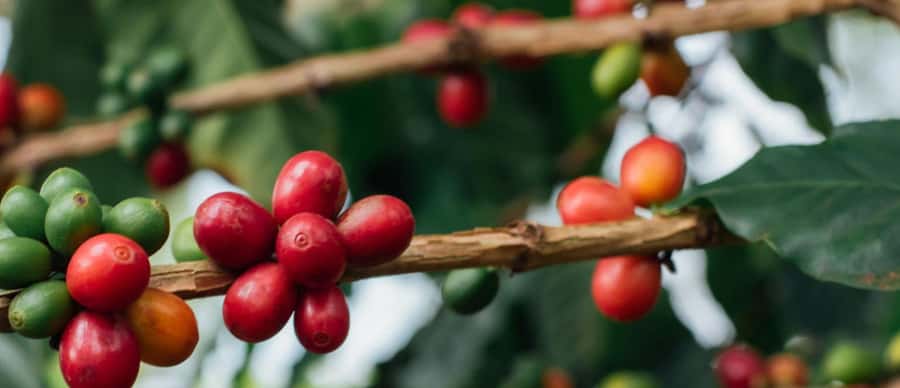
The experience also gives you a close look at arabica coffee, one of Tanzania’s important export crops. The focus is not on a giant factory or a grand estate. It is on small-scale cultivation and a family-run farm, which gives the visit a more local feel.
The current score is 4.8 from 11 ratings, with especially strong praise for the care shown by the staff, the organization, and the quality of the coffee. Johnson and Derik are two of the guides specifically praised for their friendly and energetic approach. If they are leading your visit, you can expect a warm welcome and clear help through the practical steps.
More Coffee Tours in Arusha
- Materuni Waterfalls, coffee tour & Kikuletwa Hot Springs
★ 5.0 · 643 reviews - Materuni waterfalls coffee tour & Chemka hot springs Day trip
★ 5.0 · 131 reviews - Maasai village visit, Materuni waterfalls & coffee experience
★ 4.5 · 95 reviews
Starting at Naturalland Expeditions
The experience begins at Naturalland Expeditions. From there, you head into the Arusha region for the farm visit, guided walk, coffee preparation, and tasting before returning to the same starting point.
The meeting instructions are simple but worth taking seriously. Your guide will wear a company shirt in either gray or chocolate and wait at the main road. Since the exact road location is not given in the available information, arrive with enough time to identify the guide and keep your phone reachable if you need help finding the meeting point.
The guide fee is included, along with drinks and the coffee farm visit. Transport is not listed among the included services, so you should confirm how you will reach the starting point and whether any local transfer is needed before booking. That is one of the few practical details I would clarify in advance.
The tour is conducted in English. Its three-hour length makes it easy to pair with other Arusha plans, especially if you are looking for a morning or afternoon activity rather than a full-day outing.
Walking Through a Smallholder Arabica Farm
The first main part of the experience is a short guided visit to a smallholder coffee farm. Here, you learn how arabica coffee is cultivated and why the crop matters to Tanzania’s economy.
The farm setting is important. A smallholder operation gives you a more direct connection to the people who grow the coffee. One family-run farm visited during the experience is home to three generations, adding a useful human detail to what could otherwise be a basic crop lesson.
You should expect a walk and a guided introduction rather than a long trek. The available details do not promise a full harvest demonstration, a large plantation, or a broad agricultural lecture. Instead, the farm visit sets up the practical work that follows.
I like this order. You first see where the coffee begins, then take part in the steps that bring it to the cup. The connection between crop and drink is clear, and you do not need prior knowledge to follow it.
Because the farm visit is short, it may leave you wanting more if you are deeply interested in cultivation. The experience does not specify the exact season, harvest conditions, or the chance to pick coffee cherries. Think of this stop as an introduction that gives context to the preparation, not a complete farming course.
Pounding the Beans in a Wooden Mortar
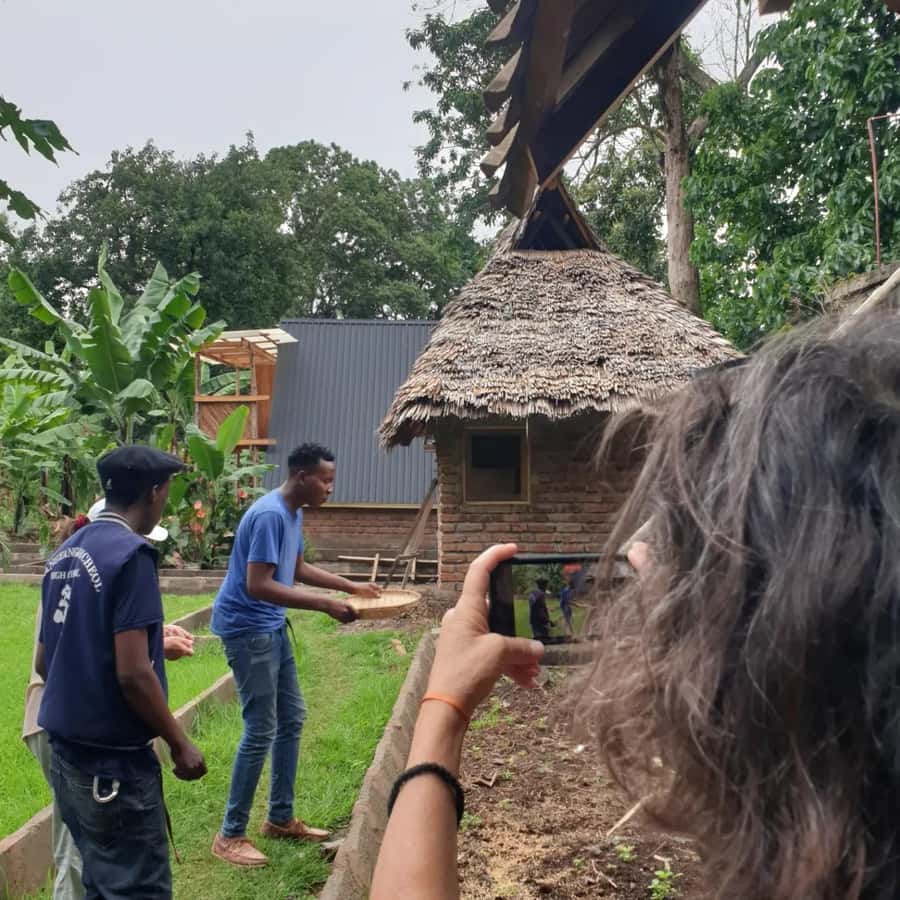
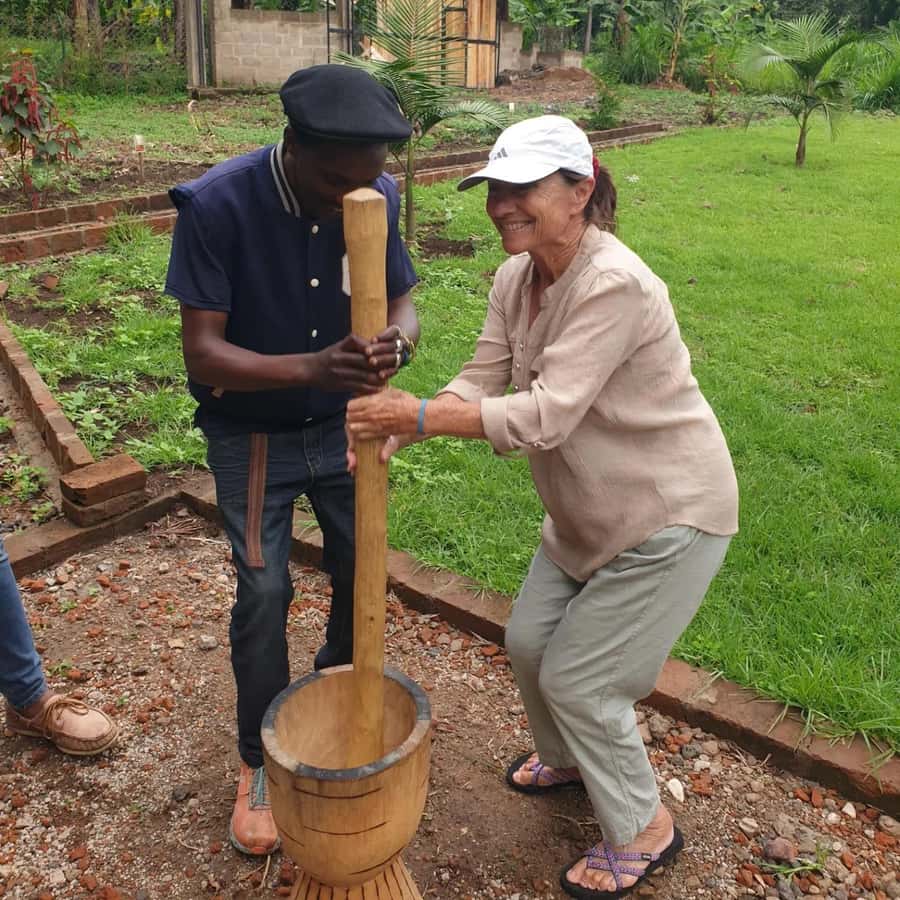
After the farm walk, you move to a private garden for the coffee preparation. The first task is husking the dried beans.
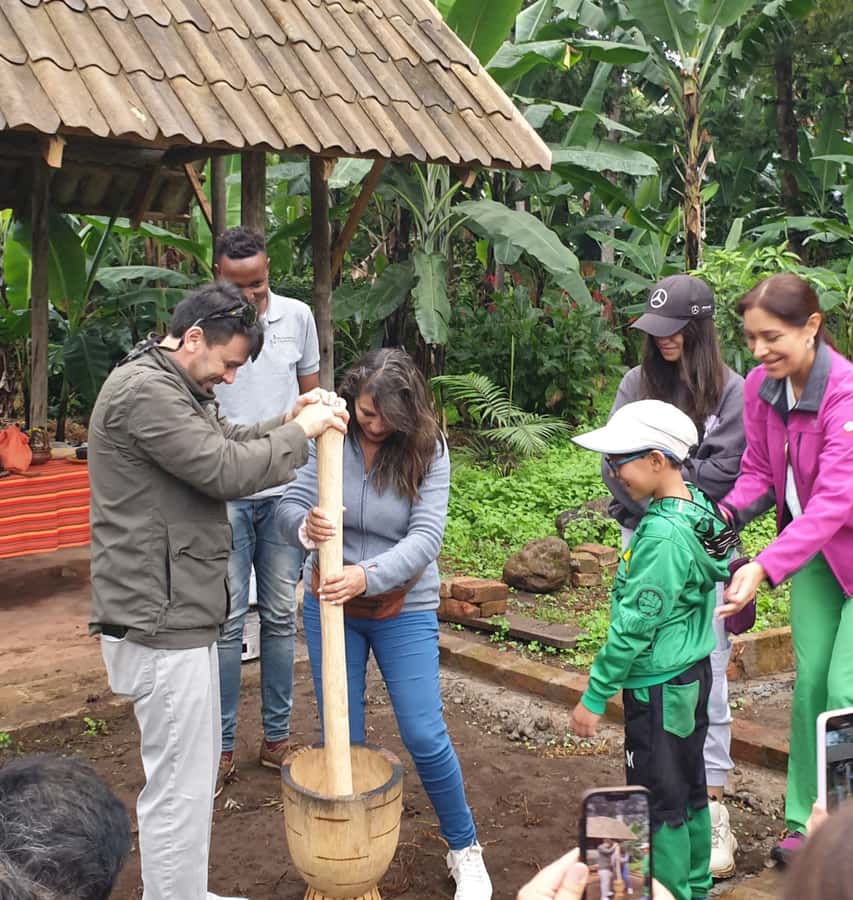
You use a large wooden mortar and pestle to pound the beans and remove the outer husk. This is a physical step, but it is also one of the most revealing. Modern coffee preparation hides this stage completely. Here, the sound and effort make the process plain.
Your guide provides step-by-step instruction, so you are not left to guess how the tools work. The activity is manual from start to finish, which gives the session a steady, unhurried rhythm.
You should wear practical clothing and shoes suitable for a walk and hands-on work. The supplied information does not specify a dress code, but the use of charcoal, clay, and a wooden mortar suggests that this is not a sit-back-and-keep-your-hands-clean activity.
The pace will depend on the group and on how much time each person gets with the tools. The experience is described as interactive, but no group size is given. If you want to know whether the session is private or shared, ask Naturalland Expeditions before booking.
More coffee tours:
- Materuni Waterfalls & Coffee Tour from Moshi
★ 5.0 · 92 reviews - Arusha: Materuni Waterfalls, Coffee, and Hotsprings Tour
★ 4.8 · 78 reviews - Coffee tour and Buffet Lunch with Kingstone Asilia (Arusha)
★ 5.0 · 74 reviews - Materuni waterfalls,coffee tour & Kikuletwa(Chemka)Hot Springs
★ 5.0 · 49 reviews
Roasting Arabica Coffee Over Charcoal
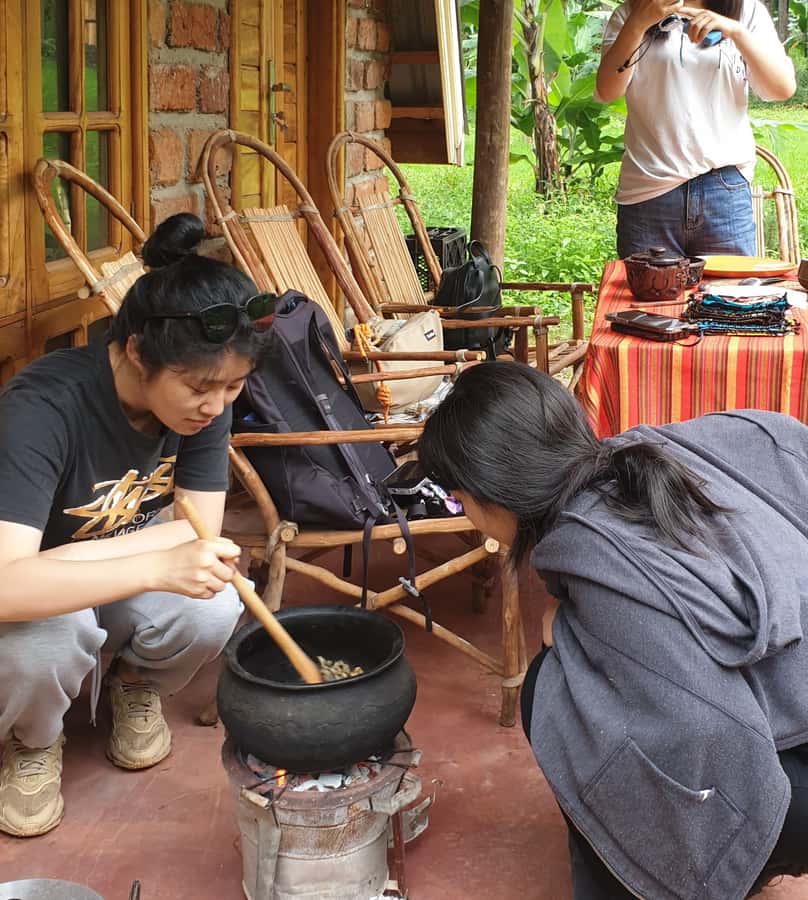
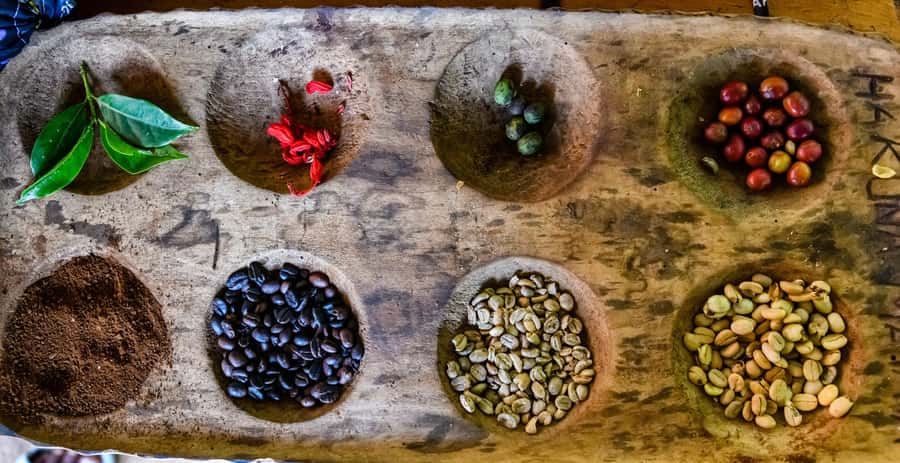
Once the outer husk is removed, the beans are roasted in a clay pot over a charcoal fire. This is the point where the coffee begins to develop its darker color and more familiar smell.
The clay pot and charcoal fire are not just decoration. They are central to the character of the activity and give the beans a more rustic flavor. You see the transformation directly instead of receiving a prepared sample from a machine.
Roasting also creates the most sensory part of the experience. The smell of the beans changes as they heat, and the final flavor reflects the handmade method. The coffee is organic and single-origin, so the cup connects directly to the farm and the batch you have prepared.
The trade-off is control. A clay pot over charcoal is less precise than modern roasting equipment. The available information does not promise a technical lesson about roast temperatures, timing, or flavor profiles. If you are a coffee professional, you may want more detail. If you are a curious drinker, the simple method is likely to be the point.
The roasting takes place in the private garden, which gives the second half of the experience a more relaxed setting. It is also where the preparation becomes social. You are not only learning a process, you are sharing the work and waiting for the final drink.
Grinding and Brewing Your Own Cup
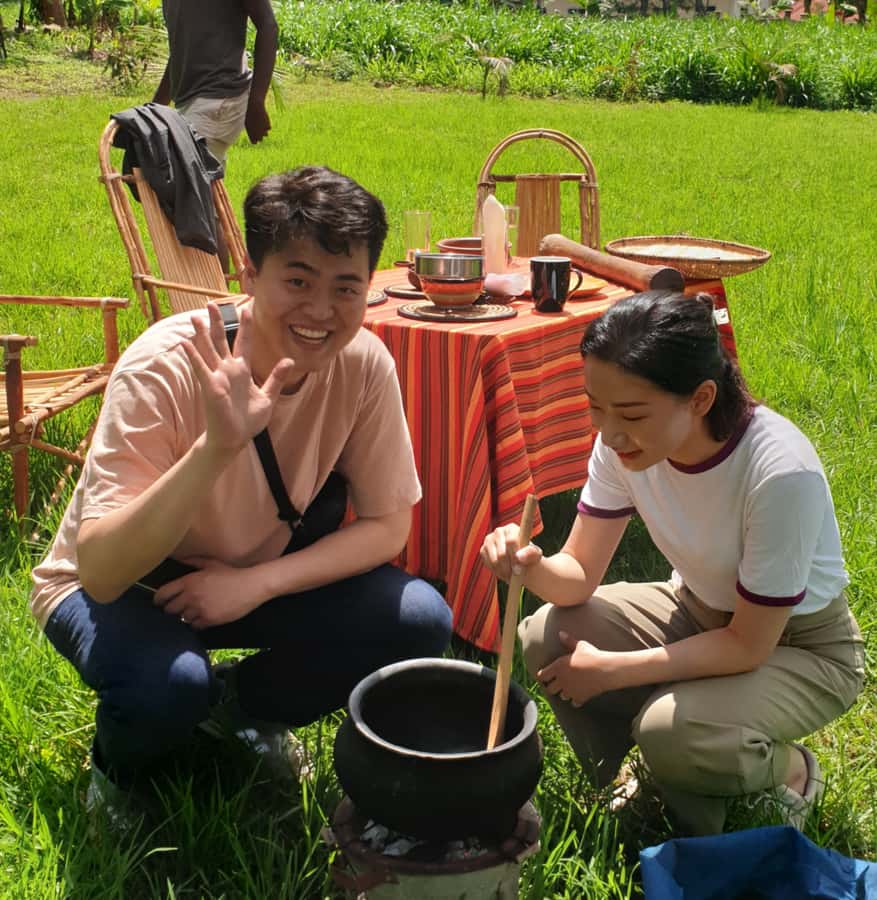
After roasting, the beans are pounded again until they become a fine powder. You then brew the coffee and drink what you have made.
This final stage gives the experience its strongest sense of purpose. The cup is not an abstract tasting sample. You have seen the beans growing, removed the husk, roasted them, and ground them before brewing.
The process may appeal to anyone who enjoys food activities with a clear beginning and end. Families, couples, and small groups can all take part, although the information does not specify minimum ages or child arrangements. Ask ahead if you are planning to bring young children.
The tasting itself is presented as a chance to enjoy organic, single-origin coffee. The coffee is the main drink, and drinks are included in the price. One farm visit also included coconut rolls, which made a pleasant accompaniment to the cup. Since that snack is not listed as a formal inclusion, treat it as a possible extra rather than something guaranteed.
The preparation is likely to be more memorable than a standard tasting. You may not leave with a technical vocabulary for acidity or body, but you will understand the effort behind the drink. That is a fair exchange for a short, practical tour.
What the Three-Hour Schedule Gives You
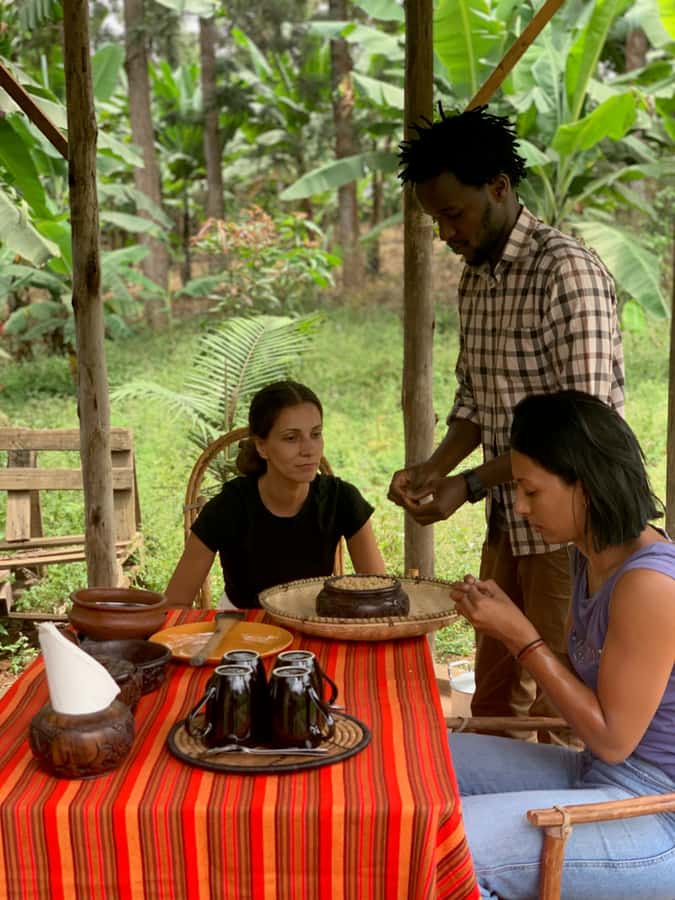
The full activity lasts three hours and includes the farm visit, guided walk, coffee preparation, and tasting. That is a useful length for Arusha because it gives you a focused local experience without requiring a full day.
The schedule begins at Naturalland Expeditions, continues through the Arusha region, and returns to the same starting point. The stated activity includes walking and hiking, though the farm visit itself is described as short. You should expect some time on your feet, but there is no indication of a demanding trail.
The compact schedule also makes the tour easy to fit around other plans. You can use it as a slower cultural activity before or after more active sightseeing. Check the available starting times when selecting a date, since the exact departure options can vary.
The phrase short and sweet fits the overall format. You receive several distinct steps, but none is described as a long standalone session. That balance works well if you want an introduction to local coffee preparation. It may feel brief if you hope to spend hours on the farm.
Is $30 a Fair Price?
At $30 per person, the value comes from participation rather than from the amount of coffee you drink. The fee includes the guide, the farm visit, and drinks, while the main attraction is access to a process you would not normally perform on your own.
I consider that a reasonable price for a three-hour activity when you want more than a quick sightseeing stop. You are paying for a guided farm visit, use of traditional tools, instruction, and a tasting connected to your own work.
The value is strongest for people who care about local food, agriculture, and hands-on activities. If you only want to taste Tanzanian coffee, you could find a simpler and possibly cheaper way to do that. This tour makes sense because it explains the path from crop to cup.
The price does not appear to include transportation, souvenirs, or any snack beyond the listed drinks. Since the meeting point is at the main road and the guide waits in a company shirt, plan your arrival carefully and confirm any transfer details.
Free cancellation is available up to 24 hours before the experience for a full refund, and you can reserve now while paying later. Those terms are useful if your Arusha schedule is still changing, especially around safari plans.
Who Will Enjoy This Coffee Tour Most?
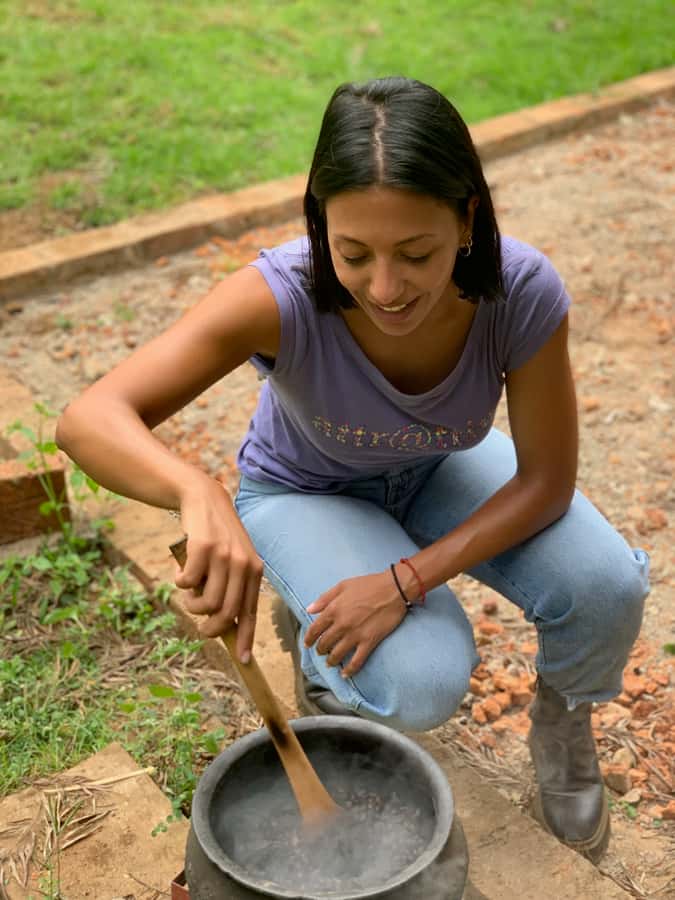
I would recommend this experience to you if you enjoy learning by doing. It suits coffee drinkers, food lovers, curious families, and anyone who wants a local activity with a clear connection to daily life and farming.
It is also a good choice if you have only a few hours in Arusha. The three-hour schedule is long enough to feel worthwhile, but short enough to leave room for other plans.
The tour may be less suitable if you want a large plantation, a professional coffee laboratory, or a detailed lecture on Tanzanian coffee exports. The farm visit is smallholder-focused, and the preparation is traditional rather than technical.
You should also be comfortable with a little physical work. Pounding beans with a wooden pestle and grinding them by hand takes effort. That labor is part of the charm, but it is not the right format if you want a completely passive tasting.
The English-language guide makes the instructions accessible to English speakers. Johnson and Derik have been singled out for their friendly, motivated style, but guide assignments can change.
Practical Tips for a Smooth Visit
Wear clothes you can move in and shoes suited to walking. You will visit a farm and handle coffee with traditional equipment, so comfort matters more than dressing up.
Arrive at the main road with time to spare. Look for the guide wearing a gray or chocolate company shirt. The meeting details do not identify a more precise landmark, so confirm the exact point with Naturalland Expeditions before the day.
Bring curiosity, not coffee expertise. The guide takes you through the process step by step, and the value comes from seeing and trying each stage.
If you are hoping for the coconut rolls served during one visit, ask if they will be available. They were praised as an excellent match for the coffee, but they are not among the formal inclusions.
Finally, keep your wider schedule flexible. Starting times vary by availability, and the tour returns to Naturalland Expeditions after the three-hour activity.
Should You Book the Arusha Coffee Experience?
Book it if you want a friendly, practical introduction to Tanzanian coffee and prefer handling the tools yourself. The smallholder farm, family connection, charcoal roasting, and handmade preparation give the experience more character than a basic cup-and-chat stop.
At $30, it is a sensible choice for a half-day activity, especially with the guide, farm visit, and drinks included. Just keep your expectations in the right place: this is a short traditional coffee workshop, not an advanced roasting class or an all-day plantation tour.
If that sounds like your kind of afternoon, I would book it. If you need transport, a larger farm, or detailed professional tasting notes, confirm those points first or choose a different coffee activity.
FAQ
Where does the coffee experience start?
It starts at Naturalland Expeditions.
Where does the experience end?
You return to Naturalland Expeditions after visiting the farm and completing the coffee preparation.
How long does the activity last?
The experience lasts three hours.
What language is the tour conducted in?
The live tour guide speaks English.
How much does the coffee tour cost?
The listed price is $30 per person.
What is included in the price?
The price includes drinks, a coffee farm visit, and the guide fee.
What kind of coffee will you learn about?
You will learn about arabica coffee and prepare organic, single-origin coffee.
What steps do you perform during the activity?
You husk the dried beans, roast them in a clay pot over charcoal, pound them into a fine powder, brew the coffee, and taste it.
How will I identify the guide?
The guide will wear a Naturalland Expeditions company shirt in either gray or chocolate and wait at the main road.
Can I cancel for a full refund?
Yes. You can cancel up to 24 hours in advance for a full refund.
Just added around Arusha
- 5 Days Safari Tarangire, Serengeti, and Ngorongoro Crater★ 5.0 · 3 reviews
- 5 Days of Safari, Culture & Hot Springs – Tour from Arusha★ 5.0 · 3 reviews
- Love lives in Africa★ 5.0 · 3 reviews
- Arusha National Park Safari by Jeep★ 4.5 · 3 reviews
- 5Days Family _Group Tour Lodging Mid-Range in the Jungle★ 5.0 · 3 reviews
- Serengeti & Ngorongoro 3 Days Budget Safari★ 5.0 · 3 reviews
- 2 Days Tarangire and Ngorongoro Crater Tour★ 5.0 · 3 reviews
- 7 Days PRIVATE Best of Tanzania Safari *Departing everyday*★ 5.0 · 3 reviews
Coffee Experiences, compared.
Materuni Waterfalls, coffee tour & Kikuletwa Hot Springs
Read our review →
Materuni waterfalls coffee tour & Chemka hot springs Day trip
Read our review →
Materuni Waterfall, Coffee Tour and Picnic Hot Lunch
Read our review →
Maasai village visit, Materuni waterfalls & coffee experience
Read our review →
Arusha or Moshi : Hot Spring, Waterfall & Coffee Farm Tour
Read our review →
Materuni Waterfalls, Coffee, and Hotsprings Tour
Read our review →
Materuni Waterfalls, Chemka Hot Springs, &/Or Coffee Tour
Read our review →Browse the lists this tour appears in