
Reviewed · STONE TOWN TOURS
From Stone Town: Spice Tour of Zanzibar
The sweetest part may be a coconut from a tree. This 2.5-hour trip from Stone Town gives you a close look at why Zanzibar is called Spice Island, with cloves, cinnamon, vanilla, nutmeg, ginger, pepper, cardamom, and tropical fruit growing around a working plantation. I like the hands-on format, since you can smell and taste many of the plants rather than only hear their names. I also like the friendly farm guides, including Juma, who has been praised for making the explanations clear and funny. The main drawback is that the tour includes a shop stop and a tipping moment, so you should bring cash and expect a little sales pressure.
At $30 per person, this is a fair buy if you want context for Zanzibar’s food and farming without giving up a full day. Pickup from Stone Town hotels makes it easy, though hotel locations have occasionally caused confusion on the map. Babu Tours & Safaris has handled those mix-ups well through WhatsApp, but I would still confirm your hotel directly before the morning of the tour.
In This Review
- Key things to know before you book
- Why Zanzibar became known for spices
- The plantation walk: cloves, cinnamon, vanilla, and more
- Tropical fruit tasting in the shade
- Meeting the coconut climber
- The farm shop and what you can take home
- Guides, communication, and the Stone Town transfer
- Is $30 a fair price?
- Who will enjoy this tour most?
- How to plan your morning
- Should you book the Zanzibar spice tour?
- FAQ
- How long does the spice tour last?
- How much does the tour cost?
- Is hotel pickup included?
- Which languages are available?
- What spices and plants can I see?
- Is food included?
- What should I bring?
- Can I cancel the booking?
Key things to know before you book
- Coconut climber finale: A farm worker climbs a coconut tree while singing the traditional Jambo song, then cuts down a fresh coconut for you to drink.
- Touch, smell, and taste: The guide introduces cloves, cinnamon, ginger, cardamom, nutmeg, turmeric, pepper, and other plants in a way that uses your senses.
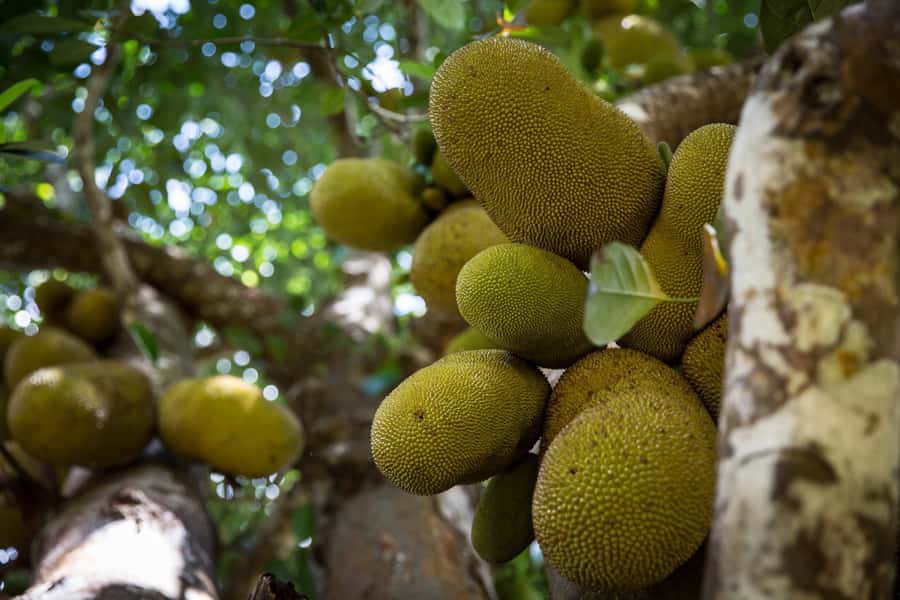
- Fresh fruit included: Papaya, mango, jackfruit, guava, avocado, and other fruit may be available to sample during the walk.
- Traditional plant uses: You learn how local people have used neem leaves for malaria and indigestion, and the iodine tree for wound infections.
- Stone Town pickup: Collection is available from hotels within Stone Town, with return transport included in the arranged experience.
- Bring cash: You may want money for spices, soaps, perfumes, handmade gifts, and tips for the guide, assistant, and coconut climber.
Why Zanzibar became known for spices
Zanzibar’s spice reputation is not just a slogan for souvenir packets. The islands have long been linked with the cultivation and trade of fragrant crops, and this tour gives you a basic feel for how those plants grow before they reach a kitchen.
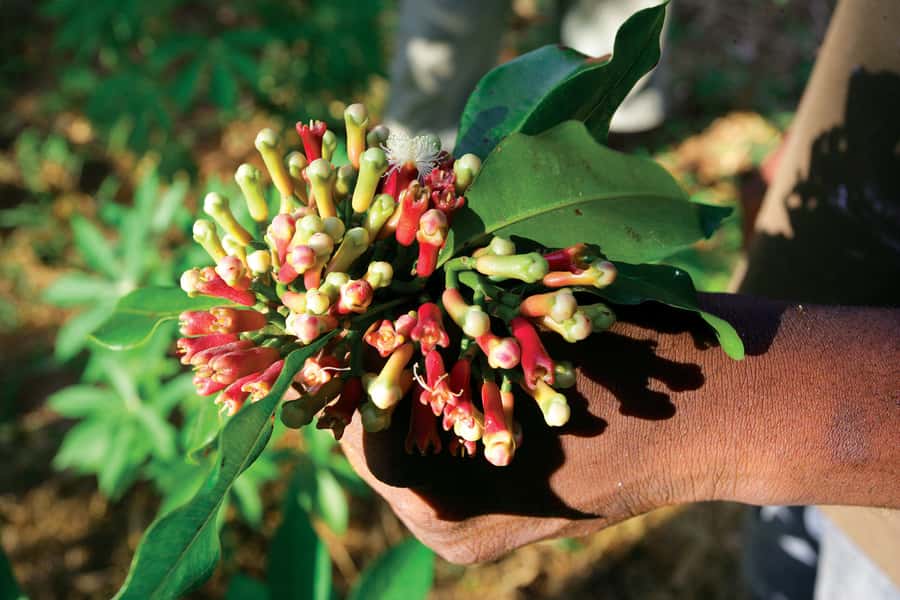
That matters because many spices look nothing like the powdered product in your cupboard. A cinnamon tree is not a pile of brown sticks in the ground. Cloves, nutmeg, vanilla, pepper, cardamom, ginger, and turmeric each come from different parts of plants and need different methods of harvesting.
I like this kind of introduction because it turns familiar flavors into real plants. You can connect the smell of a cinnamon stick with its source, see how ginger grows, and handle fresh herbs instead of treating spices as anonymous ingredients.
The tour takes place on a small plantation in Unguja South Region. It is not a grand agricultural estate with a long formal route. Its appeal is the direct contact with plants, the guide’s explanations, and the chance to ask questions as you walk.
More ways to see Stone Town:
- Zanzibar: Stone Town, Spice Tour, Prison Island with Lunch
★ 4.4 · 1,219 reviews - Zanzibar: Prison Island, Stone Town, & Spice Farm Tour
★ 4.5 · 579 reviews - Zanzibar; Prison Island, Nakupenda, StoneTown Tour with BBQ
★ 4.3 · 457 reviews
The plantation walk: cloves, cinnamon, vanilla, and more
The main part of the outing is a guided walk through the plantation. Your guide points out spice plants and herbs, explains where they come from, and describes some of their traditional uses.
Expect to see cloves, nutmeg, vanilla, Zanzibar cardamom, cinnamon, curry, menthol, pepper, tamarind, and ginger. The exact plants you see at their best may depend on the season, but the range gives the walk plenty of variety.
Cloves and nutmeg are especially useful examples because the finished spices can be hard to picture as living plants. Vanilla also adds interest, since it is associated with a distinctive scent but is less familiar as a growing crop. The guide helps bridge that gap.
You also learn about local plant remedies. Neem leaves have traditionally been used for malaria and indigestion, while the iodine tree is still associated with fighting infections in wounds. Treat these as cultural and traditional knowledge, not as a substitute for medical care. The value here is understanding how plants have been part of daily life and local practice.
The best guides make this section interactive. Juma has been praised for being funny and clear, while other farm guides have been described as friendly and well informed. You can touch, smell, and sometimes taste the plants, which makes the information easier to remember than a standard spoken tour.
Tropical fruit tasting in the shade
The plantation is also home to tropical fruit trees. You might see papayas, mangoes, jackfruit, guava, and avocado, along with other fruit grown on the farm.
Fruit tasting gives the tour a welcome change of pace. Spices are strong and aromatic, while fresh fruit is soft, sweet, and immediate. You may be offered pieces to try as the guide explains what grows on the plantation.
Jackfruit is often the surprise for people who have not encountered it fresh. Mangoes and papayas are more familiar, but tasting them close to where they grow still gives you a better sense of Zanzibar’s produce.
The fruit selection is not fixed, so do not book this as a guaranteed tasting menu. The included description names tropical fruit, and the farm experiences have included mango, avocado, jackfruit, guava, and other samples. Availability will depend on what is ripe.
This is one reason comfortable shoes matter. You are walking around a plantation rather than browsing a paved shop, and the route may include uneven ground. Large bags and luggage are not allowed, so leave your suitcase at the hotel.
Meeting the coconut climber
The coconut climber is the tour’s most memorable piece of theater, and it is more than a quick photo opportunity. A worker climbs a coconut tree, often singing the Jambo song, and cuts down a coconut for you to drink.
The sight is impressive because it shows a practical skill that is easy to take for granted. Coconut harvesting is not simply a matter of reaching up from the ground. The climbing, singing, and fresh drink turn the end of the walk into a lively farm demonstration.
You may also receive handmade gifts or a small woven crown. One experience included visitors being crowned King and Queen of Spice, while another included fruit and handmade items. These touches make the tour feel warm and personal, though they are not described as fixed inclusions for every departure.
Keep some cash ready at this point. Tipping may be expected for the main guide, assistant, and coconut climber. You can decide what feels appropriate, but knowing this in advance prevents an awkward scramble for money after the performance.
More spice farm visits:
- Zanzibar: Stone Town, Spice tour & Prison Island with Lunch
★ 4.6 · 453 reviews - Full-Day Private Stone Town +Spice Farm and Prison Island Tour
★ 4.5 · 216 reviews - Spice Tour + Stone Town Tour + Prison Island
★ 4.5 · 130 reviews - Zanzibar: Spice Tour & Stone Town Walking Tour
★ 4.8 · 115 reviews
The farm shop and what you can take home
The final stop is the plantation shop. You can buy spices for your kitchen, along with products such as perfumes and soaps.
This is a useful end to the tour because you have just seen and smelled many of the ingredients. You are in a better position to choose something than you would be at a generic market stall. If you enjoy cooking, the shop can also turn the memory into something practical at home.
Still, treat the shop as an optional purchase stop, not part of the educational core. You do not have to buy anything to enjoy the walk. Bring cash if you want spices or other products, since the available information specifically advises it for purchases and tips.
The shop may also be where the tour feels least relaxed. After a friendly guided experience, some people may feel expected to buy or tip. A simple, polite no is enough if you are not interested.
Guides, communication, and the Stone Town transfer
Pickup is available from hotels within Stone Town. You wait at your hotel reception, and the arranged vehicle collects you for the plantation visit before returning you after the tour.
Transport has generally been described as easy, and one solo participant received a private guide after traveling alone. Do not assume every booking becomes private, but a smaller booking may feel more personal if the day is quiet.
The main practical issue is the pickup map. Some Stone Town hotels have been difficult to pin correctly during booking. In one case, the driver went to the wrong hotel first, but the problem was fixed through WhatsApp and the tour still finished on time.
I would send Babu Tours & Safaris your exact hotel name and reception details before pickup. Save the company’s WhatsApp contact and keep your phone available. This is a small step, but it can prevent a needless start-of-day hunt around Stone Town.
The available guide languages are English, French, German, Spanish, and Italian. That makes the tour more accessible for many international visitors, and the quality of the explanation matters here because the experience depends heavily on the guide.
Is $30 a fair price?
At $30 per person, the price is reasonable for a half-day outing that includes hotel pickup from Stone Town, entrance fees, a live guide, government taxes, plantation access, fruit tasting, and the coconut demonstration.
You are not paying only to look at plants. You are also paying for the transfer out of town, the guide’s time, the farm setting, and an organized introduction to Zanzibar’s spice crops. For someone with only a few days on the island, that makes the tour a practical way to add a countryside experience without planning separate transport.
Food is not included, though the fruit samples are part of the experience described by the farm. You should budget extra for anything from the shop and for tips.
The value is strongest if you enjoy food, gardening, local customs, or short guided walks. It is weaker if you want a long farm visit, a formal cooking class, or a large historical presentation about the spice trade. Those are not the focus here.
A current score of 4 out of 5 from 71 ratings suggests a generally positive experience with some room for variation. The most consistent strengths are the guide, the mix of plants and fruit, and the coconut-climbing finale. The main concerns are pickup-map confusion, extra cash for tips and shopping, and the physical demands of walking around a farm.
Who will enjoy this tour most?
I would recommend it to first-time visitors who want an easy introduction to Zanzibar beyond Stone Town’s streets and buildings. It also suits couples, solo visitors, and families who can manage a short plantation walk.
Food lovers will get the most from it. You can connect the island’s name with real ingredients, traditional uses, and local produce. Children may enjoy the fruit tasting and coconut climb, though adults should judge whether the walking conditions suit them.
It is also a good choice for a short stay. Two and a half hours leaves room for other plans, and hotel pickup removes the need to arrange a separate driver.
Mobility requires careful checking. The activity information says wheelchair access is available but also says it is not suitable for people with mobility impairments. Those statements do not fully agree, so contact the provider before booking if you use a wheelchair, walker, or need level paths. Comfortable shoes are recommended, and luggage or large bags are not allowed.
How to plan your morning
Check the available starting times when you book, since the departure schedule is not fixed in the information provided. Be ready at your hotel reception and confirm the pickup location with the operator.
Wear shoes you can walk in comfortably. Choose light clothing suitable for warm outdoor conditions, but do not bring a suitcase or oversized bag.
Carry cash for three possible expenses: spices and farm products, tips, and anything else sold at the plantation. The entrance fee, guide, and government taxes are included, but food is not.
If your hotel could not be selected accurately on the booking map, message the operator. A quick confirmation can save time and help the driver find you.
The tour can be booked with free cancellation up to 24 hours before departure, and a reserve-now, pay-later option is available. These terms are useful if your Zanzibar schedule may shift, but check the exact departure details at booking.
Should you book the Zanzibar spice tour?
Book it if you want a short, friendly, hands-on look at the crops behind Zanzibar’s famous flavors. The guide-led walk, fresh fruit, plant aromas, and singing coconut climber give the outing more character than a simple farm visit.
I would especially choose it if you have a morning free in Stone Town and want transport included. The $30 price is sensible, provided you remember that shopping and tips are extra.
Skip it if you dislike sales stops, cannot manage a plantation walk, or want a detailed historical tour rather than a practical introduction to spices and fruit. For most visitors who enjoy food and local farming, though, this is an easy way to understand why Zanzibar earned its nickname.
FAQ
How long does the spice tour last?
The tour lasts 2.5 hours.
How much does the tour cost?
The listed price is $30 per person.
Is hotel pickup included?
Yes. Pickup is available from any hotel within Stone Town. Wait at the hotel reception to be collected.
Which languages are available?
The live guide service is available in English, French, German, Spanish, and Italian.
What spices and plants can I see?
The plantation may include cloves, nutmeg, vanilla, Zanzibar cardamom, cinnamon, curry, menthol, pepper, tamarind, and ginger. You can also see tropical fruit such as papayas, mangoes, and jackfruit.
Is food included?
Food is not included. Fruit tasting has been part of the farm experience, but no separate meal is provided.
What should I bring?
Bring comfortable shoes. Do not bring luggage or large bags. Cash is useful for buying spices and other products, and for tips.
Can I cancel the booking?
You can cancel up to 24 hours in advance for a full refund. A reserve-now, pay-later option is also available.
Just added around Zanzibar
- Spice Tour of Zanzibar★ 4.5 · 3 reviews
- Zanzibar : Stone Town Tour,history without transport★ 4.8 · 3 reviews
- Zanzibar: 3-Day Northern Safari with Flights Included★ 4.8 · 3 reviews
- Jozani Forest, kuza cave and mtende beach★ 5.0 · 3 reviews
- Starfish Beach; The Rock; Kuza Cave; Paje Beach; Salaam Cave Tour★ 4.5 · 3 reviews
- ZANZIBAR: Stone Town and Jozani Forest Guided Tour★ 4.0 · 3 reviews
- Zanzibar: African Sunset Boat Party in Zanzibar Music, Views★ 4.3 · 3 reviews
- Joazani forest & Spice farm with lunch★ 5.0 · 3 reviews
Stone Town Tours, compared.

Stone Town, Spice Tour, Prison Island with Lunch
Read our review →

Prison Island, Nakupenda, StoneTown Tour with BBQ
Read our review →Stone Town, Spice tour & Prison Island with Lunch
Read our review →

3 Hours Private Stone Town walking Tour with Guide
Read our review →
Full-Day Private Stone Town +Spice Farm and Prison Island Tour
Read our review →
Stone Town Historical Cultural Walking Guided Tour
Read our review →Browse the lists this tour appears in