
Reviewed · STONE TOWN TOURS
Zanzibar: Spice Tour & Stone Town Walking Tour
Zanzibar tells its story through scent. I like the way this five-hour private tour joins a hands-on spice farm visit with a serious walk through Stone Town, and I especially like the personal touch of guides such as Ali, Mu, Abdul, and Sirio, who have been praised for their warmth and clear explanations. The combination gives you both the island’s tropical side and its difficult past in one day.
The main drawback is that the schedule can feel tight. A slow walker may need more time, and one visitor missed the slave-trade area while shopping and exploring. The spice farm can also include strong encouragement to buy spices and leave tips, so bring patience and ask about prices before purchasing.
In This Review
- Key points at a glance
- Why this five-hour combination works
- At the spice farm, Zanzibar becomes a classroom
- What the spice stop teaches about Zanzibar
- Stone Town begins with a hard history
- Darajani Market gives you everyday Stone Town
- The landmarks of Stone Town
- The private format and guide quality
- Is $95 a fair price?
- Who should book this experience?
- FAQ
- Where does the tour begin and end?
- How long does the experience last?
- Is this a private tour?
- Which languages are available?
- What is included in the price?
- Is food included?
- Can I cancel for a refund?
- Should you book the Zanzibar Spice Tour and Stone Town Walk?
Key points at a glance
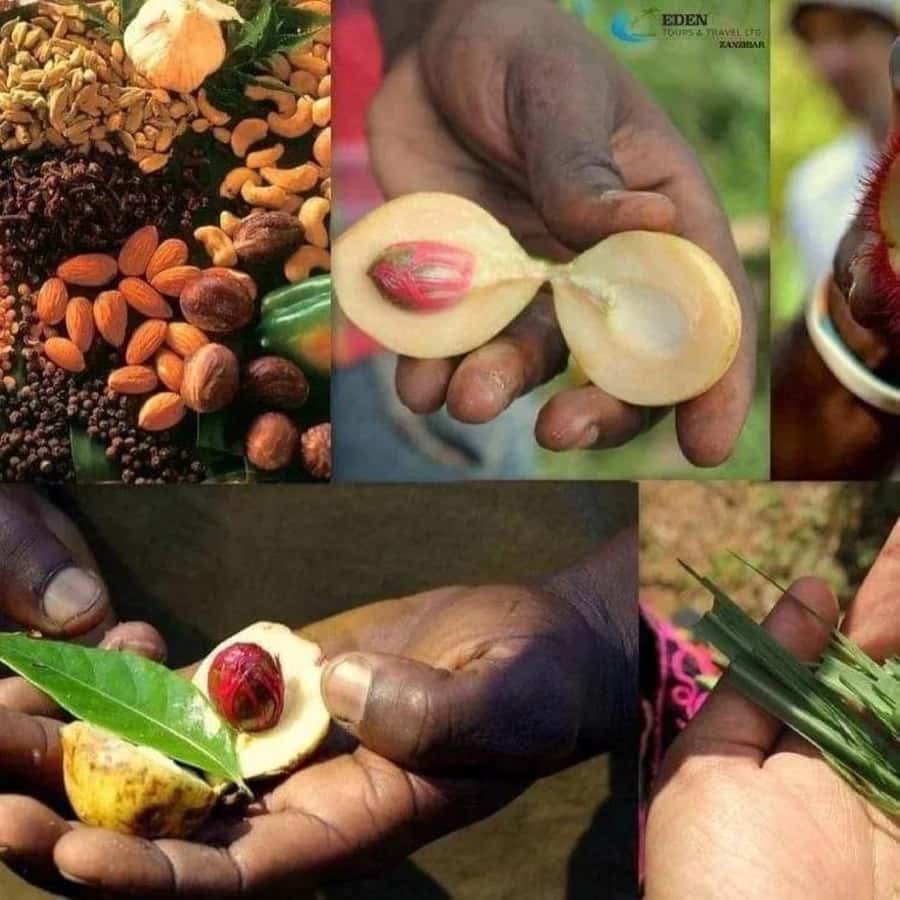
- Smell and taste spices at their source: See cinnamon, cardamom, black pepper, chili, ginger, vanilla, lemongrass, turmeric, nutmeg, and cloves growing in Zanzibar.
- Meet the human butterfly: Watch a coconut-tree climber reach the top while singing Hakuna Matata, a playful part of the farm visit.
- Face Stone Town’s difficult past: Visit the old slave market site and Christian church, where the history is explained in a thoughtful way.
- Walk through everyday Stone Town: The route includes Darajani Fish Market, the former House of Wonders, Old Fort, and Freddie Mercury’s house.
- Enjoy a private format: Your own group and a guide who speaks English, French, Italian, Spanish, or German make it easier to ask questions and adjust the pace.
- Plan for a full sensory experience: Fruit tasting, spice samples, crowded market scenes, and tropical heat all form part of the day.
Why this five-hour combination works

Zanzibar can seem divided between beach resorts and historic Stone Town. This tour connects those two sides with a visit to the island’s farming traditions in the morning or early part of the day, followed by the narrow streets and major landmarks of Stone Town.
I like this pairing because the subjects support each other. The spices explain Zanzibar’s place in Indian Ocean trade, while Stone Town shows the wealth, power, religion, and suffering tied to that trade. You get more than a pleasant farm stop and a quick city walk. You get a basic framework for understanding how the island developed.
The private group format matters. You can ask why a plant is used, pause when a market scene needs more time, or tell the guide when you need a break. The tour lasts five hours, so it is not an all-day expedition, but it has enough time to cover both major parts without feeling like a simple photo stop.
Hotel pickup and drop-off are included. The guide or driver is expected to meet you in your hotel lobby with your name on a piece of paper. Past guests have singled out punctual transfers and friendly drivers, including Aly, Abdul, and Suleiman.
More Walking Tours in Zanzibar
- Stone Town Private Walking Tour
★ 5.0 · 371 reviews - Zanzibar: 3 Hours Private Stone Town walking Tour with Guide
★ 4.6 · 301 reviews - Zanzibar: Stone Town Historical Cultural Walking Guided Tour
★ 4.5 · 179 reviews
At the spice farm, Zanzibar becomes a classroom
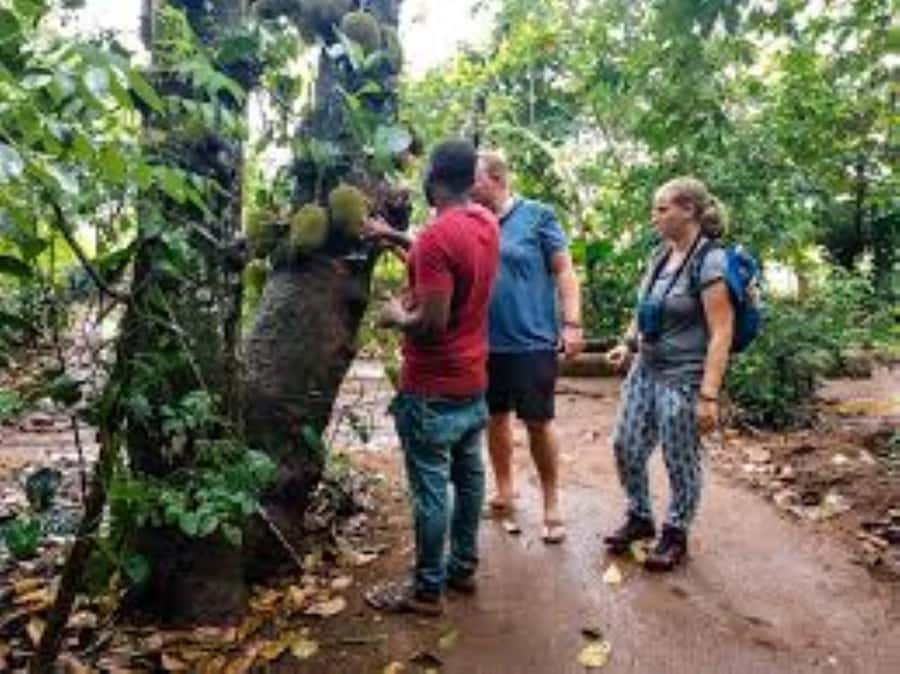
The spice plantation is the most playful part of the experience. Instead of seeing spices in jars, you can see, smell, touch, and taste them in their natural form. That difference is important. Many people know cinnamon, cloves, ginger, and black pepper only from a kitchen shelf. Here, you learn how the plants grow and how Zanzibar’s tropical conditions support them.
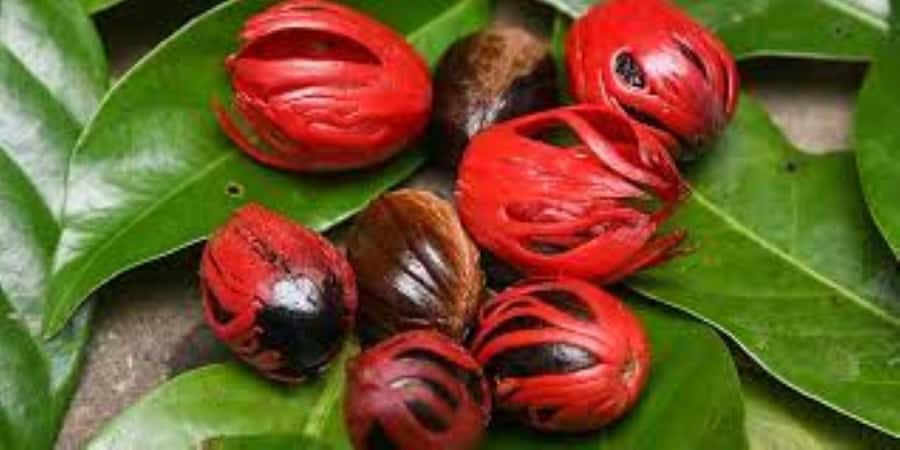
The farm visit includes cinnamon, cardamom, black pepper, chili, ginger, vanilla, lemongrass, lemon mint, turmeric, nutmeg, and cloves. Each has a different smell and appearance, and the guide explains how the plants are grown. The hands-on format works well for children and for anyone who likes food, gardening, or photography.
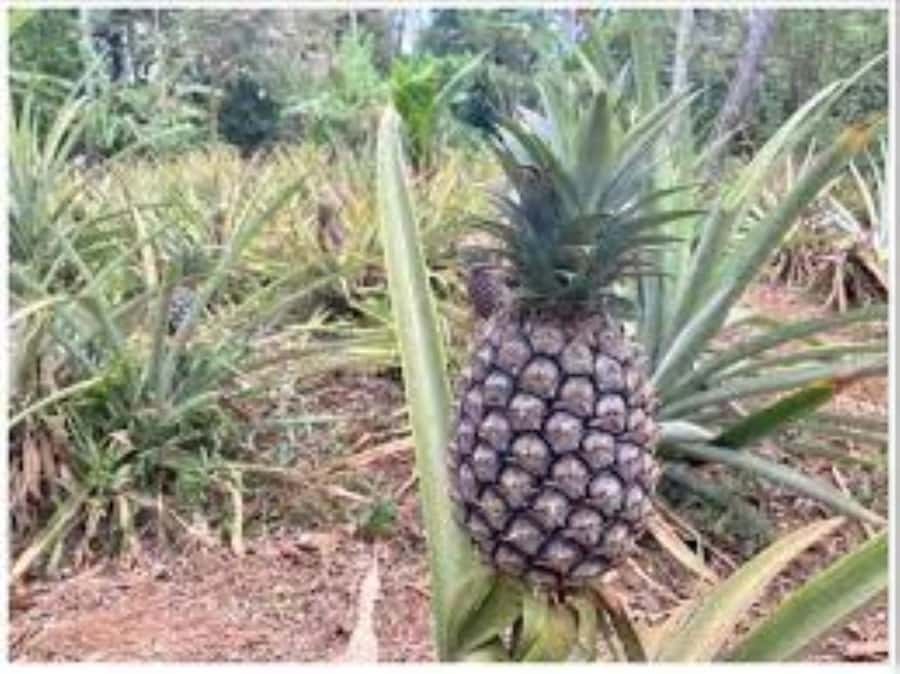
Fruit tasting may also be included. This adds to the sensory feel of the visit, though you should be aware that one person found the fruit session upsetting to the stomach. If you have a sensitive stomach, take small portions and do not feel obliged to taste everything offered.
The visit can include small cultural touches, such as weaving palm-leaf crowns. That is a simple activity, but it helps the farm feel less like a display garden and more like a place where you are taking part. You may also see the person known as the human butterfly climb a coconut tree and sing Hakuna Matata. It is certainly theatrical, but it is also one of the details that makes the stop memorable.
The main caution concerns shopping. Some farm staff may focus heavily on selling spices and asking for tips. Prices may not be displayed clearly, which can make buying awkward. My advice is simple: ask for the price before accepting a package, decide in advance if you want souvenirs, and remember that you can politely decline.
What the spice stop teaches about Zanzibar
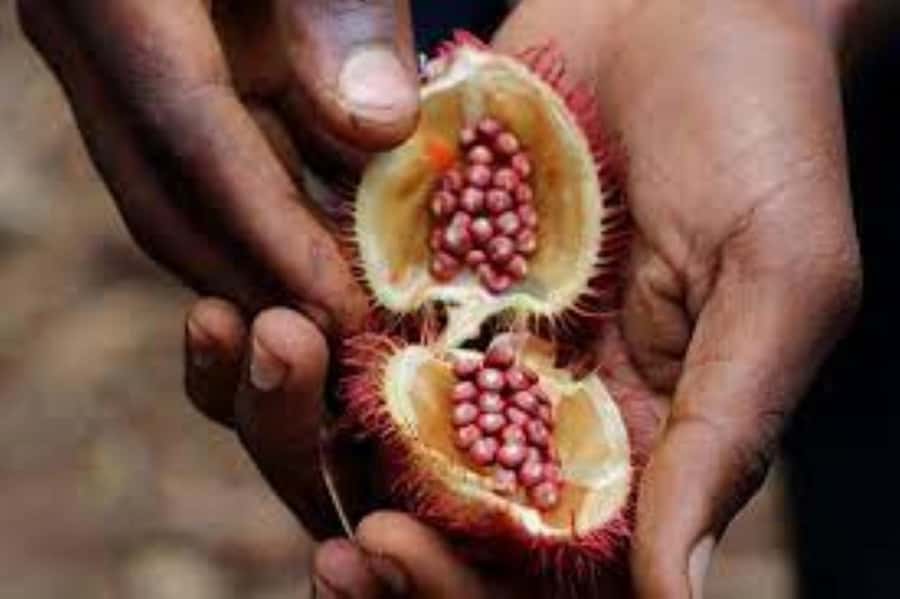
The plantation is not only about flavor. Spices help explain why Zanzibar became an important trading center. Cloves, nutmeg, cinnamon, and other products connected the island to merchants and buyers across the Indian Ocean.
Your guide can also place the farm within everyday island life. Several guides have been praised for talking about culture, daily routines, and local life during the transfer as well as at the plantation. That informal conversation may be as useful as the formal explanations beside the plants.
Guides named Ali, Mu, Mo, Abdul, Sahim, and Sirio have all received strong praise for being friendly, patient, or good at explaining plants and history. You cannot normally guarantee a particular guide, but these comments suggest that the quality of the day depends heavily on who leads it. If you need detailed interpretation in a certain language, confirm your preferred language when booking.
Stone Town begins with a hard history
The Stone Town portion changes the tone. Zanzibar’s old center is attractive, but this is not just a pretty walk through old buildings. The tour explains the island’s role in the slave trade during the 17th and 18th centuries and takes you to the old slave market site.
The Christian church connected with the former slave market is one of the most meaningful stops. The visit can be difficult, but it gives the history a specific place and human scale. A thoughtful guide can explain how the church relates to the former market rather than treating the subject as a quick historical footnote.
I value this part of the tour because it asks you to look beyond the postcard version of Stone Town. The old lanes and carved doors are interesting, but the city’s wealth was also tied to systems of forced labor and trade. You should expect a serious discussion, not only sightseeing.
Keep an eye on the clock here. The walk includes several other sites, and the history section can take time. One person missed the slave-trade area after spending time on other parts of the route. If this subject matters most to you, tell the guide at the start so it receives priority.
More ways to see Stone Town:
- Zanzibar: Stone Town, Spice Tour, Prison Island with Lunch
★ 4.4 · 1,219 reviews - Zanzibar: Prison Island, Stone Town, & Spice Farm Tour
★ 4.5 · 579 reviews - Zanzibar; Prison Island, Nakupenda, StoneTown Tour with BBQ
★ 4.3 · 457 reviews - Zanzibar: Stone Town, Spice tour & Prison Island with Lunch
★ 4.6 · 453 reviews
Darajani Market gives you everyday Stone Town
Darajani Fish Market is one of the most direct ways to see daily commerce in the old city. It can be crowded, strong-smelling, and visually intense. The route may also pass through meat-market areas, so this is not a polished tourist attraction.
That is precisely why I think it adds value. You see Stone Town as a working city rather than a collection of monuments. The market gives context to the food culture, trade, and daily routines that continue around the historic center.
It is also the point where comfort matters most. Wear practical shoes, keep your belongings secure, and expect uneven walking conditions. If you have limited mobility, tell the guide early. One person with a hard-walking companion found that the pace needed to be slower and that shopping time had to be limited.
The market may not suit every visitor. If you dislike strong smells or crowded food stalls, you may find this section challenging. Still, I would rather have the option to see the real market than spend the entire walk inside a carefully cleaned tourist zone.
The landmarks of Stone Town

The route also includes several of Stone Town’s best-known sights:
- Freddie Mercury’s house: This connects the old city to one of Zanzibar’s most famous modern cultural figures.
- House of Wonders: The former landmark is part of the city’s architectural and political story. The supplied description identifies it as a stop, but does not promise a full interior visit.
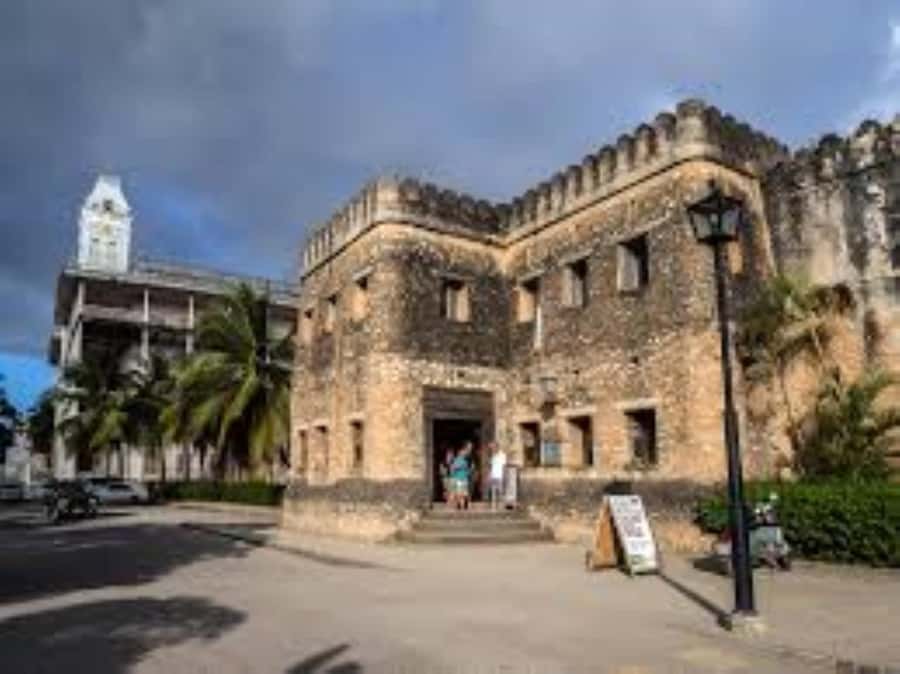
- Old Fort: This is another major historic building on the walking route and helps you see the layers of power that shaped the city.
- Darajani Fish Market: A working market rather than a museum, with a more immediate look at local life.
- The former slave market and church: The most serious historical stop and one you should protect time for.
The tour is not designed as a long architectural lecture. Its value comes from seeing several places while a guide explains how they connect. You can also have some time to shop, explore, or take a short break, depending on the pace of your group.
The private format and guide quality
A private tour gives you more control than a large group outing. You can ask direct questions about spice farming, religion, trade, music, or local customs without waiting for a group of strangers. You also avoid the problem of being pulled along at someone else’s pace.
The guide reports are especially positive about patience and communication. Ali was praised for discussing local life during the transfers, Mu for making the day fun and informative, and Sirio for combining good humor with a strong grasp of plants, culture, and sightseeing. Abdul was praised both as a driver and as a guide, while other comments describe the guides as polite, punctual, and helpful.
There is one practical complication: the farm and Stone Town portions may involve different people. One person described Abdul handling transport and another guide leading the city walk. That arrangement can work well, but confirm who will meet you at each stage and which guide speaks your language.
The tour is offered in English, French, Italian, Spanish, and German. Since the history depends on explanation, language quality matters more here than it would on a simple sightseeing transfer.
Is $95 a fair price?

At $95 per person, this is not the cheapest way to see a spice farm and Stone Town. But the price includes hotel pickup and drop-off, entrance to the spice plantation, entrance to the old slave market site, a guide, and a private group format.
I think the value is reasonable if you want one organized cultural day rather than arranging separate transport, farm admission, and a city guide. The private setup is the biggest reason the price can make sense. You are paying for flexibility and interpretation, not just entry tickets.
The value is weaker if you mainly want a quick spice tasting or a short photo walk. In that case, the five-hour combination may feel too broad. It also does not include food or personal expenses, so carry money only for what you plan to buy and do not assume meals are covered.
The reserve-now-and-pay-later option can help if your Zanzibar plans are still shifting. Cancellation is free up to 24 hours before the tour for a full refund. Starting times vary, so check availability before you settle the rest of your day.
Who should book this experience?
I would recommend it to you if you want a compact introduction to Zanzibar’s plants, trade, history, and urban life. It suits first-time visitors who want more context than a beach holiday provides, families interested in hands-on activities, and couples or small groups who prefer a private guide.
It is also a good choice if you want the difficult history handled with care. The former slave market and church visit give the Stone Town walk real purpose.
You may want another plan if you have limited walking ability and need a very slow route, or if you dislike market smells and sales pressure. Tell the operator about mobility concerns before the day begins, and make the former slave market a priority if that is your main reason for booking.
FAQ
Where does the tour begin and end?
Pickup is in Zanzibar, with hotel pickup and drop-off included. The guide or driver meets you in the hotel lobby with your name on a piece of paper.
How long does the experience last?
The tour lasts five hours. Starting times depend on availability.
Is this a private tour?
Yes. The experience is arranged for a private group rather than a shared public group.
Which languages are available?
Live guiding is available in English, French, Italian, Spanish, and German.
What is included in the price?
The price includes hotel pickup and drop-off, entrance to the spice plantation, entrance to the old slave market site, and a tour guide.
Is food included?
No. Food and personal expenses are not included. Fruit tasting may take place at the spice farm, but it is not a meal.
Can I cancel for a refund?
You can cancel up to 24 hours in advance for a full refund. You can also reserve now and pay later.
Should you book the Zanzibar Spice Tour and Stone Town Walk?
Book it if you want one well-organized day with real range. The spice farm gives you touch, scent, fruit, and a bit of coconut-tree theater. Stone Town then adds architecture, markets, Freddie Mercury, the Old Fort, and an honest look at the slave trade.
The strongest reason to choose it is the private format and the consistently warm guide service. The main things to manage are time, market intensity, farm sales pressure, and the need to tell your guide which stops matter most. Protect the slave-market visit, ask prices before buying spices, and request a slower pace if needed. At $95, it is a fair choice for a personal introduction to Zanzibar’s culture and past.
More Walking Tours
- Stonetown: Food Markets and Street Food Walking Tour
★ 4.7 · 151 reviews - Zanzibar Stone Town Walking Tour
★ 5.0 · 145 reviews - Stone Town Historical Walking Tour
★ 5.0 · 143 reviews - Walking City Tour in Zanzibar Island
★ 5.0 · 122 reviews
More Spice Farm Tours
- Full-Day Private Stone Town +Spice Farm and Prison Island Tour
★ 4.5 · 216 reviews - Spice Tour + Stone Town Tour + Prison Island
★ 4.5 · 130 reviews - Zanzibar: Stone Town & Spice Farm Tour with Lunch
★ 4.5 · 97 reviews - Zanzibar: The Swahili Spice Experience – Spice Tour + Culinary Journey
★ 4.7 · 96 reviews
Just added around Zanzibar
- Spice Tour of Zanzibar★ 4.5 · 3 reviews
- Zanzibar : Stone Town Tour,history without transport★ 4.8 · 3 reviews
- Zanzibar: 3-Day Northern Safari with Flights Included★ 4.8 · 3 reviews
- Jozani Forest, kuza cave and mtende beach★ 5.0 · 3 reviews
- Starfish Beach; The Rock; Kuza Cave; Paje Beach; Salaam Cave Tour★ 4.5 · 3 reviews
- ZANZIBAR: Stone Town and Jozani Forest Guided Tour★ 4.0 · 3 reviews
- Zanzibar: African Sunset Boat Party in Zanzibar Music, Views★ 4.3 · 3 reviews
- Joazani forest & Spice farm with lunch★ 5.0 · 3 reviews
Stone Town Tours, compared.

Stone Town, Spice Tour, Prison Island with Lunch
Read our review →

Prison Island, Nakupenda, StoneTown Tour with BBQ
Read our review →Stone Town, Spice tour & Prison Island with Lunch
Read our review →

3 Hours Private Stone Town walking Tour with Guide
Read our review →
Full-Day Private Stone Town +Spice Farm and Prison Island Tour
Read our review →
Stone Town Historical Cultural Walking Guided Tour
Read our review →Browse the lists this tour appears in