
Reviewed · SPA & HOT SPRINGS
Kikuletwa Hot Spring Day Tour
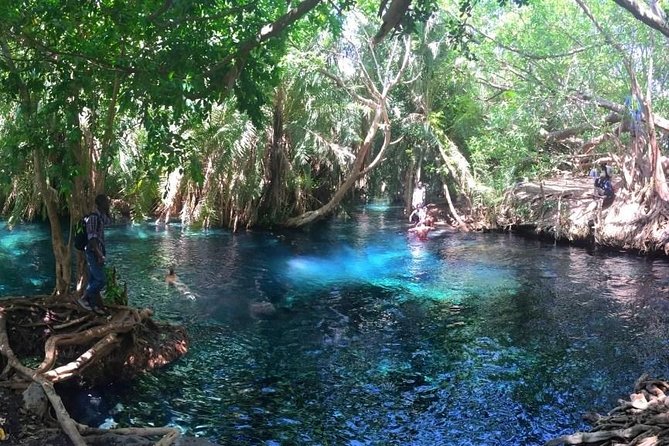
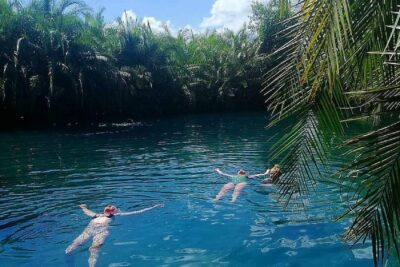
Crystal water in dusty country. Kikuletwa Hot Springs, also called Chemka or Rundugai, gives you a cool, easy escape from Arusha’s dry surroundings. The spring lies about 71 kilometers from Arusha, near Boma ng’ombe, and its turquoise water, palm trees, rope swing, and floating tires make it more than a quick photo stop. I especially like the clear, pleasantly warm water and the chance to spend a slow afternoon swimming or resting on a mattress. The view toward Kilimanjaro can also be excellent on a clear day.
I also like that private transport and entrance costs are included in the $150 per-person price. That keeps the day simple, especially if you are staying in Arusha or Moshi. The main concern is value: one detailed account found a full day too long because swimming is the main activity, and a half-day visit may suit many people better. You should also confirm the pickup time, since the listed start time of 12:00 am is not clear.
In This Review
- Key points to know before you go
- From Arusha to the onion farms near Boma ng’ombe
- First sight of Kikuletwa’s clear blue water
- A swimming afternoon with rope swings and tires
- Why the six-hour stop may be too much for some people
- Picnic time and the value of a private vehicle
- Is $150 a fair price?
- What to bring for a comfortable visit
- Who will enjoy this outing most?
- Weather, cancellation, and planning details
- Should you book the Kikuletwa Hot Spring tour?
- FAQ
- Where is Kikuletwa Hot Spring located?
- Is the water actually hot?
- Is transportation included?
- Is food included?
- Can I use snorkeling or scuba equipment?
- What happens if bad weather cancels the tour?
Key points to know before you go
- The water is warm, not hot: Expect a comfortable swimming temperature rather than a steaming thermal bath.
- The spring reaches more than 6 meters deep: The water is clear enough to see the bottom in many places, but you should still swim within your ability.
- The route leaves the main road: After Boma ng’ombe, you travel for about 30 minutes on a dusty road through villages and onion farms.
- Swimming is the main event: You can float on a tire, use the rope swing, relax on a mattress, and spend much of the visit in the water.
- Kilimanjaro may appear: On a clear day, the mountain adds a memorable backdrop, though the view is not guaranteed.
- The spring is not a drinking-water source: Its fluoride content means local people cannot use it for drinking.
From Arusha to the onion farms near Boma ng’ombe
The day begins with hotel pickup in Arusha or Moshi. From there, the vehicle heads toward the small town of Boma ng’ombe before turning onto a dusty road for roughly 30 minutes. This is not a polished resort transfer. You pass local villages and onion farms, giving the outing a little more connection to everyday northern Tanzanian life.
That drive matters because Kikuletwa feels so unexpected. The surrounding country is dry and scrubby, yet underground water rises here in a broad pool shaded by palms. The contrast is the attraction. You are not simply driving to a standard swimming pool with a fancy name.
Private transport is included, along with all fees and taxes. That is useful if you want a straightforward day without arranging a car, negotiating several transfers, or figuring out the final unpaved stretch yourself. Pickup is offered from Arusha and Moshi, but the precise pickup hour needs checking before you set aside the day. The published start time of 12:00 am appears confusing and may be a system error.
The tour is listed at about 10 hours. That includes the outward and return drives, which leaves a generous period at the spring. If you prefer a relaxed pace, this can be pleasant. If you tire quickly of swimming, it may feel padded.
More Hot Springs Trips in Arusha
- Materuni Waterfalls, coffee tour & Kikuletwa Hot Springs
★ 5.0 · 643 reviews - Materuni Waterfalls & Chemka Hotsprings Day Trip
★ 5.0 · 214 reviews - Materuni waterfalls coffee tour & Chemka hot springs Day trip
★ 5.0 · 131 reviews
First sight of Kikuletwa’s clear blue water
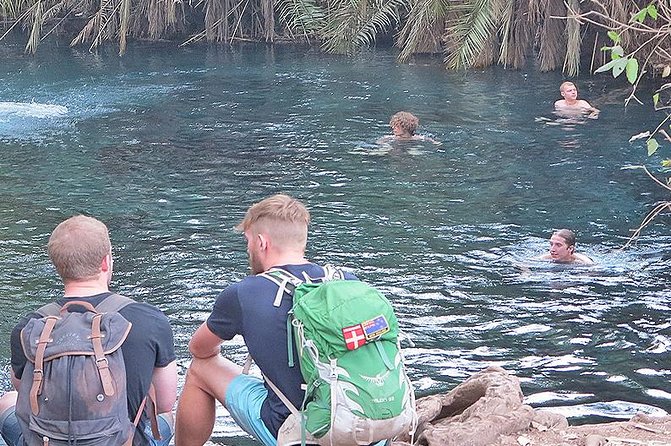
Arrival brings the best visual moment. The spring is surrounded by palm trees and twisting roots, with crystal-clear water that can look almost unreal in the dry setting. The pool is large, and some sections reach more than 6 meters in depth.
You can often see the bottom through the clear water, but do not let that fool you into treating every part of the spring as shallow. The depth makes it suitable for swimming and floating, not just standing in the water. If you are not a confident swimmer, stay near areas where you can manage comfortably and take care around the rope swing.
The water is described as pleasantly warm rather than truly hot. That is important. The name Hot Springs suggests a steamy bathing experience, but this is better understood as a warm natural swimming pool. On a hot day, the temperature should feel refreshing without the shock of cold water.
The water contains fluoride, so it is not used by local people for drinking. Treat it as swimming water only. Bring your own drinking water, and do not fill a bottle from the spring.
A swimming afternoon with rope swings and tires
Most of your time is spent at the spring. You can swim, float on a tire, use a rope swing, or relax on a mattress between swims. One account also described jumping into the water, though you should use care and follow any local guidance before doing so.
I like this simple mix. You do not need a packed schedule here. The appeal is the chance to stop moving for a while after a safari, mountain outing, or long run of hotel changes. You can let the water do the work, take a nap on the mattress, then return for another swim when you feel ready.
The setting suits different moods. An active person can spend the afternoon using the swing and floating around the pool. Someone recovering from a strenuous climb can stay at the edge, rest, and enjoy the shade. Couples may find it a pleasant alternative to a more expensive beach extension, while families and friends can make a casual day of it.
Still, keep your expectations in check. There is no long list of attractions at the spring. Swimming, floating, resting, and taking in the setting are the activity. If you need constant sightseeing, you may feel finished after a few hours.
Why the six-hour stop may be too much for some people

The stated duration is about 10 hours, but the spring itself is not a full-day sightseeing site. One especially useful caution is that half a day can be enough, particularly if you mainly want a swim and a short rest.
That does not make the long format wrong. The road journey takes time, and a slow picnic afternoon can be exactly what you want after hiking or safari. The schedule gives you room to swim until you are ready to stop, rather than forcing you back into the vehicle after a rushed hour.
Your own energy level should guide the choice. After climbing Mount Meru or trekking around Ol Doinyo Lengai, a long rest beside warm water may sound perfect. If you are already planning several relaxed days, a 10-hour excursion centered on one pool could feel repetitive.
Ask the operator if a shorter version is possible before booking. The supplied experience is priced and described as a 10-hour outing, so you should not assume a half-day option is included. A shorter visit could improve the value for people who know they will not swim for long.
More hot springs trips:
- Arusha: Materuni Waterfalls, Coffee, and Hotsprings Tour
★ 4.8 · 78 reviews - Materuni Waterfalls, Visiting Chagga Village, CoffeeTour Kikuletwa Hotsprings
★ 5.0 · 63 reviews - Materuni waterfalls,coffee tour & Kikuletwa(Chemka)Hot Springs
★ 5.0 · 49 reviews - MATERUNI waterfalls, coffe tour & kikuletwa hotsprings
★ 5.0 · 33 reviews
Picnic time and the value of a private vehicle
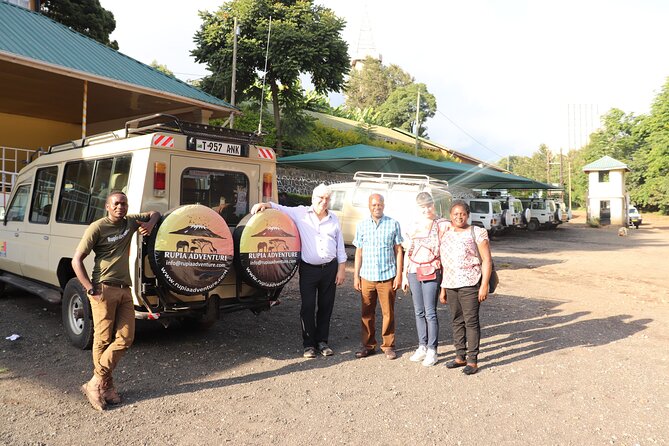
A picnic is part of the appeal, and one account gave special praise to the delicious picnic arranged through Matt from Rupia Adventure. Food can make a major difference here because the spring is outside town, and leaving for lunch would cut into the swimming time.
The exact picnic menu is not provided, so ask what is included before you go. The price lists private transport, all fees, and taxes, but it does not separately spell out meals. That distinction matters when you compare the $150 cost with arranging the trip yourself.
Private transport gives you comfort and control compared with joining a large shared vehicle. The maximum group size is 15, though the experience is described as private transportation, so confirm the actual party arrangement. A smaller group usually makes it easier to agree on swimming time and return timing.
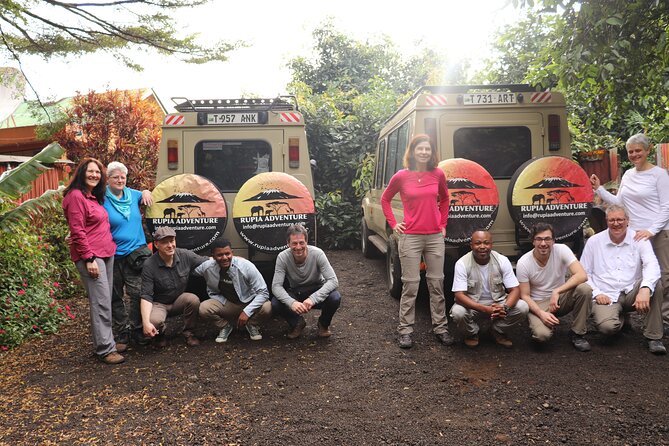
The day has also been used as an add-on after other activities. Mathias from Rupia Adventure offered the spring trip to people who had already completed hiking and safari activities, and Emanuel was praised as a driver by one couple. That suggests the outing can fit well into a wider Arusha program, though you should confirm who will drive and guide your particular departure.
Is $150 a fair price?
At $150 per person, this is not a bargain-priced swim stop. The value depends heavily on what the package includes beyond the water itself.
The strongest case for the price is convenience. You receive hotel pickup, private transport, and all fees and taxes. The spring is reached by a rough final road, and having a driver handle the return journey means you can spend the day relaxing rather than arranging transport on the spot. If a picnic is included, that adds another useful piece, but confirm it directly because the listed inclusions do not clearly name food.
The weaker case is the limited range of activities. You are paying for transport to a natural spring and time there, not a guided cultural program or a chain of different sights. If you plan to stay only two or three hours, $150 may feel high. If you use the whole day, enjoy a picnic, swim repeatedly, and value a private car, the price becomes easier to justify.
I would compare this cost with the price of a shorter private transfer and local entrance fees, if those options are available to you. The supplied information does not give separate entrance or local transport prices, so a precise comparison is not possible. Ask for a clear breakdown before paying.
What to bring for a comfortable visit
You will want your swimming gear ready before arrival. The plan moves from the vehicle straight into time at the spring, so do not bury your swimsuit at the bottom of your luggage.
Pack:
- Swimwear and a towel
- Drinking water, since the spring water is not for drinking
- Dry clothes for the return drive
- Sun protection for time outside the shade
- A secure bag for small personal items
Snorkeling and scuba equipment are not included. The spring is clear, but this does not turn the visit into a scuba excursion. You can enjoy the water without specialist equipment.
Because the final road is dusty, keep cameras and phones protected during the drive. The turquoise water, roots, and palms are highly photogenic, and Kilimanjaro may appear on a clear day. Bring a phone or camera, but protect it before entering the water.
The spring is more than 6 meters deep in places. Clear water can create a false sense of security, so use sensible judgment around the rope swing and any jumps. The information provided says most people can participate, but it does not give detailed guidance about lifeguards, changing facilities, or water access. Ask the operator what is available on your date.
Who will enjoy this outing most?
This trip suits you if you want a low-effort day outdoors after a busy northern Tanzania itinerary. It is particularly attractive after a safari, Mount Meru hike, or Ol Doinyo Lengai trek, when a swim and a mattress sound better than another formal sightseeing stop.
Couples can use it as a slower day, including people who considered Zanzibar but needed to keep costs under control. The warm water, rope swing, and picnic create a pleasant shared activity without requiring a full resort stay.
It can also work for a group of friends or a family that enjoys swimming. The water’s depth means not everyone should treat the spring as a casual wading pool, however. Match the activity to your swimming ability.
You may want to skip it if you dislike long drives for one main attraction, do not enjoy swimming, or prefer a tightly scheduled day. You should also think twice if the $150 price leaves little room in your budget for other Tanzanian activities.
Weather, cancellation, and planning details
Good weather is required for this outing. If poor weather causes cancellation, you are offered another date or a full refund. If the minimum number is not met, you are offered another date or experience, or a full refund.
For any other cancellation or amendment, the amount paid is not refunded. That makes it important to settle your dates before booking, especially if your Arusha schedule includes changing safari or trekking plans.
Confirmation is provided at booking. The activity allows most people to participate and has a maximum of 15 people. Since the start time is shown as 12:00 am, confirm the actual pickup hour with Rupia Adventure rather than relying on that listing.
Should you book the Kikuletwa Hot Spring tour?
Book this tour if you want a scenic swimming day with transport arranged, especially after a demanding hike or safari. The clear warm water, palms, rope swing, and possible Kilimanjaro view give the outing real appeal, and the private vehicle removes much of the practical hassle.
I would be more cautious if you expect a full program of sightseeing or if you are paying $150 mainly for a short swim. Ask about the picnic, exact pickup time, group size, and the possibility of a shorter visit. If those details suit your plans, Kikuletwa can be a fine break from Arusha’s busy tour circuit. If not, save the money for an activity with more variety.
FAQ
Where is Kikuletwa Hot Spring located?
The spring is about 71 kilometers from Arusha, near the town of Boma ng’ombe. The route includes about 30 minutes on a dusty road through local villages and onion farms.
Is the water actually hot?
No. The water is described as pleasantly warm rather than hot. It is suitable for swimming and relaxing on a warm day.
Is transportation included?
Yes. Private transportation and hotel pickup from Arusha or Moshi are included, along with all fees and taxes.
Is food included?
A picnic is associated with the tour, and a delicious picnic was arranged on one outing. However, the stated inclusions do not clearly list meals, so confirm this before booking.
Can I use snorkeling or scuba equipment?
No equipment is included. The tour specifically excludes snorkeling and scuba equipment.
What happens if bad weather cancels the tour?
If poor weather causes cancellation, you are offered a different date or a full refund. If the minimum number of participants is not met, you are offered another date or experience, or a full refund.
Just added around Arusha
- 5 Days Safari Tarangire, Serengeti, and Ngorongoro Crater★ 5.0 · 3 reviews
- Love lives in Africa★ 5.0 · 3 reviews
- 5 Days of Safari, Culture & Hot Springs – Tour from Arusha★ 5.0 · 3 reviews
- Arusha National Park Safari by Jeep★ 4.5 · 3 reviews
- 5Days Family _Group Tour Lodging Mid-Range in the Jungle★ 5.0 · 3 reviews
- Serengeti & Ngorongoro 3 Days Budget Safari★ 5.0 · 3 reviews
- 2 Days Tarangire and Ngorongoro Crater Tour★ 5.0 · 3 reviews
- 7 Days PRIVATE Best of Tanzania Safari *Departing everyday*★ 5.0 · 3 reviews
Spa & Hot Springs, compared.
Materuni Waterfalls, coffee tour & Kikuletwa Hot Springs
Read our review →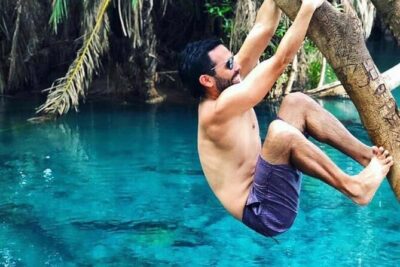
Materuni Waterfalls & Chemka Hotsprings Day Trip
Read our review →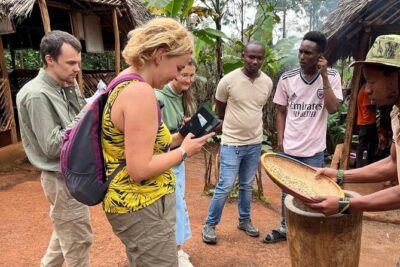
Materuni waterfalls coffee tour & Chemka hot springs Day trip
Read our review →
Arusha or Moshi : Hot Spring, Waterfall & Coffee Farm Tour
Read our review →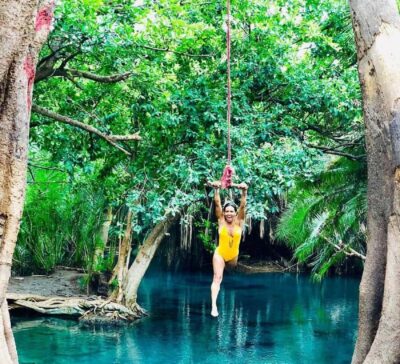
Materuni Waterfalls, Coffee, and Hotsprings Tour
Read our review →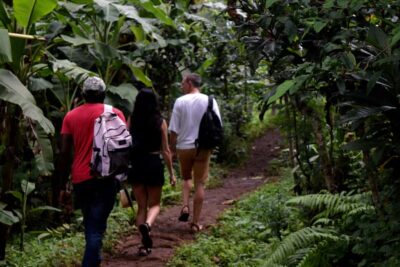
Materuni Waterfalls, Chemka Hot Springs, &/Or Coffee Tour
Read our review →
Materuni Waterfalls, Visiting Chagga Village, CoffeeTour Kikuletwa Hotsprings
Read our review →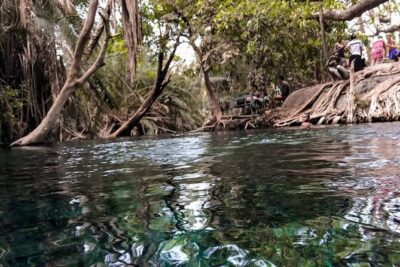
Browse the lists this tour appears in