
Reviewed · STONE TOWN TOURS
Stone Town: Guided Walking Tour
Stone Town rewards slow steps. This guided walk brings together Zanzibar’s layered past and its daily life, from the Anglican Cathedral and former slave market to Darajani Market and streets lined with carved doors. I especially like the mix of African, Arab, Indian, Persian, and European influences, and the chance to see local market life rather than only polished monuments. The main drawback is that several major sights may be closed or under renovation, and some guides move through the stops too quickly.
I also like the flexible format. You can book a private or small-group tour, choose from English, German, French, or Italian, and arrange pickup from a Stone Town hotel if requested ahead of time. Just confirm the meeting point and guide before setting out. One booking had a serious late-arrival problem, while other experiences praised guides such as Samuel for clear, patient explanations and another guide for his passion for Zanzibar’s past.
In This Review
- Key points to know before you book
- Why Stone Town is best seen on foot
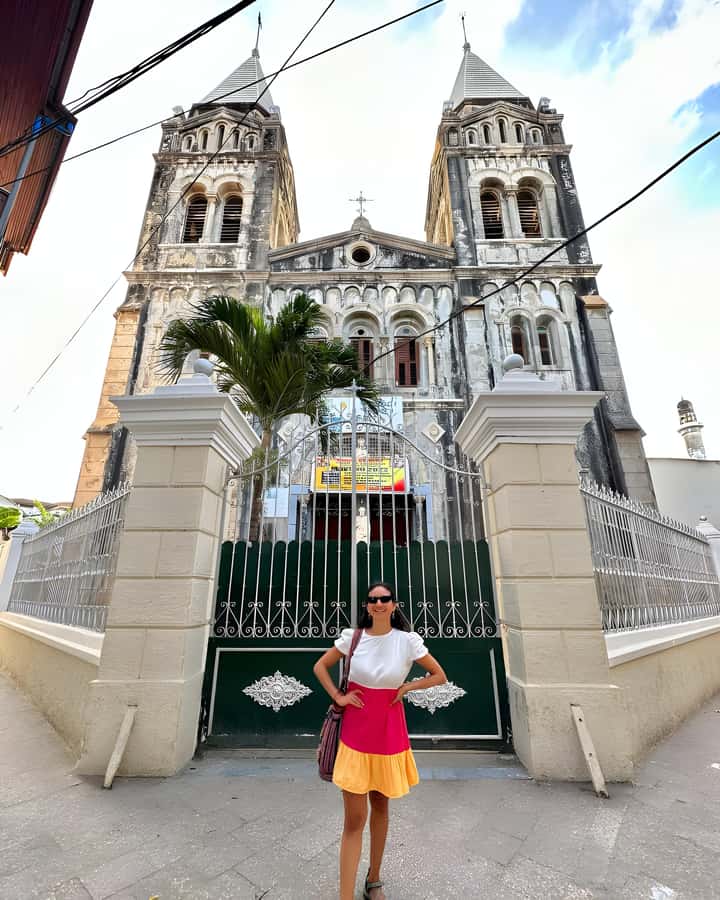
- The Anglican Cathedral and the former slave market
- House of Wonders and the Palace Museum
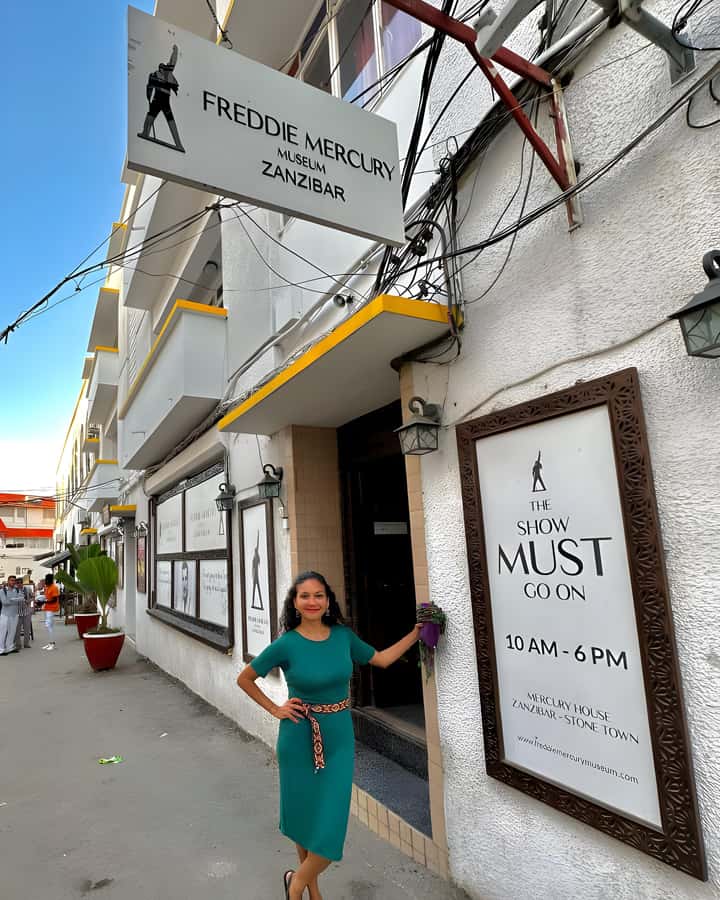
- Old Fort and Freddie Mercury House
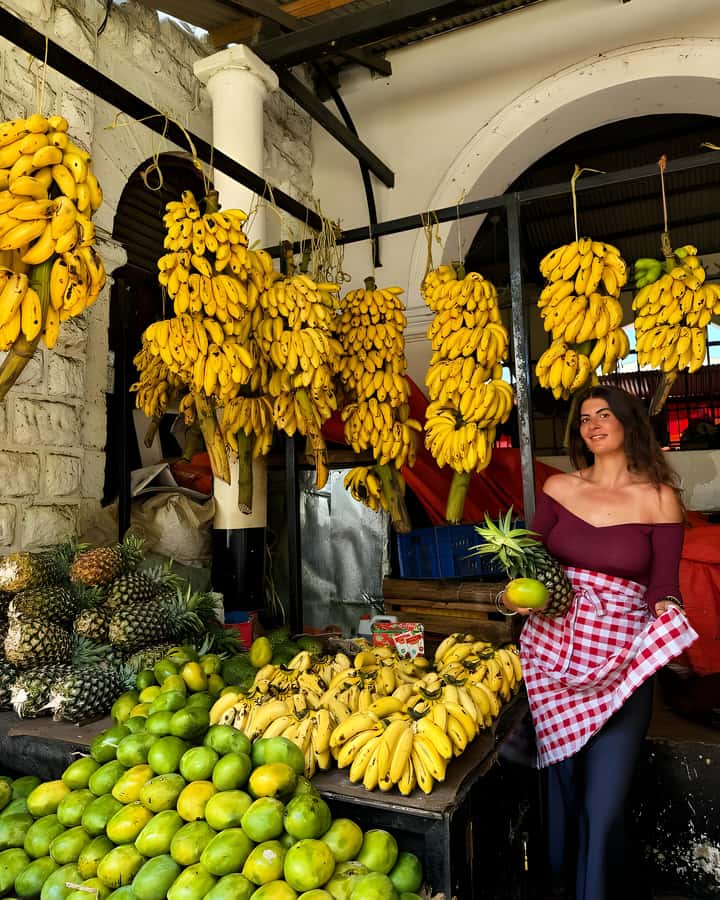
- Darajani Market brings Stone Town to life
- Hamamni Baths, cathedrals, and Zanzibar doors
- How the timing and transport affect the day
- What to bring for a hot, narrow-street walk
- Guide quality is the biggest variable
- Is $40 per person good value?
- Should you book the Stone Town walking tour?
- FAQ
- How long does the Stone Town walking tour last?
- What sights are included?
- Is hotel pickup available?
- Which languages are available?
- Is the tour suitable for wheelchair users?
- What should I bring?
Key points to know before you book
- More than 2,000 limestone buildings: Stone Town’s compact 50-hectare core makes it well suited to exploring on foot.
- A strong mix of major sights and local life: You visit churches, museums, the Old Fort, historic baths, markets, and the famous Zanzibar doors.
- Darajani Market is a highlight: Expect fish, meat, spices, textiles, and the everyday shopping rhythm of Stone Town.
- The guide can make or break the tour: Samuel received praise for friendly, clear explanations, but one booking reported a late and poorly handled meeting.
- Allow extra time for transport: The walking portion is about three hours, while transfers can add roughly an hour each way.
- Not designed for limited mobility: Narrow streets, walking, and uneven urban surfaces make this unsuitable for wheelchair users and people with mobility impairments.
Why Stone Town is best seen on foot
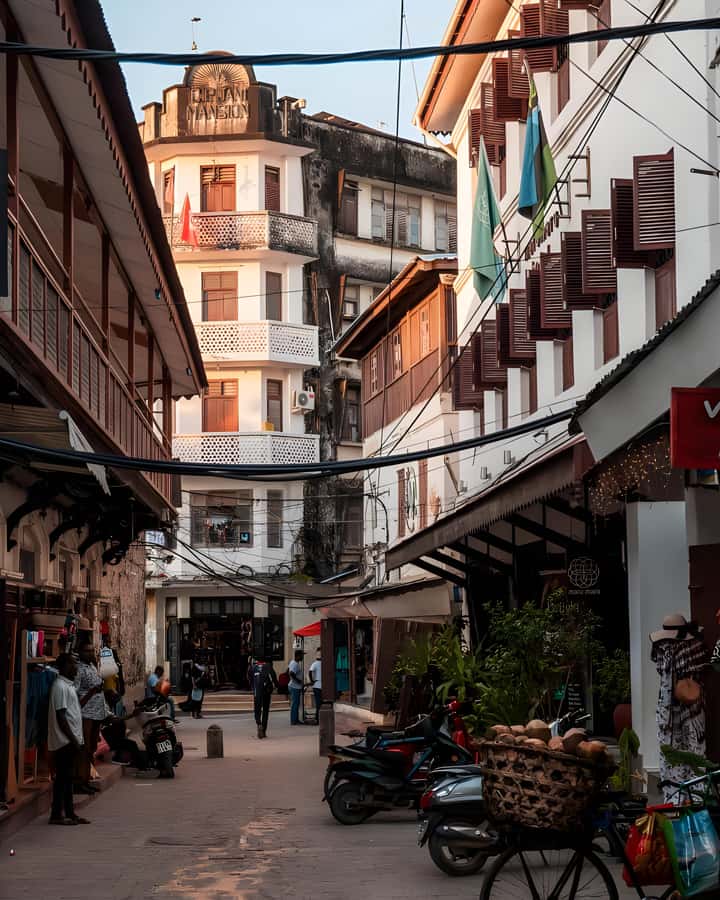
Stone Town is not a city you understand from a vehicle window. Its narrow streets lead through a dense historic center of limestone buildings, with doors, balconies, religious buildings, markets, and small lanes often appearing around the next turn.
The area covers about 50 hectares and contains more than 2,000 limestone buildings, with a population of roughly 18,000 people. That density gives the walk its character. You are not moving from one isolated sight to another. You are passing through a living part of Zanzibar where historic buildings sit beside shops and market stalls.
I find the cultural mix especially valuable. African, Arab, Indian, Persian, and European influences meet in Stone Town’s architecture and story. A good guide helps connect those influences instead of treating each building as a separate photo stop.
This is also why a guide matters. The streets can feel confusing, and the same doorway or wall may mean little without context. The best guides explain how geography, trade, religion, politics, and daily life shaped the town. The quality is not completely consistent, so it is worth confirming the language and guide details before you go.
More Walking Tours in Zanzibar
- Stone Town Private Walking Tour
★ 5.0 · 371 reviews - Zanzibar: 3 Hours Private Stone Town walking Tour with Guide
★ 4.6 · 301 reviews - Zanzibar: Stone Town Historical Cultural Walking Guided Tour
★ 4.5 · 179 reviews
The Anglican Cathedral and the former slave market
The Anglican Cathedral is one of the tour’s most important historical stops. It occupies the site of the former slave market, so the visit carries more weight than a quick look at an attractive church.
This part of Stone Town asks for a respectful pace. You are learning about a painful period in Zanzibar’s past while also seeing how the site was later used as a place of worship. A guide who explains the connection clearly can turn the stop into one of the most meaningful parts of the morning.
There is a practical issue here: access to historic sights can change. One German-speaking visitor found that several attractions were closed or being renovated. Ask at the start which buildings are open and how much time you will have inside. If the cathedral or former market area has restricted access, the guide can still provide the historical setting, but the experience will not be the same as a full visit.
House of Wonders and the Palace Museum
The House of Wonders is presented as the national museum, and it is one of the main stops on the walk. Its name alone hints at its importance, but the value of the visit depends on what sections are open and how much explanation you receive.
The Palace Museum offers another way to look at Zanzibar’s ruling families and political past. Together, these museums help you move beyond surface-level architecture. You can compare public ceremonial spaces with the stories of people who governed the island.
I would not book this tour only for guaranteed museum interiors. Buildings may be closed or under repair, and the exact amount of time inside is not fixed. Instead, see the museums as part of a broader Stone Town walk. If open, they add useful context. If not, the streets, doors, religious buildings, and market remain central parts of the experience.
A strong guide can also help you understand how the museums fit together. One guide was praised for explaining Zanzibar’s history, politics, and culture while giving a useful overview of the old town. Another German-speaking guide tried hard but had difficulty expressing enough city knowledge in German. If detailed commentary matters to you, choose your tour language carefully.
Old Fort and Freddie Mercury House

The Old Fort provides a clear visual change from the religious and museum stops. Its heavy walls and open spaces make it easy to recognize as a defensive structure, and the tour includes time for photographs and a guided visit.
The stop is useful even if you are not interested in military history. It helps show Stone Town as a strategic port shaped by trade and competition. I would expect a fairly short visit rather than a long archaeological session, since the walk also includes several other sights.
The Freddie Mercury House is a more modern and personal point of interest. The tour includes a photo stop and a visit to the Freddie Mercury Museum or house, depending on the arrangement and current access. It adds a popular cultural story to the older history of the town.
This stop may appeal most if you already know Mercury’s connection to Zanzibar. If you do not, it still gives the walk a change of pace. As with the other indoor attractions, check access on the day. The tour’s wording uses both Freddie Mercury House and museum, so ask what is currently available rather than assuming a large museum visit.
More ways to see Stone Town:
- Zanzibar: Stone Town, Spice Tour, Prison Island with Lunch
★ 4.4 · 1,219 reviews - Zanzibar: Prison Island, Stone Town, & Spice Farm Tour
★ 4.5 · 579 reviews - Zanzibar; Prison Island, Nakupenda, StoneTown Tour with BBQ
★ 4.3 · 457 reviews - Zanzibar: Stone Town, Spice tour & Prison Island with Lunch
★ 4.6 · 453 reviews
Darajani Market brings Stone Town to life
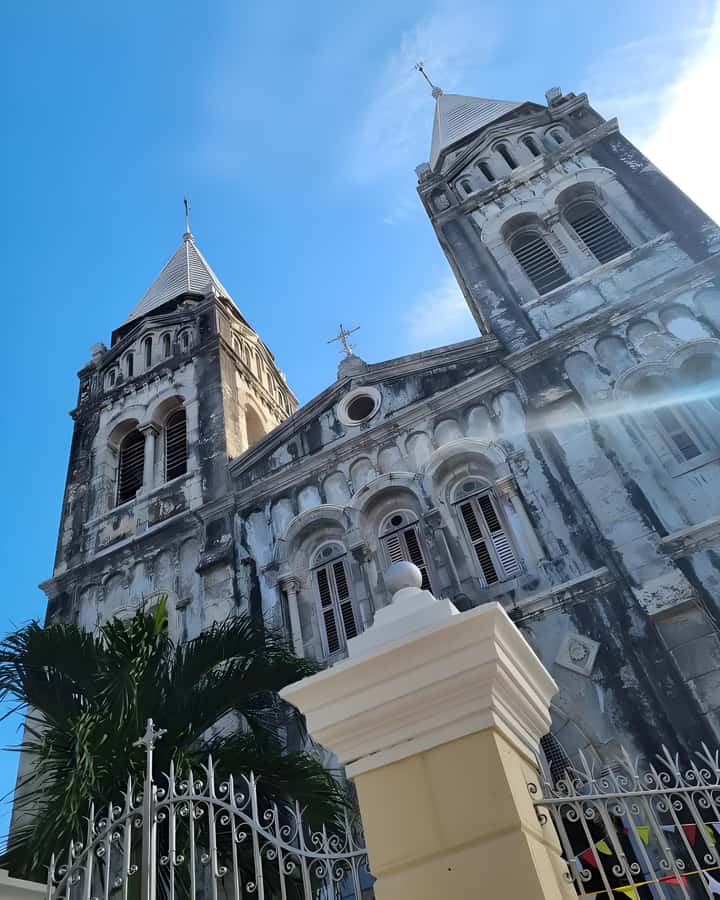
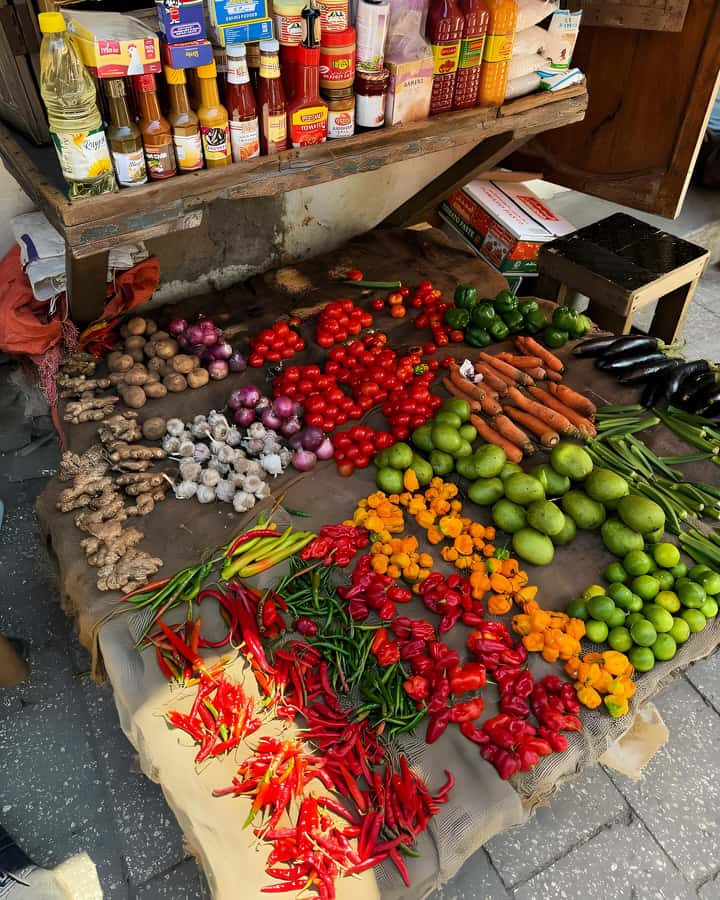
Darajani Market is where the tour feels most connected to present-day Zanzibar. Here, you walk through areas selling fish, meat, spices, textiles, and daily household goods. The market is not arranged for sightseeing, which is precisely why it can be so interesting.
You may find the pace and atmosphere more intense than the quieter historic lanes. Keep your belongings secure, stay close to the guide, and make room for people doing their shopping. This is a working market, not a staged cultural display.
I like this stop because it gives the monuments a human setting. After seeing grand buildings and historic churches, you watch locals buy the ingredients and supplies they need. The colorful textile street also adds strong visual interest, especially for anyone interested in Zanzibar’s fabrics and clothing.
There is a shopping element, but you do not need to buy anything. If you do want to shop, ask the guide how prices work and how much time is available. One person felt the sights were being quickly checked off, so make your priorities clear early. If Darajani is important to you, say that you would like enough time to look around.
Hamamni Baths, cathedrals, and Zanzibar doors
The Hamamni Baths show another side of Stone Town’s built heritage. The old bathing complex helps explain how public facilities once supported urban life, and it gives the walk a useful architectural contrast with the cathedral and fort.
The Catholic Cathedral adds another religious landmark to the route. Seeing Catholic and Anglican buildings alongside Islamic, African, Indian, and Arab architectural influences makes Stone Town’s cultural mix easier to understand in physical terms.
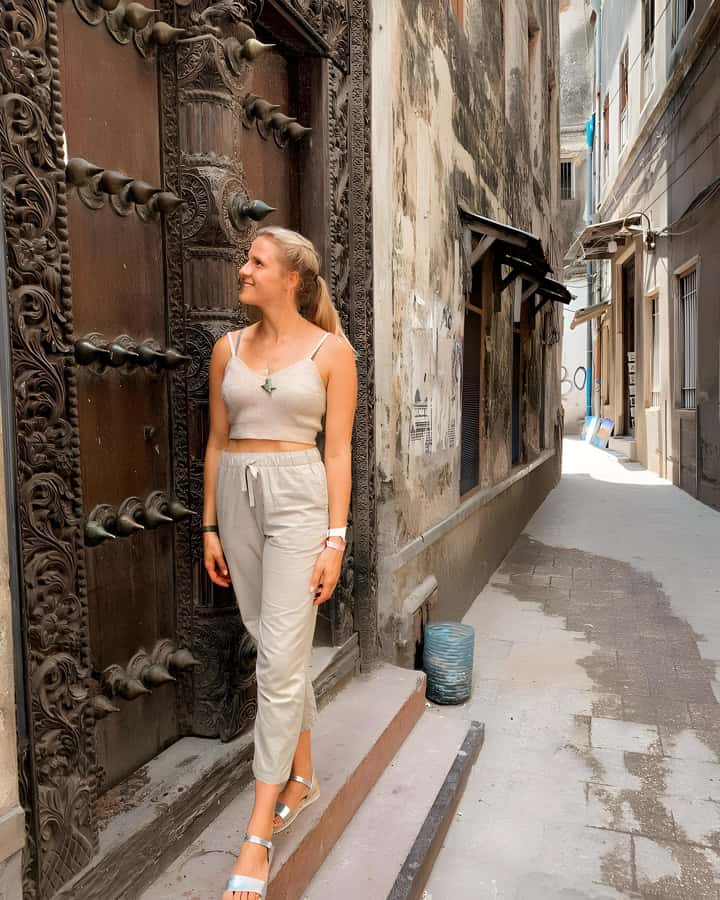
Then come the doors. Zanzibar’s carved and decorated doors are among the most memorable details in the old town. Some are richly ornamented, while others have shapes and fittings that reflect the owner’s status, taste, or cultural background. Your guide can point out details you might otherwise pass without noticing.
These doors are also a reminder that Stone Town is best appreciated at street level. You do not need a grand viewpoint to find something worth photographing. Bring a camera, but ask before photographing people, shop interiors, or private homes.
How the timing and transport affect the day
The advertised duration ranges from two to five hours, with about three hours devoted to the Stone Town walking portion. The transport plan can add around one hour each way, depending on your pickup and drop-off location.
The tour starts in Stone Town, and transfers from other parts of Zanzibar are not included in the basic arrangement. Some options may offer pickup, and the stated drop-off areas include places such as Paje, Nungwi, Kendwa, Jambiani, Matemwe, Kiwengwa, and several other island locations. Clarify exactly what your selected option includes before paying, especially if you are staying far from town.
For a Stone Town hotel, request pickup in advance and wait at reception at least five minutes before departure. One booking praised the transfer even though the pickup was from the opposite end of the island. That suggests the driving service can be helpful, but it is still wise to confirm the time and location directly.
The tour can be private or run in a small group. Private touring costs more in many cases, but the supplied price of $40 per person makes the experience worth considering if the group remains small and the guide provides solid commentary. The value comes from combining many sights in one walk, not from long interior visits at every stop.
What to bring for a hot, narrow-street walk
Wear comfortable walking shoes. The tour is on foot through tight streets, and the activity is not suitable for wheelchair users or people with mobility impairments.
Bring water and sunscreen. The route includes outdoor walking, market areas, and photo stops, so you will want protection from the sun and a drink within easy reach. A camera is useful for the doors, fort, markets, churches, and street scenes.
Dress for a cultural sightseeing day rather than a beach outing. The tour includes religious buildings, so modest clothing is a sensible choice. The supplied information does not specify a dress code, but respectful clothing is practical when visiting churches and other historic religious sites.
The walk can feel rushed if you try to photograph everything. I suggest choosing a few priorities before you start: perhaps the former slave market, Darajani Market, the doors, or the Freddie Mercury stop. Tell the guide what matters most to you.
Guide quality is the biggest variable
The strongest feedback centers on the guides. Samuel was praised for being kind, careful, and easy to understand, while another guide won praise for his passion for Zanzibar’s past. A good guide can explain the city’s geography, history, politics, and culture in a way that makes the narrow streets easier to read.
But reliability needs attention. One booking reported that the guide was late, failed to appear at the stated meeting point, and ultimately sent someone else to conduct the tour. Another person found the guide 15 minutes late. These are not small issues when your day depends on timed transport or a cruise schedule.
Confirm three things before departure:
- The exact meeting point
- The name of the assigned guide
- The language and pickup arrangement
If you are booking German, French, or Italian commentary, confirm that the guide is comfortable giving detailed explanations in that language. The tour offers all four languages, but the quality of expression may vary by guide.
The overall rating is 4.2 out of 5 from 38 ratings, which fits the pattern here: strong potential, usually interesting, but not perfectly dependable. The guide is the difference between a useful history lesson and a fast walk past buildings.
Is $40 per person good value?
At $40 per person, the tour can be good value if you want an organized introduction to Stone Town and your price includes the promised stops, guiding, and suitable transport. You cover a great deal in a short time: the Anglican Cathedral, former slave market, House of Wonders, Palace Museum, Old Fort, Darajani Market, Hamamni Baths, Catholic Cathedral, Freddie Mercury House, and the doors.
The value drops if you expect every museum to be open or every sight to receive a long visit. Closures and renovation work may limit access, and a hurried guide can make the route feel like a checklist.
I would compare the price with your own transport needs. If you are already staying in Stone Town, a walking-only option may be enough. If you need hotel pickup from elsewhere on the island, confirm whether that transfer is included, because the basic information says transfers from other parts of Zanzibar are not included.
The flexible cancellation policy also helps if your plans are uncertain. You can cancel up to 24 hours ahead for a full refund, and the reserve-now, pay-later option means you do not have to pay immediately. Those terms are useful, but they do not replace checking the meeting details.
Should you book the Stone Town walking tour?
Book it if you want a broad first look at Stone Town, prefer having history explained as you walk, and are happy to combine major sights with markets and street details. It suits first-time visitors, culture-focused visitors, photographers, and anyone who wants to understand how African, Arab, Indian, Persian, and European influences meet in one compact town.
I would also choose it if you want a private or small-group format and can confirm a reliable guide in your preferred language. Ask for enough time at Darajani Market and tell the guide which sights matter most to you.
Think twice if you have limited mobility, need guaranteed museum entry, or are working with a tight schedule. The route can be affected by closures, renovation, late pickups, and guide quality.
My practical call: book this as a flexible orientation to Stone Town, not as a guaranteed deep visit to every museum. Confirm the guide, meeting point, language, transport, and current opening conditions. With a strong guide, it offers a useful and often memorable introduction to Zanzibar’s old city.
FAQ
How long does the Stone Town walking tour last?
The activity lasts between two and five hours, depending on the selected option and availability. The walking portion in Stone Town is listed at about three hours, and transport may add roughly one hour each way.
What sights are included?
The tour includes the Anglican Cathedral and former slave market, House of Wonders, Palace Museum, Old Fort, Darajani Market, Hamamni Baths, Catholic Cathedral, Freddie Mercury House, and Zanzibar’s notable doors.
Is hotel pickup available?
Pickup from Stone Town hotels can be requested in advance. Pickup from other parts of the island depends on the selected option and is not included in the basic tour description, so confirm this before booking.
Which languages are available?
Live guiding is available in English, German, French, and Italian.
Is the tour suitable for wheelchair users?
No. The activity is not suitable for wheelchair users or people with mobility impairments.
What should I bring?
Bring comfortable walking shoes, water, sunscreen, and a camera. Modest clothing is also a sensible choice because the route includes churches and other religious sights.
More Walking Tours
- Stonetown: Food Markets and Street Food Walking Tour
★ 4.7 · 151 reviews - Zanzibar Stone Town Walking Tour
★ 5.0 · 145 reviews - Stone Town Historical Walking Tour
★ 5.0 · 143 reviews - Walking City Tour in Zanzibar Island
★ 5.0 · 122 reviews
Just added around Zanzibar
- Spice Tour of Zanzibar★ 4.5 · 3 reviews
- Zanzibar : Stone Town Tour,history without transport★ 4.8 · 3 reviews
- Zanzibar: 3-Day Northern Safari with Flights Included★ 4.8 · 3 reviews
- Starfish Beach; The Rock; Kuza Cave; Paje Beach; Salaam Cave Tour★ 4.5 · 3 reviews
- Jozani Forest, kuza cave and mtende beach★ 5.0 · 3 reviews
- ZANZIBAR: Stone Town and Jozani Forest Guided Tour★ 4.0 · 3 reviews
- Zanzibar: African Sunset Boat Party in Zanzibar Music, Views★ 4.3 · 3 reviews
- Joazani forest & Spice farm with lunch★ 5.0 · 3 reviews
Stone Town Tours, compared.

Stone Town, Spice Tour, Prison Island with Lunch
Read our review →

Prison Island, Nakupenda, StoneTown Tour with BBQ
Read our review →Stone Town, Spice tour & Prison Island with Lunch
Read our review →

3 Hours Private Stone Town walking Tour with Guide
Read our review →
Full-Day Private Stone Town +Spice Farm and Prison Island Tour
Read our review →
Stone Town Historical Cultural Walking Guided Tour
Read our review →Browse the lists this tour appears in