
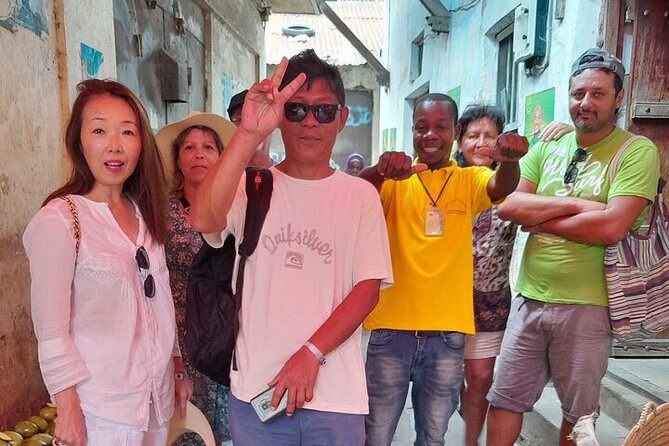
Reviewed · CITY TOURS
Walking City Tour in Zanzibar Island
Stone Town rewards curious walkers. This private 2.5-hour tour guides you through a maze of limestone streets, historic buildings, markets, and carved doors in Zanzibar’s old quarter. I like the personal format, and I like that guide Juma Amir can adjust the route when you have already seen some of the main sights. The main drawback is time: six stops in 150 minutes means some visits are brief.
I also appreciate the tour’s focus on difficult parts of Zanzibar’s past, especially the old slave market and Tippu Tip’s role in the East African slave trade. You should expect an informative walk rather than a slow architectural study, and the Freddie Mercury Museum admission costs extra.
In This Review
- What makes this Stone Town walk worth your time
- Starting beside Forodhani Gardens
- Stone Town, where many cultures meet
- The Anglican Cathedral and old slave market
- Freddie Mercury’s Zanzibar connection
- Darajani Bazaar and everyday Stone Town
- The Old Fort and Zanzibar’s defensive past
- Tippu Tip’s house and an uncomfortable legacy
- What the $33 price really covers
- Who will enjoy this private walk most
- Timing, pace, and useful planning tips
- Should you book the Stone Town tour?
- FAQ
- How long does the Walking City Tour in Zanzibar Island last?
- Where does the tour start?
- Where does the tour end?
- Is this a private tour?
- Is admission to the old slave market included?
- Is admission to the Freddie Mercury Museum included?
- What is the cancellation policy?
What makes this Stone Town walk worth your time
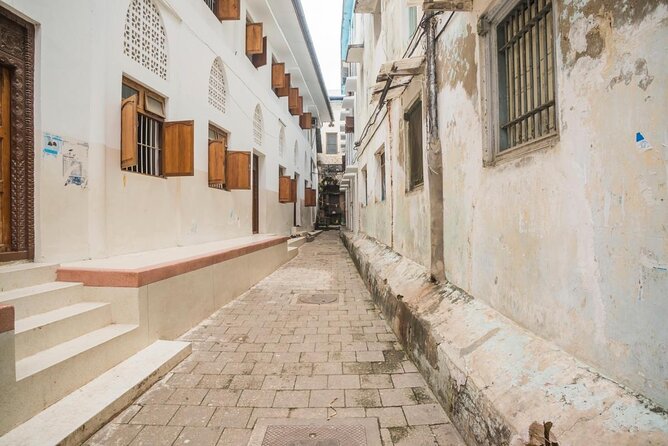
- Private guidance through narrow streets: You explore with only your own group, making it easier to ask questions, change the pace, or request different sights.
- A clear look at Zanzibar’s mixed influences: African, Arab, Indian, Persian, and European traditions appear in the buildings, doors, markets, and religious sites.
- The old slave market and Anglican Cathedral: Entrance is included, giving the tour a serious historical center rather than a simple sightseeing stroll.
- A stop connected to Freddie Mercury: You visit the singer’s birthplace and hear about his family background, though museum entry is not included.
- Darajani Bazaar and the Old Fort: These stops connect everyday commerce with the island’s military and trading past.
- A short, good-value introduction: At $33 per person, the cost is reasonable for a private guide, bottled water, and included old slave market entry.
Starting beside Forodhani Gardens

The walk begins at Cape Town Fish Market Zanzibar, near the Forodhani area. This is a useful place to start because you are already close to Stone Town’s waterfront and old center. The activity ends back at the meeting point, so you do not need to arrange a separate pickup from the final stop.
The advertised duration is about two hours and thirty minutes. That is long enough to get your bearings and hear the main story of Stone Town, but not long enough to linger at every building. You will cover a lot of ground on foot, and the narrow lanes can make the route feel full even when the distance is modest.
A private tour changes the feel of the visit. You are not trying to keep up with a large group, and you can ask Juma Amir to explain a particular building, market custom, or historical figure. One useful example comes from a solo female participant who had already seen some places on the planned route. Juma adjusted the walk and took her to other historic sights instead.
That flexibility is one of the best reasons to choose this experience instead of a fixed group walk. You should still tell the guide at the start what matters most to you. Mention architecture, trade, slavery, music, markets, or photography, and the time can be used more wisely.
The tour is available daily, with the stated operating hours covering the full day. Your confirmation arrives when you book, and mobile tickets make the practical side simple. Public transportation is nearby, and the activity is described as suitable for most people who can participate in a city walking tour.
More City Tours in Zanzibar
- City tours zanzibar
★ 5.0 · 55 reviews - 3-Hour Private City Tour in Zanzibar Island
★ 5.0 · 47 reviews - Zanzibar: Stone Town City Tour and Spice Farm with Lunch
★ 3.7 · 33 reviews
Stone Town, where many cultures meet
Stone Town covers about 50 hectares and contains more than 2,000 limestone buildings. Its streets are narrow and irregular, so a guide is genuinely useful. You can wander alone, but it is easy to lose your bearings or pass an important doorway without realizing what you are seeing.
The architecture reflects African, Arab, Indian, Persian, and European connections. These influences do not appear in a tidy museum display. They sit next to one another in homes, religious buildings, commercial spaces, forts, and public streets. The famous Zanzibari doors are a good example. Their carved details say something about status, faith, trade, and family life, and a guide can point out features you might otherwise miss.
Stone Town received UNESCO World Heritage status in 2000. That label matters, but the value of the visit is not simply checking off a recognized site. You are walking through a living town where history remains part of the daily setting. The market, street activity, and old buildings all share the same tight space.
The first general walk through Stone Town takes about an hour. During this part, you are introduced to the area’s geography and main landmarks. The pace will likely be brisk because the later stops include specific sites, but this opening gives you the broad picture before you examine individual places.
The Anglican Cathedral and old slave market
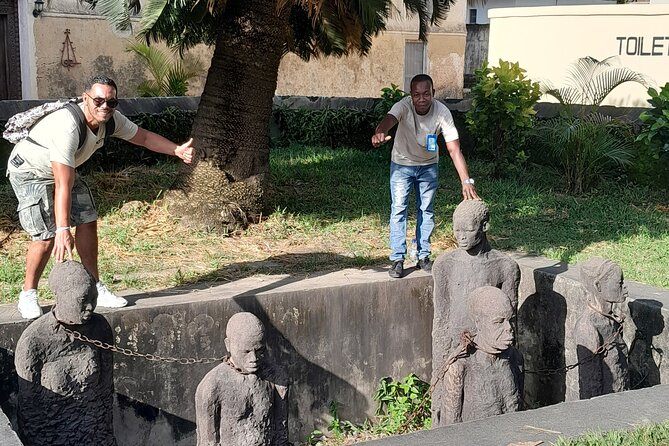
The old slave market is the most important serious stop on the route. The Anglican Cathedral now occupies the site, creating a striking contrast between the building’s present use and the suffering connected with the ground beneath it.
The visit lasts about 30 minutes, and the entrance fee is included. That is practical because you do not have to decide on the spot if the site is worth an extra charge. More important, the stop gives context to Zanzibar’s place in the East African slave trade.
The subject is painful, and it should not be treated as a decorative footnote to a city tour. The guide’s explanation helps connect the site to wider patterns of capture, forced movement, commerce, and colonial power. I would allow this part of the walk your full attention rather than treating it as a quick photo stop.
The cathedral and its surroundings also show how later religious and political changes reshaped Stone Town. You get architecture, but the building matters most because of what happened before it was built and how the site is remembered now.
This stop is included in the $33 price, which improves the value of the tour. If the history of Zanzibar matters to you, this is likely the strongest part of the experience.
Freddie Mercury’s Zanzibar connection

The Freddie Mercury Museum stop lasts about 15 minutes. The focus is the house associated with his birth and family background, rather than a long museum visit. You can take photographs outside and hear about the family influences that formed the singer before he became a global music figure.
Admission is not included, so you should budget separately if you want to enter the museum. The supplied details do not state the additional price, so check before booking or at the stop.
This is a useful addition because it broadens the tour beyond forts and colonial buildings. Freddie Mercury is one of Zanzibar’s most recognizable cultural links to the wider world, and the stop connects a famous name with an actual family story and place.
Still, keep your expectations realistic. Fifteen minutes is a short visit. If you are a major Queen fan, you may want more time than this walking tour provides, and the experience may feel more like a historical photo stop than a full museum program.
More Walking Tours in Zanzibar
- Stone Town Private Walking Tour
★ 5.0 · 371 reviews - Zanzibar: 3 Hours Private Stone Town walking Tour with Guide
★ 4.6 · 301 reviews - Zanzibar: Stone Town Historical Cultural Walking Guided Tour
★ 4.5 · 179 reviews - Stonetown: Food Markets and Street Food Walking Tour
★ 4.7 · 151 reviews
Darajani Bazaar and everyday Stone Town
Darajani Bazaar receives about 15 minutes of the route. That is short, but the market adds a necessary everyday element to the tour. Stone Town is not only a collection of monuments. It is also a place where people shop, trade, and move through ordinary routines.
The guide explains how the bazaar got its name and why it matters to local commerce and culture. That small piece of background can help you see the market as more than a place to pass through with a camera.
You should expect a lively public market atmosphere, though the available information does not specify individual stalls or products. The main benefit is the setting and the explanation. You see how the old town’s commercial life fits into its wider story.
Because the stop is brief, you probably will not have much time for extended shopping. If you want to buy textiles, spices, or other goods, tell your guide early and ask how much time can be spared. The private format may make a small adjustment possible, but six stops in 150 minutes require tradeoffs.
The Old Fort and Zanzibar’s defensive past

The Old Fort, also called Ngome Kongwe, is another 15-minute stop. The guide explains who built it and why it was constructed. The fort provides a different lens on Stone Town, shifting the focus from homes and markets to defense, control, and the movement of power.
The site is free to enter according to the tour details. That helps keep the overall cost predictable. Like the other short stops, though, 15 minutes is enough for an introduction, not a full examination of every section.
I would use this part of the tour to ask direct questions. Who built the fort? What threat was it meant to address? How did its role change over time? A private guide gives you a better chance of getting answers than a large group tour where the guide must keep moving.
The Old Fort also helps you understand Stone Town’s position on major Indian Ocean routes. Its presence makes the old quarter feel less like a quiet historic district and more like a place shaped by trade, rivalry, and strategic importance.
Tippu Tip’s house and an uncomfortable legacy
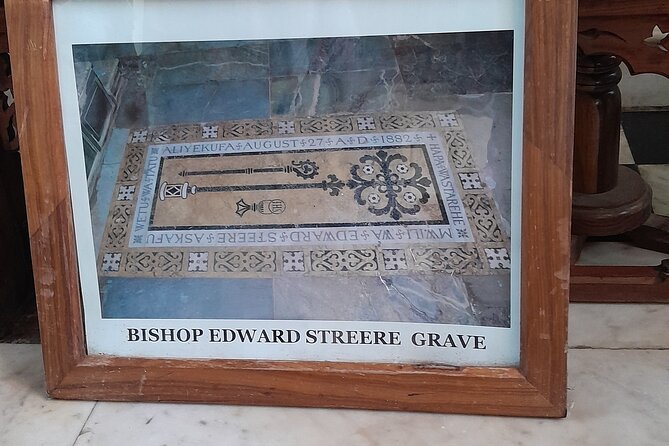
The stop at Tippu Tip’s House lasts about 15 minutes. Tippu Tip, also known as Hemed bin Mohammed, was involved in the slave trade in East Africa. He captured people from villages across the region and transported them to Zanzibar as part of the wider trade network.
This is another place where a short explanation can carry a lot of weight. The house is not simply an old residence. It connects a named person to the systems of power and exploitation that affected communities far beyond Stone Town.
I value the inclusion of this stop because it keeps Zanzibar’s past from being reduced to attractive doors, sea views, and old forts. The route asks you to consider the people who gained wealth and influence, as well as those who suffered under the trade.
Again, the time is limited. You will not receive a full academic study of Tippu Tip in 15 minutes. But the stop gives you a clear starting point and a reason to think about the relationship between commerce, political influence, and forced labor.
What the $33 price really covers

At $33 per person, the tour offers fair value, especially if you are visiting Stone Town for the first time. You receive a private professional guide, bottled water, and entrance to the old slave market. You also get a route that links major landmarks instead of leaving you to work out the town’s layout alone.
The private format is the key part of the price. A cheaper group walk might cover similar streets, but you would have less control over the pace and fewer chances to ask personal questions. If you are traveling alone, with a partner, or with family, having the guide focused on your group can make the cost easier to justify.
The price does not cover personal expenses or admission to the Freddie Mercury Museum. You should also remember that this is a walking tour, so you are paying for interpretation and local orientation rather than transport or a long series of paid attractions.
I would call it especially good value for someone who has only half a day in Stone Town. You get an overview, a serious look at the old slave market, and several distinct cultural and historical stops without committing to a full-day program.
Who will enjoy this private walk most
I would recommend this experience to a first-time visitor who wants help making sense of Stone Town. The streets can be confusing, and the range of cultural influences is easier to understand when someone connects the buildings and events.
It also suits solo visitors. A solo female participant felt safe during an afternoon and evening walk with Juma Amir, and she appreciated his willingness to adjust the route. That does not guarantee every person will have the same experience, but it is a useful sign that the private format can feel reassuring and responsive.
History-focused visitors should pay close attention to the old slave market, Anglican Cathedral, and Tippu Tip’s House. Music fans will appreciate the Freddie Mercury stop, though they should not expect a full-length museum visit within the planned 15 minutes.
This may be less suitable if you dislike walking, want extended time inside museums, or prefer a slow photography tour. The route is packed with stops, and several are introductions rather than detailed visits.
Timing, pace, and useful planning tips
The tour can take place at any time within the stated daily operating hours, but the exact time you select matters. A private guide can make an afternoon or evening walk work well, as shown by the solo visitor who felt comfortable on that schedule. You should choose a time that suits your energy and plans in Zanzibar.
Wear practical walking shoes. The tour moves through narrow Stone Town streets, and you will get more from it if you are not distracted by uncomfortable footwear. Bring a phone for the mobile ticket and some money if you may want personal purchases or Freddie Mercury Museum entry.
Plan your questions before you arrive. Ask for more detail on Zanzibari doors if architecture interests you. Ask about the slave trade and Tippu Tip if history is your priority. Ask for extra market time if local commerce matters most.
The route ends where it begins, at the meeting point near Forodhani. That makes it easy to continue exploring on your own afterward, though the tour itself does not include additional transport.
Free cancellation is available if you cancel at least 24 hours before the start time. Changes or cancellations inside that 24-hour window are not accepted for a refund, and the cut-off follows local Zanzibar time.
Should you book the Stone Town tour?
I would book this walk if you want a private introduction to Zanzibar’s old center, especially if you value a guide who can adjust the route. The strongest features are the small-group attention, Juma Amir’s flexible approach, the included old slave market entrance, and the honest attention given to slavery and Tippu Tip’s legacy.
Book it with the right expectations. You will see many important places, but some visits last only 15 minutes. The Freddie Mercury Museum costs extra, and the tour is not designed for long museum stays or extensive shopping.
For $33, this is a sensible choice for a first Stone Town visit, a solo guest who wants local guidance, or anyone who wants the city’s culture and difficult history explained in one compact walk. If you already know Stone Town well, ask for a customized route at the start so your time goes beyond the most familiar landmarks.
FAQ
How long does the Walking City Tour in Zanzibar Island last?
The tour lasts approximately 2 hours and 30 minutes.
Where does the tour start?
It starts at Cape Town Fish Market Zanzibar, near Forodhani in Zanzibar, Tanzania.
Where does the tour end?
The activity ends back at the meeting point.
Is this a private tour?
Yes. Only your group participates in the activity.
Is admission to the old slave market included?
Yes. The old slave market entrance fee is included.
Is admission to the Freddie Mercury Museum included?
No. Admission to the Freddie Mercury Museum is not included in the tour price.
What is the cancellation policy?
You can receive a full refund if you cancel at least 24 hours before the experience start time. Cancellations or changes made less than 24 hours before the start time are not refunded or accepted.
More Walking Tours
- Zanzibar Stone Town Walking Tour
★ 5.0 · 145 reviews - Stone Town Historical Walking Tour
★ 5.0 · 143 reviews - Zanzibar: Spice Tour & Stone Town Walking Tour
★ 4.8 · 115 reviews - Stone Town’s Hidden History: Private Guided Walking Tour
★ 4.6 · 94 reviews
Just added around Zanzibar
- Spice Tour of Zanzibar★ 4.5 · 3 reviews
- Zanzibar : Stone Town Tour,history without transport★ 4.8 · 3 reviews
- Zanzibar: 3-Day Northern Safari with Flights Included★ 4.8 · 3 reviews
- Jozani Forest, kuza cave and mtende beach★ 5.0 · 3 reviews
- Starfish Beach; The Rock; Kuza Cave; Paje Beach; Salaam Cave Tour★ 4.5 · 3 reviews
- ZANZIBAR: Stone Town and Jozani Forest Guided Tour★ 4.0 · 3 reviews
- Zanzibar: African Sunset Boat Party in Zanzibar Music, Views★ 4.3 · 3 reviews
- Joazani forest & Spice farm with lunch★ 5.0 · 3 reviews
City Tours, compared.


Arusha Guided Walking City Tour, Culture, Lifestyle & History
Read our review →



The Best/Top Rated Cultural City Tour in Dar es Salaam
Read our review →

Browse the lists this tour appears in