
Reviewed · STONE TOWN TOURS
Stone Town Walking Tour with Female Guides
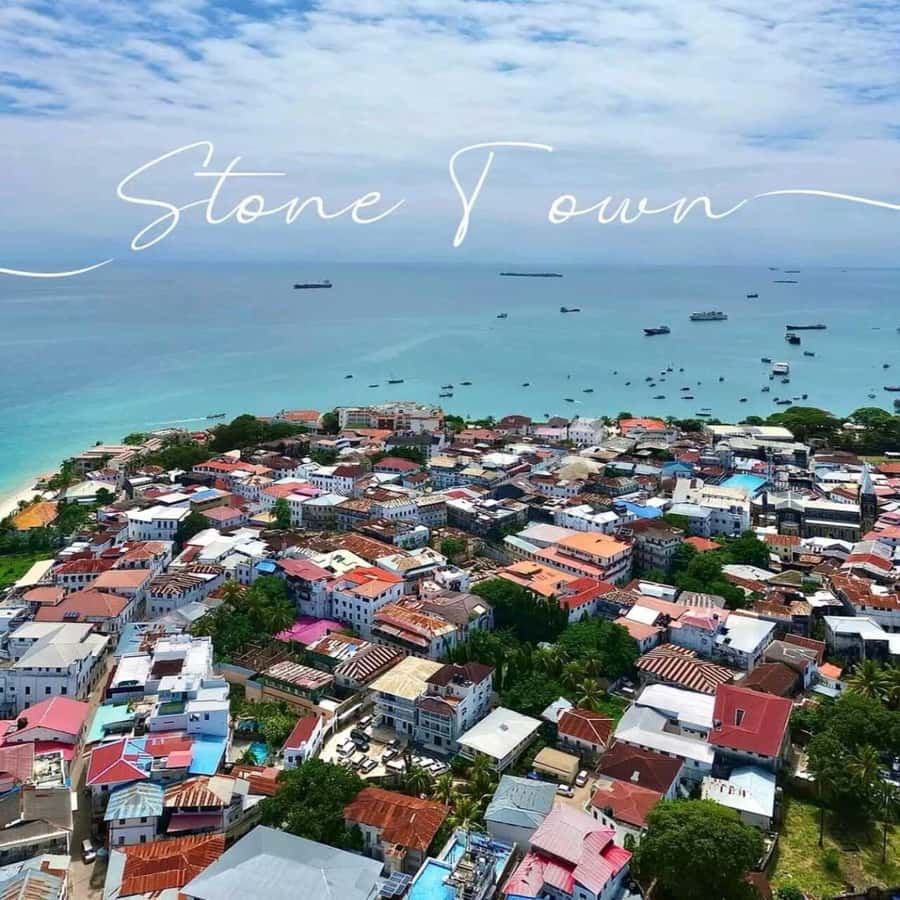
Stone Town rewards slow footsteps. This $19 private walking tour gives you a useful introduction to Zanzibar’s old capital, from the former slave market and Darajani Market to carved doors, narrow lanes, and Freddie Mercury’s childhood home. I like the personal scale and the chance to walk with a female local guide rather than simply pass the sights from a vehicle. I also like that hotel pickup, drop-off, water, and a photo stop are included. The main caution is that several headline buildings, including the Old Fort and House of Wonders, may be closed for renovation, so your experience depends on what is open on the day.
I especially like the stop at the former slave market, because it gives the walk a serious historical purpose, and the visit to Darajani Market, where you can see spices, seafood, produce, and daily commerce. Guide quality matters here. Damtu has earned particularly warm praise for her friendly, informed approach, while one other guide was described as personable but less confident in English. Plan on about two hours and 45 minutes, not a rushed three hours, and bring cash for admission fees, food, drinks, and shopping.
In This Review
- Key points to know before booking
- Why a three-hour walk helps you understand Stone Town
- Starting at the former slave market and Anglican Cathedral
- Darajani Market: spices, seafood, and everyday Zanzibar
- Coffee House and the rhythm of the old lanes
- Sultan’s Palace and the story of the Zanzibar sultanate
- Forodhani Gardens and the evening food scene
- House of Wonders and the Old Arabic Fort
- Freddie Mercury’s childhood home and optional museum
- Notre-Dame de Zanzibar and the carved doors
- Female guides, language, and the personal side of the tour
- What the $19 price really includes
- Who should book this Stone Town walk?
- Should you book it?
- FAQ
- Where does the Stone Town walking tour begin?
- How long does the tour last?
- Is the tour private?
- Which languages are available?
- Is hotel pickup included?
- Is entry to the former slave market included?
- Is the Freddie Mercury Museum included?
- Can children join the tour?
Key points to know before booking
- Female-led private walk: You receive a personal guide rather than joining a large group, with guiding available in English, French, German, Italian, and Swahili.
- Serious history at the former slave market: The former East Africa slave market, now the Anglican Cathedral site, is an important part of the walk and costs $10 extra.
- Darajani Market is the most sensory stop: Expect fruit, vegetables, fish, meat, spices, photographs, and opportunities to buy local products.
- Freddie Mercury is a photo stop, not necessarily a museum visit: The museum costs about $8 extra and is not included in the tour price.
- Major buildings may be closed: The Old Fort and House of Wonders have been closed for renovation at times, which can reduce the number of interiors you see.
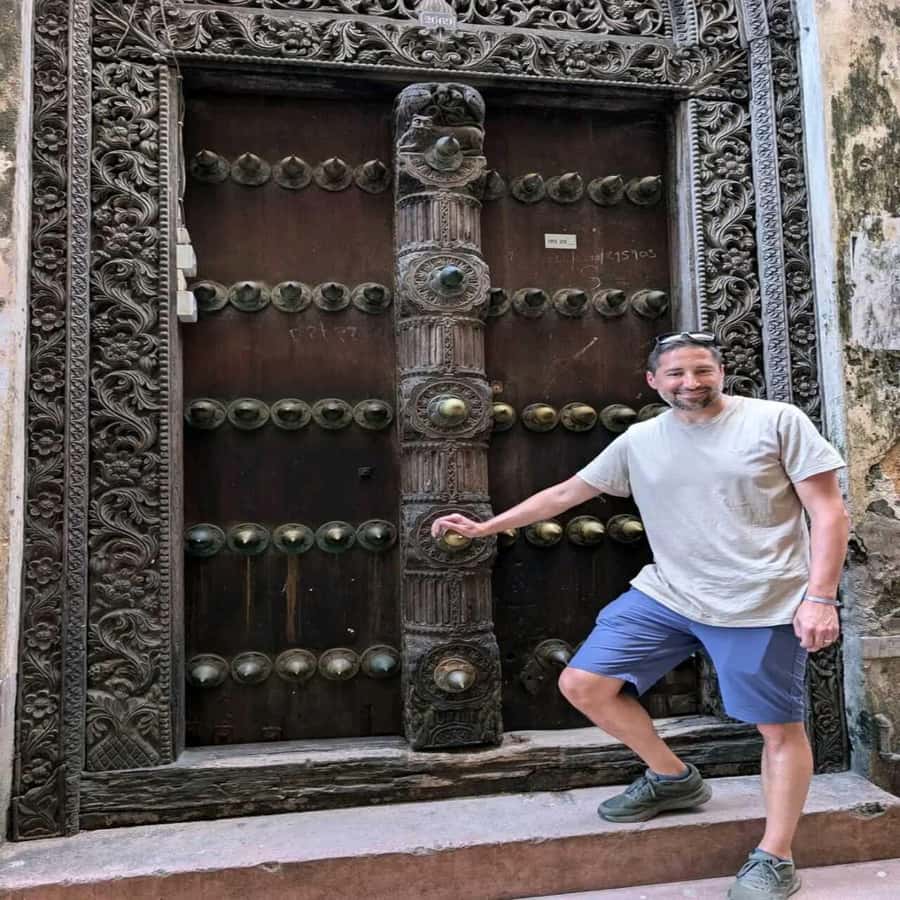
- Stone Town streets are the real stage: Carved Zanzibar doors, balconies, old houses, shops, and tight alleyways give the walk its character.
Why a three-hour walk helps you understand Stone Town
Stone Town is best read on foot. Its character is not contained in one grand monument. It appears in the tight lanes, old balconies, carved doors, small shops, market smells, and buildings shaped by Swahili, Arab, Indian, European, and Portuguese influences.
This tour gives you a guide to connect those pieces. At $19 per person, the price is low for a private walking experience with pickup and bottled water included, especially if you want background rather than a quick photograph at each landmark.
The timing needs a small footnote. The experience is sold as three hours, while the practical information says it lasts about two hours and 45 minutes. One itinerary line also describes the guided tour as one hour, which does not fully match the detailed route. I would plan for roughly three hours, while accepting that closed sites, traffic, market conditions, and your pace can alter the schedule.
The tour begins and ends in Stone Town, with hotel pickup and drop-off available within Stone Town. You are asked to wait at your hotel reception. This is useful if you are staying in the old city, but you should confirm the pickup area if your accommodation is farther away.
More Walking Tours in Zanzibar
- Stone Town Private Walking Tour
★ 5.0 · 371 reviews - Zanzibar: 3 Hours Private Stone Town walking Tour with Guide
★ 4.6 · 301 reviews - Zanzibar: Stone Town Historical Cultural Walking Guided Tour
★ 4.5 · 179 reviews
Starting at the former slave market and Anglican Cathedral
Beginning at the former slave market gives the walk weight from the first stop. This is not just a sightseeing loop. You learn about the East African slave trade, the people who passed through this place, and the missionaries and explorers connected with Zanzibar.
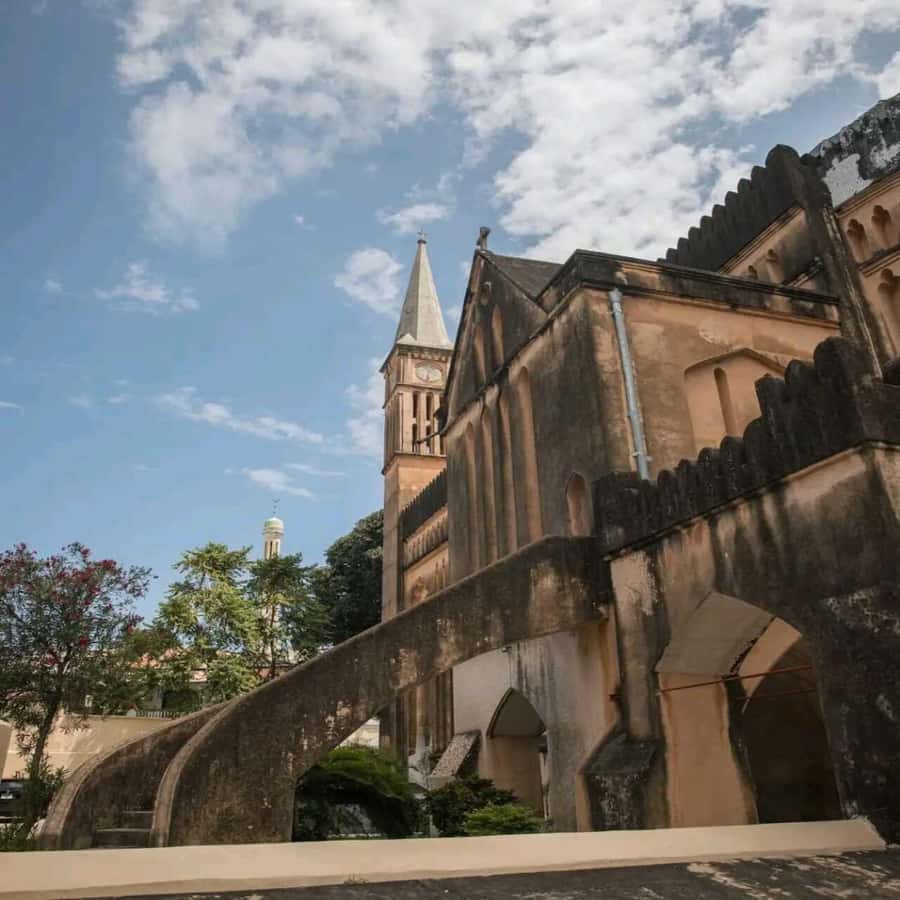
The site is now associated with the Anglican Cathedral, a striking reminder of how one location can carry several layers of the island’s past. The walk also connects the area with Dr. David Livingstone and other missionaries who used Zanzibar as a base for journeys into East Africa.
Admission is not included and costs $10 per person. That is a substantial extra beside the $19 tour price, but I consider it one of the more worthwhile additions if you want context for the city rather than only its architecture. Ask your guide to explain what is included in the visit and how much time you have inside.
This stop may not suit very young children, since the subject is difficult. Still, the tour allows children from ages zero to four to join free, and children aged six to twelve receive a reduced price. The supplied details do not state the exact child rate.
Darajani Market: spices, seafood, and everyday Zanzibar
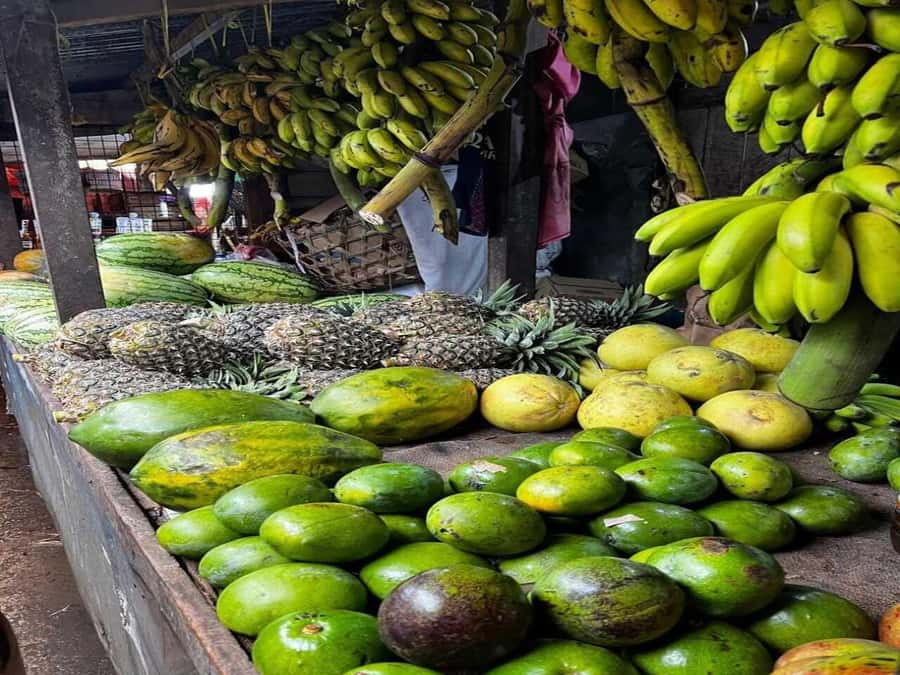
From the former slave market, the route continues to Darajani Market, established in 1904. This is where Stone Town feels most connected to daily life. The market sells fruit, vegetables, fish, meat, and spices brought in by local growers and fishermen from the Indian Ocean.
I like this stop because it gives you something that a palace or museum cannot: a look at how people shop, trade, cook, and move through the city. You can photograph the displays, admire the catch, and browse local ingredients. The market also offers a good chance to ask your guide about Zanzibar’s food traditions and the spices associated with the island.
The market is a place for your senses, but keep your pace respectful. Your guide can help you understand what you are seeing and may help with basic shopping questions. Bring cash, since the tour specifically recommends it, and remember that purchases are your responsibility.
The information does not state that food or tastings are included. You should treat any sampling, drinks, or market purchases as extra costs. Darajani is also an active working market, so conditions may feel crowded or untidy in places. That is part of its purpose, not a polished attraction.
Coffee House and the rhythm of the old lanes
After the market, you walk through Stone Town’s narrow streets toward the Zanzibar Coffee House. This is a welcome change of pace after the market and the serious opening stop.
The plan includes time to relax with a cup of coffee of your choice, but the coffee itself is not listed among the included items. Ask your guide whether you are stopping for a purchase or simply passing through. If you want coffee, carry cash.
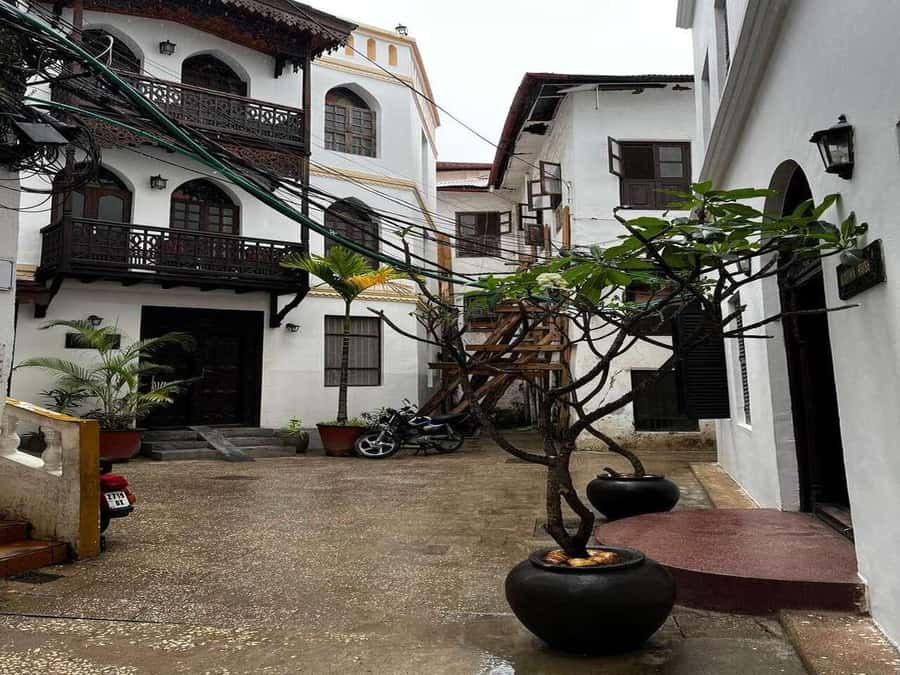
The alleys are one of the strongest reasons to choose a walking tour. Stone Town’s buildings are close together, and the lanes reveal details you can easily miss from a car: curved Zanzibari gates, carved wooden doors, balconies, walls with age marks, and small boutiques tucked into old structures.
This is where a local guide adds real value. A map can show you where you are, but it will not explain why the streets look the way they do or point out the architectural mix. The guide can also help you keep your bearings in an area that is easy to find confusing.
Wear comfortable shoes. The walk is not designed for a vehicle, and the surface of old streets can be uneven. A camera is useful, though you should ask before photographing people, market stalls, or private homes.
More ways to see Stone Town:
- Zanzibar: Stone Town, Spice Tour, Prison Island with Lunch
★ 4.4 · 1,219 reviews - Zanzibar: Prison Island, Stone Town, & Spice Farm Tour
★ 4.5 · 579 reviews - Zanzibar; Prison Island, Nakupenda, StoneTown Tour with BBQ
★ 4.3 · 457 reviews - Zanzibar: Stone Town, Spice tour & Prison Island with Lunch
★ 4.6 · 453 reviews
Sultan’s Palace and the story of the Zanzibar sultanate
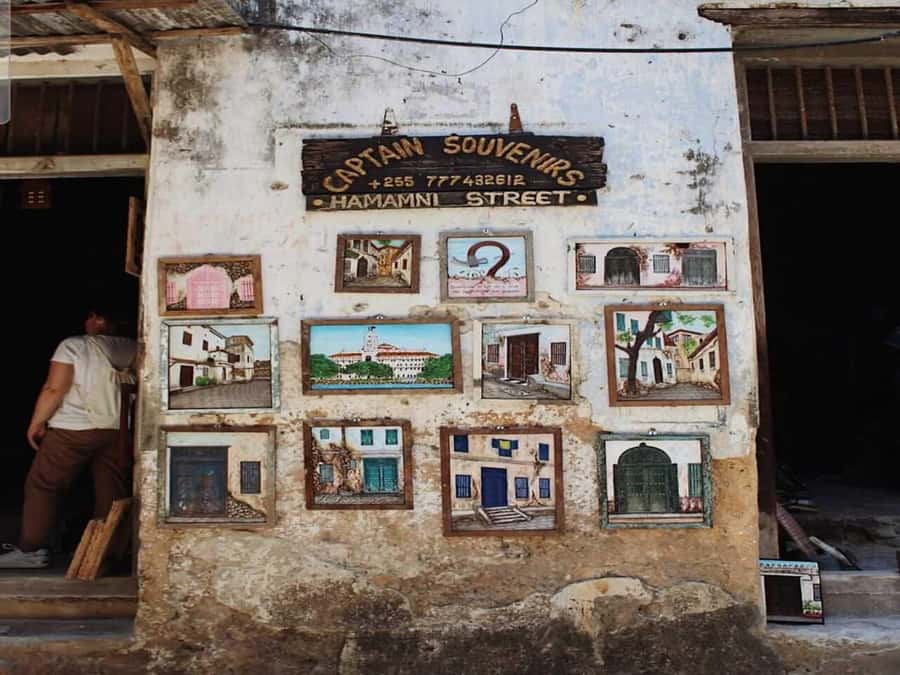
The next major stop is the Sultan’s Palace. The building provides a setting for learning about the Zanzibar Sultanate and the political history that shaped Stone Town.
This stop is valuable because it moves the tour beyond the slave trade and markets. Zanzibar was also a center of royal power, trade, diplomacy, and cultural exchange. The palace helps place the city’s grand balconies and formal buildings in a wider story.
The available information does not state a separate entrance fee for the Sultan’s Palace, so you should ask your guide or confirm at booking if an admission charge applies. Do not assume that every building mentioned is an interior visit. Some may be viewed from outside, especially when repairs are underway.
I would pay close attention to how the guide explains the connection between the palace and the surrounding lanes. Stone Town can seem like a collection of attractive old buildings until someone explains how trade, religion, royal power, and colonial influence shaped the city.
Forodhani Gardens and the evening food scene
Forodhani Gardens is known as a gathering place where local sellers offer seafood, barbecue, sugarcane juice, Zanzibari pizza, and other foods. The tour includes the stop, but it does not state that food is provided.
This is a good place to ask questions and decide if you want to buy something. Carry cash, and use normal care with any prepared food. The experience is informal, and prices may vary by seller. Your guide can help you understand what is being offered, but the cost of eating is not part of the $19 tour.
Forodhani also shows a more social side of Stone Town. The old city is not only a collection of heritage sites. It is a place where people meet, eat, shop, and spend time together. If your tour takes place before the food sellers are fully active, the stop may feel quieter than expected.
House of Wonders and the Old Arabic Fort
The House of Wonders, also called Bait el-Ajab, is described as a ceremonial palace and one of East Africa’s tallest historic buildings. Its name alone hints at the building’s unusual past and importance in Stone Town.
The problem is access. The House of Wonders has been closed for renovation, as has the Old Fort, according to the most recent experience details. If both remain closed when you visit, you may see them from outside rather than explore their interiors.
The Old Arabic Fort has served several roles over time, including a battle arena and an early railway station. That changing use makes it an interesting building even if you cannot go inside. It is worth asking your guide what the current access situation is before you set expectations.
This is one area where the tour may feel thinner than the description suggests. Andrew, a visitor from the United Kingdom, found that the closed Old Fort and House of Wonders left less to see than expected, although the walk still included the slave museum and Freddie Mercury Museum. I would book this tour for the guide and street-level experience first, with the major buildings treated as a bonus.
Freddie Mercury’s childhood home and optional museum
The walk continues to the home associated with Freddie Mercury, the Queen frontman and guitarist who was born in Zanzibar. The included service is a photo stop near the house where he was born.
This is a quick, specific stop rather than a full music-history visit. If Freddie Mercury is a major reason you are interested in Stone Town, you can add the Freddie Mercury Museum for approximately $8 per person. That admission is not included.
The distinction matters. The $19 price does not cover both the walking tour and museum entry. You should decide in advance if you want only a photograph or if you want to spend extra time with the museum exhibits.
The stop adds a modern cultural thread to a tour otherwise centered on older buildings, trade, religion, and royal history. It also gives you a clear personal story within the city’s larger past.
Notre-Dame de Zanzibar and the carved doors
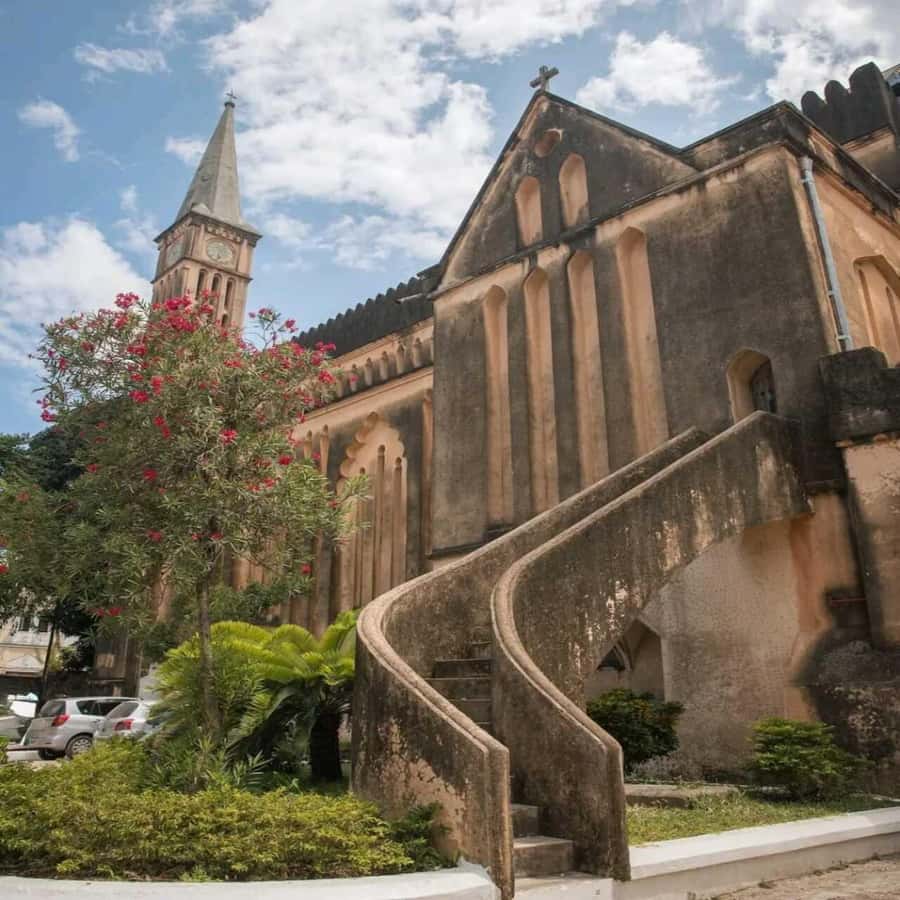
The French Catholic Cathedral, also called Notre-Dame de Zanzibar, is another important stop. Its sculpted design and location in the center of Stone Town show the city’s mixture of faiths and outside influences.
The cathedral works well near the end of the route because you have already seen a former slave-market site, a royal palace, markets, and old fortifications. Together, these stops show how different communities and institutions shaped the city.
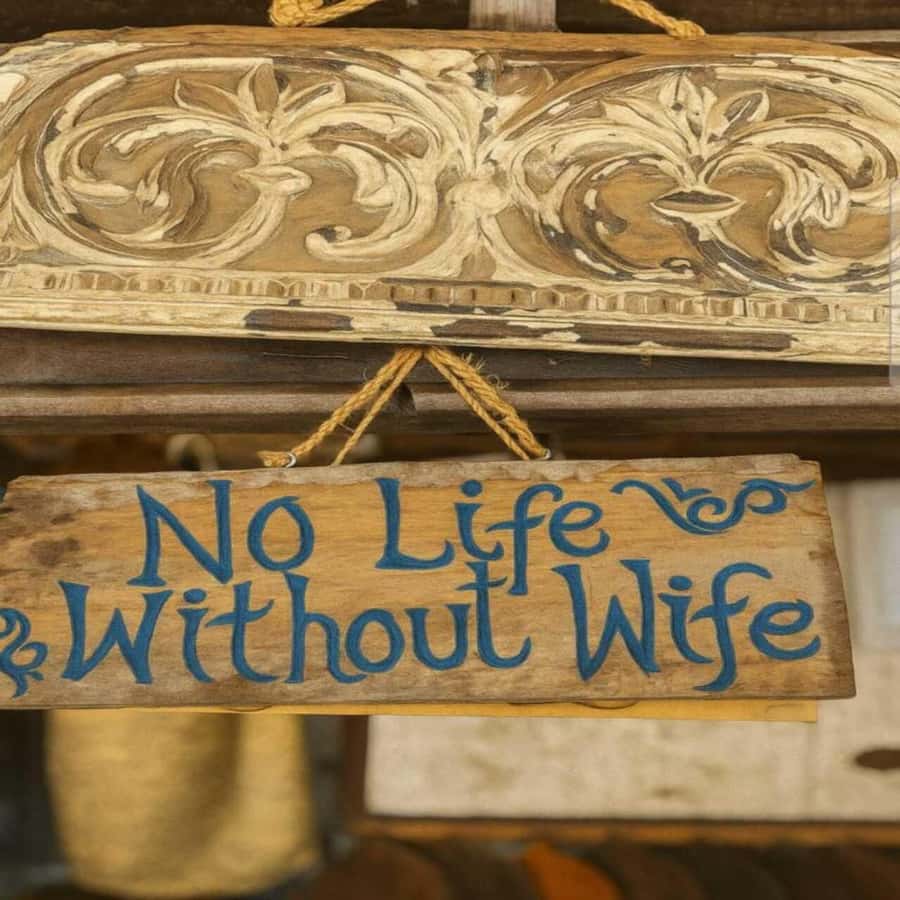
The final walk through the narrow lanes brings you back to the everyday face of Stone Town. You can browse souvenir shops and boutiques, look at Zanzibar gates, and take photographs of architectural details. Free time is included, allowing you to explore at your own pace before returning to your pickup point or hotel.
Do not expect a long independent shopping period. The tour is only around three hours, and the guide must still keep the route moving. If shopping is your priority, ask whether you can spend less time at a particular stop and more time in the shops.
Female guides, language, and the personal side of the tour
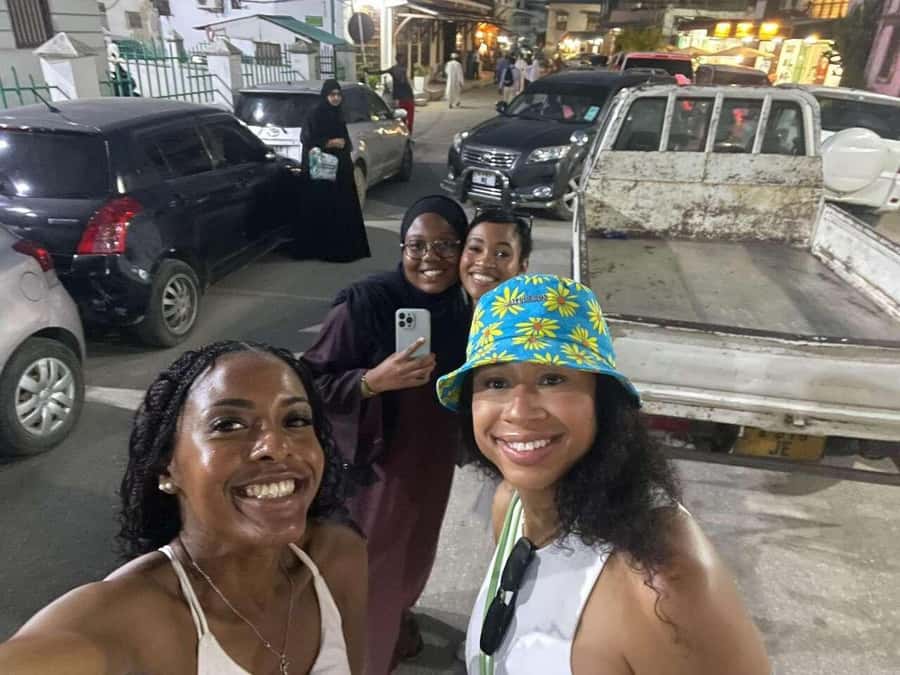
The private format is one of the clearest advantages. You are not tied to a large group’s pace, and you can ask questions about subjects that interest you, such as architecture, Zanzibar’s sultanate, markets, or the slave trade.
The experience is specifically presented with female guides. That can appeal to people who prefer a woman-led local perspective or who want a more personal conversation during the walk.
Guide quality will shape your day. Damtu received especially strong praise for being friendly and highly informed. Another guide was described as personable, but with English that needed improvement. English, French, German, Italian, and Swahili are available, but you should request your preferred language when booking and confirm it before the tour begins.
This is not a criticism of the entire service. It is practical advice: a history-heavy walking tour depends on clear explanation. If English is important to you, confirm the guide’s language fluency and ask for Damtu if she is available.
What the $19 price really includes
At $19 per person, this is an inexpensive way to put Stone Town into context. You receive guiding, bottled water, hotel pickup and drop-off within Stone Town, an expert licensed local guide, and a photo stop at Freddie Mercury’s childhood home.
The cost rises if you visit the paid sites. The former slave market is $10 per person, and the Freddie Mercury Museum is about $8. Add coffee, food at Forodhani Gardens, market goods, and souvenirs, and your day can cost noticeably more than the advertised rate.
Even so, the basic price offers good value if you want a private introduction rather than a self-guided walk. I would not choose it solely for access to every landmark, since renovations can close major buildings. I would choose it for the guide’s explanations, the market, the lanes, and the chance to see several parts of the city in one compact outing.
Free cancellation up to 24 hours before the tour and reserve-now, pay-later booking make it easier to fit into a changing Zanzibar schedule. These features are useful, but the quality of the day will still depend mainly on the guide and which sites are open.
Who should book this Stone Town walk?
I think this tour suits first-time visitors who want a clear introduction to the old city without spending a full day on foot. It also suits couples, families with older children, solo visitors, and anyone who prefers a private group.
The tour is a good match if you want:
- A female local guide
- A compact introduction to Stone Town
- Historical context at the former slave market
- A market visit with time for photos and shopping
- A Freddie Mercury photo stop
- Hotel pickup and drop-off within Stone Town
- A flexible private pace
I would be more cautious if you want long museum visits, extensive shopping time, or guaranteed access to the House of Wonders and Old Fort. Those buildings may be closed, and the tour cannot replace a dedicated museum visit.
The activity is listed as unsuitable for people with altitude sickness, although Stone Town itself is not presented as a high-altitude destination. If that restriction concerns you, ask the provider for clarification before booking. The practical advice is simpler: wear comfortable shoes, carry cash, bring a camera, and wait at reception for pickup.
Should you book it?
Book this tour if you want a reasonably priced, private introduction to Stone Town’s streets, markets, religious buildings, royal past, and slave-trade history. The best value comes from the guide, not from ticking off every landmark, and Damtu is the guide name I would request if available.
Skip it if your main goal is a guaranteed visit inside the House of Wonders, Old Fort, or Freddie Mercury Museum. For most visitors staying in Stone Town, though, the $19 base price is fair, and the route gives you a useful first look at the city before you return later to explore the places that catch your interest.
FAQ
Where does the Stone Town walking tour begin?
Pickup is provided from hotels in Stone Town. You should wait at your hotel reception, and the tour returns to your pickup point or hotel.
How long does the tour last?
The tour is advertised as three hours, while the practical information says it lasts approximately two hours and 45 minutes.
Is the tour private?
Yes. The activity is arranged for a private group.
Which languages are available?
Live guiding is available in English, French, German, Italian, and Swahili.
Is hotel pickup included?
Yes, hotel pickup and drop-off are included for locations in Stone Town.
Is entry to the former slave market included?
No. Admission to the former East Africa slave market costs $10 per person.
Is the Freddie Mercury Museum included?
No. The tour includes a photo stop at Freddie Mercury’s childhood home. Museum admission costs approximately $8 per person.
Can children join the tour?
Children aged zero to four can join free, and children aged six to twelve receive a reduced price. The exact reduced price is not provided.
More Walking Tours
- Stonetown: Food Markets and Street Food Walking Tour
★ 4.7 · 151 reviews - Zanzibar Stone Town Walking Tour
★ 5.0 · 145 reviews - Stone Town Historical Walking Tour
★ 5.0 · 143 reviews - Walking City Tour in Zanzibar Island
★ 5.0 · 122 reviews
Just added around Zanzibar
- Spice Tour of Zanzibar★ 4.5 · 3 reviews
- Zanzibar : Stone Town Tour,history without transport★ 4.8 · 3 reviews
- Zanzibar: 3-Day Northern Safari with Flights Included★ 4.8 · 3 reviews
- Starfish Beach; The Rock; Kuza Cave; Paje Beach; Salaam Cave Tour★ 4.5 · 3 reviews
- Jozani Forest, kuza cave and mtende beach★ 5.0 · 3 reviews
- ZANZIBAR: Stone Town and Jozani Forest Guided Tour★ 4.0 · 3 reviews
- Zanzibar: African Sunset Boat Party in Zanzibar Music, Views★ 4.3 · 3 reviews
- Joazani forest & Spice farm with lunch★ 5.0 · 3 reviews
Stone Town Tours, compared.

Stone Town, Spice Tour, Prison Island with Lunch
Read our review →

Prison Island, Nakupenda, StoneTown Tour with BBQ
Read our review →Stone Town, Spice tour & Prison Island with Lunch
Read our review →

3 Hours Private Stone Town walking Tour with Guide
Read our review →
Full-Day Private Stone Town +Spice Farm and Prison Island Tour
Read our review →
Stone Town Historical Cultural Walking Guided Tour
Read our review →Browse the lists this tour appears in