

Reviewed · STONE TOWN TOURS
Zanzibar: Stone Town Walking Tour with Guide
Old streets tell Zanzibar’s story. This three-hour walk through Stone Town brings you past coral-stone buildings, mosques, churches, markets, and former palaces while a local guide explains how Arabic, African, Indian, and European influences shaped the city. I especially like the compact route and the chance to explore lanes too narrow for cars, where a guide helps you notice details you could easily miss alone. I also like the strong local touch, from Darajani Market to a possible Swahili lesson or taste of local bread. The main thing to watch is the meal arrangement: lunch may be organized by agreement, but meals and drinks are not included in the stated price.
At $30 per person, this is a sensible introduction to Zanzibar’s old capital, particularly if you are staying in Stone Town or want your bearings before exploring on your own. The guides, especially Abu or Abou, are praised for clear explanations, friendly help, and adjusting the pace to the group. Three hours is enough for an overview, but not enough for a slow museum visit at every stop.
In This Review
- Key points at a glance
- Why Stone Town is best seen on foot
- Starting with pickup and a useful orientation
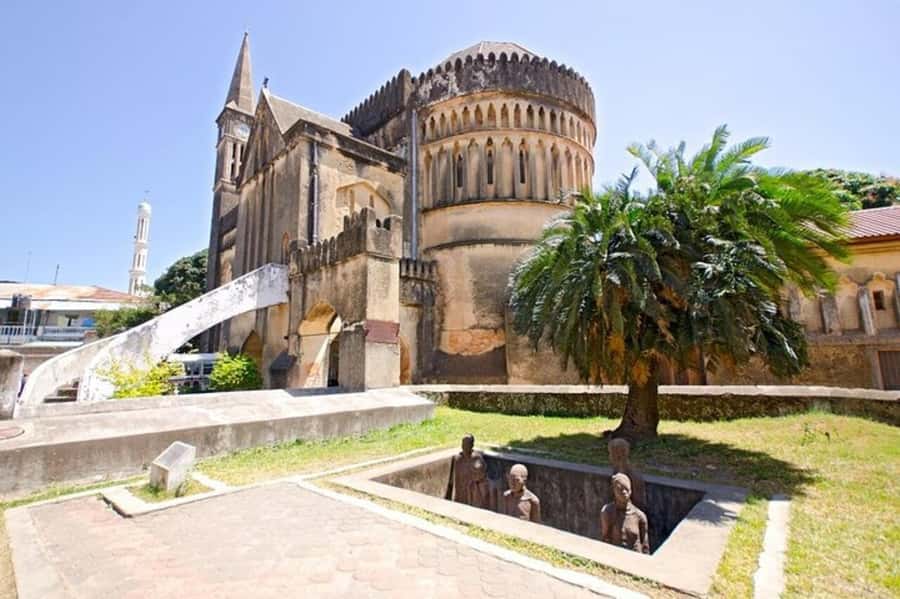
- Old Slave Market and Anglican Cathedral
- Freddie Mercury Museum and modern Stone Town
- Old Fort and the walls of the city
- Darajani Market and the everyday city
- Sultan’s Palace and the wider historic center
- What the guides add
- Lunch, drinks, and the important price detail
- Heat, clothing, and what to carry
- Who should book this Stone Town walk?
- Should you book the $30 tour?
- FAQ
- How long does the Stone Town walking tour last?
- What places are included on the walking route?
- Is hotel pickup included?
- Which languages are available?
- Is lunch included in the $30 price?
- What should I bring?
Key points at a glance
- Coral-stone lanes: Walk through Stone Town’s narrow historic streets, where cars cannot pass and architectural details appear around every turn.
- A guide who adds context: Abu, also written as Abou, is often singled out for his warmth, historical knowledge, humor, and ability to answer questions.
- Major landmarks in one morning or afternoon: The route covers the Old Slave Market and Anglican Cathedral, Freddie Mercury Museum, Old Fort, and Darajani Market.
- A cultural crossroads: You will see mosques, churches, temples, Indian-influenced buildings, Arab doors, African daily life, and European colonial traces close together.
- Flexible feel: Guides can walk at your pace, and the route allows time for photos, shopping, and questions.
- Useful first-day activity: Hotel pickup and a guided orientation make this a good opening experience for a Stone Town stay.
Why Stone Town is best seen on foot
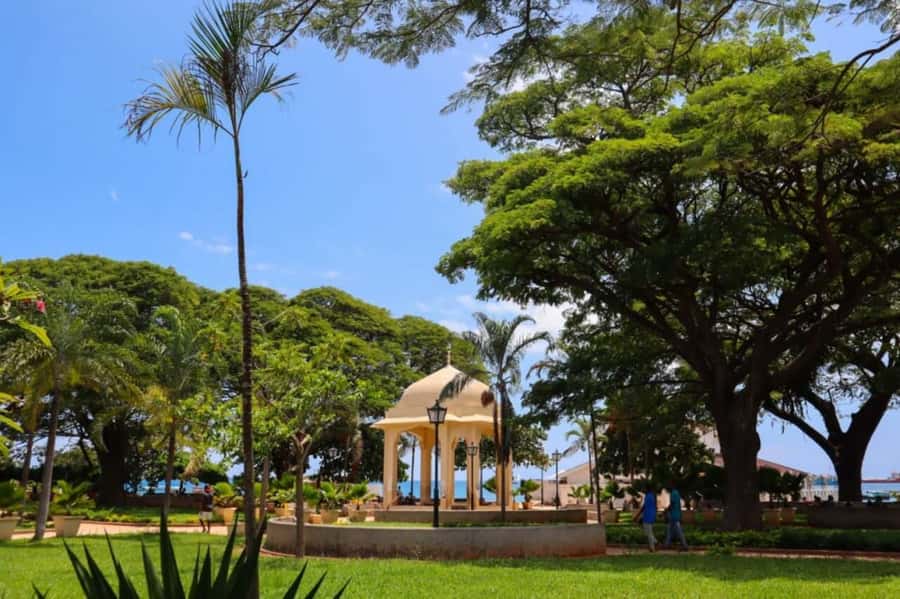
Stone Town is not a place to understand from a vehicle window. Its old streets twist between coral-stone buildings, and several lanes are too tight for cars. A walking tour gives you time to look up at carved doors, pause beside old walls, and notice how religious and commercial buildings sit close together.
The city’s importance comes from its position in the Indian Ocean trade world and from the many cultures that shaped life here. On this walk, you can see Arabic, African, Indian, and European influences side by side. That mix is not presented as a tidy museum display. It appears in places of worship, market stalls, old residences, public buildings, and the rhythm of everyday Stone Town life.
The city was declared a UNESCO World Heritage Site in 2000. That status helps explain why the old center matters, but the tour is more useful when it connects the buildings to real events and people. A good guide turns a plain wall or doorway into part of the larger story.
More Walking Tours in Zanzibar
- Stone Town Private Walking Tour
★ 5.0 · 371 reviews - Zanzibar: 3 Hours Private Stone Town walking Tour with Guide
★ 4.6 · 301 reviews - Zanzibar: Stone Town Historical Cultural Walking Guided Tour
★ 4.5 · 179 reviews
Starting with pickup and a useful orientation
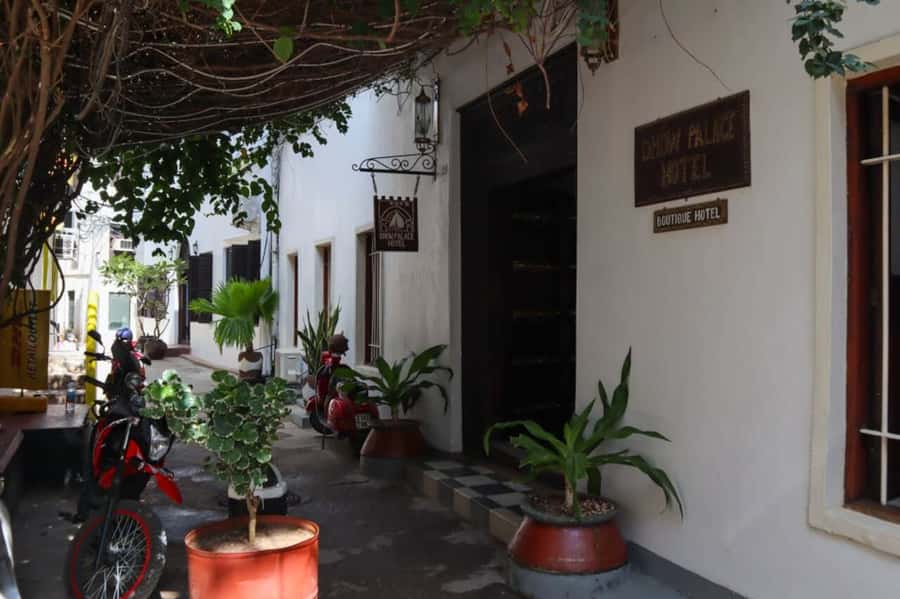
Pickup is available in Zanzibar or Stone Town, with hotel pickup and drop-off included when you select that option. You are asked to wait in the hotel lobby 10 minutes before the scheduled time. That small buffer matters in Stone Town, where streets and access points can be confusing.
The walk lasts three hours. You can book a live guide in English, German, or French, and a small-group option is available. A smaller group should make it easier to hear explanations in narrow streets and to stop for photos without blocking the way.
I would choose this tour early in a Stone Town visit. It gives you a basic map of the old center and introduces places you may want to revisit later. The route includes sightseeing, guided stops, photo opportunities, and shopping, so it is not a nonstop lecture.
Old Slave Market and Anglican Cathedral
The Old Slave Market is one of the most important and difficult stops on the route. It brings the history of the East African slave trade into the center of the tour, rather than treating Stone Town as only a pretty collection of old buildings.
The Anglican Cathedral occupies the former market site. Visiting both together helps you understand the physical change in the area and the way later religious and civic buildings were built over painful chapters of the past. This is a serious part of the morning or afternoon, and I appreciate that it gives the tour weight beyond architecture and shopping.
Your guide’s explanation matters here. The site can be easy to pass without context, especially if you are exploring by yourself. A guide can explain why the location is significant and help place Zanzibar within the wider history of the region.
Freddie Mercury Museum and modern Stone Town
The Freddie Mercury Museum adds a more recent and popular cultural note to the route. It is a natural contrast with the older religious and political sites, showing that Stone Town’s identity is not frozen in the nineteenth century.
The stop is listed as both a visit and a photo opportunity. It may appeal most if you already know Mercury’s connection to Zanzibar, but it also gives the walking tour a lighter change of pace after the Old Slave Market and cathedral.
Do not expect this three-hour activity to provide a long museum session at every location. The value here is the range of subjects: slavery, religion, music, fortifications, trade, food, and daily life. If you want a detailed museum visit, you may need to return separately.
More ways to see Stone Town:
- Zanzibar: Stone Town, Spice Tour, Prison Island with Lunch
★ 4.4 · 1,219 reviews - Zanzibar: Prison Island, Stone Town, & Spice Farm Tour
★ 4.5 · 579 reviews - Zanzibar; Prison Island, Nakupenda, StoneTown Tour with BBQ
★ 4.3 · 457 reviews - Zanzibar: Stone Town, Spice tour & Prison Island with Lunch
★ 4.6 · 453 reviews
Old Fort and the walls of the city
The Old Fort is another major landmark and a useful reminder of Stone Town’s strategic position. The thick fortification has a different feel from the narrow residential streets, and it provides a clear place to discuss defense, power, and the changing role of the city.
The stop includes a guided visit and time for photographs. As with the other landmarks, the guide’s storytelling is central. Abu or Abou is praised for making history interesting and for mixing facts with humor, while other guides, including Jack and Bobby, are described as clear, helpful, and engaging.
The fort is also a practical pause in the route. You can step away from the tight lanes and take stock of the city before continuing toward the market. Keep your camera ready, but also listen. The building itself is only half the experience.
Darajani Market and the everyday city
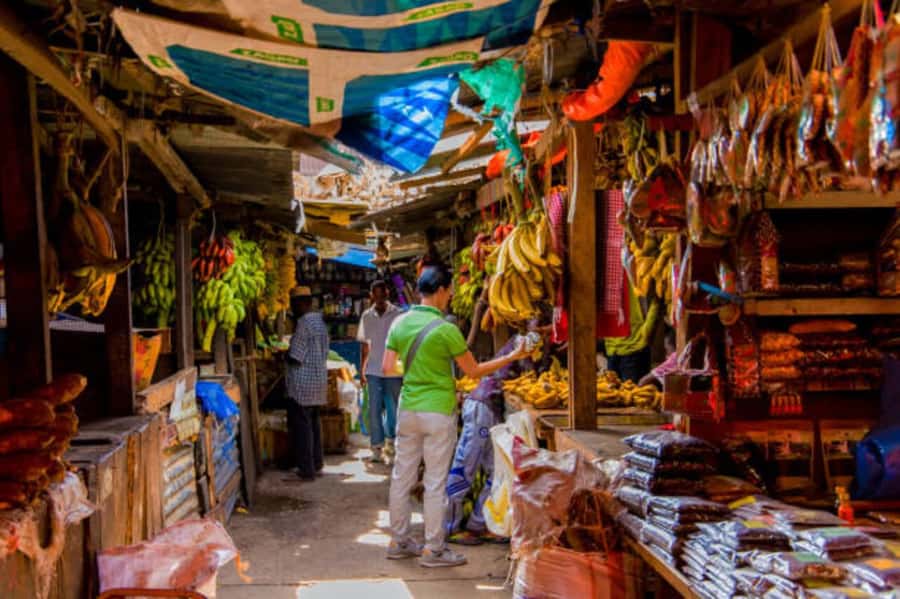
Darajani Market is where the tour moves from major monuments to daily commerce. This is the place to see the working side of Stone Town, with shopping and local activity forming part of the experience.
Markets can feel overwhelming without a guide. You may find it easier to understand what you are seeing when someone can explain the setting, point out areas of interest, and help you move through the streets. The tour also includes time for shopping, although one practical caution is worth noting: a small number of visitors felt that some stops seemed geared toward spending money. If you want souvenirs, that may suit you. If you prefer a strictly historical walk, say so clearly.
The market is also a good place to ask questions about food and local life. One guide offered a short Swahili lesson and a taste of typical bread during the walk, adding a personal touch beyond standard sightseeing. These details are not guaranteed, but they show the kind of interaction that can make the route feel less formal.
Sultan’s Palace and the wider historic center
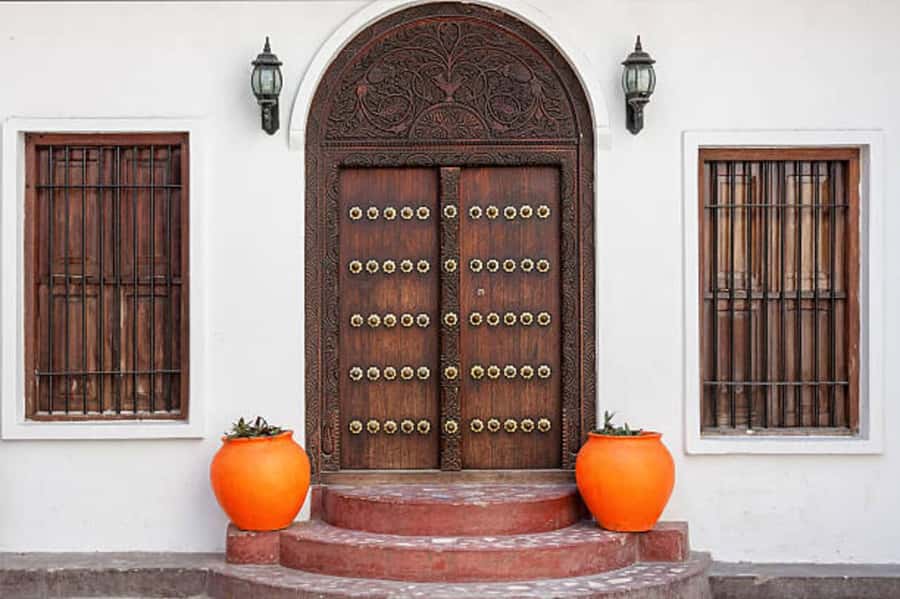
The tour description includes the Sultan’s Palace among the places covered on the historical and cultural journey. It also mentions the House of Wonders, mosques, churches, and temples as part of the Stone Town experience.
The exact amount of time at each site depends on the route, pace, and access on the day. You should think of this as a guided overview rather than a full inside visit to every building. That is not a weakness if your goal is to understand how the city fits together.
The strongest part of the route is the connection between sites. The Old Slave Market, palace buildings, fort, market, and religious structures each tell a different part of Zanzibar’s story. Walking between them lets you see how the old city functions as a living place, not a collection of isolated monuments.
What the guides add
The guide is the main reason to book rather than simply wander. Stone Town’s lanes can be confusing, and the historical details are not always obvious from the street. A licensed guide can also answer questions about modern Stone Town, not just repeat dates and names.
Abu, sometimes listed as Abou, receives especially warm praise for his friendly manner, clear English, humor, and broad explanations of Zanzibar’s culture and past. He has been described as helpful with practical questions as well as formal sightseeing. One guide even sang two songs during the walk, which gives you an idea that the experience can be personal and relaxed rather than stiff.
Pace is another strong point. The route can be adjusted for closer looks and questions, and a family with a four-year-old and stroller was helped through the streets by the guide. Still, the activity is not suitable for babies under one year, people over 95, people with back problems, or pregnant women according to the stated restrictions.
If you have a particular interest, tell the guide at the start. You might prefer more time on the slave trade, architecture, religion, markets, or modern culture. Three hours goes quickly, so speaking up helps shape the walk.
Lunch, drinks, and the important price detail
The price is $30 per person. That includes selected hotel pickup and drop-off, taxes and service charges, and a professional licensed guide. For a private taxi ride, independent research, and a route through several major sites, that is fair value, especially for a first visit.
Meals and drinks are not included in the stated inclusions. The description also says lunch can take place in a restaurant or local house if agreed beforehand. Treat that as an optional arrangement, not a guaranteed part of the $30 package. Confirm the plan before booking if lunch matters to you, including the cost and whether drinks are extra.
A rooftop coffee stop was an appreciated bonus for one visitor, but it should not be treated as a fixed part of the tour. The same applies to a Swahili lesson, local bread, or other informal extras. These may depend on the guide, timing, and agreement.
Heat, clothing, and what to carry
Stone Town can be hot, and February in particular was described as very warm during the walk. Three hours on foot is manageable for many people, but comfortable shoes are essential. Choose light clothing that works for walking and respects local religious settings.
Bring a camera, but keep your hands free. Large bags and luggage are not allowed, and alcohol and drugs are prohibited. You will be much more comfortable with a small day bag, water arranged separately, and only the essentials.
The route includes religious and historic places. Modest clothing is the sensible choice, and a respectful manner will make visits to mosques, churches, and other sites easier. The supplied information does not specify a formal dress code, so ask your guide if you are unsure.
Who should book this Stone Town walk?
I would recommend it to first-time visitors, couples, solo visitors, families with older children, and anyone who wants a quick grasp of the city before exploring independently. It is also useful if your time in Zanzibar is short and you want several major sights in one outing.
The tour suits people who enjoy stories and conversation more than those who want to rush from one photo stop to the next. The route covers a lot, but its real value comes from understanding the links between places.
It may be less suitable if you have limited mobility, serious back problems, or difficulty walking in heat. It is also not the best choice if you want long, unhurried visits inside every museum and historic building. In that case, use this as an orientation, then return to the sites that interest you most.
Free cancellation is available up to 24 hours before the activity for a full refund, and you can reserve now and pay later. Starting times vary, so check availability before choosing your date.
Should you book the $30 tour?
Yes, if you want a well-priced introduction to Stone Town with a guide who can make sense of the narrow streets and layered past. The most praised features are the guides’ warmth and clear explanations, the sensible three-hour route, and the way the walk combines famous landmarks with markets and ordinary city life.
Book it early in your stay if possible. Ask about the guide’s name, confirm the pickup point, and settle the lunch question before you go. If you like souvenirs, leave time at Darajani Market. If you do not, make it clear that history and culture are your priority.
For $30, this is a practical way to get oriented, learn the story behind the buildings, and see why Stone Town remains Zanzibar’s cultural heart.
FAQ
How long does the Stone Town walking tour last?
The tour lasts three hours. Starting times vary, so check availability for your preferred date.
What places are included on the walking route?
The route includes Stone Town, the Old Slave Market and Anglican Cathedral, Freddie Mercury Museum, Old Fort, and Darajani Market. The wider historical journey also refers to the House of Wonders and Sultan’s Palace.
Is hotel pickup included?
Hotel pickup and drop-off are included when you select that option. You should wait in your hotel lobby 10 minutes before the scheduled pickup time.
Which languages are available?
Live guides are available in English, German, and French.
Is lunch included in the $30 price?
Meals and drinks are listed as not included. Lunch at a restaurant or local house may be arranged if agreed beforehand, so confirm the details and cost before the tour.
What should I bring?
Bring a camera and comfortable shoes. Large bags and luggage are not allowed, and alcohol and drugs are prohibited.
More Walking Tours
- Stonetown: Food Markets and Street Food Walking Tour
★ 4.7 · 151 reviews - Zanzibar Stone Town Walking Tour
★ 5.0 · 145 reviews - Stone Town Historical Walking Tour
★ 5.0 · 143 reviews - Walking City Tour in Zanzibar Island
★ 5.0 · 122 reviews
Just added around Zanzibar
- Spice Tour of Zanzibar★ 4.5 · 3 reviews
- Zanzibar : Stone Town Tour,history without transport★ 4.8 · 3 reviews
- Zanzibar: 3-Day Northern Safari with Flights Included★ 4.8 · 3 reviews
- Jozani Forest, kuza cave and mtende beach★ 5.0 · 3 reviews
- Starfish Beach; The Rock; Kuza Cave; Paje Beach; Salaam Cave Tour★ 4.5 · 3 reviews
- ZANZIBAR: Stone Town and Jozani Forest Guided Tour★ 4.0 · 3 reviews
- Zanzibar: African Sunset Boat Party in Zanzibar Music, Views★ 4.3 · 3 reviews
- Joazani forest & Spice farm with lunch★ 5.0 · 3 reviews
Stone Town Tours, compared.

Stone Town, Spice Tour, Prison Island with Lunch
Read our review →

Prison Island, Nakupenda, StoneTown Tour with BBQ
Read our review →Stone Town, Spice tour & Prison Island with Lunch
Read our review →

3 Hours Private Stone Town walking Tour with Guide
Read our review →
Full-Day Private Stone Town +Spice Farm and Prison Island Tour
Read our review →
Stone Town Historical Cultural Walking Guided Tour
Read our review →Browse the lists this tour appears in