
Reviewed · 1-DAY TOURS
1-Day Isimila Stone Age Site
Ancient tools meet a forest of stone. This 8-hour trip from Iringa takes you to Isimila Stone Age Site, where hammerstones, axeheads, flints, and scrapers were found among tall eroded sandstone pillars. I like the setting because you see archaeology in its real place, and I like that admission, private transport, lunch, water, and parking are covered. The main drawback is simple: if you want a full-day safari or a large museum, this visit may feel too focused and modest.
The $87.18 price makes the most sense for people who value a private vehicle and an easy day outside Iringa. You should also know that the site is mainly about the outdoor formations and a small museum, not a large visitor complex. Start at 7:30 am, wear shoes suited to uneven ground, and leave room in your expectations for a quiet archaeological stop rather than a packed attraction.
In This Review
- Key points to know before you go
- Why Isimila matters beyond its striking rocks
- The short journey southwest from Iringa
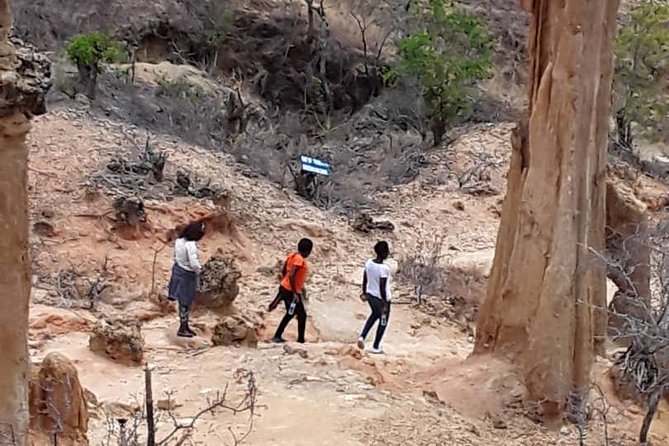
- Walking among Isimila’s sandstone pillars
- The museum’s small but useful display
- What archaeological work looks like here
- Lunch, water, and the pace of an eight-hour day
- Is $87.18 a fair price?
- Who will enjoy this Isimila day trip?
- Booking details that affect your decision
- Should you book the Isimila Stone Age Site tour?
- FAQ
- Where is Isimila Stone Age Site located?
- How long does the experience last?
- What time does the tour start?
- Is pickup available?
- Is transportation included?
- Is admission to Isimila included?
- What food and drinks are provided?
- Is this a private activity?
- Can I cancel for a full refund?
Key points to know before you go
- Only 21 kilometers from Iringa: Isimila makes a practical half-day or full-day outing without a long transfer.
- Stone Age tools were found on site: The hammerstones, axeheads, flints, and scrapers are estimated at 60,000 to 100,000 years old.
- The sandstone formations are part of the experience: You are not just looking at objects in glass cases. You are seeing the setting where the discoveries were made.
- A small museum adds useful context: Well-captioned displays explain the archaeological work and help make sense of the site.
- Private transport keeps the day flexible: Only your group takes part, with pickup offered and parking included.
- Lunch and bottled water are included: That saves you from arranging the basics during an eight-hour outing.
Why Isimila matters beyond its striking rocks
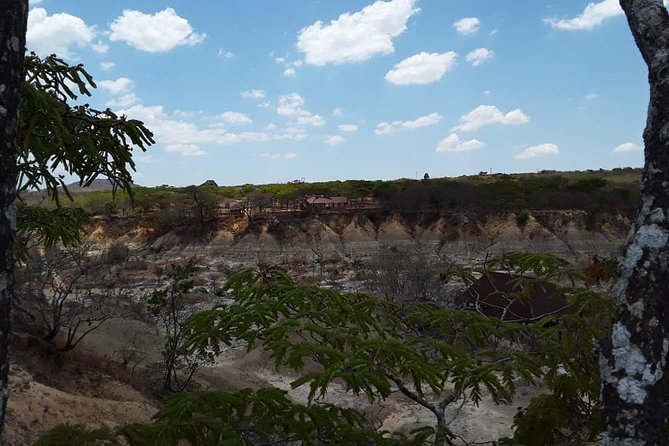
Isimila is valuable because the objects and the ground belong together. A museum can show you a stone tool, but here you also see the eroded sandstone formations around the place where important Stone Age finds were made. That connection gives the visit more weight.
The discoveries were made in the late 1950s. Archaeologists found hammerstones, axeheads, flints, and scrapers estimated to be between 60,000 and 100,000 years old. Those dates are hard to picture, which is exactly why the site helps. You can look at a tool and then look across the same setting where people worked stone many thousands of years ago.
I like this kind of stop because it asks you to slow down. There are no animal sightings to chase and no grand monument to photograph from ten different angles. The interest comes from scale, age, and the question of how archaeologists work out what an object meant.
You should keep your expectations sensible. The museum is described as small, with compact, well-captioned displays. That is useful for an introduction, but it is not likely to fill hours on its own. The outdoor formations do much of the work.
More day trips:
- From Zanzibar: Mikumi Safari Day Trip with Flights and Meal
★ 4.7 · 1,470 reviews - Materuni Waterfalls & Chemka Hotsprings Day Trip
★ 5.0 · 214 reviews - Zanzibar: Nungwi Turtle Aquarium Guided Half-Day Trip
★ 4.4 · 197 reviews
The short journey southwest from Iringa
Isimila is signposted off the Mbeya road, about 21 kilometers southwest of Iringa. That distance is one of the strongest reasons to consider the trip. You get a change of scenery without spending most of your day in a vehicle.
Pickup is offered, and the tour uses private transportation. This matters in Iringa, where a private vehicle can make a short regional outing much easier to arrange. Parking fees are included, so you do not need to budget for that separately.
The stated start time is 7:30 am. I would treat that as a useful advantage rather than an inconvenience. A morning departure leaves plenty of time for the site, the museum, lunch, and the return to Iringa within the approximate eight-hour schedule.
The exact pickup point is not specified, so confirm the meeting details when you book. The experience is also near public transportation, though the private vehicle is the more direct option for this particular outing.
Walking among Isimila’s sandstone pillars
The outdoor portion is the heart of the day. Isimila is known for dramatic formations made from eroded sandstone, including pillar-like shapes that give the area a memorable appearance. The site is not simply an archaeological room with a few objects. Its physical setting is a major part of why the visit is worthwhile.
The terrain may include uneven ground, so practical shoes are a good idea. The supplied information says most people can participate, but it does not give a detailed accessibility description. If you have limited mobility or need a particular surface, ask the operator for current conditions before booking.
The walk gives you a direct sense of place. You can see the rock formations, consider how erosion shaped them, and connect that setting with the tools found nearby. The experience is at its best when your guide explains what archaeologists were looking for and how separate objects can reveal something about early human activity.
Do not expect a fast sequence of attractions. The appeal comes from examining the formations and allowing the explanations to build a picture. One account of the outing praised the walk through the stone formations and the explanations provided along the way. That is a good clue about where the value lies: the quality of the interpretation matters as much as the scenery.
The museum’s small but useful display
After seeing the site, the local museum helps put the discoveries into words. Its displays are small and well captioned, which makes it a practical stop rather than an overwhelming one.
The objects associated with Isimila include hammerstones, axeheads, flints, and scrapers. Even if you are not an archaeology specialist, those categories are easy to follow. You can begin to see the difference between a tool used for striking, cutting, or scraping, rather than treating every stone as just another old object.
I appreciate museums that explain without demanding prior knowledge. The captions should help you connect the artifacts to the outdoor formations and the archaeological process. You can also use the museum as a pause after walking outside, particularly if the day is warm.
The limitation is scale. The museum is not presented as a large institution with extensive galleries. If you want detailed exhibits covering every stage of human development in Tanzania, you may find it brief. If you want a clear introduction before or after seeing the actual site, it does its job.
A completely different kind of day out from Tanzania:
- Serengeti Balloon Safari and authentic bush breakfast
★ 5.0 · 2,480 reviews - Balloon Safari & Bush Breakfast in Serengeti – Miracle Experience
★ 5.0 · 1,646 reviews - Zanzibar: Quad Bike Adventure departing from Kendwa or Nungwi
★ 4.9 · 1,233 reviews - Zanzibar: Stone Town, Spice Tour, Prison Island with Lunch
★ 4.4 · 1,219 reviews
What archaeological work looks like here
Isimila gives you a chance to think about how archaeology turns scattered objects into evidence. A hammerstone alone is just a worked or used stone. When found with axeheads, flints, scrapers, and other traces in a particular setting, it can help researchers understand how people made and used tools.
The site also shows why location matters. The same object carries more meaning when you know where it was found and what surrounded it. The sandstone pillars, eroded ground, and nearby archaeological finds form one story rather than separate attractions.
You will not take part in an excavation, and no active digging is promised. The useful point is that you can see the place where archaeological work took place and learn about the discoveries through the museum and guide. That makes this a good choice for anyone curious about how evidence is gathered.
A guide can make or break a site like this. The operator is Wild Gaze Safaris Limited, and Ernest, its director, has arranged bespoke trips combining Isimila with Ruaha National Park. That background suggests the company can handle more involved regional planning, though the information provided does not identify the individual guide assigned to this one-day visit. If personal expertise is important to you, ask who will lead your outing.
Lunch, water, and the pace of an eight-hour day
Lunch and bottled water are included. These are simple inclusions, but they matter on a day spent outside Iringa. You can focus on the visit without stopping to solve every basic food and drink need yourself.
Alcoholic beverages are not included, and other personal costs may also fall outside the price. Bring anything you need beyond the supplied lunch and water. The tour does not specify the menu, so ask about dietary needs before departure if that affects your choice.
The eight-hour duration is approximate. The site itself may not require eight hours of constant activity, and that is fine. The day includes transport, walking, museum time, lunch, and a return journey. The slower rhythm suits people who prefer one meaningful stop to a rushed list of sights.
One practical warning: do not confuse the duration with eight hours inside the museum. The museum is small. The full day is about the drive, the outdoor formations, the archaeological setting, the displays, and time to take it in.
Is $87.18 a fair price?
At $87.18 per person, this is not the cheapest possible way to visit a nearby site, especially if you are comparing it with arranging local transport yourself. But the price includes several useful pieces: private transportation, admission, parking, lunch, and bottled water.
The value improves if you are traveling as a small private group and want the day organized for you. You avoid finding a vehicle, working out the road access, paying entry costs separately, and arranging lunch. You also have a private activity, so only your group participates.
The value is less clear if you are mainly seeking a long guided walk or a large collection of artifacts. Isimila is a specialist stop. Its strength is the combination of site, formations, tools, and basic museum interpretation. Its weakness is that the museum is small and the attraction may feel quiet compared with a national park or major historical center.
I would judge the price by the whole day, not by the number of exhibits. For an archaeology enthusiast, a history-minded visitor, or someone wanting a break from Iringa, the package is reasonable. For someone who only wants a quick look at unusual rocks, it may feel expensive.
Who will enjoy this Isimila day trip?
I would recommend it most strongly to people with a real interest in archaeology, early human history, geology, or local heritage. You do not need specialist knowledge. Curiosity is enough, especially if you enjoy asking how researchers interpret objects and places.
Families with older children may also find it worthwhile, though the supplied information does not describe child-specific activities. The site gives young visitors something concrete to see, and the tools are easier to understand when connected to the outdoor setting.
The outing also suits anyone staying in Iringa who wants a private day away from town. It is close enough to avoid a major transfer and structured enough to remove much of the planning work.
I would hesitate to recommend it to someone who needs extensive accessibility information, a packed schedule, or a major museum collection. The description says most people can participate, but it does not explain surfaces, distances, or facilities in detail. Ask before booking if those points matter to you.
Booking details that affect your decision
Confirmation is provided at the time of booking, and the ticket is mobile, which should make entry arrangements straightforward. The activity is private, meaning only your group takes part. That gives you more control over the pace than a shared coach excursion.
Free cancellation is available if you cancel at least 24 hours before the 7:30 am start time. Cancellations made less than 24 hours before the experience are not refunded, and late changes are not accepted. The cut-off follows local time, so keep that in mind if you are booking from another country.
The current rating is 4.7 from three ratings. The strongest praise centers on the walk through the stone formations, clear explanations, friendly service, and the operator’s ability to arrange larger custom journeys. Those are the qualities I would value most here, since interpretation and organization shape a site visit more than luxury extras do.
Should you book the Isimila Stone Age Site tour?
Book this experience if you want a focused cultural outing from Iringa, especially if ancient tools and unusual sandstone formations interest you. The short distance, private vehicle, included lunch, water, parking, and admission make it easy to handle in one day.
I would skip it if you are looking for a major museum, wildlife, or a nonstop sightseeing schedule. Isimila rewards attention, not speed. Confirm your pickup point, ask who will guide the visit, and check the walking conditions if mobility is a concern. For the right visitor, this is a thoughtful and unusual way to connect Tanzania’s distant human past with the ground beneath your feet.
FAQ
Where is Isimila Stone Age Site located?
Isimila Stone Age Site is in Tanzania’s Iringa Region, about 21 kilometers southwest of Iringa. It is signposted off the Mbeya road.
How long does the experience last?
The tour lasts approximately eight hours.
What time does the tour start?
The stated start time is 7:30 am.
Is pickup available?
Yes, pickup is offered. Confirm the exact pickup details at the time of booking.
Is transportation included?
Yes. The experience includes private transportation.
Is admission to Isimila included?
Yes. An admission ticket is included.
What food and drinks are provided?
Lunch and bottled water are included. Alcoholic beverages are not included.
Is this a private activity?
Yes. Only your group participates in the activity.
Can I cancel for a full refund?
Yes, if you cancel at least 24 hours before the local start time. Cancellations made less than 24 hours before the start are not refunded, and late changes are not accepted.
Just added around Tanzania
- Moshi: Lake Chala Tour: Hiking &/or Kayaking★ 4.5 · 3 reviews
- 3 Days Tanga Exclusive Beach Holiday★ 5.0 · 3 reviews
- Spice Tour of Zanzibar★ 4.5 · 3 reviews
- 5 Days Safari Tarangire, Serengeti, and Ngorongoro Crater★ 5.0 · 3 reviews
- Serengeti Wildebeest Migration.★ 5.0 · 3 reviews
- Zanzibar : Stone Town Tour,history without transport★ 4.8 · 3 reviews
- 5 Days of Safari, Culture & Hot Springs – Tour from Arusha★ 5.0 · 3 reviews
- Love lives in Africa★ 5.0 · 3 reviews
1-Day Tours, compared.

Mikumi Safari Day Trip with Flights and Meal
Read our review →
Materuni Waterfalls & Chemka Hotsprings Day Trip
Read our review →
Materuni waterfalls coffee tour & Chemka hot springs Day trip
Read our review →

Mikumi Safari Tour: Day Trip Return Flight From Zanzibar
Read our review →

Browse the lists this tour appears in