
Reviewed · SERENGETI SAFARIS
4 Days Private Safari – Tarangire, Serengeti & Ngorongoro Crater
The big cats are only part of the story. This four-day safari links Tarangire, the Serengeti, and Ngorongoro Crater in a fast, wildlife-packed circuit from Arusha. I like the strong variety, from Tarangire’s baobabs and elephant herds to the Serengeti’s open plains and the crater’s dense animal population. I also like that meals, park fees, tents, and camping equipment are included, keeping the $1,500 price easier to judge.
The main caution is the pace. You spend long hours on rough park roads, with substantial driving between parks, and public campsites are a basic option rather than a soft bed and private bathroom. Also, the supplied details list both an 8:30 AM hotel pickup and a 12:30 AM start time, so you should confirm the exact pickup hour before paying.
In This Review
- Key points at a glance
- Three famous parks in four demanding days
- Day 1: Tarangire’s baobabs and elephant herds
- Day 2: From Karatu highlands to the Seronera plains
- Day 3: A final Serengeti morning and Maasai country
- Day 4: Five hours inside Ngorongoro Crater
- Guides can make or break the safari
- Camping, meals, and the real comfort level
- What the $1,500 price really buys
- Who should book this four-day route
- Should you book it?
- FAQ
- Where does the safari start?
- How long does the safari last?
- Which parks and conservation areas are included?
- Is the tour private?
- What accommodation is included?
- Are meals included?
- Are park fees and taxes included?
- Can I cancel for a full refund?
Key points at a glance
- Tarangire’s elephant country: Acacia woodland, giant baobabs, river areas, and southern swamps draw large herds, especially in the dry season.
- Serengeti’s Seronera area: The central park provides strong habitat for many species around the Seronera River.
- Ngorongoro’s shared-use model: Maasai communities graze cattle in the conservation area alongside wildlife.
- Basic but practical camping: Waterproof two-person tents, mosquito nets, mattresses, meals, and camping gear are part of the package.
- Big Five possibility: Lions, leopards, rhinos, elephants, and buffalo may all be seen, but no safari can promise every animal.
- Private booking, varied group reports: The activity is described as private, yet some past bookings involved shared vehicles or groups, so clarify the arrangement in writing.
Three famous parks in four demanding days
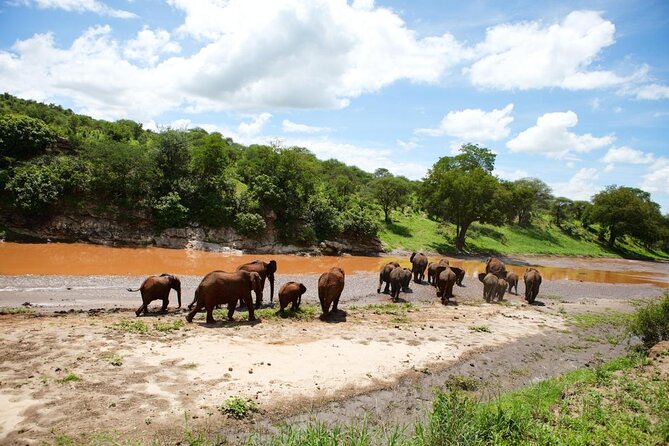
This is a highlights safari, not a slow study of one park. You cover three of northern Tanzania’s best-known wildlife areas in four days, beginning and ending in Arusha.
That makes the trip useful if your schedule is tight. You get three very different settings and a good chance to see a long list of animals. The tradeoff is road time. Day 2 and Day 3 involve major transfers, and the final return to Arusha comes after a morning crater drive.
The advertised rate is $1,500 per person. That is not a budget day trip, but the price includes all fees and taxes, three breakfasts, four lunches, three dinners, camping equipment, and the safari transport and guiding arrangement. Since park fees in this region can add up quickly, the package is easier to justify than a price that covers transport alone.
The strongest value comes from the range of scenery and wildlife packed into the route. If you want a relaxed camp holiday, this may feel hurried. If you want the classic northern Tanzania circuit without adding a full week, the plan is sensible.
More Private Tours in Arusha
- Private 6-Day Tarangire Manyara Crater and Serengeti with Mid-Range Lodges
★ 5.0 · 238 reviews - 5 Days Budget Private Safari, Tanzania
★ 5.0 · 191 reviews - 5-Day Private Northern Tanzania Safari from Arusha
★ 5.0 · 182 reviews
Day 1: Tarangire’s baobabs and elephant herds
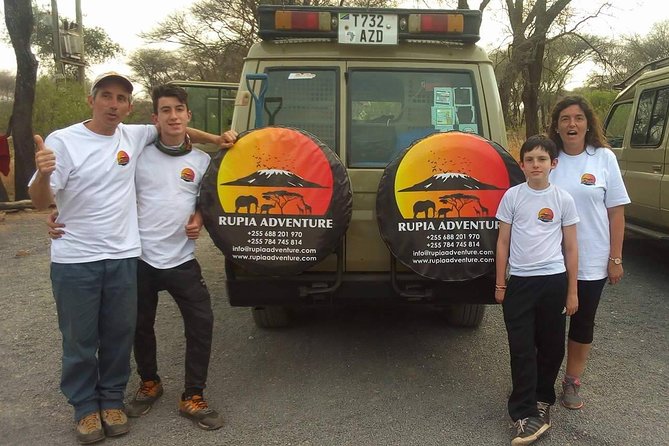
Pickup is described for 8:30 AM, followed by the drive to Tarangire National Park. Once inside, you spend the day on game drives and eat a picnic lunch.
Tarangire has a character of its own. Acacia woodland gives way to open areas, giant African baobabs, and broad swamp country in the south. During the dry season, the Tarangire River and the swamps act like a water magnet, bringing animals into view.
The park is especially known for its elephants. If elephants are high on your wish list, this opening day gives you a strong reason to choose this route rather than one focused only on the Serengeti. The setting also changes the feel of the safari. You are not simply crossing open grassland. Trees, thick brush, and enormous baobabs create a more varied frame for photographs.
Tarangire is also associated with three less common species: greater kudu, fringe-eared oryx, and ashy starling. Seeing any of them depends on timing, habitat, and luck, but their presence adds interest for anyone who enjoys birds and less familiar animals as much as the famous cats.
The picnic lunch keeps the day moving, though you should expect a full day in the vehicle. Roads on safari can be rough, and one past account described the ride as very bumpy. Another raised concerns about vehicle breakdowns and poor condition. Most of the supplied experiences describe good vehicles and safe driving, but this mixed record gives you a fair reason to ask about the vehicle, repair support, and seating before departure.
Day 2: From Karatu highlands to the Seronera plains
After breakfast, you head through the farmland around Karatu and across the Ngorongoro Conservation Area toward the Serengeti. The route drops from the higher country into the broad plains of the national park.
This is one of the most scenic transitions of the trip. The farmland and highlands feel settled and cultivated, then the view opens into the immense grasslands of the Serengeti. The scale can be startling. You may see rolling plains stretching far into the distance, with very little to interrupt the horizon.
The plan takes you toward Seronera in central Serengeti. The Seronera River supplies water and helps support a wide range of wildlife, making this one of the park’s key viewing areas. You arrive around lunchtime, then take an afternoon game drive.
This afternoon is your main introduction to Serengeti wildlife. The area can produce sightings of lions, leopards, elephants, buffalo, hippos, hyenas, ostriches, cheetahs, and many other species. Past safari parties have reported seeing large numbers of lions and hippos, along with hyenas and ostriches, but animal sightings are never guaranteed.
The Big Five label can be useful shorthand, but it can also set the wrong expectation. Lions, elephants, and buffalo are possible highlights. Leopards are more elusive, and black rhinos are particularly difficult to find. A safari guide can help you look, but wildlife is wild and daily conditions matter.
The long transfer is the weak point of the day. You gain access to central Serengeti, but you lose time to driving. I would choose this route for the chance to see the park’s plains and wildlife, not for comfort or a leisurely schedule.
Day 3: A final Serengeti morning and Maasai country
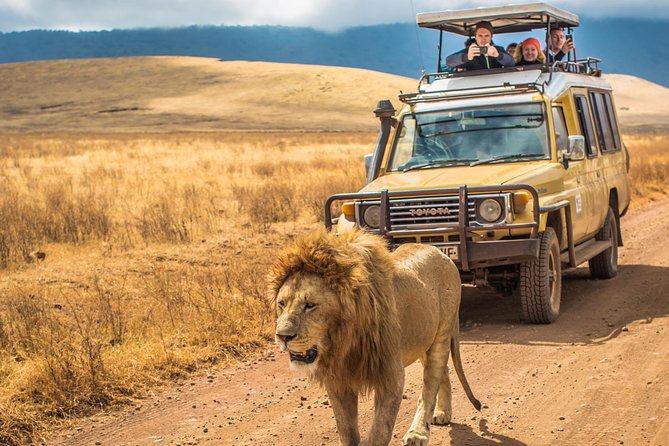
Day 3 begins with an early breakfast and a final morning game drive in the Serengeti. That early start matters. Morning conditions often give you a different view of the park than the previous afternoon, and you get one last chance to search the Seronera area before leaving.
You then travel toward the Ngorongoro Conservation Area, with wildlife viewing along the way and a picnic lunch. This is another transfer-heavy day, so pack your camera and water where you can reach them rather than burying them in luggage.
Ngorongoro is not a national park. It is a conservation area managed for wildlife and for local Maasai communities, whose cattle graze in the same broader area as indigenous animals. That shared use is one of the most important parts of the visit. You are seeing more than a protected wildlife zone. You are entering a place where conservation and pastoral life exist side by side, with all the practical tensions that arrangement involves.
The itinerary does not state a specific Maasai village visit. You should not assume one is included. The value here is the setting and the chance to understand that the conservation area has human residents and working livestock, not just animals behind a park boundary.
Camping near or inside the parks keeps you close to the route and helps control the cost. It also means you should be comfortable with basic conditions. The tents are waterproof and designed for two people, with mosquito nets. Camping equipment is included, but this is still public campsite accommodation, not lodge service.
Several past bookings used lodge accommodation instead, with an extra charge. If you prefer a bed, a private bathroom, or more comfort after long drives, ask for a lodge upgrade and the exact added cost before booking.
More Safaris in Arusha
- Serengeti Balloon Safari and authentic bush breakfast
★ 5.0 · 2,480 reviews - Balloon Safari & Bush Breakfast in Serengeti – Miracle Experience
★ 5.0 · 1,646 reviews - 4 Days Group Camping Safari
★ 5.0 · 1,101 reviews - 5 Days Group Camping Safari
★ 5.0 · 730 reviews
Day 4: Five hours inside Ngorongoro Crater
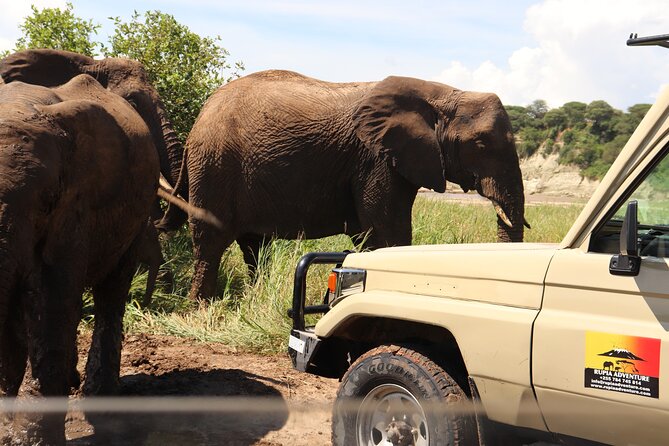
After breakfast, you descend into the crater for about five hours of game driving. You eat a picnic lunch on the crater floor, then drive back to Arusha in the late afternoon.
Ngorongoro Crater is the trip’s most concentrated wildlife setting. Its water and grazing areas support an estimated 30,000 animals, including wildebeest, zebra, buffalo, eland, warthog, hippo, and giant African elephants. The crater also provides habitat for predators such as lions, hyenas, jackals, cheetahs, and leopards.
The chance to see one of Tanzania’s remaining black rhinos is a major reason to visit. A sighting is never certain, but the crater gives you a serious opportunity. The enclosed geography also means you can spend less time covering enormous distances than you do in the Serengeti.
The crater floor can feel busy with animals and safari vehicles alike. That is the price of visiting one of the region’s most famous wildlife areas. Still, the concentration of species makes the five-hour drive worthwhile, especially after the broad, open views of the Serengeti.
The final drive to Arusha may be tiring. The timing depends on road conditions and how long the crater drive takes, so avoid scheduling a tight evening flight or an important appointment unless the operator confirms a reliable arrival time.
Guides can make or break the safari
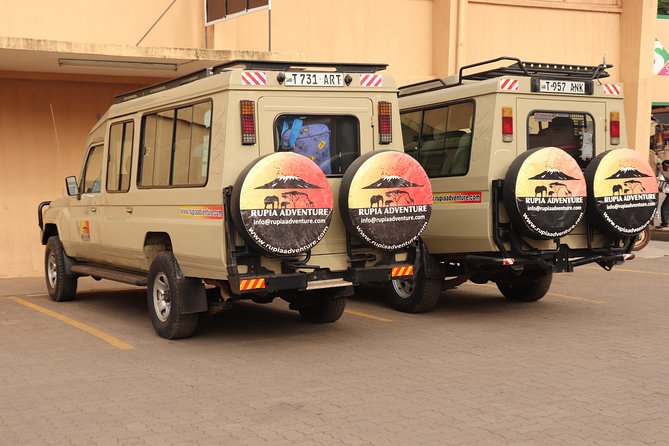
The company has used several guides and drivers on past departures, including Pendael, Waldo, Bakari, Erasto, Joseph, and Miraji. The strongest praise centers on safe driving, animal spotting, explanations of animals, birds, trees, and local surroundings, and a good attitude during long days.
Joseph is described as a careful driver who worked hard to find animals and answered questions. Bakari received similar praise for explaining plants and animals while keeping spirits up. Pendael was singled out for detailed knowledge of wildlife, birds, and trees. Miraji was appreciated for being friendly and professional.
Those details matter. A safari guide is not just the person behind the wheel. Your guide decides how long to wait at a sighting, helps identify distant animals, explains behavior, and handles the rough roads. A patient guide can turn a quiet stretch of grassland into an interesting lesson.
The company also uses cooks on some camping departures. David is praised for preparing fresh, tasty meals and adding humor to the trip. Since all four lunches and three dinners are included, food is a meaningful part of the package rather than a minor extra.
Ask in advance who will guide your departure and how many people will share the vehicle. The activity is presented as private, with only your group participating. Yet some past arrangements included groups of up to 12 people in two vehicles, while another booking began with one couple and later added another couple. The arrangement may depend on the booking, so get a clear answer.
Camping, meals, and the real comfort level
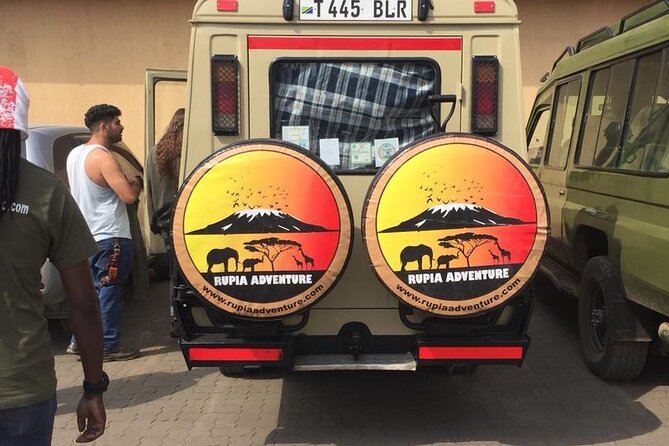
The sleeping setup is simple: waterproof two-person tents with mosquito nets, camping equipment, and mattresses. This works well for people who want to spend more of their budget on park access and guiding.
It is not the right choice if you need hotel-style comfort every night. Public campsites can feel exposed and basic, and the supplied information does not promise private facilities or lodge amenities.
Meals are included from breakfast on Day 2 through breakfast on Day 4, with lunch every day and dinner for the first three nights. That removes the need to arrange food during park transfers. Camping cooks have received some of the warmest praise, particularly David’s fresh meals.
If you choose a lodge version, expect to pay more. One past booking found the extra cost worthwhile, especially after long days in the vehicle. I would compare the upgrade price with your own tolerance for camping rather than treating either option as universally better.
What the $1,500 price really buys
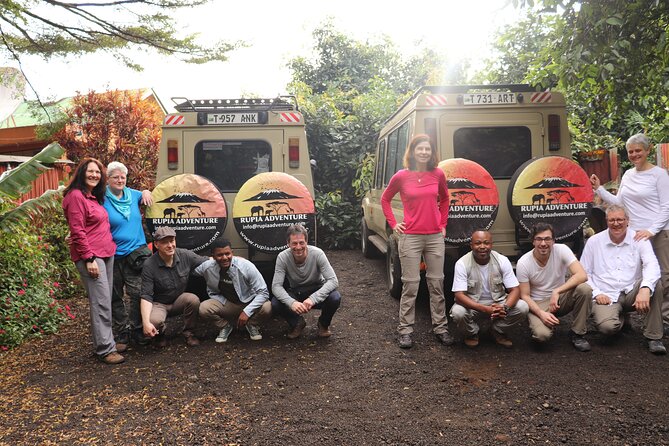
At $1,500 per person, this safari should be judged as a complete package. You are paying for four days of park access, a private or small-group safari setup, transport, guiding, camping gear, meals, and the chance to visit three major northern Tanzania destinations.
The value is strongest if you want the full route and do not want to arrange each element separately. Tarangire, Serengeti, and Ngorongoro each offer a different type of wildlife viewing, and the included meals and fees make the total easier to plan.
The value is weaker if you dislike long road transfers or want a slower itinerary. Adding a day would give you more breathing room, but this four-day format is designed for a concentrated first safari.
Tips are not included. Plan to tip separately if the guide, driver, or cook provides good service. Also confirm any lodge supplement, group arrangement, payment method, and vehicle details before booking.
Who should book this four-day route
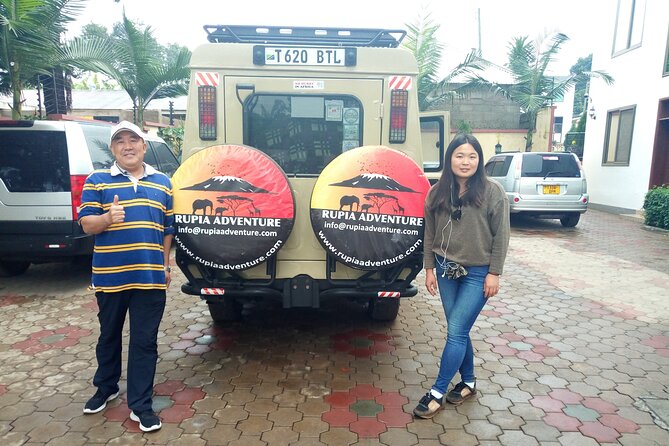
I would recommend it to you if this is your first northern Tanzania safari and you want the classic trio of Tarangire, Serengeti, and Ngorongoro in a short window. It also suits people who care more about wildlife and scenery than polished accommodation.
You should think twice if you need predictable road comfort, dislike camping, or have limited tolerance for early starts. A lodge upgrade may solve the sleeping issue, but it will not remove the long drives.
The cancellation terms are fairly clear: cancel at least three full days before the local start time for a full refund. Later cancellations and changes are not refunded or accepted. Poor weather or an unmet minimum number of participants can lead to a new date, a different experience, or a full refund.
Should you book it?
Book this safari if you want a compact, high-energy route through three of Tanzania’s finest wildlife areas and you are comfortable with basic camping. The strongest reasons are the elephant country of Tarangire, the central Serengeti game drives, the crater’s dense animal population, and the guide and cook reports that point to warm, capable service.
Before you commit, confirm four things: the correct pickup time, the condition of the safari vehicle, the number of people in your vehicle, and whether your booking is camping or lodge accommodation. If those answers suit you, $1,500 can deliver a very full four days in northern Tanzania. If you want more comfort and less road time, choose a longer or upgraded plan instead.
FAQ
Where does the safari start?
The safari starts in Arusha, Tanzania, with hotel pickup offered.
How long does the safari last?
The experience lasts approximately four days.
Which parks and conservation areas are included?
The route includes Tarangire National Park, Serengeti National Park, the Ngorongoro Conservation Area, and a game drive inside Ngorongoro Crater.
Is the tour private?
The activity is described as private, with only your group participating. Because past arrangements have included shared vehicles and larger groups, confirm the exact vehicle and group setup when booking.
What accommodation is included?
The standard accommodation uses waterproof two-person tents with mosquito nets at public campsites located inside or outside the parks.
Are meals included?
Yes. The package includes three breakfasts, four lunches, and three dinners.
Are park fees and taxes included?
Yes. All fees and taxes are included in the listed package.
Can I cancel for a full refund?
Yes, if you cancel at least three full days before the experience start time. Cancellations made later are not refunded, and late changes are not accepted.
More Serengeti Safaris
- 5-Day Highlights mid-Range Crater, Serengeti, Tarangire
★ 5.0 · 296 reviews - 3-Day Classic Serengeti Safari
★ 5.0 · 263 reviews - 10-Day Serengeti Wildebeest Migration Safari from Arusha
★ 5.0 · 218 reviews - 8 Day Spectacular Migration Serengeti mid -Range Tanzania Safari
★ 5.0 · 161 reviews
More Ngorongoro Crater Tours
- 3 Days Serengeti & Ngorongoro Group Camping Safari
★ 5.0 · 574 reviews - 5 Days Camping Tarangire, Serengeti & Ngorongoro crater & Visiting Maasai
★ 5.0 · 229 reviews - 4 Days Join Group tour Tarangire Serengeti and Ngorongoro crater
★ 5.0 · 219 reviews - 4-Day Safari from Arusha: Tarangire, Serengeti and Ngorongoro
★ 5.0 · 173 reviews
Just added around Arusha
- 5 Days Safari Tarangire, Serengeti, and Ngorongoro Crater★ 5.0 · 3 reviews
- Love lives in Africa★ 5.0 · 3 reviews
- 5 Days of Safari, Culture & Hot Springs – Tour from Arusha★ 5.0 · 3 reviews
- Arusha National Park Safari by Jeep★ 4.5 · 3 reviews
- 5Days Family _Group Tour Lodging Mid-Range in the Jungle★ 5.0 · 3 reviews
- Serengeti & Ngorongoro 3 Days Budget Safari★ 5.0 · 3 reviews
- 2 Days Tarangire and Ngorongoro Crater Tour★ 5.0 · 3 reviews
- 7 Days PRIVATE Best of Tanzania Safari *Departing everyday*★ 5.0 · 3 reviews
Serengeti Safaris, compared.

Serengeti Balloon Safari and authentic bush breakfast
Read our review →
Balloon Safari & Bush Breakfast in Serengeti – Miracle Experience
Read our review →
3 Days Serengeti & Ngorongoro Group Camping Safari
Read our review →
5-Day Highlights mid-Range Crater, Serengeti, Tarangire
Read our review →


Private 6-Day Tarangire Manyara Crater and Serengeti with Mid-Range Lodges
Read our review →
5 Days Camping Tarangire, Serengeti & Ngorongoro crater & Visiting Maasai
Read our review →Browse the lists this tour appears in