
Reviewed · SAFARIS IN MOSHI
9 Days – Best of Tanzania Safari
Wild Africa comes in long views. This nine-day private safari links Tanzania’s Northern Circuit, from elephant country in Tarangire to the open plains of the Serengeti, with Lake Manyara, Ngorongoro Crater, and Lake Ndutu along the way. I like the private 4×4 vehicle, which gives your group its own space and makes the long drives easier to manage.
I also like the careful mix of wildlife areas. You get elephants and birds in Tarangire, tree-climbing lions and hippos at Lake Manyara, dense animal numbers in Ngorongoro Crater, and a strong chance of seeing wildebeest and zebra around Ndutu. The main consideration is the pace: you cover a lot of ground, and several days involve early starts and long drives.
The package costs $4,000 per person and includes lodging, meals, bottled water, park fees, taxes, and a private air-conditioned vehicle with WiFi. That is a substantial price, but it covers many of the costly pieces of a northern Tanzania safari. You should still budget separately for international and domestic flights, a visa, drinks, laundry, phone calls, and personal expenses.
In This Review
- Key points to know before booking
- Why this Northern Circuit route works
- Day 1: Kilimanjaro Airport to Arusha
- Day 2: Elephants and open-roof viewing in Tarangire
- Day 3: Lake Manyara beneath the Rift Valley Escarpment
- Day 4: The Ngorongoro Crater’s crowded wildlife floor
- Days 5 and 6: Following the season around Lake Ndutu
- Day 7: Entering the central Serengeti at Seronera
- Day 8: A full day in the Serengeti
- Day 9: Sunrise sightings and the flight home
- Accommodation, meals, and comfort
- Is $4,000 per person fair value?
- Who will get the most from this safari?
- Should you book the Best of Tanzania Safari?
- FAQ
- Where does the safari start?
- How long does the safari last?
- Which national parks and wildlife areas are included?
- Is this a private safari?
- What is included in the $4,000 price?
- Are flights and drinks included?
Key points to know before booking
- Private 4×4 safari vehicle: Your group travels together in a custom-designed vehicle with an open roof for game viewing.
- Five major wildlife areas: The route includes Tarangire, Lake Manyara, Ngorongoro Crater, Lake Ndutu, and Serengeti National Park.
- Best seasonal focus: Ndutu is especially important from December through April, while July through October is presented as the strongest period for the northern Serengeti migration.
- Comfort-category lodging: Nights use a mix of hotels, tented lodges, and tented camps, all described as having private bathrooms.
- Meals and park costs included: Breakfast, lunch, dinner, accommodation, entry fees, taxes, bottled water, and vehicle transport are part of the package.
- A flight ends the safari: On Day 9, you fly from Seronera airstrip to Kilimanjaro, but flights are not included in the advertised price.
Why this Northern Circuit route works
Tanzania’s Northern Circuit is popular for a good reason. It packs several very different wildlife settings into one trip without requiring you to choose between the Serengeti and Ngorongoro Crater. You move from baobab country and elephant herds to a crater floor filled with animals, then into the plains where the annual wildebeest movement may pass.
This route is not a slow, one-area safari. It is a broad sampler with enough time in the Serengeti and Ndutu to feel the difference between short stops and proper game-drive days. You have afternoon drives on some days, then full-day outings in Ndutu and the Serengeti.
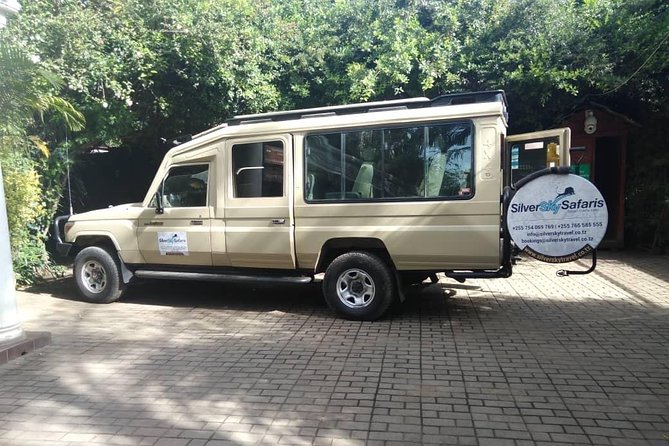
The private format matters. You are not sharing the vehicle with strangers, so your group can settle into its own rhythm. You can also discuss how much time to spend at a sighting with your driver-guide. The supplied vehicle details include air conditioning, an open roof, and onboard WiFi, useful comforts during long hours on rougher roads.
Pickup begins in Arusha at 8:00 a.m. on the main safari days. The trip also includes airport pickup from Kilimanjaro International Airport on arrival, followed by transfer to Arusha.
More Safaris in Moshi
- Great Migration Safari In Tanzania
★ 5.0 · 71 reviews - 6 Days Tanzania Classic Safari
★ 5.0 · 52 reviews - 4 Days Tanzania Private Safari | Serengeti , Ngorongoro & Tarangire Safari
★ 5.0 · 16 reviews
Day 1: Kilimanjaro Airport to Arusha
Your safari starts with a welcome at Kilimanjaro International Airport. A driver-guide meets you and escorts you to your selected hotel in Arusha.
This is a sensible first day. You do not start with a long park transfer immediately after an international flight. Instead, you get time to reach the city, settle into your hotel, and meet the person who will guide you through the safari.
The plan says the guide will introduce you to Arusha and Tanzania. Since the specific hotel is not named, confirm its location and what is included before you arrive. This night is mainly a practical reset before the early departure toward Tarangire.
Day 2: Elephants and open-roof viewing in Tarangire
You leave Arusha early and drive south to Tarangire National Park, arriving around midday for lunch at the lodge. The afternoon is reserved for a game drive, which gives you a first strong look at Tanzania’s wildlife.
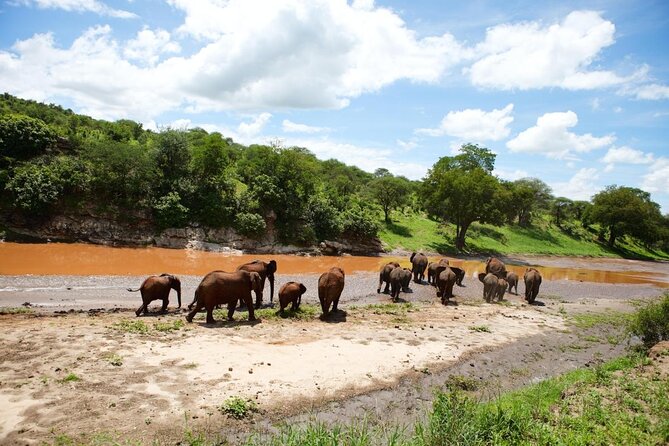
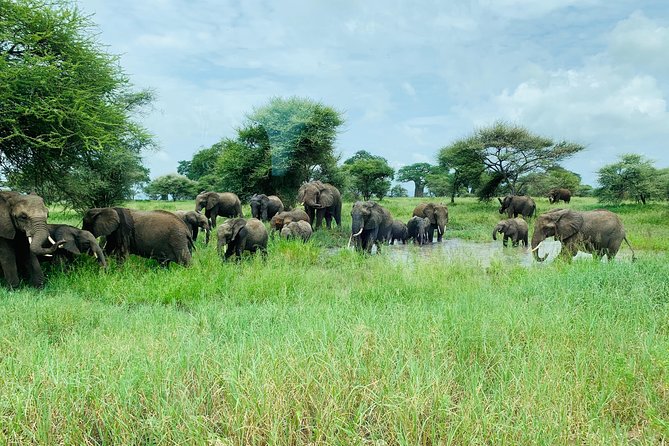
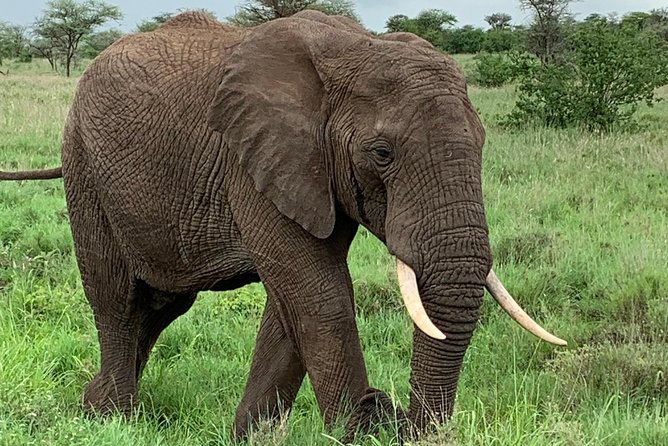
Tarangire is especially well known for elephants, and the itinerary puts them at the center of the day. You may also look for lions, cheetahs, leopards, zebras, wildebeest, buffalo, antelope, and many bird species.
The open roof is particularly useful here. You can stand or sit beneath the raised roof for a wider view, rather than peering through a side window. It also gives you a clear angle for photography, although you should still follow the guide’s instructions around animals.
The park’s appeal is not only its animal list. Tarangire offers a strong change of scenery from Arusha, with large trees, open areas, and wildlife gathered near water. It is a good first park because you can begin learning how game drives work without waiting several days for the trip’s main event.
You return to the lodge for dinner and rest. Since the arrival and afternoon drive happen on the same day, you may feel the early start by evening.
Day 3: Lake Manyara beneath the Rift Valley Escarpment
After breakfast, you collect a picnic lunch and leave Tarangire for Lake Manyara National Park. The drive is described as short and pleasant compared with some of the longer transfers later in the safari.
Lake Manyara sits at the base of the Great Rift Valley Escarpment. The park combines plains, acacia woodland, lake shore, and shallow alkaline water. That mix gives you a different kind of game drive from Tarangire.
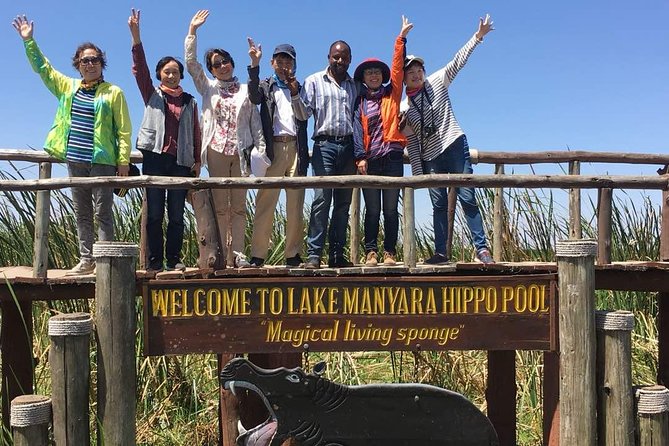
You might see buffalo, elephants, giraffes, impala, hippos, and other species. Bird watching is another reason to include the park, particularly around the lake and its wet areas. The day’s program also points to the park’s tree-climbing lions, one of its best-known attractions.
This stop is valuable because it breaks up the route with a compact park that has varied scenery. It is not the place to expect the same scale as the Serengeti, but it can provide excellent close-range sightings and a strong sense of how much wildlife can gather in a smaller area.
The picnic lunch keeps the day moving. That is convenient, though it means you should be comfortable eating outdoors and spending most of the day in the vehicle. The itinerary information does not specify the exact lunch setting or the evening accommodation, so ask for those details if they matter to you.
More safaris to compare:
- 6 Days Big Five Tanzania Safari
★ 5.0 · 15 reviews - 7 Day Grand Tanzania Safari
★ 5.0 · 13 reviews - 6 Days 5 Nights lodge safari Tarangire, Manyara, Serengeti & Ngorongoro Crater
★ 4.5 · 10 reviews - 4 Days Tanzania Luxury Safari Serengeti and Ngorongoro Crater
★ 5.0 · 9 reviews
Day 4: The Ngorongoro Crater’s crowded wildlife floor
After breakfast, you continue to the Ngorongoro Conservation Area and descend about 600 meters into Ngorongoro Crater for a game drive. The crater is a World Heritage Site with high walls and a permanent animal population estimated at more than 30,000.
This is one of the strongest days of the trip. The enclosed crater setting makes wildlife viewing feel concentrated. You may see lions, elephants, zebras, hippos, flamingos, jackals, antelope, many bird species, and, with good fortune, the rare black rhino.
The possibility of seeing the Big Five in one game drive is a major draw, but keep your expectations sensible. Wildlife is wild, and no guide can guarantee every animal. What the crater does offer is a better chance of seeing several major species in a relatively compact area.
The 600-meter descent and ascent are part of the experience, but they also add to the day’s physical and road fatigue. You will spend much of the day in the vehicle, and the crater can feel busy when many safari vehicles gather around a sighting. The payoff is the setting itself: a broad natural enclosure where plains, woodland, water, and animals come together.
Days 5 and 6: Following the season around Lake Ndutu
On Day 5, you leave the Ngorongoro area for Lake Ndutu, part of the southern Serengeti ecosystem. You arrive around lunchtime, then head out for an afternoon game drive after eating.
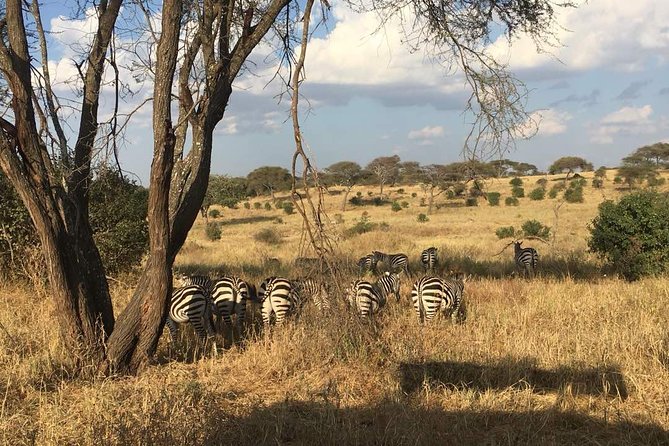
Ndutu is a seasonal choice, and that point matters. From December through April, the short-grass plains can hold large numbers of wildebeest during the migration. The area is also used by elephants, birds, and resident wildlife.
Day 6 gives you a full game drive around Ndutu. You explore swamps, woodland, soda lakes, and short-grass plains. This wider range of habitats makes the area more than a single-purpose migration stop.
February is highlighted as a key calving period, usually lasting around three weeks. Wildebeest calves can run within minutes of birth and generally become strong enough to keep up with the herd after about three days. That concentration of young animals can also attract predators, so the season brings both tenderness and tension.
If you are planning specifically around the migration, timing is crucial. Ndutu from December to April may be the best fit for calving and short-grass plains. Outside that period, the area may still have wildlife, but the migration pattern can be different. The tour description uses terms such as normally and usually for good reason: nature does not follow a fixed calendar.
A full day here is one of the most valuable parts of the schedule. You are not simply arriving, eating, and leaving. You have time to search across different habitats and watch how the guide reads tracks, animal movement, and the changing light.
Day 7: Entering the central Serengeti at Seronera
After breakfast, you drive toward central Serengeti and the Seronera area. This is the heart of the park, with the Seronera River providing water that draws a wide range of wildlife.
You arrive around lunchtime and take an afternoon game drive. The river makes this part of the Serengeti useful beyond the famous migration season, since resident animals remain in the area. The itinerary points to a broad mix of species, rather than a single target animal.
Central Serengeti is a good counterpoint to Ndutu. Ndutu is strongly tied to a seasonal movement and calving period, while Seronera offers a more general wildlife experience. You may see predators, grazing animals, and birds in the same broad region.
This is another transfer day, so you should expect a balance of driving and viewing rather than a full day focused only on game. The accommodation location matters here. Staying near Seronera can reduce the time spent getting to the next morning’s viewing area, but the exact property is not provided.
Day 8: A full day in the Serengeti
You wake in the Serengeti and spend the day on a game drive in the Wagakuria area. The program describes especially strong resident wildlife numbers, including lion prides that can reach about 30 animals.
This is the safari’s main full-day wildlife outing in the central and northern parts of the park. The July through October period is presented as the most desirable time for seeing the Great Migration, when more than two million wildebeest, zebras, and gazelles move through the Serengeti and Masai Mara ecosystems.
The migration is the headline, but it should not be the only reason you book. The Serengeti’s broad plains and resident animals make it worthwhile even when the herds are elsewhere. The route’s real strength is that it gives you several chances to see wildlife in different zones and seasons.
A full-day drive can be tiring. You spend many hours seated, and exact sighting locations cannot be predicted. Pack patience along with your camera. The private vehicle helps because your group can discuss breaks and priorities rather than following a fixed shared schedule.
Day 9: Sunrise sightings and the flight home
The final day begins with an early morning game drive before breakfast. This is the best time of day for watching animals leave cover, begin feeding, or return from a night hunt.
You then return to the lodge for a hot breakfast before transferring to Seronera airstrip for your flight to Kilimanjaro. The flight saves you from another long overland drive, which is a welcome ending after eight days on safari.
Pay close attention to the cost details here. Flights are listed among the items not included, so the advertised $4,000 price does not cover this final air connection. The same applies to your international flights, visa, alcohol, phone calls, laundry, and other personal expenses.
Accommodation, meals, and comfort
This is described as a comfort-category safari, not a luxury itinerary. Accommodation combines hotels, tented lodges, and tented camps, with private bathroom facilities. That mix should appeal to you if you want a real safari atmosphere without giving up basic privacy.
All accommodation is included, but the individual properties are not named in the available details. Ask for a night-by-night lodging list before booking. The location of each camp can affect how early you leave, how long you drive to game areas, and how much time you spend inside the parks.
Meals are also included. The package lists eight dinners, eight lunches, and ten breakfasts, though the trip lasts approximately nine days and the schedule may involve airport or hotel arrangements. Ask the operator to clarify the meal count and which meals are served at each property.
Bottled water is included, along with air conditioning and WiFi on board. WiFi can be useful for basic messages, but you should not plan your safari around a constant connection. The main value is having water and core transport handled during long days outside towns.
Is $4,000 per person fair value?
At $4,000 per person, this is not a budget safari. Still, the price covers a private vehicle, driver-guide, accommodation, meals, park fees, taxes, bottled water, and airport transfers at the beginning and end of the route. Those inclusions take care of many expenses that can quickly add up on a self-arranged trip.
The value is strongest if you want a private trip across several parks and do not want to coordinate lodging, permits, meals, and vehicle hire yourself. It is also useful for a multigenerational group. One particularly positive account describes the safari working well for three generations, which fits the private format and varied pace.
The price is harder to judge without the names and locations of the camps, the exact flight cost, and the size and specifications of the vehicle. Ask for those details in writing. You should also confirm whether the $4,000 rate changes with the number of people in your group.
Who will get the most from this safari?
I would recommend this trip to you if you want the classic Northern Circuit in one organized package. It suits someone who values a private vehicle, several major parks, comfortable tented accommodation, and a strong chance of seeing both resident wildlife and seasonal migration activity.
It is also a good fit for families or groups of different ages because you travel privately and do not have to match another group’s schedule. Guide Bariki is specifically praised for his friendly service and skill at finding wildlife, which is encouraging, though you should confirm who will lead your particular departure.
I would hesitate if you want a slow, lodge-based holiday with little time on the road. This itinerary covers a lot of ground. I would also be cautious if your only goal is the wildebeest migration, since the best viewing area changes by month and no wildlife sighting is guaranteed.
The operator offers free cancellation up to 24 hours before the local start time. Late cancellations and last-minute changes are not accepted for a refund, and poor weather or insufficient bookings can lead to a date change, alternate experience, or full refund.
Should you book the Best of Tanzania Safari?
Book it if you want a broad, private safari with the major Northern Circuit parks included and you are comfortable with early mornings, long drives, and a full schedule. The combination of Tarangire elephants, Lake Manyara’s varied habitats, Ngorongoro’s concentrated wildlife, Ndutu’s seasonal plains, and Serengeti game drives gives you a strong first look at Tanzania.
Before paying, ask for the exact accommodation list, the domestic flight cost, the vehicle capacity, and the best departure month for your priorities. If those details fit your budget, this is a well-rounded choice for seeing a great deal of Tanzania in nine days.
FAQ
Where does the safari start?
The main meeting point is Arusha, Tanzania, with a listed start time of 8:00 a.m. Airport pickup is offered from Kilimanjaro International Airport on arrival.
How long does the safari last?
The experience lasts approximately nine days.
Which national parks and wildlife areas are included?
The route includes Tarangire National Park, Lake Manyara National Park, Ngorongoro Crater, Lake Ndutu, and Serengeti National Park.
Is this a private safari?
Yes. Only your group participates, and the trip uses a private 4×4 safari vehicle with an open roof for game viewing.
What is included in the $4,000 price?
The package includes accommodation, meals, bottled water, an air-conditioned vehicle, WiFi on board, park entry fees, all fees and taxes, and listed airport transfers. It includes eight dinners, eight lunches, and ten breakfasts according to the supplied details.
Are flights and drinks included?
No. Flights, including the flight from Seronera airstrip to Kilimanjaro, are not included. Alcoholic beverages, visa costs, phone calls, laundry, and other personal expenses are also excluded.
Just added around Kilimanjaro
- 5 days Serengeti Wildebeest Migration Safari★ 5.0 · 3 reviews
- Tanzania Safari and Kilimanjaro Climb Multi-Day Experience★ 5.0 · 3 reviews
- 7 Days Mountain Kilimanjaro climb Machame Route★ 5.0 · 4 reviews
- 8-Day Tanzania Migration Footsteps – Midrange★ 5.0 · 4 reviews
- 4 Days Lake Manyara National Park, Ngorongoro Crater , Serengeti National Park.★ 4.0 · 4 reviews
- 6 Days Mara River Crossing – The Great Migration★ 5.0 · 5 reviews
- 6- Day Adventure Lodge safari to see Migration★ 4.5 · 5 reviews
- 7 Day Safari in Tanzania National Parks★ 5.0 · 5 reviews
Safaris in Moshi, compared.

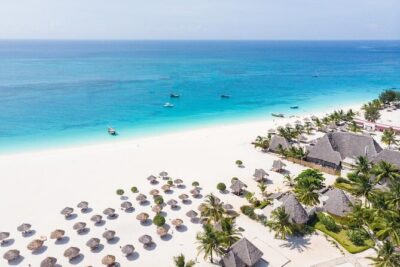
Unforgettable Tanzania Safari And Zanzibar Beach
Read our review →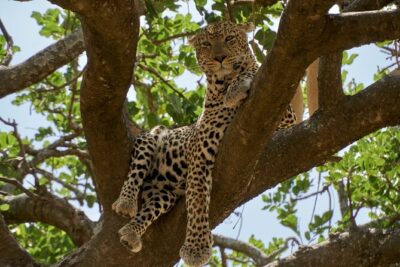
Serengeti, Ngorongoro and Tarangire 4 Days Safari
Read our review →
7-Day Magical Tanzania Safari -Premium High End Package
Read our review →Browse the lists this tour appears in