
Reviewed · WILDEBEEST MIGRATION SAFARIS
Great Migration Safari In Tanzania
The wildebeest are only part of the story. This seven-day private safari links Tarangire, northern and central Serengeti, and Ngorongoro, giving you a strong mix of elephants, big cats, open plains, and possible Great Migration sightings. I like the freedom of a private 4×4 safari and the chance to shape the trip around your own group.
I also like the route’s variety. You move from baobab country to the Mara region, then south to central Serengeti and down into Ngorongoro Crater. The main caution is the amount of time spent on the road, especially on the long Serengeti transfer days, and the migration is seasonal rather than guaranteed.
In This Review
- Key points to know before booking
- Why this route works for a first Tanzania safari
- Day 1: Kilimanjaro Airport to Karatu
- Day 2: Tarangire’s elephants and baobab trees
- Day 3: Entering Serengeti through Ngorongoro
- Day 4: A full day in northern Serengeti
- Day 5: From northern Serengeti to the central plains
- Day 6: Down into Ngorongoro Crater
- Day 7: Returning to Arusha or Kilimanjaro Airport
- Guides are central to the experience
- What $3,900 buys you
- Who will enjoy this safari most
- Should you book it?
- FAQ
- Where does the safari begin?
- Where does the safari finish?
- How long is the safari?
- What time does the safari start?
- Is this a private tour?
- What type of vehicle is used?
- When is the best time in this itinerary for the Great Migration?
- Does the route include Manyara?
- Can the booking be canceled or changed?
Key points to know before booking
- Private vehicle and guide: Only your group takes part, using a Jeep 4×4 Land Rover or Toyota Land Cruiser with a professional safari guide.
- Best migration window: Northern Serengeti sightings are planned for July through October, when herds may gather near the Mara River.
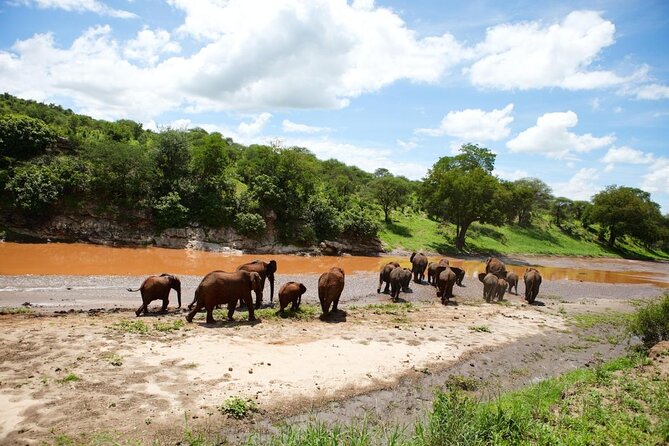
- Strong wildlife variety: Tarangire is noted for elephants and baobabs, central Serengeti for predators, and Ngorongoro for its high animal density.
- Seven active days: Several days run for 8 to 10 hours, with game drives and transfers packed into the schedule.
- Airport convenience: Pickup begins at Kilimanjaro Airport, with the final transfer returning you to Arusha or Kilimanjaro Airport.
- Custom planning: The trip is described as fully tailor-made, useful for families, couples, and private groups with specific interests.
Why this route works for a first Tanzania safari
This itinerary gives you three very different wildlife settings in one compact trip. Tarangire provides a strong opening with large elephant herds and enormous baobab trees. Serengeti then supplies the main drama, with two nights in the north followed by time in the central plains. Ngorongoro finishes the safari with a concentrated wildlife experience inside the crater.
I like that the route does not simply rush into Serengeti and rush out again. The northern section is important for a Great Migration trip, while central Serengeti gives you a better chance to focus on lions and other predators. Ngorongoro adds a final change of scenery and a chance to see many animals in a relatively contained area.
The plan is private, which matters here. You can discuss sightings with your guide, adjust the pace when possible, and avoid sharing the vehicle with strangers. It also means the trip can be altered around your interests, although the published schedule is still fairly full.
One detail needs clarification before you pay. The summary names Manyara as a destination, but the daily program describes Tarangire instead. If Lake Manyara is important to you, ask the company to confirm exactly which park is included. Do not assume the two parks are interchangeable.
More Migration Safaris in Moshi
- 8 Days Great Wildebeest Migration – Mara River Crossing
★ 5.0 · 28 reviews - 7 Days Wildebeest Migration – Ndutu Calving Season
★ 5.0 · 18 reviews - 6 Days Mara River Crossing – The Great Migration
★ 5.0 · 5 reviews
Day 1: Kilimanjaro Airport to Karatu
The safari begins with pickup at Kilimanjaro Airport at about 7:00 am. From there, you take a private car to Karatu, with the transfer listed at about two hours.
This first day is deliberately light. If your arrival schedule allows, you can stop at a local market on the way. Otherwise, you can go directly to your lodge and rest. That is a sensible start after a flight, especially if you are carrying jet lag and still adjusting to the heat.
Karatu works as a practical base for the northern safari circuit. The program does not promise a detailed town tour or a set market visit, so treat the stop as an optional extra rather than a main attraction. Your accommodation is described as a lodge, but the exact property and meal plan are not provided, so confirm those details before booking.
Day 2: Tarangire’s elephants and baobab trees
After breakfast, you drive for about an hour from Karatu to Tarangire National Park. The day includes a game drive and picnic lunch, with roughly seven hours assigned to the park.
Tarangire is a good early stop because it offers a clear change from the areas that follow. The park is associated with large elephant herds, giant baobabs, and a high number of predators. Those features give you plenty to look for even before reaching Serengeti.
The one-hour transfer is relatively easy, but the full park day still calls for patience. Game viewing is not a scheduled performance. You may spend time scanning the trees and grass before anything exciting happens, then suddenly find elephants or predators close to the track.
The picnic lunch is practical, but the supplied details do not say where it takes place or what it includes. Ask about dietary needs and the daily food arrangements ahead of time. The admission ticket is listed as free for this day, while other park entries are shown as included, so a written breakdown of park fees is useful.
Day 3: Entering Serengeti through Ngorongoro
Day three is a long one. After breakfast, you leave Karatu, pass through the Ngorongoro Conservation Area, and continue toward northern Serengeti. The transfer to the Serengeti area is listed at about three hours, with around eight hours devoted to the day’s driving and game viewing.
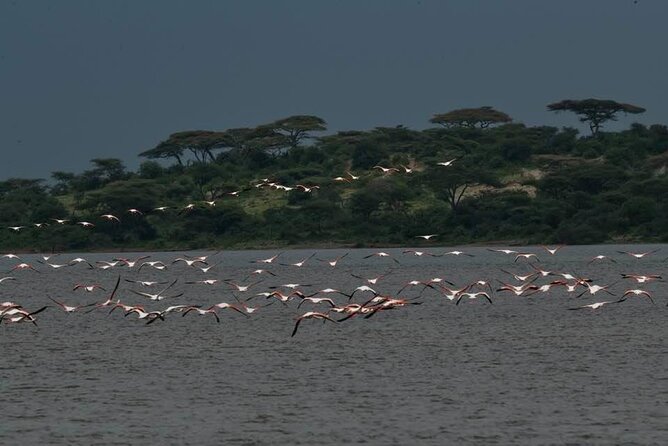
The route takes you toward Lobo, Bologonya, and the Mara regions. These areas are the focus of the migration portion of the safari. From July through October, wildebeest herds may gather in the north before attempting to cross the Mara River, where crocodiles are present.
This is one of the most exciting parts of the plan, but it is also important to keep expectations realistic. The migration follows rainfall and pasture, not a timetable made for tour schedules. You may find herds near the river, or you may see them moving through another part of the northern Serengeti. A private guide can help search widely, but no operator can promise a river crossing.
The long drive is part of the cost of reaching the right region at the right time. If you want the best chance of seeing the migration, I would accept this tradeoff. If you prefer shorter driving days, ask about changing the route or adding an internal flight, though no flight is included in the information provided.
More Safaris in Moshi
- 6 Days Tanzania Classic Safari
★ 5.0 · 52 reviews - 4 Days Tanzania Private Safari | Serengeti , Ngorongoro & Tarangire Safari
★ 5.0 · 16 reviews - 6 Days Big Five Tanzania Safari
★ 5.0 · 15 reviews - 7 Day Grand Tanzania Safari
★ 5.0 · 13 reviews
Day 4: A full day in northern Serengeti
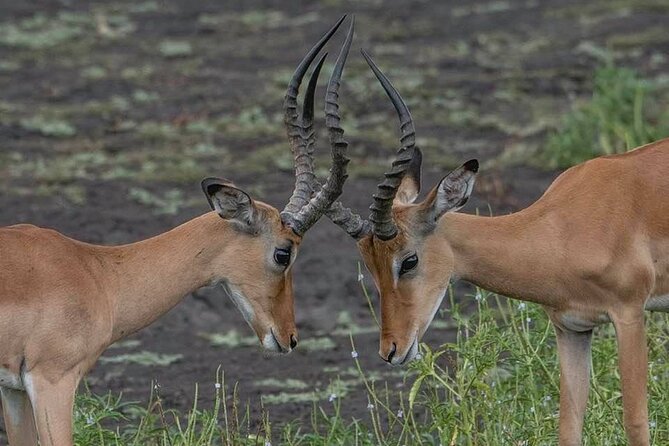
Day four is the most focused migration day, with a full game drive in northern Serengeti and about 10 hours set aside for the experience. The same Lobo, Bologonya, and Mara areas remain the target.
This extra day is valuable because wildlife does not appear on demand. Staying in the north gives your guide more time to look for herds, predators, and activity around the Mara River. It also gives you a better chance to enjoy the region without treating it as a quick stop between transfers.
Ten hours in a safari vehicle can be tiring. The schedule is demanding, and you should be comfortable with early starts, long periods of sitting, dust, and changing conditions. The private format helps because your group can discuss breaks and interests with the guide, but the route still covers substantial ground.
The safari uses either a Land Rover or Toyota Land Cruiser 4×4. The exact vehicle is not assigned in the details, so ask which model is planned and how many people will share it. That is especially important for families or groups carrying camera equipment.
Day 5: From northern Serengeti to the central plains
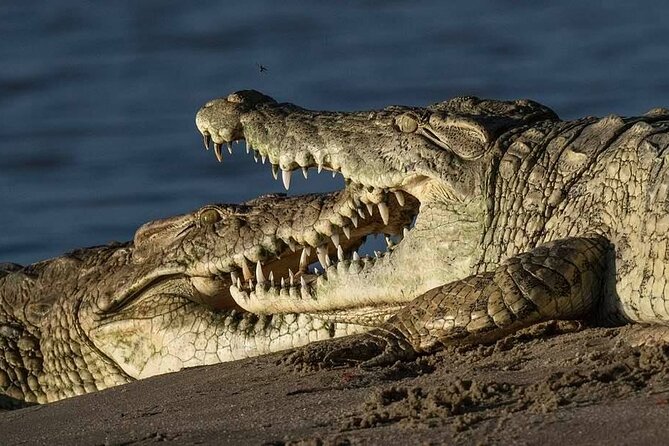
After breakfast, you leave the north and travel toward central Serengeti. The transfer is listed at about three hours, while the full day lasts about 10 hours and includes game viewing along the way.
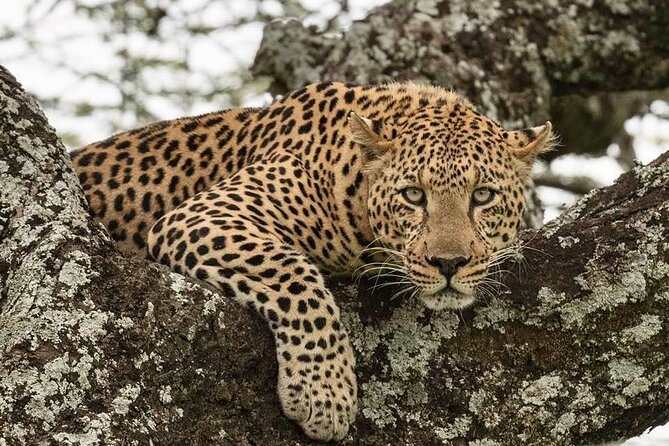
This is more than a simple relocation day. You can continue watching wildlife while moving south, then spend time in central Serengeti. The area is described as a strong place for felines and predators, making it a useful contrast to the migration focus in the north.
The Serengeti is also presented through its wide open plains, especially around Naabi Gate. That broad view helps explain why the park is so important to the annual movement of wildebeest. Herds travel in search of fresh pasture, while crocodile-filled rivers create danger along the route.
I would expect this day to feel busy. You are combining a long transfer with a game drive, so you may not get the same relaxed pace as on a dedicated full-day outing. Still, the route makes good use of the travel time and avoids wasting an entire day simply moving between camps.
Day 6: Down into Ngorongoro Crater
Day six takes you from Serengeti to the Ngorongoro Conservation Area, with about two hours of transfer time. You then descend into Ngorongoro Crater for a game drive and picnic lunch, with about seven hours scheduled for the day.
Ngorongoro is a strong finish because the crater is known for its high density of wild animals. After the broad spaces of Serengeti, the crater gives you a more concentrated setting for wildlife viewing. The change in scale can make the final game drive feel quite different from the days before it.
The conservation area is also important for its human dimension. Maasai people and their livestock live alongside wild animals in the area. This is not simply a place where nature has been separated from daily life, and that shared use is part of what makes the region distinctive.
Again, the picnic lunch is included in the daily plan, but the menu and arrangements are not stated. The admission ticket is listed as included. Ask whether your exact lodge, crater fees, and meals are covered in the quoted price, since the package description does not spell out every inclusion.
Day 7: Returning to Arusha or Kilimanjaro Airport
The final morning begins in Karatu, with time to relax at the lodge or shop if your schedule allows. You then transfer toward Arusha or Kilimanjaro Airport, a journey listed at about two to three hours.
This is a useful departure arrangement because it gives you two possible endpoints. The right choice depends on your onward plans, but you should provide the company with your flight details before confirming the final transfer time.
Do not treat this as a generous sightseeing day. The program describes relaxation or shopping only if time permits. If you have a morning departure, the transfer will be the main event.
Guides are central to the experience
The guide can make or break a safari, and the strongest praise attached to this company centers on the guiding. Names that appear repeatedly in the feedback include Thomas, Ismail, Jackson, Evarest, Samwel Mangulai, Kisamo, and several office contacts who helped shape private itineraries.
The specific guide assigned to your trip is not stated, so do not book on the assumption that one named person will lead your group. Ask who is available for your dates, which languages they speak, and how much influence you will have over the daily pace.
The feedback describes guides who were patient, friendly, helpful, and skilled at locating wildlife. One guide, Jackson, was praised for working with an Italian-speaking family, while Thomas was singled out for putting safety and the group’s happiness first. These details suggest a company culture that values personal service, but your own guide assignment still deserves confirmation.
What $3,900 buys you
The price is $3,900 per person for approximately seven days. That is a serious expense, but a private safari across northern Tanzania includes more than simple transport. The package provides airport pickup, a private vehicle, a professional guide, game drives across several major wildlife areas, and a tailor-made format.
The value is strongest for couples, families, or a small private group that wants control over the vehicle and schedule. A private trip also avoids the social compromises of a shared safari. You are paying for space, flexibility, and direct attention, not just a seat in a vehicle.
Still, the published details do not list every cost included in the price. Accommodation is described in general terms such as lodges and tented camps in the feedback, but property names are not supplied. Meals are mentioned on the Tarangire and Ngorongoro days, yet there is no full meal schedule. Park entry is marked included on some days and free on others.
Before booking, request a written list covering:
- Lodge and tented camp names
- Meals and drinks
- Park and conservation fees
- Airport transfers
- Vehicle type and group capacity
- Any optional activities
- Final airport or Arusha drop-off arrangements
The tour offers group discounts, mobile ticketing, and pickup. Confirmation is provided at booking, and most people can participate. The activity is non-refundable and cannot be changed after cancellation, so make sure your dates and flight plans are firm.
Who will enjoy this safari most
I would recommend this trip to you if the Great Migration is your priority and you want northern Serengeti time built into a private route. It also suits families and honeymoon couples who want their own guide and vehicle rather than a shared group.
You should be comfortable with long days. Days four and five are listed at about 10 hours, and day three lasts about eight hours while covering major ground. This is an active safari, not a short wildlife outing with a lot of free time.
The route also works well if you want a broad first look at Tanzania. You get elephants and baobabs in Tarangire, migration country in the north, predator viewing in central Serengeti, and dense wildlife in Ngorongoro.
Should you book it?
I would book this safari if you want a private, carefully routed trip with a serious attempt at Great Migration viewing between July and October. The combination of two northern Serengeti days, central Serengeti, Tarangire, and Ngorongoro gives you a strong wildlife program, and the 4.9 rating from 71 ratings with 99 percent recommendation points to consistently positive experiences.
I would pause before booking if you dislike long drives or need a fully itemized package price. Confirm the Manyara and Tarangire discrepancy, ask for the exact accommodation list, and get the name of your guide if possible. If those details line up with your expectations, the $3,900 price can make good sense for a private safari with this much ground covered.
FAQ
Where does the safari begin?
It begins at Kilimanjaro Airport in Tanzania.
Where does the safari finish?
The final transfer can end in Arusha or at Kilimanjaro Airport, depending on your arrangements. The activity ends back at the meeting point area.
How long is the safari?
The safari lasts approximately seven days.
What time does the safari start?
The stated start time is 7:00 am.
Is this a private tour?
Yes. Only your group participates in the activity.
What type of vehicle is used?
The safari uses a Jeep 4×4 Land Rover or a Toyota Land Cruiser.
When is the best time in this itinerary for the Great Migration?
The northern Serengeti portion is planned for migration viewing from July through October, when herds may gather before crossing the Mara River.
Does the route include Manyara?
Manyara is named among the destinations, but the daily schedule describes Tarangire instead. Confirm the final route with Savannah Explorers before booking.
Can the booking be canceled or changed?
The experience is non-refundable and cannot be changed for any reason. If you cancel or request an amendment, the amount paid will not be refunded.
More Safaris
- 6 Days 5 Nights lodge safari Tarangire, Manyara, Serengeti & Ngorongoro Crater
★ 4.5 · 10 reviews - 4 Days Tanzania Luxury Safari Serengeti and Ngorongoro Crater
★ 5.0 · 9 reviews - Tanzania Classic Safari 3 Days / 2 Nights
★ 4.5 · 9 reviews - Amazing 4 Days Safari 3 Nights: Tarangire, Ngorongoro, Serengeti
★ 5.0 · 6 reviews
More Migration Safaris
- 6- Day Adventure Lodge safari to see Migration
★ 4.5 · 5 reviews - 8-Day Tanzania Migration Footsteps – Midrange
★ 5.0 · 4 reviews - 5 days Serengeti Wildebeest Migration Safari
★ 5.0 · 3 reviews - 8 Days Great Wildebeest Calving Migration Safari from Arusha
★ 5.0 · 254 reviews
Just added around Kilimanjaro
- 5 days Serengeti Wildebeest Migration Safari★ 5.0 · 3 reviews
- Tanzania Safari and Kilimanjaro Climb Multi-Day Experience★ 5.0 · 3 reviews
- 9 Days – Best of Tanzania Safari★ 5.0 · 4 reviews
- 7 Days Mountain Kilimanjaro climb Machame Route★ 5.0 · 4 reviews
- 8-Day Tanzania Migration Footsteps – Midrange★ 5.0 · 4 reviews
- 4 Days Lake Manyara National Park, Ngorongoro Crater , Serengeti National Park.★ 4.0 · 4 reviews
- 6 Days Mara River Crossing – The Great Migration★ 5.0 · 5 reviews
- 6- Day Adventure Lodge safari to see Migration★ 4.5 · 5 reviews
Wildebeest Migration Safaris, compared.
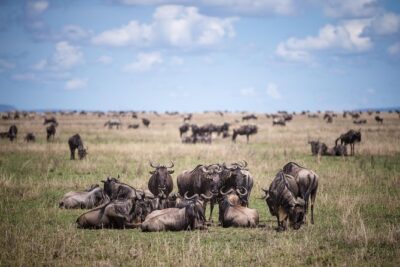
8 Days Great Wildebeest Calving Migration Safari from Arusha
Read our review →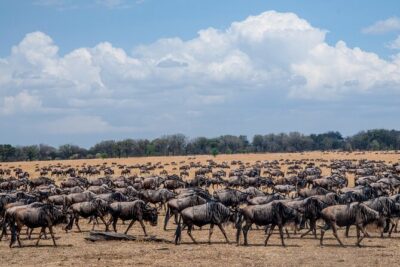
10-Day Serengeti Wildebeest Migration Safari from Arusha
Read our review →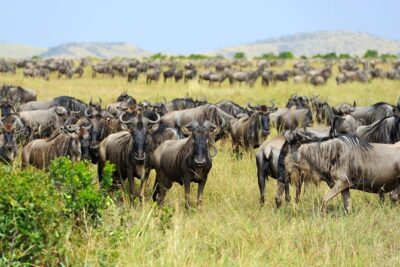
8 Day Spectacular Migration Serengeti mid -Range Tanzania Safari
Read our review →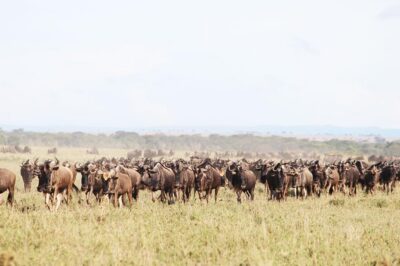
9-Day Serengeti Migration Footsteps Tanzania Safari
Read our review →
Private 6-Day Great Migration Ndutu Serengeti Safari Tour
Read our review →
4 Day Great Migration Safari Serengeti & Ngorongoro Crater
Read our review →
6 Days Tanzania Budget Camping Safari with Migration
Read our review →Browse the lists this tour appears in