
Reviewed · COFFEE EXPERIENCES
Arusha: Coffee Tour
Coffee tastes better when you make it. This half-day outing near Lake Duluti takes you from an organic coffee farm to a finished cup, with hands-on work at nearly every step. I like the simple farm setting and the chance to learn about coffee agriculture from people who actually grow it. I also like that the tour includes lunch, hotel pickup, and drop-off for $55.
The main consideration is timing. At 3.5 to 4 hours, this is a morning commitment rather than a quick stop between safari plans. Bagged coffee is not included, and the optional Mangalia Waterfalls visit may add time and cost, so ask about the exact plan when you book.
In This Review
- Key points to know before booking
- Why this coffee tour feels different
- Starting near Lake Duluti
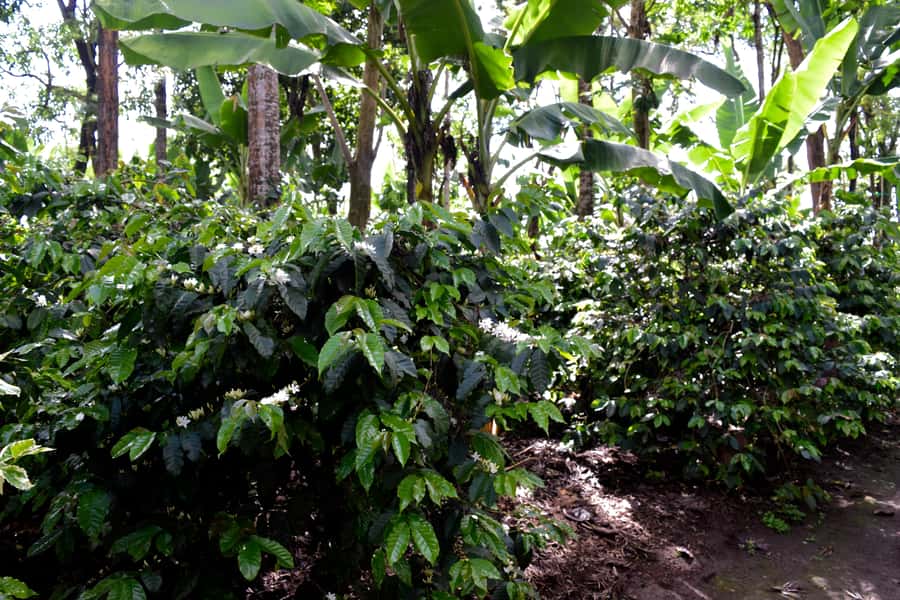
- Learning how coffee grows on an organic farm
- Pounding sun-dried beans to a traditional rhythm
- Roasting over an open flame
- Grinding again and brewing your own cup
- Lunch and a look at village life
- Guides, driving, and the human side of the visit
- Adding Mangalia Waterfalls
- Is $55 good value?
- Who should book this experience?
- Practical tips for a better morning
- Should you book the Arusha Coffee Tour?
- FAQ
- How long does the Arusha Coffee Tour last?
- How much does the coffee tour cost?
- Is hotel pickup included?
- What language does the guide speak?
- Is lunch included?
- Do I get to make the coffee myself?
- Is fresh coffee included?
- Can I buy coffee to take home?
- Can I visit Mangalia Waterfalls during the tour?
Key points to know before booking
- You help make the coffee: Pick, roast, grind, and brew rather than simply watching a demonstration.
- Traditional farm work is part of the fun: Sun-dried beans are pounded with a large mortar and pestle while local songs set the rhythm.
- Richard’s organic farm offers personal contact: Richard and his family welcome visitors and explain how the plants are grown and protected without chemicals.
- Lunch is included: You get more than a tasting, making the $55 price easier to justify.
- Lake Duluti and Mangalia Waterfalls add a nature setting: The waterfall stop is an optional extra for those who want to extend the morning.
- English guiding and pickup are included: Guides such as Imran and Jambo have helped with communication, timing, and transport.
Why this coffee tour feels different
Many coffee visits stop at the plantation walk and a prepared cup. This one asks you to take part. You see how coffee grows, handle the beans, help roast them, grind them, and finally drink the result.
That hands-on sequence gives the visit a clear shape. You are not simply collecting facts about Tanzanian agriculture. You are learning through small physical tasks, and each task makes the final drink more meaningful.
I especially like the move from the plantation to the nearby farm. The first stop explains the crop in its growing environment. The second turns that information into practical work. You can see the plants, then process the beans yourself.
The singing and group rhythm during the mortar-and-pestle work add a cultural element without turning the visit into a staged performance. Singing along is encouraged, but you do not need to be a performer. A willing smile and a bit of effort are enough.
More coffee tours:
- Materuni Waterfalls, coffee tour & Kikuletwa Hot Springs
★ 5.0 · 643 reviews - Materuni waterfalls coffee tour & Chemka hot springs Day trip
★ 5.0 · 131 reviews - Materuni Waterfall, Coffee Tour and Picnic Hot Lunch
★ 5.0 · 128 reviews
Starting near Lake Duluti
Your day begins with pickup from your hotel. The operator contacts you to arrange the pickup time and location, so keep your phone available before the tour. Since the starting time can vary, check availability and confirm the schedule if you have another activity later.
The Lake Duluti area gives the morning a calm setting. This is a useful contrast if your wider Tanzania trip includes long drives, wildlife viewing, or busy town visits. You get open air, farm space, and time to focus on one local product.
The tour is listed as wheelchair accessible. Still, coffee farms can have uneven ground, so I would confirm the exact route and surfaces when arranging pickup if you use a wheelchair or have limited mobility. The available information confirms accessibility, but it does not describe every path or work area.
Learning how coffee grows on an organic farm
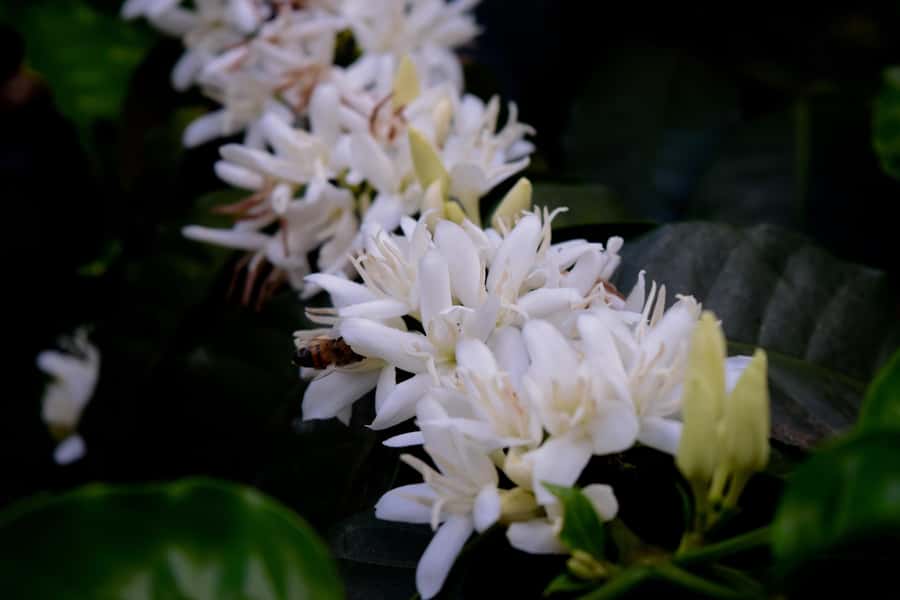
At the local organic coffee plantation, your guide explains how coffee is grown and harvested by hand. The focus is on local agriculture, including ways of growing and protecting coffee plants without chemicals.
This part is more valuable than it might sound. A cup of coffee hides a long chain of work, and the farm visit makes that chain visible. You begin with the plant itself, then see how hand harvesting affects the pace and care of production.
Richard, the farm owner, has led visitors through the plantation and explained the work with his family. His role matters because you are hearing about the farm from someone directly involved in it, not only from a general sightseeing guide.
The farm visit also gives you a chance to ask practical questions. You can ask how the plants are protected, how beans are prepared for drying, and which steps happen before roasting. The tour is in English, and Richard’s explanations have been praised for being clear and easy to follow.
Do not expect a technical coffee laboratory. This is a working agricultural visit with a personal feel. If you want detailed lessons about coffee chemistry, professional tasting notes, or many different bean varieties, this may feel basic. If you want to understand local farm work, it fits well.
Pounding sun-dried beans to a traditional rhythm

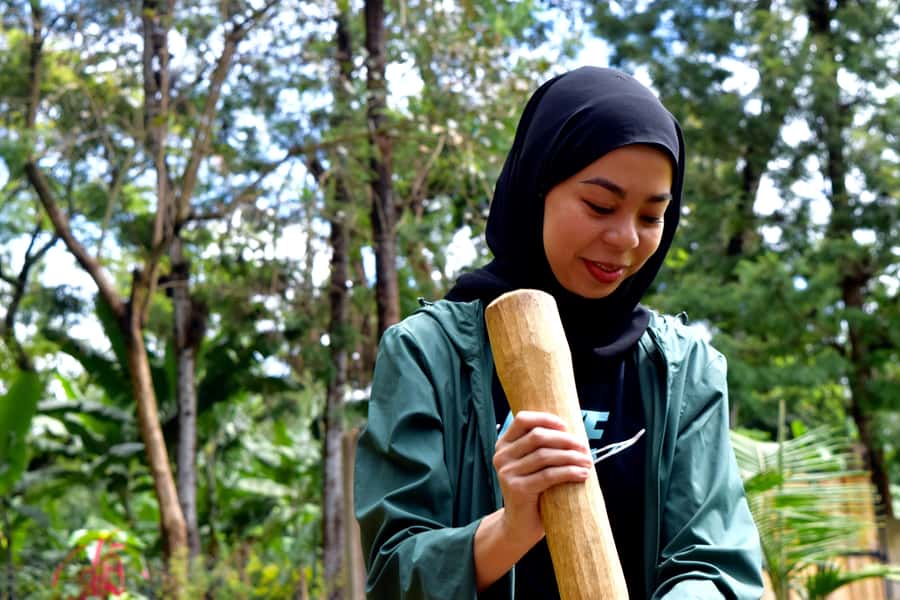
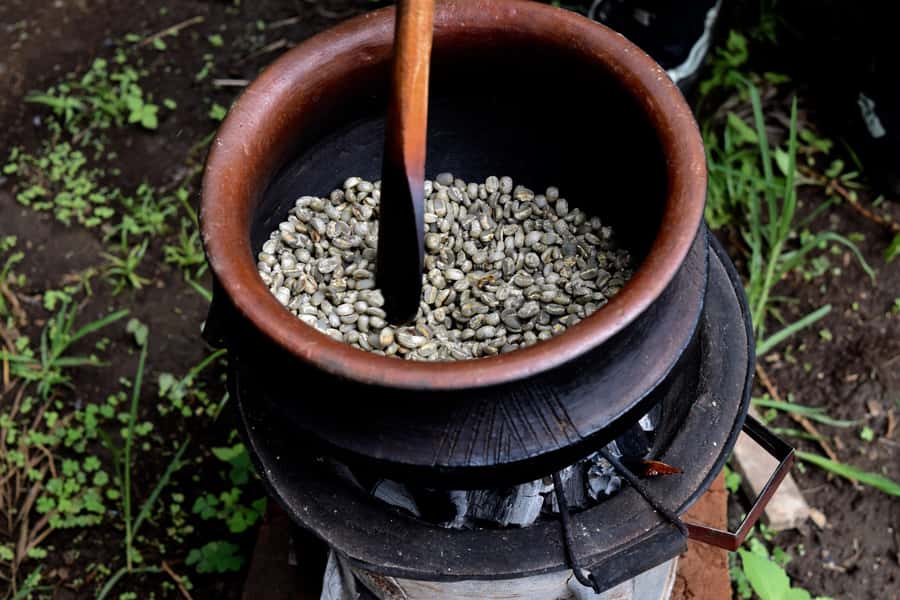
The next stage takes place at a nearby farm, where sun-dried beans are ground with a large mortar and pestle. Traditional songs accompany the work, and you are invited to join in.
This is one of the most memorable parts because it turns preparation into a shared activity. The mortar and pestle are not decorative props. You use them as part of the process, with the rhythm helping everyone work together.
You will need to take part physically, but the activity is meant to be fun rather than strenuous. If you have shoulder, wrist, or mobility concerns, tell the guide and ask how you can participate comfortably.
This step also connects food and community. Coffee is not treated as an isolated export product. It becomes part of a social moment, with music, movement, and cooperation around a farm task.
A completely different kind of day out from Tanzania:
- Serengeti Balloon Safari and authentic bush breakfast
★ 5.0 · 2,480 reviews - Balloon Safari & Bush Breakfast in Serengeti – Miracle Experience
★ 5.0 · 1,646 reviews - From Zanzibar: Mikumi Safari Day Trip with Flights and Meal
★ 4.7 · 1,470 reviews - Zanzibar: Quad Bike Adventure departing from Kendwa or Nungwi
★ 4.9 · 1,233 reviews
Roasting over an open flame
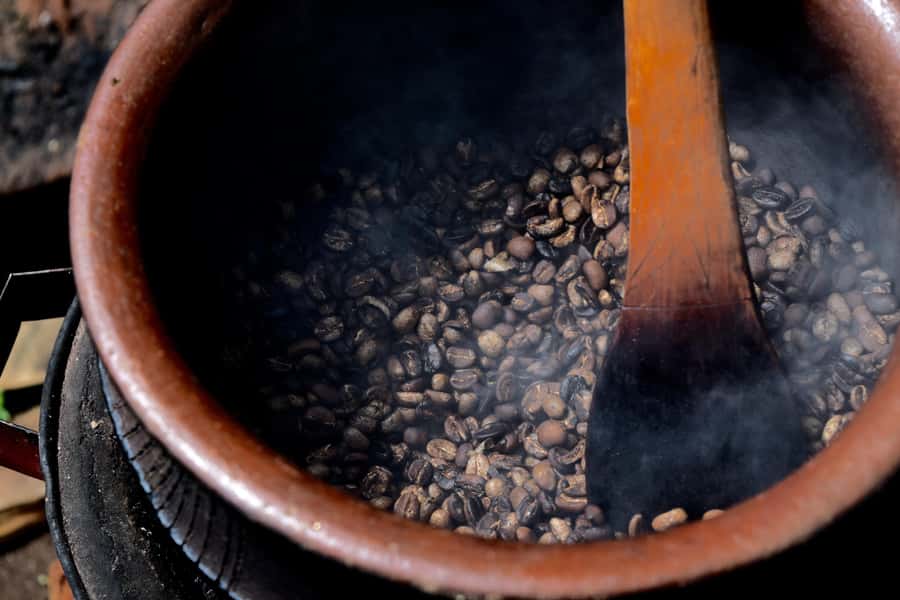
After the first grinding, you help roast the beans over an open flame. This is where the beans change from a farm product into something that looks and smells like the coffee you recognize.
Open-flame roasting is a simple process, but it requires attention. You may notice the heat, smoke, and changing color of the beans more directly than you would in a modern kitchen. Follow the guide’s instructions closely and avoid treating the fire as a casual photo opportunity.
The value here is not only the final taste. You begin to understand why freshly roasted coffee has such a strong aroma and why roasting is a key part of the drink’s character.
The exact amount of work you do can depend on the group and the guide. The tour promises participation in roasting, but it does not specify how long each person handles the beans. If taking part in every stage is important to you, say so when you arrive.
Grinding again and brewing your own cup
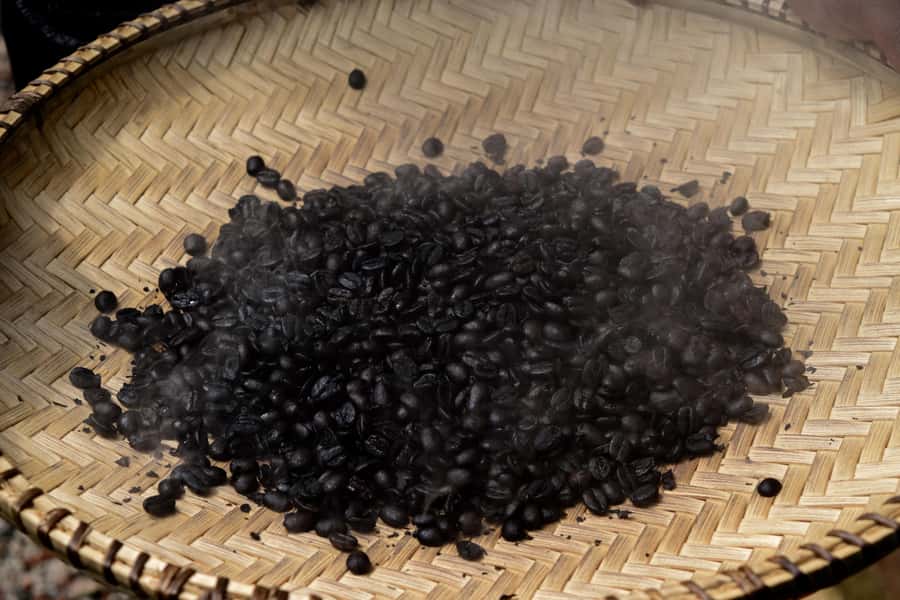
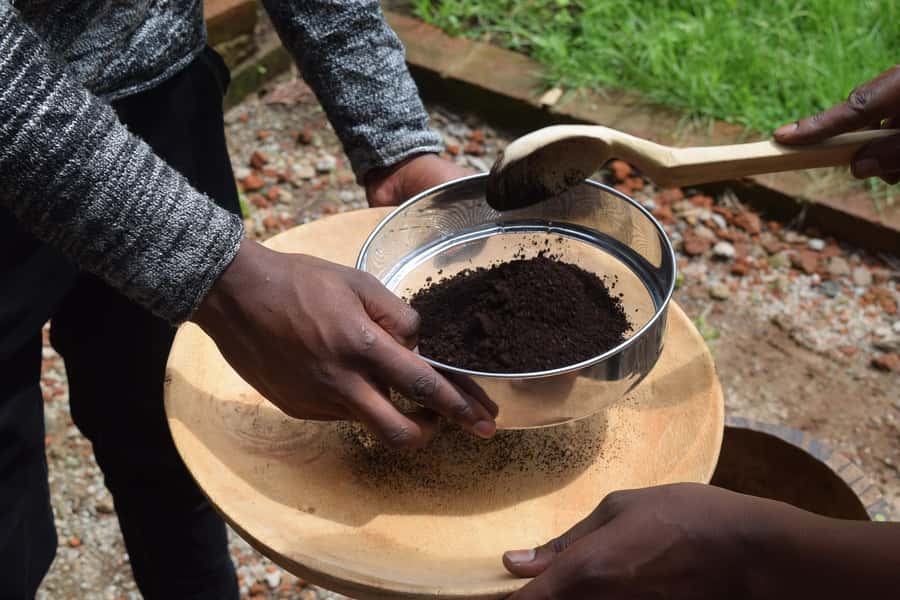
Once the beans are roasted, you grind them again and brew the coffee. The final cup comes from work you have helped complete, from bean to sip.
Fresh coffee is included in the price. That matters because the tasting is not an extra charge added at the end of the visit. You get to sit down and enjoy the result of the morning’s activities.
I would approach the tasting as a simple, fresh farm experience rather than a formal coffee cupping. The supplied details do not promise multiple brewing methods, tasting flights, or expert flavor analysis. What you do get is a direct connection between the plant, the roast, the grind, and the drink.
You can also buy bagged coffee separately. This is a sensible choice if you want to continue the experience at home or support the farm’s business. The tour price does not include a bag, so bring payment for a purchase and confirm the available formats. Both beans and ground coffee have been available for purchase.
Lunch and a look at village life

Lunch is included, which gives the outing a fuller local shape. You are not rushed straight from the coffee work back to your hotel. Instead, the meal provides time to sit, talk, and enjoy the setting.
The experience also includes a visit to a local village. The supplied details do not specify the exact village activities, so think of this as a cultural addition rather than a fixed performance or formal museum visit.
One arrangement has also included a visit to a local market and a meal at a restaurant with Imran, the tour organizer. Because schedules can vary, ask if the market stop is part of your booking rather than assuming it is guaranteed.
This is where the tour can become more than a coffee lesson. You get a view of local farming, family business, food, and daily community life in one compact morning. Keep your expectations respectful and open. The value comes from meeting people and seeing how the product fits into local work, not from checking off a long list of sights.
Guides, driving, and the human side of the visit
English is the guiding language. Imran has organized tours and helped with communication, while Jambo has handled driving on some outings. Reports of punctual pickup, calm driving, and helpful service make these details worth noting, especially if you are new to Arusha.
Richard and his family are central to the farm visit. Their welcome gives the coffee portion a family-business feel instead of a large commercial plantation atmosphere.
The operator is Adventure Bats. Since pickup and drop-off are included, you avoid arranging separate transport to the farm. You will still need to provide a clear hotel name and pickup point when contacted.
Group size is not stated, so ask if you care about a private visit or a small group. One booking had a private tour with Richard, but that does not confirm that every departure is private.
Adding Mangalia Waterfalls
You can add a visit to nearby Mangalia Waterfalls for a nature-and-culture combination. This is a useful option if you want more than coffee and village activities in the same outing.
The waterfall visit is described as an addition, not as a standard part of the 3.5 to 4-hour tour. Ask whether it changes the duration, price, transport plan, or lunch timing.
I would choose the waterfall add-on if you have a flexible day and want to spend more time outside. I would skip it if you have a strict afternoon safari, transfer, or scheduled activity. The coffee tour already fills a substantial morning.
Is $55 good value?
At $55 per person, the price is reasonable for a half-day outing because it includes several useful pieces:
- Hotel pickup and drop-off
- An English-speaking guide
- The coffee farm visit and hands-on preparation
- Fresh coffee
- Lunch
- A local village visit
Transport alone can complicate short rural excursions, so included pickup adds real value. Lunch also keeps the experience from becoming a quick tasting with extra costs along the way.
The price works best for you if you care about participation and local contact. If you only want to taste Tanzanian coffee, you can likely find a cheaper café visit. If you want to understand the work behind the drink and spend time with a farming family, the added cost makes more sense.
Remember that bagged coffee is not included. Buying coffee is optional, but it is an easy way to take home a practical souvenir and support Richard’s business.
Who should book this experience?
I recommend this tour for coffee drinkers who like knowing where food comes from. It also suits families, couples, and small groups looking for a slower morning away from a standard city sightseeing route.
You will get the most from it if you are willing to work with your hands, join the singing, ask questions, and accept a less polished farm setting. You do not need specialist coffee knowledge.
It is also a good choice for people who want culture without committing to a full-day excursion. In four hours, you can see farming, take part in preparation, eat lunch, and visit a village.
I would be more cautious if you dislike outdoor farm conditions, have very limited time, or want a formal coffee education with detailed tasting instruction. The tour is personal and practical, not a professional barista course.
Practical tips for a better morning
Wear clothes and shoes that can handle farm work. The information does not specify a dress code, but roasting, grinding, and walking around a plantation are easier in comfortable clothing.
Keep your schedule flexible around the 3.5 to 4-hour duration. Pickup times are arranged after booking, and the waterfall or market additions may affect the day’s pace.
Tell the operator about mobility needs when you arrange pickup. The experience is listed as wheelchair accessible, but asking about the farm route and activity setup will help avoid surprises.
If you want coffee to take home, ask about bagged beans or ground coffee before leaving. It is available for purchase, but it is not part of the $55 package.
The tour has a 4.8 rating from eight verified bookings, with several perfect scores. The strongest praise centers on the farm welcome, clear explanations, hands-on coffee work, careful organization, punctual communication, and calm driving.
Should you book the Arusha Coffee Tour?
Book it if you want a friendly, hands-on look at Tanzanian coffee farming rather than a quick plantation photo stop. The combination of Richard’s farm, traditional processing, fresh coffee, lunch, village life, and included transport gives the morning a lot of substance.
Skip it if your only goal is a polished coffee tasting or if your schedule cannot spare four hours. For most people who enjoy food, farming, and personal contact, $55 is a fair price, especially with lunch and hotel transfers included.
If you want the waterfall, market, or a private-style visit, confirm those details before paying. For a relaxed morning near Lake Duluti, this is a practical and memorable choice.
FAQ
How long does the Arusha Coffee Tour last?
The tour lasts approximately 3.5 to 4 hours.
How much does the coffee tour cost?
The price is $55 per person.
Is hotel pickup included?
Yes. Hotel pickup and drop-off are included, and the operator contacts you to arrange the time and location.
What language does the guide speak?
The live tour guide speaks English.
Is lunch included?
Yes. Lunch is included in the tour price.
Do I get to make the coffee myself?
Yes. You can take part in picking, roasting, grinding, and brewing the coffee.
Is fresh coffee included?
Yes. Fresh coffee is included after the preparation activities.
Can I buy coffee to take home?
Yes. Bagged coffee is available for purchase, but it is not included in the tour price.
Can I visit Mangalia Waterfalls during the tour?
Yes. A visit to Mangalia Waterfalls can be added as an extra option. Ask the operator how it affects the schedule and price.
Just added around Tanzania
- Moshi: Lake Chala Tour: Hiking &/or Kayaking★ 4.5 · 3 reviews
- 5 Days Safari Tarangire, Serengeti, and Ngorongoro Crater★ 5.0 · 3 reviews
- 3 Days Tanga Exclusive Beach Holiday★ 5.0 · 3 reviews
- Spice Tour of Zanzibar★ 4.5 · 3 reviews
- Serengeti Wildebeest Migration.★ 5.0 · 3 reviews
- Zanzibar : Stone Town Tour,history without transport★ 4.8 · 3 reviews
- Zanzibar: 3-Day Northern Safari with Flights Included★ 4.8 · 3 reviews
- 5 Days of Safari, Culture & Hot Springs – Tour from Arusha★ 5.0 · 3 reviews
Coffee Experiences, compared.
Materuni Waterfalls, coffee tour & Kikuletwa Hot Springs
Read our review →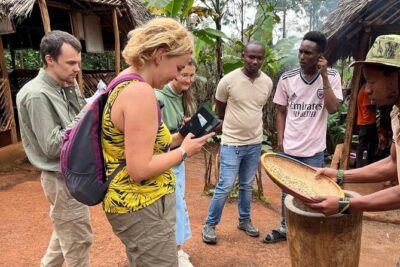
Materuni waterfalls coffee tour & Chemka hot springs Day trip
Read our review →
Materuni Waterfall, Coffee Tour and Picnic Hot Lunch
Read our review →
Maasai village visit, Materuni waterfalls & coffee experience
Read our review →
Arusha or Moshi : Hot Spring, Waterfall & Coffee Farm Tour
Read our review →
Materuni Waterfalls, Coffee, and Hotsprings Tour
Read our review →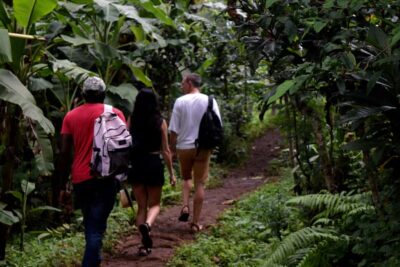
Materuni Waterfalls, Chemka Hot Springs, &/Or Coffee Tour
Read our review →Browse the lists this tour appears in