
Reviewed · TARANGIRE SAFARIS
day trip tarangire
Elephants make this park unforgettable. This day trip from Arusha packs a full Tarangire game drive into roughly nine hours, with small groups of up to six and a guide who can focus on your questions. I like the included binoculars and the chance to see huge elephant herds, lions, giraffes, zebras, and many smaller animals without paying for a multi-day safari.
I also like that lunch, bottled water, park fees, and private transportation are included. The main trade-off is the long day, since you spend the time traveling from Arusha to the park and back. There is no restroom on the vehicle, so plan ahead before leaving.
In This Review
- Key points to know before booking
- Why Tarangire works so well as a day safari
- The morning drive from Arusha
- Entering Tarangire National Park
- Finding elephants, cats, and smaller animals
- Lunch beside the Tarangire River
- The guides shape the whole day
- What the $270 price really covers
- The long day and who should book it
- Should you book this Tarangire day trip?
- FAQ
- How long does the Tarangire day trip last?
- What animals might I see?
- Is lunch included?
- Are binoculars provided?
- How many people can join the tour?
- What happens if the tour is canceled?
Key points to know before booking
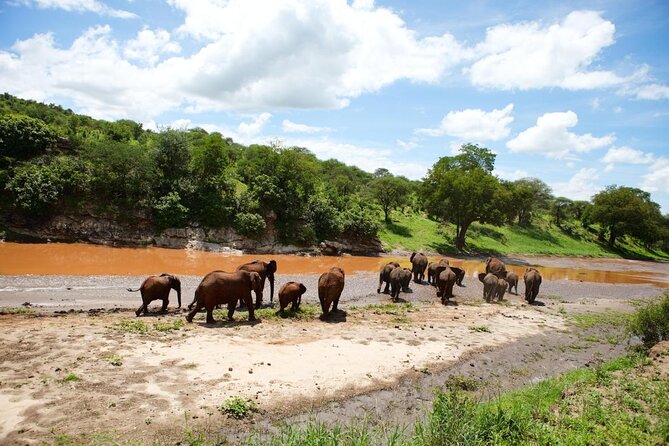
- Elephant country: Tarangire is especially rewarding for close views of elephants, with one outing producing sightings of well over 100.
- A genuinely small group: The vehicle carries no more than six people, giving you more room for questions and better access to the guide.
- Binoculars are provided: That matters when animals are farther off, especially birds, cats, and small antelope.
- Lunch beside the Tarangire River: The picnic meal adds a pleasant pause, though monkeys may try to help themselves.
- Several trusted guides: Said, Simon, Bryson, and Fredy are specifically praised for friendly service, sharp animal spotting, and safe driving.
- A long but efficient safari: Expect about eight to ten hours, with the park portion built around a full-day game drive.
Why Tarangire works so well as a day safari
Tarangire is a practical choice when you have limited time in northern Tanzania. From Arusha, you can leave in the morning, spend the main part of the day inside the national park, and return without changing hotels or committing to a longer safari circuit.
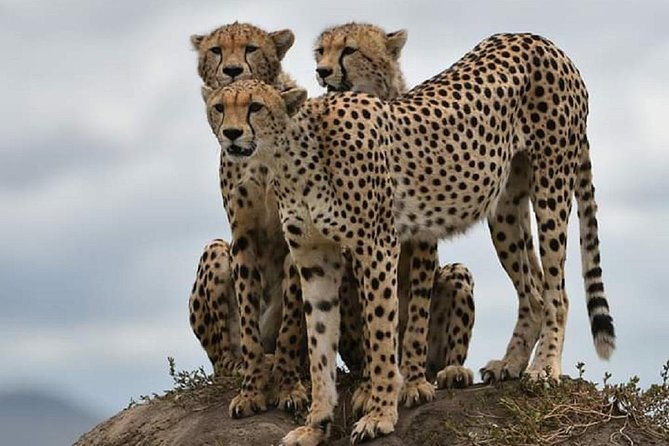
You will not get the same number of safari days as someone on a multi-day trip. Still, one well-planned day can deliver a strong first look at Tanzania’s wildlife. The park is home to lions, leopards, cheetahs, elephants, zebras, giraffes, wildebeest, buffalo, gazelles, deer, monkeys, baboons, and many birds.
The animal list matters, but so does the way the day is run. A small group gives your guide time to answer questions and adjust the outing to the animals you hope to see. If you want to spend more time watching an elephant herd, ask about animal behavior, or stop for a better look, six people is a far better arrangement than a crowded vehicle.
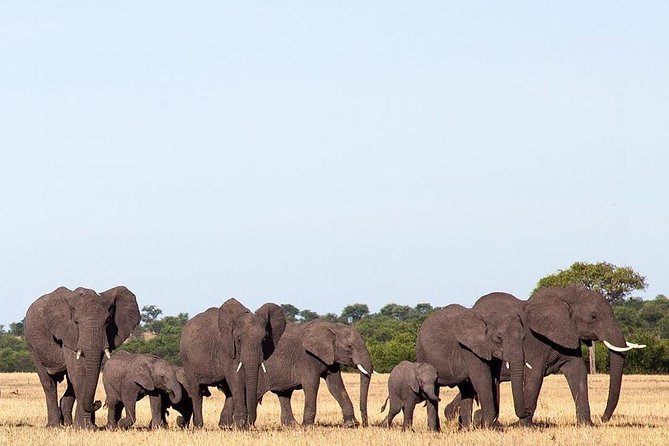
The strongest reason to choose Tarangire is the elephants. One outing recorded more than 100 of them, along with giraffes, monkeys, and baboons. That does not guarantee the same count on your day, but it gives you a good sense of the park’s appeal.
More Day Trips in Arusha
- Materuni Waterfalls & Chemka Hotsprings Day Trip
★ 5.0 · 214 reviews - Materuni waterfalls coffee tour & Chemka hot springs Day trip
★ 5.0 · 131 reviews - Ngorongoro Crater Day Trip
★ 5.0 · 72 reviews
The morning drive from Arusha
The experience begins with pickup in Arusha. Private transportation is included, and the advertised duration is about eight to ten hours, with the full park program listed at roughly nine hours.
This is not a quick hop to a nearby attraction. The drive takes a substantial part of the day, so your departure time and pickup location matter. Confirm those details when you book, then be ready on time. One guide was praised for arriving on schedule, a small detail that makes a big difference when every daylight hour counts.
The trip to Tarangire is also your first chance to learn about the area. Your guide provides context about the local ecosystem and conservation work, rather than treating the drive as dead time. Ask questions early. A good conversation on the way in can help you understand animal behavior and make sense of what you see later.
The vehicle has no restroom on board. That is the clearest practical drawback, especially for families or anyone who prefers frequent stops. Use facilities before departure and take advantage of any appropriate break offered during the day.
Bottled water is included, which is useful in the heat and saves you from arranging drinks separately. The trip is also near public transportation, although pickup is offered, so you may not need to arrange your own way to the starting point.
Entering Tarangire National Park
Once inside Tarangire, the focus shifts to a full-day game drive. Rather than rushing from one famous sight to another, the guide searches for the best places to find wildlife and responds to what appears along the route.
This is where the small-group format earns its keep. A guide can explain why an animal is behaving a certain way, point out details you might miss, and respond when someone spots movement in the distance. Guides Said and Simon received particular praise for making an effort to show as much as possible while keeping the mood friendly.
The supplied binoculars are another welcome touch. Elephants and giraffes may be easy to see with the naked eye, but binoculars help with birds, distant antelope, and animals partly hidden by vegetation. They also let you study an animal without asking the vehicle to move closer.
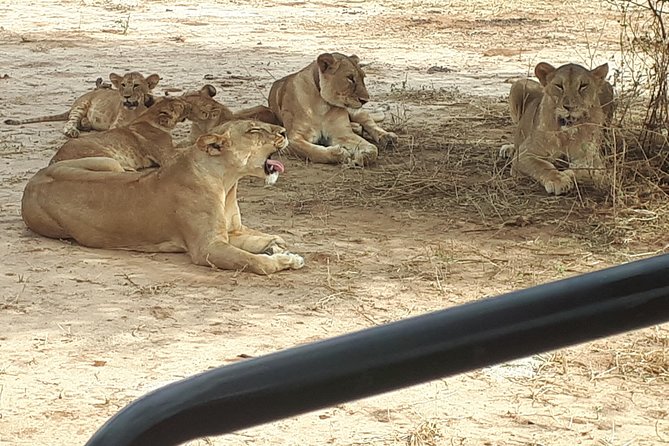
Do not judge the safari only by the big cats. Lions, cheetahs, and leopards are among the target sightings, but they are wild animals, not scheduled performers. A day can still be excellent when the cats stay out of sight, especially if you see large elephant groups, buffalo, giraffes, zebras, gazelles, and birds.
Several accounts also describe less famous but rewarding sightings. These include dik-dik, antelope, baboons, monkeys, and even a leopard turtle. The smaller creatures often make the outing feel less like a checklist and more like a proper look at the park’s animal life.
Finding elephants, cats, and smaller animals
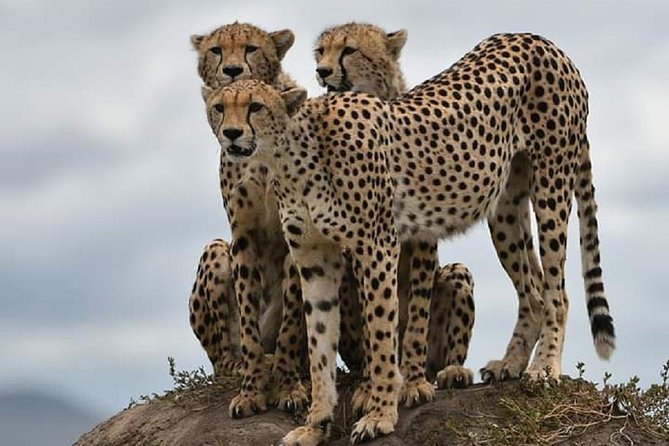
Tarangire gives you a good mix of large herbivores and predators. Elephants are the surest draw from the information available, and they may appear in large groups. Seeing them close to the vehicle can be thrilling, but your guide should always manage the distance and keep the encounter sensible.
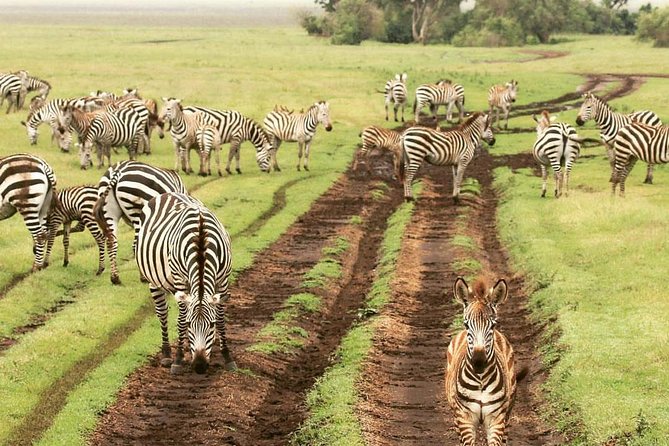
Giraffes are another frequent highlight. Their height makes them easier to spot, and binoculars can help you examine them when they are farther away. Zebras, wildebeest, buffalo, deer, gazelles, and antelope add movement and variety throughout the drive.
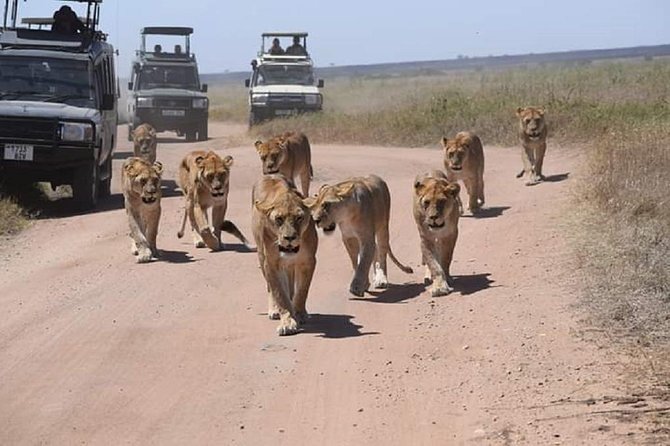
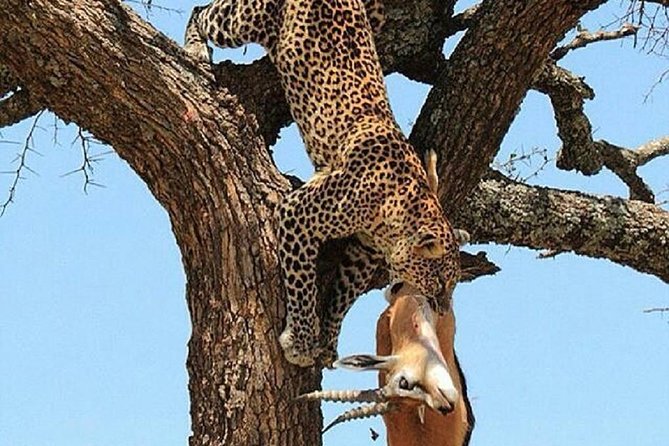
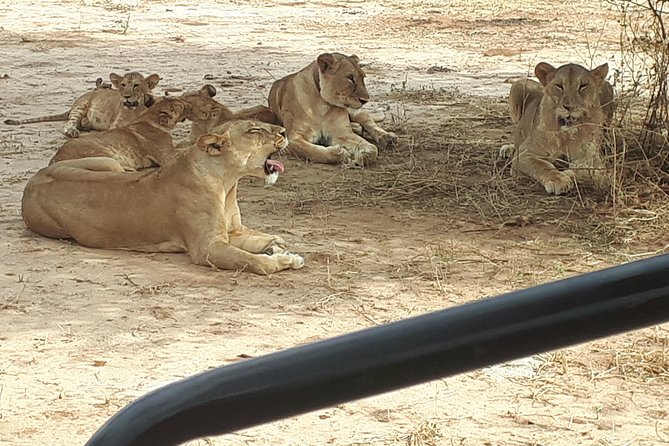
The predator search is more uncertain but potentially more exciting. Lions, leopards, and cheetahs are specifically included among the animals you may seek. Simon was praised for his sharp eyes and strong knowledge of the park, while another guide was described as having eagle eyes when spotting animals.
That kind of skill matters. Wildlife can be surprisingly difficult to see, even when it is nearby. A guide who watches carefully can point out a shape, tail, ear, or movement before you would find it yourself.
Birdlife also gets attention. One outing included many birds along with elephants, lions, giraffes, antelope, dik-dik, buffalo, and a leopard turtle. If you enjoy birds, tell your guide at the start. The binoculars will be especially useful, and your guide can help you notice more than the obvious mammals.
More Tarangire safaris:
- 5-Day Highlights mid-Range Crater, Serengeti, Tarangire
★ 5.0 · 296 reviews - Private 6-Day Tarangire Manyara Crater and Serengeti with Mid-Range Lodges
★ 5.0 · 238 reviews - 5 Days Camping Tarangire, Serengeti & Ngorongoro crater & Visiting Maasai
★ 5.0 · 229 reviews - 4 Days Join Group tour Tarangire Serengeti and Ngorongoro crater
★ 5.0 · 219 reviews
Lunch beside the Tarangire River
Lunch is included and served as a picnic near the Tarangire River. This is a useful break in the middle of a long safari day, giving you time to eat, stretch, and take in the setting without leaving the park experience behind.
The meal was described as good, and one guide made sure the lunchbox was ready during an especially long game drive. That practical care helps. You do not want to spend the middle of a safari wondering where your food is coming from.
There is one funny warning: monkeys may try to steal your lunch. Keep food close, follow the guide’s instructions, and do not feed the animals. A monkey raid may sound amusing afterward, but wildlife remains unpredictable, and feeding changes animal behavior.
The river setting also makes lunch feel more memorable than eating in a vehicle or at a generic roadside stop. Still, keep your expectations sensible. This is a picnic lunch, not a restaurant meal. Its value comes from convenience, location, and the time it saves.
The guides shape the whole day
The guide is the most important part of a safari, and this experience has several named guides who receive strong praise.
Said is described as warm, attentive, and committed to his work. He made an effort to answer questions and show as much wildlife as possible. That combination is important: animal knowledge helps, but patience and people skills matter just as much during a long day in a vehicle.
Simon, also called Safari Monster, was praised for his enthusiasm and persistence. He worked hard to find animals, explained the park and its wildlife, and helped make lunch feel welcoming. If Simon is assigned to your group, you can expect an energetic approach to the game drive.
Bryson was praised for getting people to the safari and back to their hotel safely. That is not flashy, but it is exactly what you want after a full day on the road. Fredy also received warm praise after a memorable outing.
You may not be assigned to a particular guide, so treat these names as examples of the service style you might encounter, not a promise. The practical point is to ask questions, mention your wildlife interests, and tell the guide if you would rather spend longer with one sighting than hurry on.
What the $270 price really covers
At $270 per person, this is not a cheap sightseeing trip. It is a safari, and the price includes several costly and useful parts: private transportation, park admission and other fees, lunch, bottled water, and binoculars.
The value becomes clearer when you compare it with the alternative. A multi-day safari usually gives you more time and a wider range of parks, but it also requires more accommodation, meals, and planning. This day trip lets you experience Tarangire without those extra nights.
The small maximum of six is another part of the value. You are not simply paying for a seat in a large coach. You are paying for a more personal outing, where the guide can hear your questions and make space for better wildlife viewing.
I would call it good value for someone who wants one serious safari day from an Arusha base. It is less compelling if you have enough time for several safari days, since a longer program can offer more chances to see elusive predators and different habitats.
Group discounts may be available, which could improve the price for families or friends traveling together. Ask about the current terms before booking rather than assuming the discount applies automatically.
The long day and who should book it
The schedule suits people who want to see a lot in one day and do not mind an early start or a late return. The advertised eight to ten hours includes the transfer and safari time, so pace yourself.
I would recommend this trip for first-time safari visitors, couples, families with older children, and anyone staying in Arusha who wants a strong wildlife experience without a multi-day commitment. It also suits people who care about having a guide nearby rather than being part of a large crowd.
The day may be tiring for young children, anyone who dislikes long vehicle rides, or anyone who needs regular restroom access. The lack of an onboard restroom is not a minor point for some people.
Your chances of seeing elephants and general wildlife appear especially strong, but you should keep expectations flexible around lions, cheetahs, and leopards. The guide can search, but no ethical safari can promise a particular animal.
The outing requires good weather and a minimum number of participants. If poor weather or low enrollment forces cancellation, you are offered another date or a full refund. You can also cancel for a full refund up to 24 hours before the start time. Changes or cancellations inside that window are not accepted.
Should you book this Tarangire day trip?
Book it if you want one focused safari day from Arusha, a small group, included park fees, and a good chance of seeing elephants and many other animals. The guides named in the feedback, especially Said and Simon, suggest a service style that is friendly, attentive, and serious about finding wildlife.
Skip it if you need a restroom in the vehicle, dislike long days on the road, or have enough time for a multi-day safari. You may also prefer a longer program if seeing big cats is your main goal, since extra days usually give you more chances.
For most people with limited time, this is a sensible Tarangire choice. Bring patience, protect your lunch from cheeky monkeys, and let the guide’s eyes do some of the searching.
FAQ
How long does the Tarangire day trip last?
The experience lasts approximately eight to ten hours. The game drive portion is listed at about nine hours, including the journey from Arusha to Tarangire and the return.
What animals might I see?
The park is home to lions, leopards, cheetahs, elephants, zebras, giraffes, wildebeest, buffalo, deer, gazelles, monkeys, baboons, antelope, and many birds. Sightings are not guaranteed.
Is lunch included?
Yes. Lunch is included and served as a picnic near the Tarangire River. Bottled water is also included.
Are binoculars provided?
Yes. Binoculars are available for wildlife viewing, which can help you see distant animals, birds, and smaller species.
How many people can join the tour?
The group can have a maximum of six participants. This allows more direct attention from the guide than a large group outing.
What happens if the tour is canceled?
The experience requires good weather and a minimum number of participants. If it is canceled for either reason, you can choose another date or experience, or receive a full refund.
More Day Trips
- From Arusha/Moshi: Kilimanjaro Hike Marangu Route Day Trip
★ 4.5 · 54 reviews - Full-Day Trip to Ngorongoro Crater from Arusha Town
★ 5.0 · 37 reviews - Day Trip to Kilimanjaro National Park
★ 5.0 · 20 reviews - Arusha National Park Day Trip
★ 4.5 · 18 reviews
Just added around Arusha
- 5 Days Safari Tarangire, Serengeti, and Ngorongoro Crater★ 5.0 · 3 reviews
- Love lives in Africa★ 5.0 · 3 reviews
- 5 Days of Safari, Culture & Hot Springs – Tour from Arusha★ 5.0 · 3 reviews
- Arusha National Park Safari by Jeep★ 4.5 · 3 reviews
- 5Days Family _Group Tour Lodging Mid-Range in the Jungle★ 5.0 · 3 reviews
- 2 Days Tarangire and Ngorongoro Crater Tour★ 5.0 · 3 reviews
- Serengeti & Ngorongoro 3 Days Budget Safari★ 5.0 · 3 reviews
- 7 Days PRIVATE Best of Tanzania Safari *Departing everyday*★ 5.0 · 3 reviews
Tarangire Safaris, compared.

5-Day Highlights mid-Range Crater, Serengeti, Tarangire
Read our review →
Private 6-Day Tarangire Manyara Crater and Serengeti with Mid-Range Lodges
Read our review →
5 Days Camping Tarangire, Serengeti & Ngorongoro crater & Visiting Maasai
Read our review →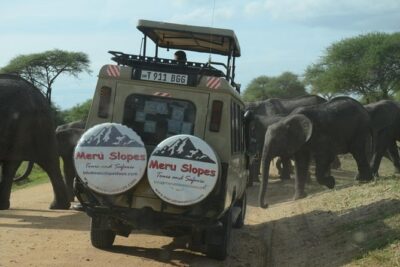
4 Days Join Group tour Tarangire Serengeti and Ngorongoro crater
Read our review →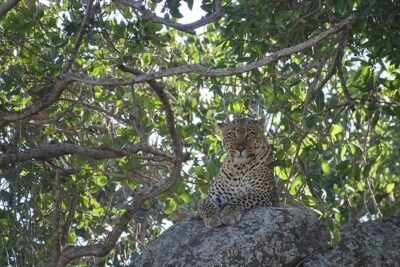
4-Day Safari from Arusha: Tarangire, Serengeti and Ngorongoro
Read our review →
Balloon Safari & Bush Breakfast in Tarangire – Miracle Experience
Read our review →
2 Days Tarangire and Ngorongoro Group Camping Safari
Read our review →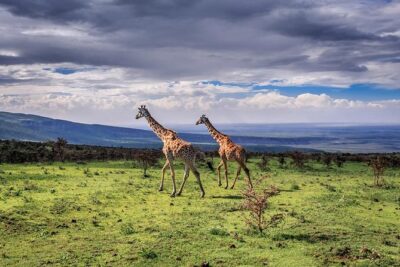
Browse the lists this tour appears in