
Reviewed · 5-DAY EXPERIENCES
From Arusha: 5 Days Classic Safari Cats, Calves & Crater
Wildlife takes center stage here. This five-day safari links Tarangire National Park, the Ndutu area, and Ngorongoro Crater in one compact route, with a strong focus on elephants, lions, leopards, migrating herds, and newborn animals. I like the route because it gives you three very different safari settings without asking you to arrange separate park entries, vehicles, meals, and accommodation.
I also like the full-board plan, which covers four breakfasts, four lunches, and four dinners, along with park fees, transport, and a driver-guide. The main consideration is the pace. You spend long hours in a safari vehicle, and the route includes several substantial transfers. At $1,254, the price can be good value if you want a private five-day package, but you should confirm the exact accommodation and group arrangements before booking.
In This Review
- Key points to know before booking
- Why this five-day route works
- Day 1: Tarangire’s elephants and baobabs
- Day 2: Crossing Ngorongoro to Ndutu
- Day 3: A full day around Lake Ndutu
- Day 4: The Ngorongoro Crater game drive
- Day 5: Returning from Karatu to Arusha
- Accommodation, meals, and what the price covers
- Guides, vehicles, and the private-tour advantage
- Timing, costs, and practical planning
- Who should book this safari?
- Should you book the Cats, Calves, and Crater safari?
- FAQ
- Where does the safari start?
- How long does the safari last?
- When is the best time to see the Great Migration at Ndutu?
- When is calving season?
- Are meals included?
- What is not included in the price?
Key points to know before booking
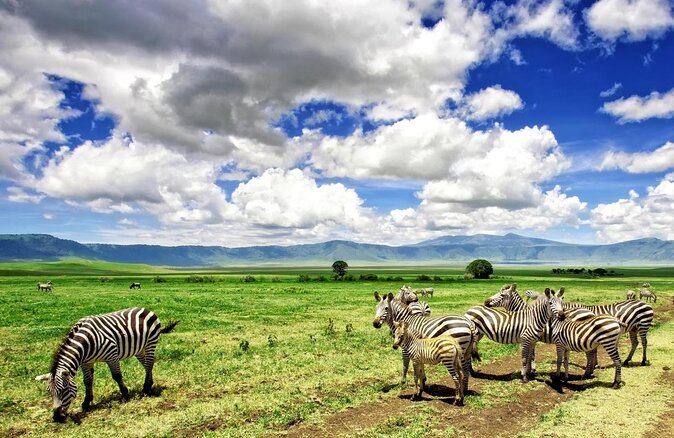
- Tarangire opens the trip with elephants and giant baobabs, a fine first look at northern Tanzania’s wildlife.
- Ndutu is the main event from November through April, with the best chance of seeing migration activity and predator action.
- December through February is calving season, when newborn animals attract lions and other predators.
- Ngorongoro Crater offers one of the strongest Big Five opportunities on the route.
- Private participation means only your group joins the activity, rather than a large shared coach.
- Guides can make a major difference, and past trips were especially praised for Joel Thobias, David, and Justin.
Why this five-day route works
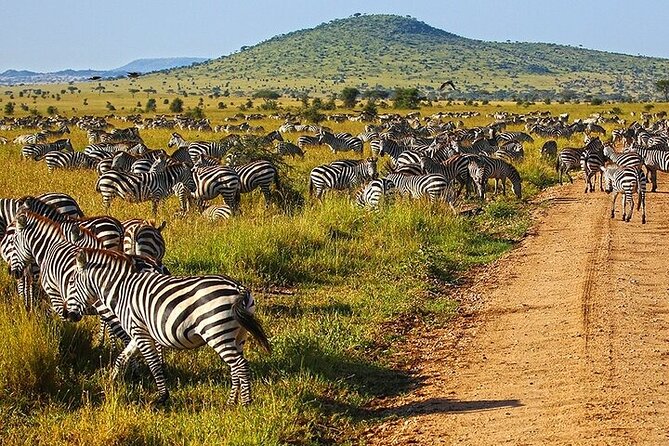
This safari is built around timing and variety. Tarangire gives you a classic park experience at the start, Ndutu places you near the seasonal movement of wildebeest and other animals, and Ngorongoro provides a concentrated final game drive inside a volcanic caldera.
I like this structure for a first safari because you do not spend all five days in one reserve. Each area has a different character. Tarangire is known for baobabs and elephants. Ndutu is tied to the Great Migration and calving season. Ngorongoro is famous for its dense wildlife and strong chance of spotting the Big Five.
The route is most attractive from November through April, when the Great Migration reaches the Ndutu area. If you travel from December through February, the calving season adds another layer to the experience. Young animals can draw predators close, making this one of the more dramatic periods to visit.
Still, wildlife is never guaranteed. The safari gives you a good setting and experienced guiding, but no itinerary can promise a leopard, a lion hunt, or all five of the Big Five. One past guide, David, was able to help a honeymoon couple see all five, including a leopard in a tree, which is a difficult sighting. That is encouraging, but you should treat it as a fortunate result rather than a guarantee.
More Safaris in Arusha
- Serengeti Balloon Safari and authentic bush breakfast
★ 5.0 · 2,480 reviews - Balloon Safari & Bush Breakfast in Serengeti – Miracle Experience
★ 5.0 · 1,646 reviews - 4 Days Group Camping Safari
★ 5.0 · 1,101 reviews
Day 1: Tarangire’s elephants and baobabs
Your pickup begins in Arusha at about 8:00 a.m. The operator can collect you from your accommodation or the airport, then you travel toward Tarangire National Park. The first transfer sets the tone for the trip: this is a road-based safari, not a fly-in package.
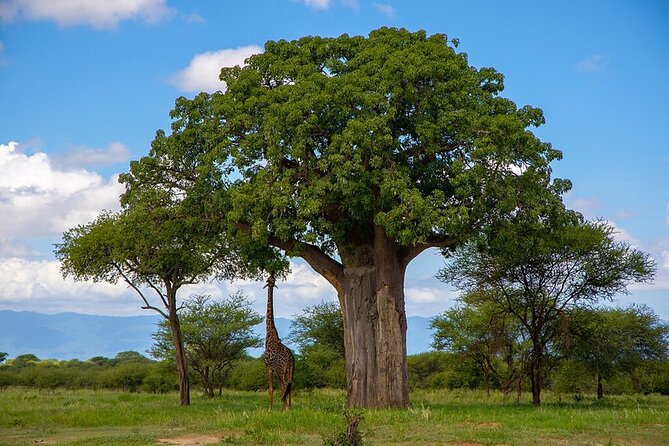
Tarangire is a strong opening park. Its large baobab trees give the scenery a memorable shape, while the park is especially associated with elephants. A full-day game drive is scheduled for about six hours, giving you time to search for wildlife rather than simply passing through on the way to camp.
I would pay close attention to the guide on this first day. A good guide helps you understand animal behavior, reads the road and vegetation for signs, and explains the environment as you go. The guides connected with this safari have received warm praise for their driving and animal-spotting skills. Joel Thobias was singled out for his work around the Serengeti and Ngorongoro area, while David was praised for his positive energy and ability to locate difficult animals.
The first day is also a useful test of your comfort with safari travel. You will spend hours seated in the vehicle, often on uneven roads, with much of the day devoted to patient searching. If you want a relaxed sightseeing holiday with little time on the road, this schedule may feel demanding. If you enjoy being outdoors and watching the bush gradually reveal itself, Tarangire is an excellent start.
Day 2: Crossing Ngorongoro to Ndutu
After breakfast, you travel through the Ngorongoro Conservation Area toward Ndutu in the southern Serengeti region. The transfer is scheduled for roughly four hours, and the route itself becomes part of the experience. The area is also home to the Maasai, adding a human and cultural dimension to the drive.
This is not just a boring connection between parks. The Ngorongoro Conservation Area includes striking scenery and the chance to spot wildlife along the way. Keep your camera ready, but remember that the day includes both travel and game viewing. You are not getting a full six-hour game drive here before reaching Ndutu.
The afternoon is reserved for a game drive around Lake Ndutu, lasting about three hours. The lake area is particularly important during the November to April migration period. From December to February, calving season can bring large numbers of newborn animals and the predators that follow them.
The word calves in the tour name is not decoration. This part of Tanzania is chosen for its seasonal wildlife drama. Young animals, grazing herds, and hunting cats can appear in the same broad area, although the exact sightings depend on the day and conditions.
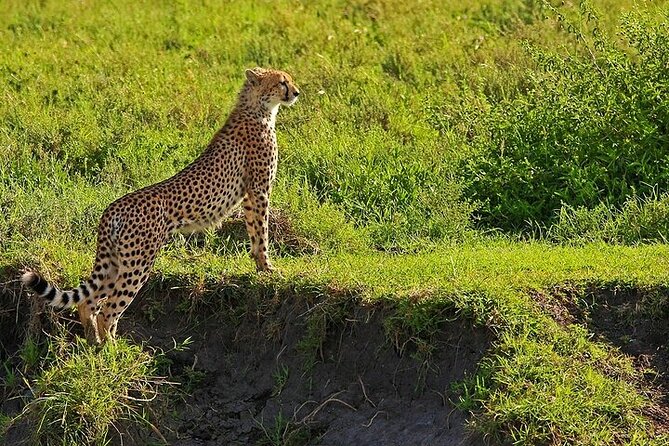
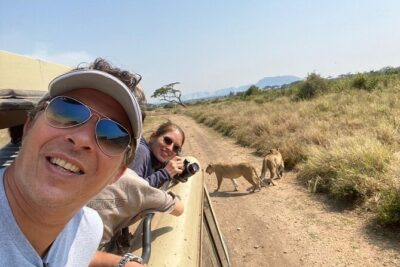
Ndutu also offers the chance to see more than the headline animals. Lions are common in the area, and the riverbank is known for a high concentration of leopards. Leopards are secretive and difficult to spot, so your guide’s eyes matter. One guide was specifically praised for finding a leopard in a tree, a sight that many safari visitors hope for but do not see.
Day 3: A full day around Lake Ndutu
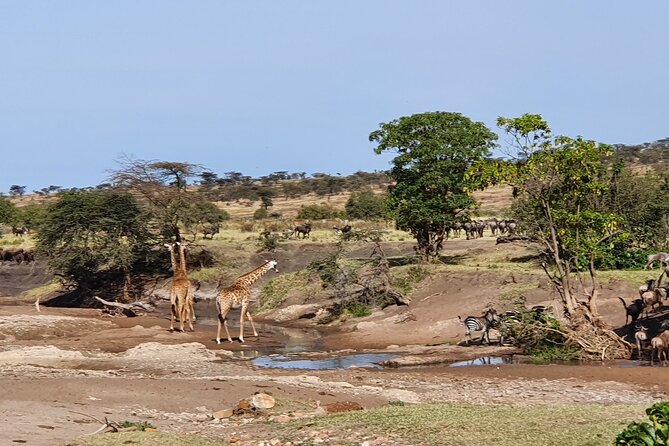
The third day gives Ndutu the attention it deserves. After breakfast, you spend about six hours on a full-day game drive around Lake Ndutu. This is the day when the tour’s focus on cats and calves has its best chance to pay off.
A full day gives you more than extra time in the vehicle. It lets your guide cover more ground and wait for activity to develop. Predator-prey encounters are possible during the migration and calving periods, but patience is essential. You might see a lion resting in the grass, a group of animals moving across open ground, or a more active hunt. You might also spend long periods looking without a major sighting.
That uncertainty is part of the appeal, though it can test your patience. Keep your camera accessible, as the most interesting moment may be brief. The supplied information specifically highlights lions and leopards, with the riverbank being a useful area for leopard sightings.
Ndutu is also a good reason to choose the right season. If your main aim is to see the migration or newborn animals, November through April is the key window, with December through February best associated with calving. The route is less attractive for someone who has no interest in seasonal wildlife and simply wants the shortest possible safari from Arusha.
More safaris to compare:
- 5 Days Group Camping Safari
★ 5.0 · 730 reviews - 3 Days Serengeti & Ngorongoro Group Camping Safari
★ 5.0 · 574 reviews - 7-Day Premium Luxury Tanzania Safari All-Inclusive
★ 5.0 · 426 reviews - 3-Day Classic Serengeti Safari
★ 5.0 · 263 reviews
Day 4: The Ngorongoro Crater game drive
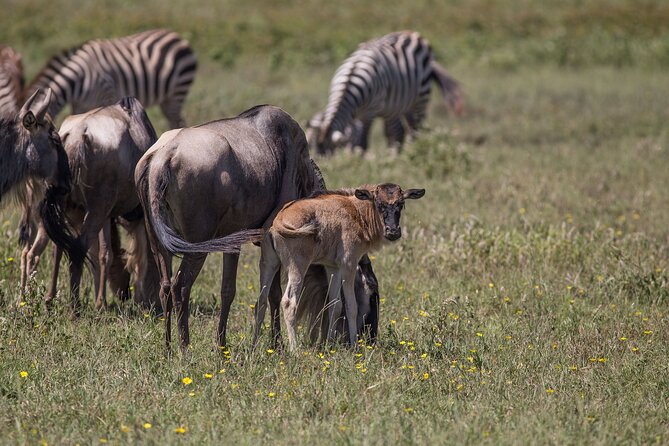
Day four takes you into Ngorongoro Crater for a full-day game drive of about six hours. The crater is the world’s largest intact volcanic caldera, and its enclosed setting can make wildlife viewing feel concentrated and rewarding.
This is the day with the strongest Big Five potential. Lions, leopards, elephants, buffalo, and rhinoceroses are among the animals you might hope to find. The past success of a guide helping a couple see all five shows what can happen with strong guiding and good timing, but you should still keep expectations realistic.
The crater also provides a change of scenery after Ndutu’s migration-focused viewing. Instead of following seasonal herds across a wide area, you explore a contained volcanic basin where many animals live or pass through. That does not make sightings automatic, but it can make the search feel more focused.
A six-hour drive is long enough to produce memorable sightings and short enough to leave room for a meal break and pauses. Exact stop arrangements are not specified, so ask the operator what lunch looks like on your departure. Since the package includes lunch, you should not need to budget separately for the main midday meal, but drinks and personal purchases are excluded.
Day 5: Returning from Karatu to Arusha
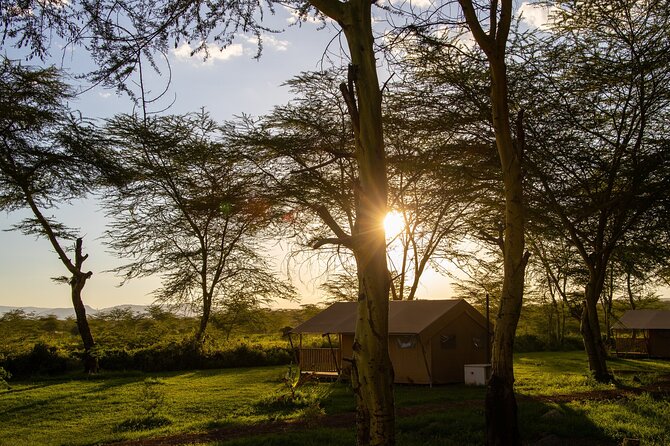
After breakfast, your guide drives you back toward Arusha, with the return journey described as roughly three hours. The stated schedule includes a stop in Karatu before the final drop-off in central Arusha, your accommodation, or the airport.
This final day is mainly a transfer, not a full safari day. If you have an afternoon or evening flight, confirm the timing carefully before booking. The listed drive time is approximate, and road conditions or delays can affect your arrival.
The flexible drop-off is useful. You do not have to arrange a separate taxi from a fixed terminal, and airport delivery is included as an option. Still, I would avoid scheduling a flight too close to the expected arrival time. The tour begins and ends in Arusha, so it works best for people using the city as their safari base.
Accommodation, meals, and what the price covers
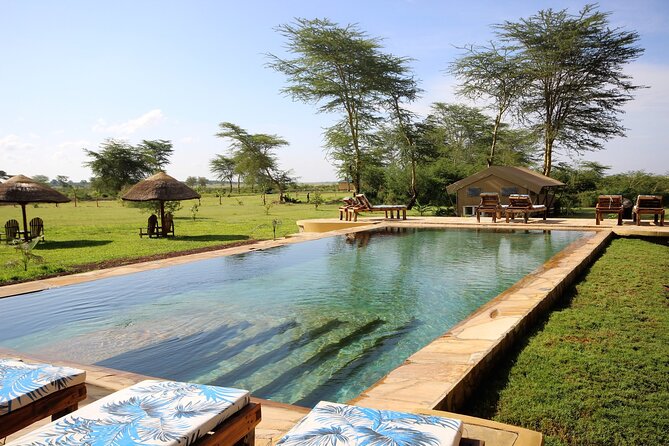
The $1,254 cost includes overnight stays in distinctive accommodations near the national parks, based on full board. That means four breakfasts, four lunches, and four dinners are included across the five-day trip.
The wording about unique accommodation sounds appealing, but it is not specific enough to judge comfort, room type, location, or amenities. Ask for the names of the properties before paying if those details matter to you. Staying close to the parks can reduce unnecessary driving and place you in attractive natural surroundings, but the standard can vary between lodges and camps.
The package also includes park fees, transportation, and a driver-guide. These are major expenses on a Tanzania safari, so the price should be judged as a complete package rather than compared with a basic vehicle-only rate. You are paying for access, guiding, road transport, meals, and accommodation in one booking.
You should budget extra for drinks, tips, personal expenses, and two small charges paid at check-in: a tourism development levy of $1.50 per person per night and a village tax of $1 per person per night. There is also a tourism development levy listed for Arusha. Since these charges are not included in the headline price, ask how the Arusha levy is calculated.
The package is a good value for someone who wants a private five-day plan without piecing together each park and hotel. It is less attractive if you already have accommodation, prefer to choose every meal yourself, or want a luxury safari with clearly published room details.
Guides, vehicles, and the private-tour advantage
Only your group participates, which gives the trip a more personal feel than a large shared departure. You can ask questions, discuss sightings, and spend more time on something that interests you instead of following a bus full of strangers.
The driver-guide is central to the experience. The strongest praise attached to this safari concerns guides rather than food or accommodation. Joel Thobias was praised for his driving and guiding around Serengeti and Ngorongoro. Thobias was also credited with helping someone see five lions during a December and January trip. David was praised for his upbeat manner, detailed answers, and ability to find a leopard in a tree. Justin received thanks for his support, and the food was described positively by one Italian-speaking participant.
Those details tell you what to value. A guide who drives carefully, communicates clearly, and keeps looking after a long day can make the difference between a tiring ride and a rewarding one. If you have a particular guide request, ask before departure, since guide assignment is not guaranteed in the information provided.
You should also expect a moderate level of physical fitness. The main effort is not strenuous walking, but long hours in the vehicle and repeated days of early starts, road travel, and outdoor viewing. Bring patience as much as stamina.
Timing, costs, and practical planning
The ideal window depends on your priority. Choose November through April if migration activity around Ndutu is your main goal. Choose December through February if calving season is especially important to you.
The 8:00 a.m. start from Arusha makes the first day manageable, but you should be ready for a full schedule once the vehicle leaves town. The itinerary includes long game drives and transfers, so comfortable clothing, sun protection, and a camera that is easy to reach will help.
The experience offers free cancellation if you cancel at least 24 hours before the start time. A cancellation within 24 hours is not refundable, and changes made inside that window are not accepted. The times are based on local time, so check the deadline carefully if you are booking from another country.
Public transportation is nearby, but pickup is offered from your accommodation or the airport. The trip is private for your group, and group discounts may be available. Confirmation is provided at booking.
Who should book this safari?
I would choose this trip if you want a focused first safari with three major highlights: elephants in Tarangire, seasonal wildlife at Ndutu, and Big Five possibilities in Ngorongoro Crater.
It suits couples, small private groups, and families who value a dedicated vehicle and guide. It also makes sense for anyone who wants meals, park fees, transport, and accommodation handled in one package.
I would hesitate if you dislike long road journeys, need firm luxury accommodation details, or want a slower itinerary with more time at each lodge. The route is full and purposeful, not leisurely. You should also avoid booking it solely because you expect guaranteed Big Five sightings or a specific leopard encounter.
Should you book the Cats, Calves, and Crater safari?
Book it if the November to April wildlife season matches your dates and you want a private, fully arranged route from Arusha. The combination of Tarangire, Ndutu, and Ngorongoro gives you a strong mix of scenery and animal-viewing opportunities, while the included park fees, meals, lodging, and guide make the $1,254 price easier to justify.
Before booking, ask for the accommodation names, confirm the vehicle and guide arrangements, and check the return timing if you have a flight. With those points clear, this is a practical safari for seeing northern Tanzania’s best-known wildlife areas in five busy but rewarding days.
FAQ
Where does the safari start?
The safari starts in Arusha at approximately 8:00 a.m. Pickup is available from your accommodation or the airport.
How long does the safari last?
The experience lasts approximately five days and includes four overnight stays.
When is the best time to see the Great Migration at Ndutu?
The Great Migration takes place in the Ndutu area from November through April.
When is calving season?
Calving season takes place from December through February.
Are meals included?
Yes. The package includes four breakfasts, four lunches, and four dinners as part of the full-board accommodation plan.
What is not included in the price?
Personal expenses, drinks, and optional tips are not included. A tourism development levy of $1.50 per person per night and a village tax of $1 per person per night are paid at check-in, and a tourism development levy for Arusha is also listed separately.
More 5-Day Experiences
- 5-Day Highlights mid-Range Crater, Serengeti, Tarangire
★ 5.0 · 296 reviews - 5 Days Camping Tarangire, Serengeti & Ngorongoro crater & Visiting Maasai
★ 5.0 · 229 reviews - Tanzania Simba Safari – 5 Days
★ 5.0 · 217 reviews - 5 Days Budget Private Safari, Tanzania
★ 5.0 · 191 reviews
Just added around Arusha
- 5 Days Safari Tarangire, Serengeti, and Ngorongoro Crater★ 5.0 · 3 reviews
- Love lives in Africa★ 5.0 · 3 reviews
- 5 Days of Safari, Culture & Hot Springs – Tour from Arusha★ 5.0 · 3 reviews
- Arusha National Park Safari by Jeep★ 4.5 · 3 reviews
- 5Days Family _Group Tour Lodging Mid-Range in the Jungle★ 5.0 · 3 reviews
- Serengeti & Ngorongoro 3 Days Budget Safari★ 5.0 · 3 reviews
- 2 Days Tarangire and Ngorongoro Crater Tour★ 5.0 · 3 reviews
- 7 Days PRIVATE Best of Tanzania Safari *Departing everyday*★ 5.0 · 3 reviews
5-Day Experiences, compared.


5-Day Highlights mid-Range Crater, Serengeti, Tarangire
Read our review →
5 Days Camping Tarangire, Serengeti & Ngorongoro crater & Visiting Maasai
Read our review →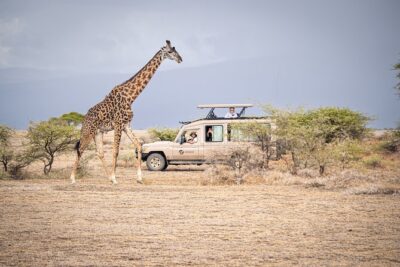
5-Day Private Northern Tanzania Safari from Arusha
Read our review →
5 Days Best of Tanzania Luxury Safari Northern Circuit
Read our review →
5-Day Private midrange Tour in Arusha with Airport Pickup
Read our review →Browse the lists this tour appears in