Reviewed · ARUSHA TOURS
Lake Eyasi & Hadzabe tribe activities
A bow, a fire, and a very different Tanzania. This two-day private trip from Arusha takes you away from the usual safari route to Lake Eyasi, where you can spend time with the Hadzabe people, learn about their traditions, practice with a bow and arrow, and watch traditional dancing. I like the direct cultural focus and the ease of private transport and overnight lodging. The main caution is that the schedule and meal details need careful confirmation before you pay.
This is not a polished cultural show built around a souvenir shop. The Hadzabe are known for hunting and gathering, a clicking language, and techniques passed down through generations. Still, the trip involves a long road journey and a brief introduction to a complex community, so you should arrive curious, respectful, and ready for basic conditions.
In This Review
- Key points at a glance
- Leaving Arusha for Lake Eyasi
- Meeting the Hadzabe near Lake Eyasi
- Day one: hunting skills and traditional dance
- The overnight stay: useful, but not fully explained
- Day two: fire-making and a longer cultural session
- What private touring changes
- Is $699 good value?
- Who will enjoy this visit most?
- Practical preparation for Lake Eyasi
- Should you book the Hadzabe and Lake Eyasi tour?
- FAQ
- Where does the tour begin?
- How long does the experience last?
- Is this a private tour?
- What activities are offered with the Hadzabe?
- Is transportation included?
- Are meals included?
- Can I cancel for a full refund?
Key points at a glance
- Lake Eyasi offers a sharp change from safari country: You trade game drives for a close look at Hadzabe customs and daily skills.
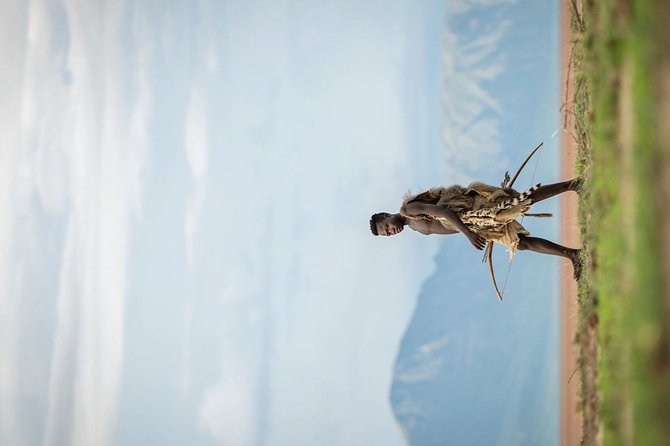
- Bow-and-arrow practice is part of the visit: You can learn how hunting tools are used and observe traditional methods.
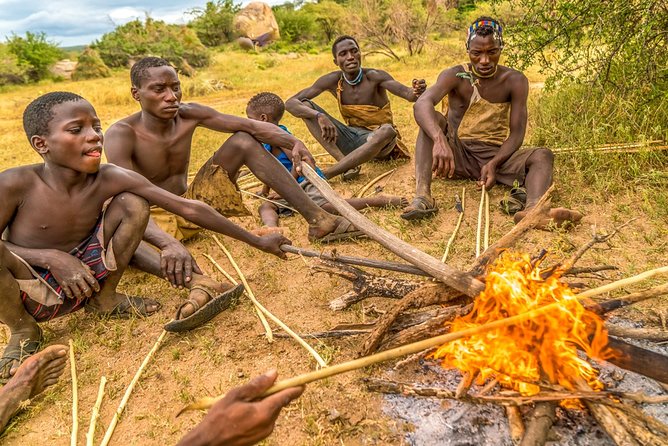
- Fire-making adds a hands-on lesson: The second morning includes learning to make fire with two dry sticks.
- The private format keeps the visit personal: Only your own group participates, with private transport from Arusha.
- The two-day plan allows more than a quick stop: An overnight stay gives the cultural visit room to unfold over two days.
- The $699 price needs a careful check: Meals and local cultural fees are described inconsistently, so confirm the final inclusions.
Leaving Arusha for Lake Eyasi
The trip begins in Arusha with pickup and private transportation. That is a real advantage if you do not want to arrange buses, taxis, or several separate transfers. You can focus on the visit instead of working out how to reach a remote part of northern Tanzania.
Lake Eyasi lies outside the most familiar safari pattern. Many visitors come to northern Tanzania for wildlife in the Serengeti, Ngorongoro area, or Tarangire. This trip offers a different reason to travel: meeting people and learning skills rather than searching for lions.
The road is part of the story, but it may also test your patience. One account describes the route between Karatu and Lake Eyasi as very rough. The tour is listed at about two days, yet the actual feel of the journey will depend on road conditions, departure time, and how long your group spends with the Hadzabe.
I would treat the timetable as an approximate framework rather than a tightly timed city tour. Ask the operator for the planned departure from Arusha, the expected arrival at Lake Eyasi, and the location of the overnight accommodation. Those details matter when you are arranging flights, a safari before this trip, or another activity afterward.
A few more trips of this kind worth comparing:
- Serengeti Balloon Safari and authentic bush breakfast
★ 5.0 · 2,480 reviews - Balloon Safari & Bush Breakfast in Serengeti – Miracle Experience
★ 5.0 · 1,646 reviews - Tanzania Classic – 7 Days
★ 5.0 · 1,151 reviews
Meeting the Hadzabe near Lake Eyasi
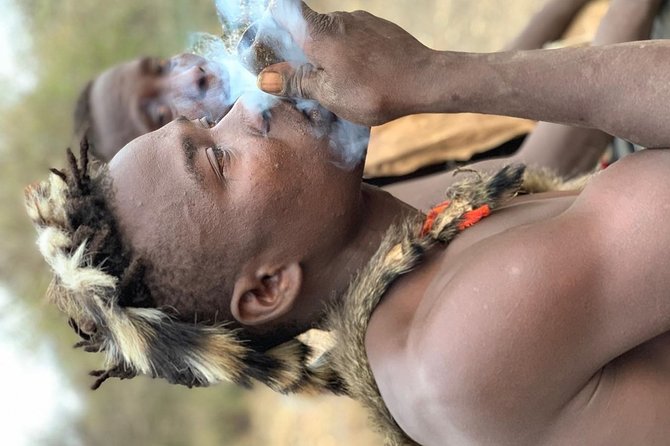
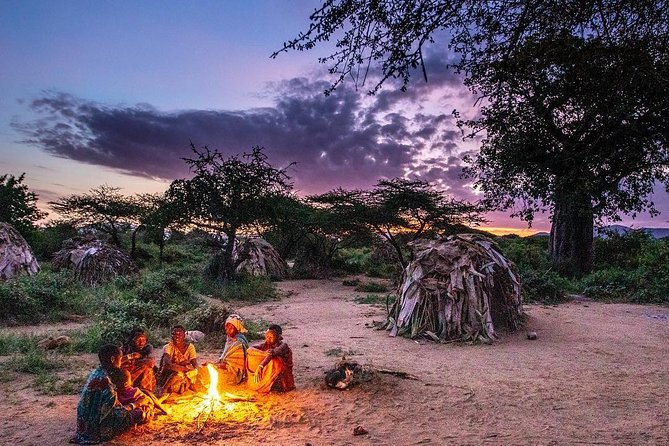
The Hadzabe are one of Tanzania’s distinctive communities and are often described as among Africa’s last hunter-gatherer societies. The visit centers on their traditional way of life, including hunting methods, fire-making, language, dance, and daily customs.
The most valuable part of the visit is the chance to see practical knowledge in action. A bow and arrow is not just a museum object here. You can learn how to hold and use one, observe hunting techniques, and gain a small sense of the skill required to live from the surrounding area.
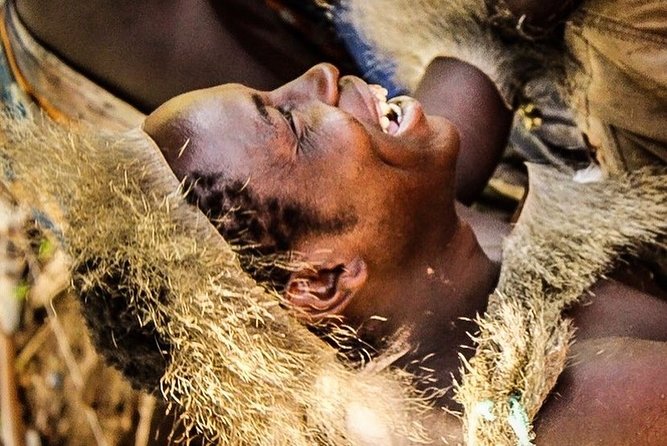
You may also hear the Hadzabe clicking language. That sound is one of the details that makes this encounter memorable, but it should not become a spectacle. Listen carefully, follow your guide’s instructions, and ask before photographing people or private activities.
The supplied plan describes the Hadzabe as living much as their ancestors did thousands of years ago. That wording can make the community sound frozen in time, which is too simple. The better approach is to see the visit as a meeting with a living people who maintain important traditions while dealing with the modern world around them.
Day one: hunting skills and traditional dance
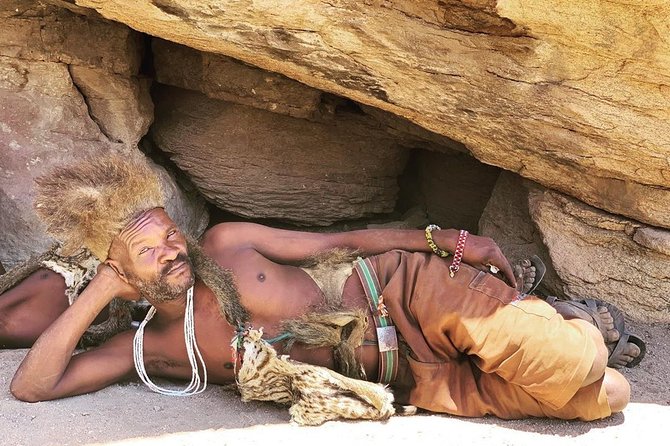
The first day is built around a visit lasting about three hours. The exact order can vary, but you should expect an introduction to the Hadzabe, time to interact with community members, instruction in bow-and-arrow use, and a look at traditional hunting practices.
This hands-on element gives the day its purpose. You are not only listening to a guide describe Hadzabe culture. You are watching demonstrations and trying a few basic skills under supervision. That makes the visit especially suitable for families with older children, active adults, and anyone who learns best by doing.
The hunting demonstration also calls for a little humility. A short practice session will not turn you into a hunter, and it should not be treated like a competition. The point is to understand the tools, patience, and coordination involved.
Traditional dancing is another planned part of the cultural encounter. It can be lively, but the best experience comes when you watch closely rather than treating it as a stage performance made only for your camera. Ask your guide how the dance fits into Hadzabe life and what is appropriate for visitors to join.
One account of the wider cultural route describes an office on the rough road between Karatu and Lake Eyasi, where a local guide is provided and an entrance payment is collected. This is useful practical information, even though the exact arrangement for your private package may differ. Confirm who collects the cultural fee, what it covers, and if the amount is already included in the $699 price.
The overnight stay: useful, but not fully explained
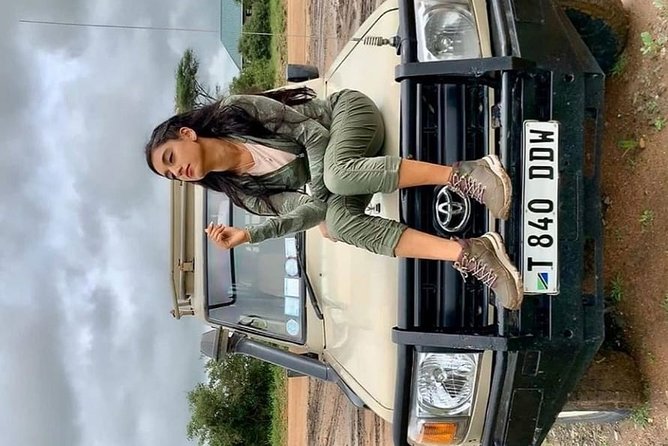
An overnight stay is included, which is important because Lake Eyasi is not a quick side trip from Arusha. Sleeping near the area can reduce the pressure to rush through the cultural visit and return the same day.
The accommodation details are not supplied. You should ask whether it is a lodge, tented camp, or another form of lodging, and what room and bathroom arrangements are provided. I would also ask if hot water, electricity, and mosquito protection are available, since these details affect what to pack.
The overnight stop may feel basic. That is not automatically a problem, especially if your priority is time at Lake Eyasi rather than resort comfort. Still, the price is high enough that you deserve a clear answer before booking.
Food details also need sorting out. The package says breakfast and lunch are included, but the exclusions list says lunch for day one and breakfast for day one are not included. That is a direct inconsistency. Get the meal plan in writing, including which day’s breakfast and lunch are covered and if dinner is provided.
A completely different kind of day out from Arusha:
- 4 Days Group Camping Safari
★ 5.0 · 1,101 reviews - 5 Days Group Camping Safari
★ 5.0 · 730 reviews - Materuni Waterfalls, coffee tour & Kikuletwa Hot Springs
★ 5.0 · 643 reviews - 3 Days Serengeti & Ngorongoro Group Camping Safari
★ 5.0 · 574 reviews
Day two: fire-making and a longer cultural session
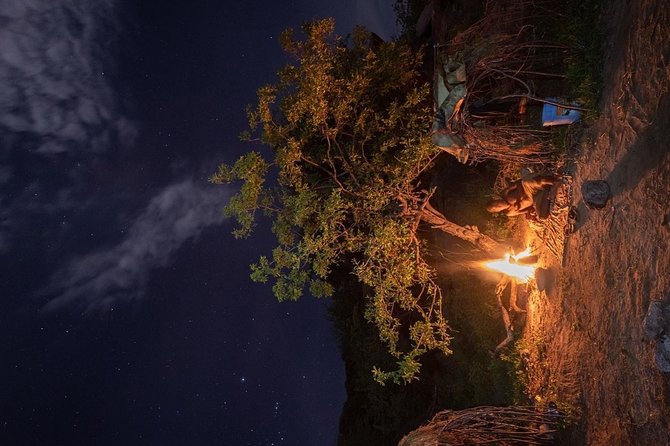
The second day allows about six hours at Lake Eyasi, giving you more time than the shorter first-day session. The plan includes further interaction with the Hadzabe and instruction in making fire with two dry sticks.
Fire-making is a small activity with a useful lesson behind it. It shows how much effort can go into a simple task when you do not have matches or a lighter. You may find the technique harder than it looks, which is exactly why it helps explain the value of practical knowledge in a hunting and gathering society.
The longer visit also gives you room to ask better questions. Instead of racing through a short demonstration, you can pay attention to how tools are made, how knowledge is taught, and how the community describes its own traditions. Your guide’s role matters here. A good guide should help translate language and context without speaking over the Hadzabe.
The itinerary lists Lake Eyasi on both days, so do not expect two completely different destinations. Day two is an extended cultural session, not a new sightseeing circuit. If you want variety, ask in advance if a Datoga visit or another local activity is part of your arrangement. One account refers to Hadzabe and Datoga cultural tours, but the advertised experience described here focuses on the Hadzabe.
What private touring changes
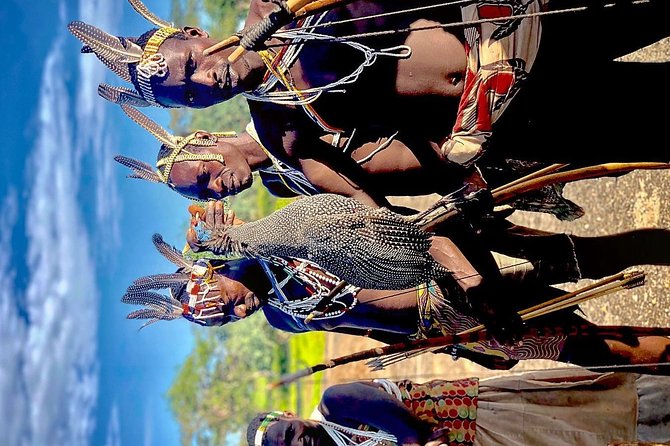
This is a private tour, so only your group participates. That gives you more control than a large shared departure. You can ask questions at your own pace, spend longer on an activity that interests you, and speak with the guide about cultural etiquette.
Private transport also makes the trip easier for couples, families, and small groups traveling with different energy levels. You do not have to wait for a bus full of strangers or fit your day around other groups.
There is a tradeoff. A private tour does not guarantee a private meeting with every community member or a perfectly flexible schedule. Local activities depend on availability, weather, and community arrangements. The tour description says a minimum number of participants may be required, despite the private format, so confirm how that rule applies to your booking.
Guiding appears to be a major part of the company’s reputation. Raymond is praised for handling complicated Tanzania arrangements with care, while Bruno is described as warm and helpful. Joshua is also praised for driving, flexibility, and spotting wildlife, though those comments relate more broadly to safari services than specifically to this Lake Eyasi visit. If a particular guide matters to you, request the name and role before departure rather than assuming one of these guides will lead your trip.
Is $699 good value?
At $699 per person, this is not a cheap overnight excursion. The price can make sense if it covers private transport from Arusha, guiding, accommodation, entry fees, and most meals. Those costs add up quickly on a remote two-day trip.
The value is strongest for you if you want a focused cultural experience and would otherwise need to arrange transport, a local guide, and lodging separately. Private service can also be worthwhile when you are traveling as a small group and want direct support.
The value is weaker if you expect luxury accommodation, a broad sightseeing program, or a packed schedule of different ethnic communities. The advertised activities center on Lake Eyasi and the Hadzabe. You are paying for access, transport, coordination, and time with a local community, not for a long list of attractions.
The local fee needs special attention. The information gives a price of $70 per car, with different figures for two or three cars. That does not match neatly with a per-person tour price. Ask these questions before booking:
- Is the Lake Eyasi cultural fee included in the $699?
- Is the fee charged per car or per person?
- How many cars will your group use?
- Are local guides included?
- Which meals and accommodation costs are covered?
Clear answers will tell you far more about the value than the headline price alone.
Who will enjoy this visit most?
I would recommend this tour to you if you have already seen Tanzania’s famous wildlife areas and want a human encounter to balance the safari experience. It also suits people who care more about local customs and practical demonstrations than polished entertainment.
Families may enjoy the bow-and-arrow and fire-making activities, provided children are old enough to listen carefully and behave respectfully. The private setup helps parents manage the pace.
This trip is less suitable if you dislike rough roads, basic accommodation, uncertain timing, or outdoor demonstrations. It may also disappoint you if you expect a fully academic cultural program with detailed historical background at every stop. Much of the value comes from watching, asking, and taking part.
Practical preparation for Lake Eyasi
Wear comfortable clothing suited to outdoor activity. Closed shoes are sensible for a visit involving walking and practical demonstrations. Bring sun protection, water, and any personal items you need for an overnight stay.
A phone or camera may be useful, but ask before taking photographs. The Hadzabe are people, not props, and respectful photography should be part of the experience. Your guide can explain when it is appropriate.
Keep your schedule flexible. Poor weather can cancel the trip, and the operator may offer another date or a full refund in that case. The road may also affect timing, so avoid booking a tight connection immediately after the tour.
The cancellation policy is generous if you act early: cancel at least 24 hours before the start time for a full refund. Cancellations or changes made within 24 hours are not refunded or accepted. The local time cut-off applies.
Should you book the Hadzabe and Lake Eyasi tour?
Book it if you want a private, hands-on cultural visit that moves beyond Tanzania’s standard safari circuit. The Hadzabe activities, clicking language, hunting demonstrations, traditional dance, and fire-making lesson give the trip a clear purpose. I especially like that the two-day format can give you time to slow down rather than squeeze the visit into a few hurried hours.
Before paying, confirm the accommodation, meal plan, cultural fee, daily timing, and guide assignment. The strongest parts of the experience are personal and local, while the weakest points are the rough route and unclear cost details. If you accept those limits and approach the Hadzabe with respect, this can be a meaningful addition to an Arusha itinerary.
FAQ
Where does the tour begin?
The tour begins in Arusha, Tanzania, and pickup is offered.
How long does the experience last?
The tour lasts approximately two days and includes an overnight stay.
Is this a private tour?
Yes. It is a private activity, and only your group participates.
What activities are offered with the Hadzabe?
Activities include learning to use bows and arrows, observing traditional hunting methods, watching Hadzabe dances, interacting with community members, and learning to make fire using two dry sticks.
Is transportation included?
Yes. Private transportation and round-trip transfers from Arusha are included.
Are meals included?
Breakfast and lunch are listed as included, but the meal details contain conflicting information about day one. Confirm the exact meals included before booking.
Can I cancel for a full refund?
Yes. You can receive a full refund if you cancel at least 24 hours before the experience start time. Cancellations within 24 hours are not refunded.
Just added around Arusha
- 5 Days Safari Tarangire, Serengeti, and Ngorongoro Crater★ 5.0 · 3 reviews
- Love lives in Africa★ 5.0 · 3 reviews
- 5 Days of Safari, Culture & Hot Springs – Tour from Arusha★ 5.0 · 3 reviews
- Arusha National Park Safari by Jeep★ 4.5 · 3 reviews
- 5Days Family _Group Tour Lodging Mid-Range in the Jungle★ 5.0 · 3 reviews
- Serengeti & Ngorongoro 3 Days Budget Safari★ 5.0 · 3 reviews
- 2 Days Tarangire and Ngorongoro Crater Tour★ 5.0 · 3 reviews
- 7 Days PRIVATE Best of Tanzania Safari *Departing everyday*★ 5.0 · 3 reviews
Arusha Tours, compared.

Serengeti Balloon Safari and authentic bush breakfast
Read our review →
Balloon Safari & Bush Breakfast in Serengeti – Miracle Experience
Read our review →


Materuni Waterfalls, coffee tour & Kikuletwa Hot Springs
Read our review →
3 Days Serengeti & Ngorongoro Group Camping Safari
Read our review →