
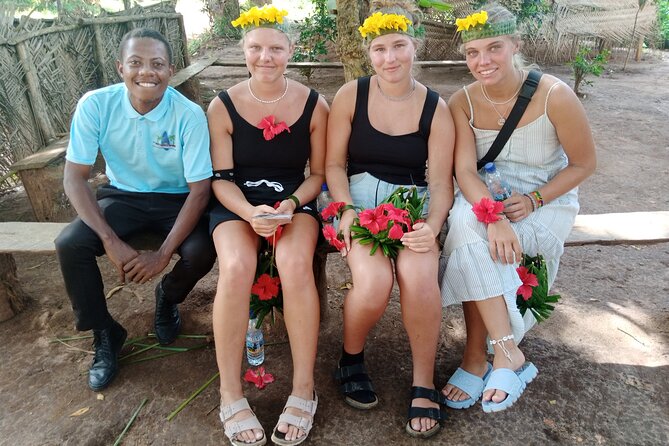
Reviewed · SPICE FARM TOURS
Private Zanzibar Spice Farm Tour
Follow the scent of Zanzibar. This private farm visit turns familiar kitchen spices into living plants, with a guide explaining cinnamon, cloves, nutmeg, vanilla, peppers, cardamom, and more. I like the fresh tasting experience and the chance to see old village homes still in use. I also like that hotel pickup, transport, water, entrance fees, and a private guide are included for Stone Town hotels.
The main consideration is location. The $65 price includes round-trip transport only from hotels in the Stone Town area. If you are staying at a beach hotel, the extra taxi charge is $45 for the return journey, and lunch costs another $12 per person if arranged ahead. The visit lasts about two hours, though the full outing can run closer to two or three hours with transfers.
In This Review
- Key points at a glance
- Why Zanzibar is called Spice Island
- From Stone Town to Jambo Spice Farm
- Seeing cinnamon, vanilla, pepper, and nutmeg in the ground
- Tasting spices and fruit straight from the tree
- Traditional houses and a look at village life
- What the $65 price really includes
- How the private format changes the morning
- Guide quality is the deciding factor
- Who will enjoy this tour most
- Booking timing, cancellation, and useful questions
- Should you book the Jambo Spice Farm visit?
- FAQ
- How long does the private Zanzibar spice farm tour take?
- Is hotel pickup included?
- What spices can I see at Jambo Spice Farm?
- Is lunch included in the $65 price?
- Is this a group tour?
- What happens if I need to cancel?
Key points at a glance

- Spices growing on the plant: See cinnamon, cardamom, nutmeg, vanilla, black pepper, Indian almonds, and other crops at their source.
- Fresh tasting stops: Smell and taste spices and seasonal fruit directly from trees when available.
- Private guiding: Your group has its own guide, with past guides including Alfa, Abdul, Khalfan, and Watermelon.
- Stone Town pickup included: Round-trip taxi transport is covered from hotels in the Stone Town area.
- Village life beyond the farm: The outing can include traditional homes where local families still live.
- Simple cancellation terms: Cancel at least 24 hours before the start for a full refund.
Why Zanzibar is called Spice Island
Zanzibar’s story is closely tied to spices. Cloves, nutmeg, cinnamon, peppers, and other plants have shaped daily cooking and trade on the island for centuries. The connection grew especially strong from the 18th century, when the Oman Sultanate took control of Zanzibar.
That background gives this tour more weight than a quick walk through a garden. You are not simply looking at attractive plants. You are learning how spice plants grow, which parts are used, and how farming fits into local life.
I find this kind of tour useful early in a Zanzibar visit. It gives you a better sense of what appears on local plates and in market stalls. A spice shop can show you a bag of cinnamon, but a farm helps you understand the bark, roots, stems, leaves, and fruit behind it.
The private format also matters. You are not tied to a large group moving at one fixed speed. You can ask about a plant, pause for photographs, or spend more time tasting if that interests you.
More Private Tours in Zanzibar
- Stone Town Private Walking Tour
★ 5.0 · 371 reviews - Zanzibar: 3 Hours Private Stone Town walking Tour with Guide
★ 4.6 · 301 reviews - Full-Day Private Stone Town +Spice Farm and Prison Island Tour
★ 4.5 · 216 reviews
From Stone Town to Jambo Spice Farm
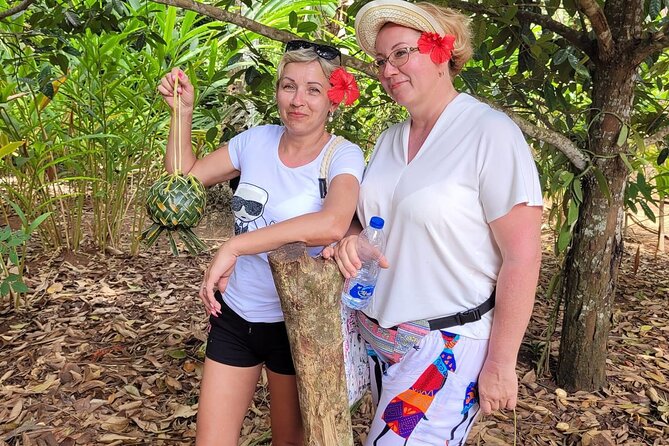
The outing begins with pickup from your hotel in Stone Town. Private transportation and waiting time are included, so you are not expected to arrange a separate taxi for the main transfer.
The farm stop is called Jambo Spice Farm. The tour itself is planned for about two hours, but allow two to three hours overall. Exact timing can depend on pickup and transport, so avoid scheduling a tight activity immediately afterward.
The farm visit is the heart of the experience. Your guide walks you through the plants and explains where the spices come from. The focus is practical: you learn to connect the powder or dried seed in your kitchen with a living tree, vine, root, or branch.
This is also where the guide can shape the visit around your interests. Alfa has been praised for tailoring explanations to a family group and speaking clear English. Abdul is associated with a playful guess that spice activity, which adds a bit of fun to the smell-and-taste lesson. Khalfan has guided visitors through the link between Zanzibar’s spices and the Omani period. Watermelon has provided French-language guiding.
Guide assignments can change, so do not assume you will receive a particular person. Still, the range of feedback suggests that the company’s strongest feature is its guiding style: friendly, informative, flexible, and often humorous.
Seeing cinnamon, vanilla, pepper, and nutmeg in the ground
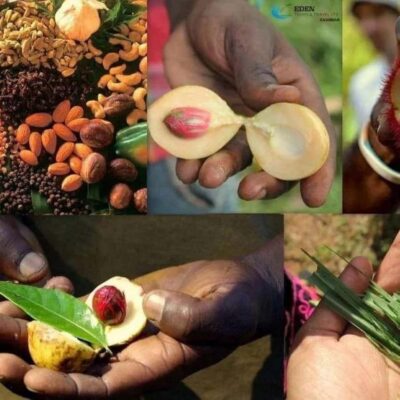
The list of crops is impressive, but the real value is learning how each plant differs. You may see cinnamon, cardamom, nutmeg, Indian almonds, vanilla, black pepper, and other spices found in Zanzibar’s villages and plantations.
Cinnamon is especially useful for a farm explanation because the familiar spice comes from bark. Seeing that process makes the dried sticks and ground powder easier to understand. Nutmeg also becomes more interesting when you learn to connect the finished spice with its fruit and seed.
Black pepper, vanilla, and cardamom offer another lesson: many spices are not simply picked and used at once. Their appearance and flavor change as they grow and are prepared. A good guide can show you the plant parts and explain the journey from farm to cooking pot.
You should expect plenty of smelling and tasting. This is not a silent botanical walk. The sensory side makes the information easier to remember, and it works well for families and children who might lose interest during a long historical talk.
The farm setting may feel informal rather than polished. That is part of its appeal, but it also means the experience is best approached as a working local plantation visit, not as a formal museum. Conditions can vary by season, and not every plant will have fruit or flowers at the time of your visit.
Tasting spices and fruit straight from the tree
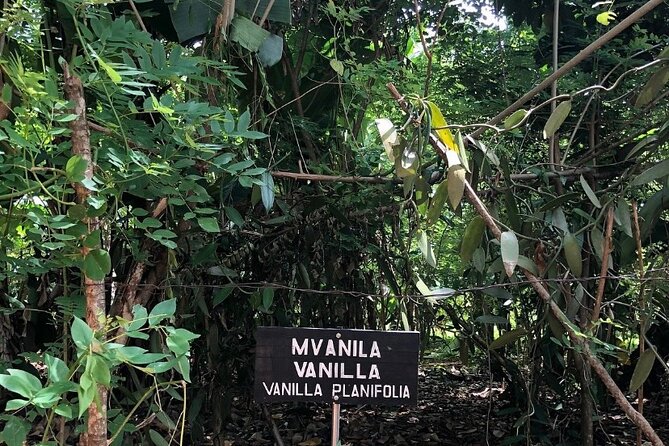
Tasting is one of the most appealing parts of the tour. If you are interested, you can sample different spices and seasonal fruits directly from the tree or plant.
The word seasonal matters. You should not expect every fruit or spice to be available on every date. What you taste depends on what is growing at the time. That unpredictability is more honest than a fixed tasting menu, and it gives the visit a connection to the farm’s actual conditions.
Bring your curiosity, not just your camera. Smell the spice before tasting it. Notice how a fresh plant differs from the dried version sold in shops. Ask your guide which parts are used in cooking and how local households use them.
Photography is welcome, and the farm provides natural opportunities for pictures. You may also find village-operated spice shops nearby. These are useful if you want to take home cinnamon, pepper, vanilla, or another local product, but personal purchases are not included in the tour price.
Some optional decorative activities may also be offered, such as coconut and banana decorations. These cost extra, so ask about the price before agreeing. They can be a fun addition, especially for children, but they are not part of the core farm visit.
More spice farm visits:
- Zanzibar: Stone Town, Spice Tour, Prison Island with Lunch
★ 4.4 · 1,219 reviews - Zanzibar: Prison Island, Stone Town, & Spice Farm Tour
★ 4.5 · 579 reviews - Zanzibar: Stone Town, Spice tour & Prison Island with Lunch
★ 4.6 · 453 reviews - Spice Tour + Stone Town Tour + Prison Island
★ 4.5 · 130 reviews
Traditional houses and a look at village life
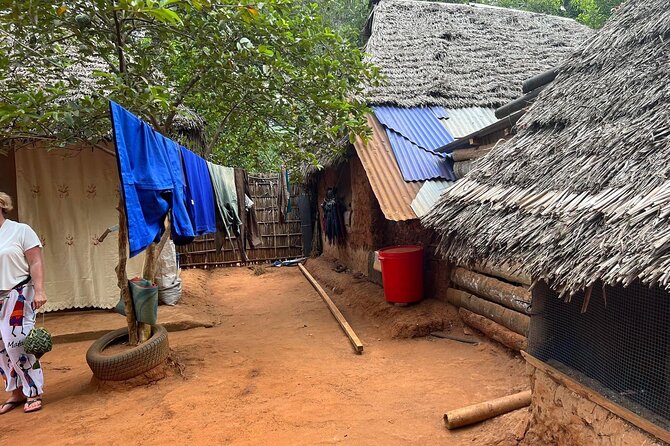
The experience can extend beyond plants. You may visit old, traditional houses in a village where people still live.
This part gives the outing a human side. Zanzibar’s spice trade is not separate from everyday life. Homes, food, farming, and trade are connected, and seeing lived-in traditional houses helps you understand that the island is more than beaches and historic Stone Town streets.
The wording here is important: the tour information says these houses are available to visit, but it does not promise a long home tour or a specific village program. Treat this as an added local-life element rather than the main event.
Be respectful with photographs and always follow your guide’s advice. You are entering a place connected to people’s daily lives, not a staged attraction. That small shift in attitude will make the visit more comfortable for everyone.
What the $65 price really includes
At $65 per person, this is not the cheapest way to see a spice farm, especially for a solo visitor. But the price includes several items that can add up when arranged separately: private transportation, Stone Town hotel pickup and return, waiting time, bottled water, entrance fees, and a certified plantation guide.
The private format improves the value for couples, families, and small groups. You are paying for a dedicated vehicle and guide rather than simply buying entry to a farm. If you value questions, flexible pacing, and direct explanations, the price is easier to justify.
The value is weaker if you are staying far from Stone Town. Beach hotels require an additional $45 round-trip taxi charge, and that fee should be discussed in advance. For some beach-based visitors, the total may compare poorly with a farm tour arranged closer to their hotel.
Lunch is also separate. Zanzibar local food with a soft drink costs $12 per person when arranged in advance and paid in cash. Since the main visit is short, you may not need lunch, but adding it can turn the outing into a more relaxed half-day plan.
Souvenirs, personal spending, tips, and medical insurance are not included. Carry some cash if you want to shop or add lunch. The tour provides bottled water, but it is still sensible to dress for warm outdoor conditions and wear shoes suitable for a farm path.
How the private format changes the morning
A private tour is a good match for families and mixed-interest groups. One person can ask about farming, another can focus on photographs, and children can take part in the spice guessing game without holding up a large group.
It also helps if you have limited time in Zanzibar. The core farm visit takes about two hours, so you can fit it around Stone Town sightseeing. Several visitors have combined it with a Stone Town visit, though you should confirm the timing with the operator before booking both parts together.
The private setup does not guarantee a completely custom itinerary. The listed farm stop is Jambo Spice Farm, and the main focus remains spice education. Still, the guide can adjust the level of detail and respond to your questions.
Clear pickup instructions are another practical strength. The service includes a transport waiting charge, which reduces concern about a driver leaving while you are still at the farm. Confirm your hotel location carefully, especially if it is outside the Stone Town area.
Guide quality is the deciding factor
A spice farm can be interesting, but the guide determines how much you take away. Plants do not explain themselves, and a rushed walk past labels would be forgettable.
This tour has several named guides associated with strong feedback. Alfa is described as smiling, flexible, and good at adapting to a family of five. Abdul brings humor and turns identification into a game. Khalfan has explained the connection with Oman, and Watermelon has guided in French.
The repeated praise centers on clear explanations, good English, friendliness, and a sense of fun. That matters because the subject can become technical. Learning which part of a plant becomes a spice is easier when the guide keeps the pace lively.
You should still communicate your needs at pickup. Tell the guide if you want more detail on farming, local food, history, photography, or village life. The private format gives you a better chance of getting the kind of visit you want.
Who will enjoy this tour most
I would recommend this experience to:
- Couples who want a short cultural outing from Stone Town
- Families looking for an educational activity with tasting and games
- First-time visitors who want context for Zanzibar’s food and trade
- Anyone curious about how familiar spices grow
- People who prefer private guiding to a large group
- Visitors who want a village element alongside the farm
It may be less suitable if you are staying at a distant beach hotel and want to avoid the extra $45 transfer. It is also not the right choice if you expect a full-day plantation expedition, a guaranteed set of fruits, or a formal culinary class.
The tour involves an outdoor farm setting, but the supplied information says most people can participate. No special accessibility details are provided, so you should ask the operator directly about walking surfaces or mobility needs before booking.
Booking timing, cancellation, and useful questions
The experience is commonly booked about 13 days ahead. That suggests you should reserve early if your Zanzibar dates are fixed, especially if you want a particular morning.
Confirmation is provided when you book, and free cancellation applies up to 24 hours before the start time. Cancel at least 24 hours ahead for a full refund. Changes or cancellations inside that window are not accepted for a refund, and the cutoff uses Zanzibar’s local time.
Before paying, send a message if you are staying at a beach hotel or want lunch. Confirm the extra transport cost, the cash requirement for lunch, and the pickup point. You can also ask which language your guide will speak.
The listed score is 4.9 out of 5 from 11 ratings, with 100 percent recommending the experience. That is a small sample, but it matches the strongest practical impression: the tour succeeds because the guides make the farm visit personal and easy to follow.
Should you book the Jambo Spice Farm visit?
I would book it if you are based in Stone Town and want a compact cultural experience with private transport, fresh tastings, and a guide who can explain Zanzibar’s spice trade in plain language. The $65 price is fair for a private outing with transport and entrance included.
I would pause if you are staying at a beach resort. Add the $45 taxi charge before judging the total, and compare it with a farm visit closer to your hotel. Also remember that lunch and shopping cost extra.
For most Stone Town visitors, this is a worthwhile two-hour break from streets and fortifications. You smell, taste, ask questions, and see how local village life connects with the spices that made Zanzibar famous.
FAQ
How long does the private Zanzibar spice farm tour take?
The farm visit lasts about two hours, while the complete outing usually takes approximately two to three hours, including transportation.
Is hotel pickup included?
Yes. Round-trip taxi transfer is included for hotels located in the Stone Town area. Beach hotels require an additional $45 two-way taxi charge, which should be arranged in advance.
What spices can I see at Jambo Spice Farm?
The tour can include cinnamon, cardamom, nutmeg, Indian almonds, vanilla, black pepper, and other spices grown in Zanzibar villages and plantations.
Is lunch included in the $65 price?
No. Zanzibar local food with a soft drink costs $12 per person and must be arranged in advance. Payment is in cash.
Is this a group tour?
No. It is a private activity, so only your own group participates.
What happens if I need to cancel?
You can receive a full refund if you cancel at least 24 hours before the experience starts. Cancellations or changes made less than 24 hours before the start time are not refunded.
More Farms
- Zanzibar: Stone Town & Spice Farm Tour with Lunch
★ 4.5 · 97 reviews - Zanzibar:Stone Town & Spice Farm Private Tour Lunch Included
★ 4.2 · 94 reviews - Zanzibar full day Jozani forest + Spice farm and stone town
★ 4.7 · 90 reviews - Zanzibar: Spice Farm & Stone Town Tour with Lunch
★ 4.5 · 80 reviews
Just added around Zanzibar
- Spice Tour of Zanzibar★ 4.5 · 3 reviews
- Zanzibar : Stone Town Tour,history without transport★ 4.8 · 3 reviews
- Zanzibar: 3-Day Northern Safari with Flights Included★ 4.8 · 3 reviews
- Starfish Beach; The Rock; Kuza Cave; Paje Beach; Salaam Cave Tour★ 4.5 · 3 reviews
- Jozani Forest, kuza cave and mtende beach★ 5.0 · 3 reviews
- ZANZIBAR: Stone Town and Jozani Forest Guided Tour★ 4.0 · 3 reviews
- Zanzibar: African Sunset Boat Party in Zanzibar Music, Views★ 4.3 · 3 reviews
- Joazani forest & Spice farm with lunch★ 5.0 · 3 reviews
Spice Farm Tours, compared.

Stone Town, Spice Tour, Prison Island with Lunch
Read our review →
Stone Town, Spice tour & Prison Island with Lunch
Read our review →
Full-Day Private Stone Town +Spice Farm and Prison Island Tour
Read our review →

The Swahili Spice Experience – Spice Tour + Culinary Journey
Read our review →Browse the lists this tour appears in