
Reviewed · SPICE FARM TOURS
Spice Farm – spice up your life in Zanzibar
Smell Zanzibar through its spices. This $60 tour leads you into rural Unguja, where local guides explain cinnamon, cloves, vanilla, nutmeg, ginger, and more while farmers show you how these plants grow. I like the hands-on tasting and smelling because spices become real plants rather than items in a market jar. I also like the traditional lunch, which gives the tour a useful food connection instead of ending with a simple farm walk.
The main caution is pickup reliability. Most of the feedback praises smooth hotel transfers, but one serious complaint describes a missing pickup and unreachable contacts. I would confirm your hotel, pickup time, and emergency contact before the day of the tour.
In This Review
- Key things to know before you book
- From Asian spice routes to Zanzibar farms
- Walking among cinnamon, cloves, and vanilla
- The fruit tasting is a welcome second act
- A Swahili meal prepared at the farm
- Hotel transfers make the day easier
- Is $60 a fair price?
- What the guide adds to the experience
- Shopping for gifts without losing the point
- Who will enjoy this Zanzibar excursion?
- Booking details worth checking first
- Should you book the Spice Farm tour?
- FAQ
- Where does the Zanzibar Spice Farm tour take place?
- How much does the tour cost?
- What is included in the price?
- Which spices can I see on the tour?
- Which fruits may be available to taste?
- What languages are available?
- Can I reserve now and pay later?
- What is the cancellation policy?
Key things to know before you book

- Zanzibar’s spice story comes alive in the countryside: You visit villages and plantations linked to the island’s long role in the international spice trade.
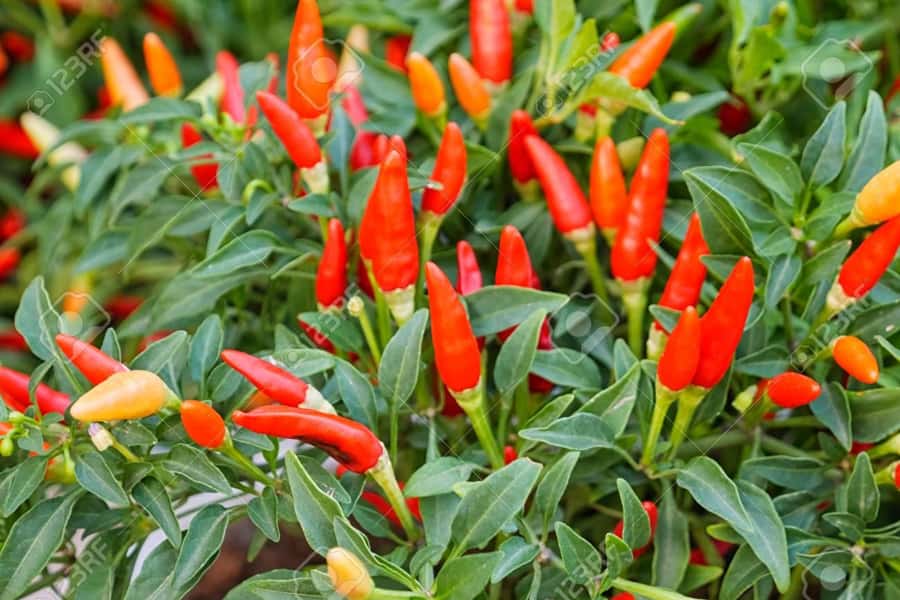
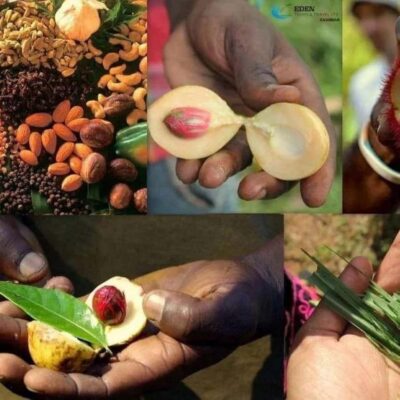
- You smell and taste the plants: Cinnamon, cloves, vanilla, nutmeg, lemon grass, pepper, chili, ginger, cumin, tamarind, and ylang-ylang are among the plants covered.
- Fresh fruit is part of the experience: Mango, passion fruit, avocado, papaya, local grapefruit, bananas, and pineapple may be offered for tasting.
- The lunch is more than a snack stop: A local kitchen prepares traditional Zanzibar food seasoned with island herbs and spices.
- The $60 price includes the main extras: Hotel pickup and return, lunch, bottled water, taxes, fuel surcharges, and service fees are included.
- You have language choices: The tour is offered in English, Italian, German, French, and Russian.
From Asian spice routes to Zanzibar farms
Zanzibar is often called the Spice Island for good reason. Its position in the Indian Ocean helped make it a major center for the spice trade, and the island’s warm tropical climate suited crops brought from Asia and Latin America.
That background gives the tour more meaning than a standard farm visit. You are not simply looking at a cinnamon tree or smelling a clove bud. You are seeing part of the agricultural story that helped shape Zanzibar’s economy, cooking, and contact with the wider world.
The tour takes you through rural parts of Unguja South Region. The setting is important. In Stone Town or a hotel dining room, spices arrive neatly packaged. Here, you get the chance to connect the finished product with its source, soil, leaves, bark, pods, seeds, and fruit.
I especially like this kind of sightseeing for visitors who want some time away from the coast. The tour offers a look at village life and local farming without requiring you to plan a separate countryside trip.
More spice farm visits:
- Zanzibar: Stone Town, Spice Tour, Prison Island with Lunch
★ 4.4 · 1,219 reviews - Zanzibar: Prison Island, Stone Town, & Spice Farm Tour
★ 4.5 · 579 reviews - Zanzibar: Stone Town, Spice tour & Prison Island with Lunch
★ 4.6 · 453 reviews
Walking among cinnamon, cloves, and vanilla
The central part of the experience is a guided walk through plantations and village areas. Your guide introduces the plants one by one, explaining their culinary and medicinal uses.
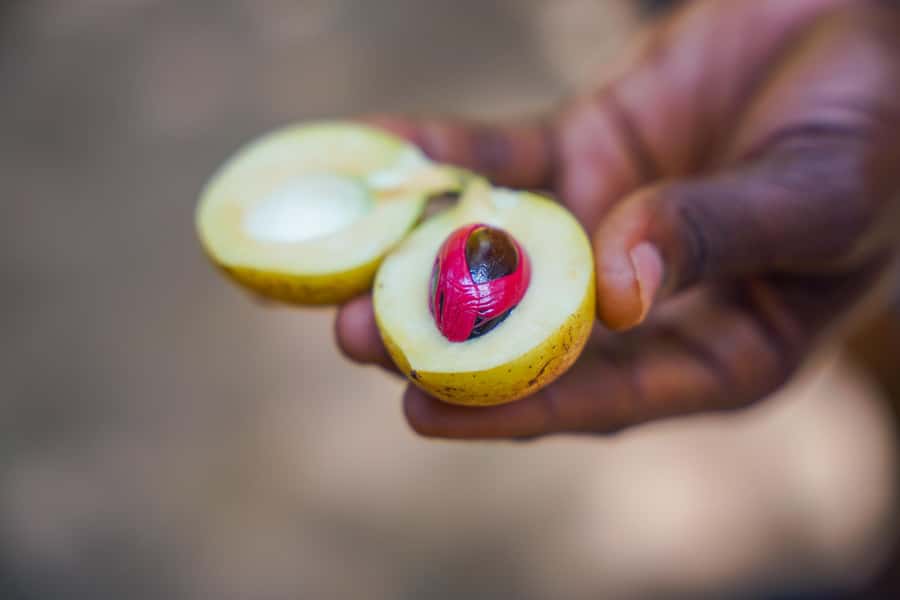
Cinnamon is especially interesting because the familiar spice comes from tree bark. Vanilla offers another useful lesson: it is not simply a flavoring in a bottle but a crop with a very different appearance at the farm. Nutmeg, pepper, ginger, chili, cumin, and cloves each add another piece to the picture.
Cloves have a particularly strong connection with Zanzibar’s identity. Their scent is sharp and instantly recognizable, but seeing the plant helps explain why the spice mattered so much to the island’s trade. You also encounter less familiar plants such as ylang-ylang and lemon grass, along with tamarind and other useful crops.
The guide’s role matters here. A good explanation can turn a series of plants into a clear story about food, medicine, farming, and commerce. The feedback on the guiding is strong, with praise for explanations that are informative, competent, and sometimes funny. That light humor should help keep the walk lively, especially if your spice knowledge begins and ends with the rack in your kitchen.
You should expect an educational experience rather than a formal botanical tour. The supplied information does not give a precise plant list for every farm or promise a set order, so the exact route and crops may vary. Still, the core appeal remains the same: use your nose, hands, and taste buds as you learn.
The fruit tasting is a welcome second act
Spices get the headline, but the tropical fruit tasting adds variety. You may try mangoes, passion fruit, avocado, papaya, local grapefruit, bananas, pineapples, and other seasonal fruit.
This part helps you understand Zanzibar’s food culture beyond seasoning. Fresh fruit is a natural fit with the island’s climate, and sampling it at the farm gives the meal later in the day some context.
The fruit also breaks up the stronger aromas. Cinnamon, cloves, chili, and ginger can make the experience quite intense, while ripe pineapple, papaya, or passion fruit brings a sweeter note. I like that balance because the tour does not ask you to focus on one sense for the entire outing.
The exact selection is not guaranteed. Fruit availability can change, and the information describes examples rather than a fixed tasting menu. If you have dietary restrictions, the available details do not specify substitutions, so you should ask the operator before booking.
A Swahili meal prepared at the farm
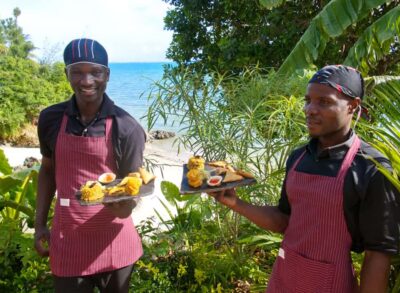
Lunch is one of the tour’s strongest features. You eat traditional Zanzibar food prepared in a local kitchen and seasoned with local herbs and spices.
That setting gives the meal a purpose. You have just seen the ingredients in their growing environment, then you taste how they work in food. It is a simple but effective way to connect farming with everyday life.
The meal has earned particularly warm praise for both flavor and presentation. One detailed account describes the food as delicious and presented in keeping with the spice theme. Another singles out the Swahili meal as an excellent finish to an educational and beautiful outing.
You should not expect a restaurant-style menu or a choice of several courses. The available information does not name the dishes, list ingredients, or explain how the kitchen handles allergies. The value comes from the local setting and the link between the farm and the plate, not from fine dining.
For many people, this lunch will be the moment that makes the tour feel complete. Without it, the outing could seem like a walk followed by shopping. With it, you get a practical taste of Zanzibar’s food traditions.
A few more trips of this kind worth comparing:
- Full-Day Private Stone Town +Spice Farm and Prison Island Tour
★ 4.5 · 216 reviews - Zanzibar: Stone Town & Spice Farm Tour with Lunch
★ 4.5 · 97 reviews - Zanzibar:Stone Town & Spice Farm Private Tour Lunch Included
★ 4.2 · 94 reviews - Zanzibar full day Jozani forest + Spice farm and stone town
★ 4.7 · 90 reviews
Hotel transfers make the day easier
Hotel pickup and drop-off are included in the $60 price. This matters in Zanzibar, where arranging transport to a rural plantation can be less convenient than simply meeting a designated vehicle at your accommodation.
The transfer also makes the tour easier to add to a wider holiday plan. You do not need to arrange a separate taxi for the outbound and return journeys, and fuel surcharges, taxes, and service fees are already included.
Most of the available feedback describes the transfers as well organized, with pickup and return working perfectly. That is a real strength because transport problems can spoil even a good excursion.
Still, do not treat the transfer as something to ignore. One very negative account reports that the promoter did not arrive at the hotel, did not answer emails, and provided a phone number that was not assigned. Another contact connected with the provider reportedly could not find the reservation.
That complaint conflicts with the otherwise positive picture, but it is too specific to dismiss. I would save your booking confirmation, verify the hotel name and pickup details, and make sure you know whom to contact if the vehicle does not arrive. This is sensible for any paid excursion, especially one outside the main town.
Is $60 a fair price?
At $60 per person, the tour offers more than admission to a plantation. The price includes hotel transportation, a local lunch, bottled water, taxes, fuel surcharges, and service fees.
That package makes the cost reasonable for you if you value convenience and want several activities combined in one outing. You get countryside access, a guided walk, spice and fruit tastings, cultural information, and a meal without having to coordinate each part yourself.
The value is also better for visitors who would otherwise pay separately for transport and lunch. Since those items are included, the listed price is easier to compare with a bare farm entrance fee, which may not include the same services.
The calculation is less favorable if you only want to buy spices. Zanzibar has many places to shop for packaged seasonings, and a tour is a longer way to reach that goal. You are paying for the explanations, farm setting, village connection, food, and transport.
I would book it for the full experience rather than for shopping alone. The included lunch and transfers are not minor extras. They make the tour more practical and help explain the island through its food.
What the guide adds to the experience
The guide is the bridge between a pleasant walk and a worthwhile cultural visit. You need someone to explain which part of a plant is used, why the spice matters, and how it enters cooking or traditional medicine.
The strongest feedback praises guides who combine clear information with humor. That combination is useful on a sensory tour. Smelling plants is fun, but the details give the experience a lasting shape.
The tour is offered in English, Italian, German, French, and Russian. You should select the language that allows you to ask questions comfortably, particularly if you want more than a quick introduction.
No individual guide names are provided, so I cannot point you toward a specific person. Guide quality can also vary from one departure to another. Even so, the repeated praise for clear explanations supports the idea that interpretation is a central part of the outing.
Ask questions as you go. You might ask how a spice is used in Zanzibar cooking, which part of the plant is harvested, or whether a plant is mainly culinary or medicinal. Those questions can turn a standard explanation into a more personal exchange.
Shopping for gifts without losing the point
The tour includes an opportunity to buy spices as gifts. That can be useful if you want something small and easy to pack, such as seasonings associated with Zanzibar.
I recommend treating the shopping as an optional final benefit, not the main reason to reserve. The educational walk and local meal are the stronger parts of the experience. A bag of spice is a reminder of the visit, but it cannot replace the explanation of how the crop grows or how local cooks use it.
You should also ask what you are buying and how it is packaged before paying. The supplied details do not specify prices, product sizes, or the range of goods available. Keep your purchases modest unless you have checked your airline and destination customs rules.
Who will enjoy this Zanzibar excursion?
This tour suits you if you want a cultural outing that is easy to arrange and not limited to beaches. It should appeal to food lovers, amateur gardeners, families, and anyone curious about the connection between agriculture and local cooking.
It is also a good choice if you prefer an experience with several parts: a guided walk, tastings, conversation with local people, and lunch. You do not have to be an expert in spices. In fact, the tour works best when you arrive curious and willing to smell unfamiliar plants.
You may want to choose another activity if you dislike rural visits, do not enjoy tasting unfamiliar foods, or want a tightly timed historical tour with a fixed list of monuments. The information does not provide a duration, group size, or exact route, so you should not book this expecting a highly structured schedule.
Families may appreciate the sensory elements, though the available details do not state whether special arrangements are offered for children. The same applies to accessibility and dietary needs. Ask the operator directly if those matters affect your decision.
Booking details worth checking first
You can reserve now and pay later, which helps if your Zanzibar plans are still shifting. Cancellation is allowed up to 24 hours in advance for a full refund.
Before booking, check four simple points:
- Confirm the hotel name and pickup arrangement.
- Save the provider’s contact details and booking confirmation.
- Choose your preferred tour language.
- Ask about food ingredients if you have an allergy or dietary restriction.
The experience is operated by AMAYA TOURS COMPANY LIMITED. Its overall rating is 4.6 out of 5 from 18 ratings, with especially strong praise for the food, guides, plantation explanations, and hotel transfers.
Should you book the Spice Farm tour?
I would book this tour if you want to understand Zanzibar through its crops and cooking, not just its shoreline. The best parts are the chance to smell and taste spices where they grow, sample tropical fruit, and eat a Swahili meal prepared with local ingredients.
The $60 price is fair because transportation, lunch, water, and fees are included. The main concern is the conflicting evidence about pickup communication. Confirm everything before departure, and keep the operator’s contact information close at hand.
Choose this outing for a friendly, food-focused look at rural Unguja. Skip it if your only goal is buying spices or if you need a precise timetable and guaranteed menu. For most curious visitors, it offers a useful change of pace and a memorable way to make sense of Zanzibar’s Spice Island nickname.
FAQ
Where does the Zanzibar Spice Farm tour take place?
The tour takes place in the Unguja South Region of Tanzania, in rural areas with villages and spice plantations.
How much does the tour cost?
The listed price is $60 per person.
What is included in the price?
The price includes hotel pickup and drop-off, a local lunch at the farm, bottled water, taxes, fuel surcharges, and service fees.
Which spices can I see on the tour?
The tour may include cinnamon, vanilla, nutmeg, lemon grass, cloves, ylang-ylang, cumin, ginger, pepper, tamarind, chili, and other spices and herbs.
Which fruits may be available to taste?
Examples include mangoes, passion fruits, avocado, papaya, local grapefruits, bananas, and pineapples. The exact selection may vary.
What languages are available?
The tour is offered in English, Italian, German, French, and Russian.
Can I reserve now and pay later?
Yes. You can reserve your place and pay nothing at the time of booking.
What is the cancellation policy?
You can cancel up to 24 hours in advance for a full refund.
Just added around Kendwa
- Zanzibar: African Sunset Boat Party in Zanzibar Music, Views★ 4.3 · 3 reviews
- sunset dow cruise at kendwa beach★ 4.7 · 3 reviews
- Zanzibar: Nungwi/Kendwa Beach Sunset Dhow Cruise with Fruits★ 3.4 · 3 reviews
- FROM KENDWA; Mnemba snorkelling and Dolphin tour★ 4.6 · 4 reviews
- Zanzibar jetski Adventure Tour★ 4.9 · 6 reviews
- From Kendwa/Nungwi: Mnemba Dolphins with Snorkel Tour★ 5.0 · 6 reviews
- Nungwi: Mnemba Atoll Dolphins Tour with Snacks | Half-day★ 4.0 · 7 reviews
- Jet Ski Adventure Zanzibar :Fun at Kendwa/Nungwi Beach★ 4.6 · 11 reviews
Spice Farm Tours, compared.

Stone Town, Spice Tour, Prison Island with Lunch
Read our review →
Stone Town, Spice tour & Prison Island with Lunch
Read our review →
Full-Day Private Stone Town +Spice Farm and Prison Island Tour
Read our review →

The Swahili Spice Experience – Spice Tour + Culinary Journey
Read our review →Browse the lists this tour appears in