
Reviewed · SPICE FARM TOURS
Spice Farm Tour -Half Day
Follow Zanzibar’s scent inland. This three-hour outing pairs a walking spice-farm tour with a visit to Kidichi Persian Baths, giving you a close look at how cloves, cinnamon, vanilla, turmeric, and other crops grow. I like the hands-on tasting, and I like that the guide explains how each plant is used rather than simply naming it.
The tour also offers hotel pickup and drop-off in private air-conditioned transport, which makes the $50 price easier to justify. The main consideration is that you need a moderate level of fitness, and lunch, tea, and coffee are not included. The farm walk takes place outdoors, so poor weather can affect the schedule.
In This Review
- Key points to know before booking
- Why a Zanzibar spice tour is worth your morning
- Kidichi Persian Baths and the story of Princess Sheherezade
- Walking among cloves, cinnamon, and vanilla
- Tropical fruit tastings with a seasonal twist
- A closer look at local life on foot
- What the guide adds to the experience
- The optional cooking class
- Is $50 a fair price?
- Timing, transport, and practical planning
- Who will enjoy this Zanzibar farm visit?
- Should you book the Spice Farm Tour?
- FAQ
- How long does the Spice Farm Tour last?
- Where does the tour take place?
- Is hotel pickup included?
- What is included in the price?
- Are lunch, coffee, and tea included?
- Is a cooking class available?
- How many people can join the tour?
- What happens if bad weather cancels the tour?
Key points to know before booking
- Kidichi Persian Baths add cultural depth: See the 1850 bath complex built by Sultan Seyyid Said for his Persian wife, Princess Sheherezade.
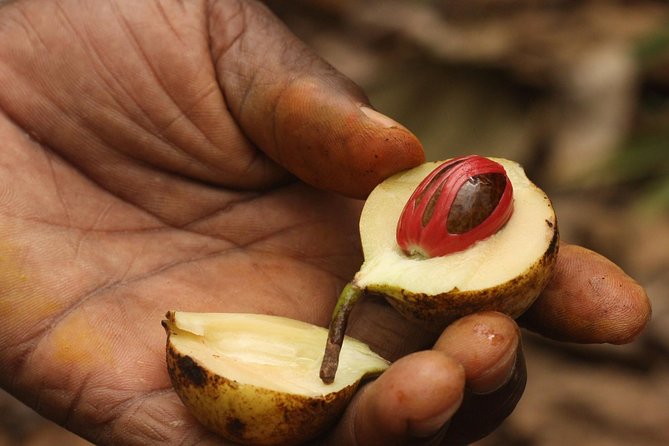
- You taste and smell the crops: Cloves, lemongrass, nutmeg, cinnamon, turmeric, vanilla, coconut, chili, black pepper, and cardamom are part of the experience.
- The guide makes the farm practical: You learn how spices, herbs, and fruits are cultivated and used in daily life.
- Hotel pickup is included: A private, air-conditioned vehicle takes you to and from your hotel.
- A cooking class is available by request: Ask before booking if you want to add a food-focused element.
- Plan for a small to medium group: The maximum group size is 20 people, with discounts available for groups.
Why a Zanzibar spice tour is worth your morning
Zanzibar is often called the Spice Island, but that nickname means more once you see the plants at ground level. In a shop, a packet of cinnamon or a dried clove tells you very little. On this tour, you see the crops growing, smell them fresh, and hear how they are used.
I like that this is a walking tour rather than a quick stop at a market stall. You are shown the farm, or shamba, and the guide describes the work behind the produce. That connection helps you understand why spices matter to Zanzibar’s culture, food, and economy.
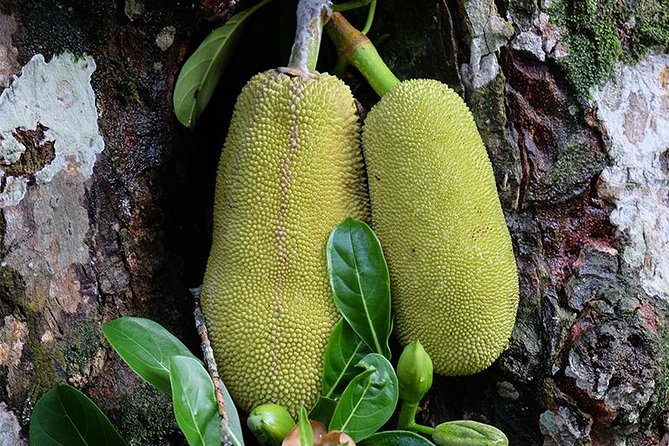
The tasting is another strong point. You may sample green coconut juice, tropical fruit, herbs, and spices during the visit. The exact fruit selection can change with the season, but the advertised list includes jackfruit, pineapple, banana, papaya, oranges, durian, lychee, sour fruit, love apple, and coconut.
This is not a polished museum display. It is a chance to explore a working agricultural setting on foot and get a glimpse of local life outside Zanzibar City. You should expect natural ground, heat, and the simple rhythm of a farm visit.
More spice farm visits:
- Zanzibar: Stone Town, Spice Tour, Prison Island with Lunch
★ 4.4 · 1,219 reviews - Zanzibar: Prison Island, Stone Town, & Spice Farm Tour
★ 4.5 · 579 reviews - Zanzibar: Stone Town, Spice tour & Prison Island with Lunch
★ 4.6 · 453 reviews
Kidichi Persian Baths and the story of Princess Sheherezade
The first planned stop is Kidichi Persian Baths, built in 1850 by Sultan Seyyid Said. He commissioned the baths for his Persian wife, Princess Sheherezade, who was the granddaughter of Shah Fatah Ali of Persia.
The site sits at one of the highest points on Zanzibar Island. Its setting gives the visit a useful sense of place before you continue to the spice farms. The baths are decorated with ornamental Persian stucco work, a striking contrast to the plain structures found nearby at Kizimbani.
Inside, you can see a series of domed bathhouses, deep stone baths, and large stone seats. The remains are described as remarkably well preserved. Even if you are not deeply interested in royal architecture, this is a worthwhile short stop because it links Zanzibar’s plantation economy with the ruling sultanate and its Persian connections.
The nearby Kizimbani baths were built within a plantation of clove trees and coconut palms. Their simpler design gives you a useful comparison. One site was made for royal comfort and display, while the other served a more practical purpose.
Allow yourself time to look closely at the stucco details and imagine how water, bathing, and court life worked in this setting. The baths are not a huge complex, so the stop is best understood as a concise historical introduction rather than a full museum visit.
Walking among cloves, cinnamon, and vanilla
After Kidichi, the tour continues through the countryside to the spice farms and plantations. This is where the outing becomes most active. You walk among crops while the guide points out what you are seeing, explains cultivation, and connects the plants to cooking and household use.
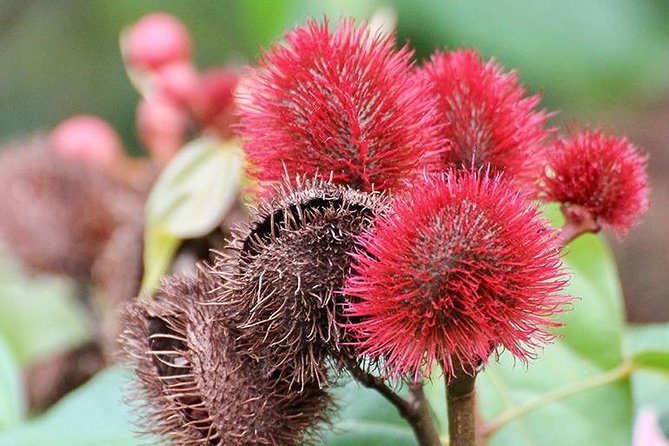
The advertised spices include clove, lemongrass, nutmeg, cinnamon, turmeric, vanilla, chili, black pepper, and cardamom. These plants do not all look alike, which is part of the fun. Some are familiar only after processing, so seeing them in their natural form can change how you think about the spice rack at home.
Cloves are especially important to Zanzibar’s identity. You may recognize the sharp scent quickly, but the farm setting shows that the familiar dried bud begins as part of a living tree. Cinnamon, turmeric, and vanilla offer another useful lesson: the food product you buy in a shop is only one stage in a longer process.
I would pay attention to the guide’s explanations about practical uses. The point is not only to identify a plant. You learn how herbs and spices can be used in cooking and daily life. That is what makes the tour more than a pleasant walk among greenery.
You will also encounter crops such as cassava and coconut. These are useful reminders that the farm is not limited to expensive or exotic seasonings. It includes food plants that support ordinary meals and local routines.
Tropical fruit tastings with a seasonal twist
The fruit tasting gives the three-hour tour a lighter, more social rhythm. You may see or taste jackfruit, pineapple, banana, green coconut juice, papaya, oranges, durian, lychee, sour fruit, and love apple.
Some of these will be familiar. Others may be new to you, especially if you have never tried fresh jackfruit or durian. The selection depends on what is available at the time of your visit, so you should treat the list as a guide rather than a fixed menu.
Green coconut juice is a particularly fitting farm refreshment. A bottle of water is included, but the coconut adds a direct link to the plantation setting. It also makes sense to pace yourself in the heat. You are walking outdoors, smelling strong spices, and sampling fruit, so a slow approach is more enjoyable than rushing from plant to plant.
The tasting is not presented as a full lunch. Lunch is not included, and neither are coffee or tea. If you need a substantial meal, plan for one separately before or after the excursion.
A few more trips of this kind worth comparing:
- Full-Day Private Stone Town +Spice Farm and Prison Island Tour
★ 4.5 · 216 reviews - Zanzibar: Stone Town & Spice Farm Tour with Lunch
★ 4.5 · 97 reviews - Zanzibar:Stone Town & Spice Farm Private Tour Lunch Included
★ 4.2 · 94 reviews - Zanzibar full day Jozani forest + Spice farm and stone town
★ 4.7 · 90 reviews
A closer look at local life on foot
The walking format is one of the best reasons to choose this outing. You are not limited to looking out of a vehicle window as the countryside passes. You get a closer view of the soil, plants, paths, and working farm environment.
That does require sensible preparation. The tour information asks for a moderate level of physical fitness, so you should be comfortable walking around an outdoor farm for part of the visit. Wear practical clothing and shoes suited to uneven natural ground, though the supplied details do not specify a required dress code.
The pace is described through the guide experience as relaxed and enjoyable. That matters because a spice tour works best when you have time to smell and taste rather than hurry through a long list of names.
The group limit is 20 people. That is not an intimate private walk unless you book accordingly, but it is still small enough to keep the experience manageable. Group discounts may help if you are traveling with family or friends.
Private, air-conditioned transport is included for the transfer to and from your hotel. This is a real benefit in Zanzibar’s warmth. It also removes the need to arrange separate transport to a farm outside the city.
What the guide adds to the experience
A spice farm can be beautiful without being especially informative. The guide makes the difference here. The strongest praise for this outing focuses on clear explanations, a relaxed manner, and the way the tour builds appreciation for everyday flavors.
I like that combination. A guide who lists facts too quickly can turn a farm visit into a test. A guide who only points out pretty plants leaves you with little to remember. The ideal approach is practical: this is the plant, this is how it grows, this is how it is used, and this is why it matters in Zanzibar.
You should ask questions as you walk. Ask about the difference between fresh and dried spices, how a particular crop is harvested, and which fruits are seasonal. The supplied information confirms that the guide discusses cultivation and uses, but it does not promise a set question-and-answer session, so your own curiosity will help shape the visit.
The guide also provides cultural context about Zanzibar’s past and present. Kidichi connects to the sultanate and Persian royal ties, while the plantation visit shows how agriculture remains part of local life. These two parts work well together.
The optional cooking class
A cooking class at the spice farm is available on request. This could be a smart addition if food is your main reason for booking, but you need to arrange it ahead of time rather than assume it is part of the standard half-day tour.
The regular outing already includes smelling and tasting spices, herbs, and fruit. A cooking class would take that learning one step further by showing how ingredients move from the farm into a dish. The available information does not specify the menu, length, price, or exact format, so ask for those details before confirming.
If you have only three hours, check whether the class replaces part of the normal farm walk or is added to it. The advertised duration is approximately three hours, and the itinerary describes about two hours for the main stop, so timing may depend on the day’s arrangement.
Is $50 a fair price?
At $50 per person, this is not the cheapest way to see a few spice plants. The value comes from the package: hotel pickup and drop-off, private air-conditioned transport, a professional guide, a historical site, the farm walk, tastings, and a bottle of water.
The price makes the most sense if you are staying in Zanzibar City and want a straightforward half-day outing without arranging transport yourself. It also works well for first-time visitors who want history, food, and countryside in one short activity.
The value is less convincing if you only want to shop for spices. A market visit would be a simpler choice. This tour is aimed at people who want to understand where the products come from and how they fit into local life.
There is no lunch, coffee, or tea included, so remember to budget for food separately. A cooking class may also cost extra, since it is listed as an optional request rather than part of the standard price.
Timing, transport, and practical planning
The tour lasts approximately three hours. The listed itinerary gives two hours for the Kidichi and countryside portion, so the remaining time likely covers transfers and the farm visit. Since the exact schedule can vary, confirm pickup time and the cooking class arrangement if those details matter to you.
Hotel pickup and drop-off are included. You will ride in private air-conditioned transport, which is especially useful for a mid-day farm outing. A mobile ticket is offered, and confirmation is provided when you book.
The maximum group size is 20 people. Group discounts are available, making this worth considering for a family, wedding party, or small organized group. The information does not state a minimum age, so families with young children should ask the operator before booking.
The tour requires good weather. If rain or other poor conditions cause cancellation, you can choose another date or receive a full refund. You can also cancel for a full refund if you do so at least 24 hours before the start time. Changes made less than 24 hours ahead are not accepted.
Who will enjoy this Zanzibar farm visit?
I would recommend this tour to you if you enjoy food, farming, local history, and short outdoor activities. It is especially useful if you want more than a beach day but do not have time for a full-day excursion.
Families may appreciate the fruit tasting and the chance to see unusual plants, though the moderate fitness requirement and outdoor walking deserve attention. Food-focused visitors should ask about the cooking class before booking.
This is also a good choice for anyone who likes a guide-led introduction. You do not need prior knowledge of spices. The tour is designed to show you what grows, how it is cultivated, and how it is used.
I would be more cautious if you dislike heat, outdoor walking, or group activities. The tour is not built around luxury facilities, a long meal, or extensive museum time. It is a practical farm visit with a historical stop.
Should you book the Spice Farm Tour?
Book it if you want an easy half-day from Zanzibar City that combines spices, tropical fruit, and local history. The included transport and guide make the $50 price reasonable, while the relaxed explanations and tastings give the visit more value than a simple plantation photo stop.
Skip it if your main goal is a formal cooking lesson, a full meal, or a private in-depth history tour unless you confirm those arrangements first. For most visitors who want to understand Zanzibar through its food and farms, this is a well-balanced introduction.
FAQ
How long does the Spice Farm Tour last?
The experience lasts approximately three hours.
Where does the tour take place?
The tour is based in Zanzibar City and visits a spice farm, or shamba, as well as Kidichi Persian Baths.
Is hotel pickup included?
Yes. Hotel pickup and drop-off are included in private, air-conditioned transport.
What is included in the price?
The price includes a professional tour guide, hotel transportation, and a bottle of water.
Are lunch, coffee, and tea included?
No. Lunch, coffee, and tea are not included.
Is a cooking class available?
Yes. A cooking class at the spice farm is available on request.
How many people can join the tour?
The maximum group size is 20 people. Group discounts are available.
What happens if bad weather cancels the tour?
If poor weather causes cancellation, you can choose another date or receive a full refund. You can also cancel at least 24 hours before the start time for a full refund.
Just added around Zanzibar
- Spice Tour of Zanzibar★ 4.5 · 3 reviews
- Zanzibar : Stone Town Tour,history without transport★ 4.8 · 3 reviews
- Zanzibar: 3-Day Northern Safari with Flights Included★ 4.8 · 3 reviews
- Starfish Beach; The Rock; Kuza Cave; Paje Beach; Salaam Cave Tour★ 4.5 · 3 reviews
- Jozani Forest, kuza cave and mtende beach★ 5.0 · 3 reviews
- ZANZIBAR: Stone Town and Jozani Forest Guided Tour★ 4.0 · 3 reviews
- Zanzibar: African Sunset Boat Party in Zanzibar Music, Views★ 4.3 · 3 reviews
- Joazani forest & Spice farm with lunch★ 5.0 · 3 reviews
Spice Farm Tours, compared.

Stone Town, Spice Tour, Prison Island with Lunch
Read our review →
Stone Town, Spice tour & Prison Island with Lunch
Read our review →
Full-Day Private Stone Town +Spice Farm and Prison Island Tour
Read our review →

The Swahili Spice Experience – Spice Tour + Culinary Journey
Read our review →Browse the lists this tour appears in