
Reviewed · SPICE FARM TOURS
Spice Tour and Jozani Forest
Spices tell Zanzibar’s story. I like the hands-on farm visit, where you smell, touch, and taste cloves, cinnamon, vanilla, turmeric, and tropical fruit, and I like the chance to see Zanzibari red colobus monkeys, found nowhere else. The main consideration is that lunch costs extra, and the full route description also mentions Prison Island and a Stone Town city tour, so you should confirm the exact schedule before booking.
The tour combines two very different sides of Unguja: working farmland and protected forest. I also appreciate the careful organization praised by Angelo, plus the friendly help reported from guide Hussein and driver Morshed. The tour is offered in English, French, German, Italian, and Spanish, which makes it easier to follow the plant and wildlife explanations.
In This Review
- Key points at a glance
- Why this Zanzibar pairing works so well
- Starting at an organic spice farm
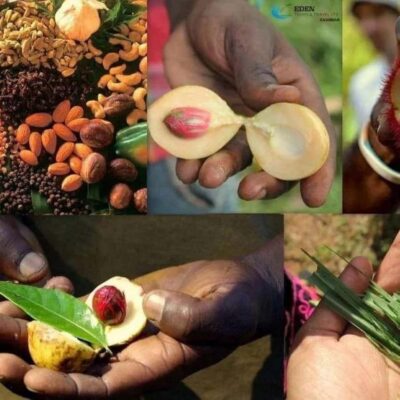
- Smelling, tasting, and learning at ground level
- The route beyond the farm
- Entering Jozani Forest, 38 kilometers from Stone Town
- Following the nature trail and mangrove walk
- What the guides and drivers add
- Is $100 per person a fair price?
- Who should book this day?
- Should you book the Spice Tour and Jozani Forest?
- FAQ
- Where does the Spice Tour and Jozani Forest experience take place?
- What animals can I see at Jozani Forest?
- Is lunch included in the $100 price?
- What spices and plants will I see?
- Is hotel transportation included?
- What languages are available?
- What are Jozani Forest’s opening hours?
- How close can I get to the monkeys?
Key points at a glance
- Taste the farm, not just look at it: You can handle and sample cloves, lemongrass, nutmeg, cinnamon, vanilla, turmeric, coconut, papaya, chili, black pepper, jackfruit, cardamom, cassava, and oranges, depending on the season.
- See Zanzibar’s famous red colobus monkeys: Jozani Forest protects the island’s distinctive red colobus, along with other animals, birds, and butterflies.
- Walk through a mangrove swamp: The visit includes a nature trail and a walk around the mangrove forest.
- Expect a well-organized private transfer setup: Hotel pickup, drop-off, a guide, and entry fees are included in the $100 price.
- Plan for an extra lunch cost: A traditional Swahili meal is part of the stated itinerary, but lunch is not included in the listed price.
Why this Zanzibar pairing works so well
The Spice Tour and Jozani Forest make a sensible day out because they show you two parts of Zanzibar that are easy to miss from a beach resort. At the farm, you learn how familiar ingredients grow. In the forest, you see native wildlife and wetland plants. One stop is practical and sensory; the other is quiet and ecological.
I like this contrast more than a day built around sightseeing alone. You are not simply driven from one photo stop to another. You walk, listen, smell, taste, and watch for animals. That gives the day a stronger connection to everyday life on the island.
The price is $100 per person. That is not the cheapest way to see Zanzibar, but the value improves if you want hotel transportation, a guide, and entrance fees handled together. The tour also works well for solo visitors. Josephine, who traveled alone, felt comfortable and said the staff made a real effort to explain each part of the day.
A practical point: the information describes the main route as the spice farm followed by Jozani Forest, but it also mentions Prison Island and a Stone Town city tour. These additions may reflect a broader itinerary or a scheduling variation. Ask for the exact route before paying, especially if those stops are important to you.
More Jozani Forest and red colobus trips:
- Zanzibar: Jozani Forest & Sea Tortoises Sanctuary Tour
★ 4.6 · 204 reviews - Dolphin tour, Jozani Forest, Jambiani Kuza Cave, Paje Beach &The Rock restaurent
★ 4.5 · 164 reviews - Zanzibar full day Jozani forest + Spice farm and stone town
★ 4.7 · 90 reviews
Starting at an organic spice farm
The farm visit is a walking tour through a shamba, the Swahili word for a cultivated farm. You will see crops growing rather than meeting them only as dried packets in a shop. That simple difference makes the visit worthwhile.
Your guide explains how the plants grow and how people use them. You may touch leaves, smell bark, inspect fruit, and taste items that are ready at that time of year. The farm has a wide variety of plants throughout the year, but individual fruits and spices are seasonal. Do not expect every item listed to be ripe or available on every visit.
The range is impressive:
- Clove
- Lemongrass
- Nutmeg
- Cinnamon
- Turmeric
- Vanilla
- Coconut
- Papaya
- Chili
- Black pepper
- Jackfruit
- Cardamom
- Cassava
- Oranges
This is where the guide matters. The best part is not merely identifying a cinnamon tree. It is understanding how a spice is grown, which part of the plant is used, and how it enters local cooking or trade. The explanations also connect the farm to Zanzibar’s past as a major producer of cloves, nutmeg, and cinnamon.
The tour places those crops in a wider story. Portuguese traders introduced many spices to Zanzibar in the 16th century, bringing them from South America and India. That history helps explain why the island became known as the Spice Island, but the farm keeps the subject grounded in plants you can actually see and handle.
Smelling, tasting, and learning at ground level
I would treat the spice farm as a sensory lesson rather than a formal museum. Your nose does much of the work. A crushed leaf or freshly opened pod can be more memorable than a long speech about cultivation.
The tasting is another strong feature. Seasonal fruit is served at the end of the farm portion, and the visit can include papaya, coconut, jackfruit, oranges, or other available produce. Josephine especially appreciated the detailed explanations and the fruit tasting. If you enjoy food, gardening, or local agriculture, this part may be the highlight of the day.
The farm also helps you understand the gap between a raw crop and a kitchen ingredient. Turmeric, cardamom, black pepper, vanilla, and cloves are familiar in powdered or packaged form. Seeing the plants gives you a better sense of their shape and source.
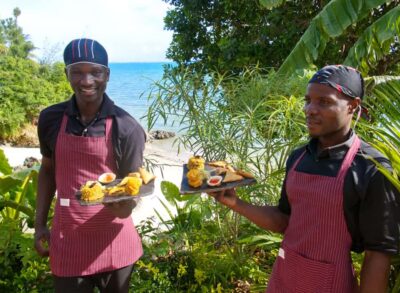
A traditional Swahili lunch is included in the described flow of the day, but the listed price excludes lunch. That means you should budget for it separately and clarify the cost before the meal. The lunch is useful because it lets you taste how spices work in prepared food, not only as individual samples.
The route beyond the farm
The description also refers to a transfer toward Prison Island, followed by a return to Stone Town for a city tour. Since the main highlights focus on the spice farm and Jozani Forest, you should confirm whether Prison Island and Stone Town are included in your particular booking.
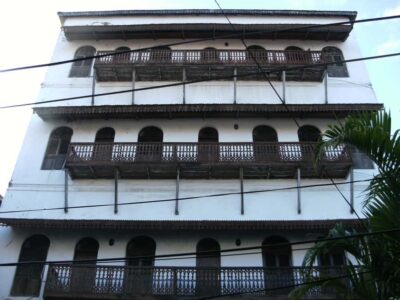
If they are part of your schedule, they add a different kind of sightseeing. Prison Island is an excursion stop, while Stone Town offers streets, buildings, and the urban side of Zanzibar. They would make the day broader, but they could also make it feel busy when combined with a farm walk, lunch, and forest visit.
The most useful question to ask is not simply how long the tour lasts. Ask which stops are guaranteed, how much time is allocated to each, and whether the route changes according to pickup location. One person found the day shorter than eight hours but still felt it was sufficient because the main sights were covered. That is a reminder that a tightly run day can work well if the key stops receive enough time.
More spice farm visits:
- Zanzibar: Stone Town, Spice Tour, Prison Island with Lunch
★ 4.4 · 1,219 reviews - Zanzibar: Prison Island, Stone Town, & Spice Farm Tour
★ 4.5 · 579 reviews - Zanzibar: Stone Town, Spice tour & Prison Island with Lunch
★ 4.6 · 453 reviews - Full-Day Private Stone Town +Spice Farm and Prison Island Tour
★ 4.5 · 216 reviews
Entering Jozani Forest, 38 kilometers from Stone Town
Jozani Forest lies about 38 kilometers southeast of Stone Town, in the center of Jozani-Chwaka Bay National Park. The forest is the wildlife half of the experience, and its main prize is the Zanzibari red colobus monkey.
These monkeys are the reason many people book this trip. They cannot be seen anywhere else, according to the tour information, so this is not simply a general forest walk that happens to include monkeys. It is a chance to look for one of Zanzibar’s most distinctive native animals.
You might also catch sight of Blue Sykes’ monkeys, bush pigs, Aders duiker antelopes, elephant shrews, chameleons, birds, and butterflies. Wildlife is never guaranteed, and the forest visit is best approached with patience. A monkey may be close to the trail, or you may need to watch carefully among the trees.
The forest is open daily from 7:30 a.m. to 5 p.m. Early morning is described as the best time for wildlife. If your pickup time allows it, an early start should improve your chances of seeing active animals and may also make the walk more comfortable.
Following the nature trail and mangrove walk
Jozani has a marked nature trail, and the guides are trained to explain the plants and animals along the way. This makes the forest more rewarding than a quick stop for a single monkey photograph.
The trail also leads to a mangrove swamp. The mangrove section adds a second habitat to the day, with a different feel from the inland forest. You walk around the mangrove forest and see how wetland vegetation forms part of Zanzibar’s natural environment.
I like this portion because it slows the pace after the farm and transfer. The visit is not only about spotting an animal. It gives you time to notice the plants, the damp setting, and the relationship between forest and swamp.
The wildlife rules are important. Keep at least three meters from animals, and do not visit if you have cold or flu-like symptoms. The monkeys are susceptible to human illnesses and have little resistance to them. This is a small rule with a serious purpose: good wildlife viewing means giving the animals space and protecting them from human disease.
What the guides and drivers add
The organization receives strong praise, and that matters on a day with several moving parts. Angelo described the arrangements as careful, with the route explained clearly. That suggests the tour is a good fit if you prefer not to coordinate transport, tickets, and a forest visit on your own.
Guide Hussein is singled out for his friendly manner and the way he explains plants, local people, and the area’s past. Driver Morshed is described as kind. These personal touches can shape the day, especially when you are moving between a farm, forest, and possible additional stops.
The tour includes hotel pickup and drop-off, a guide, and entry fees. Those inclusions remove several common sources of hassle. You do not need to work out separate transportation to a farm and then onward to Jozani, and you can focus on listening and looking rather than arranging the next leg.
The tour is available in English, French, German, Italian, and Spanish. Check your preferred language when reserving so the plant and wildlife explanations are useful to you, not just the transport.
Is $100 per person a fair price?
At $100 per person, this tour offers fair value if you want an organized day with transport and admission included. The price is easier to justify for solo visitors or anyone staying away from the main route, since hotel pickup and drop-off are already arranged.
The value is less clear if you only want a brief spice farm visit. In that case, you would be paying for the guide, Jozani Forest entry, transport, and the full combination of stops. The package makes most sense when you want both agriculture and wildlife in one outing.
Remember that lunch is not included. The itinerary describes a traditional Swahili lunch at the farm, but you should confirm the extra cost. This is the main budget detail that could catch you off guard.
The booking terms are flexible: you can reserve now and pay later, and cancellation is allowed up to 24 hours in advance for a full refund. Those terms are useful if your Zanzibar plans are still shifting.
Who should book this day?
I would recommend this tour to you if you want more than beaches and resort time. It suits people interested in food, plants, wildlife, photography, and local culture. Families may enjoy the tasting and monkey search, while solo visitors can benefit from the included transfer and guide.
It is also a strong choice if you want explanations rather than a self-guided stop. The farm has many plants, and the forest includes several habitats and animal species. Without a guide, it would be easy to walk past details that make the places meaningful.
You should think twice if you dislike walking, have very limited time, or want a slow day with only one destination. The route can involve several stops, and the description includes more than the two headline attractions. Confirm the schedule so you know how much time you will spend in transit.
Should you book the Spice Tour and Jozani Forest?
Book it if you want an efficient, well-supported introduction to Zanzibar’s farms and wildlife. The hands-on spice visit, seasonal fruit, red colobus monkeys, mangrove trail, hotel transfers, and entry fee create a useful package at $100, especially for a solo visitor or first-time island visitor.
Before booking, confirm the exact inclusion of Prison Island and the Stone Town city tour, and ask about the separate lunch cost. If the schedule gives proper time to the spice farm and Jozani Forest, this is a rewarding choice. If you prefer a shorter, slower outing, book a single attraction instead.
FAQ
Where does the Spice Tour and Jozani Forest experience take place?
It takes place in Zanzibar’s Unguja South Region, Tanzania. Jozani Forest is about 38 kilometers southeast of Stone Town.
What animals can I see at Jozani Forest?
The main animal is the Zanzibari red colobus monkey, which cannot be seen anywhere else. You might also see Blue Sykes’ monkeys, bush pigs, Aders duiker antelopes, elephant shrews, chameleons, birds, and butterflies.
Is lunch included in the $100 price?
No. Lunch is not included in the listed price. The itinerary describes a traditional Swahili lunch at the farm, so confirm the separate cost before the meal.
What spices and plants will I see?
The farm may include cloves, lemongrass, nutmeg, cinnamon, turmeric, vanilla, coconuts, papaya, chili, black pepper, jackfruit, cardamom, cassava, and oranges. Availability of fruits and some crops can vary by season.
Is hotel transportation included?
Yes. Hotel pickup and drop-off are included, along with a tour guide and entry fee.
What languages are available?
The tour is offered in English, French, German, Italian, and Spanish.
What are Jozani Forest’s opening hours?
Jozani Forest is open daily from 7:30 a.m. to 5:00 p.m. Early morning is described as the best time to see wildlife.
How close can I get to the monkeys?
You should keep at least three meters between yourself and any wildlife. You should also avoid the forest if you have cold or flu-like symptoms because the monkeys are susceptible to human diseases.
Just added around Zanzibar
- Spice Tour of Zanzibar★ 4.5 · 3 reviews
- Zanzibar : Stone Town Tour,history without transport★ 4.8 · 3 reviews
- Zanzibar: 3-Day Northern Safari with Flights Included★ 4.8 · 3 reviews
- Starfish Beach; The Rock; Kuza Cave; Paje Beach; Salaam Cave Tour★ 4.5 · 3 reviews
- Jozani Forest, kuza cave and mtende beach★ 5.0 · 3 reviews
- ZANZIBAR: Stone Town and Jozani Forest Guided Tour★ 4.0 · 3 reviews
- Zanzibar: African Sunset Boat Party in Zanzibar Music, Views★ 4.3 · 3 reviews
- Joazani forest & Spice farm with lunch★ 5.0 · 3 reviews
Spice Farm Tours, compared.

Stone Town, Spice Tour, Prison Island with Lunch
Read our review →
Stone Town, Spice tour & Prison Island with Lunch
Read our review →
Full-Day Private Stone Town +Spice Farm and Prison Island Tour
Read our review →
The Swahili Spice Experience – Spice Tour + Culinary Journey
Read our review →Browse the lists this tour appears in