
Reviewed · SPICE FARM TOURS
Spice Tour Zanzibar
Follow the scent of Zanzibar. This three-hour outing takes you from Stone Town to a working spice plantation, where you can touch, smell, and taste spices growing in their natural setting. I like the hands-on format, and I also like the small maximum group size of nine, which gives you a better chance to ask questions and keep pace with the guide.
The included air-conditioned transport and bottled water make the tour easy to fit into a Stone Town stay. I also appreciate that the price covers admission, taxes, and transfers. The main drawback is simple: lunch is not included, and three hours may feel brief if you want a long, leisurely visit.
In This Review
- Key points to know before booking
- Why Zanzibar is called the Spice Island
- Leaving Stone Town for a small plantation visit
- Walking among cloves, vanilla, cardamom, and cinnamon
- Smell and taste make the tour memorable
- A coconut demonstration and fresh local fruit
- What the guide adds to the experience
- Is $70 a fair price?
- Who will enjoy this three-hour outing?
- Timing, weather, and cancellation
- The strongest reason to book
- Should you book Spice Tour Zanzibar?
- FAQ
- How long does the Spice Tour Zanzibar experience last?
- Where does the tour start and end?
- Is pickup from Stone Town hotels included?
- What is included in the $70 price?
- Is lunch included?
- What happens if bad weather cancels the tour?
Key points to know before booking
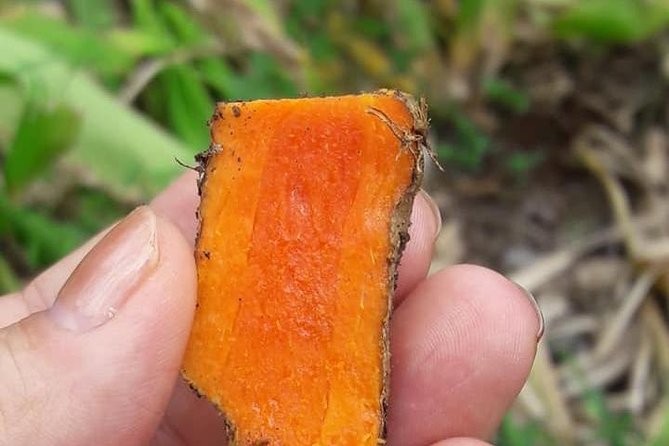
- Spices are explored at the source: You walk among plants, roots, bark, vines, and leaves instead of seeing spices only in jars.
- The tour is limited to nine people: A small group helps the guide give personal attention during the tastings and demonstrations.
- Salum receives special praise: One participant found him caring and well informed, especially when explaining how spices grow and are harvested.
- The visit includes more than spices: You may see a coconut harvesting demonstration and sample local fruit grown on the farm.
- A small handmade souvenir is included: A leaf crown and basket were made during one visit and taken home.
- Stone Town transport is arranged: Pickup is offered from Stone Town hotels, with Tembo House Hotel listed as the meeting point and end point.
Why Zanzibar is called the Spice Island

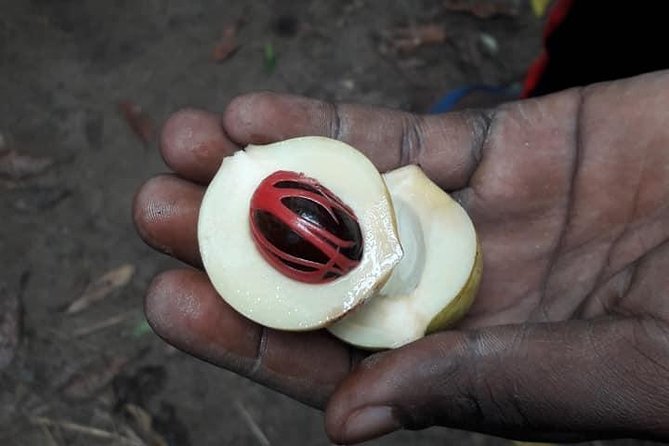
Zanzibar’s spice trade gives this outing its purpose. Cloves, vanilla, nutmeg, and cardamom became important exports after plants were brought from Asia and South America. The island’s tropical climate allowed them to grow well, turning spice farming into a defining part of Zanzibar’s identity.
You do not need to be a serious gardener to enjoy this context. It changes the way you look at ordinary kitchen ingredients. Cinnamon is no longer just a powder in a cupboard. Cardamom has a plant, a scent, and a growing cycle. Vanilla is not simply a flavor added to desserts. It begins as a climbing plant that needs care before its familiar aroma reaches your kitchen.
The value of the tour comes from that change in perspective. You are not simply shown a pile of spices. You are encouraged to connect each one with its plant, smell, texture, and use. That makes the experience more memorable than a standard farm visit with a quick explanation and a gift-shop stop.
More spice farm visits:
- Zanzibar: Stone Town, Spice Tour, Prison Island with Lunch
★ 4.4 · 1,219 reviews - Zanzibar: Prison Island, Stone Town, & Spice Farm Tour
★ 4.5 · 579 reviews - Zanzibar: Stone Town, Spice tour & Prison Island with Lunch
★ 4.6 · 453 reviews
Leaving Stone Town for a small plantation visit
The tour begins at Tembo House Hotel on Shangani Street, near Forodhani Street in Stone Town. Pickup is offered from Stone Town hotels, so you should confirm the exact pickup arrangement when booking. If you are meeting at Tembo House, allow time to reach the hotel and be ready at the agreed time.
Transport is provided in an air-conditioned vehicle. That matters in Zanzibar, where even a short ride can feel warm, especially when you have already spent time walking through Stone Town. Bottled mineral water is included, so you do not need to start the outing carrying a large drink.
The drive itself is not described as a sightseeing portion, so I would treat it as practical transport rather than part of the main attraction. The real experience begins at the Zanzibar Spices and Heritage Centre. At the end, you return to the meeting point rather than finishing at another part of the island.
The group can include up to nine people. That is a useful middle ground. You get the efficiency of a shared excursion without the crowd of a large coach. A small group also makes it easier to hear during explanations and easier for the guide to notice if you need another chance to smell or taste something.
Walking among cloves, vanilla, cardamom, and cinnamon
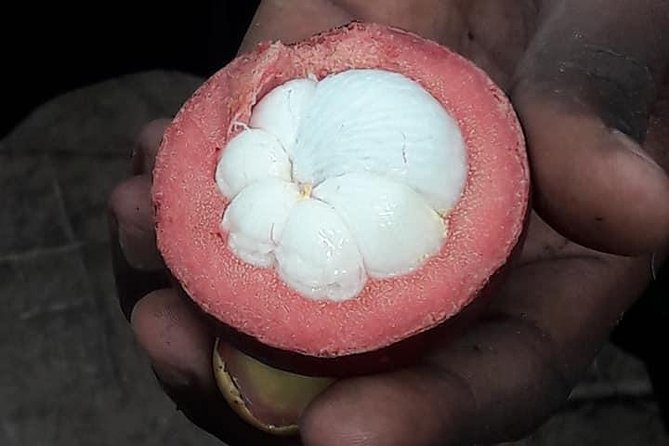
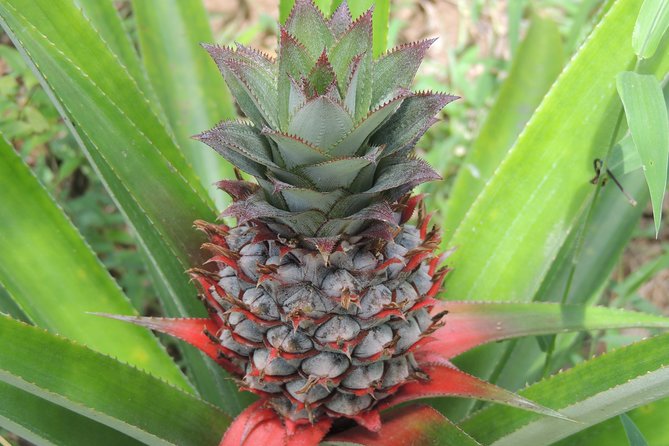
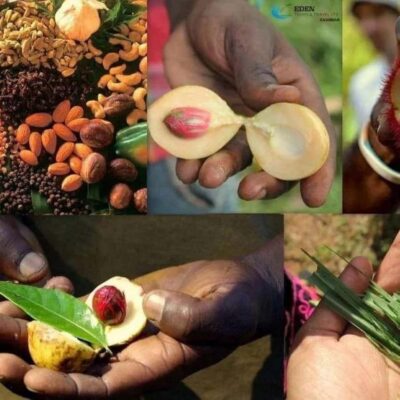
The plantation walk is the heart of the outing. Your guide leads you through the growing area and introduces spices in forms you may not recognize from a kitchen shelf. You can handle leaves, smell crushed plant material, and taste selected ingredients as the guide explains what you are experiencing.
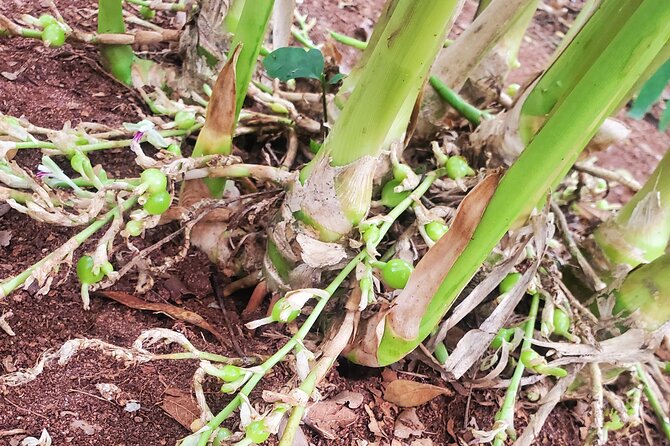
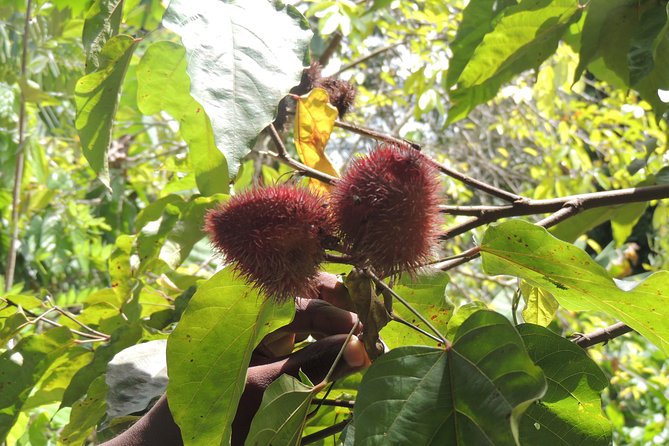
Depending on the season, you might encounter vanilla, cardamom, cinnamon, cloves, nutmeg, and other plants. The seasonal point matters. A spice farm is not a museum with every item presented in exactly the same condition all year. Some plants may be flowering, fruiting, or ready for harvesting, while others may be easier to identify by their leaves, bark, roots, or scent.
That uncertainty is part of the appeal, but it is also worth keeping expectations realistic. You should not assume you will see every named spice in its most recognizable form on every visit. The tour description specifically notes that availability depends on the season.
You may also see vines and creepers climbing trees. This helps explain why a spice farm can feel more like a living system than a row of tidy garden beds. Plants grow at different heights and in different shapes. Some parts are used in food, while others have traditional medicinal uses.
The guide’s role is important here. A good explanation turns a pleasant walk into a useful lesson. Salum received particular praise for explaining the types of spice, how they grow, and how they are harvested. If Salum is leading your outing, you can ask him to compare familiar ingredients and explain which part of each plant is used.
Smell and taste make the tour memorable
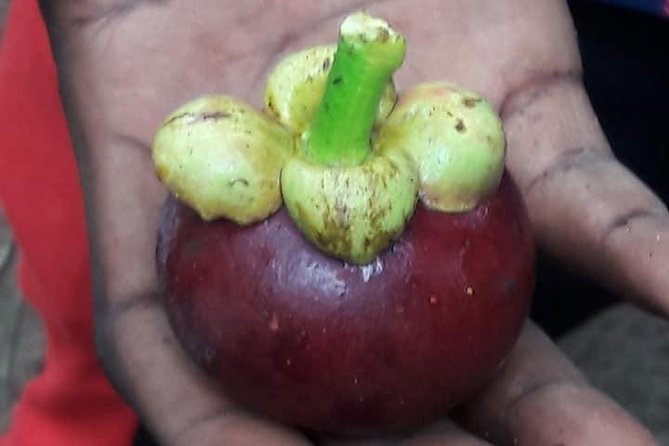
Many sightseeing stops ask you to look. This one asks you to use several senses. You may touch leaves, smell crushed material, and taste spices or fruit. That makes the information easier to remember, especially if you cook or enjoy trying local food.
I like this format because it suits people who are curious but not necessarily experts. You do not need to know the difference between a root and a rhizome before arriving. The guide can start with the plant itself and then explain how it becomes something used in cooking, drinks, or traditional remedies.
The tasting element should be approached as part of the guided presentation. The supplied details do not list every item served or provide a full food menu, so you should not book this expecting a substantial tasting meal. Lunch is not included, and the activity lasts about three hours.
The focus is on recognition and understanding. You might be surprised by how different a fresh plant smells from the dried spice sold in shops. You may also find that a familiar flavor seems stronger, greener, or more complex when encountered at the source.
A few more trips of this kind worth comparing:
- From Zanzibar: Mikumi Safari Day Trip with Flights and Meal
★ 4.7 · 1,470 reviews - Zanzibar: Quad Bike Adventure departing from Kendwa or Nungwi
★ 4.9 · 1,233 reviews - From Kendwa: Mnemba Boat Trip and Dolphin Snorkel Adventure
★ 4.8 · 1,043 reviews - From Zanzibar: Day Selous Game Reserve Safari with Flights
★ 4.7 · 1,025 reviews
A coconut demonstration and fresh local fruit
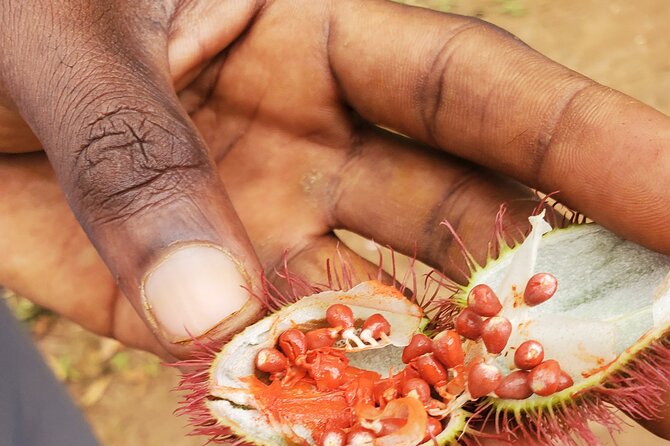
The outing can include a coconut harvesting demonstration. This adds variety to the walk and shows another practical side of plantation work. It is one thing to buy coconut in a market. It is another to see how it is collected and handled before it reaches a kitchen or drink stall.
One participant also enjoyed local fruit grown on the farm. The specific fruit selection can change, so I would regard this as a seasonal bonus rather than a fixed menu. Still, it gives you another way to understand what grows in Zanzibar’s climate.
These extras matter because they widen the visit beyond the four or five spices most people already know. You get a short look at farming, harvesting, and local produce rather than a narrow presentation built only around export crops.
A small handmade keepsake may also be part of the visit. One participant received a handwoven crown and basket made from leaves. That sort of souvenir has more character than a generic magnet, though you should not assume the exact item will be offered on every tour.
What the guide adds to the experience
The guide can make or break a plantation walk. Plants do not explain themselves, and many look ordinary until someone points out the useful part. The strongest praise for this experience centers on Salum’s care, clear explanations, and ability to keep the visit engaging.
The word caring is worth noting. It suggests more than technical information. A guide who watches the group, explains patiently, and responds to questions can make the outing comfortable for people with different interests and levels of knowledge.
You should ask questions as you walk. Ask which part of a plant is harvested, how it is prepared, where it came from, and how it is used in food or drinks. You can also ask about medicinal uses, since that is part of the educational focus.
Because the group is capped at nine, you should have a fair chance to speak with the guide. The experience will be less personal than a private tour, but it should feel more attentive than a large group excursion.
Is $70 a fair price?
The price is $70 per person. That is not the cheapest way to see a few spice plants, but the value becomes clearer when you count what is included. The fee covers an air-conditioned vehicle, admission, taxes, and mineral water. Pickup is offered from Stone Town hotels, which saves you from arranging separate transport to a farm outside the historic center.
For me, the strongest value is convenience combined with interpretation. You are paying for a guide who explains what you are seeing, not just access to farmland. You are also paying for a short, organized outing that fits neatly into a Stone Town itinerary.
The price may feel less attractive if you are only interested in buying spices or taking a few photographs. In that case, a market visit might be enough. But if you want to understand how spices grow and are harvested, the guided format gives you more than a quick shopping stop.
Lunch is not included, and tips are also separate. Since the tour lasts about three hours, you can plan a meal before or after it in Stone Town. Keep the timing in mind if you are connecting it with another booked activity.
Who will enjoy this three-hour outing?
I would recommend the tour to people who enjoy food, gardening, agriculture, and local traditions. It is also a good choice if you want a short excursion that breaks up several days of Stone Town sightseeing without taking up a full day.
Families may appreciate the touch-and-smell format, especially if children enjoy guessing what each plant becomes. The coconut demonstration, fruit, and handmade leaf items add movement and variety for younger participants.
It also suits first-time visitors who want a simple introduction to Zanzibar beyond the old town. You get a look at the island’s agricultural identity and learn why spices matter here.
You may want to skip it if you dislike walking outdoors, have no interest in plants or food, or expect a long culinary experience with a full meal. The outing is educational and sensory, but it is not presented as a cooking class or a restaurant visit.
Most people can participate, according to the supplied tour information. No special ability requirement is stated. If you have a concern about walking or the plantation surface, ask the provider before booking rather than guessing.
Timing, weather, and cancellation
The activity lasts about three hours and ends back at the meeting point. That makes it easy to place before or after other Stone Town plans, though I would leave some breathing room rather than scheduling another activity immediately afterward.
Good weather is required. If poor weather causes cancellation, you will be offered another date or a full refund. You can cancel for a full refund if you do so at least 24 hours before the start time. Changes or cancellations made less than 24 hours before the start are not accepted for a refund.
The tour is typically booked 26 days ahead, which suggests that planning early is sensible if your Zanzibar dates are fixed. Confirmation arrives at booking, and the ticket is mobile, so you can keep the booking on your phone.
The strongest reason to book
The best part of this experience is the chance to connect a familiar flavor with the plant that produces it. You can smell cardamom, examine leaves and bark, taste local produce, and watch a coconut harvesting demonstration in one compact visit.
The small group helps, and the inclusion of Stone Town transport removes much of the usual planning work. A 4.8 rating from 15 ratings, with 100 percent recommending the outing, supports the view that it delivers what it promises: a friendly, informative plantation walk at a reasonable level of comfort.
Should you book Spice Tour Zanzibar?
Book it if you want a short, hands-on cultural outing with transport from Stone Town and a guide who can explain how spices grow, get harvested, and reach the kitchen. The coconut demonstration, local fruit, and possible leaf-woven souvenir give it more variety than a basic farm walk.
Think twice if you want lunch, a full cooking lesson, or a guaranteed list of every spice in peak condition. Seasonal changes affect what you see, and the three-hour schedule keeps the visit focused.
At $70, I see this as a fair choice for visitors who value a guide, small group, transport, and a closer look at Zanzibar’s farming traditions. If those details fit your plans, it is a useful way to spend half a day outside Stone Town.
FAQ
How long does the Spice Tour Zanzibar experience last?
The tour lasts approximately three hours.
Where does the tour start and end?
The listed meeting point is Tembo House Hotel on Shangani Street and Forodhani Street in Zanzibar. The activity ends back at the meeting point.
Is pickup from Stone Town hotels included?
Pickup is offered from all Stone Town hotels. Confirm the exact pickup arrangement when you book.
What is included in the $70 price?
The price includes an air-conditioned vehicle, all fees and taxes, admission, and mineral water.
Is lunch included?
No. Lunch and tips are not included in the price.
What happens if bad weather cancels the tour?
The experience requires good weather. If it is canceled because of poor weather, you will be offered a different date or a full refund.
Just added around Zanzibar
- Spice Tour of Zanzibar★ 4.5 · 3 reviews
- Zanzibar : Stone Town Tour,history without transport★ 4.8 · 3 reviews
- Zanzibar: 3-Day Northern Safari with Flights Included★ 4.8 · 3 reviews
- Jozani Forest, kuza cave and mtende beach★ 5.0 · 3 reviews
- Starfish Beach; The Rock; Kuza Cave; Paje Beach; Salaam Cave Tour★ 4.5 · 3 reviews
- ZANZIBAR: Stone Town and Jozani Forest Guided Tour★ 4.0 · 3 reviews
- Zanzibar: African Sunset Boat Party in Zanzibar Music, Views★ 4.3 · 3 reviews
- Joazani forest & Spice farm with lunch★ 5.0 · 3 reviews
Spice Farm Tours, compared.

Stone Town, Spice Tour, Prison Island with Lunch
Read our review →
Stone Town, Spice tour & Prison Island with Lunch
Read our review →
Full-Day Private Stone Town +Spice Farm and Prison Island Tour
Read our review →

The Swahili Spice Experience – Spice Tour + Culinary Journey
Read our review →Browse the lists this tour appears in