
Reviewed · SPICE FARM TOURS
Zanzibar Aromatic Spice Farms Tour
Follow the scent of Zanzibar. This three-hour walk through a local shamba gives you a close look at how cloves, vanilla, cinnamon, turmeric, cardamom, and tropical fruit grow, rather than presenting spices only as packaged souvenirs. I especially like the hands-on tasting and the traditional Swahili lunch, which show how these ingredients move from plant to plate. The main concern is transport, since one group reported waiting for a second van after the first vehicle proved too small.
I also like that the tour is private, so your group can take part without strangers setting the pace. Guides such as Zamir and James have been praised for explaining growth stages, cultivation, and everyday uses, while French- and Italian-speaking guide options have also been available. Keep some cash for the final spice stall, and remember that the advertised price of $102.57 per person includes private transport, seasonal fruit, and tips for farm workers, but not necessarily your spice purchases.
In This Review
- Key points before you book
- Why Zanzibar’s spice farms matter
- Starting the private pickup from Zanzibar City
- Walking the shamba and meeting the plants
- Smelling, tasting, and learning by doing
- A Swahili lunch that puts the lesson on your plate
- The final spice stall and what to buy
- Guides, languages, and the human side of the visit
- Who will enjoy this three-hour farm visit?
- Booking, cancellations, and practical planning
- Should you book the Zanzibar spice farm tour?
- FAQ
- Where does the Zanzibar Aromatic Spice Farms Tour take place?
- How long does the tour last?
- What is included in the price?
- Is hotel pickup available?
- Is this a private tour?
- Which spices and plants might I see?
- Is lunch included?
- Do I need cash?
- What is the cancellation policy?
Key points before you book
- Plants you can smell and taste: Expect cloves, lemongrass, nutmeg, cinnamon, turmeric, vanilla, chili, black pepper, cardamom, and more.
- A working village farm: The walk takes place at a shamba, where you see crops growing and learn how they are cultivated.
- Swahili food completes the lesson: Lunch demonstrates how spices and seasonal fruit are used in local cooking.
- Private transport is included: Pickup is offered by private vehicle, though vehicle coordination may need attention for larger parties.
- Multilingual guiding may be available: Previous tours have included guides speaking English, French, and Italian.
- Allow extra money at the end: The spice stall is cash only, and packaged spices are an optional purchase.
Why Zanzibar’s spice farms matter
Zanzibar’s reputation as a spice island is not just a slogan for souvenir shops. Portuguese traders introduced spices and herbs to the island in the 16th century, bringing crops from South America and India. Over time, these plants became part of Zanzibar’s agriculture, cooking, trade, and daily life.
That background gives the visit more weight than a simple garden walk. You are not only looking at a cinnamon tree or smelling a piece of lemongrass. You are learning how plants arrived, adapted, and became useful in Swahili food and island commerce.
I like this kind of tour because it corrects a common travel illusion: spices do not begin as tidy jars in a kitchen cupboard. Vanilla grows in a way that requires careful cultivation. Cloves, pepper, cardamom, and turmeric each come from different parts of different plants. The guide’s job is to connect the plant in front of you with the ingredient you already know.
The tour lasts about three hours, which is long enough for a proper walk and meal without taking up an entire day. That makes it a good fit if you are staying in Zanzibar City and want a cultural outing that does not require a full-day safari or beach transfer.
More spice farm visits:
- Zanzibar: Stone Town, Spice Tour, Prison Island with Lunch
★ 4.4 · 1,219 reviews - Zanzibar: Prison Island, Stone Town, & Spice Farm Tour
★ 4.5 · 579 reviews - Zanzibar: Stone Town, Spice tour & Prison Island with Lunch
★ 4.6 · 453 reviews
Starting the private pickup from Zanzibar City
Pickup is offered, and transport is by private vehicle. This is useful in Zanzibar, where the convenience of having the tour company handle the journey can be worth a fair part of the price. You do not need to arrange separate transport to the farm, and your group can travel together when the vehicle is properly sized.
There is one practical warning. A party once arrived with a van that could not accommodate everyone and had to wait for another vehicle. That issue did not ruin the farm visit, but it did make the day feel less orderly. If your group is large, confirm the vehicle arrangement before departure.
The experience is listed at $102.57 per person. That is not a budget walk, especially for a three-hour activity, so the value depends on what you want included. You are paying for private transport, a guided farm visit, tastings, seasonal fruit, lunch, and the convenience of a prearranged outing. Tips for the farm workers are already included, which removes one small source of uncertainty.
For a couple or small private group, the price can make sense if you value personal transport and a focused guide. If you are mainly looking for a quick market stop, it will feel expensive. If you want context, food, and a look at how crops grow, the package is easier to justify.
Walking the shamba and meeting the plants
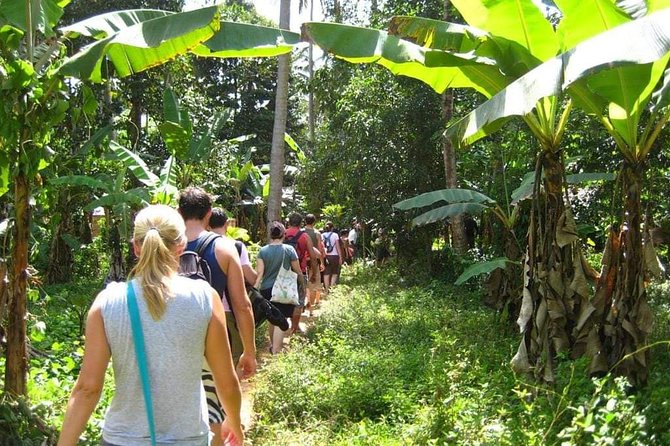
The main part of the experience is a walking tour through a spice farm. You move from plant to plant while the guide explains what you are seeing, how each crop grows, and how people use it.
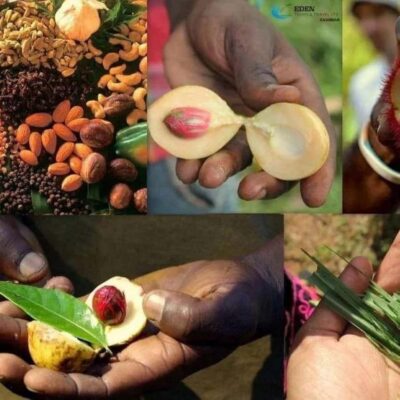
Expect a sensory lesson rather than a formal museum-style presentation. You will smell leaves and spices, handle some ingredients, and taste selected items. One especially useful teaching method described from a previous visit involved rubbing leaves in the hand before smelling them. That simple action helps you notice the difference between a plant in the soil and the dried spice you use at home.
The list of plants is broad:
- Cloves
- Lemongrass
- Nutmeg
- Cinnamon
- Turmeric
- Vanilla
- Coconuts
- Papaya
- Chili
- Black pepper
- Jackfruit
- Cardamom
- Cassava
- Oranges
The exact mix can change with the season, particularly for fruit. That is worth keeping in mind. You should expect a varied selection, but not assume every fruit will be available on every visit.
The best part of this walk is the shift in scale. A spice that seems ordinary in your kitchen can look surprising when you see the plant itself. Vanilla is a good example. Its growth and cultivation require more care than many people expect, and the guide can explain the manual work involved. That helps you understand why some spices cost more than their small size suggests.
Cinnamon and turmeric also become more memorable when you see their plant forms and hear how they are used. Black pepper, cardamom, chili, and nutmeg offer their own small surprises. The guide is not simply naming plants. The useful explanations cover growth stages, cultivation, and cooking uses.
Zamir, who has guided visits to Union Spice Farm, has been singled out for clear explanations. James has also led the farm walk, with assistance during the visit. The available feedback points to the guide as a major part of the experience, so the quality of your outing will depend heavily on who leads it and which languages are available that day.
Smelling, tasting, and learning by doing
This is not a tour where you only look at plants from a path. Smelling and tasting are central to the visit.
You may be offered fresh herbs, spices, and seasonal fruit as the guide explains them. The fruit component can include papaya, jackfruit, coconut, oranges, and other produce available at the time. Some fruit may be familiar, while other items may be new to you. The point is not a large buffet. It is a chance to connect island agriculture with what you eat.
The spice tasting adds another layer. Fresh leaves and plant parts can smell different from the dried, ground versions sold in shops. That contrast is one of the strongest reasons to choose a farm tour instead of a standard market visit.
I would suggest arriving ready to pay attention to small differences. Smell the ingredient before the guide explains it, then compare that first impression with the finished spice or food use. This makes the walk more engaging, especially for children and anyone who cooks.
Children must be accompanied by an adult, but most people can participate. The supplied information does not describe the path in detail, so anyone with specific mobility concerns should ask the operator before booking. A walking farm visit may involve uneven outdoor surfaces, but the exact conditions are not stated.
A few more trips of this kind worth comparing:
- From Zanzibar: Mikumi Safari Day Trip with Flights and Meal
★ 4.7 · 1,470 reviews - Zanzibar: Quad Bike Adventure departing from Kendwa or Nungwi
★ 4.9 · 1,233 reviews - From Kendwa: Mnemba Boat Trip and Dolphin Snorkel Adventure
★ 4.8 · 1,043 reviews - From Zanzibar: Day Selous Game Reserve Safari with Flights
★ 4.7 · 1,025 reviews
A Swahili lunch that puts the lesson on your plate
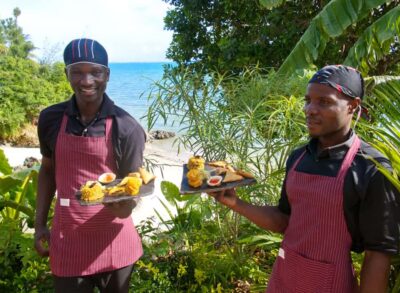
After the walk, you enjoy a traditional Swahili lunch at the farm. This is an important part of the experience, not just a convenient meal break.
The farm walk introduces ingredients one at a time. Lunch shows how those ingredients work together. You can taste the practical use of spices and seasonal fruit instead of leaving with only a handful of facts.
That food connection gives the tour a local character. Zanzibar’s spices are not merely export products or photo props. They are part of the island’s cooking. A Swahili meal lets you see how seasoning changes the flavor of familiar foods and how fruit fits into the meal.
The information provided does not give a fixed menu, so you should not book this expecting a precise set of dishes. Seasonal availability matters. The meal is best understood as a traditional farm lunch that uses local flavors, not as a guaranteed tasting menu.
For me, this is where the $102.57 price gains some value. A short guided walk alone would be easier to compare with cheaper farm visits. Add private transport, tastings, seasonal fruit, and lunch, and the outing becomes a fuller half-day-style experience, even though the official duration is about three hours.
The final spice stall and what to buy
The tour finishes at a spice stall selling fresh packaged spices. This is a convenient ending because you can buy the ingredients you have just seen growing.
Bring cash. The stall is cash only, and the tour price does not say that purchases are included. You can browse without buying, but a small package of cinnamon, cloves, turmeric, vanilla, or another spice makes a practical souvenir.
Do not feel pressured to purchase simply because the stop is part of the route. The educational portion is the main value. If you do buy something, inspect the packaging and ask what the spice is best used for. Since you have just learned about cultivation and cooking, you can make a more informed choice than you would at a random souvenir stand.
The price already includes tips for farm workers. That is helpful and worth noting. You do not need to prepare a separate tip for the farm staff, although the company’s response to one piece of feedback says an additional tip is not always necessary. In plain terms, the included amount covers that expectation.
Guides, languages, and the human side of the visit
The guide can make or break a farm tour. Plants do not explain themselves, and the difference between a dull list of names and a memorable lesson comes from the person leading the walk.
Zamir from Madeira Travel and Tours of Zanzibar has led a visit at Union Spice Farm, explaining the growth stages and uses of the crops. James has also guided the walk, with an assistant helping during the farm visit. The available experiences also include a French-speaking guide and a young Italian-speaking guide, though you should confirm language availability when booking.
That range is useful if you are not comfortable learning detailed plant information in English. Ask for your preferred language in advance rather than assuming it will be available on the day.
The private format is another advantage. Only your group participates, so you can ask questions about cooking, cultivation, or particular plants without competing with a large crowd. It may also be easier to slow down at a plant that interests you or move along when the group has had enough.
The tradeoff is that a private tour depends more on the planning of one company and one vehicle. The earlier van problem is a reminder to confirm pickup details, especially for a larger group.
Who will enjoy this three-hour farm visit?
I would recommend this experience to you if you enjoy food, gardening, local agriculture, or practical cultural activities. It is also a good choice for anyone who wants to leave Zanzibar with more than beach photographs.
Families can find plenty to interest them because the tour uses smell, touch, taste, and colorful tropical fruit. Children still need adult supervision, but the plants offer a more active lesson than a long historical talk.
It suits couples and small private groups particularly well. You get transport, a guide, food, and a shopping stop without committing to a full day away from Zanzibar City.
I would be more cautious if you dislike walking, want a tightly timed schedule, or only want to visit a market. The tour has an outdoor farm component, and the available information does not promise a fixed menu, exact plant list, or perfectly predictable transport for large parties.
Language should also factor into your decision. English, French, and Italian guiding have been available, but confirm the language you need. A guide who can explain cultivation clearly will add much more value than a quick circuit with plant names alone.
Booking, cancellations, and practical planning
Confirmation is provided when you book. Pickup is offered, the activity is private, and it is near public transportation, so you have more than one way to reach the starting area if needed.
Free cancellation is available when you cancel at least 24 hours before the start time. Cancellations or changes made less than 24 hours before the experience are not refunded or accepted. The cut-off uses Zanzibar’s local time.
Weather matters. If poor weather forces cancellation, you can choose a different date or receive a full refund. The same applies if the minimum number of participants is not reached and the operator cancels the activity.
Plan to carry cash for the spice stall. Tips for farm workers are included, but packaged spices are separate purchases. Since fruit availability is seasonal, keep your expectations flexible and enjoy the farm as a working agricultural visit rather than a fixed show.
Should you book the Zanzibar spice farm tour?
Book it if you want a personal, food-centered look at Zanzibar’s agriculture. The strongest features are the hands-on plant tasting, the explanations of cultivation, the Swahili lunch, and the chance to see spices growing before buying them.
At $102.57 per person, this is not the cheapest short outing in Zanzibar. It offers better value for a private group that wants transport and a complete experience, rather than for someone seeking only a quick walk through a garden.
My advice is to confirm the pickup vehicle and preferred guide language before paying. If those details are settled, this is a useful three-hour introduction to the island’s spice culture, with enough tasting and local food to make the subject stick.
FAQ
Where does the Zanzibar Aromatic Spice Farms Tour take place?
The tour takes place at a spice farm, or shamba, in the Zanzibar City area of Tanzania.
How long does the tour last?
The experience lasts approximately three hours.
What is included in the price?
The tour includes private vehicle transport and seasonal fruits. The experience also includes the guided spice farm visit, spice and fruit tasting, and a traditional Swahili lunch as described in the tour details. Tips for farm workers are already included.
Is hotel pickup available?
Pickup is offered. Transport is provided by private vehicle.
Is this a private tour?
Yes. Only your group participates in the activity.
Which spices and plants might I see?
The farm may feature cloves, lemongrass, nutmeg, cinnamon, turmeric, vanilla, coconut, papaya, chili, black pepper, jackfruit, cardamom, cassava, and oranges. Fruit availability can vary by season.
Is lunch included?
Yes. After the farm walk, you enjoy a traditional Swahili lunch at the farm.
Do I need cash?
Yes, bring cash if you want to purchase packaged spices at the final spice stall. The stall is cash only.
What is the cancellation policy?
You can cancel for a full refund up to 24 hours before the experience starts. Cancellations or changes made less than 24 hours before the start time are not refunded or accepted. Poor weather or failure to meet the minimum number of participants may result in a different date or a full refund.
Just added around Zanzibar
- Spice Tour of Zanzibar★ 4.5 · 3 reviews
- Zanzibar : Stone Town Tour,history without transport★ 4.8 · 3 reviews
- Zanzibar: 3-Day Northern Safari with Flights Included★ 4.8 · 3 reviews
- Starfish Beach; The Rock; Kuza Cave; Paje Beach; Salaam Cave Tour★ 4.5 · 3 reviews
- Jozani Forest, kuza cave and mtende beach★ 5.0 · 3 reviews
- ZANZIBAR: Stone Town and Jozani Forest Guided Tour★ 4.0 · 3 reviews
- Zanzibar: African Sunset Boat Party in Zanzibar Music, Views★ 4.3 · 3 reviews
- Joazani forest & Spice farm with lunch★ 5.0 · 3 reviews
Spice Farm Tours, compared.

Stone Town, Spice Tour, Prison Island with Lunch
Read our review →
Stone Town, Spice tour & Prison Island with Lunch
Read our review →
Full-Day Private Stone Town +Spice Farm and Prison Island Tour
Read our review →

The Swahili Spice Experience – Spice Tour + Culinary Journey
Read our review →Browse the lists this tour appears in