
Reviewed · SPICE FARM TOURS
Zanzibar Spice Farm Tour & Exotic Fruit Lunch
Spices turn a farm visit into a feast. I like this three-hour village tour because it connects Zanzibar’s famous spices with the plants that produce them, rather than treating the island’s food culture as a museum display. I also like that the experience ends with a spiced Pilau rice lunch, prepared with the same seasonings you have just learned about.
The main consideration is the extra-money issue noted by one participant. The tour price is $25 per person, but you should ask clearly whether any payment is expected beyond that amount, especially if you plan to buy spices at the farm.
In This Review
- Key points at a glance
- Why this farm visit feels more useful than a quick tasting
- Starting at Jambo Spice Farm near DoleDole Soccer Field
- The three-hour walk through Zanzibar’s spice plants
- Tropical fruit adds a second layer to the visit
- Pilau lunch turns the lesson into a meal
- A private tour changes the pace
- What the $25 price really covers
- Timing, weather, and cancellation rules
- Who will get the most from this experience
- Practical tips for getting more from the farm
- Should you book the Zanzibar spice farm tour?
- FAQ
- Where does the Zanzibar Spice Farm Tour start?
- Where does the tour end?
- How long does the experience last?
- How much does the tour cost?
- Is this a private tour?
- Is lunch included?
- What can you learn about during the farm walk?
- Can you taste the spices and fruits?
- Is the tour available with a mobile ticket?
- What is the cancellation policy?
Key points at a glance
- Local setting: The tour takes place at Jambo Spice Farm near the DoleDole Soccer Field, with the walk led by a local villager.
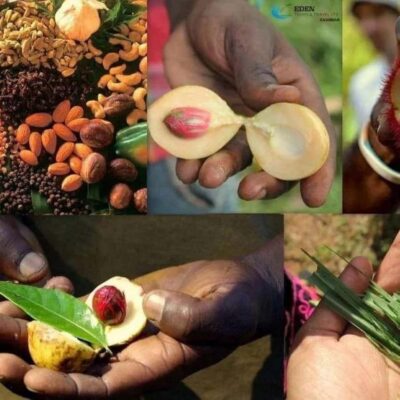
- Spices you can taste: You learn about the cultivation and uses of Zanzibar’s spices, herbs, and tropical fruit trees, with opportunities to taste many of them.
- Lunch with a purpose: The spiced Pilau rice uses the flavors introduced during the farm walk, giving the meal a clear connection to the tour.
- Private experience: Only your group participates, so you can ask questions without keeping up with a large crowd.
- Good value at $25: The price covers roughly three hours of guiding, farm exploration, tastings, and lunch.
- Simple logistics: The tour starts and ends at the same meeting point, and confirmation is sent when you book.
Why this farm visit feels more useful than a quick tasting
Zanzibar is often called Spice Island, but that nickname means more when you can connect a smell or flavor to the plant that produced it. At Jambo Spice Farm, the focus is not only on finished packets of spices. You walk through a local village farm and learn how spices, herbs, and fruit trees are cultivated and used.
That makes the outing a good fit if you want more than a souvenir stop. You get the basic story of Zanzibar’s spice trade through everyday food and farming, explained by a local villager rather than presented as a polished stage show.
The setting also helps keep the experience grounded. You are meeting at Jambo Spice Farm DoleDole Soccer Field, not at a city attraction or formal museum. The precise details of the farm route are not given, so you should expect a guided walk through the growing areas rather than a fixed sequence of named exhibits.
More spice farm visits:
- Zanzibar: Stone Town, Spice Tour, Prison Island with Lunch
★ 4.4 · 1,219 reviews - Zanzibar: Prison Island, Stone Town, & Spice Farm Tour
★ 4.5 · 579 reviews - Zanzibar: Stone Town, Spice tour & Prison Island with Lunch
★ 4.6 · 453 reviews
Starting at Jambo Spice Farm near DoleDole Soccer Field
Your meeting point is Jambo Spice Farm DoleDole Soccer Field in Zanzibar, Tanzania. The tour ends at the same place, which is useful if you are arranging your own transport or planning another activity afterward.
The location is near public transportation, but the supplied information does not specify routes, fares, or travel times. I would confirm the easiest way to reach the soccer field before setting out, especially if you are not already familiar with the area.
A meeting point beside a local farm also means you should not expect a grand visitor center. That is part of the appeal, but it can require a little more attention when arriving. Keep the farm name and soccer field reference available on your phone, and allow enough time to find the exact starting point.
Confirmation arrives at the time of booking, and the ticket is mobile. That keeps the practical side simple. You can show your booking on your phone instead of arranging a printed voucher.
The three-hour walk through Zanzibar’s spice plants
The main portion of the experience is a guided walk through the farm. Your local guide explains how the plants are grown, what parts are used, and how they fit into cooking and daily life.
The tour description does not list every spice by name, so I would not book it expecting a guaranteed checklist of particular plants. You can expect a mix of spices, herbs, and tropical fruit trees, with the exact plants available likely shaped by the farm and season.
The tasting element is important. One account describes being able to taste most of what is grown there, which changes the walk from a simple lecture into a sensory lesson. Smell and taste can make plant identification easier, and they give you a better feel for how raw ingredients differ from the ground spices sold in shops.
You can also ask questions along the way. The guide is described as friendly and willing to answer detailed questions and requests. That matters in a private tour, since you are not limited to the guide’s prepared talk.
I would use the private format well. Ask how a spice is cultivated, which part of the plant is used, and how it appears in local cooking. Since only your group participates, you should have more freedom to pause and follow your interests than on a large shared tour.
Tropical fruit adds a second layer to the visit
The farm walk includes tropical fruit trees as well as spices and herbs. This gives the experience a broader food focus. You are not looking only at seasonings used in savory dishes. You are also learning about fruit plants and getting a chance to taste produce connected to the farm.
The word exotic in the title should not be treated as a promise of a specific fruit menu. No exact fruits are listed, and availability can change. Still, the fruit tasting helps show how Zanzibar’s food culture uses fresh ingredients alongside spices.
I like this combination because it keeps the tour from feeling too narrow. A spice-only visit might appeal mainly to cooks, while fruit trees make the experience easier to enjoy as a general introduction to local agriculture.
If you have dietary concerns, the available information does not state how the fruit and lunch can be adapted. You should raise any food questions before the tour rather than assume every item will suit you.
A few more trips of this kind worth comparing:
- Zanzibar: Prison Island and Nakupenda Boat Trip with Lunch
★ 4.1 · 882 reviews - Mnemba Island: Dolphin Swim & Snorkeling with Optional Lunch
★ 4.3 · 591 reviews - Zanzibar: Prison Island & Nakupenda Boat Tour with BBQ Lunch
★ 4.4 · 554 reviews - Zanzibar: Safari Blue Lagoon Trip with Snorkeling and Lunch
★ 4.5 · 336 reviews
Pilau lunch turns the lesson into a meal
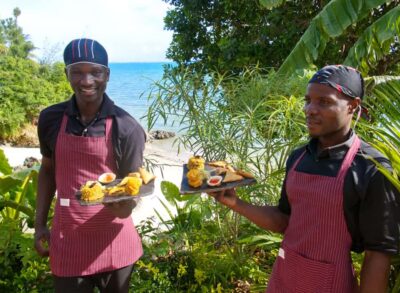
The closing meal is spiced Pilau rice, prepared by local people with the spices introduced during the farm visit. This is the strongest feature of the experience for me because it gives the tour a clear beginning, middle, and end.
First, you see and learn about the ingredients. Then, you taste some of them. Finally, you eat a dish that brings those flavors together. That simple sequence helps you remember the farm far better than a walk followed by an unrelated snack.
Pilau is also a fitting dish for the setting. The meal is not presented as a generic boxed lunch. It is described as a local preparation made with the spices you have just studied, so the food carries the lesson forward.
The information does not specify the full menu, portion size, drinks, or options for special diets. I would plan on the Pilau rice being the central food rather than expecting a large buffet. If lunch is a major reason for booking, ask the operator what is included before you arrive.
The food has received especially warm praise. It is described as delicious and as a good match for the spices and fruits from the farm. That connection between explanation and meal is what gives the $25 price much of its value.
A private tour changes the pace
This is a private activity, meaning only your group participates. That is a meaningful advantage when the main attraction is conversation.
You can ask for a clearer explanation if a plant is unfamiliar. You can also spend more time tasting or looking at a particular fruit tree without worrying about a large group waiting. For families, couples, or small groups with shared interests, that flexibility may be worth more than a lower-cost group tour.
The tradeoff is that a private tour does not automatically mean a more elaborate itinerary. The experience still lasts about three hours and follows the farm visit, tasting, and lunch format. You are paying for a focused outing with your own group, not a full-day private food tour.
The quality of the visit depends partly on the guide’s ability to explain local farming and respond to questions. The guide is praised as friendly and well informed, with a willingness to handle inquisitive questions. I would arrive with a few questions ready, since the private format gives you a good chance to shape the conversation.
What the $25 price really covers
At $25 per person, this is an inexpensive half-day activity by Zanzibar excursion standards, though the comparison depends on what else you are considering. You are getting about three hours, a private format, local guiding, farm access, tastings, and a cooked Pilau lunch.
That is good value if you want a compact cultural experience with food at its center. The lunch alone is not the reason to book, but it adds a useful finish to the farm walk and makes the price easier to justify.
The value is strongest for someone who would otherwise pay separately for a spice farm visit and a local meal. Here, the two parts are joined by a clear theme.
You should also remember that buying spices at the farm may cost extra. One account says spices are available for purchase and also mentions being asked for money. The details are not clear enough to say what the payment involved, so ask what is included before buying anything or agreeing to an additional contribution.
That is not a reason to reject the tour, but it is a reason to carry a firm spending limit. Decide in advance whether you want souvenirs, and confirm the price before handing over money.
Timing, weather, and cancellation rules
The planned duration is approximately three hours. That is long enough for a relaxed introduction to the farm without taking up an entire day of your Zanzibar schedule.
Because the experience takes place outdoors, good weather is required. If poor weather forces a cancellation, you are offered another date or a full refund.
You can cancel for a full refund if you do so at least 24 hours before the start time. Cancellations made less than 24 hours before the experience are not refunded, and changes inside that period are not accepted. The cut-off follows Zanzibar’s local time, so check the time carefully if you are arranging plans from another time zone.
The activity is booked, on average, 41 days in advance. That does not prove every date sells out, but it suggests that planning ahead is sensible, especially if your Zanzibar schedule is tight.
Who will get the most from this experience
I would recommend this tour to anyone who wants a short introduction to Zanzibar’s food culture without committing to a full-day excursion. It is especially well suited to:
- People who enjoy tasting ingredients rather than only looking at them
- Couples and families who prefer a private activity
- Visitors interested in local farming and everyday cooking
- Anyone who wants a meal included in a cultural outing
- Curious cooks who like asking how ingredients are grown and used
The experience may be less suitable if you want a highly structured botanical tour with every plant identified in advance. The available details do not promise a long list of named spices, technical farming instruction, or a set fruit menu.
It may also be a poor fit if you dislike outdoor walking or need a carefully specified meal plan. The tour says most people can participate, but it does not give detailed accessibility information or dietary guarantees.
Practical tips for getting more from the farm
Bring your questions. Ask about cultivation, cooking uses, and the story behind Zanzibar’s Spice Island name. A private tour gives you room to make the walk more personal.
Keep your phone charged. You have a mobile ticket, and you may want to keep the booking confirmation available when you reach the soccer field.
Wear something suitable for a farm walk, though the supplied information does not describe the path or ground conditions. Since the tour depends on good weather, check the forecast and keep your schedule flexible enough to accept a new date if needed.
If you want to buy spices, ask about the cost first. The farm offers spices for sale, but the extra-money concern makes it wise to clarify whether you are making a purchase, leaving a tip, or paying for something else.
Finally, leave space in your schedule after the tour. The activity is expected to finish back at the meeting point, but the word approximately means you should avoid booking another event at the exact finishing time.
Should you book the Zanzibar spice farm tour?
Book it if you want a reasonably priced, private food experience that links local plants to a real meal. The best parts are the friendly local guide, the chance to taste many of the farm’s spices and fruits, and the Pilau lunch made with those same flavors.
I would approach it as a relaxed village farm visit, not a formal botanical attraction. Confirm the meeting details, ask about any extra charges, and check the lunch arrangements if you have dietary needs.
For $25, the combination of guiding, tasting, and lunch is appealing. If you are curious about how Zanzibar’s spices move from plant to plate, this compact tour earns a place in your itinerary.
FAQ
Where does the Zanzibar Spice Farm Tour start?
It starts at Jambo Spice Farm DoleDole Soccer Field in Zanzibar, Tanzania.
Where does the tour end?
The activity ends back at the same meeting point where it begins.
How long does the experience last?
The tour lasts approximately three hours.
How much does the tour cost?
The listed price is $25 per person.
Is this a private tour?
Yes. Only your group participates in the activity.
Is lunch included?
Yes. The experience includes a spiced Pilau rice lunch prepared with spices from the farm.
What can you learn about during the farm walk?
You learn about the cultivation, uses, and stories connected with spices, herbs, and tropical fruit trees.
Can you taste the spices and fruits?
The experience includes tasting opportunities, and the available description says you can taste most of the plants found at the farm.
Is the tour available with a mobile ticket?
Yes. A mobile ticket is available, and confirmation is provided when you book.
What is the cancellation policy?
You can cancel at least 24 hours before the start time for a full refund. Cancellations or changes made within 24 hours are not accepted for a refund. If poor weather causes the tour to be canceled, you are offered another date or a full refund.
More Farms
- Full-Day Private Stone Town +Spice Farm and Prison Island Tour
★ 4.5 · 216 reviews - Zanzibar: Stone Town & Spice Farm Tour with Lunch
★ 4.5 · 97 reviews - Zanzibar:Stone Town & Spice Farm Private Tour Lunch Included
★ 4.2 · 94 reviews - Zanzibar full day Jozani forest + Spice farm and stone town
★ 4.7 · 90 reviews
Just added around Zanzibar
- Spice Tour of Zanzibar★ 4.5 · 3 reviews
- Zanzibar : Stone Town Tour,history without transport★ 4.8 · 3 reviews
- Zanzibar: 3-Day Northern Safari with Flights Included★ 4.8 · 3 reviews
- Jozani Forest, kuza cave and mtende beach★ 5.0 · 3 reviews
- Starfish Beach; The Rock; Kuza Cave; Paje Beach; Salaam Cave Tour★ 4.5 · 3 reviews
- ZANZIBAR: Stone Town and Jozani Forest Guided Tour★ 4.0 · 3 reviews
- Zanzibar: African Sunset Boat Party in Zanzibar Music, Views★ 4.3 · 3 reviews
- Joazani forest & Spice farm with lunch★ 5.0 · 3 reviews
Spice Farm Tours, compared.

Stone Town, Spice Tour, Prison Island with Lunch
Read our review →
Stone Town, Spice tour & Prison Island with Lunch
Read our review →
Full-Day Private Stone Town +Spice Farm and Prison Island Tour
Read our review →

The Swahili Spice Experience – Spice Tour + Culinary Journey
Read our review →Browse the lists this tour appears in