
Reviewed · SPICE FARM TOURS
Zanzibar: Spice Farm Tour with Lunch & Tropical Fruits
Spices grow here, not just in jars. This 2.5-hour tour at Jambo Spice Farm gives you a close look at cloves, cinnamon, vanilla, nutmeg, ginger, and other plants behind Zanzibar’s famous kitchen flavors. I like the hands-on plant walk and the generous tasting of tropical fruit, especially papaya, mango, and jackfruit.
I also like the cultural side, from traditional plant uses to local cooking methods. The main consideration is that the meeting point is at the farm in Dole village, so you need to arrange your own way there unless another part of your Zanzibar plans brings you nearby. The tour is in English, and the walk takes place outdoors.
In This Review
- Key points at a glance
- Why Zanzibar earned its spice island name
- The 2.5-hour walk through Jambo Spice Farm
- Cloves, vanilla, and cinnamon beyond the kitchen cupboard
- Tropical fruit, coffee, and the tasting portion
- The spice shop and what to take home
- Is $27 good value?
- What the guide and staff add
- Who should book this farm visit?
- My verdict on the Zanzibar spice farm tour
- FAQ
- Where does the Zanzibar spice farm tour start?
- Where does the activity end?
- How long does the tour last?
- What language is the tour offered in?
- How much does the tour cost?
- What food is included?
- Which spices and plants can I learn about?
- Can I buy spices at the end?
- Can I cancel the booking for a refund?
Key points at a glance
- Cloves, vanilla, and cinnamon in the ground: See familiar cupboard spices growing as living plants rather than finished products.
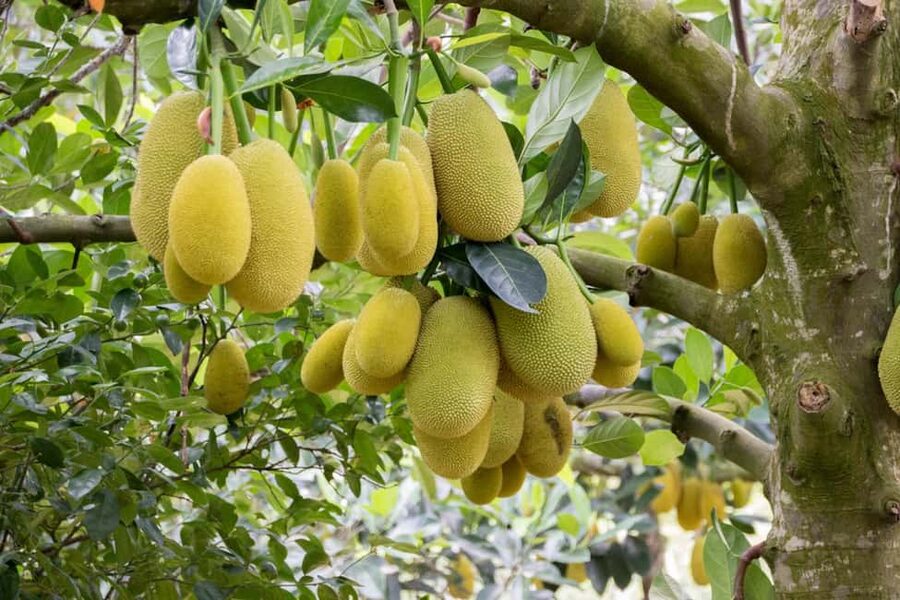
- Fruit tasting with real variety: Papayas, mangoes, jackfruit, and other tropical produce form an important part of the visit.
- Traditional plant knowledge: Learn about neem leaves, the iodine tree, and other local uses for herbs and plants.
- A traditional lunch included: The $27 price covers the guided visit, food, fruit, water, entrance, and government fees.
- A small shop at the end: Buy freshly harvested spices, soaps, or oils to take home.
- Friendly English-speaking guidance: The strongest praise centers on helpful guides, clear English, and welcoming farm staff.
Why Zanzibar earned its spice island name

Zanzibar’s spice reputation is not just a slogan for souvenir shops. On this plantation, you can see the plants that supply familiar aromas and flavors, including cloves, cinnamon, nutmeg, vanilla, cardamom, pepper, ginger, curry, menthol, tamarind, and turmeric.
That changes the way you think about a spice. Cinnamon is not simply a brown stick in a kitchen drawer. Vanilla is not only a bottle of flavoring. A guided walk helps connect each finished product with the plant, fruit, bark, seed, or pod that produces it.
I find this kind of visit more useful than a short shopping stop because the tour gives context before the sales area. You learn how spices fit into local cooking and daily life, then decide if you want to buy something. That order matters.
The plantation is described as small, which can be a plus. You are not racing through a large commercial site with a long list of exhibits. The setting lets the guide point out individual plants and answer questions as you go, although the exact group size is not provided.
More spice farm visits:
- Zanzibar: Stone Town, Spice Tour, Prison Island with Lunch
★ 4.4 · 1,219 reviews - Zanzibar: Prison Island, Stone Town, & Spice Farm Tour
★ 4.5 · 579 reviews - Zanzibar: Stone Town, Spice tour & Prison Island with Lunch
★ 4.6 · 453 reviews
The 2.5-hour walk through Jambo Spice Farm
Your visit starts in front of the entrance to Jambo Spice Farm in Dole village, in Zanzibar’s Unguja South Region. The entire activity lasts about two and a half hours and returns to the same meeting point.
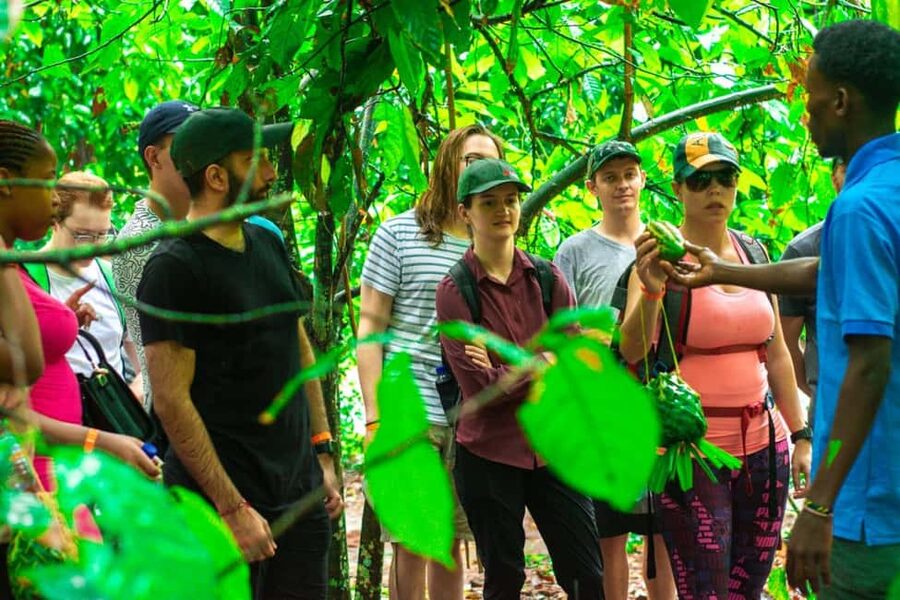
The first part is a guided walk among spice plants, herbs, and fruit trees. You can expect the guide to explain where the plants come from, how they are used, and how they contribute to Zanzibar’s food traditions. This is the heart of the tour, so give yourself time to look closely rather than treating it as a quick stroll.
The list of plants is broad. You may see cloves, cinnamon, nutmeg, vanilla, cardamom, pepper, ginger, turmeric, curry, menthol, tamarind, and other plants used in cooking or traditional remedies. The appeal is variety: one stop may focus on aroma, another on a fruit, and another on a plant valued for a practical household use.
The walk is also a sensory activity. You can smell and taste selected items, and the fruit portion adds a welcome change from the stronger spice aromas. One especially memorable detail from the visit is the chance to see kitchen ingredients in their natural form, from pepper and lemongrass to coffee beans and less familiar produce.
You should wear something comfortable for an outdoor farm visit and bring an open mind about unfamiliar flavors. The tour includes drinking water, but a hat or sun protection may still be sensible for a plantation walk. Those are practical suggestions rather than stated inclusions, so plan them yourself.
Cloves, vanilla, and cinnamon beyond the kitchen cupboard
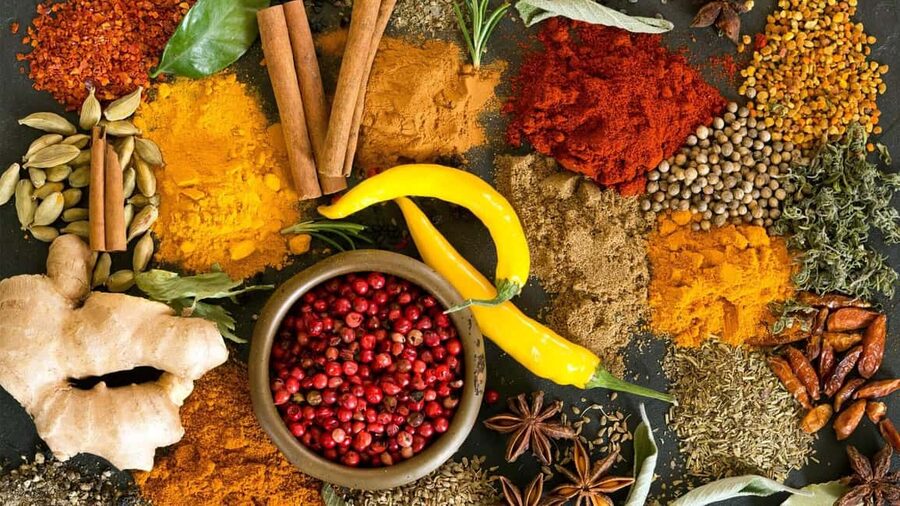
The best part of the tour is the link between plants and everyday food. Cloves, cinnamon, nutmeg, and vanilla are widely recognized, but seeing them at the source makes their role more concrete.
The guide also covers cardamom, ginger, pepper, turmeric, and curry plants. You learn not only what each plant is called, but how local cooks use spices and fruit. That makes the visit useful for anyone who enjoys food, markets, or cooking, even if you are not a serious gardener.
Some of the information reaches beyond food. Neem leaves are traditionally used for malaria and indigestion, while the iodine tree is known locally for wound-healing properties. These details add a cultural layer to the walk, but I would treat them as traditional knowledge rather than personal medical advice.
That distinction is important. A pleasant farm tour is not the place to replace a doctor or medical treatment. Still, learning how plants have been used in the community helps you understand why herbs matter in Zanzibar beyond their flavor.
The guides receive the strongest praise in the available feedback. Visitors describe them as friendly, helpful, and comfortable to be around. One guide was praised for speaking very good English and knowing many terms in German, which could help some international visitors follow the plant names and explanations.
The provider is Zanziworld Tours. Individual guide names are not supplied, so you should not expect to request a particular person based on this information.
Tropical fruit, coffee, and the tasting portion
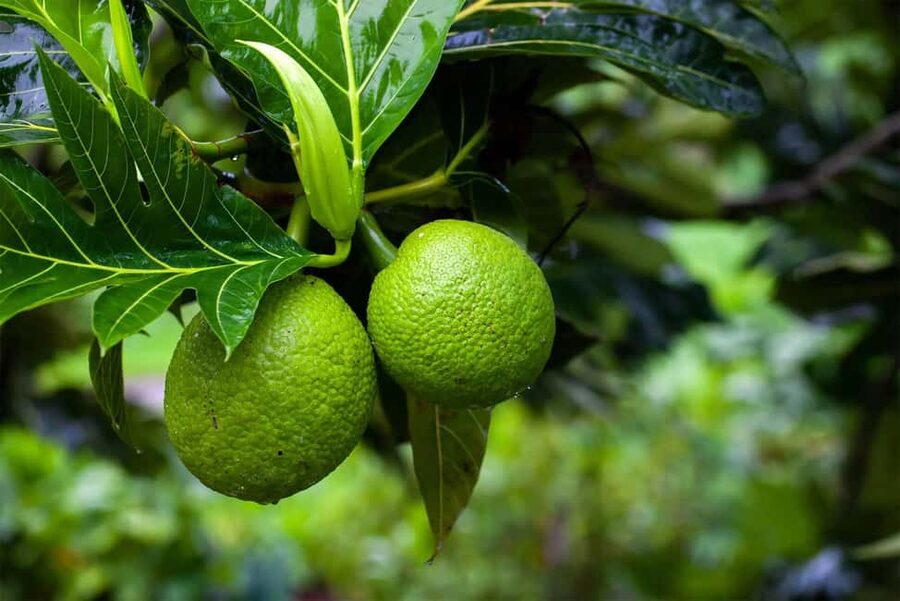
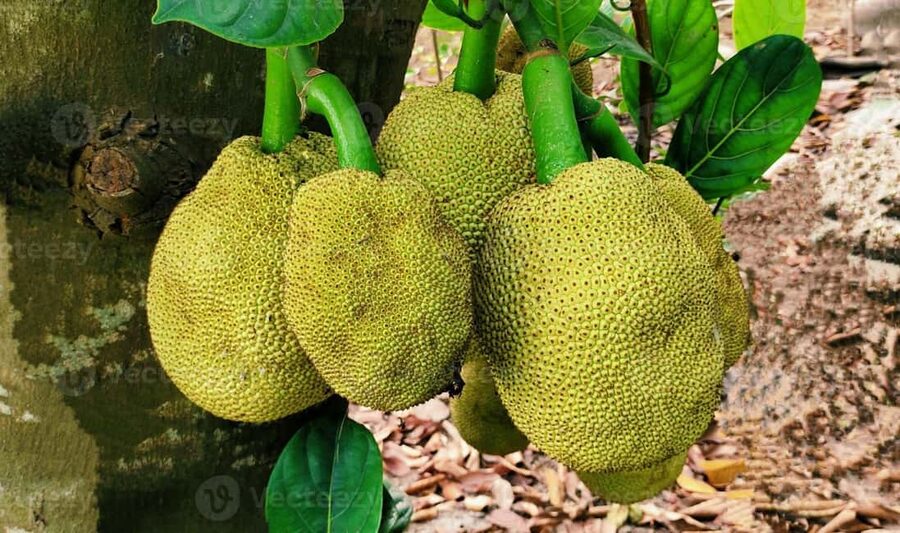
The fruit tasting is more than a small garnish beside lunch. Papaya, mango, and jackfruit are specifically included, and the tour also introduces other edible plants and produce.
Jackfruit can be especially interesting if you have only encountered it in packaged food or restaurant dishes. On this visit, you may see the fruit in its natural setting and learn how local people use it. Mango and papaya offer more familiar flavors, while other items may be less recognizable.
The tasting also brings some fun to the tour. You can smell, sample, and compare ingredients rather than simply listen to a list of names. One account describes plenty to eat and taste, including pepper, lemongrass, coffee beans, and a strong-smelling fruit. The exact selection can vary, so do not assume every item will be available on every date.
A traditional lunch is included in the price. The details of the dishes are not specified, so you should not book this expecting a particular menu. What you can count on is that lunch forms part of the farm visit, along with tropical fruit and drinking water.
I see the lunch as a practical value point. After an outdoor walk and tasting session, having food included means you do not need to find a separate meal immediately afterward. It also gives you a chance to try local flavors in the same setting where the ingredients have been discussed.
If you have food allergies or strict dietary needs, the available information does not explain how the menu is adapted. Ask Zanziworld Tours before booking if that will affect your decision.
A few more trips of this kind worth comparing:
- Zanzibar: Prison Island and Nakupenda Boat Trip with Lunch
★ 4.1 · 882 reviews - Mnemba Island: Dolphin Swim & Snorkeling with Optional Lunch
★ 4.3 · 591 reviews - Zanzibar: Prison Island & Nakupenda Boat Tour with BBQ Lunch
★ 4.4 · 554 reviews - Zanzibar: Safari Blue Lagoon Trip with Snorkeling and Lunch
★ 4.5 · 336 reviews
The spice shop and what to take home
The tour ends with a visit to the plantation shop. You can buy freshly harvested spices, along with soaps and oils. This is a convenient place to pick up small, light souvenirs that connect directly to the farm visit.
I like buying spices at the end rather than at the start. By then, you have seen the plants and heard about their culinary uses, so the purchase feels less random. You may also be better at judging what you actually want instead of collecting every attractive packet.
Spices are easy to carry compared with many souvenirs, but you should still check your own customs rules before bringing food products home. The tour information does not specify packaging, quantities, or international shipping.
A tip is welcomed at the end, according to the experience details. It is not listed as an included cost, so keep some cash available if you want to thank the guide or staff for good service.
Is $27 good value?
At $27 per person, this tour offers solid value because several costs are bundled together. The price includes the guide, entrance, traditional lunch, tropical fruit, drinking water, government fees, and the plantation walk.
If you paid separately for a meal, a farm visit, and a guided cultural activity, the total could easily become less convenient even before transport. The included food and fruit make this more than a simple one-hour garden tour.
The value depends partly on your location. The starting point is the entrance to Jambo Spice Farm in Dole village, and the activity ends there. Transport to and from the farm is not listed as included, so factor that into your real budget.
I would consider the tour especially good value for visitors who want a short cultural activity rather than a full-day outing. Two and a half hours leaves room for another plan on the same day. It also suits anyone who wants to learn about local food without committing to a formal cooking class.
The rating is 4.9 out of 5 from 10 reviews, with repeated praise for the guides, staff, vegetation, food, and friendly atmosphere. That is a strong result, though the sample is small. I would read it as a good sign of consistent service, not a guarantee that every group will have the same guide or menu.
What the guide and staff add
A spice farm can be dull if nobody explains what you are seeing. Here, the guide is central to the experience, and the feedback repeatedly highlights helpful, friendly service.
That matters because many plants may look ordinary at first glance. A guide can tell you which bark becomes cinnamon, which plant produces a familiar seed, and how a herb or fruit fits into local cooking. Without that explanation, you might simply walk past a plant you use at home.
The welcoming tone also helps during the tasting and lunch. The setting appears informal and social rather than polished or staged. One account describes the people around the guide as making the visit comfortable, which suggests that the farm staff play a real part in the day.
There are some memorable human details, too. The visit includes a coconut picker known as Mr. Butterfly, adding a bit of local character to the farm setting. The exact part he plays is not fully described, so I would treat this as a pleasant detail rather than a promised performance.
Who should book this farm visit?

I would recommend it to you if you enjoy food, plants, local traditions, and short guided walks. Families may like the fruit tasting and the simple pleasure of seeing spices grow, while couples and solo visitors can fit the activity neatly into a larger Zanzibar itinerary.
It is also a good choice if you want an introduction to Zanzibar’s food culture without spending a whole day on a more formal excursion. The English-language guide and included lunch make the visit straightforward for many international visitors.
You may want to skip it if you have no interest in plants or spices. Much of the value comes from listening to explanations and looking closely at the plantation. If you only want a beach day, two and a half hours among trees and herbs may feel like a detour.
You should also think about transport. Since the tour starts and ends at the farm, the $27 price is not the complete cost of the outing if you need to arrange a separate transfer. The meeting point is specific, so confirm your route to Dole village before setting off.
Bookings can be made with the option to reserve now and pay later. You can cancel up to 24 hours ahead for a full refund, which gives you some useful flexibility when your Zanzibar schedule is still changing.
My verdict on the Zanzibar spice farm tour
I would book this tour if I wanted an affordable, food-focused look at Zanzibar beyond the beaches. The combination of a guided plant walk, fruit tasting, traditional lunch, and spice shop gives the visit a clear sense of place.
The strongest reason to go is the guide-led explanation. You are not simply shown packets of cinnamon and vanilla. You see the plants, learn about traditional uses, taste local produce, and then decide what belongs in your suitcase.
The main caution is transport to Dole village and the lack of a detailed lunch menu. Check those points first, especially if you have dietary restrictions. For most visitors who enjoy local food and want a manageable half-day activity, the price and included features make this a sensible Zanzibar choice.
FAQ
Where does the Zanzibar spice farm tour start?
The tour starts in front of the entrance to Jambo Spice Farm in Dole village, Zanzibar.
Where does the activity end?
The activity ends back at the same meeting point at Jambo Spice Farm.
How long does the tour last?
The guided spice farm tour lasts about 2.5 hours.
What language is the tour offered in?
The tour is offered in English.
How much does the tour cost?
The listed price is $27 per person.
What food is included?
A traditional lunch, tropical fruits, and drinking water are included.
Which spices and plants can I learn about?
The tour covers spices and plants such as cloves, cinnamon, nutmeg, vanilla, cardamom, curry, menthol, pepper, tamarind, ginger, and turmeric.
Can I buy spices at the end?
Yes. The tour includes a visit to the plantation’s spice shop, where you can buy freshly harvested spices. Soaps and oils are also available.
Can I cancel the booking for a refund?
Yes. You can cancel up to 24 hours in advance for a full refund. You can also reserve your place and pay later.
More Farms
- Full-Day Private Stone Town +Spice Farm and Prison Island Tour
★ 4.5 · 216 reviews - Zanzibar: Stone Town & Spice Farm Tour with Lunch
★ 4.5 · 97 reviews - Zanzibar:Stone Town & Spice Farm Private Tour Lunch Included
★ 4.2 · 94 reviews - Zanzibar full day Jozani forest + Spice farm and stone town
★ 4.7 · 90 reviews
Just added around Zanzibar
- Spice Tour of Zanzibar★ 4.5 · 3 reviews
- Zanzibar : Stone Town Tour,history without transport★ 4.8 · 3 reviews
- Zanzibar: 3-Day Northern Safari with Flights Included★ 4.8 · 3 reviews
- Jozani Forest, kuza cave and mtende beach★ 5.0 · 3 reviews
- Starfish Beach; The Rock; Kuza Cave; Paje Beach; Salaam Cave Tour★ 4.5 · 3 reviews
- ZANZIBAR: Stone Town and Jozani Forest Guided Tour★ 4.0 · 3 reviews
- Zanzibar: African Sunset Boat Party in Zanzibar Music, Views★ 4.3 · 3 reviews
- Joazani forest & Spice farm with lunch★ 5.0 · 3 reviews
Spice Farm Tours, compared.

Stone Town, Spice Tour, Prison Island with Lunch
Read our review →
Stone Town, Spice tour & Prison Island with Lunch
Read our review →
Full-Day Private Stone Town +Spice Farm and Prison Island Tour
Read our review →

The Swahili Spice Experience – Spice Tour + Culinary Journey
Read our review →Browse the lists this tour appears in