
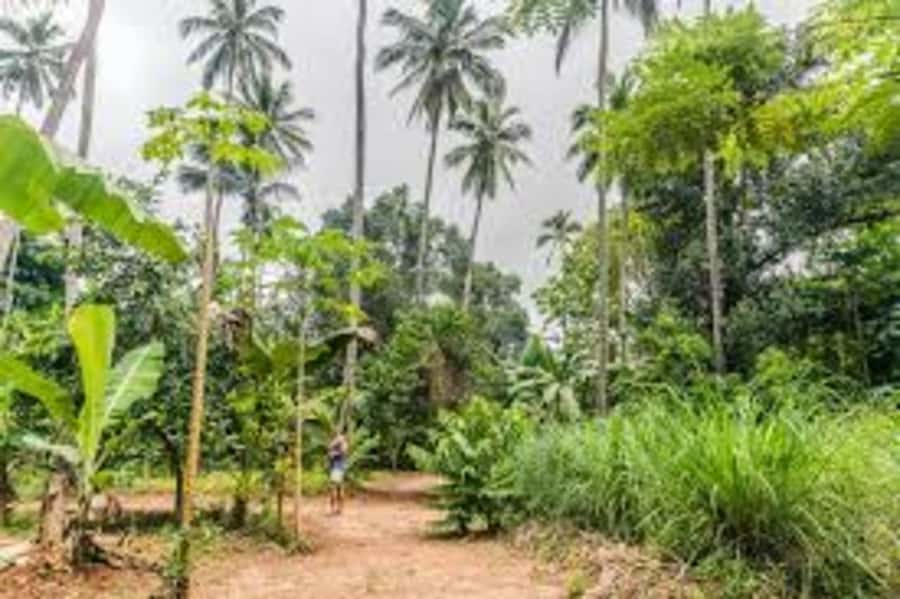
Reviewed · SPICE FARM TOURS
Zanzibar: Spice farm tour with Zanzibar fruits tasting
Follow the scent of cloves into village life. This three-hour walk in Zanzibar’s Unguja South Region combines village paths, working spice farms, and fruit tasting in a simple, focused outing. I like the chance to smell and taste spices at their source, and I like the private format, which allows flexible starting times and no minimum group size. The main consideration is value: at $45 per person, expectations should be clear about what is included.
You meet your guide outside the People’s Palace Museum, then ride to the farm and back as part of the price. English and French guides are available, and guides such as Ramadan have received especially warm praise for clear explanations and a friendly manner. I would also clarify the palm-leaf decorations and tipping before you begin, since some visitors have been disappointed when necklaces or crowns were not treated as included gifts, and others felt asked for tips too often.
In This Review
- Key points to know before you book
- Why a spice farm matters in Zanzibar
- Meeting at the People’s Palace Museum
- The ride from Stone Town to the farm
- Walking among cloves, cinnamon, ginger, and lemongrass
- The tree-climbing demonstration
- Palm-leaf decorations and the lighthearted side
- Fresh fruit tasting at the farm
- Buying spices at their source
- Is $45 a fair price?
- Who will enjoy this three-hour outing?
- Timing, language, and practical expectations
- Cancellation and booking flexibility
- Should you book the Zanzibar spice farm tour?
- FAQ
- Where does the Zanzibar spice farm tour begin?
- How long does the experience last?
- What is the price?
- Is transport from my hotel included?
- Which languages are available?
- Is this a private tour?
- Which spices will I learn about?
- What fruit can I taste?
- Can I cancel the booking?
Key points to know before you book

- Watch local climbers at work: You may see people climb spice trees and coconut trees, an unusual and memorable part of the visit.
- Taste more than spices: Pineapple, bananas, oranges, watermelon, and other tropical fruits are part of the farm stop.
- A private tour with no minimum group size: This suits solo visitors and couples who do not want to wait for a larger departure.
- The meeting point matters: Transport begins at the People’s Palace Museum, while hotel pickup and return cost extra.
- Expect a walking tour, not a resort-style attraction: The focus is on plants, farming, village life, and explanation rather than elaborate entertainment.
- Buy spices at the source: Fresh spices are available for purchase at the farm, making it easy to take home a useful souvenir.
Why a spice farm matters in Zanzibar
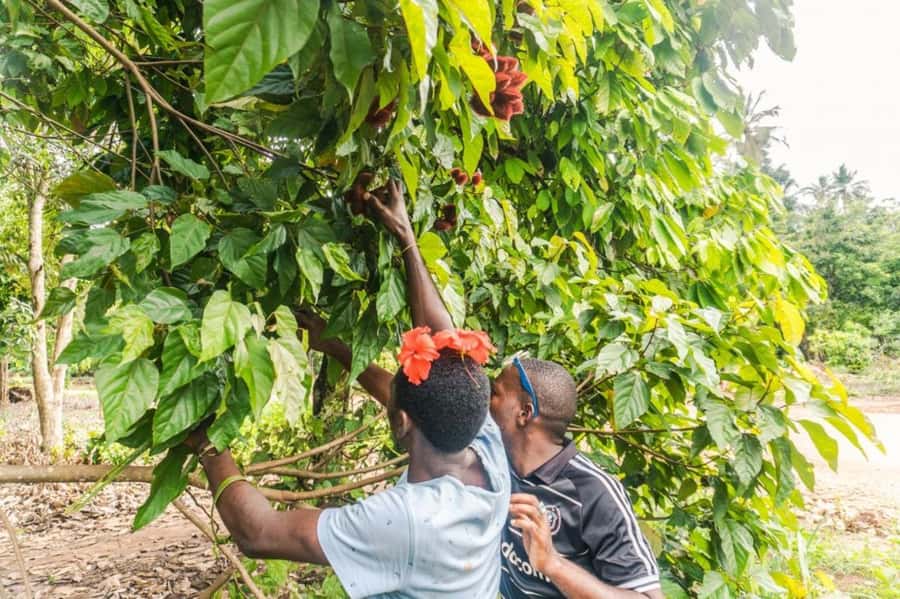
Zanzibar is closely linked with the history of the spice trade, and this tour gives you a grounded way to understand that connection. Instead of only seeing packets of cinnamon or cloves in a shop, you walk among the plants and learn how they are grown and used.
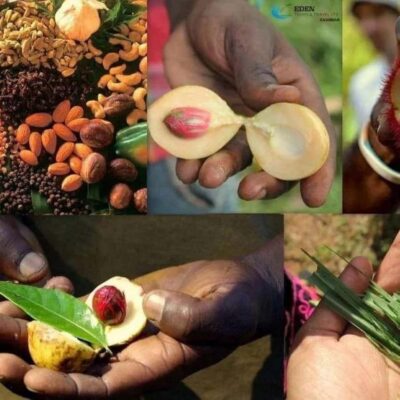
The guide introduces cloves, cinnamon, ginger, lemongrass, and other spices. You can smell and taste some of them, which makes the information easier to remember. A spice that seems ordinary in a kitchen takes on a different character when you see it growing in the soil or on a tree.
I like this kind of visit because it connects Zanzibar’s past with village work today. The experience does not try to cover every part of the island. It gives you a small, practical window into farming and trade, then lets you spend time outdoors.
More spice farm visits:
- Zanzibar: Stone Town, Spice Tour, Prison Island with Lunch
★ 4.4 · 1,219 reviews - Zanzibar: Prison Island, Stone Town, & Spice Farm Tour
★ 4.5 · 579 reviews - Zanzibar: Stone Town, Spice tour & Prison Island with Lunch
★ 4.6 · 453 reviews
Meeting at the People’s Palace Museum
The tour begins in front of the door of the People’s Palace Museum. That detail is important, since hotel transportation is not part of the standard price. Your guide waits at the museum, and transport from that meeting point to the farm and back is included.
Give yourself enough time to locate the exact door. A missed meeting is especially frustrating on a private tour, and one booking resulted in a long wait when the guide did not arrive. I would keep your phone available, confirm the meeting details in advance, and ask for a direct contact number if one is provided during booking.
The museum is used as the meeting place rather than as a main stop on this experience. You should not expect a museum visit to be built into the three-hour schedule. The main activity begins once you leave the meeting point for the farm.
The ride from Stone Town to the farm
The included transport is useful because it removes the need to arrange a separate ride between the meeting point and the plantation. You ride to the private spice farm, spend about two hours there, and return to the People’s Palace Museum.
The full experience lasts three hours, but the actual farm visit takes roughly two hours. That leaves time for the transfer and meeting arrangements. If you have a packed day, this shorter format is easier to fit in than a full-day excursion that combines spices with several other attractions.
A hotel pickup and return can be arranged for an extra charge. If you are staying away from the museum, ask about the supplement before booking. The $45 price covers the stated transport service from the meeting point, not standard hotel transfers.
Walking among cloves, cinnamon, ginger, and lemongrass
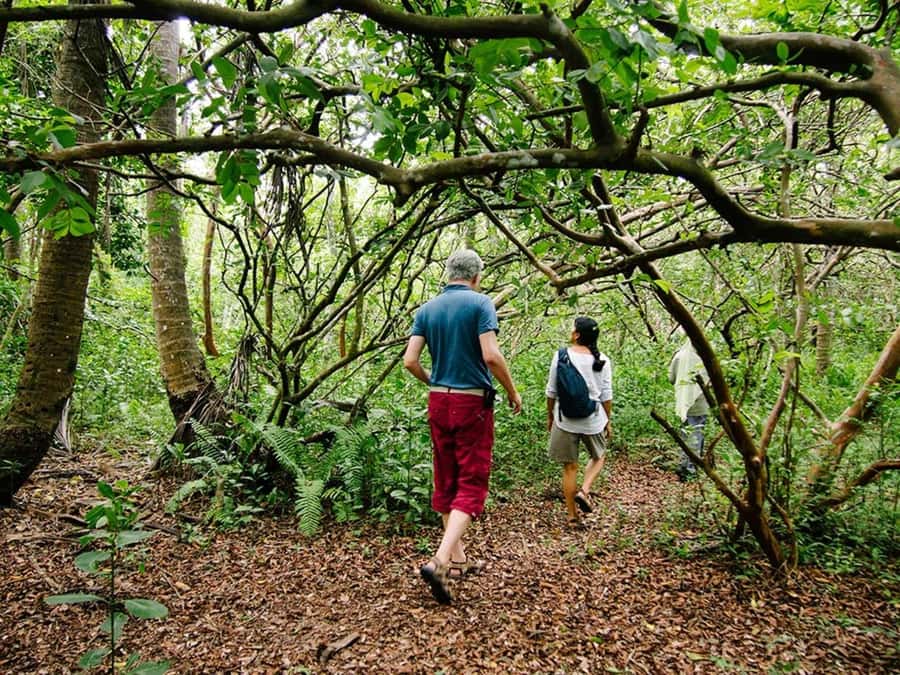
At the private farm, the tour becomes a walking lesson. You move through cultivated areas while the guide points out plants and explains their uses. The pace is likely to feel more like a guided village walk than a formal botanical tour, so comfortable walking shoes make sense.
Cloves, cinnamon, ginger, and lemongrass are among the featured plants. You also learn about other spices and the role they play in cooking and daily life. The value here comes from the guide’s explanations. Without that context, a farm can look like a collection of unfamiliar leaves and trees.
A clear guide makes a big difference. One particularly well-regarded guide named Ramadan is praised for speaking clearly and making the information easy to understand. The experience is offered in English or French, so choose the language that lets you ask questions comfortably.
The farm also includes plants beyond the main spice list. You may see jackfruit, eucalyptus, acacia, and other trees and plants. That wider look is one reason I would choose this tour over a quick spice-shop stop. You get a better sense of the farm as a living place, not simply a display of famous ingredients.
A few more trips of this kind worth comparing:
- Stonetown: Food Markets and Street Food Walking Tour
★ 4.7 · 151 reviews - Authentic Street Food Tours in Stone Town, Zanzibar
★ 5.0 · 46 reviews - Stone Town Evening Walk Tour With Visit Food Markets
★ 4.5 · 28 reviews - Zanzibar:Stone town Street food market walking tour,transfer
★ 4.5 · 9 reviews
The tree-climbing demonstration
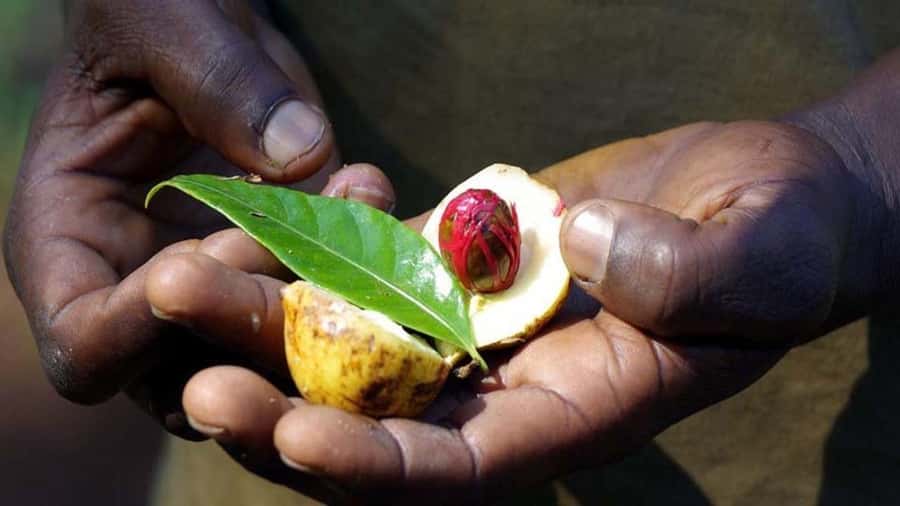
One of the most distinctive parts of the visit is watching local people climb spice trees and coconut trees. This gives you a look at the physical side of farm work, something a packet of spices cannot show.
The activity also helps explain why the farm is worth visiting in person. You are not only hearing that certain crops are grown here. You are watching people interact with the trees and land in a way connected to local work.
The exact amount of time spent on tree climbing is not fixed in the details provided, so I would treat it as a feature of the farm visit rather than a guaranteed performance at a set hour. Still, it is one of the moments most likely to stay with you.
Palm-leaf decorations and the lighthearted side
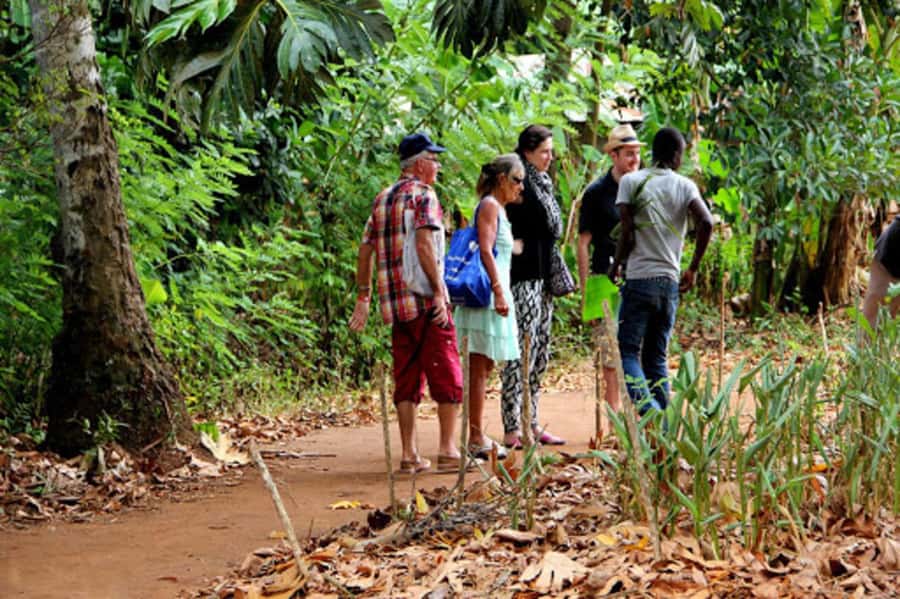
During the tour, you may be decorated with accessories made from palm leaves. These can include ties, rings, bracelets, and glasses. It is a playful touch, and it gives the walk a little humor without changing its main focus on plants and farming.
I would not assume that every palm-leaf item is a complimentary souvenir to take home. A necklace and crown were viewed by one visitor as an extra rather than a standard included gift. Ask your guide what is part of the activity and what, if anything, carries an additional charge.
This is a small point, but clear expectations help. The listed inclusions cover the guide, entrance fees, fruit tasting, and transport from the meeting point. They do not promise a permanent palm-leaf gift.
Fresh fruit tasting at the farm

The fruit tasting adds welcome variety after the spice walk. You may try pineapple, bananas, oranges, watermelon, and other tropical fruits grown or available at the farm.
This is not presented as a full meal, so I would not book it as a substitute for lunch. Think of it as a tasting stop that lets you compare the sweet fruit with the sharper smells and flavors of the spices.
The fruit also gives the guide another way to explain cultivation. You can see that the farm is not limited to one crop or one part of Zanzibar’s agricultural life. For many people, this will be the most relaxed part of the tour, with time to pause, taste, and ask questions.
If you enjoy food-focused sightseeing, you will likely appreciate the mix of smelling, touching, and tasting. The experience is more memorable when you take your time rather than rushing through the fruit table.
Buying spices at their source
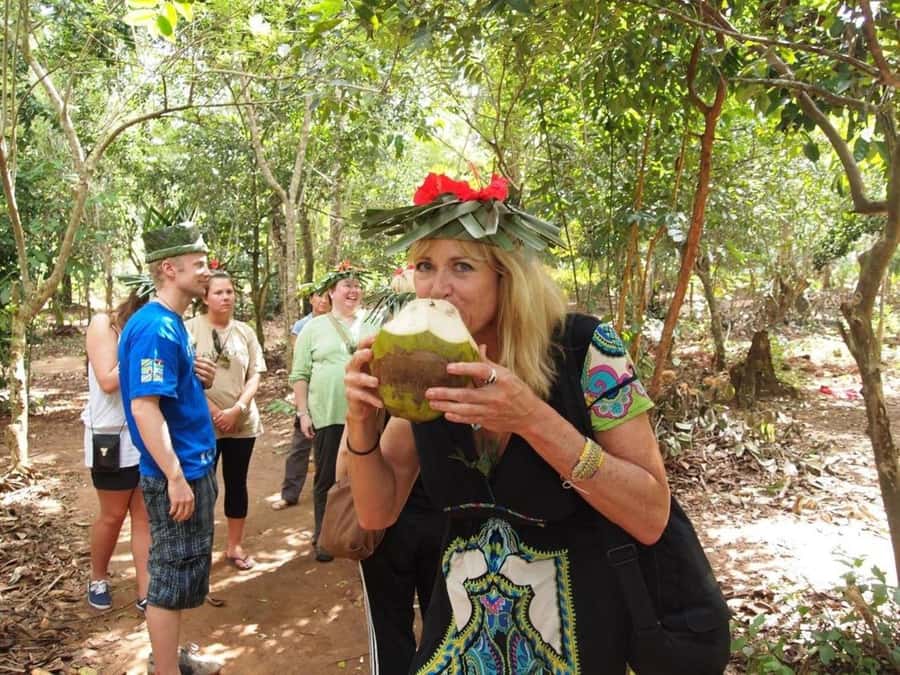
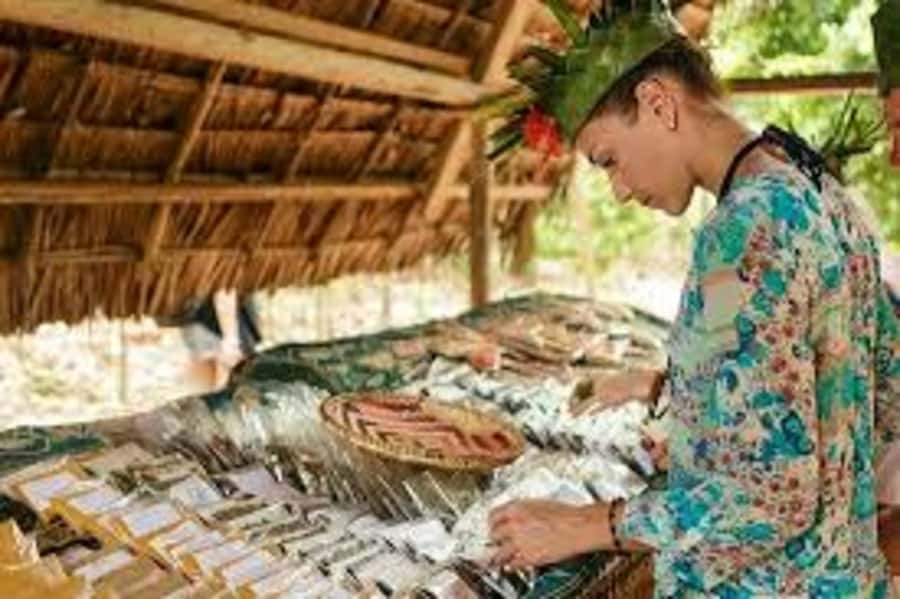
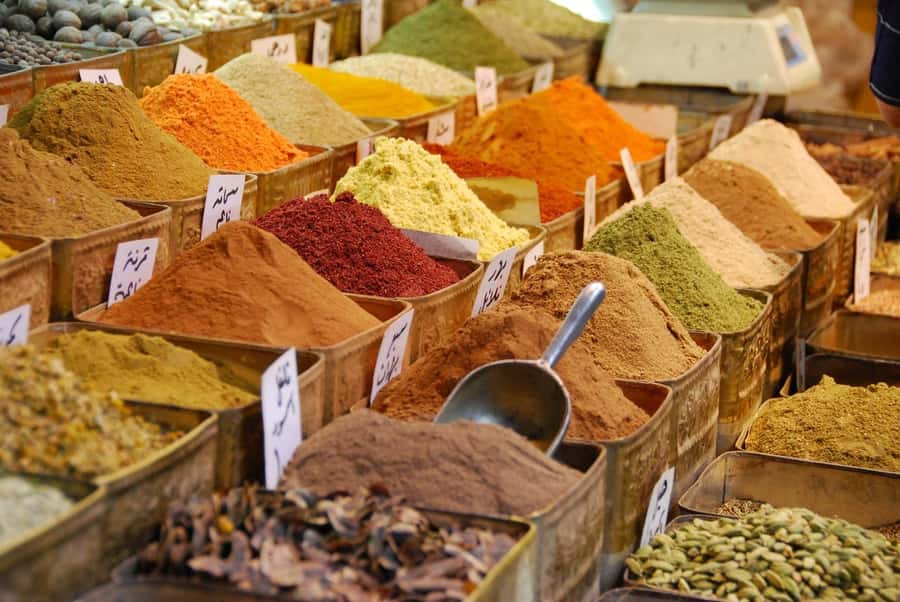
The farm allows you to buy fresh spices directly from the source. Cinnamon, cloves, ginger, lemongrass, and other products may be available, depending on what the farm is selling during your visit.
This can be a better souvenir than a generic trinket because it is small, useful, and tied to the place you visited. It also saves you from trying to identify spices later in a market, although you should still check prices and quantities before buying.
Shopping is part of the farm visit, not the reason to book the tour. I would first listen to the explanation and smell the products, then decide what you actually want. If you are flying onward, keep the packaging and local purchase rules in mind, since the tour details do not specify how products are packed or handled for travel.
Is $45 a fair price?
The price is $45 per person. For a private three-hour experience, that can be reasonable if you value a guide, entrance fees, fruit tasting, and transport between the museum and farm.
The value is strongest for solo visitors and small parties. There is no minimum number of participants, and the private format means you are not waiting for a large group to form. Flexible starting times are another advantage when your schedule is tight.
The price feels less attractive if you expect a long farm visit, hotel pickup, a full meal, or a large selection of included souvenirs. Those are not part of the stated package. Hotel transfers cost extra, and palm-leaf decorations should be clarified rather than assumed to be take-home gifts.
There is also the matter of tipping. Some feedback has raised concern about repeated requests for tips, even after paying the tour price. I would ask politely at the beginning how tipping is handled and decide in advance what you feel is appropriate. That keeps the conversation simple and avoids awkwardness at the end.
Who will enjoy this three-hour outing?
I would recommend the tour to a solo visitor who wants a self-contained spice farm visit without adding a city tour, cooking class, or other major activity. The flexible start time and lack of a minimum group size are particularly useful when you are traveling alone.
It also suits couples, families with an interest in food, and anyone who prefers a short cultural activity to a full-day trip. You get a guide, transport from the central meeting point, and a clear theme, all without giving up an entire day.
You may want a different experience if your priority is a large plantation, a formal cooking lesson, or extensive transport from your hotel. This is a modest walking tour with a private guide, not a full Zanzibar itinerary.
The walking element matters too. You should be comfortable spending time on village and farm paths. The supplied details do not give accessibility information, so ask the provider directly if you have mobility concerns or need a particular type of transport.
Timing, language, and practical expectations
The total duration is three hours, with about two hours at the private spice farm. Starting times vary, so check availability for the day you want.
Live guiding is offered in English and French. A guide who explains plants clearly can turn a pleasant walk into a useful lesson, so state your preferred language when arranging the tour.
The tour has been praised for punctual transport and smooth timing, but one missed meeting created a serious problem for another booking. That mixed record makes confirmation worthwhile. Recheck the People’s Palace Museum meeting point and make sure you know who to look for before setting out.
The experience is private, but the guide and driver may be separate people. A friendly driver has also been praised for helping with transport after the farm visit. Do not assume a ride to a new hotel is included, though, unless you arrange and pay for hotel drop-off separately.
Cancellation and booking flexibility
You can cancel up to 24 hours in advance for a full refund. You can also reserve now and pay later, which helps if your Zanzibar plans are still moving around.
Those policies are useful for a short activity because you can place it around beach time, museum visits, or other plans. Still, I would not leave the meeting details until the last minute. Flexibility in payment does not replace confirming the place and time.
Should you book the Zanzibar spice farm tour?
Book it if you want a focused, three-hour introduction to Zanzibar’s farming traditions, spices, and tropical fruit. I especially like it for solo visitors, couples, and anyone who wants a private outing with no minimum group size.
The strongest parts are the clear plant explanations, the chance to smell and taste spices, the fruit tasting, and the tree-climbing activity. The price is fair when those features match what you want.
Before paying, confirm hotel transfer costs, ask what palm-leaf decorations are included, and settle your expectations about tips. If you do that, this can be a pleasant and useful half-day addition to your Zanzibar plans. If you want a bigger production or a full-day cultural program, choose something more extensive instead.
FAQ
Where does the Zanzibar spice farm tour begin?
The guide waits in front of the door of the People’s Palace Museum. The standard tour transport begins from this meeting point.
How long does the experience last?
The full experience lasts three hours. About two hours are spent at the private spice farm, including the guided walk, sightseeing, photo stops, shopping, and fruit tasting.
What is the price?
The listed price is $45 per person.
Is transport from my hotel included?
No. Transport from the People’s Palace Museum to the farm and back is included, but hotel pickup and drop-off cost extra.
Which languages are available?
The live tour guide is available in English or French.
Is this a private tour?
Yes. The experience is arranged for a private group, and there is no minimum number of participants.
Which spices will I learn about?
The tour covers cloves, cinnamon, ginger, lemongrass, and other spices, including information about their uses.
What fruit can I taste?
The tasting can include pineapple, bananas, oranges, watermelon, and other tropical fruits.
Can I cancel the booking?
Yes. You can cancel up to 24 hours in advance for a full refund. You can also reserve now and pay later.
More Farms
- Full-Day Private Stone Town +Spice Farm and Prison Island Tour
★ 4.5 · 216 reviews - Zanzibar: Stone Town & Spice Farm Tour with Lunch
★ 4.5 · 97 reviews - Zanzibar:Stone Town & Spice Farm Private Tour Lunch Included
★ 4.2 · 94 reviews - Zanzibar full day Jozani forest + Spice farm and stone town
★ 4.7 · 90 reviews
Just added around Zanzibar
- Spice Tour of Zanzibar★ 4.5 · 3 reviews
- Zanzibar : Stone Town Tour,history without transport★ 4.8 · 3 reviews
- Zanzibar: 3-Day Northern Safari with Flights Included★ 4.8 · 3 reviews
- Jozani Forest, kuza cave and mtende beach★ 5.0 · 3 reviews
- Starfish Beach; The Rock; Kuza Cave; Paje Beach; Salaam Cave Tour★ 4.5 · 3 reviews
- ZANZIBAR: Stone Town and Jozani Forest Guided Tour★ 4.0 · 3 reviews
- Zanzibar: African Sunset Boat Party in Zanzibar Music, Views★ 4.3 · 3 reviews
- Joazani forest & Spice farm with lunch★ 5.0 · 3 reviews
Spice Farm Tours, compared.

Stone Town, Spice Tour, Prison Island with Lunch
Read our review →
Stone Town, Spice tour & Prison Island with Lunch
Read our review →
Full-Day Private Stone Town +Spice Farm and Prison Island Tour
Read our review →

The Swahili Spice Experience – Spice Tour + Culinary Journey
Read our review →Browse the lists this tour appears in