
Reviewed · SPICE FARM TOURS
Zanzibar Spice Tour
Smell Zanzibar in one morning. This three-hour private tour takes you from Zanzibar City to a local farm where you can see, touch, taste, and smell cloves, cinnamon, nutmeg, vanilla, cardamom, pepper, ginger, curry, tamarind, and other plants. I like the direct farm setting and the chance to learn how spices serve both the kitchen and traditional medicine. I also like that hotel pickup, transport, water, entrance fees, and taxes are included.
The main consideration is the price: $76.93 per person is fair for a private outing with transport, but it is more than a basic shared farm visit. The experience also depends on good weather, and the available description gives only broad details about the farm itself, so you should book it for the guide-led introduction rather than a highly structured museum-style tour.
In This Review
- Key points before you book
- Why Zanzibar is called the Spice Island
- Starting from Zanzibar City with private pickup
- At the farm: cloves, cinnamon, and tropical fruit
- From cooking pot to traditional medicine
- What the private format adds
- How the price works out at $76.93
- Who will enjoy this farm visit most
- Practical tips for a better morning
- Should you book the Zanzibar Spice Tour?
- FAQ
- Where does the Zanzibar Spice Tour take place?
- How long does the tour last?
- Is hotel pickup included?
- Is this a private tour?
- What spices can I expect to see?
- Will I learn about medicinal plants?
- Is food or water provided?
- Are entrance fees and taxes included?
- Is snorkeling included?
- What is the cancellation policy?
Key points before you book
- Cloves are the star crop: You will see Zanzibar’s famous cloves alongside cinnamon, nutmeg, vanilla, cardamom, pepper, and other plants.
- The farm visit is hands-on: Expect opportunities to smell and taste spices and tropical fruit rather than simply walk past labeled plants.
- Traditional medicine is part of the story: Guides explain uses for plants such as neem and the iodine tree.
- Private transport keeps the morning simple: Hotel pickup and drop-off are included, and only your own group takes part.
- Guide service earns strong praise: Mody is described as reliable and personal, while Barak is specifically praised for making the visit fun and engaging.
- Allow three hours: The tour works well as a half-day addition to Stone Town, Prison Island, or another Zanzibar outing.
Why Zanzibar is called the Spice Island

Zanzibar’s spice identity is not just a souvenir-shop slogan. The islands became closely linked with cloves and other crops through trade across the Indian Ocean, including plants brought by the sultans of Oman. A farm visit gives you a more useful picture of that story because the spices are growing in the soil in front of you.
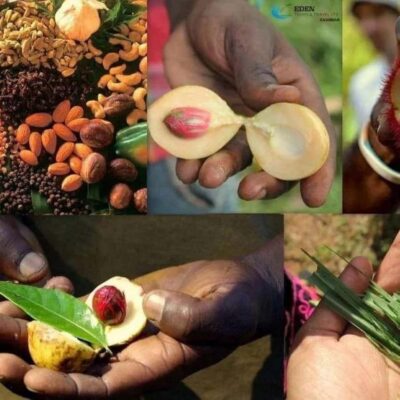
You will see familiar names, but many look very different before they reach a market shelf. Cinnamon comes from tree bark. Vanilla comes from an orchid. Nutmeg comes from a fruit, and cloves are dried flower buds. A good guide turns these simple facts into a clear lesson in how food moves from plant to plate.
I like this kind of tour because it uses several senses at once. You are not asked to remember a list of crops from a lecture. You can smell a spice, taste a fruit, and connect that sensation with a plant and its use.
The experience also helps explain why Zanzibar’s spices matter beyond cooking. Some plants are used in traditional remedies, while others provide flavor, scent, or household products. The guide’s explanations are a central part of the visit, so the quality of the conversation matters as much as the farm itself.
More spice farm visits:
- Zanzibar: Stone Town, Spice Tour, Prison Island with Lunch
★ 4.4 · 1,219 reviews - Zanzibar: Prison Island, Stone Town, & Spice Farm Tour
★ 4.5 · 579 reviews - Zanzibar: Stone Town, Spice tour & Prison Island with Lunch
★ 4.6 · 453 reviews
Starting from Zanzibar City with private pickup
The tour is based in Zanzibar City and includes pickup and drop-off at your hotel. That is a real advantage in Zanzibar, where arranging local transport can add time and uncertainty to a short activity. You do not need to find your own taxi or work out a separate fare for the ride to the farm.
The private format means only your group participates. That should make it easier to ask questions, set the pace, and spend more time with a plant that interests you. It is especially useful if one person in your group wants to focus on food while another wants to hear more about medicinal uses.
Transport waiting charges, fuel surcharges, taxes, service fees, and entrance fees are included. Bottled water is also provided. Those details make the $76.93 price easier to assess because the advertised cost is not simply a guide fee with several extras added later.
Still, private does not mean lavish. This is a practical farm excursion, not a luxury transport experience. The supplied information does not specify the vehicle type, the exact pickup time, or the distance from your hotel, so confirm those details when booking if your schedule is tight.
The tour is often reserved about 27 days ahead. That does not mean you must book a month early, but it does suggest that planning ahead is sensible, especially if you want a particular day or guide.
At the farm: cloves, cinnamon, and tropical fruit
The central stop lasts about three hours and covers tropical fruit, spices, herbs, and less common plant species. The appeal is variety. One short visit can introduce you to cloves, cinnamon, nutmeg, vanilla, cardamom, curry, pepper, tamarind, ginger, menthol, and other plants associated with Zanzibar.
You should expect a guided walk rather than a formal performance. The available details do not promise a fixed sequence of demonstrations, so the exact order may change with the farm, season, and guide. That flexibility can be a plus because a private visit allows more room for questions.
Cloves deserve special attention. Zanzibar is strongly associated with this spice, and seeing the plant in its growing form gives you a better sense of the crop than buying a small packet in Stone Town. You can ask the guide about the part of the plant used, how it is prepared, and how it appears in local cooking.
Cinnamon is another good example of why a farm walk is useful. Many people know the rolled sticks but have never considered that cinnamon comes from bark. Vanilla also becomes more interesting when you connect the familiar aroma with a living plant.
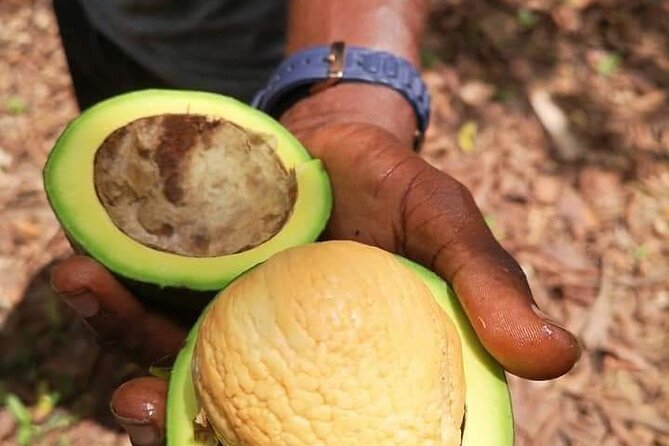
The tour includes tasting spices and tropical fruit. That phrase should be understood sensibly: this is a chance to sample and identify flavors, not a full meal. One person specifically enjoyed buying chicken masala and black pepper after the visit, with plans to use them in chicken pilau. If you like cooking, leave a little room in your bag for spice purchases.
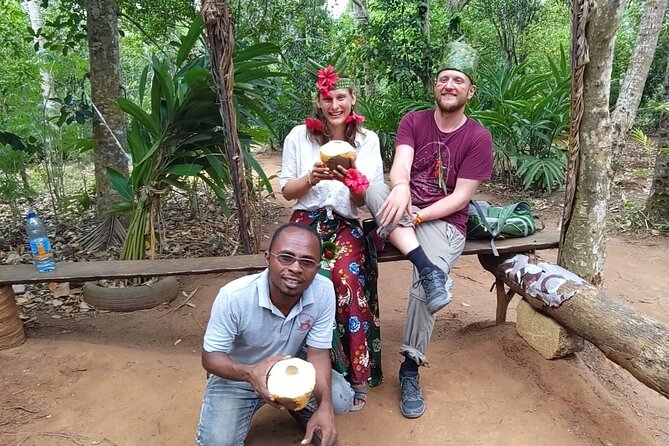
The farm may also offer the kind of small, human touches that make a short outing memorable. One account describes the guide making grass bags and hats for the group. That is not listed as a guaranteed part of every departure, but it shows the sort of practical, playful interaction you might encounter.
From cooking pot to traditional medicine

The best part of the tour may be the explanation of how plants are used. Guides describe which items belong in food and which have traditional medicinal roles. That distinction matters because a plant farm can otherwise become a quick parade of names with little meaning.
Neem is presented as a tree whose leaves were traditionally used for malaria and indigestion. The iodine tree produces a deep red sap traditionally used to fight infection and treat wounds. These are cultural and traditional uses, not medical advice, so you should not treat the tour as a substitute for a doctor or proper medication.
That said, the medicinal section adds depth to the visit. It shows how useful plants have been part of everyday life, not merely export crops or kitchen ingredients. You begin to see the farm as a place where food, scent, healing traditions, and trade meet.
Ask the guide to separate established culinary use from traditional remedy claims. This is a good habit on any plant tour. It keeps the experience interesting without turning a demonstration into a medical recommendation.
The guide’s ability to explain these differences is important. Mody is repeatedly associated with friendly, reliable, personal service, and Barak is specifically praised for making the experience engaging. The names matter because a private tour depends heavily on the person leading it. A quiet guide could make the same farm feel ordinary, while a lively one can turn cloves and tree bark into a memorable lesson.
A few more trips of this kind worth comparing:
- From Zanzibar: Mikumi Safari Day Trip with Flights and Meal
★ 4.7 · 1,470 reviews - Zanzibar: Quad Bike Adventure departing from Kendwa or Nungwi
★ 4.9 · 1,233 reviews - From Kendwa: Mnemba Boat Trip and Dolphin Snorkel Adventure
★ 4.8 · 1,043 reviews - From Zanzibar: Day Selous Game Reserve Safari with Flights
★ 4.7 · 1,025 reviews
What the private format adds

A private tour is most valuable when you use it actively. Ask where a spice came from, how it is used in Zanzibar, and what changes after drying or processing. If you are interested in food, ask about pilau seasoning, curry blends, pepper, ginger, and tamarind. If you prefer plants, ask about rare species and medicinal traditions.
The format also suits mixed-age groups. Children can smell and taste their way through the visit, while adults can focus on trade, cooking, or local plant knowledge. The three-hour length is long enough to feel worthwhile but short enough for most people to combine with another activity.
It is also a good choice for solo visitors. Mody is described as willing to fit tours to individual needs and preferences, including solo outings. You should not assume that every request can be met, but the private setup gives you a better chance to shape the conversation than a large group departure.
There are limits. A private tour does not guarantee a private farm or exclusive access to every part of it. The supplied details only confirm that your group participates privately in the activity. If exclusivity at the farm is important to you, ask before paying.
The additional information mentions snorkeling with guides, but snorkeling is not part of the three-hour spice-tour description. Treat that note as unclear rather than assuming water activities are included. If you want to combine snorkeling with the farm visit, confirm that arrangement separately.
How the price works out at $76.93

At $76.93 per person, this tour sits in the range where convenience and personal service need to justify the cost. They mostly do. You receive a private activity, a professional guide, hotel transport in both directions, bottled water, entrance fees, taxes, fuel charges, service fees, and transport waiting time.
The value improves for a small group that wants one vehicle and one guide. You are paying for a simpler morning, not just a walk among plants. If you were already planning to hire a taxi and guide separately, the included transport and fees reduce the need to manage several arrangements.
The value is less clear if you only want to buy spices. Zanzibar has other places to shop, and a short farm tour may be more than you need for a packet of pepper or masala. Book this if you want context and conversation, not merely souvenirs.
Group discounts are offered, though no discount amount is specified. Ask for the current price for your party before booking. A group discount could make the private format more attractive for families or friends traveling together.
The tour has free cancellation up to 24 hours before the start time. Changes or cancellations made within 24 hours are not refunded, and late changes are not accepted. The activity requires good weather, so if the operator cancels because conditions are poor, you are offered another date or a full refund.
Who will enjoy this farm visit most
I would recommend the tour to you if you like food, markets, gardening, or short cultural activities with a local guide. It also suits anyone who wants a break from beaches and boat trips without committing to a full-day excursion.
Families may appreciate the sensory format. Smelling cinnamon, tasting fruit, and seeing unusual plants can hold attention better than a long historical talk. The handmade grass bags and hats described by one visitor add a pleasant craft element when available.
The tour is also a strong fit for visitors staying in Zanzibar City who want an easy half-day plan. It can sit alongside Stone Town sightseeing, although you should leave enough time between activities for transport and pickup changes.
You might skip it if you dislike guided tours, have no interest in spices, or want a tightly scripted attraction with displays and signs. The farm setting is likely to feel informal. Its success depends on the guide’s explanations and your willingness to ask questions.
People with medical concerns should keep expectations clear. Traditional plant uses may be discussed, but the tour does not include medical insurance or professional medical care. Personal expenses, flights, visa costs, and airport taxes are also not included.
Practical tips for a better morning
Wear clothes suitable for a farm setting and choose comfortable shoes. The exact ground conditions are not described, so sensible footwear is safer than delicate sandals or formal shoes.
Bring a small bag if you may buy spices. Black pepper and chicken masala were popular purchases, and you might find other blends or dried products that are easier to carry than fresh fruit.
Use the private format to state your interests early. Tell the guide if you want more time on cooking, plant identification, traditional medicine, photography, or shopping. The service is described as personal and adaptable, so clear requests should help shape the visit.
Ask about the pickup time, the farm’s exact location, and the meaning of the snorkeling note before departure. Those details are not fully explained in the tour information, and a quick confirmation can prevent mismatched expectations.
Finally, keep your weather backup in mind. If the tour is canceled for poor weather, you can move to another date or receive a full refund, but a replacement may not fit your wider Zanzibar schedule.
Should you book the Zanzibar Spice Tour?
Book it if you want a private, practical introduction to Zanzibar’s plant life and food traditions. The strongest reasons are the farm setting, the broad mix of spices and fruit, the discussion of traditional medicine, and the included hotel transport. The consistently warm comments about Mody’s reliability and Barak’s engaging style also make the guide service a major part of the value.
I would be more cautious if your main goal is a cheap shopping stop or if you need a precisely timed itinerary. At $76.93, this is best viewed as a guided cultural outing with transport, not a simple spice purchase. For a curious eater, a family, or a solo visitor who values personal attention, it is a sensible three-hour addition to a Zanzibar stay.
FAQ
Where does the Zanzibar Spice Tour take place?
The tour is based in Zanzibar City and visits a local farm known for spices, herbs, tropical fruit, and other plant species.
How long does the tour last?
The guided experience lasts approximately three hours.
Is hotel pickup included?
Yes. Pickup and drop-off from your hotel are included.
Is this a private tour?
Yes. Only your group participates in the private activity.
What spices can I expect to see?
The tour may include cloves, cinnamon, nutmeg, vanilla, cardamom, curry, pepper, tamarind, ginger, menthol, and other spices and herbs.
Will I learn about medicinal plants?
Yes. The guide explains traditional uses for plants, including neem leaves and the red sap from the iodine tree.
Is food or water provided?
Bottled water is included. The tour includes opportunities to taste spices and tropical fruit, but a full meal is not listed as an inclusion.
Are entrance fees and taxes included?
Yes. Entrance fees, taxes, fuel surcharges, service fees, and transport waiting charges are included.
Is snorkeling included?
The additional information mentions snorkeling with guides, but the three-hour spice-tour details do not clearly include snorkeling. Confirm this with the provider before booking.
What is the cancellation policy?
You can cancel at least 24 hours before the start time for a full refund. Cancellations or changes made less than 24 hours before the start time are not refunded. If poor weather causes the operator to cancel, you can choose another date or receive a full refund.
Just added around Zanzibar
- Spice Tour of Zanzibar★ 4.5 · 3 reviews
- Zanzibar : Stone Town Tour,history without transport★ 4.8 · 3 reviews
- Zanzibar: 3-Day Northern Safari with Flights Included★ 4.8 · 3 reviews
- Jozani Forest, kuza cave and mtende beach★ 5.0 · 3 reviews
- Starfish Beach; The Rock; Kuza Cave; Paje Beach; Salaam Cave Tour★ 4.5 · 3 reviews
- ZANZIBAR: Stone Town and Jozani Forest Guided Tour★ 4.0 · 3 reviews
- Zanzibar: African Sunset Boat Party in Zanzibar Music, Views★ 4.3 · 3 reviews
- Joazani forest & Spice farm with lunch★ 5.0 · 3 reviews
Spice Farm Tours, compared.

Stone Town, Spice Tour, Prison Island with Lunch
Read our review →
Stone Town, Spice tour & Prison Island with Lunch
Read our review →
Full-Day Private Stone Town +Spice Farm and Prison Island Tour
Read our review →

The Swahili Spice Experience – Spice Tour + Culinary Journey
Read our review →Browse the lists this tour appears in