

Reviewed · SERENGETI SAFARIS
3 Days /2 nights Serengeti and Ngorongoro crater
Three days, two great parks, one busy safari. This $820 trip from Arusha takes you from the highlands near Karatu into the Serengeti, then down into Ngorongoro Crater, giving you a fast look at Tanzania’s most famous wildlife areas. I like the strong mix of scenery and game viewing, and I like that meals, park charges, camping, and pickup are built into the price. The main drawback is the pace: long drives and basic camping leave little room for rest.
I also like the small-group format, listed for a maximum of six people, and the chance to spend time in the Seronera area, where the river draws a wide range of animals. You should confirm the final group size before paying, since one account describes a group of seven, and you should ask exactly what camping gear is supplied.
In This Review
- Key points to know before booking
- Why this three-day route works
- Day one: from Arusha to Seronera
- Day two: more Serengeti, then back toward Ngorongoro
- Day three: wildlife on the crater floor
- What the $820 price really covers
- The guide and vehicle can make or break it
- Meals, camping, and what to pack
- Who should book this safari
- Should you book it?
- FAQ
- Where does the safari start?
- What time is pickup?
- Where does the safari end?
- How long is the tour?
- How many people can join the tour?
- Are meals included?
- Are park fees and taxes included?
- Is travel insurance included?
- Can I cancel for a full refund?
Key points to know before booking
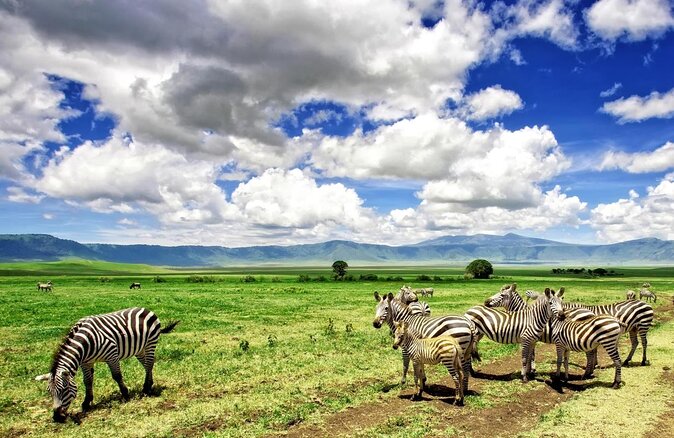
- Seronera gives you a strong first taste of the Serengeti: Its river attracts animals and supports good game viewing in the central park.
- Ngorongoro Crater is the trip’s wildlife heavyweight: Around 30,000 animals live in this enclosed area, including a chance of seeing black rhino.
- The price covers the basics that matter: Park fees, taxes, two breakfasts, three lunches, and two dinners are included.
- Expect long days in a safari vehicle: Each listed day is about six hours, though the route and game drives can make the day feel longer.
- Camping keeps the cost down: Tents and equipment have been praised, but one person had trouble with a rented sleeping bag zipper.
- Guide quality can shape the whole trip: Strong feedback highlights guides who explain animal behavior and find animals well, while one serious complaint raises concerns about vehicle support and park-fee handling.
Why this three-day route works
This safari is built for people with limited time in northern Tanzania. In three days, you reach the Serengeti and Ngorongoro Crater, two places that offer very different wildlife settings.
The Serengeti gives you huge open plains and moving animals spread across a broad area. Ngorongoro gives you a much tighter wildlife setting, with water and grazing areas inside a vast volcanic crater. Seeing both helps you understand why these parks are often paired.
The route is not leisurely. Day one includes the drive from Arusha, the approach through Karatu and the Ngorongoro Conservation Area, the descent toward the Serengeti, lunch, and an afternoon game drive. Day two combines more Serengeti time with the drive back toward Ngorongoro. Day three begins with a crater game drive before the return to Arusha.
I would choose this plan if you want a concentrated safari and do not have four or five nights available. If you dislike early starts, rough roads, camping, or long hours in a vehicle, the same route may feel too compressed.
More ways to see the Ngorongoro Crater:
- 3 Days Serengeti & Ngorongoro Group Camping Safari
★ 5.0 · 574 reviews - 5 Days Camping Tarangire, Serengeti & Ngorongoro crater & Visiting Maasai
★ 5.0 · 229 reviews - 4 Days Join Group tour Tarangire Serengeti and Ngorongoro crater
★ 5.0 · 219 reviews
Day one: from Arusha to Seronera
Pickup is scheduled between 6:00 and 7:00 in the morning at Shoppers Supermarket in Arusha. That early start makes sense. The distance to the Serengeti is substantial, and leaving early gives you more useful time once you reach the park.
The road heads through the high farmland around Karatu before entering the Ngorongoro Conservation Area. This part of the route matters because the scenery changes quickly. You begin in cultivated highlands, then move toward the open country associated with northern Tanzania’s great wildlife parks.
After leaving the higher ground, you continue toward the Serengeti. The first view of its open plains is one of the major rewards of the trip. The country seems to run on forever, with low rolling ground and very little to interrupt the view. Keep your camera ready, but do not spend the whole approach staring through a screen. The changing scenery is part of the experience.
The route aims for Seronera, the central Serengeti area. Seronera is a practical choice for a short safari because its river provides water and draws animals from different parts of the park. That gives you a reasonable chance of seeing several types of wildlife in one area rather than spending every hour driving far between sightings.
You arrive in time for lunch, followed by an afternoon game drive. This is your first proper chance to watch the Serengeti at close range. The exact animals cannot be promised, but the area is described as a habitat for many of the park’s main species.
The first afternoon may also be your most tiring game drive. You have already spent hours on the road, and the excitement can hide the fatigue until you reach camp. Pack water, sun protection, and a small bag with only what you need during the day. Keep larger luggage organized so setting up at camp is easier.
Dinner and overnight camping follow. Camping is part of the value of the $820 price, but it also sets the tone for the whole trip. This is not a lodge-based safari with a private room and a quiet evening indoors. It is a simpler arrangement designed to keep you near the parks and control the cost.
Day two: more Serengeti, then back toward Ngorongoro
After breakfast, you have a morning game drive in the Serengeti. Morning is a useful time to be out because the day is just beginning and the drive gives you another chance to see animals in the Seronera area or along the route out.
The plan then provides lunch before you leave the Serengeti and drive toward Ngorongoro, with game viewing along the way. Carrying lunch is practical. It avoids losing time searching for a meal and lets the day stay focused on the parks.
This is the route’s most demanding day. You are not simply transferring from one campsite to another. You are combining a morning safari, lunch, a long drive, and an en-route game drive. I would think of it as a travel day with wildlife built into it, not as a full second day in one location.
That distinction matters if you are comparing this trip with longer safari programs. A longer stay might give you more time in the Serengeti and a slower approach to Ngorongoro. Here, the advantage is that you see both parks within a tight schedule.
Dinner and camping are planned near Ngorongoro. The supplied information does not identify the camp or describe its facilities, so ask before departure whether tents, mattresses, sleeping bags, and other equipment are included or available for rent. One person found the rented sleeping bag cold because the zipper would not close. If you get cold at night, bring your own sleeping bag rather than relying on rented equipment.
The camping equipment has also been praised as good, and the cooks have received strong praise for preparing very good food. That is useful context. Safari meals can make a major difference after hours on rough roads, and this package includes two dinners, two breakfasts, and three lunches.
Day three: wildlife on the crater floor
After breakfast, you descend into Ngorongoro Crater with a packed lunch. The descent is a key moment. The crater is a huge enclosed setting, and once you reach the floor, the wildlife is gathered in a more limited area than in the wide Serengeti.
The crater supports an estimated 30,000 animals. Its year-round water and grazing help sustain wildebeest, zebra, buffalo, eland, warthog, hippo, and large African elephants. This does not guarantee a checklist of every animal, but the setting gives you a strong chance to see a broad mix during one full game drive.
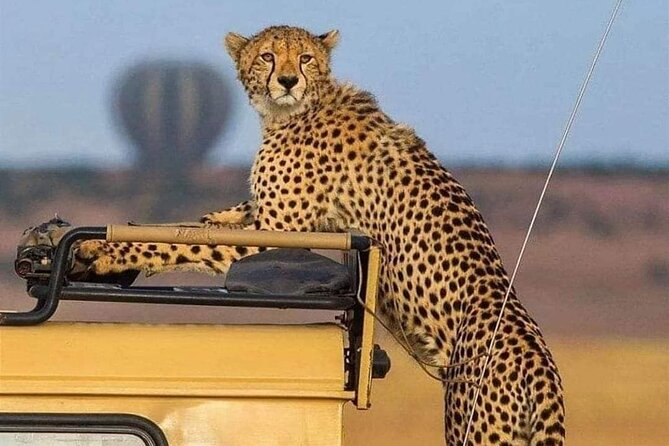
Predators are another major reason to spend time here. Lions, hyenas, jackals, cheetahs, and leopards are listed among the crater’s wildlife. Leopards are elusive, so you should treat one as a lucky sighting rather than an expected part of the day. The same applies to black rhino, which are among Tanzania’s rare remaining rhinos and may be seen in the crater.
The picnic lunch takes place on the crater floor. Follow the guide’s instructions closely around wildlife and keep food packed until you are told it is safe to eat. The supplied details do not describe the picnic facilities, so do not expect a restaurant-style lunch stop.
After the game drive, you leave the crater in the late afternoon and return to Arusha. This final transfer can be tiring. The activity ends back at the meeting point at Shoppers Supermarket, not at a separate hotel or airport location.
If you have an evening flight, do not assume the timing will work. The listed schedule says late afternoon return, but road conditions, park activity, and the day’s pace can affect your arrival. Ask the operator before connecting this safari with air travel.
More Serengeti safaris to compare:
- Serengeti Balloon Safari and authentic bush breakfast
★ 5.0 · 2,480 reviews - Balloon Safari & Bush Breakfast in Serengeti – Miracle Experience
★ 5.0 · 1,646 reviews - 5-Day Highlights mid-Range Crater, Serengeti, Tarangire
★ 5.0 · 296 reviews - 3-Day Classic Serengeti Safari
★ 5.0 · 263 reviews
What the $820 price really covers
At $820 per person, this is not a bare transport package. Taxes and park fees are included, along with three lunches, two breakfasts, and two dinners. Those inclusions reduce the number of extra costs you need to manage during the safari.
The price also reflects a camping trip rather than a lodge safari. That is good value if your priority is reaching the parks, spending time on game drives, and keeping accommodation costs lower. It is less attractive if you want private rooms, polished facilities, or plenty of downtime.
Airfare, travel insurance, personal purchases, and tips are not included. You should budget for those separately. Tips are optional but customary in many safari settings, so ask the operator for current guidance before you leave.
The group size deserves a clear question. The activity is advertised for a maximum of six people, which should mean a more manageable vehicle and better odds of getting a useful window seat. However, one account describes seven people in the group. Confirm the number of passengers, vehicle layout, and whether the group may be combined with another booking.
The guide and vehicle can make or break it
The strongest praise is directed at the guide. A guide who can explain animal behavior and locate wildlife changes the safari from a long ride into an informed search. One guide named Mandela received especially warm praise for making the experience better than expected.
That is the standard I would want from this trip. Ask who your guide will be, how many people will share the vehicle, and what happens if the vehicle has trouble. The supplied feedback includes one serious complaint about broken vehicles, being stranded in a forest at night, and concerns about park fees not being paid. The operator responded with an apology and a renewed statement of commitment, but the complaint is serious enough that you should get clear answers before departure.
I would ask for confirmation that park permits and fees are settled before the trip begins. I would also ask about emergency support, vehicle condition, and the plan for a breakdown. These questions are not excessive on a safari. They are basic trip planning.
At the same time, the other feedback describes an organized safari, good tents and equipment, many animals, friendly staff, and guides who explain animals in detail. The overall rating is 4.3 from six ratings, which suggests a generally positive experience but not a spotless record.
Meals, camping, and what to pack
The meal plan is simple and useful. You receive breakfast each morning, lunch on all three days, and dinner on the first two nights. Day three’s lunch is a box taken into the crater.
Bring a refillable water bottle, sun protection, a hat, and a warm layer. The provided information does not state whether drinking water is included, so confirm that before you go. Temperatures can change during early starts, open-vehicle drives, and nighttime camping.
A sleeping bag deserves special attention. Rental equipment may be available, but the zipper problem described above is a reminder that comfort gear should be checked before bedtime. If you already own a reliable sleeping bag, bringing it may be worthwhile, especially if you are sensitive to cold.
Pack lightly enough to keep the vehicle and tent area orderly. A camera is useful, but spare batteries or charging arrangements should be confirmed because no power details are provided.
Who should book this safari
I would recommend this trip to a first-time safari visitor who wants the Serengeti and Ngorongoro Crater in one short package. It also suits people who value wildlife time over hotel comfort and who are willing to accept long drives and camping.
It may suit solo customers or couples who like joining a small group. The listed maximum of six should make it more personal than a large coach tour, though you should confirm the actual number.
Families and older visitors should think carefully about the pace. The information says most people can participate, but it does not give detailed accessibility information or describe vehicle access. Ask directly if anyone in your group has mobility needs.
I would hesitate to recommend it to someone with only a very narrow flight connection, someone who needs guaranteed lodge accommodation, or someone unwilling to ask detailed questions about vehicles and camping gear.
Should you book it?
Book this safari if you want two iconic parks, a small group, included meals and park costs, and a strong chance of seeing varied wildlife for $820. The route offers real value because it reaches Seronera and Ngorongoro in only three days.
Before paying, confirm the group size, campsite details, sleeping bag arrangements, park-fee payment, vehicle backup plan, and your guide’s name. If those answers are clear, this can be an efficient and memorable introduction to Tanzania’s great wildlife country. If the operator cannot answer them plainly, choose a company with clearer operating details.
FAQ
Where does the safari start?
The meeting point is Shoppers Supermarket in Arusha, Tanzania.
What time is pickup?
Pickup is offered between 6:00 AM and 7:00 AM, Monday through Sunday.
Where does the safari end?
The activity ends back at the meeting point at Shoppers Supermarket in Arusha.
How long is the tour?
The safari lasts approximately three days and includes two nights of camping.
How many people can join the tour?
The activity is listed for a maximum of six travelers.
Are meals included?
Yes. The package includes three lunches, two breakfasts, and two dinners.
Are park fees and taxes included?
All fees and taxes are included in the stated package.
Is travel insurance included?
No. Airfare, travel insurance, personal items, and tips are not included.
Can I cancel for a full refund?
Yes, if you cancel at least 24 hours before the experience start time. Cancellations made less than 24 hours before the start time are not refunded, and changes within that period are not accepted.
More Three-Day Trips
- 3 Day Serengeti National Park & Ngorongoro Crater Camping Safari
★ 5.0 · 142 reviews - 3 Days Tarangire, Ngorongoro & Lake Manyara Group Camping Safari
★ 5.0 · 102 reviews - 3 Days Private Safari – manyara, Ngorongoro & Tarangire
★ 5.0 · 94 reviews - 3 Days Small Group Safari to Serengeti NP and Ngorongoro Crater Tour in Tanzania
★ 5.0 · 77 reviews
Just added around Arusha
- 5 Days Safari Tarangire, Serengeti, and Ngorongoro Crater★ 5.0 · 3 reviews
- Love lives in Africa★ 5.0 · 3 reviews
- 5 Days of Safari, Culture & Hot Springs – Tour from Arusha★ 5.0 · 3 reviews
- Arusha National Park Safari by Jeep★ 4.5 · 3 reviews
- 5Days Family _Group Tour Lodging Mid-Range in the Jungle★ 5.0 · 3 reviews
- Serengeti & Ngorongoro 3 Days Budget Safari★ 5.0 · 3 reviews
- 2 Days Tarangire and Ngorongoro Crater Tour★ 5.0 · 3 reviews
- 7 Days PRIVATE Best of Tanzania Safari *Departing everyday*★ 5.0 · 3 reviews
Serengeti Safaris, compared.

Serengeti Balloon Safari and authentic bush breakfast
Read our review →
Balloon Safari & Bush Breakfast in Serengeti – Miracle Experience
Read our review →
3 Days Serengeti & Ngorongoro Group Camping Safari
Read our review →
5-Day Highlights mid-Range Crater, Serengeti, Tarangire
Read our review →


Private 6-Day Tarangire Manyara Crater and Serengeti with Mid-Range Lodges
Read our review →
5 Days Camping Tarangire, Serengeti & Ngorongoro crater & Visiting Maasai
Read our review →Browse the lists this tour appears in