
Reviewed · NGORONGORO CRATER TOURS
3 Days Tarangire, Ngorongoro & Lake Manyara Group Camping Safari
Three parks, three very different wildlife settings. This three-day safari from Arusha packs Tarangire’s elephants, Ngorongoro Crater’s dense animal population, and Lake Manyara’s birdlife into a short, practical trip. I like the small-group format, limited to six people, and I like that meals and camping are included, which keeps planning simple and the $700 price easier to understand.
I also like the personal service built into the trip. Hilary handled communication well, driver Lewis was praised for his wildlife knowledge, and cook Moussa prepared hot meals. The main drawback is the pace: three parks in three days means long safari days and only a short stay at each place.
In This Review
- Key points to know before booking
- Why this three-day route works
- Day one: elephants and baobabs in Tarangire
- Day two: the Ngorongoro Crater wildlife circuit
- Day three: forest, wetlands, and Lake Manyara
- Camping, food, and the real value of $700
- Group size and personal service
- Who should choose this safari
- Booking advice and cancellation terms
- FAQ
- Where does the safari start?
- What time does the safari begin?
- Where does the safari end?
- Which parks are included?
- How long is the safari?
- Which meals are included?
- Are guide and cook tips included?
- Should you book this safari?
Key points to know before booking
- Three famous parks in three days: Tarangire, Ngorongoro Crater, and Lake Manyara each offer a different setting and wildlife focus.
- A maximum group size of six: You get a better chance of direct help from the guide than on a large safari vehicle.
- Camping at Twiga campsite: The tree-shaded site gives you a simple base between the parks.
- Meals are covered: The package includes two breakfasts, two dinners, and three lunches, including a picnic lunch at Tarangire.
- Ngorongoro is the centerpiece: The crater floor offers year-round water, many grazing animals, and a strong chance of seeing predators.
- A $700 package with strong practical value: The price covers the park visits, camping setup, guide, cook, and meals, though tips are extra.
Why this three-day route works
A safari is often a choice between seeing more places and spending more time in each one. This route clearly chooses variety. In just three days, you visit three protected areas with sharply different scenery and animal habitats.
Tarangire is known for elephants and giant baobab trees. Ngorongoro offers a compact wildlife area inside an ancient volcanic crater. Lake Manyara brings woodland, wetland, cliffs, hot springs, and a lake into a much smaller park.
That variety gives you a good first look at northern Tanzania. You are not spending all three days searching the same type of terrain. One morning may bring large elephant herds, while the next puts you among crater grasslands and the final day shifts toward forest and birdlife.
The tradeoff is time. Each park receives roughly six hours in the schedule, and the route also involves moving between areas. I would choose this trip if you have limited time in Arusha and want a broad introduction. If you have a full week, a longer safari would give you more relaxed game drives and more time at camp.
The tour begins at 8:00 a.m. at Jevas Hotel EncoreTZ in Makao Mapya, Arusha, and returns to the same meeting point at the end. That simple start and finish is useful if you are staying in Arusha before or after the safari.
More Safaris in Arusha
- Serengeti Balloon Safari and authentic bush breakfast
★ 5.0 · 2,480 reviews - Balloon Safari & Bush Breakfast in Serengeti – Miracle Experience
★ 5.0 · 1,646 reviews - 4 Days Group Camping Safari
★ 5.0 · 1,101 reviews
Day one: elephants and baobabs in Tarangire
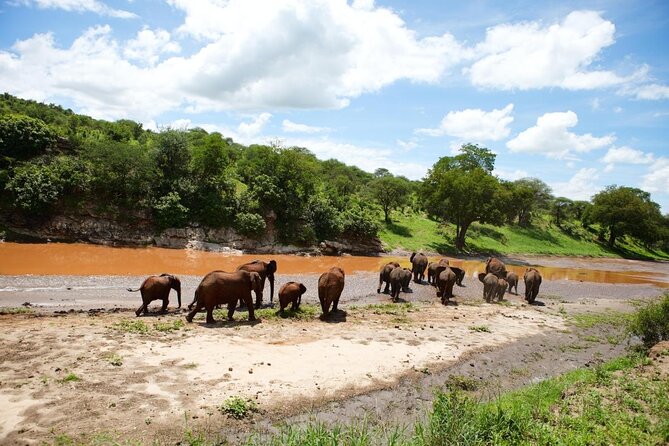
After breakfast, you head toward Tarangire National Park for a game drive and picnic lunch. The park is the first major wildlife stop, and its appeal is easy to understand: large elephant numbers and impressive baobab trees give it a character different from the other parks on this route.
Tarangire forms part of an annual migration cycle that can include up to 3,000 elephants, 25,000 wildebeest, and 30,000 zebras. Those figures describe the wider seasonal movement, not a guarantee for your particular game drive, but they explain why the park has such a strong reputation for large herds.
I like that the first day begins with a clear wildlife focus. You are not easing into the safari with a city tour or a long introduction. You get into the park, have lunch there, and spend the day looking for animals among the trees and open areas.
The baobabs add plenty of visual drama without needing a special viewpoint. Their thick trunks and unusual branches make even a quiet stretch of road feel distinctly Tanzanian. If you enjoy photography, Tarangire may give you some of the most recognizable images of the trip.
The included picnic lunch is practical. You do not need to leave the park to find food, and the meal is already part of the day’s plan. Since the itinerary gives this stop about six hours, you should expect a substantial game drive, though not a full day from dawn to dusk.
Later, you drive to Twiga campsite. The site is described as tree-shaded and centrally located, which matters after a long day in the vehicle. Camping keeps the price below many lodge-based safaris, while the central position helps the route work efficiently over three days.
Do not expect a luxury stay. The value here is the access to the parks, the included meals, and the shared camping arrangement rather than polished accommodation. I would pack with simple outdoor comfort in mind and treat the campsite as a useful base, not the main attraction.
Day two: the Ngorongoro Crater wildlife circuit
Day two begins with an early breakfast before you descend more than 600 meters into Ngorongoro Crater. This is the trip’s strongest wildlife day for many people because the crater has water and grazing areas throughout the year, supporting a high concentration of animals in a relatively compact setting.
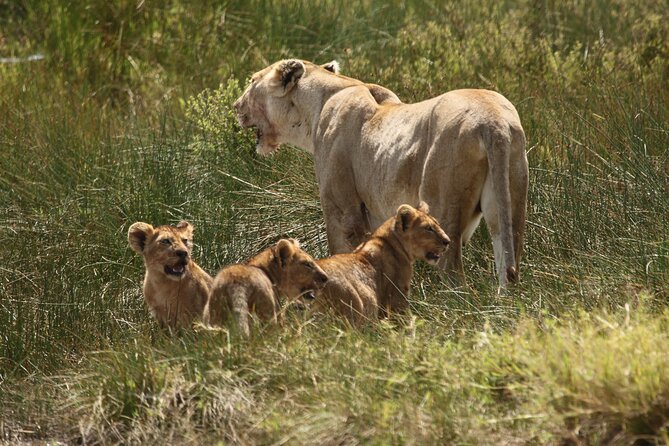
The crater floor can include wildebeest, zebra, buffalo, eland, warthog, hippo, and large African elephants. It also supports predators such as lions, hyenas, jackals, cheetahs, and the much harder-to-spot leopard.
That list is impressive, but the real value is the combination of species in one place. You are not relying on one animal as the entire reason for the visit. The crater gives your guide several possible wildlife goals, from watching a herd cross open ground to searching carefully for a predator near cover.
The route includes Lake Magadi, a large, shallow alkaline lake in the southwestern part of the crater. The lake is one of the crater’s main features and adds a different setting to the grasslands and wildlife areas around it.
Ngorongoro is scheduled for about six hours. The early start makes sense because the crater is the most time-sensitive part of the trip. You want enough daylight for the descent, the game drive, Lake Magadi, and the return route.
This is also the day when your guide matters most. Lewis was specifically praised for his wildlife knowledge, and that kind of skill is useful in a place where the difference between seeing a leopard and missing it may be a few seconds of careful observation. A good guide also helps you make sense of the animals rather than simply pointing at them.
The practical caution is that Ngorongoro can feel busy compared with a more open park. The crater is famous, and many safari routes include it. Your experience depends partly on the timing, the guide’s decisions, and where wildlife is active that day.
Still, if you can spend only three days on safari, I would not remove Ngorongoro from this route. It gives you the highest concentration of major wildlife in the shortest period and adds a dramatic setting that feels unlike Tarangire or Manyara.
Day three: forest, wetlands, and Lake Manyara
After breakfast, the safari continues to Lake Manyara National Park. This park is smaller than the other main stops, but the range of habitats is unusually broad. You may pass through acacia woodland, water forest, baobab-strewn cliffs, algae-marked hot springs, swamps, and the lake itself.
That mix explains why Lake Manyara can support many animal species and a remarkable range of birdlife. I would especially recommend this day to anyone who enjoys birds or prefers changing scenery over one large open plain.
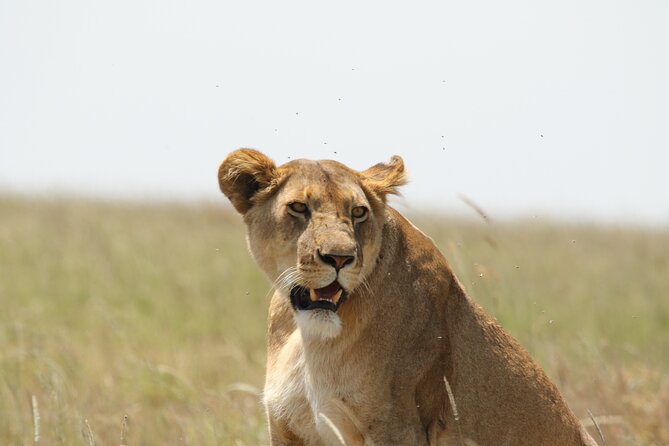
The park is also known for having one of the largest concentrations of baboons anywhere in the world. You may see them in family groups around the woodland areas. The lions are famous for climbing trees, though the itinerary does not promise a sighting. As with all wildlife, your guide can search, but nature sets the schedule.
Manyara receives about six hours on the third day. That gives you a worthwhile safari stop before returning to Arusha, but it does not leave much room for a slow, unplanned exploration. If your priority is birdlife, you may wish for more time here than this short itinerary allows.
I like the order of the parks. Tarangire begins with large mammals and distinctive trees. Ngorongoro provides the most concentrated wildlife setting. Manyara finishes with forests, water, birds, and baboons. The sequence keeps the trip varied right to the end.
More ways to see the Ngorongoro Crater:
- 3 Days Serengeti & Ngorongoro Group Camping Safari
★ 5.0 · 574 reviews - 5 Days Camping Tarangire, Serengeti & Ngorongoro crater & Visiting Maasai
★ 5.0 · 229 reviews - 4 Days Join Group tour Tarangire Serengeti and Ngorongoro crater
★ 5.0 · 219 reviews - 4-Day Safari from Arusha: Tarangire, Serengeti and Ngorongoro
★ 5.0 · 173 reviews
Camping, food, and the real value of $700
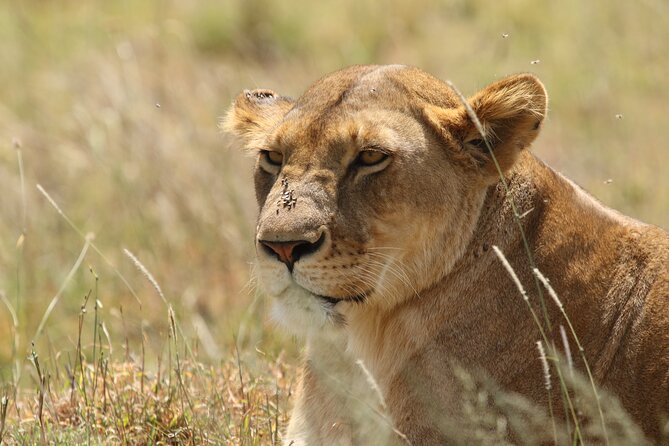
At $700 per person, this is not the cheapest possible way to see Tanzania, but it offers a sensible package for a three-day route through three major parks. You are paying for more than a bed and a vehicle. The package includes two breakfasts, two dinners, and three lunches, plus camping accommodation and the safari operation itself.
The meals reduce the amount of planning you need to do. You receive breakfast on the camping mornings, dinners at the end of the first two days, and lunch each day, including the Tarangire picnic. Cook Moussa was praised for providing delicious hot food, which is especially welcome after hours on safari.
The inclusion of a cook is an important part of the camping value. You are not simply being dropped at a campsite and left to arrange every meal. The food service makes the camping option more practical for people who want to control costs without handling all the daily logistics themselves.
Tips for the safari guide and cook are not included. You should plan for those separately and consider them part of your overall budget. The exact amount is not specified here, so ask the operator for current tipping guidance before departure.
The camping setup also suits people who want the safari to focus on the parks rather than accommodation. Twiga campsite is described as tree-shaded and centrally located, giving you a useful place to rest between drives. If you want private rooms, hotel-style service, or more time at camp, this is not the right version of a Tanzania safari.
Group size and personal service
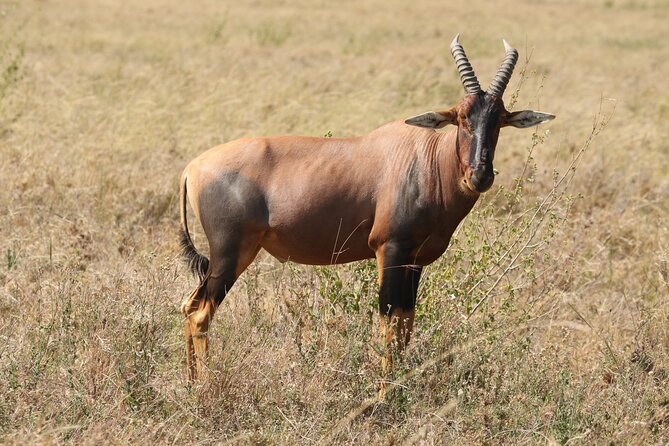
The activity is described as a private tour, with only your group participating, while the safari is also presented as a small-group trip for up to six people. Taken together, you should expect a limited party rather than a large coach-style outing. Confirm the exact group arrangement when booking if this distinction matters to you.
A group of six or fewer has practical benefits. You can ask the guide questions without competing with a crowd, and it is easier to discuss where to pause or what animals you hope to find. A smaller vehicle group also tends to make the long drives feel less anonymous.
Communication is another strength. Hilary was praised for keeping communication clear, and pickup and drop-off in Arusha were described as easy. That may sound minor, but clear arrangements matter when you have an early start, park entry plans, camping equipment, and several meals included.
The tour is listed as suitable for most people and is near public transportation. Confirmation is provided at booking, and the ticket is mobile. These details make the trip fairly straightforward to arrange from Arusha.
Who should choose this safari
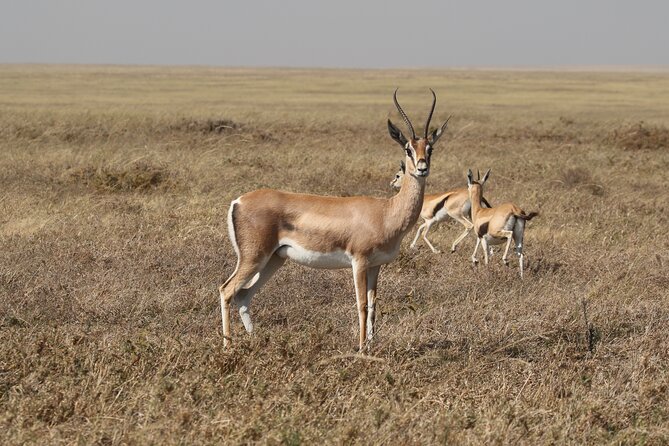
I would recommend this safari to you if you want three major northern Tanzania parks but have only three days available. It is also a good fit if you want to keep costs under control and prefer included meals and camping over lodge accommodation.
It suits first-time safari visitors who want variety. You will see different habitats, learn how the parks compare, and get a strong introduction to elephants, big cats, grazing herds, baboons, and birdlife.
It may also suit solo bookers or couples who want a small shared setting rather than a large group. The limited group size gives the guide more room to offer personal service, while the private activity structure keeps the experience focused on your own party.
I would hesitate to recommend it if you dislike early breakfasts, long drives, basic camping, or a tightly packed schedule. You should also choose a longer safari if your main goal is to spend many hours watching one pride of lions or waiting patiently for a leopard.
Booking advice and cancellation terms
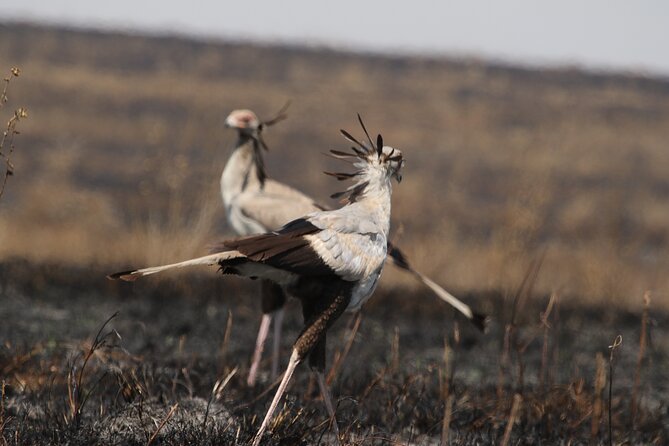
The trip is often booked about 178 days ahead, which suggests that planning early is sensible, especially if your dates are fixed. Since the safari includes three popular parks and a small group format, last-minute availability may be limited.
You can cancel for a full refund if you do so at least 24 hours before the experience start time. Cancellations or changes made less than 24 hours before the start are not accepted for a refund, and the cut-off follows local Tanzanian time.
FAQ
Where does the safari start?
It starts at Jevas Hotel EncoreTZ in Makao Mapya, Arusha, Tanzania.
What time does the safari begin?
The stated start time is 8:00 a.m.
Where does the safari end?
The activity ends back at the meeting point in Arusha.
Which parks are included?
The route visits Tarangire National Park, Ngorongoro Crater, and Lake Manyara National Park.
How long is the safari?
The safari lasts approximately three days, with each park visit scheduled for about six hours.
Which meals are included?
The package includes two breakfasts, two dinners, and three lunches.
Are guide and cook tips included?
No. Tips for the safari guide and cook are not included in the price.
Should you book this safari?
Book it if you want a compact, well-priced introduction to northern Tanzania and care more about wildlife time than luxury lodging. Tarangire’s elephants, Ngorongoro’s crater wildlife, and Manyara’s varied habitats give you a strong range of sights in only three days.
The best reasons to choose it are the small group, included meals, simple Arusha pickup and return, and the personal service associated with Hilary, Lewis, and Moussa. The main compromise is the pace. You will see a lot, but you will not have much spare time.
For $700 per person, this is a practical camping safari for an energetic first visit. If that sounds like your kind of trip, booking well ahead is wise.
More Lake Manyara Safaris
- 3 Days Private Safari – manyara, Ngorongoro & Tarangire
★ 5.0 · 94 reviews - 3 Days Safari to Tarangire, Ngorongoro & Lake Manyara parks
★ 5.0 · 70 reviews - 05 Days Tarangire, Serengeti, Ngorongoro and Lake Manyara
★ 5.0 · 54 reviews - 5 Days 4 Nights Tarangire, Serengeti , Ngorongoro & Manyara Wildlife Safari
★ 5.0 · 40 reviews
More Tarangire Safaris
- 5-Day Highlights mid-Range Crater, Serengeti, Tarangire
★ 5.0 · 296 reviews - Private 6-Day Tarangire Manyara Crater and Serengeti with Mid-Range Lodges
★ 5.0 · 238 reviews - 2 Days Tarangire and Ngorongoro Group Camping Safari
★ 5.0 · 146 reviews - 4 Days Tarangire Serengeti Ngorongoro Crater
★ 5.0 · 117 reviews
Just added around Arusha
- 5 Days Safari Tarangire, Serengeti, and Ngorongoro Crater★ 5.0 · 3 reviews
- Love lives in Africa★ 5.0 · 3 reviews
- 5 Days of Safari, Culture & Hot Springs – Tour from Arusha★ 5.0 · 3 reviews
- Arusha National Park Safari by Jeep★ 4.5 · 3 reviews
- 5Days Family _Group Tour Lodging Mid-Range in the Jungle★ 5.0 · 3 reviews
- Serengeti & Ngorongoro 3 Days Budget Safari★ 5.0 · 3 reviews
- 2 Days Tarangire and Ngorongoro Crater Tour★ 5.0 · 3 reviews
- 7 Days PRIVATE Best of Tanzania Safari *Departing everyday*★ 5.0 · 3 reviews
Ngorongoro Crater Tours, compared.

3 Days Serengeti & Ngorongoro Group Camping Safari
Read our review →

5 Days Camping Tarangire, Serengeti & Ngorongoro crater & Visiting Maasai
Read our review →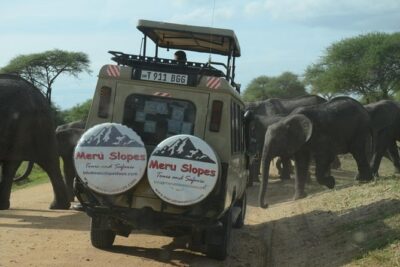
4 Days Join Group tour Tarangire Serengeti and Ngorongoro crater
Read our review →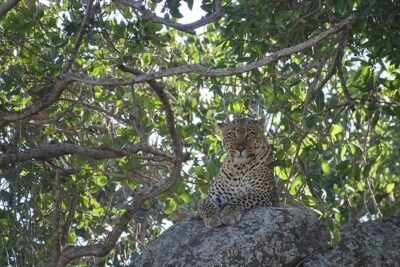
4-Day Safari from Arusha: Tarangire, Serengeti and Ngorongoro
Read our review →
2 Days Tarangire and Ngorongoro Group Camping Safari
Read our review →3 Day Serengeti National Park & Ngorongoro Crater Camping Safari
Read our review →
Browse the lists this tour appears in