
Reviewed · NGORONGORO CRATER TOURS
3 Days Joined Group Safari Ngorongoro,Lake Manyara and Tarangire National Park
Three parks, three days, one very full safari. This compact Tanzania trip links Tarangire, Lake Manyara, and Ngorongoro from Arusha, with open-roof 4×4 drives, meals, lodging, park fees, and a group capped at six people. I especially like the small group size and the strong wildlife mix, from baobabs and elephants to crater animals and flamingos.
I also like the practical setup. Bernard is praised for organizing extra nights before and after the safari, while Dulla handled pickup warmly and professionally. The main drawback is the pace: six-hour game drives, early starts, and several long road transfers leave little room for rest or schedule changes.
In This Review
- Key points to know before booking
- Why this three-day route works
- Day one: baobabs and big game in Tarangire
- Day two: Lake Manyara’s forest, lake, and birdlife
- Day three: the Ngorongoro Crater finale
- The safari vehicle and group size
- Lodging, meals, and what the price covers
- The Maasai village visit and cultural balance
- Where the value is strongest
- Who should book this safari?
- Should you book it?
- FAQ
- Where does the safari start?
- Where does the safari end?
- How long does the safari last?
- Which national parks and conservation areas are included?
- How many people can join the group?
- What type of vehicle is used?
- Are meals included?
- Is accommodation included?
- What is not included in the price?
Key points to know before booking
- Six-person maximum: A small shared group gives you a better chance of a window or pop-up roof position than a large minibus tour.
- Three very different parks: Tarangire brings baobabs and wildlife, Lake Manyara adds forest and birdlife, and Ngorongoro delivers a concentrated crater safari.
- Fig Big Tree Lodge: Both nights in the middle of the trip are planned at the same lodge, with a swimming pool, dinner, breakfast, and bathing facilities.
- Six-hour game drives: You get substantial time inside each park, but the schedule will feel active rather than relaxed.
- Good package value at $738.47: Park fees, three breakfasts, three lunches, three dinners, camping equipment, water, a sleeping bag, towels, and guiding are included.
- Cultural contact is part of the offer: A visit to a Maasai village is included, giving the trip a human side beyond wildlife viewing.
Why this three-day route works
If you have only a few days around Arusha, this route gives you a useful sample of northern Tanzania. You do not spend the entire trip chasing one type of animal or scenery. Instead, each park has its own character and rewards a different kind of attention.
Tarangire is known for its baobab and acacia trees, sparse vegetation, and strong wildlife concentration outside the Serengeti ecosystem. Lake Manyara changes the mood with groundwater forest, woodland, grassland, swamps, and an alkaline lake. Ngorongoro then brings the grand finale: a broad volcanic crater with fertile soil, varied habitats, and Lake Makat, a soda lake whose name comes from the Maasai word for salt.
The route is also easy to understand. You begin from Arusha, spend the first two nights near the parks, and return to Arusha after the crater visit. That makes this a sensible first safari for you if you want major sights without adding a longer Serengeti journey.
The tradeoff is time. This is not a slow photographic expedition. The days begin early and include several hours on rough park roads, with more driving between parks. You will see a lot, but you should arrive rested and ready for a busy three days.
More National Park Tours in Arusha
- 7 Days Tanganyika Wilderness Safari
★ 5.0 · 159 reviews - 3 Day Serengeti National Park & Ngorongoro Crater Camping Safari
★ 5.0 · 142 reviews - Arusha National Park Private Safari
★ 5.0 · 59 reviews
Day one: baobabs and big game in Tarangire
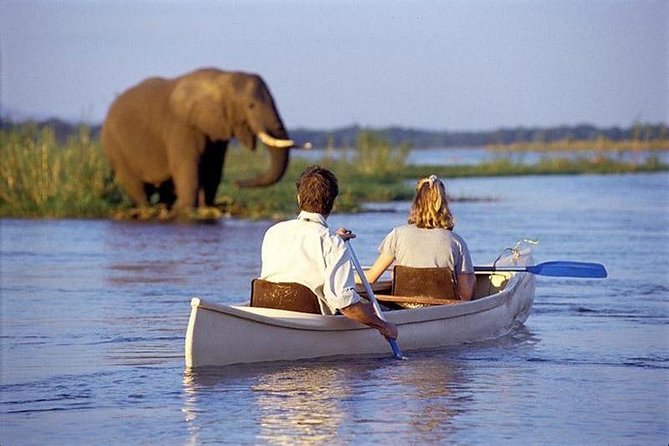
The first morning begins with breakfast at Arusha Tourist Hotel at 7:00 am. Pickup follows at about 8:00 am, then you drive for roughly two hours to the Tarangire gate. This opening transfer is straightforward, but it is worth keeping your first morning organized. Have your bags ready, eat before departure, and keep water within reach.
Tarangire covers about 2,850 square kilometers and sits roughly 118 kilometers southwest of Arusha. Its scenery is immediately different from the greener areas around town. Sparse vegetation, acacia trees, and huge baobabs give the park a distinctive look, with plenty of space for clear wildlife photographs.
The game drive lasts about six hours in a pop-up four-wheel-drive safari jeep. Lunch is served at a picnic site around 1:00 pm. That timing breaks up the drive, though you should expect the day to remain active after lunch.
I like Tarangire as the opening park because it gives you a strong visual introduction to Tanzania. The baobabs make even an ordinary stretch of road feel memorable, and the park is described as having one of the country’s greatest wildlife concentrations outside the Serengeti ecosystem. You are not simply ticking off a park entrance. You are getting a setting with its own plant life, light, and animal patterns.
At around 6:00 pm, you head to Fig Big Tree Lodge for dinner and the night. This is a useful point in the schedule. After a long drive and six hours in the vehicle, you can settle into the same general lodging area used on the second night instead of changing hotels every evening.
Day two: Lake Manyara’s forest, lake, and birdlife
Breakfast at Fig Big Tree Lodge is scheduled for 7:00 am. Pickup and departure follow at 8:00 am for the approximately one-hour drive to Lake Manyara National Park.
Lake Manyara is the route’s most varied park in terms of habitat. You may pass through evergreen groundwater forest, woodland along the western shore, swamp, grassland, and the alkaline lake itself. That variety matters because it supports a broad mix of birds and animals within a relatively compact area.
The park is noted for more than 500 bird species, and the lake edge provides feeding space for large numbers of flamingos. If birdlife interests you, this is the day to pay attention to details beyond the large mammals. Bring binoculars if you have them, and ask your guide to pause when the scene allows. The six-hour drive gives you time to look for movement in the trees, wetland areas, and open grass.
Lunch is again at a picnic site around 1:00 pm. The schedule then continues until about 6:00 pm before you return to Fig Big Tree Lodge for dinner and another night.
The benefit of staying in one lodge for both evenings is comfort and simplicity. The property is described as having a swimming pool, which can be welcome after two long days in the vehicle. It also reduces the bother of packing and unpacking.
Still, keep expectations sensible. This is a joined group safari, so you will share vehicle time and meal arrangements. The maximum of six people is a good limit, but personal preferences can still differ. One person may want to watch birds, while another hopes to move on after spotting a familiar animal. A patient attitude helps.
Day three: the Ngorongoro Crater finale
The third day begins with early breakfast at 7:00 am. At about 8:30 am, you start the descent into the Ngorongoro Crater for at least six hours of game viewing.
Ngorongoro is the strongest reason many people choose this particular route. The crater’s volcanic soil supports several habitats, while Lake Makat, a soda lake, provides a setting for many bird species. The enclosed crater area also offers the possibility of seeing several famous large mammals during one visit, including the Big Five.
That possibility should be treated as a possibility, not a promise. Wildlife is never a guaranteed checklist, and the quality of a day depends on animal movement, weather, visibility, and the skill of the driver-guide. What you can count on is a striking setting and a concentrated six-hour visit in a place unlike Tarangire or Lake Manyara.
Lunch is planned at a picnic site at about 1:00 pm. At 2:00 pm, you begin the climb out of the crater and drive back toward Arusha. Dinner and overnight accommodation are arranged at Arusha Tourist Inn.
The final return makes this route useful if you have a flight or another activity after the safari, but do not schedule anything too tightly unless you have confirmed the exact arrival time. The stated plan places you back in Arusha, yet road conditions and the pace of a shared wildlife drive can affect timing.
More Safaris in Arusha
- Serengeti Balloon Safari and authentic bush breakfast
★ 5.0 · 2,480 reviews - Balloon Safari & Bush Breakfast in Serengeti – Miracle Experience
★ 5.0 · 1,646 reviews - 4 Days Group Camping Safari
★ 5.0 · 1,101 reviews - 5 Days Group Camping Safari
★ 5.0 · 730 reviews
The safari vehicle and group size
The safari uses a modern, open-air 4×4 jeep with a pop-up roof. That design is important. You get a higher viewing position than in a normal car, and the open roof gives you a broad view when animals appear nearby or birds move through the trees.
The vehicle is described in one account as a standard safari car, so I would not book this expecting luxury transport. The value is in the practical safari setup, not polished extras. You are paying for access, guiding, park entry, meals, and time in the parks.
A group limit of six is one of the better features here. With a smaller party, you have a better chance of discussing where to stop and how long to watch. You still need to share decisions, but this is far more manageable than a crowded vehicle.
The guide team can speak English, Spanish, and French. Bernard is specifically praised for being responsive and for arranging accommodation before and after the safari. Dulla is named as the pickup driver who helped create a comfortable start. One account also singles out Noel as a promising member of the team. Names matter here because safari quality depends heavily on communication and organization.
Lodging, meals, and what the price covers
At $738.47 per person, this is not a bare-bones park transfer. The advertised package includes accommodation, park fees, taxes, game drives, camping equipment, a sleeping bag, bath towels, drinking water, wine, and all nine scheduled meals: three breakfasts, three lunches, and three dinners.
The lodging plan combines Fig Big Tree Lodge for the first two nights with Arusha Tourist Inn on the final night. Camping equipment is also included, which suggests the operator can support a camping or mixed accommodation setup, but you should confirm the exact room or camping arrangement before paying if that matters to you.
The meal plan removes a common safari worry. You are not left to find food at each park gate or picnic stop. Local cuisine is included, and special dietary requirements can be requested. Ask about those requirements early rather than waiting until departure morning.
The package also includes airport pickup and drop-off, plus a free day tour on request. The specific details of any requested extra tour are not given, so treat that as an optional arrangement to confirm directly. The Maasai village visit and Arusha Village Experience entry are also included, adding cultural contact to a wildlife-focused trip.
Not included are visas, travel insurance, international flights, personal expenses, and tips for the driver-guide and safari cook. Budget for gratuities separately. They are not a small technical detail on a safari, since the guide and cook shape your daily experience.
The Maasai village visit and cultural balance
Wildlife is the headline attraction, but the Maasai village visit gives the trip another layer. You can meet local Maasai families and learn about traditions and customs rather than seeing Tanzania only through a vehicle window.
Approach this visit with respect and curiosity. Listen first, ask before taking photographs, and remember that a village visit is a meeting with people, not a wildlife stop. The supplied information does not give the exact village, duration, or activities, so confirm those details if this part is especially important to you.
The inclusion is valuable because a three-day safari can otherwise feel like a rapid series of park gates and animal sightings. Cultural contact helps connect the protected areas to the communities and traditions around them.
Where the value is strongest
The best value comes from combining three major parks in a short period while including the costs that can quickly add up. Park admission, taxes, transport within the parks, meals, water, lodging, and a guide are already part of the price.
You also get at least six hours of game driving in each park. That is a solid amount of viewing time for a three-day trip. The price becomes particularly attractive if you want a first safari from Arusha and do not need a private vehicle.
The weaker point is the shared format. You have less control over stops, departure times, and the amount of time spent at a particular sight. A private safari would likely offer more flexibility, but it would also change the cost.
Accommodation quality appears to be good for the price, with Fig Big Tree Lodge receiving particular praise for its pool and overall comfort. At the same time, descriptions of the vehicle and hotel category are not detailed enough to promise a luxury experience. Think comfortable mid-range safari, not high-end lodge circuit.
Who should book this safari?
I would recommend this trip if you want:
- A first Tanzania safari from Arusha
- A small shared group rather than a large coach
- Three major parks in only three days
- A mix of large mammals, birds, forest, lake, baobabs, and crater scenery
- Meals, park fees, lodging, and equipment bundled into one price
- A guide who can communicate in English, Spanish, or French
- A Maasai cultural visit alongside wildlife viewing
I would hesitate if you dislike early mornings, long road transfers, shared vehicles, or fixed schedules. I would also choose a longer or private safari if you want slow photography, extra time at each sight, or a strong chance to revisit a favorite area.
The free cancellation policy allows a full refund when you cancel at least 24 hours before the 7:00 am start time. Changes or cancellations inside that window are not accepted for a refund, so keep the deadline in mind.
Should you book it?
Book this safari if your priority is range and value. In three busy days, you see Tarangire’s baobabs, Lake Manyara’s varied habitats, and Ngorongoro’s volcanic crater, with a small group, substantial game-drive time, and most major costs covered.
Before booking, confirm the exact lodging arrangement, the Maasai village schedule, pickup details, and whether you want camping or lodge accommodation. If Bernard handles your pre- and post-safari stays as described, that added planning help can make the trip easier.
For a short, practical introduction to northern Tanzania, this is a strong choice. Just bring patience for the road, flexibility for a shared vehicle, and realistic expectations about wildlife. The schedule is full, but the payoff is three very different parks in one well-packed journey.
FAQ
Where does the safari start?
The safari starts in Arusha, Tanzania, with pickup offered. The listed start time is 7:00 am, although the first day schedule places the hotel pickup at about 8:00 am after breakfast.
Where does the safari end?
The activity ends back at the meeting point in Arusha. On the third day, dinner and overnight accommodation are planned at Arusha Tourist Inn.
How long does the safari last?
The safari lasts approximately three days.
Which national parks and conservation areas are included?
The route includes Tarangire National Park, Lake Manyara National Park, and the Ngorongoro Conservation Area.
How many people can join the group?
The maximum group size is six travelers.
What type of vehicle is used?
Game drives use a modern, open-air, pop-up-roof four-wheel-drive safari jeep.
Are meals included?
Yes. The package includes three breakfasts, three lunches, and three dinners. Other dietary requirements can be requested.
Is accommodation included?
Yes. Accommodation, camping equipment, a sleeping bag, and bath towels are included. The schedule names Fig Big Tree Lodge for the first two nights and Arusha Tourist Inn for the final night.
What is not included in the price?
Visas, travel insurance, international flights, personal expenses, and tips for the driver-guide and safari cook are not included.
More Tarangire Safaris
- 5-Day Highlights mid-Range Crater, Serengeti, Tarangire
★ 5.0 · 296 reviews - Private 6-Day Tarangire Manyara Crater and Serengeti with Mid-Range Lodges
★ 5.0 · 238 reviews - 2 Days Tarangire and Ngorongoro Group Camping Safari
★ 5.0 · 146 reviews - 4 Days Tarangire Serengeti Ngorongoro Crater
★ 5.0 · 117 reviews
More Ngorongoro Crater Tours
- 3 Days Serengeti & Ngorongoro Group Camping Safari
★ 5.0 · 574 reviews - 5 Days Camping Tarangire, Serengeti & Ngorongoro crater & Visiting Maasai
★ 5.0 · 229 reviews - 4 Days Join Group tour Tarangire Serengeti and Ngorongoro crater
★ 5.0 · 219 reviews - 4-Day Safari from Arusha: Tarangire, Serengeti and Ngorongoro
★ 5.0 · 173 reviews
Just added around Arusha
- 5 Days Safari Tarangire, Serengeti, and Ngorongoro Crater★ 5.0 · 3 reviews
- Love lives in Africa★ 5.0 · 3 reviews
- 5 Days of Safari, Culture & Hot Springs – Tour from Arusha★ 5.0 · 3 reviews
- Arusha National Park Safari by Jeep★ 4.5 · 3 reviews
- 5Days Family _Group Tour Lodging Mid-Range in the Jungle★ 5.0 · 3 reviews
- Serengeti & Ngorongoro 3 Days Budget Safari★ 5.0 · 3 reviews
- 2 Days Tarangire and Ngorongoro Crater Tour★ 5.0 · 3 reviews
- 7 Days PRIVATE Best of Tanzania Safari *Departing everyday*★ 5.0 · 3 reviews
Ngorongoro Crater Tours, compared.

3 Days Serengeti & Ngorongoro Group Camping Safari
Read our review →

5 Days Camping Tarangire, Serengeti & Ngorongoro crater & Visiting Maasai
Read our review →
4 Days Join Group tour Tarangire Serengeti and Ngorongoro crater
Read our review →
4-Day Safari from Arusha: Tarangire, Serengeti and Ngorongoro
Read our review →
2 Days Tarangire and Ngorongoro Group Camping Safari
Read our review →3 Day Serengeti National Park & Ngorongoro Crater Camping Safari
Read our review →
Browse the lists this tour appears in