
Reviewed · SERENGETI SAFARIS
3 Days Safari Serengeti & Ngorongoro Crater
Wild Africa rewards early starts. This three-day safari links the Serengeti’s open plains with the wildlife-filled Ngorongoro Crater, giving you two very different settings in a short trip from Arusha. I like the maximum group size of six, which should make game viewing more personal, and I like that camping gear, meals, park fees, and vehicle fees are included rather than added one by one.
The main drawback is the amount of driving. Day one includes about eight hours on the road from Arusha to the Serengeti, and the schedule is active throughout. You should also expect basic camping rather than lodge comfort, and the optional Maasai village visit may add a cultural stop to an already long day.
In This Review
- Key points at a glance
- Why this three-day route works
- Day one: the long road from Arusha to Serengeti
- Serengeti game drives: space, patience, and lucky sightings
- Day two: an early Serengeti drive and the move to Simba campsite
- Day three: the 6:15 am descent into Ngorongoro Crater
- What the $750 price really covers
- Group size, guiding, and the human side of the trip
- Who should book this safari?
- Practical details before you reserve
- Should you book the Serengeti and Ngorongoro trip?
- FAQ
- How long is the safari?
- Where does the safari begin?
- Which parks and areas does the safari visit?
- Is camping equipment included?
- Are meals included?
- What is the maximum group size?
- What is not included in the price?
Key points at a glance
- Two major wildlife areas in three days: You visit Serengeti National Park and spend time inside Ngorongoro Crater.
- A small group of up to six: Fewer people generally means easier conversation with the guide and less crowding around the vehicle.
- Camping equipment is supplied: Tents, sleeping bags, and mattresses are part of the package.
- Meals are included: You receive two breakfasts, three lunches, and two dinners.
- The crater descent begins at 6:15 am: This early start gives you a good shot at seeing animals before the day gets busier.
- The safari costs $750 per person: That is strong value if you want park access, transport, food, camping equipment, and guiding bundled together.
Why this three-day route works
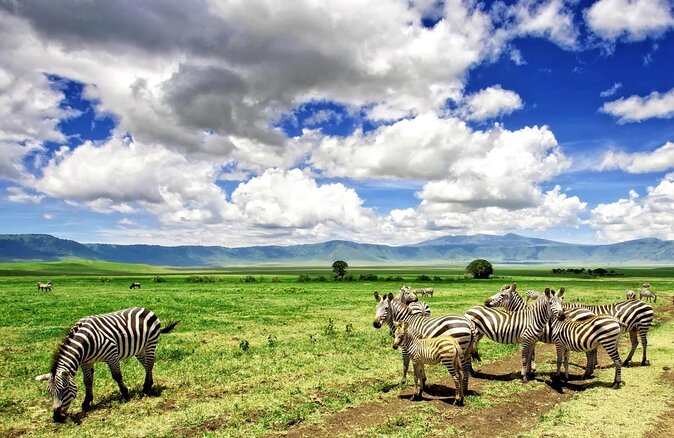
The appeal here is variety without trying to squeeze in every northern Tanzania park. The Serengeti offers broad plains and extended game drives, while Ngorongoro gives you a compact crater floor where many animals can be found in one area.
That contrast matters. The Serengeti is about distance and the feeling of watching wildlife across a huge natural space. Ngorongoro is more concentrated. Since the crater is a floor surrounded by steep walls, you can often look across open ground and search for several species in a single outing.
Three days is enough for a memorable introduction, but it is not a leisurely safari. You spend the first day reaching the Serengeti, the second day working your way out toward the crater, and the third day exploring Ngorongoro before returning to Arusha. I would choose this plan when time is limited and wildlife matters more than long hours at camp.
More Safaris in Arusha
- Serengeti Balloon Safari and authentic bush breakfast
★ 5.0 · 2,480 reviews - Balloon Safari & Bush Breakfast in Serengeti – Miracle Experience
★ 5.0 · 1,646 reviews - 4 Days Group Camping Safari
★ 5.0 · 1,101 reviews
Day one: the long road from Arusha to Serengeti
After breakfast, you leave Arusha for the Serengeti. The stated journey takes about eight hours, including stops, and passes through the Ngorongoro Conservation Area.
That is a serious road day. You should think of it as part transfer, part sightseeing, rather than a full day of relaxed game viewing. The benefit is that you reach the Serengeti without spending a separate night in transit. The cost is fatigue, especially if you have arrived in Tanzania after a long flight.
A short stop at the Ngorongoro Crater viewpoint breaks up the drive. You get about 20 minutes to look into the crater and take in the dramatic scale from above. It is a quick introduction, not a full crater visit, so save your expectations for day three.
The optional Maasai village visit adds a cultural element to the route. You can learn about Maasai traditions and the community’s past associations with hunting, warrior training, and cattle-based life. The description also notes that some older traditions have changed, while drinking animal blood remains an exception.
I would treat this visit as optional for a reason. If cultural contact is important to you, it may be a worthwhile addition. If you are focused on reaching the Serengeti and maximizing wildlife time, ask how it affects the day’s timing before agreeing to it. A village visit should be approached with respect and curiosity, not as a staged break between attractions.
The day is described as lasting roughly six hours at the listed stop, although the road journey itself is about eight hours. That difference suggests you should confirm the exact departure, arrival, and stop schedule before setting your expectations.
Serengeti game drives: space, patience, and lucky sightings
The Serengeti is the heart of the trip. Its open plains are famous for large herds, predators, and the sheer number of animals that can appear during a drive.
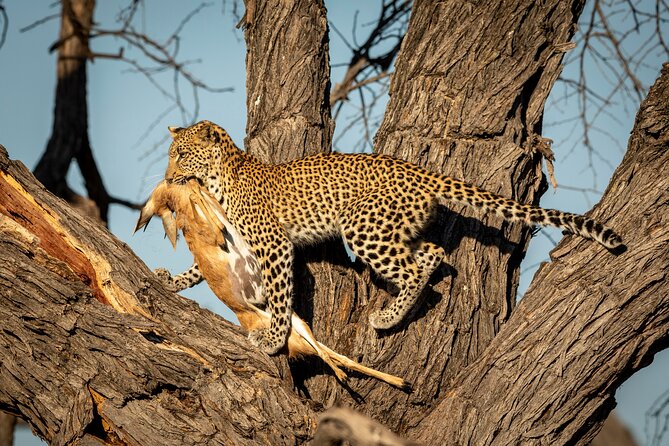
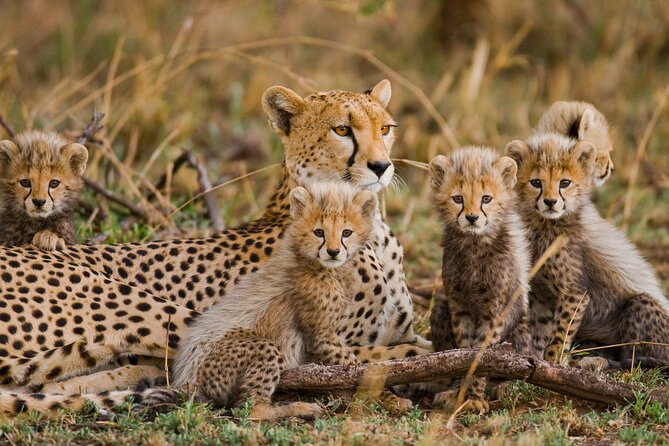
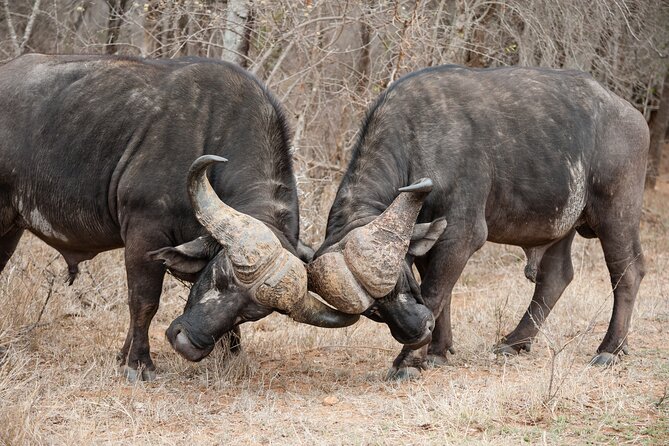
The wildlife list associated with this safari is impressive: lions, cheetahs, leopards, elephants, giraffes, zebras, buffalo, wildebeest, hippos, crocodiles, antelope, gazelles, hyenas, baboons, serval cats, rhinos, and many birds have all been seen on comparable outings with this operator. No safari can promise a particular animal, but the range shows why the Serengeti and Ngorongoro pairing is so popular.
You may see the Big Five, which means lion, leopard, elephant, buffalo, and rhinoceros. Several people also had especially good luck with cheetahs and black rhinos. Those sightings are never automatic, so a good guide makes a real difference.
The guide names most often associated with this company are Assad, Mike, and David. Assad is praised for planning, communication, and spotting animals ahead of the vehicle. David is noted for strong knowledge of fauna and flora, while Mike is described as providing a good safari experience after a small booking mix-up. Your assigned guide may differ, so ask for the name in advance if that matters to you.
A guide who can spot animals early gives you more than a better photograph. You also have time to understand what you are seeing before the vehicle arrives. Several accounts praise the guides for explaining animal behavior and making an effort to find interesting situations rather than simply checking species off a list.
Still, wildlife viewing involves luck. A black rhino may be far away or hidden, and a leopard may remain out of sight. You should book this safari for the chance to see remarkable animals, not for a guaranteed checklist.
Day two: an early Serengeti drive and the move to Simba campsite
Day two begins with breakfast at about 6:30 am, followed by an early game drive in the Serengeti. This is one of the better parts of the schedule. Early morning gives you cooler conditions and a chance to see animals before the heat of the day changes their behavior.
The drive continues until afternoon, when you return to camp for lunch and packing. You then continue toward Simba campsite near the Ngorongoro Crater rim, with about two hours of driving as you leave the Serengeti.
This arrangement gives you a final Serengeti game drive while also positioning you near the crater for the next morning. It is efficient, but it also means your second day combines wildlife viewing, lunch, camp chores, and another transfer. You will want to keep your personal gear organized so packing does not become a slow affair.
The campsite itself is part of the safari experience. Animals may be seen around campsites, so you should follow the camp’s safety instructions and avoid wandering on your own. The supplied information does not describe camp facilities in detail, so ask what is available before departure if showers, toilets, or charging access matter to you.
Camping equipment includes tents, sleeping bags, and mattresses. That makes the package much easier for anyone who wants a camping safari without bringing bulky equipment from home. It does not turn the night into a lodge stay, however. Pack for simple conditions and remember that a sleeping bag and mattress are practical equipment, not luxury bedding.
Meals are another strong point. The package includes breakfast, lunch, and dinner on the relevant nights, and the safari team brings a chef. Food is praised repeatedly, with several people describing the meals as a highlight. There is also praise for a good supply of alcoholic and non-alcoholic drinks, though you should confirm exactly what is included if drinks are important to your budget.
More ways to see the Ngorongoro Crater:
- 3 Days Serengeti & Ngorongoro Group Camping Safari
★ 5.0 · 574 reviews - 5 Days Camping Tarangire, Serengeti & Ngorongoro crater & Visiting Maasai
★ 5.0 · 229 reviews - 4 Days Join Group tour Tarangire Serengeti and Ngorongoro crater
★ 5.0 · 219 reviews - 4-Day Safari from Arusha: Tarangire, Serengeti and Ngorongoro
★ 5.0 · 173 reviews
Day three: the 6:15 am descent into Ngorongoro Crater
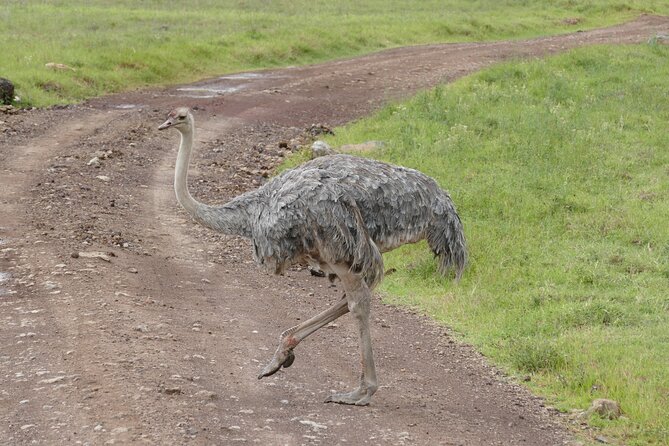
The final morning starts early, with breakfast followed by a descent into Ngorongoro Crater at about 6:15 am.
The crater is valuable because it gives you a concentrated wildlife outing. Its enclosed floor makes it easier to search for animals than in a vast open park, and the route is specifically planned around finding black rhinos. Rhinos are described as among the hardest animals to spot here, while many other species should be easier to locate on the crater floor.
That focus is sensible. If seeing a rhino is high on your list, tell the guide early. You should also bring patience, since the best sightings may depend on distance, positioning, and luck.
After lunch, the game drive continues before you ascend from the crater, return to camp, and pack for the journey back to Arusha. The day is listed at about six hours, but the return timing depends on the road and your final transfer plans.
An airport transfer is included depending on your flight time. I would not book a tight same-day international connection without confirming the exact return schedule. The itinerary involves a crater ascent, packing, and a drive back to Arusha, so ask the operator to match the safari finish with your flight details.
What the $750 price really covers
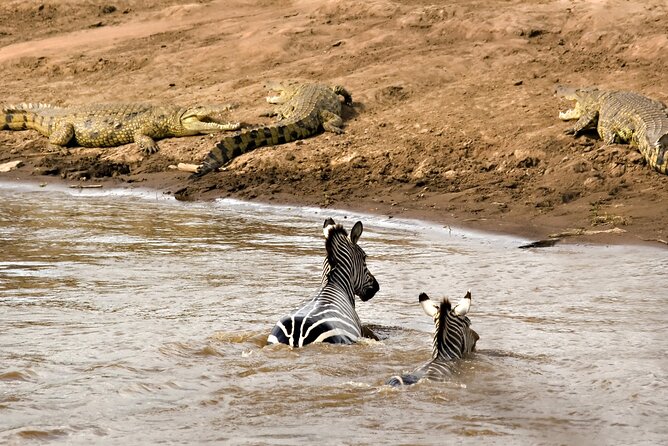
At $750 per person, the price is attractive for a private-feeling northern Tanzania safari, especially if the group reaches the six-person limit. Your fee includes:
- All park entrances and taxes
- Vehicle fees
- Tents, sleeping bags, and mattresses
- Two breakfasts
- Three lunches
- Two dinners
- Guiding and transport as part of the safari arrangement
That bundle removes several large costs that can surprise first-time safari buyers. Park fees alone can make Tanzania expensive, and meals plus camping equipment would otherwise require more planning.
The best value comes when you want a practical safari rather than a luxury one. You get the two headline destinations, food, transport, and basic camping in one price. If you prefer private lodges, large rooms, or a slower schedule, this will feel less comfortable and less relaxed.
You still need to budget for flights, visa fees, and tips. The price does not cover those items. Since tipping is not included, ask the operator for current guidance so you can plan fairly for the guide, chef, and support staff.
Group size, guiding, and the human side of the trip
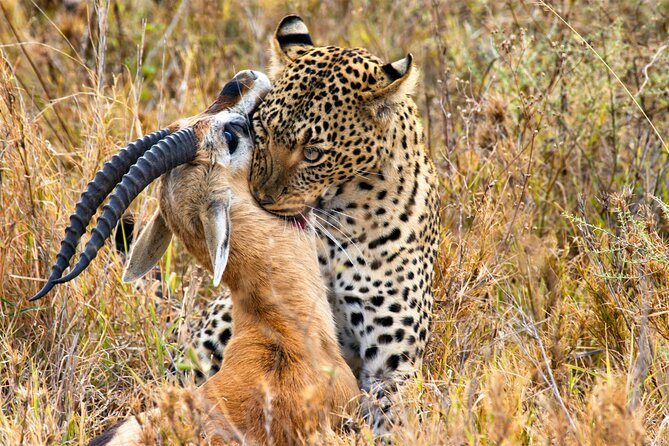
The maximum group size is six. That is small enough to keep the vehicle from feeling packed and gives you a better chance to ask questions or request more time at a sighting.
The strongest praise is directed at the staff. Assad is described as attentive from the planning stage, flexible with trip details, and willing to help with arrangements around Arusha. His guide work is also praised, especially his ability to notice animals before other people do.
The chef receives repeated credit for tasty breakfasts, lunches, and dinners. That matters on a demanding safari. After an early start and hours in a vehicle, a proper meal is not a minor perk.
There has been at least one report of a small mix-up before the safari, though the situation was resolved and the replacement guide and chef were well received. I would use that as a practical reminder to confirm your pickup, guide, group size, and route shortly before departure.
The overall rating is 4.9 from 26 ratings, with 100 percent recommendation shown for the experience. That is a strong record, but it should not erase the basic tradeoff: this is a busy camping safari with long drives, not a pampered retreat.
Who should book this safari?
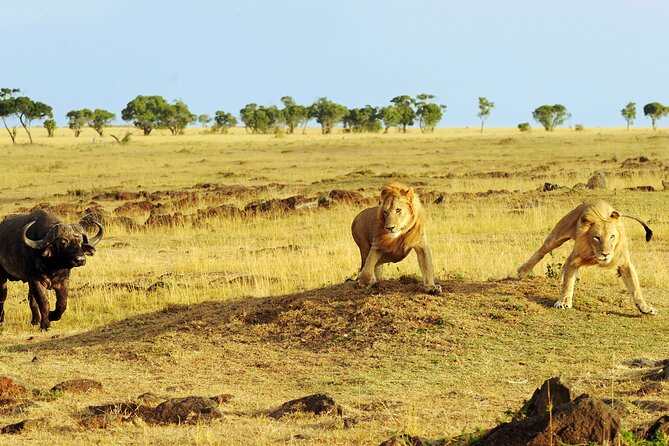
I would recommend it for first-time safari visitors who want to see two famous Tanzanian parks without committing to a week-long itinerary. It also suits people who value wildlife and a capable guide more than private rooms and slow mornings.
It is a good fit if you:
- Have only three days available
- Want the Serengeti and Ngorongoro in one trip
- Are comfortable camping
- Want meals and park costs bundled together
- Prefer a small group
- Hope to see a wide range of wildlife
- Appreciate a guide who actively searches for animals
I would think twice if you dislike long road journeys, need guaranteed hotel-style comfort, or want substantial free time. The eight-hour first-day transfer and the packed second and third days leave little room for delays.
You should also decide how much the Maasai village visit matters to you. It is optional, which gives you some control, but the timing should be clear before you set out.
Practical details before you reserve
Confirmation is provided at booking, and mobile tickets are available. Pickup is offered from Arusha, making the tour useful for people staying in town before the safari.
Most people can take part, according to the supplied information, but the schedule involves long vehicle journeys, early breakfasts, camping, and repeated packing. If you have a medical or mobility concern, discuss it with the operator before paying.
Free cancellation is available when you cancel at least 24 hours before the local start time. Cancellations or changes made inside that window are not refunded or accepted, and the trip requires a minimum number of participants. If that minimum is not reached, you are offered another date or experience, or a full refund.
Pack lightly and keep essentials close during the drives. Useful items include sun protection, a camera, spare batteries or charging equipment, comfortable clothing, and something warm for early mornings. The operator supplies the main camping equipment, so you do not need to travel with a tent and sleeping bag unless you prefer your own.
Should you book the Serengeti and Ngorongoro trip?
Yes, if your priority is seeing as much wildlife as possible in a short time and you are happy with basic camping. The combination is excellent, the price includes the expensive essentials, and the small group cap gives the trip a more personal feel.
I would book it after confirming three points: the exact guide assigned to you, the camping facilities, and the return timing for your flight. If those details suit you, $750 is a fair price for a tightly packed safari with strong staff praise, good food, park fees, equipment, and access to two of Tanzania’s great wildlife areas.
FAQ
How long is the safari?
The safari lasts approximately three days.
Where does the safari begin?
The experience is based in Arusha, Tanzania, and pickup is offered.
Which parks and areas does the safari visit?
The route includes Serengeti National Park, the Ngorongoro Conservation Area, and Ngorongoro Crater.
Is camping equipment included?
Yes. Tents, sleeping bags, and mattresses are included.
Are meals included?
Yes. The package includes two breakfasts, three lunches, and two dinners.
What is the maximum group size?
The maximum group size is six travelers.
What is not included in the price?
Flights, visa fees, and tips are not included.
More Safaris
- 5 Days Group Camping Safari
★ 5.0 · 730 reviews - 7-Day Premium Luxury Tanzania Safari All-Inclusive
★ 5.0 · 426 reviews - 8 Days Great Wildebeest Calving Migration Safari from Arusha
★ 5.0 · 254 reviews - Group Safari 7 Days in Tanzania’s Main Parks
★ 5.0 · 240 reviews
More Serengeti Safaris
- 5-Day Highlights mid-Range Crater, Serengeti, Tarangire
★ 5.0 · 296 reviews - 3-Day Classic Serengeti Safari
★ 5.0 · 263 reviews - Private 6-Day Tarangire Manyara Crater and Serengeti with Mid-Range Lodges
★ 5.0 · 238 reviews - 10-Day Serengeti Wildebeest Migration Safari from Arusha
★ 5.0 · 218 reviews
Just added around Arusha
- 5 Days Safari Tarangire, Serengeti, and Ngorongoro Crater★ 5.0 · 3 reviews
- Love lives in Africa★ 5.0 · 3 reviews
- 5 Days of Safari, Culture & Hot Springs – Tour from Arusha★ 5.0 · 3 reviews
- Arusha National Park Safari by Jeep★ 4.5 · 3 reviews
- 5Days Family _Group Tour Lodging Mid-Range in the Jungle★ 5.0 · 3 reviews
- Serengeti & Ngorongoro 3 Days Budget Safari★ 5.0 · 3 reviews
- 2 Days Tarangire and Ngorongoro Crater Tour★ 5.0 · 3 reviews
- 7 Days PRIVATE Best of Tanzania Safari *Departing everyday*★ 5.0 · 3 reviews
Serengeti Safaris, compared.

Serengeti Balloon Safari and authentic bush breakfast
Read our review →
Balloon Safari & Bush Breakfast in Serengeti – Miracle Experience
Read our review →
3 Days Serengeti & Ngorongoro Group Camping Safari
Read our review →
5-Day Highlights mid-Range Crater, Serengeti, Tarangire
Read our review →


Private 6-Day Tarangire Manyara Crater and Serengeti with Mid-Range Lodges
Read our review →
5 Days Camping Tarangire, Serengeti & Ngorongoro crater & Visiting Maasai
Read our review →Browse the lists this tour appears in