
Reviewed · WILDEBEEST MIGRATION SAFARIS
8 Days Great Wildebeest Calving Migration Safari from Arusha
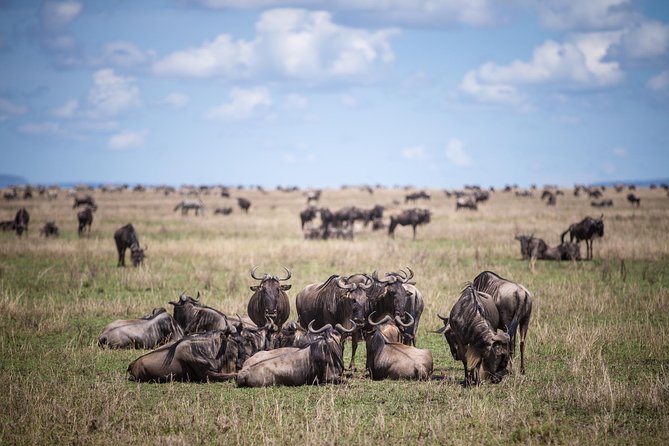
Calving season turns the Serengeti into a nursery. This eight-day Tanzania safari combines Ndutu’s wildebeest birthing grounds with Tarangire, Lake Manyara, central Serengeti, and Ngorongoro Crater, giving you a broad look at northern Tanzania rather than a single-park visit. I like the smart timing, since December through April brings young wildebeest and the predators that follow them. I also like the simple package: private transport, a driver-guide, meals, lodging, park fees, airport transfers, and bottled water are included.
The main caution is the pace. You cover a lot of ground in seven nights, and several days involve long drives on rough roads. The calving spectacle is strongest for a short period, usually around February and lasting roughly three weeks, so you should treat wildlife sightings as a strong possibility, not a promise. The listed price is $2,999.62 per person, and the trip is limited to a maximum of seven people.
In This Review
- Key points at a glance
- Why calving season changes the safari
- Day 1: A soft landing in Arusha
- Day 2: Tarangire and the river that keeps wildlife close
- Day 3: Lake Manyara’s compact wildlife circuit
- Day 4: Reaching the Ndutu calving zone
- Day 5: A full Ndutu game drive
- Day 6: Central Serengeti and migration routes
- Day 7: Ngorongoro Crater’s concentrated wildlife
- Day 8: Mto wa Mbu beyond the safari vehicle
- What the $2,999.62 price really covers
- Comfort, meals, and physical demands
- Strengths and limits of the guiding
- Who should book this safari?
- Should you book the 8-day calving safari?
- FAQ
- How long is the safari?
- What months cover the calving season?
- Which parks and areas are included?
- What is included in the price?
- How large is the group?
- Can I cancel for a full refund?
Key points at a glance
- The Ndutu focus is the heart of the trip: You spend time around Lake Ndutu and the southern Serengeti ecosystem during the calving season.
- Five major wildlife areas fit into eight days: Tarangire, Lake Manyara, Ndutu, central Serengeti, and Ngorongoro Crater each offer a different setting.
- A private vehicle makes the route more flexible: You are not tied to a large coach, and the maximum group size is seven.
- The guide can make or break the safari: Guides such as William, Albert, Emanuel, George Mathias, Calvin Kileo, Ombeni, Michael Sangiwa, and Rahim have received especially warm praise for wildlife spotting, driving, and personal care.
- The price covers the costly basics: Lodging, meals, entrance fees, transport, airport transfers, water, and guiding are included.
- The final day adds local culture: A morning walking safari and cultural tour in Mto wa Mbu gives you a change from vehicle-based game viewing.
Why calving season changes the safari
The Great Wildebeest Migration is not one fixed event in one fixed place. The herds move through the Serengeti ecosystem in response to rain and fresh grass, and this itinerary is built around their southern range during the calving months.
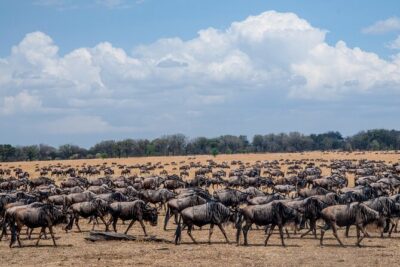
Around February, often for about three weeks, large numbers of wildebeest give birth on the short-grass plains. Zebras are present too, and the concentration of newborn animals attracts predators. You might see lions, cheetahs, hyenas, and other hunters working the edges of the herds, though no safari can guarantee a particular sighting.
This is an especially good choice if you care more about animal behavior than simply collecting a list of species. Births, protective herd movement, predator activity, and young animals finding their feet can make the southern Serengeti feel like a living wildlife documentary, only without the editing.
The timing deserves careful attention. December through April is described as the calving period, but the most intense birthing activity is usually much shorter. If seeing newborn wildebeest is your main reason for booking, ask for the expected Ndutu conditions on your dates before paying.
More Migration Safaris in Arusha
- 10-Day Serengeti Wildebeest Migration Safari from Arusha
★ 5.0 · 218 reviews - 8 Day Spectacular Migration Serengeti mid -Range Tanzania Safari
★ 5.0 · 161 reviews - 9-Day Serengeti Migration Footsteps Tanzania Safari
★ 5.0 · 96 reviews
Day 1: A soft landing in Arusha
The arrival day is designed to remove some airport stress. Pickup is arranged from Kilimanjaro Airport, followed by transport to Mount Meru Hotel for the night.
The published meeting information also gives an 8:30 am start in Arusha, so confirm your exact pickup plan when booking. The schedule combines an arrival transfer with a tour starting point, and your flight time may affect how Day 1 works in practice.
Mount Meru Hotel gives you a comfortable base before the safari begins. You are not thrown straight into a long game drive after an international flight, which is a sensible choice. Use this evening to rest, organize your camera gear, and make sure you have easy access to sun protection, medications, and any personal items needed during the drives.
Day 2: Tarangire and the river that keeps wildlife close
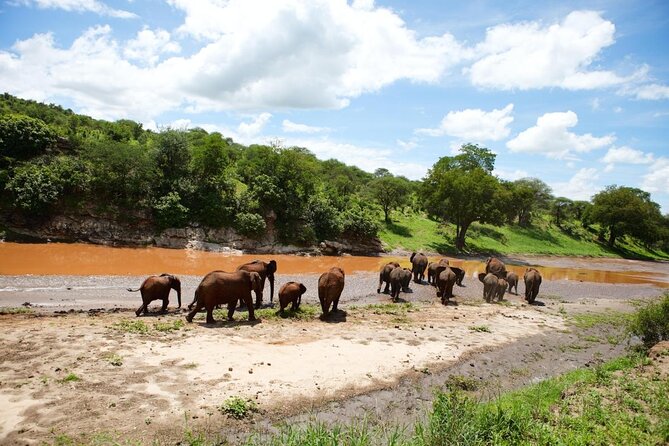
The first park day takes you to Tarangire National Park. The Tarangire River flows throughout the year, making it a key water source and a natural place to look for wildlife.
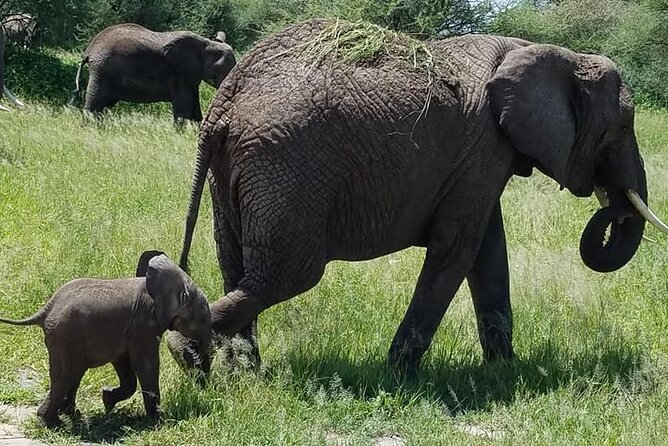
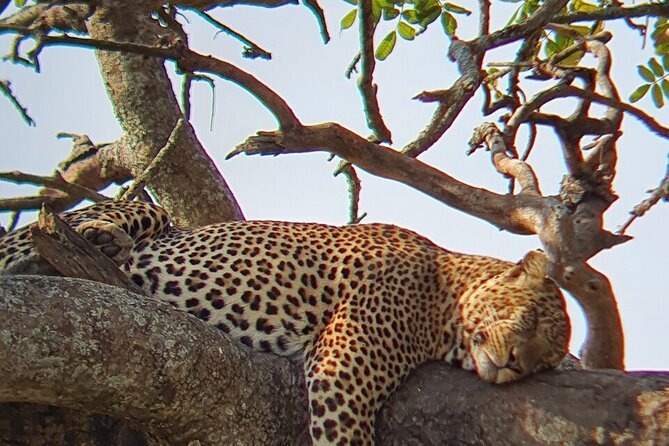
The park is especially known for large elephant herds, baobab trees, and the possibility of tree-climbing lions. The baobabs give the park a strong visual identity, with their thick trunks and unusual shapes appearing among the dry-country scenery.
Tarangire is a good opening act because it offers more than a quick drive-through. Elephants are a major draw, while the river helps concentrate animals. Your guide’s ability to read tracks, watch animal behavior, and position the vehicle matters here. Guides named in the feedback, including Albert, George Mathias, and Ombeni, were praised for sharp wildlife spotting and careful driving.
Your night is in a luxury tented camp. Do not read luxury tent as a standard hotel room. It usually means a permanent or semi-permanent canvas room with more comfort than a basic campsite, but the exact facilities can vary, so confirm the camp name and room setup before departure.
Day 3: Lake Manyara’s compact wildlife circuit
Lake Manyara National Park brings a very different setting. The park is compact, and the route can offer a concentrated game-viewing experience rather than the huge open distances of the Serengeti.
The lake itself is the visual focus, while the surrounding park supports a mix of wildlife and plant life. The itinerary calls it one of Tanzania’s most diverse reserves and notes its appeal to Ernest Hemingway, who considered it among the loveliest places he had seen in Africa.
I like this stop because it breaks up the long Serengeti transfer with a shorter, more contained park experience. You may see a range of animals in a relatively small area, and your guide can explain how the lake, woodland, and open areas support different species.
The tradeoff is time. Since this is an eight-day route with several parks, Lake Manyara is not given the same extended focus as Ndutu or central Serengeti. You should view it as a carefully chosen contrast, not a full multi-day exploration.
Your overnight stay is at a luxury lodge. Meals are included according to the schedule, with breakfast, lunch, and dinner marked for the safari days.
More Safaris in Arusha
- Serengeti Balloon Safari and authentic bush breakfast
★ 5.0 · 2,480 reviews - Balloon Safari & Bush Breakfast in Serengeti – Miracle Experience
★ 5.0 · 1,646 reviews - 4 Days Group Camping Safari
★ 5.0 · 1,101 reviews - 5 Days Group Camping Safari
★ 5.0 · 730 reviews
Day 4: Reaching the Ndutu calving zone
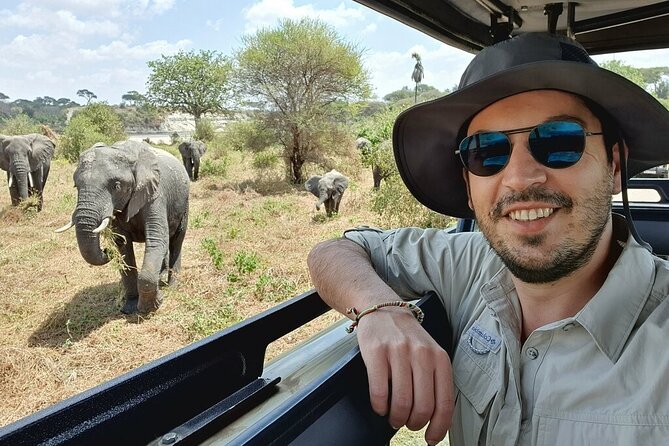
After breakfast, you travel toward the Ndutu area in the Ngorongoro Conservation Area. Ndutu belongs to the southern Serengeti ecosystem, which is why it is such an important stop during calving season.
Lake Ndutu is alkaline, like many Rift Valley lakes, but its water is still consumed by local wildlife. Around the lake and nearby plains, you can expect a mixture of habitats, including open grassland, woodland, and wet areas.
This is the day when the journey’s purpose comes into focus. The route is not only about visiting famous parks. It is about reaching the part of the ecosystem where the wildebeest may gather to give birth.
The overnight stay is in a luxury tented camp. Pack a warm layer and keep your camera close. Early mornings and long game drives can feel cool at first, even when the afternoon becomes hot.
Day 5: A full Ndutu game drive
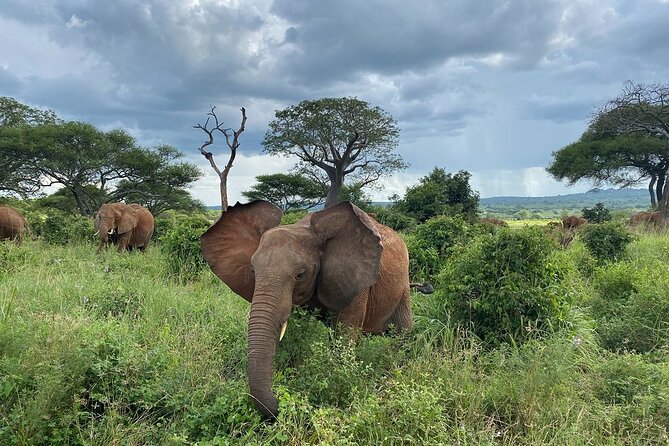
Day 5 is the most important day for the migration theme. You spend the day exploring the Ndutu area, with habitats that include swamps, woodland, soda lakes, and the short-grass plains associated with calving.
That variety matters. Open plains give you the best chance of seeing broad herds, while woodland and wet areas can change the kinds of animals you find. The same region can feel open and exposed in one hour, then sheltered and textured in the next.
If your dates line up with the peak birthing window, this is where you may see newborn wildebeest and zebras. You might also see predators drawn to the concentration of young animals. The guide’s role is vital, since good sightings depend on knowing where to look and how long to wait without disturbing the scene.
Do not expect every moment to be dramatic. Game drives include stretches of quiet observation, searching, and driving between habitats. That is part of the experience. The reward is that a calm hour can suddenly turn into a memorable wildlife encounter.
The day ends with a move toward central Serengeti and another night in a luxury tented camp. This creates a long, full day, so it suits you best if you are comfortable spending many hours in a safari vehicle.
Day 6: Central Serengeti and migration routes
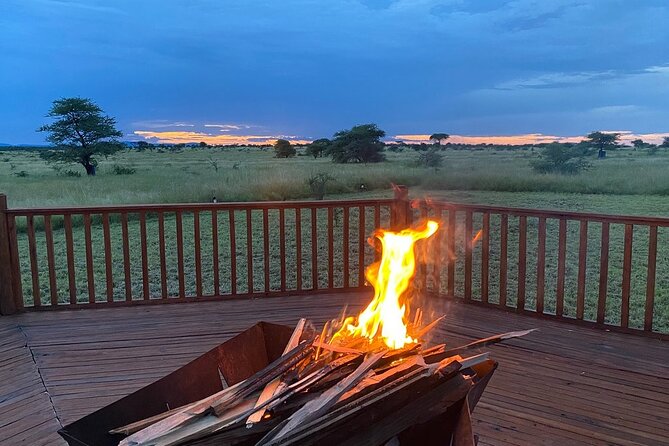
Central Serengeti is the broadest and most famous wildlife setting on this itinerary. You spend a full day on game drives while following the migration trails and searching for resident animals.
This section adds geographic variety after Ndutu. The focus is not only on calving herds. You may also look for the major predators and other wildlife that make the Serengeti famous. Several guides connected with this safari, including William David, Calvin Kileo, Rahim, and Innocent Mafuru, have been praised for explaining animals, plants, and the wider environment in an engaging way.
The strongest guide praise is quite specific. William is noted for spotting rare animals such as black rhinos and for explaining wildlife, plants, and Maasai culture. Albert is praised for finding animals before they were visible through binoculars. Ombeni is remembered for driving skill on difficult roads, good humor, and an ability to make the long hours fun.
Guide assignments can change, so you should not book this trip expecting one particular person unless the company confirms it. Still, the repeated praise for guide skill is a real strength of the operation. In a safari, an experienced guide is not just a driver. That person chooses routes, reads animal behavior, explains what you see, and helps set the rhythm of the day.
Day 7: Ngorongoro Crater’s concentrated wildlife
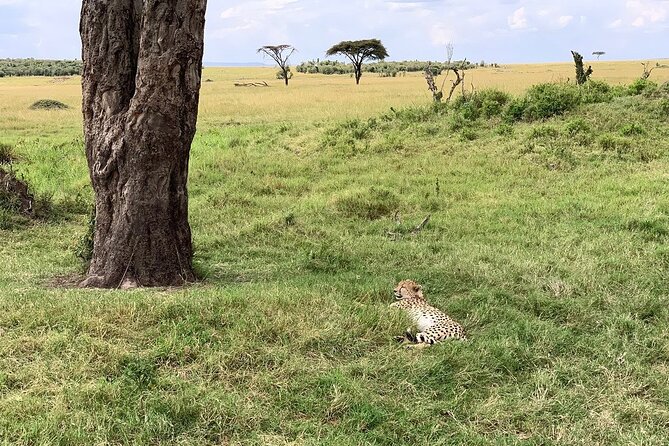
The route then moves to the Ngorongoro Conservation Area, followed by a descent of about 600 meters into Ngorongoro Crater.
The crater offers an impressive concentration of wildlife within a dramatic natural setting. Because the crater is enclosed by steep walls, game viewing can feel more compact and direct than in the open Serengeti.
This is a strong choice for the final major wildlife day. You have already spent time on migration plains, but Ngorongoro gives you a different sense of place and a chance to look for a broad mix of animals in one area.
The main limitation is time. The schedule describes a crater visit and an overnight at a luxury lodge, but it does not provide exact hours inside the crater. Ask how much time is planned for the descent, game drive, and ascent. The difference between a leisurely crater visit and a rushed one can matter.
The crater is also not a substitute for Ndutu. It is excellent for concentrated wildlife viewing, while Ndutu is the place tied most closely to the calving event.
Day 8: Mto wa Mbu beyond the safari vehicle
After breakfast, you drive to Mto wa Mbu for a morning cultural tour and walking safari. A local lunch is included, followed by the return drive to Arusha or the airport for your flight home.
This final stop adds a welcome human element. After a week spent watching animals from a vehicle, walking through Mto wa Mbu gives you a different pace and a closer connection to local life. The itinerary also mentions views from the area, so the morning is not limited to a formal cultural stop.
Pay close attention to your departure time. The return to Arusha or the airport is included, but the schedule does not state a fixed drop-off hour. Give yourself a safe margin before an international flight and confirm the final transfer plan.
What the $2,999.62 price really covers
At $2,999.62 per person, this is not a budget camping trip. It is also more than a simple park transfer with occasional game drives. The price includes seven nights of accommodation, meals as marked, entrance fees, private vehicle transport, a driver-guide, bottled water, and airport pickup and drop-off.
That bundle has real value. Park fees and transport across northern Tanzania can add up quickly, and having the route arranged reduces the work of coordinating several parks, different lodges, and long transfers.
The private vehicle is another important part of the calculation. The group limit is seven people, which should give you more room and a better view than a large bus. Still, you should confirm whether your booking is fully private or simply capped at seven people. The description calls the transport private, but the practical arrangement is worth clarifying.
Alcoholic drinks are not included, though they can be purchased. Specific camp and lodge names are also not given in the supplied details, so ask for those before booking if room style, location, or facilities are important to you.
Comfort, meals, and physical demands
The accommodation level is described as luxury tents and lodges, but the trip remains a safari. Roads can be rough, and full-day game drives require patience and flexibility.
A moderate level of physical fitness is requested. That fits the walking safari in Mto wa Mbu and the general demands of moving between camps, though the main wildlife viewing is vehicle based.
Breakfast, lunch, and dinner are included on the safari days marked B, L, and D. You should provide dietary requirements when booking. Bottled water is included, which is useful during long drives.
The experience suits people who want comfort without giving up a full schedule. It is less suited to anyone who wants a slow resort holiday, short daily outings, or guaranteed sightings at fixed times.
Strengths and limits of the guiding
The guide is the largest variable in any safari, and this operator has a strong record in that area. William, Albert, Emanuel, George Mathias, Calvin Kileo, Ombeni, Michael Sangiwa, Rahim, and Innocent Mafuru are all associated with praise for wildlife spotting, patience, humor, communication, and safe driving.
Michael is especially noted for being warm and patient with children. That makes the safari worth considering for families, though children must be accompanied by an adult. Albert and Emanuel are praised for considerate care and strong knowledge of animals and vegetation. Calvin is described as calm, attentive, and highly committed.
The practical point is simple: tell the company what matters to you. If you care most about photography, birds, predators, botany, family pacing, or cultural context, say so before departure. A good guide can shape the day around your interests when conditions allow.
Who should book this safari?
I would recommend this trip if you want the calving season to be the centerpiece but also want a broad first visit to northern Tanzania. You get several major parks, two different Serengeti zones, Ngorongoro Crater, and a cultural finish in Mto wa Mbu.
It is particularly good for:
- First-time safari visitors who want a well-organized route
- Families who value attentive guides and included meals
- Wildlife photographers seeking wildebeest, predators, elephants, and varied habitats
- People who prefer tented camp comfort over basic camping
- Anyone who wants airport transfers and park fees handled in one package
I would hesitate if you have limited tolerance for long drives, need a slow schedule, or can travel only outside the main calving window. The itinerary covers a lot, and its value depends heavily on the migration timing.
Should you book the 8-day calving safari?
Book it if you want a focused chance to see the wildebeest calving season without giving up Tarangire, Lake Manyara, central Serengeti, and Ngorongoro Crater. The included costs, small maximum group size, and repeated praise for guide quality make the $2,999.62 price easier to justify.
Before you commit, confirm three things: your exact calving dates, the names and locations of the camps and lodges, and the airport timing on Day 8. If those details suit you, this is a strong all-round northern Tanzania safari with a clear seasonal purpose.
FAQ
How long is the safari?
The experience lasts approximately eight days and includes seven nights of accommodation.
What months cover the calving season?
The safari is timed for December through April. The main wildebeest birthing period is usually around February and lasts about three weeks.
Which parks and areas are included?
The route includes Tarangire National Park, Lake Manyara National Park, the Ndutu area, central Serengeti National Park, Ngorongoro Crater, and Mto wa Mbu.
What is included in the price?
Accommodation, meals listed in the itinerary, airport pickup and drop-off, private vehicle transport, bottled water, park entrance fees, and a driver-guide are included.
How large is the group?
The experience has a maximum of seven people. The transport is described as a private vehicle.
Can I cancel for a full refund?
You can cancel at least 24 hours before the experience start time for a full refund. Cancellations or changes made less than 24 hours in advance are not accepted or refunded. If poor weather or insufficient bookings cancel the experience, you will be offered another date or a full refund.
More Safaris
- 3 Days Serengeti & Ngorongoro Group Camping Safari
★ 5.0 · 574 reviews - 7-Day Premium Luxury Tanzania Safari All-Inclusive
★ 5.0 · 426 reviews - 3-Day Classic Serengeti Safari
★ 5.0 · 263 reviews - Group Safari 7 Days in Tanzania’s Main Parks
★ 5.0 · 240 reviews
More Migration Safaris
- 7 days great migration safari
★ 5.0 · 77 reviews - Private 6-Day Great Migration Ndutu Serengeti Safari Tour
★ 5.0 · 47 reviews - 4 Day Great Migration Safari Serengeti & Ngorongoro Crater
★ 5.0 · 33 reviews - Tanzania safari with guide in Italian, the great Migration of the Serengeti
★ 5.0 · 23 reviews
Just added around Arusha
- 5 Days Safari Tarangire, Serengeti, and Ngorongoro Crater★ 5.0 · 3 reviews
- Love lives in Africa★ 5.0 · 3 reviews
- 5 Days of Safari, Culture & Hot Springs – Tour from Arusha★ 5.0 · 3 reviews
- Arusha National Park Safari by Jeep★ 4.5 · 3 reviews
- 5Days Family _Group Tour Lodging Mid-Range in the Jungle★ 5.0 · 3 reviews
- Serengeti & Ngorongoro 3 Days Budget Safari★ 5.0 · 3 reviews
- 2 Days Tarangire and Ngorongoro Crater Tour★ 5.0 · 3 reviews
- 7 Days PRIVATE Best of Tanzania Safari *Departing everyday*★ 5.0 · 3 reviews
Wildebeest Migration Safaris, compared.
10-Day Serengeti Wildebeest Migration Safari from Arusha
Read our review →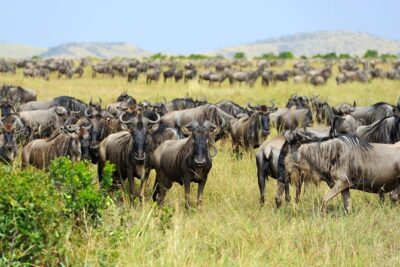
8 Day Spectacular Migration Serengeti mid -Range Tanzania Safari
Read our review →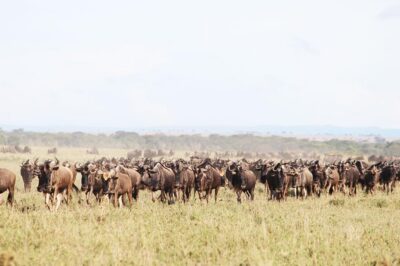
9-Day Serengeti Migration Footsteps Tanzania Safari
Read our review →
Private 6-Day Great Migration Ndutu Serengeti Safari Tour
Read our review →
4 Day Great Migration Safari Serengeti & Ngorongoro Crater
Read our review →
6 Days Tanzania Budget Camping Safari with Migration
Read our review →Browse the lists this tour appears in