
Reviewed · SERENGETI SAFARIS
3 Days Serengeti & Ngorongoro Crater group safari
The wild cats are the main event. This three-day safari gives you a fast, budget-minded route from Arusha to Serengeti National Park and Ngorongoro Crater, with a maximum of six people in a pop-up-roof safari jeep. I like the small group size, and I like that a cook, guide, and driver are part of the setup. The main drawback is the pace: long road hours leave limited time for Serengeti game viewing.
You can also expect a practical, no-frills trip built around big wildlife rather than polished lodge comfort. Guides named in the feedback include Emanuel, also called Tosh, Simon, David, and Jackob, with repeated praise for animal spotting and friendly service. Check exactly what park fees and camping arrangements are covered before paying, since the supplied details do not spell those costs out.
In This Review
- Key points to know before booking
- Why this three-day safari makes sense
- A six-person jeep changes the experience
- Day one: Arusha to Serengeti by way of Ngorongoro
- Serengeti: the park built for big views and big cats
- Day two: an early Serengeti game drive and a move toward the crater
- Day three: six hours inside Ngorongoro Crater
- Meals, drinks, and what the price really covers
- Who should book this safari?
- Simple booking questions worth asking
- Should you book the Serengeti and Ngorongoro three-day safari?
- FAQ
- How long is the safari?
- Where does the safari begin?
- How many people can join the group?
- What type of vehicle is used?
- How long is the drive from Arusha to Serengeti?
- How much time is spent inside Ngorongoro Crater?
- Is cancellation free?
Key points to know before booking
- Six-person maximum: A small group makes the pop-up roof jeep easier to share and keeps the safari more personal than a large vehicle.
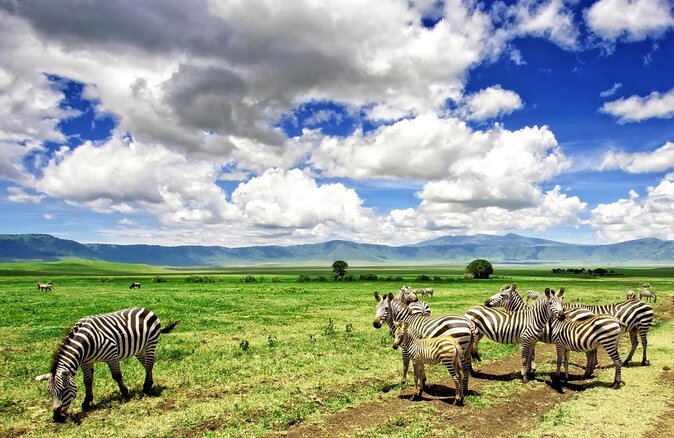
- Two famous parks in three days: You visit Serengeti National Park and spend about six hours inside Ngorongoro Crater.
- Long first-day transfer: The drive from Arusha starts at 7:15 a.m. and takes about eight hours, including stops.
- Early starts matter: Day two begins around 6:00 a.m., while the crater descent starts at approximately 6:15 a.m.
- Camping-style value: The package lists three breakfasts, three lunches, two dinners, water, beer, and wine.
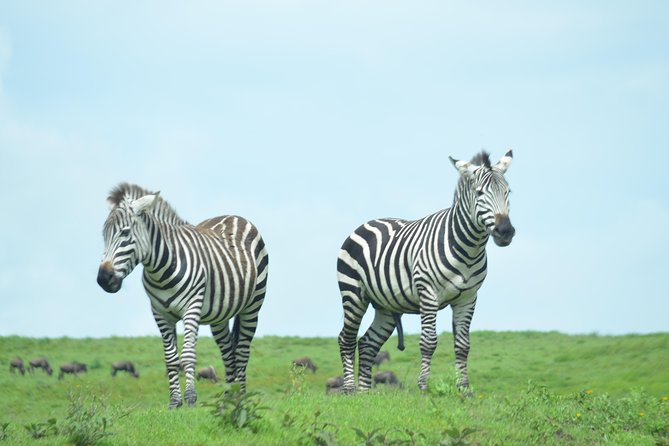
- Wildlife is never guaranteed: You may see lions, elephants, buffaloes, hippos, wildebeest, birds, and possibly rhino, but sightings depend on timing and luck.
Why this three-day safari makes sense
Tanzania offers safaris at many price levels. This one is aimed at people who want the headline sights without committing to a longer and more expensive circuit. At $800 per person, the price is appealing for a trip that includes transport from Arusha, a safari vehicle, a guide and cook, meals, drinks, and access to two of East Africa’s best-known wildlife areas.
The value comes from the route. Serengeti gives you the broad setting and the chance to look for big cats, while Ngorongoro Crater gives you a concentrated wildlife day on a relatively compact crater floor. In three days, you get two very different safari experiences.
The trade-off is road time. The first day is largely a transfer from Arusha to Serengeti, and the third day combines a crater visit with the return toward Arusha. You are not getting three full days of game drives. You are getting one main Serengeti day, a shorter arrival or departure game-drive period, and a substantial crater visit.
That distinction matters. If you have only a few days in northern Tanzania, this trip makes good use of them. If you want a relaxed safari with long afternoons at camp and several unhurried game drives, you should consider a longer itinerary.
More Safaris in Arusha
- Serengeti Balloon Safari and authentic bush breakfast
★ 5.0 · 2,480 reviews - Balloon Safari & Bush Breakfast in Serengeti – Miracle Experience
★ 5.0 · 1,646 reviews - 4 Days Group Camping Safari
★ 5.0 · 1,101 reviews
A six-person jeep changes the experience
The vehicle has a pop-up roof, which is one of the simple pleasures of a safari. You can stand or sit beneath the raised roof and look across the grasslands with fewer visual obstructions. It is also easier to follow the guide’s pointing and share sightings when the group is small.
A limit of six people is useful in more practical ways, too. You spend less time waiting for a large group to settle into the vehicle, and the guide can respond more easily to individual questions. It should also give each person a reasonable chance at a window or roof opening, although the exact seating arrangement is not provided.
Your guide is an important part of the value. Emanuel, called Tosh in one account, received especially warm praise for animal spotting, while Simon was credited with helping create a memorable visit. David was also praised for showing the best of Serengeti. Those names are useful to know, but you should confirm your assigned guide before departure since the operator may rotate staff.
The cook matters as well. Meals are listed as part of the package, which keeps your days simple and limits the need to arrange food while moving between parks. The information promises breakfast, lunch, and dinner, along with drinking water, beer, and wine. Ask for the exact meal schedule and camping details before you go, since the inclusion list says three breakfasts, three lunches, and two dinners even though the trip lasts three days.
Day one: Arusha to Serengeti by way of Ngorongoro
The first day begins at about 7:15 a.m. after breakfast. The journey from Arusha to Serengeti takes roughly eight hours with stops, so this is a serious transfer day rather than a full safari day.
That long drive is not wasted. The route passes through the Ngorongoro Conservation Area, giving you a first look at one of northern Tanzania’s most dramatic settings. A stop of about 20 minutes is planned at a crater gate and viewpoint, where you can see the great depression from above.
This viewpoint stop is brief, but it offers useful context. Ngorongoro is not simply another park on the route. It is a huge volcanic crater with a wildlife-filled floor, and seeing it from the rim helps you understand the scale before returning for the longer visit on day three.
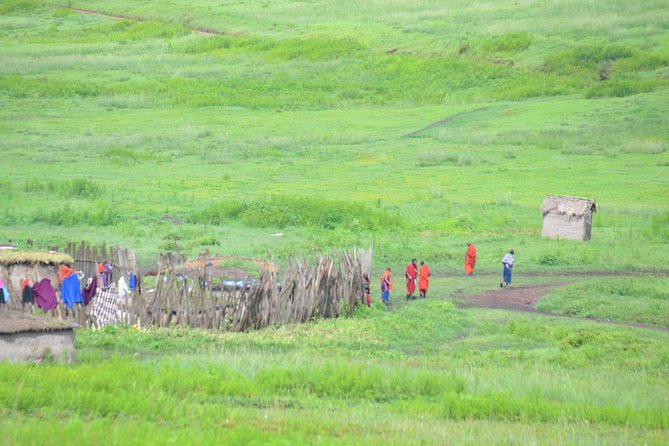
There is also an optional Maasai village visit. The supplied details describe Maasai traditions, including warrior culture and older hunting customs, while noting that some traditions belong to the past and others continue in limited form. Since the visit is optional and the listed stop is only about eight minutes, clarify what the actual village visit involves and whether there is a separate fee.
The practical question on day one is how much time remains for Serengeti. You may reach the park with enough daylight for wildlife viewing, but the itinerary does not provide a precise arrival time or game-drive length. Expect the first day to feel like a travel day with wildlife beginning at the far end, not a full day spent among animals.
Serengeti: the park built for big views and big cats
Serengeti is the heart of this short safari. Its name is closely tied to sweeping grasslands, large herds, and predators. The tour description places particular emphasis on wild cats, and that is a fair reason to choose this park. Lions are a major draw, and the area is also associated with the famous story world of The Lion King.
You may also see thousands of wildebeest if your dates line up with their movement through the region. The migration is seasonal, so nobody should promise a particular herd location on a short trip. Even outside the main migration period, the park can offer strong animal viewing, but the exact sightings depend on season, recent rainfall, and your guide’s ability to read the area.
The best part of a small group is the chance to ask the guide to explain what you are seeing. A good guide does more than point at a lion. He can help you notice birds, distant animals, tracks, and changes in behavior. The strongest praise for this operation centers on guides spotting a high number of animals and birds, so pay attention to that skill.
Your first proper Serengeti game drive comes after an early breakfast on day two. The schedule allows game viewing until afternoon, with about six hours listed for the drive. That is the clearest wildlife block of the trip.
More ways to see the Ngorongoro Crater:
- 3 Days Serengeti & Ngorongoro Group Camping Safari
★ 5.0 · 574 reviews - 5 Days Camping Tarangire, Serengeti & Ngorongoro crater & Visiting Maasai
★ 5.0 · 229 reviews - 4 Days Join Group tour Tarangire Serengeti and Ngorongoro crater
★ 5.0 · 219 reviews - 4-Day Safari from Arusha: Tarangire, Serengeti and Ngorongoro
★ 5.0 · 173 reviews
Day two: an early Serengeti game drive and a move toward the crater
The 6:00 a.m. breakfast is not an inconvenience. It is one of the most useful parts of the schedule. Early hours give you a better chance of seeing animals when they are active, and they make the long day feel worthwhile.
You will spend the morning and part of the afternoon looking for wildlife, then return toward camp for lunch and packing. The plan continues with a game drive as you leave Serengeti, followed by a drive of about two and a half hours to Simba campsite near the Ngorongoro rim.
This combination gives you one last look at Serengeti while also moving you into position for the crater. It is efficient, but it is not leisurely. Packing after lunch and then continuing on the road means you should keep your personal items organized and easy to reach.
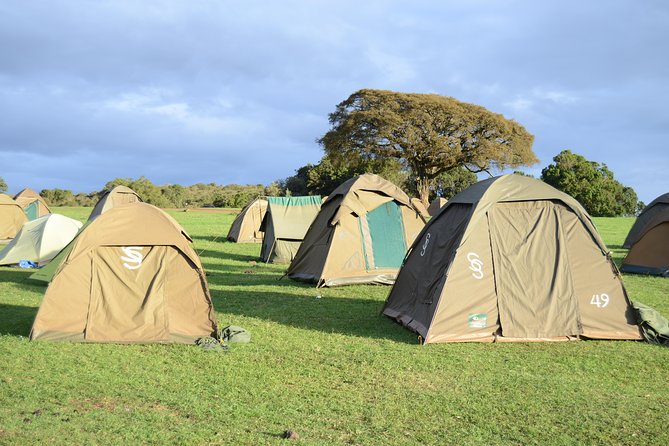
The campsite location near the rim is practical because it shortens the route to the crater entrance the next morning. The information supplied does not describe the tent, bedding, bathroom setup, or whether camping equipment is provided. Ask those questions directly. At $800, camping can be a sound way to keep the price down, but comfort depends heavily on the actual camp arrangement.
Day three: six hours inside Ngorongoro Crater
The final wildlife day begins early, with breakfast followed by a crater descent around 6:15 a.m. The aim is to look for black rhino, described as one of the hardest animals to spot in the crater.
Rhino sightings are never something to count on, but the crater is a sensible place to look. The enclosed setting makes it easier to cover a broad range of wildlife in one day, and the itinerary gives you about six hours inside the crater. That is enough time for a substantial visit, though the schedule will still depend on road conditions, park procedures, and the return drive.
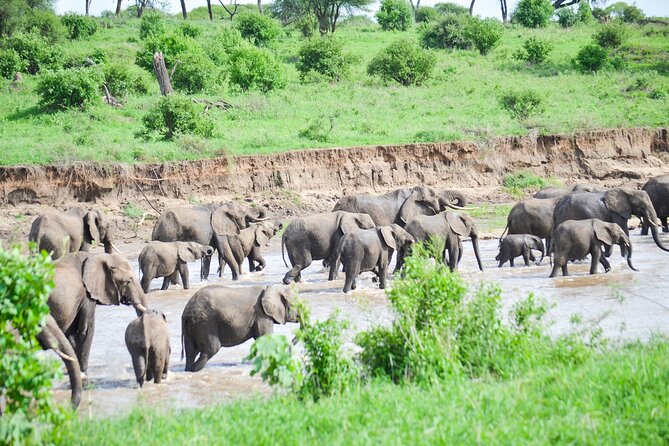
The crater floor is described as an Eden for wild animals, and the list of possible sightings is impressive: hippos, buffaloes, wildebeest, elephants, and aquatic birds. Ngorongoro is especially useful for a short safari because you may see several types of animals during a single outing rather than spending an entire day searching across a vast area.
There is also a clear limitation. The crater can feel busy, particularly when a notable animal is found, though the supplied details do not provide crowd information for this particular departure. Your guide’s judgment will matter. A patient guide may help you find quieter moments, but no short group safari can control every vehicle or sighting.
After the crater, you return to the campsite for lunch and to collect your belongings. The journey then continues out of the conservation area toward Arusha. This makes day three both a major safari day and a return-transfer day. You should be prepared for a long final stretch after the crater visit.
Meals, drinks, and what the price really covers
The $800 price looks strong for a three-day northern Tanzania safari, especially with a small vehicle, guide, cook, meals, and drinks included. The package lists drinking water, beer and wine, three breakfasts, three lunches, and two dinners.
That food provision has real value. You do not have to leave the parks to find meals, and you can focus on the schedule rather than arranging food at every stop. A cook can also help keep the trip running on time, which matters on early game-drive mornings.
Still, read the inclusions carefully. The supplied details do not clearly state whether park entry fees, camping fees, conservation charges, transfers outside the stated pickup, or Maasai village costs are included. Do not assume that every major safari expense is covered simply because meals and drinks are listed.
Tipping the driver and chef is not included. Set aside money for those tips if their service meets your expectations. The guide is often the person who shapes the quality of your wildlife viewing, while the chef can make early mornings and long road days much easier.
Who should book this safari?
I would point this trip toward you if you have limited time in Tanzania and want the two best-known wildlife stops in the north. It also suits you if a small shared group feels better than a large coach-style operation, and if you care more about wildlife access than high-end accommodation.
The tour may work well for first-time safari visitors who want a clear route from Arusha. You get an introduction to the open Serengeti, a concentrated wildlife day in Ngorongoro, and a guide who can help you understand what you are seeing.
I would be more cautious if you dislike long drives, early breakfasts, or camping uncertainty. The first day takes about eight hours on the road, day two includes a two-and-a-half-hour transfer toward the crater, and day three ends with the return to Arusha after six hours inside the crater.
You should also think about your wildlife priorities. If your main goal is the wildebeest migration, your dates matter greatly. If your priority is rhino, the crater gives you a chance but not a guarantee. If you mainly want lions and a broad mix of animals, both parks offer sensible places to search.
Simple booking questions worth asking
The operator offers pickup and a mobile ticket, and confirmation is provided at booking. Most people can participate, but the information does not give specific accessibility details, so ask if you need particular vehicle or campsite arrangements.
The cancellation policy allows a full refund when you cancel at least 24 hours before the start time. Changes or cancellations inside that 24-hour window are not accepted for a refund, and poor weather may lead to a different date or a full refund.
Before you commit, ask these practical questions:
- Are park entry and conservation fees included in the $800?
- What type of campsite and sleeping equipment will be used?
- Are beer and wine supplied throughout the trip or only with selected meals?
- Is the Maasai village visit free, optional, and separate from the main safari price?
- What time should you expect to return to Arusha on day three?
Clear answers will tell you more about the real value than the headline price alone.
Should you book the Serengeti and Ngorongoro three-day safari?
Book it if you want a compact, small-group safari with a strong chance of varied wildlife and a price that avoids luxury-safari rates. The best reasons are the six-person limit, the pop-up-roof jeep, the skilled animal spotting associated with guides such as Emanuel, Simon, and David, and the chance to visit both Serengeti and Ngorongoro in one short trip.
Think twice if you want long, relaxed days in the parks or fully explained accommodation details before departure. This is a fast route with substantial driving, and the package wording leaves some important cost and camping questions open.
My practical call is simple: ask for the full list of included fees, confirm the sleeping setup, and check the guide assignment. If those answers suit your budget, this is a smart way to reach two major Tanzanian wildlife areas in only three days.
FAQ
How long is the safari?
The experience lasts approximately three days.
Where does the safari begin?
The safari begins in Arusha, Tanzania, with pickup offered.
How many people can join the group?
The tour has a maximum of six participants.
What type of vehicle is used?
The group travels in a custom safari jeep with a pop-up roof.
How long is the drive from Arusha to Serengeti?
The drive takes about eight hours, including stops.
How much time is spent inside Ngorongoro Crater?
The schedule allows about six hours inside the crater.
Is cancellation free?
Yes. You can cancel at least 24 hours before the start time for a full refund. Cancellations or changes made less than 24 hours before the start time are not accepted for a refund.
More Safaris
- 5 Days Group Camping Safari
★ 5.0 · 730 reviews - 7-Day Premium Luxury Tanzania Safari All-Inclusive
★ 5.0 · 426 reviews - 8 Days Great Wildebeest Calving Migration Safari from Arusha
★ 5.0 · 254 reviews - Group Safari 7 Days in Tanzania’s Main Parks
★ 5.0 · 240 reviews
More Serengeti Safaris
- 5-Day Highlights mid-Range Crater, Serengeti, Tarangire
★ 5.0 · 296 reviews - 3-Day Classic Serengeti Safari
★ 5.0 · 263 reviews - Private 6-Day Tarangire Manyara Crater and Serengeti with Mid-Range Lodges
★ 5.0 · 238 reviews - 10-Day Serengeti Wildebeest Migration Safari from Arusha
★ 5.0 · 218 reviews
Just added around Arusha
- 5 Days Safari Tarangire, Serengeti, and Ngorongoro Crater★ 5.0 · 3 reviews
- Love lives in Africa★ 5.0 · 3 reviews
- 5 Days of Safari, Culture & Hot Springs – Tour from Arusha★ 5.0 · 3 reviews
- Arusha National Park Safari by Jeep★ 4.5 · 3 reviews
- 5Days Family _Group Tour Lodging Mid-Range in the Jungle★ 5.0 · 3 reviews
- Serengeti & Ngorongoro 3 Days Budget Safari★ 5.0 · 3 reviews
- 2 Days Tarangire and Ngorongoro Crater Tour★ 5.0 · 3 reviews
- 7 Days PRIVATE Best of Tanzania Safari *Departing everyday*★ 5.0 · 3 reviews
Serengeti Safaris, compared.

Serengeti Balloon Safari and authentic bush breakfast
Read our review →
Balloon Safari & Bush Breakfast in Serengeti – Miracle Experience
Read our review →
3 Days Serengeti & Ngorongoro Group Camping Safari
Read our review →
5-Day Highlights mid-Range Crater, Serengeti, Tarangire
Read our review →


Private 6-Day Tarangire Manyara Crater and Serengeti with Mid-Range Lodges
Read our review →
5 Days Camping Tarangire, Serengeti & Ngorongoro crater & Visiting Maasai
Read our review →Browse the lists this tour appears in