
Reviewed · SERENGETI SAFARIS
3 Days Serengeti & Ngorongoro Tour
Three days can deliver a serious safari. This compact route links Serengeti National Park and Ngorongoro Crater, giving you wide-open plains, famous wildlife, and two UNESCO World Heritage sites without committing to a week on the road. I like the maximum six-person group, which gives you a better chance to ask questions and share clear views from the vehicle. I also like that camping and full board are included, keeping the package practical at $800 per person.
The main trade-off is the pace. You cover a lot of ground in only three days, with roughly six hours of safari activity listed for each day and long transfers between parks. The advertised start time is 12:30 am at Kilimanjaro International Airport, so you should confirm the exact pickup plan, arrival arrangements, and when your safari actually begins before paying.
In This Review
- Key points to know before booking
- What this three-day route is really offering
- Day one: entering the Serengeti and reaching Seronera
- Day two: more game viewing, then the Ngorongoro rim
- Day three: early access to the crater floor
- The guides and cooks can shape the whole safari
- What the $800 price buys you
- Camping, comfort, and the practical side of the trip
- The best match for this safari
- Should you book the Serengeti and Ngorongoro tour?
- FAQ
- Where does the safari start?
- Where does the safari end?
- What time does the tour start?
- How long is the tour?
- How many people can join?
- Which parks and protected areas are included?
- Is accommodation included?
- Are meals included?
- Can I cancel for a full refund?
Key points to know before booking
- A six-person maximum keeps the vehicle small: You get a more personal setting than on a large coach-style safari, with better access to your guide.
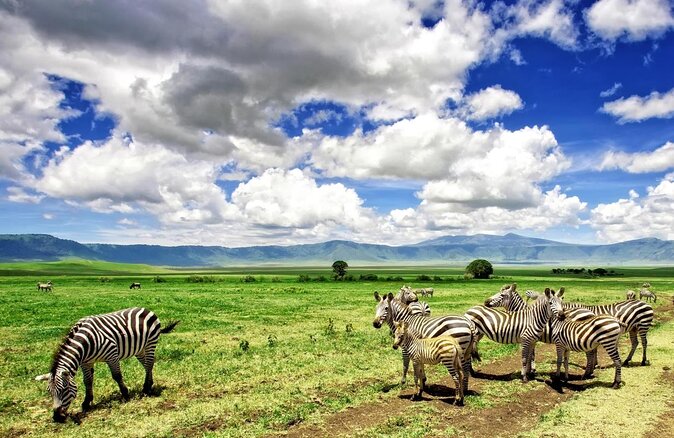
- Seronera is the first major wildlife zone: Central Serengeti is known for big-cat sightings, wildebeests, zebras, and open views toward the horizon.
- The crater-rim campsite is a major scenic moment: Sleeping near Ngorongoro gives you a sunset view over one of Africa’s most remarkable natural features.
- The itinerary aims for the Big Five: Lions, elephants, buffalo, rhinos, and leopards may all be seen, though no safari can promise every species.
- Camping is part of the appeal and the compromise: Full-board meals make the trip easier, but tent accommodation will not suit anyone seeking a lodge-based safari.
- The price is strongest for a short, shared safari: At $800 per person, the value depends on the exact inclusions, group size, transfers, and camping arrangements.
What this three-day route is really offering
This is a fast introduction to northern Tanzania’s two headline wildlife areas. You are not simply visiting two parks and ticking boxes. You are moving through two very different settings: the broad grasslands of the Serengeti and the enclosed wildlife world of Ngorongoro Crater.
I like the route because each day has a clear purpose. Day one gets you into the Serengeti and toward the Seronera Valley. Day two gives you more game viewing before the road climbs toward the crater rim. Day three begins with an early descent into the crater, followed by a return to Arusha.
That structure works well if you have limited time. It is less suitable if you prefer slow mornings, long stays at one camp, or several chances to revisit the same wildlife area. The advertised average booking point is 16 days before departure, so this is not a last-minute product to assume will always be available.
The overall rating shown for the tour is 4.9 from 22 reviews, with 95 percent recommended. The praise is especially strong for the personal service, guides, drivers, cooks, communication, and value of the shared format. There is also at least one serious complaint about service, so I would treat the high score as encouraging rather than a guarantee.
More ways to see the Ngorongoro Crater:
- 3 Days Serengeti & Ngorongoro Group Camping Safari
★ 5.0 · 574 reviews - 5 Days Camping Tarangire, Serengeti & Ngorongoro crater & Visiting Maasai
★ 5.0 · 229 reviews - 4 Days Join Group tour Tarangire Serengeti and Ngorongoro crater
★ 5.0 · 219 reviews
Day one: entering the Serengeti and reaching Seronera
Your first major stop is Serengeti National Park. The name comes from the Maasai word Siringitu, meaning endless plains, and the description fits. Grassland stretches toward the horizon, broken by kopjes, the weathered granite outcrops that rise from the flat terrain.
These rock formations are more than scenic decoration. They create lookout points and sheltered places for animals, and they help give the Serengeti its distinctive shape. The open grasslands also provide excellent visibility, which matters when your guide is searching for lions, cheetahs, or leopards.
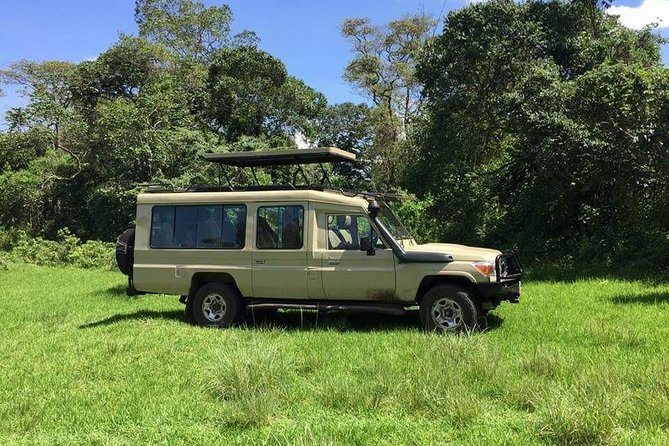
The itinerary allows about six hours for this day. That time includes game viewing and the journey toward central Serengeti, so you should expect a full day in the vehicle. The open roof is an important feature here. It lets you look upward and outward without a window frame blocking the view, though you still need to follow the guide’s instructions around wild animals.
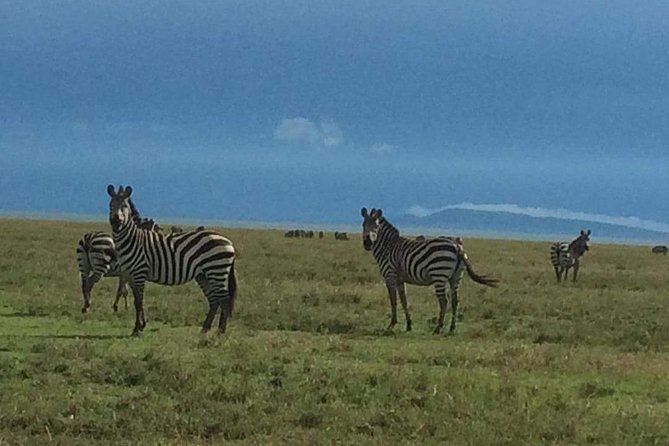
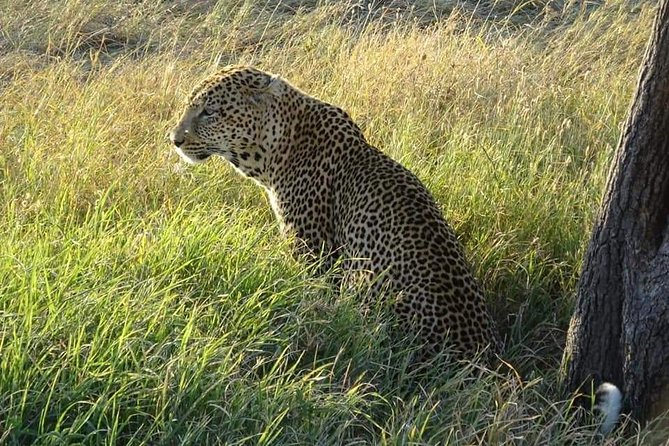
Central Serengeti, particularly the Seronera Valley, is the key destination for the first night. The area is presented as a strong place to look for big cats, and the open plains make animal spotting easier than in thick woodland. You might see leopards, lions, zebras, wildebeests, and other species, but wildlife sightings depend on season, weather, and luck.
You camp in the Seronera area. Camping puts you closer to the setting than a town hotel would, and it keeps the safari focused on nature rather than comfort. The supplied information confirms camping and full board, while the details of tent size, bedding, showers, and campsite facilities should be confirmed before departure.
Food appears to be one of the tour’s strongest points. Several people singled out the cooks and the quality of the meals, with names including Dadri, Safiri, and Raymond associated with particularly warm praise. That matters on a long safari day. A good hot meal can make a simple campsite feel much more agreeable.
Day two: more game viewing, then the Ngorongoro rim
Day two begins with breakfast and another game drive through the Serengeti. This is a smart use of the morning, since the route gives you more time in the Seronera Valley before leaving the park.
The area is associated with large groups of wildebeests and zebras, as well as lions, leopards, and cheetahs. The herd animals are not just background scenery. They are part of the food chain that makes the Serengeti such a productive place for predators, and your guide can help explain how the local ecosystem fits together.
After a picnic lunch, you head toward Ngorongoro Crater. This transfer is one of the practical compromises of the tour. You gain access to two major protected areas in a short period, but you spend part of the day moving between them. If you want maximum time in the Serengeti, a longer itinerary would give you more flexibility.
The reward comes at the crater rim. As the caldera opens before you, the scale changes quickly. After the wide, outward-reaching Serengeti, Ngorongoro feels enclosed and dramatic. The crater edge gives you a high viewpoint over the basin, and the planned overnight at Simba Campsite allows you to see the area at sunset.
This is likely the most memorable camping location of the trip. The view is a real reason to accept a basic campsite rather than an ordinary hotel room. At the same time, the details matter. Ask about the tent setup, mattress, bathroom arrangements, and whether the campsite is shared with other safari groups.
One useful point from the trip feedback is that the tents were described as large, with comfortable mattresses. That is reassuring, but equipment can vary by departure, so I would still ask what is supplied and what you should bring.
Day three: early access to the crater floor
The final safari morning starts early, at daybreak. You drive down into Ngorongoro Crater after breakfast, entering one of the world’s largest unbroken calderas.
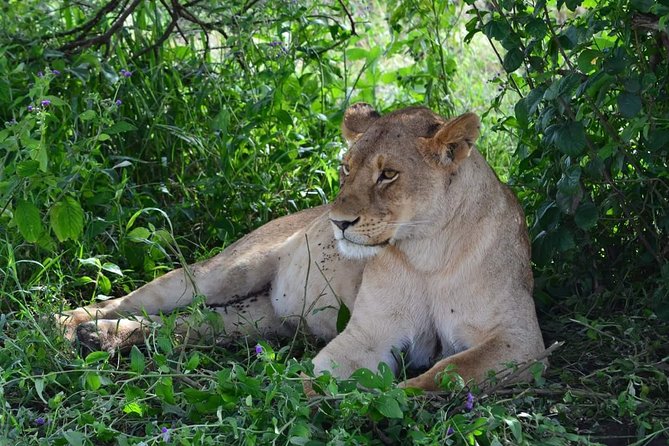
The crater’s enclosed shape helps explain its appeal. Grass steppe and acacia woodland provide several types of habitat in a compact area, so you can encounter a wide range of East African animals in a relatively short game drive. The itinerary identifies the Big Five as possible sightings: lion, elephant, buffalo, rhino, and leopard.
The wording is important. You have a good chance of seeing many species, but no ethical operator can promise a complete animal list. One account praised the chance to see all of the Big Five, while also noting that the rhinos were viewed from quite a distance. That is a useful reminder to bring realistic expectations and a camera with a strong zoom if wildlife photography matters to you.
The crater is also unusual because some familiar savannah animals are not normally found there. The itinerary specifically excludes topis, giraffes, and impalas from the regular list of crater species. That does not make the crater less rewarding. It shows how habitat and geography shape which animals can live in each place.
After the crater visit, you drive back to your hotel in Arusha. The stated plan allows a flight back that night or the following day, but the supplied meeting information says the activity begins and ends at Kilimanjaro International Airport. I would get this clarified in writing. Confirm if the Arusha hotel is included, where the final drop-off will be, and how much time you should allow before a flight.
More Serengeti safaris to compare:
- Serengeti Balloon Safari and authentic bush breakfast
★ 5.0 · 2,480 reviews - Balloon Safari & Bush Breakfast in Serengeti – Miracle Experience
★ 5.0 · 1,646 reviews - 5-Day Highlights mid-Range Crater, Serengeti, Tarangire
★ 5.0 · 296 reviews - 3-Day Classic Serengeti Safari
★ 5.0 · 263 reviews
The guides and cooks can shape the whole safari
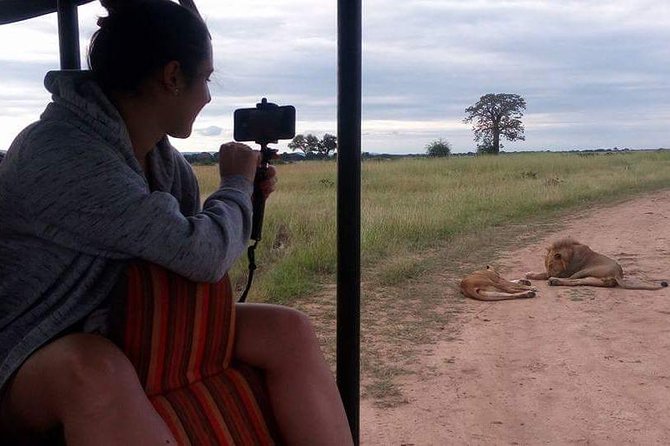
The wildlife matters, but the guide can determine how much you get from each sighting. This tour’s strongest praise centers on the drivers and guides, with Francis, Hassan, Bakarai, Amani, Dio, and others named for their effort, safe driving, animal-spotting skills, and ability to explain the surroundings.
You should not assume you can request a particular guide. Still, the names show that the company has several staff members who have made a strong impression. Francis is repeatedly praised for careful driving and for trying hard to find the animals people hoped to see. Hassan is praised alongside cook Dadri, while Dio and Raymond are remembered for making a three-day trip feel special.
Communication before arrival is another positive theme. Humphrey, the company owner, is repeatedly described as responsive and helpful, including when plans changed or arrivals came later than expected. That kind of contact is valuable when you are arranging airport arrival, park entry, camping, and a possible flight connection from another country.
I would still ask clear questions before departure. Find out who your driver and cook will be, how many people are in the vehicle, and what happens if the group changes. One account says a pair was combined with another group booked through a different company, so the advertised small-group idea may involve shared arrangements.
What the $800 price buys you
At $800 per person, this is not a budget bus ride, but it can be good value for a three-day northern Tanzania safari. The price includes camping accommodation and full board, and the small group has a maximum of six people. Those are meaningful inclusions.
You are paying for access to two major wildlife areas, a guide and driver, meals, camping, and the logistics of moving between Arusha, Serengeti, Ngorongoro, and back toward Arusha. The value is strongest if you want a short shared safari and do not need a lodge, private vehicle, or a slow schedule.
The supplied details do not spell out every inclusion. Before booking, ask about park fees, crater fees, airport transfers, hotel accommodation in Arusha, drinks, tips, and any extra transport. I would not assume that a listed pickup means every airport or hotel transfer is covered, especially since the stated starting point is Kilimanjaro International Airport and the itinerary later refers to a hotel in Arusha.
A private safari would likely cost more, but it could give you more control over stops and timing. A larger shared departure might cost less, but the six-person limit is one of the better reasons to choose this package. You have more room to see through the roof opening, ask questions, and agree on how long to remain at an animal sighting.
Camping, comfort, and the practical side of the trip
This is a camping safari, not a lodge holiday. That distinction should guide your decision. You will sleep at Seronera and at Simba Campsite near the crater rim, with full-board meals included.
The campsite setting is part of the attraction. At Seronera, you are positioned near the central Serengeti wildlife area. At the crater rim, you gain a striking sunset view. I would choose this style if the outdoors is a major part of why you are coming to Tanzania.
The trade-off is that campsite comfort can be basic. The information confirms tents and mattresses, but not private bathrooms, electricity, hot water, or other amenities. Pack with that uncertainty in mind, and ask the operator for the current camping setup.
The start time also deserves attention. The meeting point lists 12:30 am at Kilimanjaro International Airport, an unusually early hour. This may relate to an airport pickup or a specific arrival plan, but it is not fully explained. Confirm the time zone, pickup location, and whether you should arrive that night or early the next morning.
The tour is described as suitable for most people and near public transportation. It offers pickup and a mobile ticket. Those details make the trip easier to arrange, but the long drives and early starts still require reasonable stamina.
The best match for this safari
I would recommend this trip to you if you have only three days, want the classic Serengeti and Ngorongoro pairing, and are happy to camp. It is also a good fit if you enjoy meeting people in a small shared group and want a guide who can explain the ecosystem rather than simply drive from sighting to sighting.
Solo visitors, couples, and small family groups can all fit the format. The shared setting can add to the atmosphere, and several accounts describe friendly groups and a strong team spirit. The six-person maximum gives the trip a more personal feel than a large coach tour.
I would hesitate if you want a relaxed safari with long stays at one camp. The route is tightly packed, and the transfer from Serengeti to Ngorongoro takes time. I would also choose a longer trip if seeing a specific animal is your main goal, since extra days give you more chances.
The tour may also be a poor fit if you need guaranteed private arrangements. The group can include people booked through different companies, and the final airport or hotel plan needs clarification.
Should you book the Serengeti and Ngorongoro tour?
I would book this tour if you value access, strong guiding, and a sensible short route more than luxury. The combination of central Serengeti, a crater-rim camp, full-board meals, and a group capped at six gives the $800 price a reasonable case.
Before committing, get five points confirmed: the exact pickup time, the final drop-off, the Arusha hotel arrangement, the full list of inclusions, and the expected group size for your departure. If those answers are clear, this is a strong choice for a first safari or a time-limited visit to Tanzania.
If you can spare more than three days, I would prefer adding time in the Serengeti. If three days is all you have, this route gives you a real taste of Tanzania’s wildlife without stripping the trip down to a single park.
FAQ
Where does the safari start?
The listed meeting point is Kilimanjaro International Airport on Kilimanjaro Airport Road in Tanzania. Pickup is offered, but you should confirm the exact airport meeting instructions.
Where does the safari end?
The activity information says it ends back at the meeting point. The day-three plan also mentions returning to a hotel in Arusha, followed by a flight that night or the next day, so confirm your exact final drop-off.
What time does the tour start?
The listed start time is 12:30 am. Because this is unusually early, confirm whether it refers to airport pickup, arrival time, or the beginning of the safari drive.
How long is the tour?
The safari lasts approximately three days. Each day lists about six hours of activity, though transfers between areas are part of the overall schedule.
How many people can join?
The group has a maximum of six participants. Shared arrangements with another booking company may occur, so confirm the group size for your departure.
Which parks and protected areas are included?
The route includes Serengeti National Park and the Ngorongoro Conservation Area, including a game drive inside Ngorongoro Crater.
Is accommodation included?
Yes. Camping accommodation is included, with nights planned in the Seronera area and at Simba Campsite near the Ngorongoro Crater rim.
Are meals included?
Yes. Full-board meals are included. The supplied details do not specify drinks or other meal extras, so ask what the full-board arrangement covers.
Can I cancel for a full refund?
Yes, if you cancel at least 24 hours before the experience start time. Cancellations made less than 24 hours before the start time are not refunded, and changes within that period are not accepted.
More Three-Day Trips
- 3 Day Serengeti National Park & Ngorongoro Crater Camping Safari
★ 5.0 · 142 reviews - 3 Days Tarangire, Ngorongoro & Lake Manyara Group Camping Safari
★ 5.0 · 102 reviews - 3 Days Private Safari – manyara, Ngorongoro & Tarangire
★ 5.0 · 94 reviews - 3 Days Small Group Safari to Serengeti NP and Ngorongoro Crater Tour in Tanzania
★ 5.0 · 77 reviews
Just added around Arusha
- 5 Days Safari Tarangire, Serengeti, and Ngorongoro Crater★ 5.0 · 3 reviews
- Love lives in Africa★ 5.0 · 3 reviews
- 5 Days of Safari, Culture & Hot Springs – Tour from Arusha★ 5.0 · 3 reviews
- Arusha National Park Safari by Jeep★ 4.5 · 3 reviews
- 5Days Family _Group Tour Lodging Mid-Range in the Jungle★ 5.0 · 3 reviews
- Serengeti & Ngorongoro 3 Days Budget Safari★ 5.0 · 3 reviews
- 2 Days Tarangire and Ngorongoro Crater Tour★ 5.0 · 3 reviews
- 7 Days PRIVATE Best of Tanzania Safari *Departing everyday*★ 5.0 · 3 reviews
Serengeti Safaris, compared.

Serengeti Balloon Safari and authentic bush breakfast
Read our review →
Balloon Safari & Bush Breakfast in Serengeti – Miracle Experience
Read our review →
3 Days Serengeti & Ngorongoro Group Camping Safari
Read our review →
5-Day Highlights mid-Range Crater, Serengeti, Tarangire
Read our review →


Private 6-Day Tarangire Manyara Crater and Serengeti with Mid-Range Lodges
Read our review →
5 Days Camping Tarangire, Serengeti & Ngorongoro crater & Visiting Maasai
Read our review →Browse the lists this tour appears in