
Reviewed · SERENGETI SAFARIS
4 Days /3 nights Tarangire, Serengeti and Ngorongoro crater
Big animals, bigger skies, and long road days. This four-day safari from Arusha packs three of northern Tanzania’s best-known wildlife areas into one fast-moving trip. I especially like the large elephant gatherings in Tarangire and the chance to spend time in the Seronera area of the Serengeti, where water draws a wide range of animals. The small maximum group of six also helps keep the trip more personal.
The main tradeoff is the pace. You cover a lot of ground, and several days include about six or seven hours of driving and game viewing. At $980 per person, the price can be good value for a small-group safari with four lunches, three breakfasts, and three dinners, but you should confirm exactly which park fees and accommodation details are included before paying.
In This Review
- Key points to know before booking
- Why this three-park route works in four days
- Day 1: Tarangire’s elephants and baobab country
- Day 2: The long road into the Serengeti
- Day 3: A morning Serengeti drive toward Ngorongoro
- Day 4: Ngorongoro Crater’s crowded wildlife floor
- What the driving time means for you
- Meals, campsites, and what to confirm
- Who will get the most from this safari
- Should you book the $980 safari?
- FAQ
- How long is the safari?
- Which parks does the safari visit?
- Is pickup offered?
- What meals are included?
- How many people can join the tour?
- Are airfare and travel insurance included?
- Can I cancel for a full refund?
- What time do you return to Arusha?
Key points to know before booking
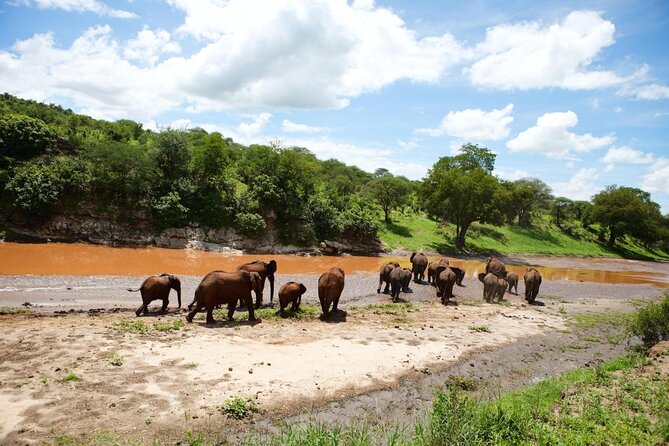
- Tarangire is the elephant specialist: Baobab trees and seasonal water help support large elephant gatherings throughout the year.
- Serengeti time centers on Seronera: The Seronera River attracts animals and gives you a strong chance to see several species in one area.
- Ngorongoro offers dense wildlife viewing: The crater floor supports about 30,000 animals, including buffalo, zebra, wildebeest, hippo, predators, and the possibility of black rhino.
- The group is limited to six people: That is a useful size for a safari vehicle, especially when everyone wants a good view.
- Meals are supplied throughout the trip: The package includes three breakfasts, three dinners, and four lunches.
- Communication receives strong praise: Adam is specifically noted for answering questions and shaping plans around guests’ interests.
Why this three-park route works in four days
This safari gives you three very different settings in a short period. Tarangire brings elephants and baobabs. Serengeti gives you wide open plains and the feeling of distance. Ngorongoro compresses a huge range of wildlife into a crater basin.
That variety is the main reason to choose this route. You are not spending four days looking for the same animals in the same type of setting. Each park has its own character, and the change of scenery helps the trip feel full.
The cost is $980 per person. That is not a budget outing, but a four-day safari includes transport between Arusha and the parks, game drives, meals, and a group capped at six. The value depends heavily on what is included in the final confirmation, especially accommodation and park charges. The supplied details show admission as included on the Ngorongoro day, while other days list no admission charge. Ask for a written breakdown so you know what the price covers.
The trip is best for someone who wants a concentrated northern Tanzania safari rather than a slow, lodge-based holiday. You will see a lot, but you will also spend plenty of time on the road. That is simply the cost of connecting these famous parks in four days.
More ways to see the Ngorongoro Crater:
- 3 Days Serengeti & Ngorongoro Group Camping Safari
★ 5.0 · 574 reviews - 5 Days Camping Tarangire, Serengeti & Ngorongoro crater & Visiting Maasai
★ 5.0 · 229 reviews - 4 Days Join Group tour Tarangire Serengeti and Ngorongoro crater
★ 5.0 · 219 reviews
Day 1: Tarangire’s elephants and baobab country
After breakfast, you drive from Arusha toward Tarangire National Park. The scheduled park time is about seven hours, including a full-day game drive and a picnic lunch.
Tarangire is famous for its elephants, and that reputation is well earned. The park forms part of an annual movement that can include up to 3,000 elephants, 25,000 wildebeest, and 30,000 zebras. The baobab trees are another major reason to come. Their thick trunks and unusual shapes give the park a look unlike the Serengeti or Ngorongoro.
I like this as an opening day because the wildlife focus is clear from the start. You are not easing into the safari with a short afternoon outing. You get a long game drive and a full chance to watch how animals use the park.
The supplied description says Tarangire can be a good place to spot elephants throughout the year. That does not mean every drive guarantees a huge herd, but it does make the park a sensible choice if elephants are high on your list.
Your lunch is a picnic inside the park, followed by more viewing before the late afternoon drive to the campsite. Dinner and overnight accommodation are included, though the exact campsite name and room setup are not provided.
The drawback is the length of the day. Seven hours in a safari vehicle can feel tiring, especially after the drive from Arusha. Bring patience, sun protection, and a willingness to let the guide set the rhythm. Wildlife does not follow a schedule, and the best moments may come after a quiet stretch.
Day 2: The long road into the Serengeti
After breakfast, you leave for Serengeti National Park by way of Karatu and the Ngorongoro Conservation Area. The route passes through high farmland before descending toward the open plains.
This is one of the most memorable transitions on the trip. The surroundings shift from cultivated highlands to the broad, open country associated with the Serengeti. The farther you go, the more the sense of distance grows. It is a travel day as much as a game-viewing day.
The plan is to reach the central Serengeti and the Seronera area in time for lunch, then take an afternoon game drive. Seronera is one of the park’s strongest wildlife zones because the Seronera River provides an important water source. That water can attract many kinds of animals, making this a useful base for a short stay.
You may see a broad mix of species here, but no safari should promise particular sightings. The strength of this area is the range of possibilities. The plains, river, and open views give your guide room to search for animals across different habitats.
Seven hours is again the stated duration. That includes the route into the park and the afternoon drive, so the day may feel packed. You are not receiving two full days in the Serengeti. Instead, you get an arrival afternoon and the following morning before moving on.
Dinner and a second campsite night are included. Since the trip spends only one night in the central Serengeti, I would pay close attention to the accommodation location when booking. A campsite closer to the day’s route may reduce wasted driving, though the supplied information does not identify the property.
Day 3: A morning Serengeti drive toward Ngorongoro
After breakfast, you take a morning game drive before leaving for Ngorongoro. Lunch is packed for the road, and the day includes game viewing along the way.
This schedule gives you one more chance to look for wildlife around Seronera before saying goodbye to the Serengeti. Morning drives can be especially appealing because the day begins with cooler conditions, but the exact sightings and timing depend on the guide and park conditions.
The drive toward Ngorongoro is not just a transfer. The plan includes game viewing en route, so you continue watching for animals as the scenery changes. The listed duration is about six hours.
Dinner and overnight accommodation at a campsite are included. The schedule indicates that the crater descent takes place the next morning, so you should expect this night to be near the Ngorongoro area rather than on the crater floor. The exact campsite is not named, so ask where you will sleep and what facilities are available.
This is the least wildlife-heavy day on paper, since much of it involves moving between parks. Still, it has value. The route connects two very different parts of the safari, and a morning in the Serengeti is better than leaving immediately after breakfast.
More Serengeti safaris to compare:
- Serengeti Balloon Safari and authentic bush breakfast
★ 5.0 · 2,480 reviews - Balloon Safari & Bush Breakfast in Serengeti – Miracle Experience
★ 5.0 · 1,646 reviews - 5-Day Highlights mid-Range Crater, Serengeti, Tarangire
★ 5.0 · 296 reviews - 3-Day Classic Serengeti Safari
★ 5.0 · 263 reviews
Day 4: Ngorongoro Crater’s crowded wildlife floor
After breakfast, you descend into Ngorongoro Crater with a lunch box for a full-day game drive. The crater is one of the most densely populated wildlife areas in Africa, with an estimated 30,000 animals.
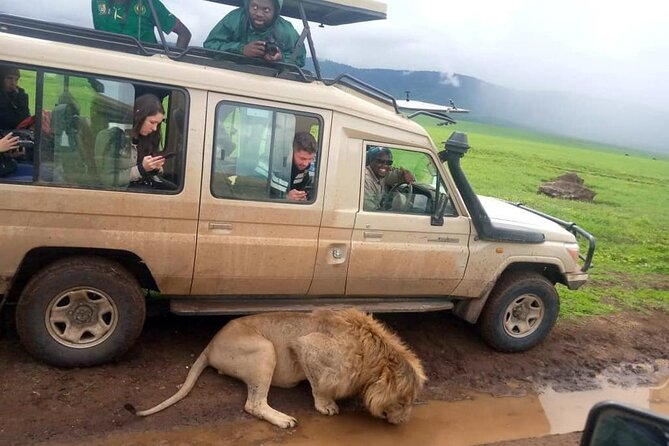
The setting is the star. You are enclosed by the crater walls while searching the floor for herds and predators. The supplied wildlife list includes wildebeest, zebra, buffalo, eland, warthog, hippo, and elephant. Lions, hyenas, jackals, cheetahs, and leopards are also possible.
Black rhino is another major draw. The crater is home to some of Tanzania’s last remaining black rhinos, although a sighting is never guaranteed. A good guide will help you understand the difference between simply seeing an animal and observing useful behavior, such as grazing, resting, hunting, or moving between water and feeding areas.
Lake Magadi is specifically mentioned as a place to spot buffalo, gazelle, zebra, and flamingo. It adds a wetland setting to the crater experience and gives the day more variety than a simple loop through open grassland.
Lunch is a picnic on the crater floor. After the game drive, you return to Arusha, arriving around 5 p.m. The listed driving and activity time is about six hours, so this is another full day. If you have an evening flight, do not assume the 5 p.m. arrival leaves enough margin. The tour details do not promise airport transfer or flight coordination.
What the driving time means for you
This is an active safari, not a short park visit. The first two days are listed at about seven hours, while the final two are about six hours. Those figures include driving and wildlife viewing, so the exact amount of time spent watching animals can change.
The long transfers are necessary because Tarangire, Serengeti, and Ngorongoro are spread across a large part of northern Tanzania. In return, you get strong variety in a short holiday.
A maximum of six people is a useful limit. It is small enough to avoid a crowded vehicle, and it can make it easier to stop when someone spots an animal. It also means that individual preferences matter more, so clear communication with the guide is worthwhile.
The strongest service praise centers on communication and planning. Adam is described as answering questions, explaining the trip clearly, and adding two extra tours based on a guest’s interests. That suggests you should share your priorities before departure. Tell the operator if elephants, big cats, rhino, birds, photography, or cultural visits matter most to you.
The driver and guide are also praised for safe driving and strong wildlife knowledge. That matters greatly here. A good guide does more than find animals. The guide also manages the long roads, explains what you are seeing, and helps the group make sensible use of limited time.
Meals, campsites, and what to confirm
The package includes:
- Three breakfasts
- Three dinners
- Four lunches
The lunches are described as picnic or packed meals, including the Tarangire park day and the Ngorongoro crater day. That suits the schedule because returning to a restaurant would cut into wildlife time.
Campsite accommodation is included for the overnight stays, but no campsite names or room details are supplied. Before booking, ask whether the campsite uses tents, permanent structures, shared bathrooms, or private facilities. Those details can make a big difference after a dusty game drive.
Airfare and travel insurance are not included. You will also want to check the final cost for park fees, transfers outside the stated pickup, drinks, and any extra activities. None of those details are confirmed in the information provided.
Pickup is offered, and a mobile ticket is available. The meeting information gives operating hours from 8:00 a.m. to 10:30 a.m., Monday through Sunday, for the stated booking period ending June 18, 2026. Confirm your exact pickup point and departure time because the safari begins after breakfast and the route may vary by accommodation.
Most people can participate, and the tour is near public transportation. The activity is not described as wheelchair accessible, so anyone with mobility concerns should ask the operator directly before reserving.
Who will get the most from this safari
I would choose this trip if you want Tanzania’s major wildlife names in one compact itinerary. It suits first-time safari visitors, couples, small groups of friends, and families who can handle long days in a vehicle.
It also fits people who value personal service. The feedback highlights clear WhatsApp communication, careful planning, and attention to individual interests. That is useful when you are arranging an international trip and want answers before you arrive.
I would hesitate if you want a relaxed schedule with several nights in each park. You get only one listed night in the Serengeti, and the route includes substantial driving. Photographers may also prefer a longer stay in one area, since patience and repeat visits often help with the best light and animal behavior.
The trip received five published five-star ratings, with praise for service, planning, the guide, and value. That is encouraging, but it is still a small sample. Use the positive service record as a reason to ask good questions, not as a substitute for checking the current details.
Should you book the $980 safari?
Book it if your priority is maximum park variety in four days and you are comfortable with long driving days, campsites, and packed lunches. Tarangire’s elephants, Serengeti’s open plains, and Ngorongoro’s dense wildlife make a powerful combination.
Before you commit, request the full accommodation list and a clear cost sheet. Ask what park fees are covered, where pickup occurs, what campsite facilities are provided, and how the schedule handles your return to Arusha.
The safari offers good potential value for a small group of up to six, with meals and planning support included. It is not the slowest or most comfortable way to see northern Tanzania, but it is an efficient route with a strong chance of varied wildlife and memorable scenery. If Adam or another planning contact gives you clear answers and the campsite arrangements suit you, this is a sensible choice for a first safari.
FAQ
How long is the safari?
The safari lasts four days and three nights, with an approximate total duration of four days.
Which parks does the safari visit?
The route visits Tarangire National Park, Serengeti National Park, and Ngorongoro Crater.
Is pickup offered?
Yes. Pickup is offered, though you should confirm the exact location and departure time when booking.
What meals are included?
The price includes three breakfasts, three dinners, and four lunches.
How many people can join the tour?
The group has a maximum of six participants.
Are airfare and travel insurance included?
No. Airfare and travel insurance are not included.
Can I cancel for a full refund?
Yes, if you cancel at least 24 hours before the experience start time. Cancellations made less than 24 hours in advance are not refunded, and changes within that period are not accepted.
What time do you return to Arusha?
On the final day, the stated plan is to return to Arusha at about 5 p.m. The itinerary does not provide a precise arrival point or airport transfer arrangement.
More 4-Day Experiences
- 4 Days Group Camping Safari
★ 5.0 · 1,101 reviews - 4 Days safari Tour Tanzania
★ 5.0 · 159 reviews - 4 Days Tarangire, Serengeti and Ngorongoro Mid-Range Group Safari
★ 5.0 · 84 reviews - 4 Days Tanzania Lodge Safari With Two Nights at Serengeti
★ 5.0 · 62 reviews
More Tarangire Safaris
- Private 6-Day Tarangire Manyara Crater and Serengeti with Mid-Range Lodges
★ 5.0 · 238 reviews - 4-Day Safari from Arusha: Tarangire, Serengeti and Ngorongoro
★ 5.0 · 173 reviews - 2 Days Tarangire and Ngorongoro Group Camping Safari
★ 5.0 · 146 reviews - 4 Days Tarangire Serengeti Ngorongoro Crater
★ 5.0 · 117 reviews
Just added around Arusha
- 5 Days Safari Tarangire, Serengeti, and Ngorongoro Crater★ 5.0 · 3 reviews
- Love lives in Africa★ 5.0 · 3 reviews
- 5 Days of Safari, Culture & Hot Springs – Tour from Arusha★ 5.0 · 3 reviews
- Arusha National Park Safari by Jeep★ 4.5 · 3 reviews
- 5Days Family _Group Tour Lodging Mid-Range in the Jungle★ 5.0 · 3 reviews
- Serengeti & Ngorongoro 3 Days Budget Safari★ 5.0 · 3 reviews
- 2 Days Tarangire and Ngorongoro Crater Tour★ 5.0 · 3 reviews
- 7 Days PRIVATE Best of Tanzania Safari *Departing everyday*★ 5.0 · 3 reviews
Serengeti Safaris, compared.

Serengeti Balloon Safari and authentic bush breakfast
Read our review →
Balloon Safari & Bush Breakfast in Serengeti – Miracle Experience
Read our review →
3 Days Serengeti & Ngorongoro Group Camping Safari
Read our review →
5-Day Highlights mid-Range Crater, Serengeti, Tarangire
Read our review →


Private 6-Day Tarangire Manyara Crater and Serengeti with Mid-Range Lodges
Read our review →
5 Days Camping Tarangire, Serengeti & Ngorongoro crater & Visiting Maasai
Read our review →Browse the lists this tour appears in