
Reviewed · SERENGETI SAFARIS
4 days Tarangire, Serengeti & Ngorongoro
Three parks, four days, one big safari. This Arusha-based trip packs Tarangire, Serengeti, and Ngorongoro into a short, affordable route, with camping, full-board meals, park drives, and a maximum of six people. I like the chance to see very different habitats in one trip, and I like that guides and cooks such as Nuru, Malisa, Robert, Godfrey, and Dula have earned strong praise for their care, driving, and food.
The trade-off is a busy schedule. You spend long hours on rough roads and game drives, and two nights involve camping, including a night at Seronera in the Serengeti. If you want polished lodges, slow mornings, or more time in each park, this is not the right fit. If you want big wildlife at a sensible price, it is a strong option.
In This Review
- Key points at a glance
- Why this four-day route works
- Day one: Tarangire’s elephants and dry-country scenery
- Day two: the long road to the Serengeti
- Day three: Serengeti wildlife, then the Ngorongoro rim
- Day four: down into the Ngorongoro Crater
- Camping, meals, and the real meaning of budget
- Guides can make or break the safari
- What you may see, and what cannot be promised
- Timing, group size, and physical demands
- Who should book this safari?
- Should you book the Tarangire, Serengeti, and Ngorongoro tour?
- FAQ
- Where does the safari begin?
- What time does the safari start?
- Where does the safari end?
- How many people can join the tour?
- Which parks and conservation areas are included?
- Is camping included?
- Are meals included?
- Is pickup available?
- Can I cancel for a full refund?
Key points at a glance
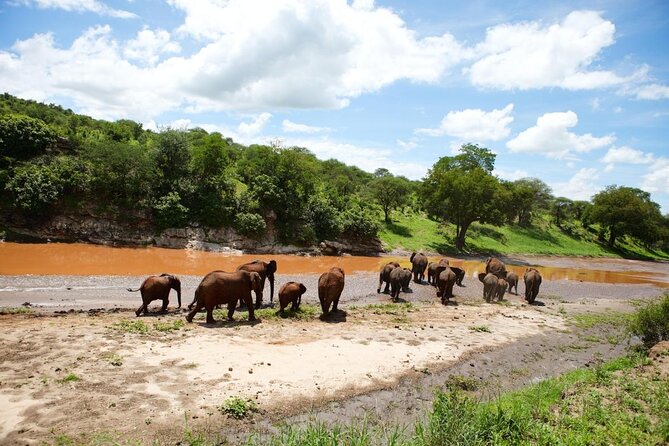
- Tarangire starts the safari with elephants and baobabs: The park gives you an early wildlife hit before the longer run to the Serengeti.
- Serengeti gets one full overnight stop: You have a game drive on arrival and a late-evening drive, with a night at Seronera Campsite.
- Ngorongoro adds a dramatic final day: The crater floor is the trip’s closing wildlife stage, with a stated chance to see all of the Big Five.
- Camping keeps the price down: Tents and full-board meals are included, making the $1,070 cost easier to justify.
- Small groups matter on safari: With no more than six people, you should have a better view from the vehicle and more time to ask questions.
- The schedule favors variety over comfort: This is a fast-moving route with early starts, long drives, and little spare time.
Why this four-day route works
Tanzania’s northern safari circuit rewards variety. Tarangire has a different feel from the Serengeti, and Ngorongoro offers a compact wildlife setting unlike either park. In four days, you get three major destinations rather than spending the whole trip in one area.
That variety is the main reason I find this trip appealing. You can watch for elephants in Tarangire, scan the open plains of the Serengeti, and finish among the steep walls of the Ngorongoro Crater. The route also includes two UNESCO World Heritage sites, adding cultural and conservation importance to the wildlife experience.
The price is $1,070 per person. For four days with camping, full-board meals, guided drives, and a small group, that is aimed firmly at the budget end of the Tanzania safari market. The value depends on your expectations. You are paying for access to remarkable parks and an active schedule, not a luxury camp or a leisurely private vehicle.
The operator offers pickup, and the stated meeting point is Shoppers Supermarket in Arusha at 6:30 am. The trip returns to that same meeting point on the final evening. Confirm your pickup details before departure, especially if you are staying outside central Arusha.
More ways to see the Ngorongoro Crater:
- 3 Days Serengeti & Ngorongoro Group Camping Safari
★ 5.0 · 574 reviews - 5 Days Camping Tarangire, Serengeti & Ngorongoro crater & Visiting Maasai
★ 5.0 · 229 reviews - 4 Days Join Group tour Tarangire Serengeti and Ngorongoro crater
★ 5.0 · 219 reviews
Day one: Tarangire’s elephants and dry-country scenery
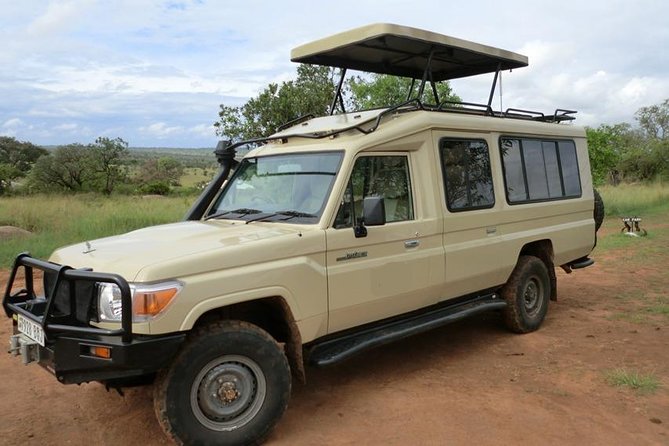
The first morning begins after an early breakfast, followed by the drive to Tarangire National Park. The plan allows about six hours for the park visit, including a game drive and a picnic lunch.
Tarangire is a good opening act because it can deliver wildlife without requiring the longest transfer of the trip. Its dry-country setting, large trees, and open areas give the drive a distinct character from the Serengeti. The park is especially associated with elephants, so this is a useful place to begin looking for one of Tanzania’s most memorable animals.
Your guide is central to the experience here. A good driver does more than point out animals. You need someone who can read tracks, notice movement, position the vehicle well, and explain how animals fit into the wider ecosystem. The strongest accounts of this tour repeatedly praise drivers for their wildlife spotting and calm handling of rough ground.
After the game drive, you eat dinner and spend the night at Tarangire Campsite. Camping is the practical heart of this package. It brings you closer to the setting and keeps the cost below lodge-based safaris, but you should be comfortable with basic conditions and a day that begins early.
Day two: the long road to the Serengeti
After breakfast, you set out toward the Serengeti’s open plains and wide skies. The scheduled activity is about six hours, with a game drive and a late-evening game drive before dinner and an overnight stay at Seronera Campsite.
This is the day when the route begins to feel properly wild. The Serengeti is famous for its scale, and the open country changes the way you look for animals. Instead of expecting wildlife around every bend, you spend more time scanning the distance, watching for a shape in the grass, a cluster of vehicles, or a sudden movement near the road.
The late-evening drive is a valuable feature. It gives you another period of activity beyond the middle of the day, when some animals may be less active. Still, the itinerary is demanding. The transfer from Tarangire to the Serengeti takes time, and the vehicle may encounter rough roads. You should bring patience, water, sun protection, and a camera that is easy to use from a moving vehicle.
Seronera is an important base within the Serengeti portion of the route. You are not simply passing through for a quick look. You get an overnight stop and two opportunities to search for wildlife that day. The trip does not promise a particular sighting, but its schedule gives you a fair amount of time in one of Tanzania’s best-known wildlife areas.
Several people who booked this safari singled out the guides and cooks by name. Robert, Asantel, Deogratius, Yuma, Adam, and Luther were praised for driving, animal spotting, communication, and meeting the group’s needs. Cooks including Dula, Godfrey, Gidion, Salim, and Msefiri were praised for preparing generous meals in camp. Those details matter because food and guiding shape your mood after hours on the road.
Day three: Serengeti wildlife, then the Ngorongoro rim
The third day needs careful reading because the schedule description repeats some Serengeti wording. The practical plan is clear enough: you have a relaxed morning, an early lunch, and then travel from the Serengeti toward Ngorongoro, watching for animals along the way.
This is a transition day, so it will not feel like a full day in one park. You may still spot wildlife during the drive, and the changing scenery helps show how close these famous areas are within the northern circuit. But much of the day is spent moving between them.
You arrive at Ngorongoro late in the evening and spend the night at Simba Campsite on the crater rim. This overnight position is useful because it puts you near the next morning’s main event. The benefit is less time wasted before the crater-floor drive. The downside is that the day is long, and you may reach camp tired.
Ngorongoro is a conservation area rather than simply another national park. The crater is an enclosed volcanic setting with a high rim and a broad floor below. Its geography makes wildlife viewing feel concentrated. That does not guarantee every animal, but it creates a strong final opportunity for the Big Five, especially when your guide knows where to look.
More Serengeti safaris to compare:
- Serengeti Balloon Safari and authentic bush breakfast
★ 5.0 · 2,480 reviews - Balloon Safari & Bush Breakfast in Serengeti – Miracle Experience
★ 5.0 · 1,646 reviews - 5-Day Highlights mid-Range Crater, Serengeti, Tarangire
★ 5.0 · 296 reviews - 3-Day Classic Serengeti Safari
★ 5.0 · 263 reviews
Day four: down into the Ngorongoro Crater
After breakfast, you head directly to the crater floor for a full crater tour with a picnic lunch. The stated activity lasts about six hours, after which you return to Arusha in the evening.
This is the most tightly focused wildlife day. Rather than spending the morning transferring between parks, you begin with the main attraction. The crater’s enclosed setting can make animal viewing feel especially rewarding, and the itinerary specifically presents it as a place where you may see all five of the Big Five: lion, elephant, buffalo, leopard, and rhino.
Keep your expectations sensible. A Big Five sighting is possible, not guaranteed, and safari conditions change by season, weather, animal movement, and guide decisions. The best approach is to value the whole setting, including birds, smaller mammals, changing views, and the chance encounters that cannot be scheduled.
The picnic lunch keeps the day moving. You do not have to leave the crater floor for a restaurant, which gives you more time in the field. By evening, you return to Arusha and finish at the original meeting point.
Camping, meals, and the real meaning of budget
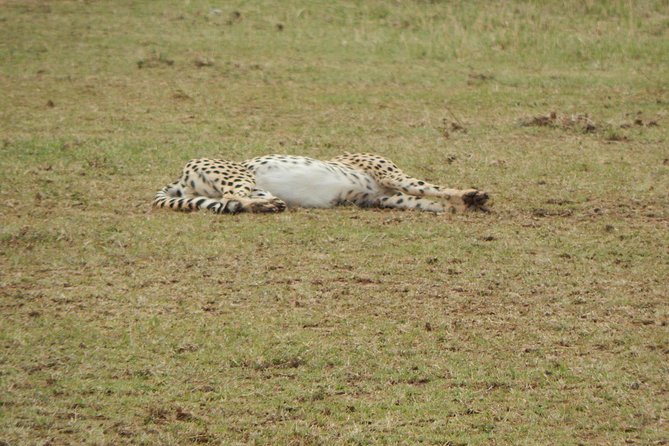
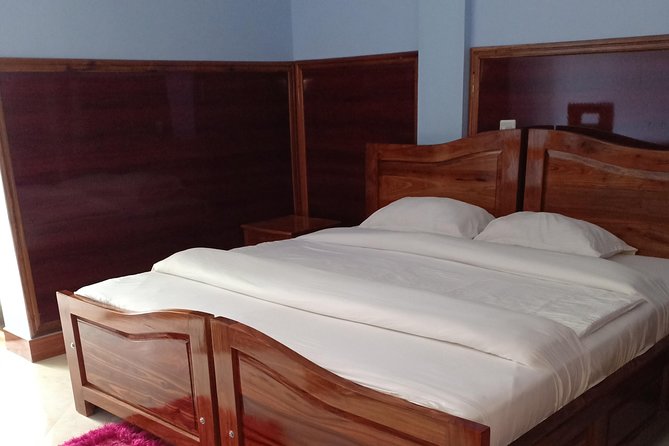
Camping is included for all three nights, with Tarangire and Seronera named as overnight stops and Simba Campsite used on the Ngorongoro rim. Full-board meals are included, so the $1,070 price is not just paying for transport and park access.
The food deserves particular attention. Dula, Godfrey, Gidion, Salim, and Msefiri are all praised for meals that were tasty, plentiful, and well handled in camp. On a safari with long drives, a dependable dinner and a satisfying breakfast are not minor comforts. They can make the difference between enjoying the next game drive and simply enduring it.
You should still choose this package with a camping mindset. The information confirms camping accommodation, but it does not promise lodge-style bathrooms, private facilities, or premium tent arrangements. If you are fine with basic outdoor accommodation and want the money directed toward park time, this setup makes sense.
The low price may also reflect the shared nature of the trip. A group of up to six is small by ordinary coach-tour standards, but it is not the same as having a private vehicle. You may need to share decisions about stops, meal times, and how long to watch an animal. The benefit is that the group remains small enough for personal contact with the guide.
Guides can make or break the safari
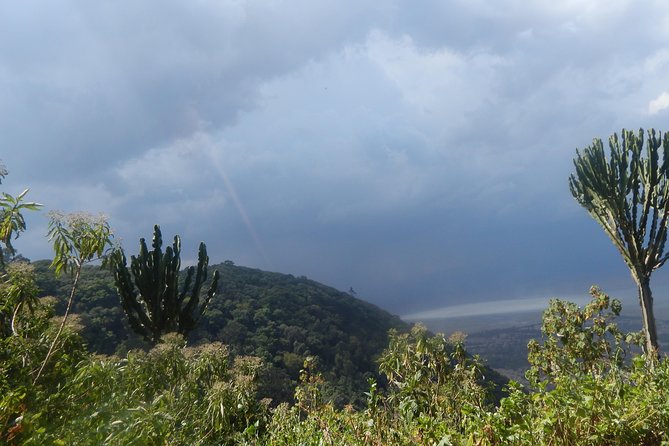
The guide is the person who turns a drive into a safari. You want clear explanations, safe driving, good animal spotting, and enough flexibility to respond when something unexpected appears.
The strongest praise attached to this experience goes to guides who handled difficult ground, found animals, and explained what the group was seeing. Nuru and Malisa were credited with managing rough terrain. Asantel was praised for getting close to animals, while Deogratius received special praise for the overall quality of the trip. Yuma was noted for explaining details of the area, and Adam was recommended for a Big Five-focused safari.
Guide assignments can change, so you should not book expecting one named person. Still, the repeated attention to guides suggests that the company has built its reputation around the driver-guide role rather than treating it as an afterthought.
Communication before departure is another useful point. Humphrey was praised for quick replies and help with airport transfers, hotel arrangements, and changes to plans. That kind of contact is especially useful if you are arriving in Tanzania independently or need help connecting a safari with your Arusha or Moshi stay.
What you may see, and what cannot be promised
The advertised goal is the Big Five, and the route gives you three strong settings in which to search for them. Elephants are a major hope in Tarangire, while the Serengeti offers broad territory for lions, cheetahs, leopards, buffalo, and other wildlife. Ngorongoro provides a final concentrated search on the crater floor.
Several accounts describe successful Big Five sightings, including rhinos, and one especially memorable encounter involved a cheetah climbing onto the vehicle roof. These moments show what is possible, but they should not be treated as a fixed program. No responsible safari can schedule wild animals.
Your guide may also point out species beyond the Big Five. The experience includes education about the local ecosystem and conservation efforts, so the value is not limited to checking animals off a list. Ask questions. Find out why animals gather in certain places, how conservation works, and what pressures affect the parks.
Timing, group size, and physical demands
The 6:30 am start is early, but it matches the demands of a safari route. Morning hours are important because they give you more time in the parks and fit the schedule needed to reach Tarangire, Serengeti, and Ngorongoro.
The four days are active. Day one and day two each allow about six hours of scheduled park activity. Day three combines a morning in the Serengeti with a long transfer to Ngorongoro, and day four combines the crater tour with the return to Arusha.
Most people can participate, according to the supplied information, and the meeting point is near public transportation. Even so, you should be ready for long periods sitting in a safari vehicle, bumpy roads, sun, dust, and early starts. If you need a slower pace, ask about a private or longer itinerary before booking.
The maximum group size is six. That is one of the better features for a budget safari because it limits crowding inside the vehicle and gives you a better chance to ask the guide questions. It also means the vehicle may still feel full, especially if everyone carries large bags.
Who should book this safari?
I would recommend this trip to someone who wants the classic northern Tanzania route but has four days and a controlled budget. It suits first-time safari visitors, solo participants who want to join a small group, and people who value park time more than polished accommodation.
It also suits you if food quality and guide support matter. The repeated praise for camp cooks and driver-guides is one of the strongest reasons to consider this operator. Good meals, reliable communication, and careful driving are especially valuable when the schedule is this full.
I would hesitate if you want luxury, privacy, or a guaranteed slow pace. The route covers a lot of ground, and the night transfer to Ngorongoro follows a demanding Serengeti day. Families with very young children, people who dislike camping, or anyone uncomfortable with long vehicle journeys should ask detailed questions before paying.
Should you book the Tarangire, Serengeti, and Ngorongoro tour?
Book it if your priority is seeing three major northern Tanzania destinations in four days without paying lodge prices. The combination of small-group guiding, full-board camping, and a strong Big Five opportunity gives this safari real value at $1,070 per person.
Before you commit, confirm the exact pickup plan, camping facilities, guide assignment if important to you, and what park fees are covered by the price. Also accept that the route is busy and wildlife sightings remain unpredictable.
For a budget-minded safari with a clear focus on wildlife, this is an appealing choice. You trade comfort and spare time for variety, access, and the chance to finish your trip on the Ngorongoro Crater floor.
FAQ
Where does the safari begin?
The stated meeting point is Shoppers Supermarket in Arusha, Tanzania.
What time does the safari start?
The start time is 6:30 am.
Where does the safari end?
The activity ends back at the meeting point in Arusha.
How many people can join the tour?
The tour has a maximum of six participants.
Which parks and conservation areas are included?
The route includes Tarangire National Park, Serengeti National Park, and the Ngorongoro Conservation Area.
Is camping included?
Yes. Camping accommodation is included, with overnight stays at Tarangire Campsite, Seronera Campsite, and Simba Campsite on the Ngorongoro rim.
Are meals included?
Yes. The tour includes full-board meals, along with picnic lunches during the scheduled game drives.
Is pickup available?
Yes. Pickup is offered, but you should confirm the exact pickup arrangement when booking.
Can I cancel for a full refund?
Yes. You can cancel at least 24 hours before the experience start time for a full refund. Cancellations or changes made less than 24 hours before the start time are not accepted for a refund.
More 4-Day Experiences
- 4 Days Group Camping Safari
★ 5.0 · 1,101 reviews - 4 Days safari Tour Tanzania
★ 5.0 · 159 reviews - 4 Days Tarangire, Serengeti and Ngorongoro Mid-Range Group Safari
★ 5.0 · 84 reviews - 4 Days Tanzania Lodge Safari With Two Nights at Serengeti
★ 5.0 · 62 reviews
More Tarangire Safaris
- Private 6-Day Tarangire Manyara Crater and Serengeti with Mid-Range Lodges
★ 5.0 · 238 reviews - 4-Day Safari from Arusha: Tarangire, Serengeti and Ngorongoro
★ 5.0 · 173 reviews - 2 Days Tarangire and Ngorongoro Group Camping Safari
★ 5.0 · 146 reviews - 4 Days Tarangire Serengeti Ngorongoro Crater
★ 5.0 · 117 reviews
Just added around Arusha
- 5 Days Safari Tarangire, Serengeti, and Ngorongoro Crater★ 5.0 · 3 reviews
- Love lives in Africa★ 5.0 · 3 reviews
- 5 Days of Safari, Culture & Hot Springs – Tour from Arusha★ 5.0 · 3 reviews
- Arusha National Park Safari by Jeep★ 4.5 · 3 reviews
- 5Days Family _Group Tour Lodging Mid-Range in the Jungle★ 5.0 · 3 reviews
- Serengeti & Ngorongoro 3 Days Budget Safari★ 5.0 · 3 reviews
- 2 Days Tarangire and Ngorongoro Crater Tour★ 5.0 · 3 reviews
- 7 Days PRIVATE Best of Tanzania Safari *Departing everyday*★ 5.0 · 3 reviews
Serengeti Safaris, compared.

Serengeti Balloon Safari and authentic bush breakfast
Read our review →
Balloon Safari & Bush Breakfast in Serengeti – Miracle Experience
Read our review →
3 Days Serengeti & Ngorongoro Group Camping Safari
Read our review →
5-Day Highlights mid-Range Crater, Serengeti, Tarangire
Read our review →


Private 6-Day Tarangire Manyara Crater and Serengeti with Mid-Range Lodges
Read our review →
5 Days Camping Tarangire, Serengeti & Ngorongoro crater & Visiting Maasai
Read our review →Browse the lists this tour appears in