
Reviewed · PRIVATE TOURS IN ARUSHA
9 Days Private Experience Tanzania Safari and Culture
Wild Africa comes with long drives. This nine-day private Tanzania safari links Tarangire, Lake Manyara, Ngorongoro Crater, the Serengeti, Lake Natron, Materuni village, and Kikuletwa Hot Springs in one ambitious trip. You get classic game drives, village visits, waterfall hikes, coffee making, swimming, and time with Maasai and Chagga communities.
I like the excellent range of wildlife areas and the effort to get you out of the vehicle. I also like the strong guide record, with guides such as Jacob, Noru, Salehe, and Robert praised for sharp animal spotting and friendly service. The main caution is the pace: several days involve about eight hours of touring, driving, or both, so this is not a restful safari.
In This Review
- Key points to know before booking
- Why this route works for an active safari
- Tarangire: elephants and baobabs on day one
- Lake Manyara: a compact park with many habitats
- Ngorongoro Crater: concentrated wildlife in a volcanic bowl
- Serengeti: give the endless plains enough time
- Lake Natron: flamingos, waterfalls, and a slower morning
- Materuni village: coffee and Chagga life near Kilimanjaro
- Kikuletwa Hot Springs: a pleasant final swim
- What the $4,114 price really covers
- Practical strengths and possible weak spots
- Who should book this safari?
- FAQ
- Where does the experience begin?
- How long is the safari?
- What national parks are included?
- Are meals included?
- Is drinking water provided?
- What is not included in the price?
- Should you book it?
Key points to know before booking
- Four major safari parks in one route: Tarangire, Lake Manyara, Ngorongoro Crater, and the Serengeti each offer a different setting and animal experience.
- The Serengeti gets three substantial days: This gives you a better chance of finding lions, cheetahs, leopards, wildebeests, and other wildlife than a quick one-night stop.
- Lake Natron adds active travel: Sunrise by the lake, flamingos, waterfall walks, swimming, a geyser, and a Maasai village visit break up the game-drive routine.
- The final day is culture and water: Materuni offers Chagga coffee traditions and a waterfall hike, followed by swimming at Kikuletwa Hot Springs.
- The price is $4,114: Meals, water, WiFi on board, taxes, and flying doctor services are included, but visas and tips are extra.
- Plan for a full touring day: Pickup is offered, the listed start time is 7:30 a.m., and the maximum group size is 15.
Why this route works for an active safari
Many northern Tanzania safaris follow the same basic wildlife circuit, but this one adds more movement and local contact. You are not limited to sitting in a vehicle and waiting for an animal to appear. The itinerary includes hikes, swims, a coffee experience, a village visit, and time around Lake Natron.
That variety matters. Safari days can be thrilling, but they can also mean hours on rough roads. A waterfall walk or a swim gives your body and attention a change of pace. The tradeoff is that the route covers a lot of ground. You should expect early starts, dusty roads, and long transfers between parks.
The tour is described as private, but the stated maximum is 15 people. Ask the operator how your booking will be arranged, especially if you are expecting a vehicle just for your own party. The experience begins in the Arusha area, with pickup offered and a listed start time of 7:30 a.m.
More Private Tours in Arusha
- Private 6-Day Tarangire Manyara Crater and Serengeti with Mid-Range Lodges
★ 5.0 · 238 reviews - 5 Days Budget Private Safari, Tanzania
★ 5.0 · 191 reviews - 5-Day Private Northern Tanzania Safari from Arusha
★ 5.0 · 182 reviews
Tarangire: elephants and baobabs on day one
Tarangire National Park is a strong opening act. The Tarangire River runs through the park and becomes especially important in the dry season, when animals gather around available water. The result can be excellent viewing of elephants and other large animals.
The park is also known for its huge baobabs, trees that give the scenery a distinctive shape and scale. African pythons may be seen climbing trees, an unusual sight if your idea of a safari snake is something that stays on the ground.
The first day is listed at about eight hours, including the photo safari and the journey to Maromboi Tented Lodge. That is a long first day, but it gives you an immediate taste of Tanzania’s wildlife. You will want a camera with spare batteries and enough storage. The tour includes lunch, dinner, and breakfast throughout the trip, though the exact meal arrangements for each day should be confirmed before departure.
Lake Manyara: a compact park with many habitats
Lake Manyara National Park is smaller than the Serengeti, but its size is part of its appeal. The park covers about 330 square kilometers, with roughly 230 square kilometers occupied by the lake. Within that compact area, you can pass through five ecosystems.
The birdlife is a major reason to come. The park is home to more than 380 bird types, making it especially appealing if you enjoy stopping for smaller details between sightings of elephants, buffalo, giraffes, zebras, baboons, hippos, antelopes, warthogs, and possibly big cats.
The park sits below the western escarpment of the Great Rift Valley, giving the setting a dramatic backdrop. After the day’s drive, you stay at Marera View Lodge. Again, the planned touring time is about eight hours, so this is not a quick morning stop followed by a relaxed afternoon.
Lake Manyara can feel busy compared with larger parks, and its compact roads may mean more vehicles in the same general area. Still, its birdlife and mix of habitats make it a worthwhile contrast to Tarangire and the Serengeti.
Ngorongoro Crater: concentrated wildlife in a volcanic bowl
Ngorongoro Crater is one of the strongest wildlife days on the route. The crater is a dormant volcanic caldera, and its enclosed setting can hold a remarkable concentration of animals. The itinerary gives you a morning visit to Karatu village before focusing on the crater and surrounding area.
The area is associated with roughly 30,000 animals and offers a chance to see the Big Five: elephants, buffalo, lions, leopards, and rhinos. No safari can promise all five, but the crater gives you one of the better opportunities to look for them in a single setting.
The visual appeal is just as important as the animal count. From the rim and inside the crater, you see an enormous natural bowl with grassland, water, and wildlife spread below. Bring layers because temperatures can change quickly between the higher rim and the crater floor.
This night is at Ngorongoro Serena Lodge. The crater admission is included, unlike some other park entries in the itinerary, which are listed without a separate admission-ticket charge. The distinction is worth noting, but all fees and taxes are included in the overall package according to the tour details.
More Safaris in Arusha
- Serengeti Balloon Safari and authentic bush breakfast
★ 5.0 · 2,480 reviews - Balloon Safari & Bush Breakfast in Serengeti – Miracle Experience
★ 5.0 · 1,646 reviews - 4 Days Group Camping Safari
★ 5.0 · 1,101 reviews - 5 Days Group Camping Safari
★ 5.0 · 730 reviews
Serengeti: give the endless plains enough time
The Serengeti receives the most attention, and rightly so. You enter after crossing the Ngorongoro Conservation Area, stopping for a picnic lunch and continuing the photo safari along the way. Near Naabi Gate, you have time to climb to a panoramic point for a broad view before continuing into the park.
The name Serengeti means endless plain, and the scale becomes the main experience. The park covers about 14,500 square kilometers, so wildlife sightings can vary widely by season and location. Three days here give your guide room to search rather than rushing you through after one game drive.
The Great Migration is a major draw, but timing and animal movement matter. You may see wildebeests in large numbers, along with lions, hyenas, cheetahs, leopards, jackals, and crocodiles. The itinerary sensibly includes two full days after arrival, allowing more time for predators and herbivores.
The guides are central to the quality of these days. Jacob has been praised for spotting animals quickly and finding wildlife before others do. Robert has also been associated with particularly strong sightings of lions, cheetahs, and a leopard. Guide assignments can change, so treat those names as examples rather than a promise.
You spend the Serengeti nights at Serengeti Heritage Lodge or its tented accommodation. Confirm the exact room or tent style before you pay the balance if accommodation details matter to you. Three Serengeti nights also mean more time on rough roads, so a small day bag, water bottle, sun protection, and patience will serve you well.
Lake Natron: flamingos, waterfalls, and a slower morning
Leaving the Serengeti for Lake Natron changes the mood. The route includes panoramic stops with views toward the Rift Valley, Oldoinyo Lengai, the lake, and the surrounding area. The transfer is listed at about eight hours, so this is one of the trip’s more demanding road days.
You may also hike to a waterfall and swim. That option gives you a welcome physical break after several game-drive days, but good walking shoes are essential. The itinerary does not promise a particular waterfall route or hiking length, so ask your guide what conditions allow on the day.
The following morning begins at sunrise on Lake Natron’s shore. Flamingos can appear around the lake, and the early light should make this one of the quieter scenic moments of the trip. The ground can be muddy and slippery, so wear shoes with a firm grip and avoid bringing anything you cannot afford to splash or soil.
After breakfast, the program continues with another waterfall hike, a swim, and a geyser. It then adds a visit to a Maasai village. This cultural stop is valuable because it gives the wildlife route a human dimension, but you should approach it with respect. Follow your guide’s advice about photography, conversation, and appropriate behavior.
Accommodation is at Moivaro Lake Natron Tented Camp. Lake Natron is not simply another game-drive stop. It is best for people who want scenery, walking, and culture alongside animals.
Materuni village: coffee and Chagga life near Kilimanjaro
Day nine turns toward the foothills of Kilimanjaro near Moshi. At Materuni village, you walk through a lush area and see Chagga homesteads and crops. The coffee portion covers the process from picking beans to roasting and drinking the finished cup.
This is a hands-on cultural experience rather than a quick photo stop. You get a practical look at how coffee moves from plant to cup, and you have the chance to taste what you have helped prepare. The area has retained a more local character because it is not one of the main routes used to climb Kilimanjaro.
The visit also includes a short hike to Materuni Waterfalls. Wear sturdy shoes because the trail may be muddy. The listed duration is four hours, making this a more manageable day than the long park transfers earlier in the trip.
Kikuletwa Hot Springs: a pleasant final swim
The final stop is Kikuletwa Hot Springs, about an hour from Moshi. The drive passes through Maasai country, with bomas, young cattle herders, baobabs, and acacias along the way.
The spring is described as a tropical oasis with clear, warm water. The water may be warm rather than truly hot, so do not expect a steaming thermal pool. It is suited to swimming and relaxing under the palms, with occasional vervet monkeys nearby. You may also get views of Mount Meru and Kilimanjaro.
This is a smart way to finish a demanding safari. You can cool off, picnic under the trees, and let the animal sightings settle in before returning to Arusha. The day combines Materuni and Kikuletwa, so you should still expect several hours of activity and driving.
What the $4,114 price really covers
At $4,114, this is a major holiday purchase. The value depends on how much you want included and how important a private or small-group format is to you.
The package includes all fees and taxes, WiFi on board, unlimited drinking water, flying doctor services, and nine breakfasts, nine lunches, and nine dinners. It also includes admission to the listed included attractions, though the itinerary marks some park stops as having no separate admission-ticket charge.
The price also buys a long, carefully connected route. You are not paying for only a short Serengeti visit. You are covering four major wildlife areas, Lake Natron, two waterfall experiences, a Chagga coffee visit, and a hot-spring stop.
Still, visas and tips are not included. You should also confirm exactly which lodges or tented camps apply to your dates, how the private arrangement works, and whether any optional activity carries a separate fee. For a honeymoon, family trip, or small group wanting a single operator to manage the route, the package can offer solid value. For a strict budget safari, the price may feel high.
Practical strengths and possible weak spots
The most praised part of the experience is the guiding. Jacob, Noru, Salehe, and Robert are names connected with warm service, careful driving, and strong animal spotting. One past group of photographers also valued prompt airport pickups, comfortable lodges, and help across several parks.
That matters more than fancy wording. A guide who notices a leopard before it disappears, understands where predators may be moving, and listens to what you want can shape the whole safari.
The weak spot is the schedule. Eight-hour days appear repeatedly, and the route includes long transfers between parks. The itinerary also describes walking, biking, and aerial options in its general overview, but the specific day-by-day plan clearly lists hikes and swims, not a confirmed bike ride or flight. Ask for exact confirmation before counting those activities as part of your trip.
Most travelers can participate, and the maximum group size is 15. You need to be comfortable with uneven or muddy ground for the waterfall and Lake Natron sections. Free cancellation is available up to 24 hours before the start time. Inside that window, the payment is not refunded, and poor-weather cancellations offer either another date or a full refund.
Who should book this safari?
I would choose this trip if you want a broad northern Tanzania route with more than game drives. It suits couples, families with older children, photographers, and active visitors who like adding walks, swims, and cultural stops to wildlife viewing.
I would be more cautious if you dislike long road journeys, need a slow schedule, or want a single destination explored in depth. The Serengeti receives three days, but the whole trip still covers a lot of territory.
FAQ
Where does the experience begin?
The tour is based in Arusha, Tanzania. Pickup is offered, and the listed start time is 7:30 a.m.
How long is the safari?
The experience lasts approximately nine days.
What national parks are included?
The route includes Tarangire National Park, Lake Manyara National Park, Ngorongoro Crater, and Serengeti National Park.
Are meals included?
Yes. The package includes nine breakfasts, nine lunches, and nine dinners.
Is drinking water provided?
Yes. Unlimited drinking water is included, along with WiFi on board and flying doctor services.
What is not included in the price?
A Tanzania visa and tips or gratuities are not included.
Should you book it?
Book this experience if you want Tanzania’s headline wildlife areas plus Lake Natron, Maasai culture, Chagga coffee traditions, waterfalls, and a final swim. The strongest reason to go is the combination of excellent safari country and active local experiences, supported by guides with a record of sharp sightings and personable service.
Before booking, confirm the group setup, accommodation names, available optional activities, and the amount of driving on your dates. If you can handle the long days, $4,114 buys a very full introduction to northern Tanzania rather than a narrow park visit.
More Safaris
- 3 Days Serengeti & Ngorongoro Group Camping Safari
★ 5.0 · 574 reviews - 7-Day Premium Luxury Tanzania Safari All-Inclusive
★ 5.0 · 426 reviews - 3-Day Classic Serengeti Safari
★ 5.0 · 263 reviews - 8 Days Great Wildebeest Calving Migration Safari from Arusha
★ 5.0 · 254 reviews
Just added around Arusha
- 5 Days Safari Tarangire, Serengeti, and Ngorongoro Crater★ 5.0 · 3 reviews
- 5 Days of Safari, Culture & Hot Springs – Tour from Arusha★ 5.0 · 3 reviews
- Love lives in Africa★ 5.0 · 3 reviews
- Arusha National Park Safari by Jeep★ 4.5 · 3 reviews
- 5Days Family _Group Tour Lodging Mid-Range in the Jungle★ 5.0 · 3 reviews
- 2 Days Tarangire and Ngorongoro Crater Tour★ 5.0 · 3 reviews
- Serengeti & Ngorongoro 3 Days Budget Safari★ 5.0 · 3 reviews
- 7 Days PRIVATE Best of Tanzania Safari *Departing everyday*★ 5.0 · 3 reviews
Private Tours in Arusha, compared.

Private 6-Day Tarangire Manyara Crater and Serengeti with Mid-Range Lodges
Read our review →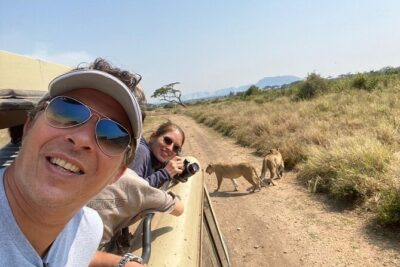
5-Day Private Northern Tanzania Safari from Arusha
Read our review →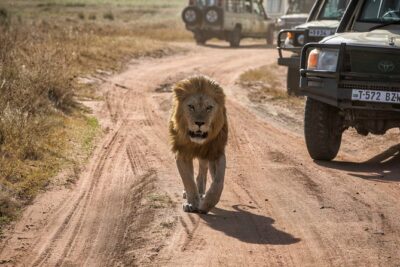
5-Day Private midrange Tour in Arusha with Airport Pickup
Read our review →
3 Days Private Safari – manyara, Ngorongoro & Tarangire
Read our review →
5-Day private Camping Safari Tour in Tanzania
Read our review →
serengeti, ngorongoro & tarangire 5days private tour
Read our review →Browse the lists this tour appears in