
Reviewed · MAASAI VILLAGE TOURS
Maasai Boma Cultural Tour
Culture comes alive when you are welcomed home. This Maasai boma visit near Mikumi gives you a direct look at Southern Maasai life, from family homes and age-set duties to food, medicine, healing, and daily work. I like that your $30.77 ticket includes the village development fund, so your visit supports local priorities rather than paying only for transport and guiding.
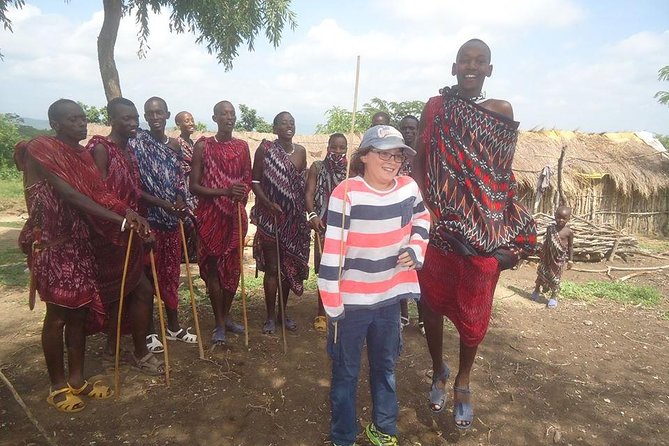
I also like the compact format. At about two hours, with hotel pickup available, it fits neatly into a busy Tanzania itinerary. The warm welcome, dancing, and jumping add a lively human touch, and guide Melami, who lives in the village, can help connect the visit to everyday life. The main consideration is that this is a brief cultural introduction, not a full-day stay or a broad tour of the Morogoro Region.
In This Review
- Five Things To Know Before You Go
- Arriving at a Maasai Boma Near Mikumi
- What You Learn Inside the Family Settlement
- Food, Medicine, and Healing Traditions
- Dancing, Jumping, and a Warm Welcome
- Why the Community Fund Matters
- A Practical Two-Hour Schedule
- Group Size, Comfort, and Participation
- Who Will Get the Most From This Visit
- Booking Details and Cancellation
- Should You Book the Maasai Boma Cultural Tour?
- FAQ
- Where does the Maasai Boma Cultural Tour take place?
- How long does the tour last?
- How much does the tour cost?
- Is hotel pickup available?
- Is public transportation available near the tour?
- What is the maximum group size?
- What will I learn about Southern Maasai culture?
- Is the village development fund included?
- Will there be dancing and jumping?
- What is the cancellation policy?
Five Things To Know Before You Go
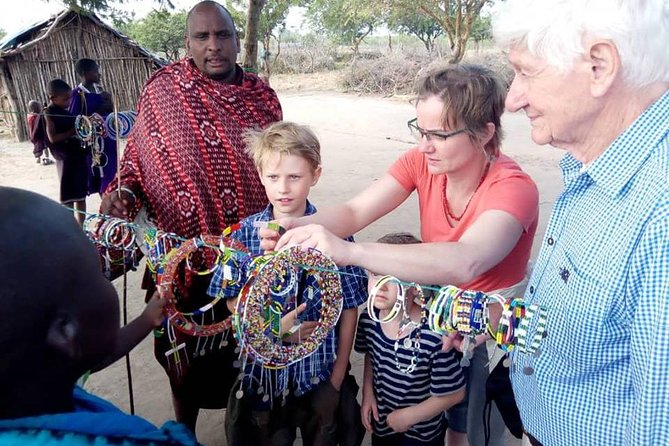
- Melami lives in the village: You may get a more personal explanation of Maasai customs from a guide with a direct connection to the community.
- The visit focuses on family life: You learn about the boma, homes, food, medicine, healing methods, and the division of work by age set.
- Your payment supports the community: The village development fund is included in the ticket price.
- The group can reach 25 people: That is still a manageable size, but a very small group may allow more relaxed conversation.
- The tour takes about two hours: It suits a tight schedule, especially if you are staying near Mikumi and want a cultural stop without giving up a full day.
Arriving at a Maasai Boma Near Mikumi
The tour takes place in the Morogoro Region of Tanzania, in a local Maasai boma near Mikumi. A boma is a family settlement, and that setting matters. You are not simply looking at displays in a museum. You are being invited into a place connected to family life and daily routines.
Hotel pickup is offered, which removes one of the less pleasant chores of arranging a short local visit. The available information does not state how long pickup takes, so I would confirm the meeting time and exact pickup point when booking. The tour is also listed near public transportation, giving you another option if you are arranging your own way there.
The listed operating schedule covers Monday through Sunday, from midnight to 11:30 p.m. That broad schedule does not mean the cultural visit runs continuously all day. It is wiser to treat your confirmed start time as the important detail and ask about pickup timing before you set other plans.
The group limit is 25 people. That keeps the outing from becoming a huge bus stop, though the quality of conversation can still depend on how many people actually book your time. If you prefer the most personal setting, ask whether a smaller departure is possible. Two people once received what felt like a private visit, but that should not be assumed for every date.
More Maasai village tours:
- 3 Days 2 Nights Amazing Masai Tour & Mikumi National Park
★ 5.0 · 3 reviews - 5 Days Camping Tarangire, Serengeti & Ngorongoro crater & Visiting Maasai
★ 5.0 · 229 reviews - Maasai village visit, Materuni waterfalls & coffee experience
★ 4.5 · 95 reviews
What You Learn Inside the Family Settlement
The heart of the visit is learning how a Maasai family settlement works. You can expect an explanation of indoor living, the way homes are used, and how family and community roles fit together. The point is not just to see a structure. It is to understand how the home relates to the wider pattern of Maasai life.
Age-set division of labor is another important subject. The tour explains how work is organized among different age groups. That gives you a useful frame for understanding who does what, rather than viewing daily tasks as random or purely traditional performances.
You also learn about Southern Maasai history and language. The supplied details do not promise a formal language lesson, so I would expect words and explanations woven into the visit rather than a classroom session. Still, even a few local terms can make the welcome feel more personal and help you listen with greater care.
The setting lets you ask questions as you go. That is one of the strongest reasons to choose this outing instead of a quick photo stop. The cultural topics are broad, but the small scale may give you a chance to ask about an answer that catches your interest.
Food, Medicine, and Healing Traditions
Food is included among the subjects covered, offering a way to understand what sustains daily life and how food connects to local customs. The information does not promise a meal or tasting, so do not book this expecting a cooking class or lunch. Think of it as an explanation of food traditions and everyday practice.
Medicine and healing methods receive attention as well. This can be one of the most useful parts of the tour because it shows how people have cared for health through local knowledge and customary methods. I would listen respectfully and avoid treating these practices as a novelty. The visit is most valuable when you approach them as part of a living culture.
The tour description does not list specific plants, remedies, or treatments. You should not expect a medical demonstration or advice for your own health. What you do receive is an introduction to the ideas and methods that form part of Southern Maasai daily life.
These topics also help keep the tour from becoming only about clothing, dancing, or photographs. Those visible elements can be memorable, but food and healing reveal less obvious parts of a community. For me, that wider focus gives the two-hour visit more substance.
Dancing, Jumping, and a Warm Welcome
The welcome is a major part of the experience. You may be invited to join dancing and jumping, which brings energy to the visit and gives you a simple way to take part instead of watching from the edge. You do not need to be an expert performer. The value is in sharing a moment, even if your jumping form is not quite ready for the village stage.
This is also where your attitude matters. Follow the lead of the people hosting you, ask before taking close photographs, and remember that a family settlement is a home, not a set built for entertainment. A respectful question often opens a better conversation than a camera pointed without warning.
The welcome has been described as especially warm, with the Maasai making people feel like part of the family. I would treat that as a sign of the tour’s spirit, not a guarantee that every group will have the same private interaction. The guide, the size of your group, and the rhythm of the day all shape the visit.
Melami is named as a Maasai guide who lives in the village. That local connection is useful. It can help you move beyond a memorized speech and understand how customs relate to people who live there now. The available information does not guarantee that Melami leads every departure, so confirm the guide’s name if that matters to you.
More historical tours:
- Zanzibar: Stone Town Historical Cultural Walking Guided Tour
★ 4.5 · 179 reviews - Arusha Guided Walking City Tour, Culture, Lifestyle & History
★ 5.0 · 150 reviews - Stone Town Historical Walking Tour
★ 5.0 · 143 reviews - Stone Town’s Hidden History: Private Guided Walking Tour
★ 4.6 · 94 reviews
Why the Community Fund Matters
The $30.77 price includes all fees and a contribution to the village development fund. That makes the cost easier to judge. You are paying for a short guided visit, pickup arrangements, and a direct community contribution rather than only buying a performance.
At two hours, the price may seem high if you measure value by clock time alone. I would measure it by access and purpose. You are being welcomed into a local setting, given context about several parts of Maasai life, and helping support a village fund. That is a fair proposition for someone who wants a focused cultural experience near Mikumi.
The exact use of the development fund is not specified, so I would not assume it pays for a particular school, road, clinic, or project. If you want to know how the money is allocated, ask the operator, Mikumi Eco & Cultural Tourism Enterprise, before or during the visit.
Community-based tourism works best when the exchange feels respectful and clear. You receive an introduction to local life, and the village receives a financial benefit from hosting you. That arrangement does not make every moment automatically authentic, but it gives the visit a better foundation than an experience with no local return.
A Practical Two-Hour Schedule
The tour has one central stop, the Maasai boma itself. Since no minute-by-minute timetable is provided, your visit will likely be shaped by welcome, explanation, questions, and cultural activities rather than a series of separate attractions.
A typical flow may look like this:
- You arrive at the boma after pickup or your own transport.
- You receive a welcome and an introduction to the family settlement.
- You learn about the Maasai language, history, homes, food, medicine, and healing.
- You hear how age sets shape duties and daily work.
- You take part in or watch dancing and jumping.
- You have time for questions before returning to your accommodation or next stop.
That sequence is an interpretation of the subjects included, not a guaranteed timetable. The short duration means the guide has to cover a lot. If one topic matters most to you, such as healing or home design, say so early rather than waiting until the final minutes.
The compact schedule is useful for people passing through Mikumi or fitting cultural visits around other plans. It is less suitable if you want long conversations, extended time with a family, or a slow study of architecture and social customs. For that, you would need to ask if a longer or private arrangement exists. No longer option is stated here, so do not count on one.
Group Size, Comfort, and Participation
A maximum of 25 people gives the tour a clear limit. That is large enough for a lively welcome and small enough to avoid the scale of a major attraction. Still, 25 people can crowd a conversation, especially if everyone asks questions at once.
The strongest personal accounts came from very small groups, including one visit for only two people. That allowed the hosts to involve the pair closely and create a family-like feeling. You may have the same good fortune, but I would not book on the assumption that every departure is private.
Most people can participate, according to the available details. No special fitness requirement is listed. Dancing and jumping are part of the fun, but you can choose your own level of participation. If you have concerns about taking part, mention them when arranging the visit rather than arriving unsure.
Because the activity is short, comfort comes from knowing what you want from it. If you want a welcoming introduction and a chance to ask questions, it fits well. If you expect a full account of every aspect of Maasai society, two hours will feel too quick.
Who Will Get the Most From This Visit
I would recommend this tour to you if you are staying near Mikumi and want more than wildlife viewing. A safari can show you Tanzania’s animals, but this visit turns your attention to the people and customs of the region. The two experiences work well together without requiring another full day.
It also suits families, couples, and small groups who prefer direct contact over a formal attraction. The dancing and jumping give younger participants something active to do, while the discussions of homes, food, medicine, and work offer more serious material for adults.
You should also consider it if you value community benefit. The village development fund is part of the ticket, and that gives your visit a clear local purpose. Just remember that the exact projects funded are not described, so ask if that detail is important to your decision.
I would be more cautious if you dislike participatory activities or want a quiet, private museum-style visit. The welcome may include dancing and jumping, and the group limit allows as many as 25 people. I would also choose another format if you need a long cultural study rather than a compact introduction.
Booking Details and Cancellation
Confirmation is received at the time of booking. Pickup is available from hotels, and the activity is listed near public transportation. Since the exact pickup area and timing are not provided, confirm those details before arranging a tight connection.
Free cancellation is available when you cancel at least 24 hours before the start time. If you cancel less than 24 hours before the start, the payment is not refunded, and changes made inside that window are not accepted. The cut-off follows local time, so check the clock in Tanzania when making changes.
Should You Book the Maasai Boma Cultural Tour?
I would book this if you want a short, friendly introduction to Southern Maasai life with a clear community contribution. The best features are the village setting, the chance to learn about ordinary life rather than only watch a staged presentation, the possible personal connection with guide Melami, and the included development fund.
I would skip it only if two hours feels too short for your interests, or if you want a detailed cultural course. Before paying, confirm the pickup point, start time, and guide. If you arrive ready to listen, ask thoughtful questions, and join the welcome at your own comfort level, this modestly priced visit can add a memorable human side to a stay near Mikumi.
FAQ
Where does the Maasai Boma Cultural Tour take place?
The tour takes place in a local Maasai boma in the Morogoro Region of Tanzania, near Mikumi.
How long does the tour last?
The visit lasts approximately two hours.
How much does the tour cost?
The listed price is $30.77 per person.
Is hotel pickup available?
Yes. Hotel pickup is offered, so you do not need to arrange all travel independently.
Is public transportation available near the tour?
The activity is listed as being near public transportation.
What is the maximum group size?
The tour can accommodate a maximum of 25 people.
What will I learn about Southern Maasai culture?
You learn about language, history, homes, food, medicine, healing methods, daily life, and the age-set division of labor.
Is the village development fund included?
Yes. All fees, including the village development fund contribution, are included in the ticket price.
Will there be dancing and jumping?
Dancing and jumping are part of the cultural welcome and activity described for the tour.
What is the cancellation policy?
You can cancel for a full refund up to 24 hours before the experience starts. Cancellations or changes made less than 24 hours before the start time are not accepted for a refund.
Just added around Morogoro Region
- From Zanzibar: Mikumi Day Safari without hotel pickup★ 4.7 · 3 reviews
- Cheap Tanzania safari: 2 Days Selous from zanzibar★ 5.0 · 3 reviews
- 3 DAYS NYERERE NATIONAL PARK FROM ZANZIBAR BY FLIGHT.★ 4.6 · 3 reviews
- 3 Days 2 Nights Amazing Masai Tour & Mikumi National Park★ 5.0 · 3 reviews
- Day Trip To Lupanga Peak★ 5.0 · 3 reviews
- From Zanzibar: Mikumi Day Trip Safari By Flight.★ 5.0 · 4 reviews
- Uluguru Mountains Hiking To The Peak 2 Days 1 Night Camping★ 5.0 · 4 reviews
- 2-Days 1-Night Nyerere National Park from Zanzibar by flight★ 5.0 · 4 reviews
Maasai Village Tours, compared.

5 Days Camping Tarangire, Serengeti & Ngorongoro crater & Visiting Maasai
Read our review →
Maasai village visit, Materuni waterfalls & coffee experience
Read our review →5 Days Camping Tarangire, Serengeti & Ngorongoro crater & Visiting Maasai
Read our review →
7-Day Private Tanzania Safari with Sunset Walking on the Crater Rim and Maasai
Read our review →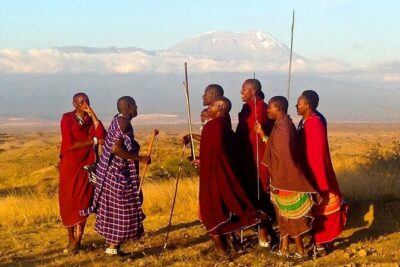
Maasai village visit and Chemka hot-springs with hot lunch.
Read our review →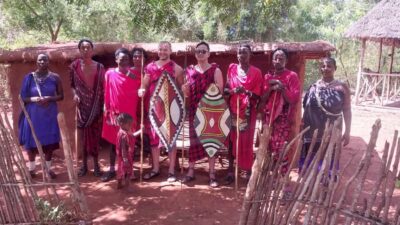
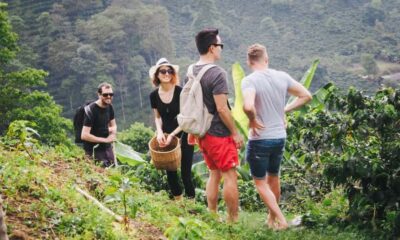
Maasai Village Visit, Waterfalls, & Coffee Tour
Read our review →Browse the lists this tour appears in