

Reviewed · HISTORICAL TOURS
Arusha Guided Walking City Tour, Culture, Lifestyle & History
Arusha opens up on foot. This four-hour city tour connects colonial history, local culture, and daily life in a compact route through central Arusha. I like the low $26 price, and I like that the tour includes both major sights and ordinary city streets rather than keeping you inside a vehicle. The guide Israel receives repeated praise for his clear English, friendly manner, and detailed knowledge of Tanzania.
The main thing to consider is that this is not always a pure walking tour. You may use a tuk-tuk or car between some stops, especially when moving across town. The schedule can also vary from about two and a half to six hours, so ask about the day’s plan if you need a firm finish time.
In This Review
- Key points to know before you book
- Why a city walk helps you understand Arusha
- Old Boma: German fort, museum, and city starting point
- Tanzanite: learn before you shop
- Arusha Clock Tower and the city center
- Maasai Market: useful shopping with a little patience
- Cultural Heritage Centre: art from Tanzania and Africa
- What the walking and transport balance is really like
- The guide can make or break this experience
- Is $26 a good value?
- Who should book this Arusha tour?
- Should you book it?
- FAQ
- How long does the Arusha city tour take?
- How much does the tour cost?
- Is hotel pickup included?
- Is the tour entirely on foot?
- Is admission to the museums included?
- How large can the group be?
- Can I cancel for a full refund?
Key points to know before you book
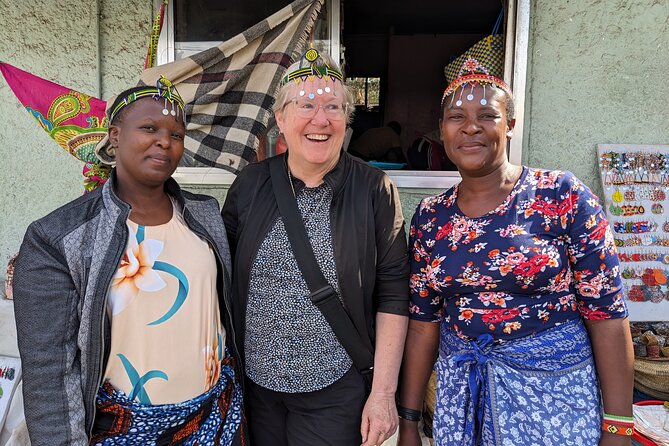
- Israel is the guide most often praised: He is described as energetic, easy to understand, friendly, and proud of Tanzania.
- Old Boma adds real historical context: The former German fort now holds displays on human evolution, Arusha’s early history, and wildlife.
- The route mixes walking with short rides: Pickup is offered for hotels near the city center, and some groups use a tuk-tuk or car.
- Tanzanite is a central highlight: You learn how the rare blue-violet stone is mined, cut, polished, and sold.
- Markets make the tour practical: The Maasai market and Cultural Heritage Centre are useful places to see crafts and shop for souvenirs.
- The price is strong for a half-day: At $26 per person, the tour includes the guide, Tanzanite museum, African art gallery, and central pickup and drop-off.
Why a city walk helps you understand Arusha
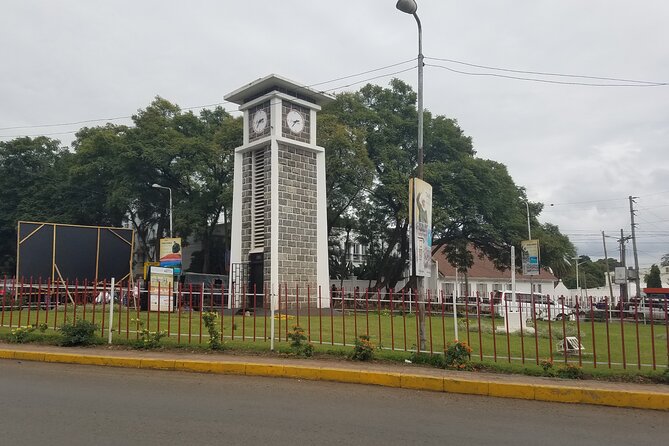
Arusha is often treated as a starting point for safaris and Kilimanjaro trips. That is a shame. The city has its own story, and a guided walk helps you see more than a hotel, a safari vehicle, and the road out of town.
This tour gives you a quick introduction to Arusha’s public buildings, colonial past, religious and cultural life, markets, art, and local business. You will pass the headquarters of the East African Community, the international conference building, and a large public hospital before reaching the Old Boma area. Those stops help place Arusha in its modern regional role.
The pace is useful for a first day in town. You get enough structure to avoid wandering without a plan, but the route still leaves room for street scenes, shop windows, traffic, and the everyday movement of central Arusha. I would use it near the beginning of a Tanzania trip, especially if you want context before heading into the countryside.
The group limit is 19 people. That is small enough for a guide to address the group, though the experience may feel less personal when it fills. If your group is small, you will likely have an easier time asking questions at the museums and markets.
More Historical Tours in Arusha
- Materuni Waterfalls & Coffee making Cultural Tour | BURIGI CHATO SAFARIS LTD
★ 5.0 · 15 reviews - Marangu waterfall & Coffee making Cultural Tour | BURIGI CHATO SAFARIS CO LTD
★ 5.0 · 12 reviews - Arusha: City Walking Tour Historic and Modern Highlights
★ 4.5 · 12 reviews
Old Boma: German fort, museum, and city starting point
The Old Boma Museum is the strongest historical stop. The building was constructed by the Germans during the colonial period as a fort, and it is described as the oldest building in Arusha. Today it operates as the National Natural History Museum.
You can expect three permanent displays and three temporary displays. The permanent sections cover three very different subjects:
- Human evolution, with replica fossils, tools, and information about the oldest footprint found in East Africa
- The history of the Boma and Arusha from 1884 to 1919
- Ecology and wildlife photography
The human evolution display gives the tour a wider East African setting. You are not simply hearing dates about a fort. You are also looking at the long human story of the region, with replicas and tools that make the subject easier to follow.
The Boma history section is shorter, but important. It explains how the city developed during the German colonial period and gives meaning to the building around you. The wildlife photography display connects the city to the safari country that surrounds it.
Admission to the museum is not included. The stated fee is $6 per adult, so bring that extra amount. At 45 minutes, this is the longest museum stop and one of the places where Israel’s explanations can add real value. A solo participant specifically praised his command of Tanzanian history, while other reports describe his explanations as clear and detailed.
Tanzanite: learn before you shop
The Tanzanite Experience lasts about 30 minutes and admission is included. It is one of the more distinctive stops because Tanzanite is mined only in Tanzania. The display explains why the stone is considered exceptionally rare, along with the work involved in mining, cutting, and polishing it.
You will also hear the stories and myths linked to Tanzanite. The stone’s blue and violet color is the main attraction, but the useful part of the visit is learning how much skill is needed to turn a rough stone into a finished piece.
There is a shop inside the museum. Prices are given from about $100 to $3,000 and higher, depending on the stone and item. You are not required to buy anything. That matters, since a short educational visit is different from being taken straight into a salesroom with no context.
My advice is simple: enjoy the museum first, then decide if you want to shop. Bring cash if you plan to make purchases, since money for souvenirs is not included. Also remember that the tour price covers entry to the museum, not any Tanzanite you may buy.
Arusha Clock Tower and the city center
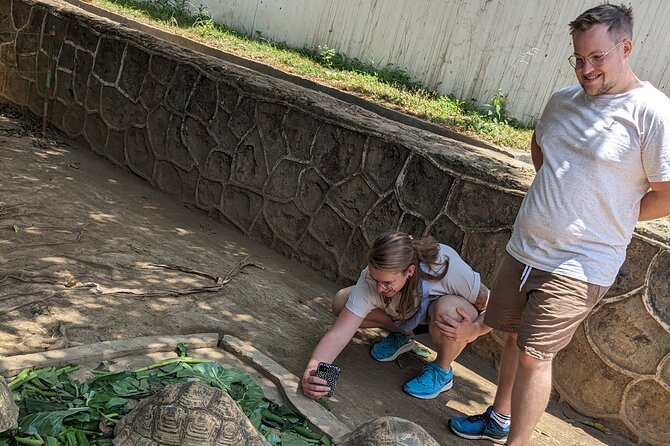
The Clock Tower stop takes about 15 minutes. It is known as a meeting point in Arusha and gives you a clear reference for the city center.
The tower was built by Galanos, a Greek millionaire who came to Tanganyika in the early twentieth century. Local explanations also connect its position with Cairo, Cape Town, Tanzania, Kenya, and Uganda. Treat that geographic story as part of the site’s local lore and interpretation rather than the main reason to visit.
The stop is brief, but it works well between the museums and markets. From here, the walk continues toward one of the oldest hotels and schools built during the colonial period. This is where the tour shifts from formal history to the shape of the living city.
Do not expect a long monument visit. The value is in hearing why the tower matters to local people and seeing how central Arusha works as a meeting place.
More Walking Tours in Arusha
- 7-Day Private Tanzania Safari with Sunset Walking on the Crater Rim and Maasai
★ 5.0 · 40 reviews - 4 Days lodge safari Tarangire , Ngorongoro crater & Walking
★ 5.0 · 39 reviews - Tanzania – Arusha NP – Private Guided 4×4 Safari – Game Drive & Walking
★ 5.0 · 30 reviews - Private Walking Tour with Giraffes
★ 5.0 · 18 reviews
Maasai Market: useful shopping with a little patience
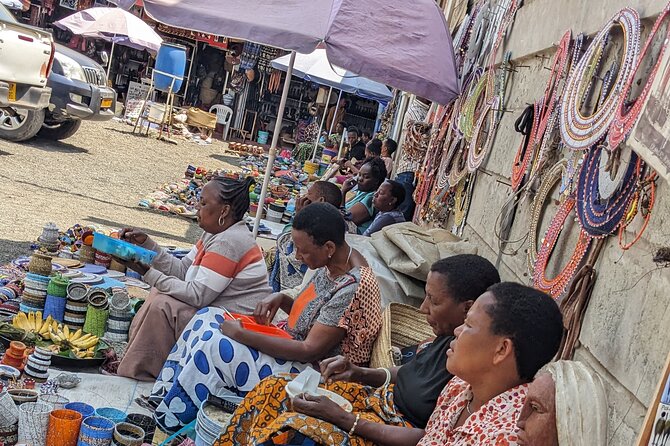
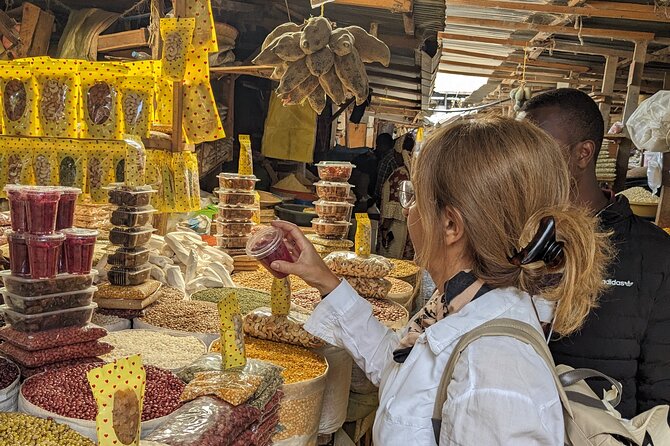
The Maasai Market is an open-air craft market with a broad selection of souvenirs. You might find African pots and pans, safari shirts, fabric clothing, Tanzania jerseys, Maasai shoes and sandals, jewelry, necklaces, bags, Shuka blankets, and artwork.
This stop lasts about 25 minutes, so it is enough for a first look and perhaps a small purchase, but not a relaxed shopping session if you want to compare every stall. I would decide before arriving whether you are browsing, buying gifts, or simply seeing the market. That helps you use the limited time well.
The market is also a practical place to learn about bargaining and local retail customs, though the supplied tour details do not set out a specific bargaining policy. Your guide can help you move through the area and understand what you are seeing. One solo woman described feeling comfortable with the guide’s help around busy streets and markets, which is useful if you are new to Arusha.
Carry cash for purchases. Souvenir money is not included, and the tour price covers the guide and listed admissions rather than shopping. Keep your buying simple if you have a later safari or flight, since bulky crafts may be awkward to carry.
Cultural Heritage Centre: art from Tanzania and Africa

The Cultural Heritage Centre is the largest art stop, lasting around 40 minutes. It is described as one of the biggest art galleries in Africa, with works from different parts of Tanzania and other African countries.
This is a good contrast to the open-air Maasai market. The market shows everyday shopping and handmade goods in a direct setting. The Cultural Heritage Centre gives you a more organized place to look at art, sculpture, and decorative work.
There is also a shop, so you can continue browsing for souvenirs. You do not need to buy anything to benefit from the visit. If you are looking for one substantial piece rather than several small gifts, this is the stop where you may want extra time.
The tour allows about 40 minutes here. That is enough for an introduction, but art lovers may wish to ask if they can extend the visit or return independently. The included cost covers the African art gallery and Cultural Heritage Centre entry.
What the walking and transport balance is really like
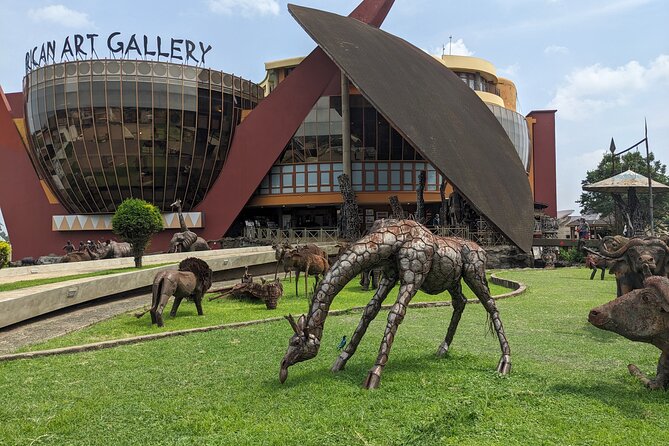
The name suggests four hours entirely on foot, but actual reports describe a mix of walking and short rides. One person was collected at a hotel and taken by tuk-tuk to the first sight. Another account says the group was driven close to most locations and walked between some stops.
That is not necessarily a weakness. Arusha’s central streets can be busy, and short rides save energy while allowing the guide to connect sights across a wider area. It also makes the tour more practical for people who want a city introduction without committing to a full day on foot.
Still, set your expectations correctly. If you specifically want continuous walking, ask in advance how much walking is planned for your date. The included details give a general range from two and a half to six hours, although the headline duration is about four hours. That variation may reflect pickup time, traffic, shopping, group pace, or extra stops.
Pickup and drop-off are offered for hotels near the city center. The tour is also near public transportation. Transfers beyond the stated arrangement and any additional tour after the city walk are not included.
The guide can make or break this experience
The clearest strength is the guiding. Israel is named repeatedly and receives especially warm praise for his English, energy, friendliness, and ability to explain Tanzania’s past and present.
That matters on a city tour. A museum label can tell you when a building was constructed. A good guide can explain why the building still matters, how Arusha fits into Tanzania, and what you are seeing in the street outside. Israel is also praised for helping people feel comfortable around busy roads and markets.
You should not assume Israel will be the guide for every departure, since the tour information identifies a professional local guide rather than promising one named person. If having him matters to you, request him when booking and confirm availability.
The tone appears personal rather than formal. Several people described feeling that Israel was easy to talk to and that his pride in his country came through. That is valuable if you want to ask about culture, daily life, language, or local customs instead of hearing a memorized speech.
Is $26 a good value?
At $26 per person, this is a strong-priced introduction to Arusha. The fee includes a professional local guide, the Tanzanite museum, the African art gallery and Cultural Heritage Centre, and pickup and drop-off for hotels near the city center.
You still pay $6 per adult for the Old Boma Museum. Food, drinks, accommodation, souvenirs, tips, and any added tour are also separate. Those exclusions are reasonable, but you should add the museum fee and possible shopping costs when planning your budget.
The value depends on what you want. If you only want a short orientation around the clock tower, you could arrange that more cheaply on your own. But the tour becomes better value when you count the guide’s historical explanations, the Tanzanite visit, two craft and art markets, and the convenience of connecting several areas in one half-day.
The average booking point is about 30 days ahead. That suggests you should reserve early if your Tanzania schedule is tight, particularly if you hope to request a specific guide or need a particular date.
Who should book this Arusha tour?
I would recommend it to first-time visitors who have only a short stay in Arusha and want more than a hotel-to-safari transfer. It also suits solo visitors, couples, and small groups who want help with busy streets and markets.
History fans will appreciate the Old Boma and the colonial-era context. Shoppers will like the Maasai market and Cultural Heritage Centre. Anyone curious about Tanzanite gets a useful introduction without paying extra for the museum entry.
The tour may be less suitable if you dislike shopping stops, want a quiet private experience, or expect four hours of uninterrupted walking. The group can reach 19 people, and the exact mix of walking and vehicle transport can vary.
Free cancellation is available if you cancel at least 24 hours before the local start time. Cancellations inside that window are not refunded, and changes made within 24 hours are not accepted.
Should you book it?
Book this tour if you want a friendly, affordable introduction to Arusha with real local explanation. The strongest reasons are Israel’s highly praised guiding, the Old Boma’s unusual mix of colonial and human evolution displays, and the chance to see both working markets and formal African art in one outing.
Skip it if you want a strictly walking-based tour or have no interest in museums, crafts, or shopping. Otherwise, $26 buys a useful first look at a city that many people rush past on their way to the safari gate.
FAQ
How long does the Arusha city tour take?
The main duration is approximately four hours. The included details also give a possible guided duration from two and a half to six hours, so you should confirm the expected schedule when booking.
How much does the tour cost?
The price is $26 per person. The Old Boma Museum charges an additional $6 per adult.
Is hotel pickup included?
Pickup and drop-off are included for hotels near Arusha city center. Transfers outside the stated arrangement are not included.
Is the tour entirely on foot?
No. The tour includes walking, but some departures use a tuk-tuk or car between locations. Ask about the walking and driving balance for your date if this matters to you.
Is admission to the museums included?
Admission to the Tanzanite museum and the African Art Gallery and Cultural Heritage Centre is included. The Old Boma Museum fee is separate.
How large can the group be?
The maximum group size is 19 people.
Can I cancel for a full refund?
Yes. You can receive a full refund if you cancel at least 24 hours before the experience start time. Cancellations or changes made less than 24 hours before the start time are not accepted, and the amount paid is not refunded.
More Walking Tours
- Street Food and Community Walking Tour
★ 5.0 · 12 reviews - Coffee walk day trip
★ 5.0 · 10 reviews - 7 Days Tanzania Luxury Safari Experience & Coffee Walking Tour
★ 5.0 · 6 reviews - Waterfall & Coffee Walking Tour
★ 5.0 · 6 reviews
More Historical Tours
- Arusha City Culture and Historical Walking Tour
★ 5.0 · 8 reviews - 24 Hours in Arusha—Arusha Museum, Cultural Heritage, Maasai Market, Shanga
★ 5.0 · 4 reviews - Arusha: Cultural Heritage, Tanzanite Tour
★ 5.0 · 3 reviews - Zanzibar: Stone Town Historical Cultural Walking Guided Tour
★ 4.5 · 179 reviews
Just added around Arusha
- 5 Days Safari Tarangire, Serengeti, and Ngorongoro Crater★ 5.0 · 3 reviews
- Love lives in Africa★ 5.0 · 3 reviews
- 5 Days of Safari, Culture & Hot Springs – Tour from Arusha★ 5.0 · 3 reviews
- Arusha National Park Safari by Jeep★ 4.5 · 3 reviews
- 5Days Family _Group Tour Lodging Mid-Range in the Jungle★ 5.0 · 3 reviews
- 2 Days Tarangire and Ngorongoro Crater Tour★ 5.0 · 3 reviews
- Serengeti & Ngorongoro 3 Days Budget Safari★ 5.0 · 3 reviews
- 7 Days PRIVATE Best of Tanzania Safari *Departing everyday*★ 5.0 · 3 reviews
Historical Tours, compared.

Stone Town Historical Cultural Walking Guided Tour
Read our review →
Stone Town’s Hidden History: Private Guided Walking Tour
Read our review →


Zanzibar Stone Town Tour: Explore Rich History and Hidden Wonders
Read our review →Browse the lists this tour appears in