
Reviewed · PRIVATE TOURS IN ARUSHA
Private Multi-Day Tour in Tanzania Safari
Wild country rewards patient eyes. This private seven-day safari links Lake Manyara, Serengeti, Ngorongoro Crater, and Tarangire in one strong wildlife circuit from Arusha. I like the private 4 x 4 setup, which gives your group a more personal ride, and I like the mix of famous animals, birdlife, baobabs, and Oldupai Gorge. The $6,950 price is substantial, and one serious concern is the provider’s uneven financial record, so I would confirm payment and operating details before booking.
The route offers excellent variety without asking you to plan separate park permits, meals, and transfers. You can expect long driving days, picnic lunches, early starts, and plenty of time in the parks. The best guide experience may depend heavily on who you receive: David earned especially strong praise for his guiding, while another booking linked to the same company ended in a difficult dispute over money.
In This Review
- Key points to know before booking
- Four parks, one ambitious week
- Day 1: Lake Manyara brings a gentle start
- Day 2: From Manyara to the open Serengeti
- Days 3 and 4: Give the Serengeti time
- Ngorongoro Crater: Wildlife inside a volcano
- Day 5: A full crater floor safari
- Day 6: Tarangire changes the mood again
- Day 7: A final morning and the return to Arusha
- What the $6,950 price really covers
- The guide can shape the whole week
- Who should choose this Tanzania safari?
- Should you book it?
- FAQ
- Where does the safari begin?
- How long is the safari?
- Which parks and protected areas are included?
- Is this a private tour?
- What meals are included?
- Can I request a specific guide?
- What is the cancellation policy?
Key points to know before booking
- Four major safari areas in seven days: You visit Lake Manyara, Serengeti National Park, Ngorongoro Conservation Area, and Tarangire National Park.
- A private 4 x 4 safari Jeep: Your group has the vehicle and activity to itself, rather than joining a large shared departure.
- Strong wildlife variety: Expect chances to see elephants, lions, zebras, wildebeest, giraffes, hippos, flamingoes, baboons, and perhaps black rhinos.
- Early mornings and long road days: The schedule includes dawn starts, picnic meals, and several substantial drives between parks.
- Meals are largely covered: Six breakfasts, six dinners, and seven lunches are included.
- Guide choice matters: If possible, request David, who received the warmest personal praise for finding animals and making the safari memorable.
Four parks, one ambitious week
I like the basic design of this safari. In seven days, you see four of northern Tanzania’s best-known wildlife areas, and each has a different character.
Lake Manyara brings water, forest, open grassland, and birdlife. The Serengeti gives you wide plains and the classic big-animal experience. Ngorongoro Crater compresses wildlife into a dramatic volcanic setting, while Tarangire adds elephants and baobab trees.
That variety is the main reason to consider a private multi-day trip instead of a shorter park visit from Arusha. You are not placing all your hopes on one area. If one day produces fewer cats, another park may offer elephants, birds, or a striking view instead.
The tradeoff is pace. You spend part of several days on the road, and this is not a relaxed lodge-based holiday with long afternoons by a pool. You are trading ease for range.
More Private Tours in Arusha
- Private 6-Day Tarangire Manyara Crater and Serengeti with Mid-Range Lodges
★ 5.0 · 238 reviews - 5 Days Budget Private Safari, Tanzania
★ 5.0 · 191 reviews - 5-Day Private Northern Tanzania Safari from Arusha
★ 5.0 · 182 reviews
Day 1: Lake Manyara brings a gentle start
Pickup is scheduled for 7:30 a.m. from an Arusha area hotel, airport, or residence. The first drive passes through Maasai country, with changing vegetation and climates along the way.
Lake Manyara is a compact park, which makes it a useful first stop. You can settle into the safari vehicle without immediately facing one of the huge distances found in the Serengeti. The park is known for its lake, pink flamingoes, pelicans, eagles, storks, and other birdlife.
The main animal search includes impala, warthog, elephant, giraffe, and baboons. The famous prize is the tree-climbing lion. You may see them resting in branches, but wildlife is never a promise, and the wording of the program properly treats this as a possibility rather than a guarantee.
A picnic lunch is part of the day. That sounds simple, but it matters. You are not leaving the park for a restaurant, so the drive can keep its focus on wildlife and scenery. The listed park time is about three hours, though the full day includes the journey from Arusha.
Lake Manyara works well as an opening chapter because it offers a little of everything. Do not expect the enormous open spaces of the Serengeti here. Its appeal comes from variety packed into a smaller area.
Day 2: From Manyara to the open Serengeti
The second morning starts early, with the first light and birdsong setting the rhythm. An approximately two-hour morning session at Lake Manyara gives you another chance at wildlife before breakfast and the long drive onward.
You then head toward Serengeti National Park, stopping for a safari breakfast and later a picnic lunch. The listed Serengeti portion is about four hours, but the day also includes the transfer. This is one of the schedule’s demanding sections, so I would prepare for a full day in the vehicle.
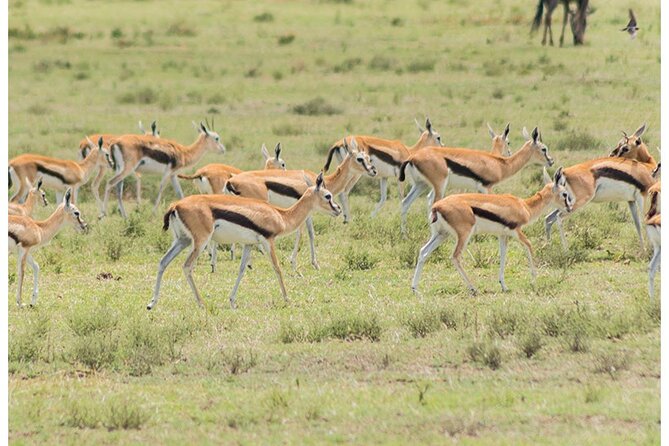
The Serengeti changes the scale completely. Instead of a compact park with lake and forest, you reach broad grasslands where wildebeest, zebra, gazelle, impala, buffalo, lions, and leopards may appear across a much wider view.
This is the setting many people picture when they think of an African safari. The name comes from the Maasai phrase siringet, meaning endless plains. That description is not an advertising trick. The sense of space is one of the park’s great pleasures, even when animals are not close to the road.
The downside is that large open country can make sightings feel spread out. You may spend time scanning the grass before your guide spots something. That patience is part of the experience, not wasted time.
Days 3 and 4: Give the Serengeti time
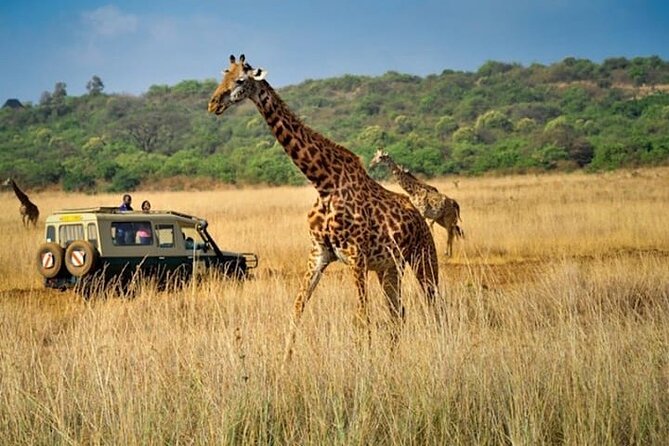
Day 3 provides about six hours of game driving in the Serengeti, with lunch breaking up the day. This is valuable because a single afternoon can give you only a quick first impression. A fuller day lets you search different areas and watch how animal activity changes over the hours.
The expected range includes monkeys, baboons, wild dogs, and honey badgers, along with the more familiar lions, leopards, wildebeest, zebras, gazelles, and buffalo. Forested areas and winding waterways may bring hippos and crocodiles.
The park also has around 500 bird species, so you do not need to be interested only in large mammals. The program’s list is broad, and actual sightings will depend on conditions, timing, and luck. A good guide can help turn a quiet stretch into an interesting one by explaining tracks, behavior, and smaller species.
Day 4 begins with another possible early morning outing. Dawn is a smart time for a game drive because the changing light gives the plains their best color, and the schedule leaves room to search before breakfast.
After the morning, you set out toward the Ngorongoro area. Oldupai Gorge is the cultural and archaeological pause along the way. Important early human artifacts were found here, and the site adds a human story to a trip otherwise focused on animals.
This day mixes wildlife, ancient human history, and a major change in scenery. It is also another long transfer day. If you prefer an easygoing schedule, the repeated early starts and road time may wear you down by now.
More Safaris in Arusha
- Serengeti Balloon Safari and authentic bush breakfast
★ 5.0 · 2,480 reviews - Balloon Safari & Bush Breakfast in Serengeti – Miracle Experience
★ 5.0 · 1,646 reviews - 4 Days Group Camping Safari
★ 5.0 · 1,101 reviews - 5 Days Group Camping Safari
★ 5.0 · 730 reviews
Ngorongoro Crater: Wildlife inside a volcano
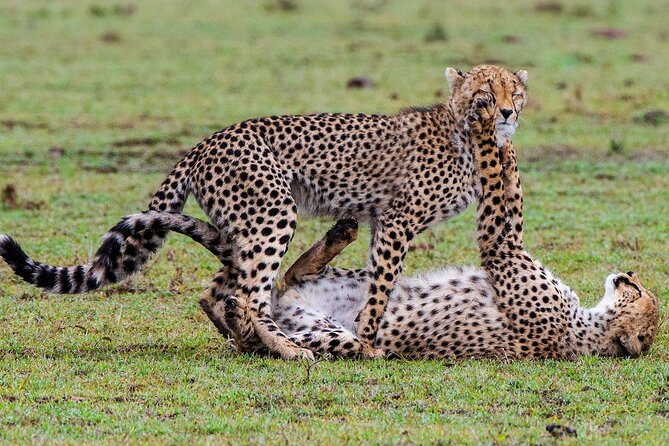
Ngorongoro Crater is the dramatic center of the second half of the trip. It is the world’s largest intact volcanic caldera, with grassland, marsh, acacia woodland, and a large animal population within its walls.
The route reaches the crater rim after Oldupai Gorge, with a listed visit of about five hours in the conservation area before the main crater drive on Day 5. From the rim, you look down into a contained natural world of lions, elephants, gazelles, zebras, and other animals.
The appeal is visual as well as zoological. You get a strong sense of place immediately, rather than simply passing through another open plain. The crater’s enclosed shape also makes it feel different from the Serengeti, even though both offer classic safari wildlife.
An optional visit to a nearby Maasai boma is available. This can add local cultural context, but it is not part of the core wildlife program. Ask what the visit includes and what extra cost, if any, applies before agreeing to it.
Day 5: A full crater floor safari
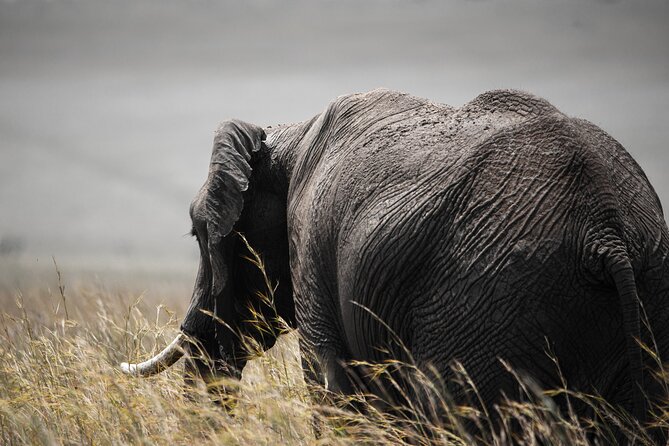
After breakfast, you descend the crater wall into the caldera. The listed game drive lasts about six hours, with a picnic lunch during the day and an afternoon climb back out.
The crater floor includes grasslands, marshes, and acacia forest. It is particularly noted for predator sightings, with lions and leopards among the main targets. You may also search for endangered black rhinos, pink flamingoes, golden jackals, and hippos.
This is likely to be one of the most rewarding days for anyone who wants a high concentration of animal possibilities in a striking setting. At the same time, the crater can feel busier than the wider Serengeti simply because its animal zone is more contained. The supplied information does not give a vehicle limit or crowd estimate, so you should not assume a quiet, private-feeling view at every sighting.
A picnic in the crater keeps you out for the full day. Follow the guide’s instructions closely around animals, especially near water and large mammals. This is a wildlife outing, not a zoo visit, and the animals decide the schedule.
Day 6: Tarangire changes the mood again
The morning begins with breakfast and a transfer toward Tarangire National Park. The first Tarangire section is listed at about two hours, followed by roughly four hours in the park, with lunch along the way.
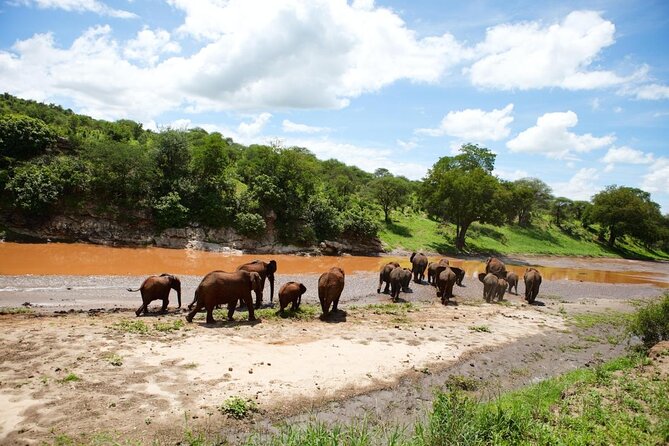
Tarangire is known for elephants, with the program describing more than 3,000 in the park. Lions are also possible. The park’s other visual signature is the baobab tree, with thick trunks and short branches rising above the savannah.
After the open Serengeti and enclosed Ngorongoro Crater, Tarangire gives the trip a useful final change of scenery. Elephants are the headline attraction, but the trees make the park memorable even during a slower animal period.
The timing may feel short compared with the Serengeti and crater days. Still, a half-day visit can work well after several demanding drives. You get an important wildlife stop without adding another full day to an already packed schedule.
Day 7: A final morning and the return to Arusha
The last day begins with breakfast at Tarangire, followed by about five hours on the road back. A lunch stop at a comfortable restaurant breaks up the drive.
There is no major new park listed for this day, so think of it as a return and reflection day rather than another full safari. You may still have a final morning look at Tarangire before leaving, but the schedule does not promise a separate extended game drive.
This final road stretch is worth considering when planning flights or onward travel. The tour offers pickup at an Arusha area hotel, airport, or residence on Day 1, but the provided details do not state an exact return time on Day 7. I would avoid booking a tight same-day flight without confirming the expected arrival time.
What the $6,950 price really covers
At $6,950 per person, this is a major purchase. The value comes from the private format, park-to-park planning, meals, safari vehicle, and access to four important wildlife areas in one week.
Included meals are six breakfasts, six dinners, and seven lunches. That covers the food listed for the full seven-day schedule, including picnic lunches during game drives. The price does not include bicycle use, though that is unlikely to be central to a safari built around a 4 x 4 vehicle.
The private arrangement can justify a higher cost if you value having only your own group in the activity. You avoid being tied to strangers’ preferred pace and can focus the guide’s attention on your party. The value is weaker if you wanted a slower trip with fewer transfers or if your group is very small and the per-person rate stretches the budget.
Because one serious complaint involved money and a safari operation that failed to pay for services, I would take financial checks seriously. Confirm the final inclusions, payment schedule, accommodation details, and who is responsible for park fees before sending a large payment. Free cancellation is offered up to 24 hours before the start time, but that policy should not replace careful checks before booking.
The guide can shape the whole week
A safari vehicle is only part of the experience. The guide affects how well you understand the animals, how patiently you search, and how smoothly the long drives feel.
David received especially strong praise for guiding a memorable trip and helping a group see all five of the Big Five: lion, leopard, elephant, buffalo, and rhino. You can request him when booking, though the information does not guarantee that he will be available.
The wider feedback is mixed. Positive experiences describe friendly, capable drivers and successful wildlife sightings, including the Great Migration and Big Five on longer Kenya and Tanzania routes. One separate and serious account describes a payment dispute and the need for police involvement in Nairobi. That issue is too important to ignore, even though it does not tell you exactly how this seven-day Arusha departure will operate.
I would ask for the guide’s name, the vehicle details, the accommodation plan, and a written list of inclusions. Those questions are not fussy. They are sensible for a $6,950 safari.
Who should choose this Tanzania safari?
I would recommend this route to you if you want the classic northern Tanzania circuit and prefer a private vehicle. It suits people who want lions and elephants but also care about flamingoes, baobabs, birds, Oldupai Gorge, and the Maasai connection.
It also suits first-time safari visitors who want a single company to organize transport, meals, park visits, and the broad route. The itinerary gives you a clear progression from Manyara to Serengeti, Ngorongoro, and Tarangire.
I would hesitate if you dislike early mornings, picnic meals, or long drives. The week has several demanding transfer sections, and the program does not provide detailed accommodation information, so you should ask about sleeping arrangements before committing.
Should you book it?
This is an appealing route with excellent park variety and a useful private setup. The strongest reasons to book are the four major wildlife areas, the full meal coverage, and the chance to request David.
My advice is to book only after confirming the operator’s current financial and logistical position in writing. If those answers are clear, this safari can offer a broad, memorable introduction to Tanzania. If the payment arrangements feel vague, choose a different provider, even if the route itself looks perfect.
FAQ
Where does the safari begin?
Pickup is offered from an Arusha area hotel, airport, or residence. The listed start time is 12:00 a.m., while the Day 1 pickup instruction gives 7:30 a.m., so confirm your exact pickup time before departure.
How long is the safari?
The experience lasts approximately seven days.
Which parks and protected areas are included?
The route includes Lake Manyara National Park, Serengeti National Park, the Ngorongoro Conservation Area, and Tarangire National Park.
Is this a private tour?
Yes. Only your group participates in the private tour or activity.
What meals are included?
The package includes six breakfasts, six dinners, and seven lunches.
Can I request a specific guide?
You can request David when booking. He received especially strong praise for his guiding, but availability is not guaranteed in the provided information.
What is the cancellation policy?
You can cancel up to 24 hours before the experience starts for a full refund. Cancellations or changes made less than 24 hours before the start time are not accepted for a refund. Poor weather or failure to meet the minimum number of participants may lead to another date, another experience, or a full refund.
More Safaris
- 3 Days Serengeti & Ngorongoro Group Camping Safari
★ 5.0 · 574 reviews - 7-Day Premium Luxury Tanzania Safari All-Inclusive
★ 5.0 · 426 reviews - 3-Day Classic Serengeti Safari
★ 5.0 · 263 reviews - 8 Days Great Wildebeest Calving Migration Safari from Arusha
★ 5.0 · 254 reviews
Just added around Arusha
- 5 Days Safari Tarangire, Serengeti, and Ngorongoro Crater★ 5.0 · 3 reviews
- Love lives in Africa★ 5.0 · 3 reviews
- 5 Days of Safari, Culture & Hot Springs – Tour from Arusha★ 5.0 · 3 reviews
- Arusha National Park Safari by Jeep★ 4.5 · 3 reviews
- 5Days Family _Group Tour Lodging Mid-Range in the Jungle★ 5.0 · 3 reviews
- 2 Days Tarangire and Ngorongoro Crater Tour★ 5.0 · 3 reviews
- Serengeti & Ngorongoro 3 Days Budget Safari★ 5.0 · 3 reviews
- 7 Days PRIVATE Best of Tanzania Safari *Departing everyday*★ 5.0 · 3 reviews
Private Tours in Arusha, compared.

Private 6-Day Tarangire Manyara Crater and Serengeti with Mid-Range Lodges
Read our review →
5-Day Private Northern Tanzania Safari from Arusha
Read our review →
5-Day Private midrange Tour in Arusha with Airport Pickup
Read our review →
3 Days Private Safari – manyara, Ngorongoro & Tarangire
Read our review →
5-Day private Camping Safari Tour in Tanzania
Read our review →
serengeti, ngorongoro & tarangire 5days private tour
Read our review →Browse the lists this tour appears in