
Reviewed · STONE TOWN TOURS
Private Tour Zanzibar Unique Stone Town with spice Farm Plantations
Zanzibar’s past is written in its doors and spices. I like the way this private tour joins Stone Town’s layered history with a hands-on farm visit, rather than treating the city and countryside as separate worlds. I also like the personal touch: guides such as Masoud and Hanoud are praised for clear English, humor, local insight, and patience with older family members. The main drawback is practical: hotel pickup is not included, so you must reach the meeting point near the Slave Market Exhibition Museum.
At about $61 per person, this is a useful half-day introduction if you want your first look at Zanzibar to include both culture and agriculture. The walk lasts two to three hours, followed by about two hours at a spice farm, so expect plenty of time on your feet. Traffic into Stone Town can also affect the day, making a working phone and a little schedule flexibility wise.
In This Review
- Five things to know before you go
- Why this five-hour combination works
- Starting at the Slave Market Exhibition Museum
- Stone Town’s narrow lanes and carved doors
- The Old Fort, House of Wonder, and local bazaar
- A short pause for coffee, tea, and shopping
- Kizimbani and the spice-farm experience
- Fresh tastes and the coconut climber show
- What $61 per person really covers
- Who will enjoy this tour most
- Practical details that make the day easier
- Should you book the Stone Town and spice farm tour?
- FAQ
- How long does the Zanzibar Stone Town and spice farm tour last?
- Where does the tour start and end?
- Is hotel pickup included?
- Is this a private tour?
- What is included in the price?
- Can I cancel for a full refund?
Five things to know before you go
- The tour combines two Zanzibar essentials: a guided walk through Stone Town and a visit to a working spice farm.
- Masoud is a frequently praised guide: his English, historical background, humor, and friendly manner are major strengths.
- The Slave Market, Old Fort, House of Wonder, doors, bazaars, and museums form the core of the city walk.
- The spice farm is hands-on: you can smell, taste, and try to identify cardamom, cinnamon, cloves, vanilla, nutmeg, ginger, turmeric, coffee, and other plants.
- The coconut climber show adds a lively local finish: a performer sings while climbing for coconuts.
- The tour is private: only your own group takes part, but you arrange your own way to the Stone Town meeting point.
Why this five-hour combination works
Stone Town and the spice farms explain two different sides of Zanzibar. The old city grew through Indian Ocean trade, with Swahili, Islamic, Arab, Indian, Portuguese, and later colonial influences visible in its buildings and streets. Outside town, the island’s famous spices connect daily farming with the trade that helped make Zanzibar widely known.
I like this pairing because it gives you a story with a beginning and an extension. In Stone Town, you see where goods, people, and ideas passed through the island. At the farm, you handle the plants that made Zanzibar’s name travel far beyond East Africa.
The private format matters here. A guide can slow down for your questions, adjust the walking pace, or spend more time on the places that interest you. Families have especially valued the flexibility, and Masoud has been praised for helping elderly parents enjoy the route without making them feel hurried.
The timing is fairly tight but workable. Two to three hours on foot in Stone Town, followed by two hours at the farm, fills most of the stated five-hour duration. Add traffic before the meeting point and you should avoid booking this too close to a flight, ferry, or other fixed appointment.
More Private Tours in Zanzibar
- Stone Town Private Walking Tour
★ 5.0 · 371 reviews - Zanzibar: 3 Hours Private Stone Town walking Tour with Guide
★ 4.6 · 301 reviews - Full-Day Private Stone Town +Spice Farm and Prison Island Tour
★ 4.5 · 216 reviews
Starting at the Slave Market Exhibition Museum
The stated meeting point is the Slave Market Exhibition Museum on Mkunazini Street, in the center of Stone Town. This is a sensible place to begin because the museum introduces one of the most painful parts of Zanzibar’s past before you walk through the streets shaped by that trade.
The tour presents the main slave market of East Africa as one of its key historical stops. This is not a light sightseeing subject, but it is central to understanding Zanzibar’s role in regional and Indian Ocean commerce. A good guide can help connect the site to the broader story of the city, rather than leaving you with isolated facts.
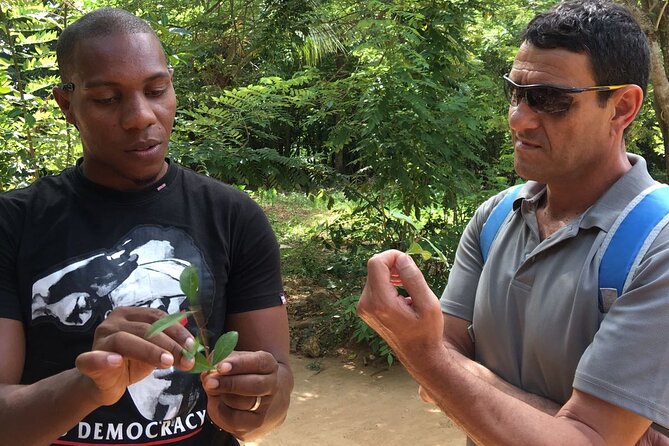
Masoud is the guide most often associated with this experience, while Hanoud is also praised for making people feel safe, relaxed, and included. The guide assigned to your group may vary, but the strongest pattern is clear: the human side of the guiding is a major part of the value.
Because the tour begins in a central area, you will need to plan your own arrival. Hotel pickup and drop-off are not included. The meeting point is near public transportation, but the supplied details do not specify which routes or fares to use, so check your location and allow time for city traffic.
Stone Town’s narrow lanes and carved doors
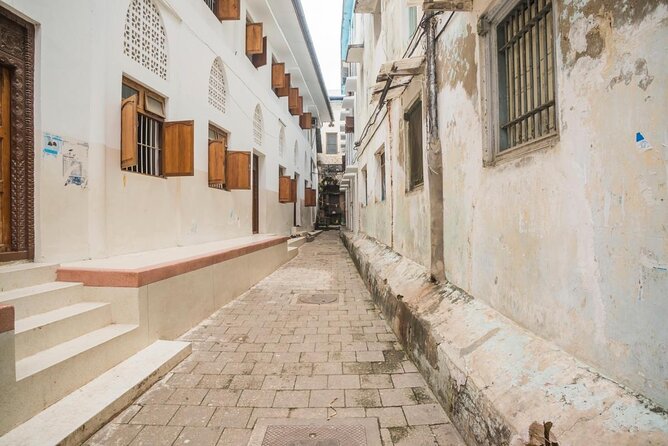
The walk through Mji Mkongwe, or Ancient Town, lasts around two to three hours. The pleasure is in the scale. You move through narrow lanes where an ornate door, a shaded passage, or a small shop can say as much about the city as a large landmark.
The Arabic and Indian-style doors deserve special attention. Their carvings and metal details reflect the wealth, customs, and outside connections of the families and merchants who lived in Stone Town. You will also pass antique shops, local stores, and places where shopping is part of the route.
I appreciate that shopping is built into the walk but does not appear to be the whole point. You can browse handmade items and local products, yet the guide remains focused on the places and stories around you. If you dislike shopping stops, make your preference clear at the start. In a private tour, your guide has more room to adjust the balance.
The walk is also a good chance to ask about present-day life. Several descriptions of Masoud’s guiding praise his ability to explain not only Zanzibar’s past but also how the city functions now. That combination helps you see Stone Town as a lived-in place, not simply an outdoor museum.
Wear comfortable shoes. The route is on foot, and the narrow streets reward looking up, down, and sideways. You will get more from the walk if you are willing to pause for details instead of treating it as a quick checklist of sights.
The Old Fort, House of Wonder, and local bazaar
The Portuguese fortress is another important stop. Its heavy walls offer a sharp contrast to Stone Town’s decorated doors and busy lanes. The fort helps show the strategic importance of Zanzibar and the conflicts that shaped control of the island.
The landmark House of Wonder is also included in the sightseeing route. Its name hints at its former importance, and its place near the waterfront makes it one of Stone Town’s most recognizable buildings. The tour gives you a chance to place this landmark within the larger story of the city, rather than simply stopping for a photograph.
A local bazaar brings the senses back to everyday commerce. You may see food, household items, and goods moving through the same kind of trading culture that has long defined Stone Town. The details can change from day to day, which is part of the appeal, though it also means the experience is less polished than a staged attraction.
The route includes local coffee or ginger tea. This is a small detail, but it can make a long walking tour feel more grounded. Ginger tea also fits the theme perfectly, linking a simple refreshment with the island’s spice culture.
More ways to see Stone Town:
- Zanzibar: Stone Town, Spice Tour, Prison Island with Lunch
★ 4.4 · 1,219 reviews - Zanzibar: Prison Island, Stone Town, & Spice Farm Tour
★ 4.5 · 579 reviews - Zanzibar; Prison Island, Nakupenda, StoneTown Tour with BBQ
★ 4.3 · 457 reviews - Zanzibar: Stone Town, Spice tour & Prison Island with Lunch
★ 4.6 · 453 reviews
A short pause for coffee, tea, and shopping
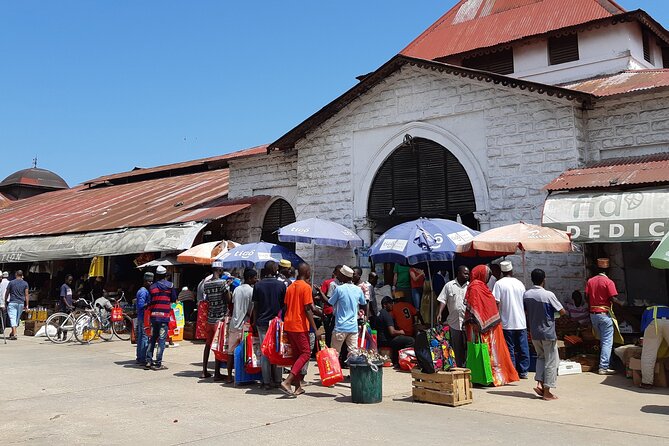
The refreshment stop is not presented as a full meal, so do not treat it as lunch. If you need substantial food during the five-hour outing, plan accordingly. Bottled water is included, which is helpful during the walking portion and the farm visit.
The shopping pause can be useful for gifts, especially if you want to buy local spices later at the farm. Still, compare prices and buy only what you genuinely want. A private guide can help explain products, but you should not feel obliged to purchase anything.
This is one of the areas where your own priorities matter. If you want photographs and architecture, ask for time around the doors and major buildings. If you want daily life and commerce, spend longer at the bazaar. The private setup makes those small choices easier than they would be in a large group.
Kizimbani and the spice-farm experience
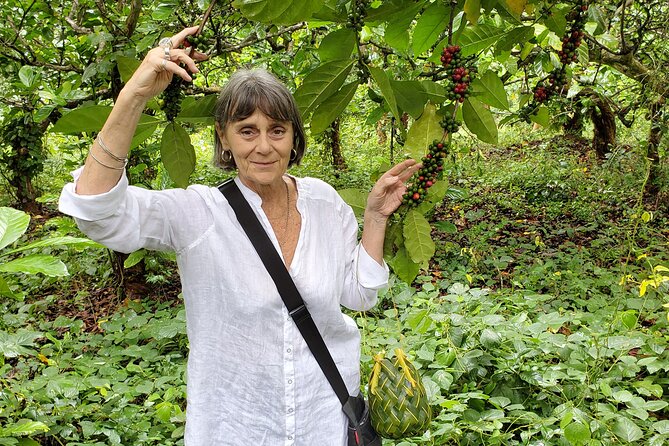
After Stone Town, the tour moves to a local spice farm, with about two hours devoted to plants, scents, tastes, and farming. Kizimbani Farms is identified in the tour details connected with this experience, giving the farm portion a specific local setting rather than a generic garden visit.
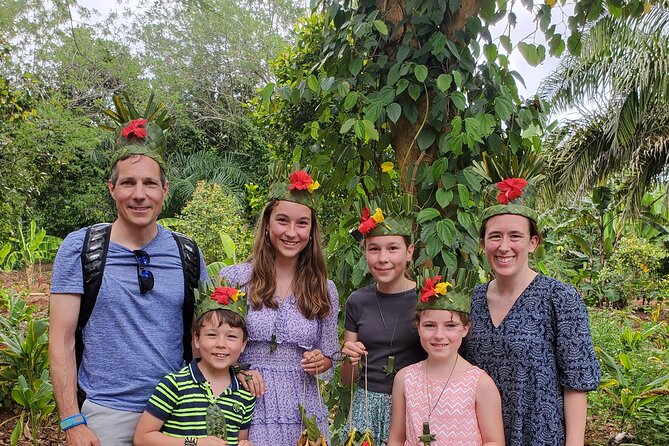
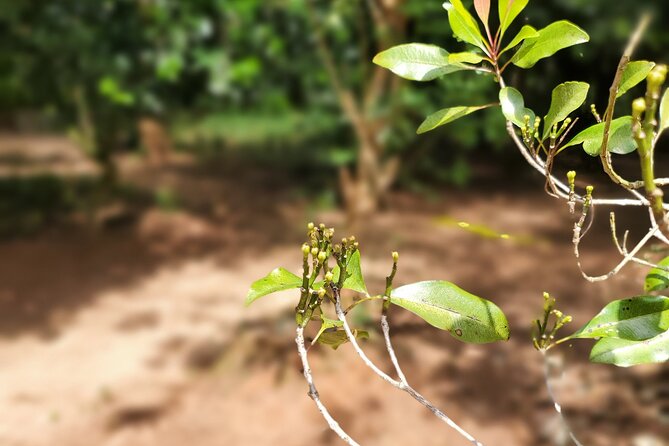
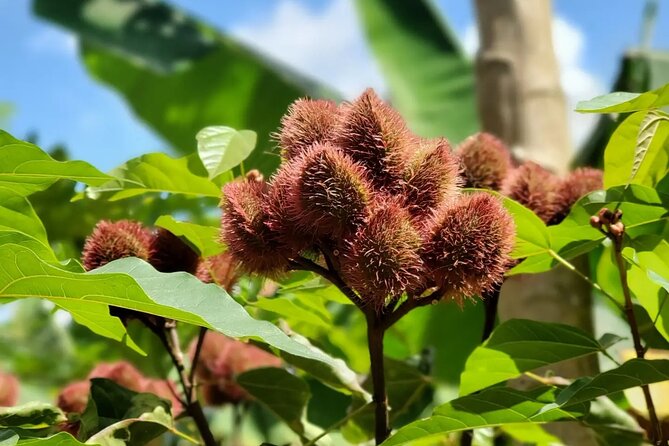
This is more engaging than looking at jars of powdered spice. You encounter plants in their growing form and learn how cardamom, cinnamon, cloves, vanilla, nutmeg, ginger, turmeric, coffee, and other products look and smell before processing.
A particularly enjoyable element is the guessing game. The guide or farm assistant picks fresh items, and you try to identify them by scent or taste. That simple activity turns a lesson into participation. Even if you know your cinnamon from your cardamom, the fresh plants can surprise you.
The farm also helps explain why spice matters to Zanzibar. You are not just collecting exotic names for a souvenir list. You are seeing agriculture connected to local work, food, trade, and the island’s identity.
The farm experience may feel less formal than a museum visit. That is a strength if you want contact with local production, but it also means conditions can be basic and the presentation can depend on the guide and farm staff. Go for the smells, the plants, and the explanations, not for a polished visitor center.
Fresh tastes and the coconut climber show

The spice portion includes opportunities to sample Zanzibar products made from the plants. Fresh fruit and thirst-quenching tastes have been singled out as enjoyable parts of the visit. The exact samples can vary, so approach them as part of the farm setting rather than a fixed tasting menu.
The coconut tree climber is the tour’s most theatrical moment. A performer climbs high into the tree while singing local songs and picking coconuts. It is a short show, but it gives the farm visit energy and connects the agricultural setting with local performance.
This is also a good photo opportunity, though you should stay aware of your surroundings and listen to the guide’s instructions. The show is entertainment, not a substitute for learning about farming, but it adds warmth to the final part of the day.
The last stop is a spice table where processed products are displayed. You can buy spices and other gifts here. Since personal purchases are not included in the price, bring a payment method that works for you and remember that buying is optional.
What $61 per person really covers
At $61 per person, the price is reasonable if you value a private guide and want both Stone Town and a spice farm in one outing. The fee includes the professional guide, bottled water, entrance fees, taxes, service fees, and tips or gratuity. That reduces the small extra charges that can make a half-day tour harder to judge.
The private format is the biggest value point. If you are traveling with family or friends, the cost buys your group a more personal pace and the chance to ask as many questions as you like. It is particularly useful when some people walk more slowly or want more historical explanation.
The price is less attractive if you are only interested in a quick look at Stone Town. You are paying for the combined experience, so skipping the farm would reduce the value. It is also not a door-to-door package, since transport to and from the meeting point is excluded.
Group discounts are available, though no specific discount amount is provided. If you have several people, check the final per-person total before booking. Since the activity is private, a larger group may make the cost easier to share, subject to the provider’s group terms.
Who will enjoy this tour most
I would choose this tour for a first visit to Zanzibar, especially if you want context before spending the rest of your holiday at the beach. It gives you architecture, difficult history, local commerce, farming, tastes, and a little performance in one compact day.
It suits families well because the guide can adapt the pace. It also works for couples, friends, and people arriving from mainland Tanzania who have only a limited amount of time. The private format lets you ask about subjects that matter to your group, from history and religion to spices and modern city life.
It may not suit you if you dislike walking, have a very tight schedule, or want a quiet, unstructured day. The city section is on foot, the farm adds more time outdoors, and traffic can affect the schedule. People who want a large commercial plantation with extensive facilities may also find this local farm visit more modest than expected.
Masoud’s English and communication skills receive especially strong praise, and his friendly style is repeatedly treated as part of the experience. Hanoud is also described as relaxed, funny, careful, and well informed about Stone Town, Zanzibar, and Prison Island. Guide assignment can vary, so consider the named guides a useful indication of the provider’s strengths, not a guarantee of who will lead your group.
Practical details that make the day easier
The booking confirmation is provided at the time of booking, and the activity ends back at the Stone Town meeting point. Since no hotel transfer is included, confirm exactly how you will reach the Slave Market Exhibition Museum before the day begins.
Most people can participate, but you should be comfortable with a two to three-hour city walk and another two-hour farm visit. Medical insurance is not included, and personal expenses are your responsibility.
The experience requires good weather. You can cancel for a full refund up to 24 hours before the start time. Cancellations or changes made within 24 hours are not refunded or accepted, and poor weather may lead to a different date or a full refund.
Keep your phone available. One account of the experience points out that traffic caused trouble before reaching Stone Town and recommends providing a mobile phone number. That is sound advice for any tour with a fixed meeting point and no included hotel pickup.
Should you book the Stone Town and spice farm tour?
Book it if you want an efficient, private introduction to Zanzibar and like the idea of connecting old trade routes with living agriculture. The strongest reasons are the two-part design, the flexible guide service, included entry fees, and the chance to see spices as plants rather than souvenirs in a packet.
I would be more cautious if you need hotel transport, cannot manage several hours of walking, or have an appointment soon after the tour. In those cases, the meeting point and traffic may create unnecessary stress.
For most first-time visitors with half a day available, this is a good-value choice. You get serious history, appealing architecture, local tastes, and a cheerful coconut-climbing finale without having to organize two separate excursions.
FAQ
How long does the Zanzibar Stone Town and spice farm tour last?
The experience lasts approximately five hours. The Stone Town walking portion takes about two to three hours, followed by about two hours at a local spice farm.
Where does the tour start and end?
It starts at the Slave Market Exhibition Museum on Mkunazini Street in Stone Town, Zanzibar. The activity ends back at the meeting point.
Is hotel pickup included?
No. Pickup and drop-off from your hotel are not included. You must arrange your own way to the meeting point.
Is this a private tour?
Yes. Only your own group participates in the activity.
What is included in the price?
The price includes an experienced professional guide, bottled water, entrance fees, taxes, service fees, and tips or gratuity. Personal expenses and medical insurance are not included.
Can I cancel for a full refund?
Yes. You can cancel at least 24 hours before the experience start time for a full refund. Cancellations or changes made less than 24 hours before the start time are not refunded or accepted. If poor weather causes the tour to be canceled, you will be offered another date or a full refund.
More Farms
- Zanzibar:Stone Town & Spice Farm Private Tour Lunch Included
★ 4.2 · 94 reviews - Zanzibar full day Jozani forest + Spice farm and stone town
★ 4.7 · 90 reviews - Zanzibar: Spice Farm & Stone Town Tour with Lunch
★ 4.5 · 80 reviews - Zanzibar: Spice Farm Tour with Traditional Cooking Lesson
★ 4.8 · 77 reviews
More Spice Farm Tours
- Spice Tour + Stone Town Tour + Prison Island
★ 4.5 · 130 reviews - Zanzibar: Spice Tour & Stone Town Walking Tour
★ 4.8 · 115 reviews - Zanzibar: Stone Town & Spice Farm Tour with Lunch
★ 4.5 · 97 reviews - Zanzibar: The Swahili Spice Experience – Spice Tour + Culinary Journey
★ 4.7 · 96 reviews
Just added around Zanzibar
- Spice Tour of Zanzibar★ 4.5 · 3 reviews
- Zanzibar : Stone Town Tour,history without transport★ 4.8 · 3 reviews
- Zanzibar: 3-Day Northern Safari with Flights Included★ 4.8 · 3 reviews
- Jozani Forest, kuza cave and mtende beach★ 5.0 · 3 reviews
- Starfish Beach; The Rock; Kuza Cave; Paje Beach; Salaam Cave Tour★ 4.5 · 3 reviews
- ZANZIBAR: Stone Town and Jozani Forest Guided Tour★ 4.0 · 3 reviews
- Zanzibar: African Sunset Boat Party in Zanzibar Music, Views★ 4.3 · 3 reviews
- Joazani forest & Spice farm with lunch★ 5.0 · 3 reviews
Stone Town Tours, compared.

Stone Town, Spice Tour, Prison Island with Lunch
Read our review →

Prison Island, Nakupenda, StoneTown Tour with BBQ
Read our review →Stone Town, Spice tour & Prison Island with Lunch
Read our review →

3 Hours Private Stone Town walking Tour with Guide
Read our review →
Full-Day Private Stone Town +Spice Farm and Prison Island Tour
Read our review →
Stone Town Historical Cultural Walking Guided Tour
Read our review →Browse the lists this tour appears in