
Reviewed · SPICE FARM TOURS
Zanzibar: Spice Farm Tour with Traditional Cooking Lesson
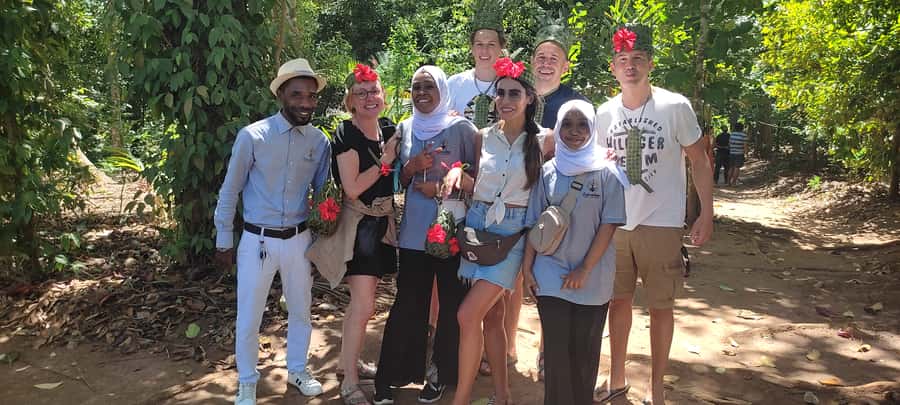
Spices grow far from the supermarket shelf. This three-hour visit to an organic farm in Zanzibar’s Unguja South Region lets you smell, touch, and taste plants such as cloves, cinnamon, vanilla, nutmeg, ginger, turmeric, cardamom, black pepper, and lemongrass. I especially like the fresh plant-to-plate experience and the chance to help prepare a local lunch rather than simply watch a demonstration. The freshly opened coconut and sweet jackfruit are welcome bonuses.
I also like the connection to Zanzibar’s Swahili food culture, since the guide explains how spices are used in cooking, medicine, trade, and everyday life. The main caution is that the cooking portion may vary: some visitors take an active role, while others mainly see ingredients and help with a small part of one dish. The leaf crowns and other crafts can also feel a little staged, especially if you are asked to tip for them.
In This Review
- Quick highlights of the Zanzibar spice farm tour
- Why Zanzibar is called the Spice Islands
- Meeting at the Old Fort or arranging hotel pickup
- Walking among cinnamon, vanilla, cloves, and pepper
- Jackfruit, coconut, and the taste of the tropics
- From cassava leaves to coconut milk
- A farm lunch with real value at $65
- The leaf crown question
- Guides, drivers, and the human side of the morning
- What to bring and how to prepare
- Who should book this Zanzibar experience?
- Should you book the spice farm tour?
- FAQ
- How long does the Zanzibar spice farm tour last?
- Where does the tour begin?
- Is pickup available from Zanzibar beach hotels?
- What languages does the guide speak?
- Is lunch included?
- Can I buy spices during the tour?
- Is the tour suitable for pregnant women?
Quick highlights of the Zanzibar spice farm tour
- Fresh spices in their natural form: Smell cinnamon bark, crush herbs, and taste produce directly from the plants rather than from a jar.
- A traditional lunch you help prepare: The meal is made with local ingredients, including cassava leaves and coconut milk, though your hands-on role may depend on the group and timing.
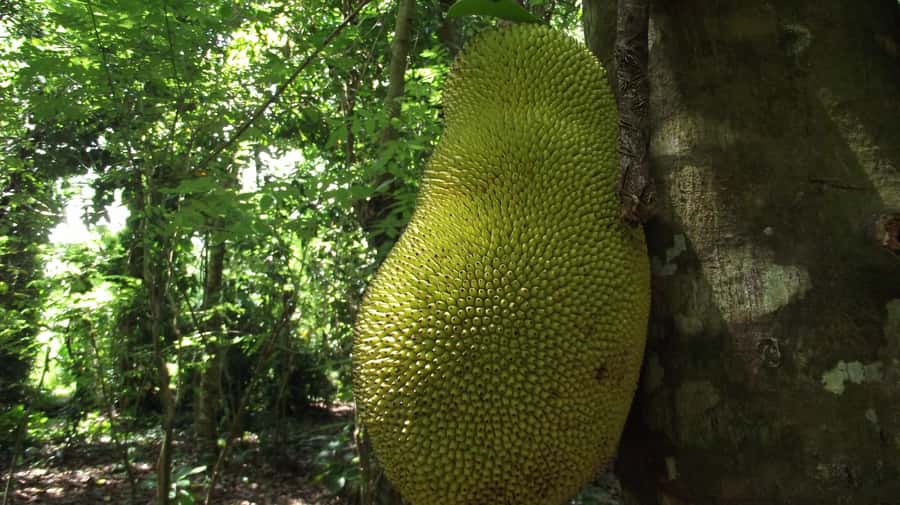
- Tropical fruit tasting: Try fresh jackfruit and young coconut picked from the farm.
- A private three-hour outing: You travel with your own group and a live English or Swahili-speaking guide.
- Useful Stone Town and hotel pickup: Meet at the Old Fort at 9:00 AM, or arrange pickup from a beach hotel anywhere in Zanzibar.
- A practical souvenir stop: Buy spices and teas from the farm, but bring cash because card payment is not available for purchases.
Why Zanzibar is called the Spice Islands
Zanzibar’s identity is closely tied to spice growing. Along with Tanzania’s Mafia Island, the archipelago is sometimes called the Spice Islands, a name linked to the role of cloves and other fragrant crops in local trade and daily life.
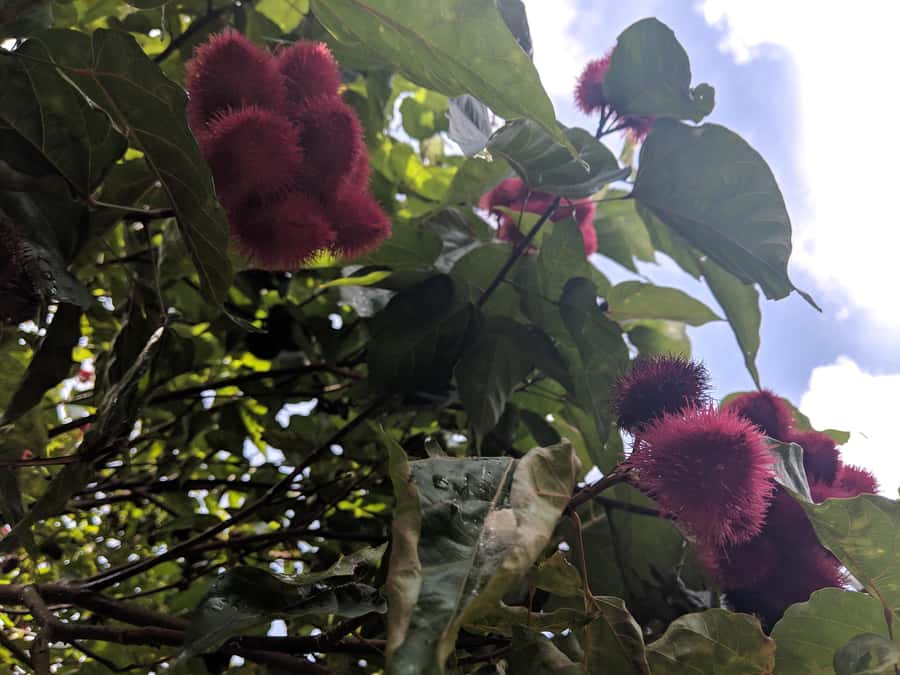
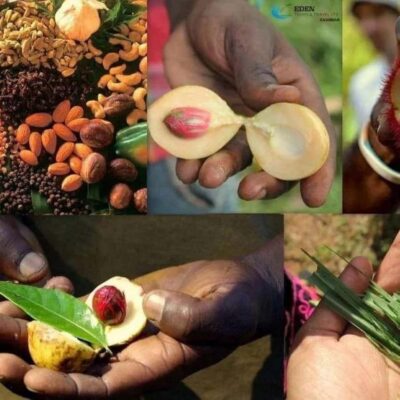
This tour gives that name a physical meaning. Instead of seeing spices only as dried seeds or powders, you encounter the living plants. Cinnamon appears as bark on a tree. Black pepper grows as a climbing vine. Vanilla comes from an orchid, and nutmeg comes from the seed inside a fruit. These details are easy to miss in a market, but they make the farm visit useful for anyone who enjoys food, gardening, or local culture.
The guide also explains how plants are used for flavor and traditional remedies. That makes the experience broader than a shopping stop. You begin to understand why spices matter to Zanzibar’s economy and why they appear so often in Swahili cooking.
More Cooking Classes in Zanzibar
- Zanzibar Cooking Class & Spice Tour
★ 4.5 · 77 reviews - Half-Day Kuza Cave Swimming Adventure and Cooking Class
★ 4.5 · 44 reviews - Zanzibar: Spice Farm Tour with Traditional Cooking Class
★ 4.6 · 16 reviews
Meeting at the Old Fort or arranging hotel pickup
The standard meeting point is in front of the Old Fort on Mizingani Road in Stone Town at 9:00 AM. This is a sensible place to meet if you are staying in town, and the early start leaves room for the farm visit before the strongest afternoon heat.
If you are staying at a beach hotel, pickup is available as an optional arrangement. The service covers beach hotels anywhere in Zanzibar, but you should confirm the pickup details when booking because the meeting time and driving time can vary by location.
The experience lasts three hours, not a full day. That makes it easy to combine with other plans, but it also means the schedule has little spare time. One person found that the tour was shortened because of timing, so you should arrive promptly and avoid treating the morning as an open-ended farm visit.
The group is private, which is a real advantage. You can ask more questions, adjust your pace, and take part in demonstrations without being one person in a large crowd. The activity is listed as wheelchair accessible, although you may still want to confirm the exact farm surfaces and access arrangements before arrival.
Walking among cinnamon, vanilla, cloves, and pepper
The farm tour is the heart of the morning. Your guide leads you among spice plants and explains what each one is, how it grows, and how it is used.
You can expect to see or taste:
- Cinnamon
- Vanilla
- Cardamom
- Nutmeg
- Cloves
- Black pepper
- Ginger
- Turmeric
- Lemongrass
- Other herbs and tropical plants
The best part is the sensory element. You can touch leaves, smell fresh plant material, and taste selected produce. Fresh spices often smell sharper and more layered than the dried versions in your kitchen, so this is especially enjoyable if you cook at home.
Cloves and cinnamon also give the guide a chance to explain Zanzibar’s connection to spice production. The experience is strongest when you ask questions about how a crop is used locally, not just what it is called. Guides such as Chiquito, Abdullah, and other local staff have been praised for adding humor, Swahili phrases, food knowledge, and stories about island life to the walk.
You should not expect a formal botanical garden with labels at every turn. This is a working farm and a local experience, so the presentation depends heavily on the guide. That informal quality is part of its charm, but it also means the depth and order of the explanation can vary.
Jackfruit, coconut, and the taste of the tropics
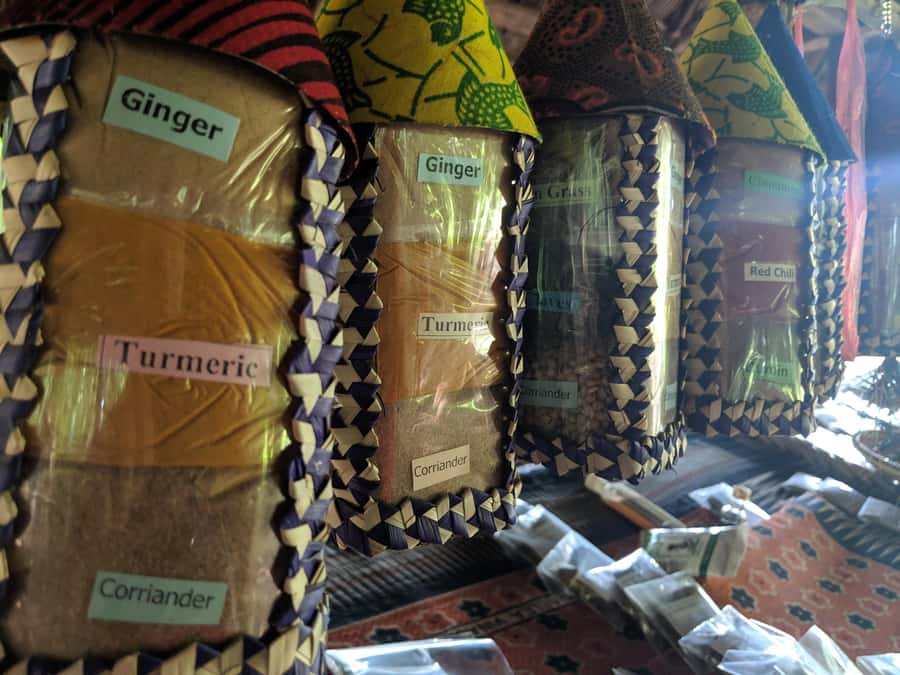
The spice plants are joined by tropical fruit. Jackfruit is one of the memorable tastings. It is often described as the world’s largest fruit, and its large size makes it an entertaining sight before you taste its sweet, fragrant flesh.
The young coconut is another highlight. A coconut climber picks fresh fruit from the tree, giving you the chance to drink or taste it soon after it comes down. Several people singled out the freshness of the coconut, and it is easy to see why. This is not a packaged drink served as a token tropical extra. It connects the fruit, the tree, and the person harvesting it in one short demonstration.
These tastings also help pace the walking portion. You are not simply moving from one plant to the next while listening to a lecture. The morning alternates between explanation, smell, touch, tasting, and practical activities.
If food is a major reason you are booking, arrive hungry. One useful tip is to avoid eating a large breakfast, since the fruit samples and lunch add up quickly.
More spice farm visits:
- Zanzibar: Stone Town, Spice Tour, Prison Island with Lunch
★ 4.4 · 1,219 reviews - Zanzibar: Prison Island, Stone Town, & Spice Farm Tour
★ 4.5 · 579 reviews - Zanzibar: Stone Town, Spice tour & Prison Island with Lunch
★ 4.6 · 453 reviews - Full-Day Private Stone Town +Spice Farm and Prison Island Tour
★ 4.5 · 216 reviews
From cassava leaves to coconut milk
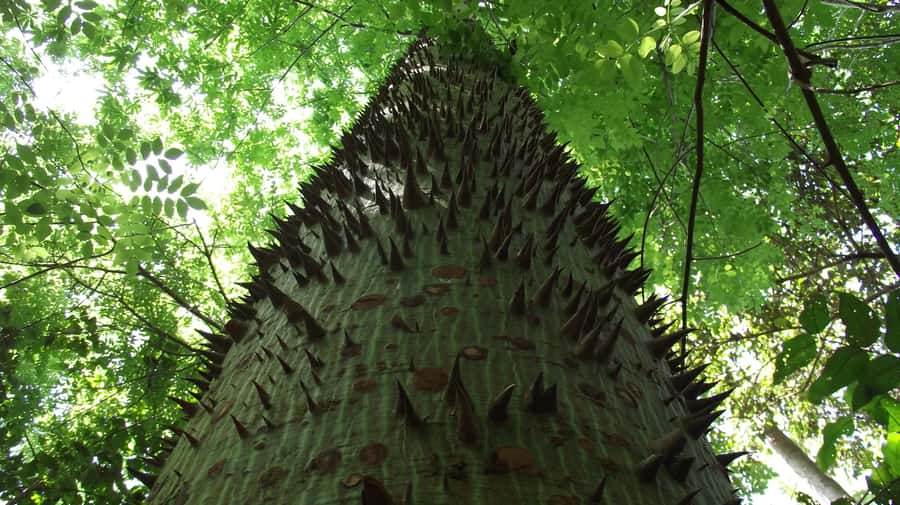
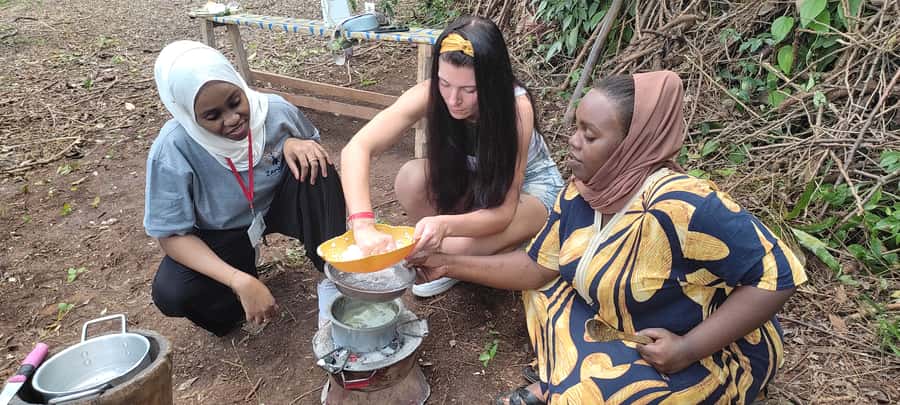
The cooking section gives the tour its strongest local connection. You have the chance to take part in a cassava leaf harvest, help make coconut milk, and practice preparing food used in a traditional meal.
Cassava leaves are not just decorative farm produce. Their preparation shows how local cooking makes use of ingredients that many visitors know only by name. Making coconut milk also gives you a better sense of the work behind a creamy ingredient that often appears effortlessly in restaurant dishes.
The exact amount of participation is the one area where you should keep your expectations flexible. Some people have helped prepare several parts of the meal from scratch and found the cooking lesson to be the best part of the morning. Others have mainly seen the ingredients for one side dish and helped only a little.
That difference may come from timing, the group, or how the farm structures the session that day. If hands-on cooking matters to you, say so clearly at the start. Ask what you can chop, grind, mix, or prepare. You may get more from the lesson by being direct rather than waiting to be assigned a task.
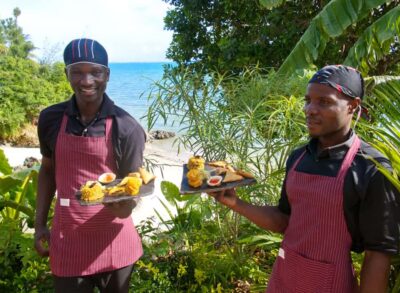
The food itself receives consistently strong praise. The meal is a Swahili-style lunch, and you eat food connected to the plants you have just seen. That gives the morning a satisfying shape: identify the spice, learn how it is used, help with the preparation, then taste the result.
A farm lunch with real value at $65

The price is $65 per person. That is not the cheapest way to see spices in Zanzibar, but the cost includes a private group, a local guide, lunch, community support, and pickup options from Stone Town or beach hotels.
The value depends on what you want. If you only want to buy a bag of cloves, the tour is more than you need. If you want transport, guided interpretation, fruit tasting, a cooking activity, and a meal in one compact morning, the price is easier to justify.
I consider lunch an important part of the value, not an afterthought. You help with at least some of the preparation, then eat a meal made with local ingredients. The food is repeatedly described as delicious, and that matters because it turns the farm visit into an experience rather than a quick agricultural stop.
The private format also improves the value for families, couples, or small groups. You are not paying for a large coach excursion with a fixed script. You can ask questions about Swahili cooking, plant uses, or island life, and the guide can respond to your interests.
You should still budget extra cash for spices and teas. Purchases are separate, and the farm shop accepts cash only. It is easy to get carried away once you smell the products in their fresh setting, so decide in advance how much you want to spend.
The leaf crown question
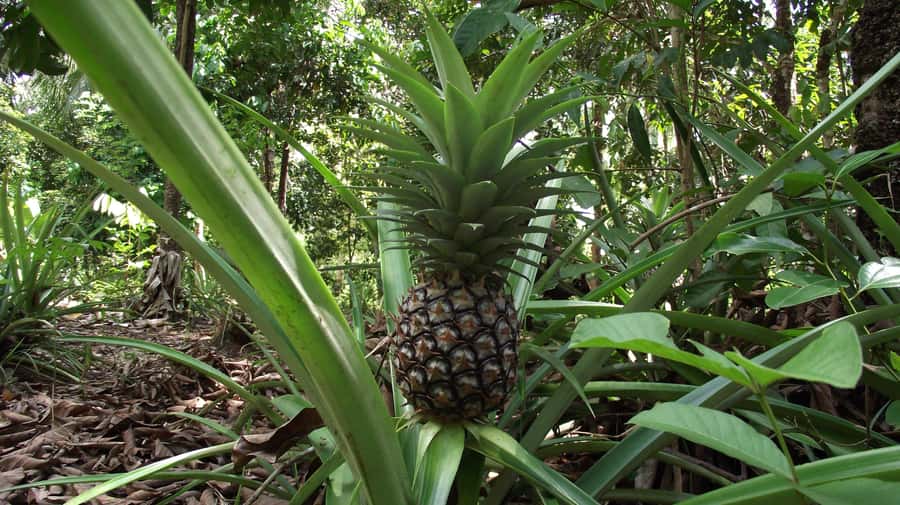
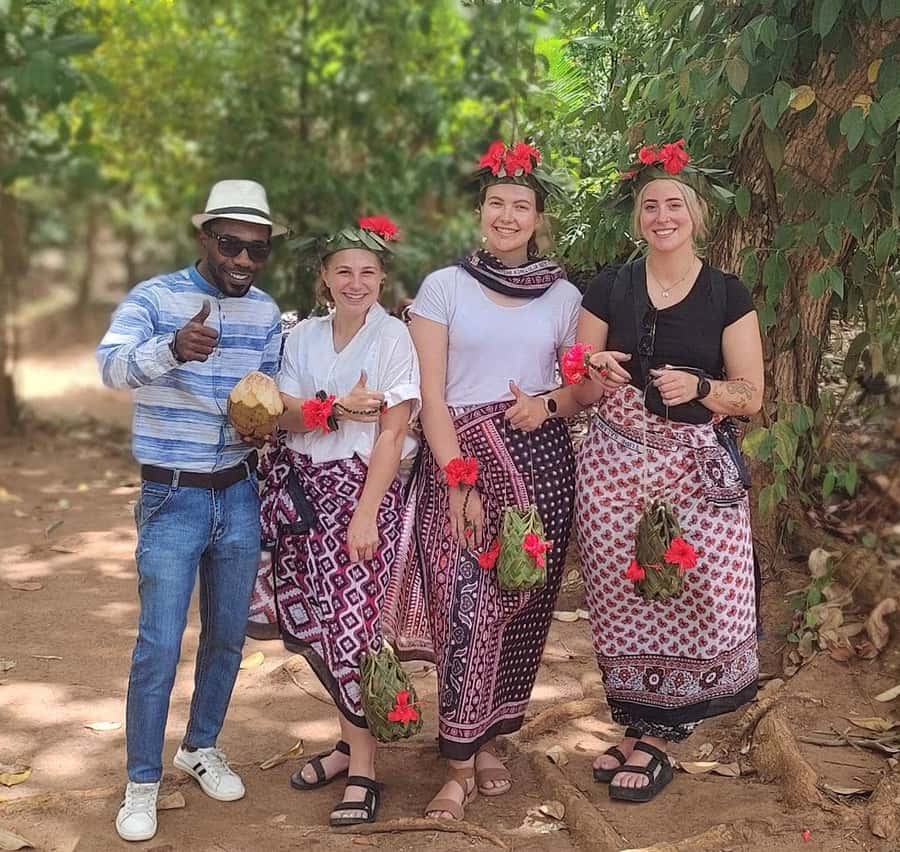
A coconut climber may also make or present small items from leaves, such as a crown, tie, or handbag. This can be fun for children and makes a colorful photograph, but it is also the most touristy part of the experience.
One visitor found the leaf crafts out of place and disliked being asked for a tip afterward. My advice is simple: enjoy it if you want to, but do not feel obliged to treat every optional performance as part of the tour price. Ask about any expected tip before accepting a craft or photo opportunity.
This small caution does not erase the value of the farm. It simply helps you distinguish the genuine agricultural and cooking portions from the more staged entertainment.
Guides, drivers, and the human side of the morning
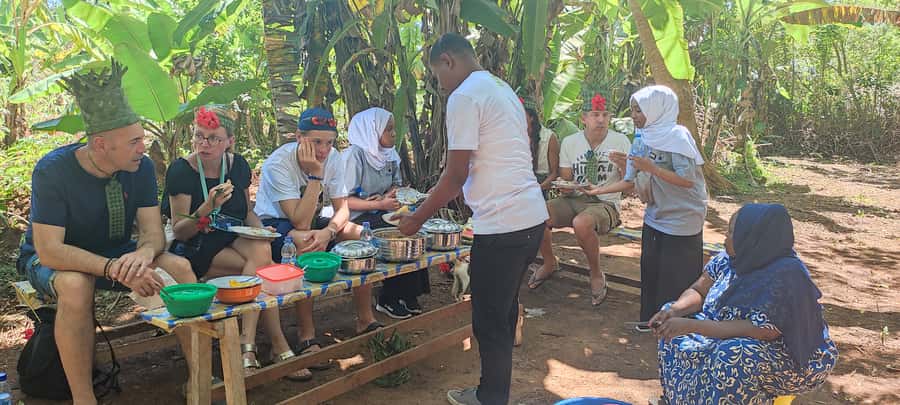
The guide can make or break a farm tour. Here, the strongest praise goes to the local staff’s warmth, humor, and command of the subject.
Chiquito is remembered for mixing clear explanations with jokes. Abdullah received praise for making the activity enjoyable, while drivers such as Ahmad and Juma added useful conversation during the ride. One driver even shared details about everyday life in Zanzibar, which can be as interesting as the formal farm talk.
You may also learn a few Swahili words along the way. That is a small detail, but it changes the tone of the visit. You are not only collecting facts about spices. You are speaking with people who work in and around the local community.
The language options are English and Swahili. Since this is a private group, you can ask the guide to slow down, repeat a plant name, or explain how an ingredient is used in a dish.
What to bring and how to prepare
Wear comfortable shoes. The tour takes place on a farm, so practical footwear is more useful than sandals chosen only for beach photos.
Bring a sun hat, sunscreen, and water. The activity is outdoors, and Zanzibar’s sun can be strong even during a morning visit. Cash is essential if you want to buy spices, teas, or other products at the farm shop.
A phone or camera is useful for plant photos, but do not let picture-taking replace the tasting and cooking. The most memorable details are sensory: the smell of crushed leaves, the texture of fresh fruit, and the change from raw ingredients to lunch.
The activity is not considered suitable for pregnant women. If that applies to you, choose another Zanzibar experience and ask your medical provider if you need guidance about other activities.
Who should book this Zanzibar experience?
I would recommend this tour to you if you enjoy food, plants, local agriculture, or small-group activities. It works particularly well as an early introduction to Zanzibar because it connects local ingredients with culture, language, trade, and daily life.
Families may enjoy the fruit tasting, coconut demonstration, and chance to see spices growing. Couples and small private groups will appreciate the flexible format. Home cooks should bring extra room in their luggage for spice purchases, though remember that those products cost extra and require cash.
You may want to skip it if you dislike outdoor heat, have no interest in food preparation, or expect a polished cooking school with a guaranteed series of hands-on dishes. The cooking role can be limited on some days, and the leaf crafts may feel too commercial for people seeking a purely agricultural visit.
Free cancellation is available up to 24 hours before the activity for a full refund, and you can reserve now and pay later. Those terms are useful if your Zanzibar plans are still moving around.
Should you book the spice farm tour?
Yes, I would book it if you want a compact, friendly introduction to Zanzibar’s food culture. The farm walk, fresh fruit, coconut tasting, local lunch, and private guide offer good value at $65, especially when pickup is useful.
Just set your expectations correctly. This is not a formal cooking school, and your role in the kitchen may be modest. Ask to participate, bring cash, arrive hungry, and treat the leaf crafts as optional fun. With that approach, the tour gives you something more lasting than a bag of spices: you leave knowing where several familiar flavors come from and how they fit into life on Zanzibar.
FAQ
How long does the Zanzibar spice farm tour last?
The tour lasts three hours.
Where does the tour begin?
The meeting point is in front of the Old Fort on Mizingani Road in Stone Town at 9:00 AM.
Is pickup available from Zanzibar beach hotels?
Yes. Optional pickup is available from beach hotels anywhere in Zanzibar.
What languages does the guide speak?
The live guide can conduct the tour in English or Swahili.
Is lunch included?
Yes. Lunch at the spice farm is included in the price.
Can I buy spices during the tour?
Yes. You can purchase fresh spices and teas from the farm shop, but purchases can only be paid for with cash.
Is the tour suitable for pregnant women?
No. The activity is listed as not suitable for pregnant women.
More Farms
- Zanzibar: Stone Town & Spice Farm Tour with Lunch
★ 4.5 · 97 reviews - Zanzibar:Stone Town & Spice Farm Private Tour Lunch Included
★ 4.2 · 94 reviews - Zanzibar full day Jozani forest + Spice farm and stone town
★ 4.7 · 90 reviews - Zanzibar: Spice Farm & Stone Town Tour with Lunch
★ 4.5 · 80 reviews
More Cooking Classes
- Traditional Zanzibar Cooking Class including Spice Tour
★ 4.5 · 14 reviews - Mnemba Dolphin Tour, Clear Kayak, Cooking Class, Horse Riding
★ 4.5 · 14 reviews - A private half day spice farm with a cooking lesson
★ 5.0 · 13 reviews - Zanzibar: Spice Farm Tour and Cooking Class with Lunch
★ 4.2 · 11 reviews
Just added around Zanzibar
- Spice Tour of Zanzibar★ 4.5 · 3 reviews
- Zanzibar : Stone Town Tour,history without transport★ 4.8 · 3 reviews
- Zanzibar: 3-Day Northern Safari with Flights Included★ 4.8 · 3 reviews
- Jozani Forest, kuza cave and mtende beach★ 5.0 · 3 reviews
- Starfish Beach; The Rock; Kuza Cave; Paje Beach; Salaam Cave Tour★ 4.5 · 3 reviews
- ZANZIBAR: Stone Town and Jozani Forest Guided Tour★ 4.0 · 3 reviews
- Zanzibar: African Sunset Boat Party in Zanzibar Music, Views★ 4.3 · 3 reviews
- Joazani forest & Spice farm with lunch★ 5.0 · 3 reviews
Spice Farm Tours, compared.

Stone Town, Spice Tour, Prison Island with Lunch
Read our review →
Stone Town, Spice tour & Prison Island with Lunch
Read our review →
Full-Day Private Stone Town +Spice Farm and Prison Island Tour
Read our review →

The Swahili Spice Experience – Spice Tour + Culinary Journey
Read our review →Browse the lists this tour appears in