
Reviewed · SPICE FARM TOURS
Zanzibar: Jozani Chwaka Bay National Park and Spice Farm …
Monkey country comes with a side of cinnamon. This half-day outing pairs two of Zanzibar’s most distinctive experiences: a guided walk through Jozani Chwaka Bay National Park and a hands-on visit to a working spice farm. I like the chance to see the rare red colobus monkey in its natural forest setting, and I like the farm’s focus on tasting rather than simply looking at plants. The main consideration is that wildlife sightings are never guaranteed, and the forest walk involves moderate walking in hot, humid weather.
I also like the practical side of this tour. Round-trip pickup from your Zanzibar accommodation comes in an air-conditioned vehicle, and guides and drivers have been praised for being kind and informative. The drawback is that $109 per person is a serious price for a half-day outing, especially since meals and personal expenses are not included.
In This Review
- Key points at a glance
- Why combine Jozani Forest with a spice farm?
- Entering Jozani Chwaka Bay National Park
- What makes the red colobus monkey special?
- Following vanilla, cloves, and cinnamon at the spice farm
- A fruit tasting that goes beyond pineapple
- Guides, drivers, and the value of the explanation
- Is $109 per person good value?
- Timing, weather, and what to pack
- Who should book this experience?
- Should you book the Jozani and spice farm tour?
- FAQ
- How long does the Zanzibar Jozani and spice farm tour last?
- Is transportation included?
- Will I definitely see red colobus monkeys?
- What happens at the spice farm?
- Which fruits might I taste?
- Are meals included?
- What should I bring?
- Is the tour suitable for everyone?
Key points at a glance
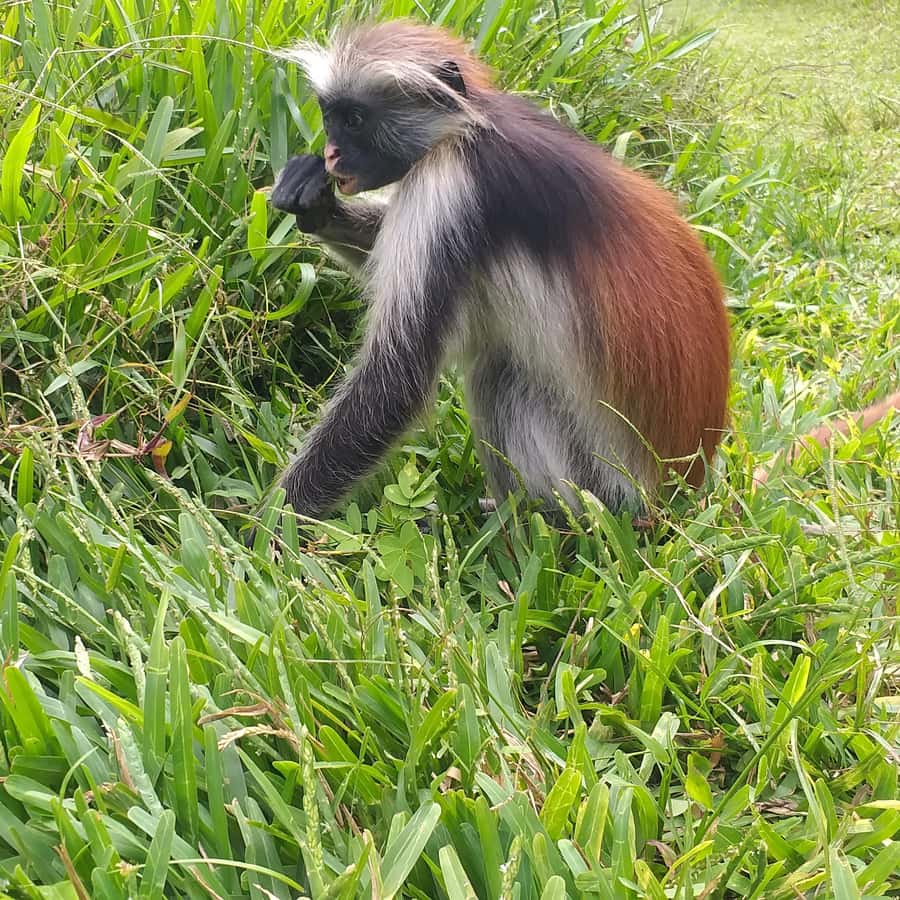
- Red colobus monkeys: Jozani is your best chance on this tour to see Zanzibar’s rare red colobus monkeys, along with possible bushbabies, duikers, birds, butterflies, and other forest life.
- A real spice lesson: You learn how vanilla, cloves, pepper, nutmeg, cinnamon, and cardamom grow, rather than only buying packets in a shop.
- Fruit tasting included: Jackfruit, pineapple, bananas, green coconut, durian, rambutan, soursop, starfruit, and other seasonal fruits may be available.
- Comfortable transfers: Round-trip transportation from your accommodation is provided in an air-conditioned vehicle.
- Moderate physical effort: Expect walking through the national park, so comfortable shoes, water, sunscreen, and insect repellent matter.
- Flexible booking: You can reserve now and pay later, with cancellation up to 24 hours before departure for a full refund.
Why combine Jozani Forest with a spice farm?
Zanzibar is often sold through beaches and turquoise water, but this tour takes you inland, where the island’s natural and agricultural character comes into view. The two stops work well together. Jozani shows you a protected forest and its wildlife. The spice farm explains one of the island’s best-known products through scent, taste, and conversation.
I like this combination because the day does not rely on one big attraction. If the monkeys stay high in the trees, the forest walk still gives you birds, butterflies, plants, and a lesson about the area. If a particular spice is not in season, the fruit tasting and farm tour add variety.
The advertised outing is described as a day trip, but the practical information identifies it as a half-day experience, with a morning or afternoon departure. That is useful to know when planning your Zanzibar schedule. You can pair it with a relaxed beach afternoon, though you should allow enough time for pickup, driving, the two visits, and the return to your accommodation.
More National Park Tours in Zanzibar
- From Zanzibar: Nyerere National Park Game Drive with Lunch
★ 4.3 · 59 reviews - 1-Day Selous (Nyerere National Park) Fly-In Safari from Zanzibar
★ 5.0 · 39 reviews - Day trip Safari to Mikumi National Park
★ 4.5 · 25 reviews
Entering Jozani Chwaka Bay National Park
The first major stop is Jozani Chwaka Bay National Park, home to the endangered red colobus monkey. The forest is the heart of the tour, and the guide leads you along paths while pointing out wildlife and explaining the area.
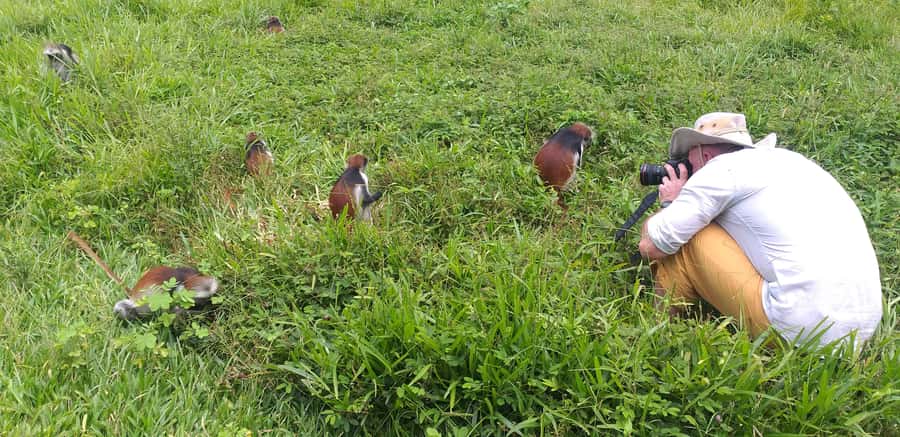
The red colobus is the star, but you should not treat this like a zoo visit. You may see monkeys in the treetops, yet their movement and visibility depend on the day. Keep your eyes trained above the trail, where the animals can be difficult to spot among branches and leaves. One visitor found the forest especially interesting but saw fewer monkeys than expected, a fair warning for anyone booking mainly for a close wildlife encounter.
That uncertainty is not a flaw in the park. It is part of seeing animals in their own habitat. I would book this for the chance to see the red colobus, not as a promise of a particular number of sightings.
Your guide may also point out bushbabies, duikers, butterflies, and birds. The experience is therefore broader than a monkey search. Even when the animals remain hidden, you are walking through one of Zanzibar’s important natural areas and learning about the forest’s place on the island.
Do not expect a strenuous trek, but do expect moderate walking. Comfortable shoes are essential, and light clothing will help in Zanzibar’s heat and humidity. Bring water, sunscreen, a hat, and insect repellent. A camera is worth carrying, but keep it ready without letting it distract you from listening and watching.
What makes the red colobus monkey special?
The red colobus monkey is not simply a colorful animal added to a sightseeing list. It is the species that gives this national park much of its identity. The chance to see it helps explain why protected forest matters in Zanzibar.
You will likely get the most from this part of the tour if you are patient. Look into the canopy, listen for movement, and follow the guide’s instructions. Do not touch or approach animals, even if one comes close to the path. The rules are simple: observe carefully and leave the wildlife alone.
The park can also appeal to people who enjoy small details. A bird call, a butterfly crossing the trail, or a glimpse of a duiker may become the memorable moment of the walk. I would especially recommend this stop to families with older children, photographers, and anyone who wants a break from resort life.
People with mobility impairments, back problems, or those who are pregnant should not book this experience. The stated physical requirements make clear that walking is part of the outing, and the forest setting may not suit every visitor.
Following vanilla, cloves, and cinnamon at the spice farm
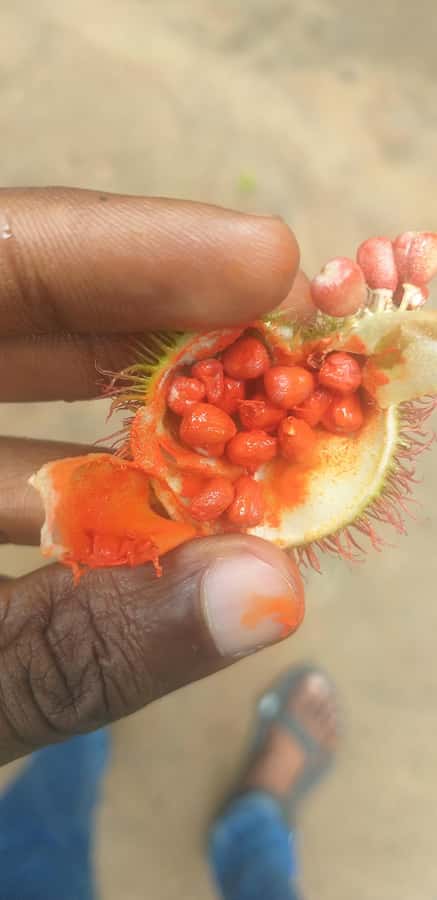
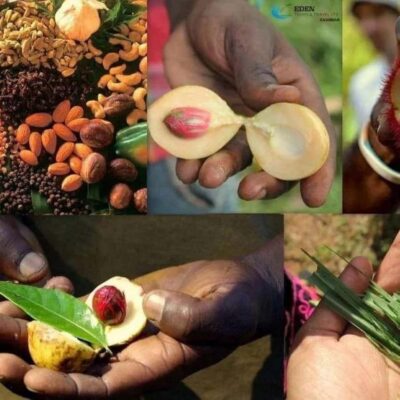
After Jozani, the tour heads to a spice farm for a guided look at how familiar ingredients are grown. You can see pepper, cloves, nutmeg, vanilla, and cinnamon, as well as cardamom. The value here is practical: spices stop being anonymous powders in jars and become plants with particular growing methods and aromas.
I find this kind of farm visit most useful when you take part in the sensory side. Smell the spices, taste what is offered, and ask the guide how each crop is cultivated. The tour includes tastings, so you are not limited to a visual walk through the farm.
Vanilla, nutmeg, cardamom, cloves, pepper, and cinnamon each bring a different scent and flavor. The guide can connect the plants to everyday cooking, which makes the stop easy to remember once you return home. This is also a good place to ask questions about which spices are seasonal and how they are handled after harvest.
The farm visit has a gentle pace compared with the forest. It gives you a chance to slow down, cool off if needed, and focus on the island’s farming traditions. Still, remember that this is not a full meal. Food is not included, and the tasting should be treated as part of the tour rather than a substitute for lunch.
More Jozani Forest and red colobus trips:
- Zanzibar: Jozani Forest & Sea Tortoises Sanctuary Tour
★ 4.6 · 204 reviews - Dolphin tour, Jozani Forest, Jambiani Kuza Cave, Paje Beach &The Rock restaurent
★ 4.5 · 164 reviews - Zanzibar full day Jozani forest + Spice farm and stone town
★ 4.7 · 90 reviews - Zanzibar: Jozani nature walk and wildlife tour
★ 4.5 · 89 reviews
A fruit tasting that goes beyond pineapple
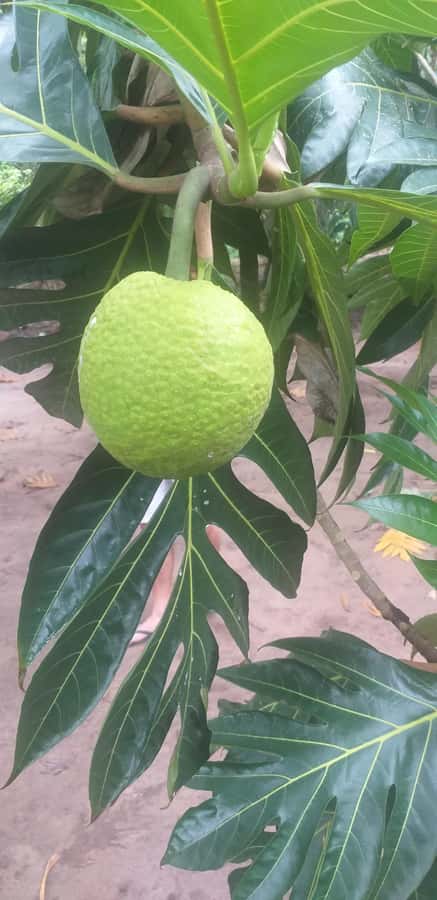
The fruit tasting adds a playful note to the farm visit. You may try familiar choices such as pineapple and bananas, along with jackfruit and green coconut, known locally as madafu.
Other fruits listed for the experience include durian, love apple, rambutan, soursop, and starfruit. Some are much less familiar to many international visitors. Durian has a strong smell and a flavor that divides opinion, while soursop offers a softer, sweet-tart taste. Rambutan, with its hairy red shell, is fun to open and easy to remember.
The selection is seasonal, so you should not assume every fruit will be available on every departure. That variety is part of the appeal. Instead of a fixed menu, you get a taste of what the farm or local supply can offer at that time.
Green coconut is another worthwhile sample. It gives you a direct taste of a fresh island product and helps make the farm visit feel connected to Zanzibar rather than like a standard spice shop stop.
Guides, drivers, and the value of the explanation
A good guide matters here because neither stop is fully self-explanatory. In the forest, the guide helps you notice wildlife and understand the setting. At the farm, the guide explains cultivation and leads the tastings.
The available feedback gives the guide and driver strong praise for kindness and useful information. Another account specifically describes the guide as friendly and says the forest and spice farm were made better by the guidance. That matches the design of the tour: you are paying for interpretation as much as transportation and entry.
The company, Zanziphoria, offers guides in English, French, German, Italian, Polish, Russian, and Spanish. Select your language carefully when booking so the explanations are as useful as possible.
The driver also affects the day more than you might expect. Pickup and return are provided from your accommodation in an air-conditioned vehicle, a welcome feature in Zanzibar’s heat. The information does not provide a fixed group size, so do not book expecting a guaranteed private tour unless that is confirmed separately.
Is $109 per person good value?
At $109 per person, this is not Zanzibar’s cheapest way to see a forest or visit a farm. The price makes more sense if you value door-to-door transportation, a guide at both stops, wildlife interpretation, spice tastings, and fruit sampling in one organized outing.
It is also useful for visitors who do not want to arrange separate transport to Jozani and then negotiate another ride to a farm. The air-conditioned vehicle adds comfort, especially during hot weather. You are buying convenience and structure, not just admission.
The value is weaker if you mainly want a long wildlife safari or a full food experience. This is a half-day tour, wildlife sightings are uncertain, meals are not included, and personal expenses are extra. You may want to budget separately for lunch and any purchases at the farm.
I would call the price reasonable for a first-time Zanzibar visitor who wants two major inland experiences in one booking. It is less compelling for repeat visitors who already have transport, know the island, or prefer to spend the day at a slower pace.
Timing, weather, and what to pack
You can choose a morning or afternoon departure, which makes this easier to fit around other plans. A morning visit may be more comfortable in the heat, while an afternoon departure can work well if your morning is already occupied. The schedule should be confirmed at booking because the exact pickup time depends on your chosen departure.
Zanzibar can be hot and humid. Wear light clothing that covers you comfortably and fits local customs, especially around the farm and village areas. Good walking shoes are more important than stylish footwear.
Pack:
- Water
- Sunscreen
- Insect repellent
- A camera
- Comfortable shoes
- Light clothing suitable for warm weather
Weapons, sharp objects, and explosive substances are not allowed. You must not touch the animals. Follow the guide’s directions in the forest, where safety and respectful wildlife viewing depend on calm behavior.
Who should book this experience?
I would recommend this tour to first-time visitors who want more than beaches, couples looking for a compact cultural and nature outing, and families whose children can manage moderate walking. It also suits anyone curious about food, farming, and the way spices grow.
It is a good fit for photographers, but only if you accept that wildlife photography may be limited by distance and animal movement. Bring a camera for the forest, but also use it at the farm, where colorful fruit and spice plants may offer easier subjects.
I would hesitate to recommend it to anyone with back problems, mobility impairments, or pregnancy, since the experience is specifically marked as unsuitable for those conditions. It may also disappoint visitors who expect guaranteed close-up monkey sightings or a full day of activities.
Should you book the Jozani and spice farm tour?
Book it if you want an efficient introduction to Zanzibar’s inland side, especially if you value a friendly guide, comfortable transport, and plenty of tasting. The strongest parts are the forest setting, the chance to see red colobus monkeys, and the farm’s hands-on approach to spices and fruit.
Skip it if your main goal is a guaranteed wildlife encounter, a substantial meal, or a low-cost independent outing. At $109, you should use the included guide service and ask questions throughout the day to get full value.
For most first-time visitors, I think the pairing works well. You get nature, local agriculture, unusual fruit, and a practical look at Zanzibar beyond the coast, all within a manageable half-day schedule.
FAQ
How long does the Zanzibar Jozani and spice farm tour last?
The experience typically lasts a half-day. It can depart in the morning or afternoon, depending on the departure time you choose.
Is transportation included?
Yes. Round-trip transportation from your accommodation in Zanzibar is provided in a comfortable, air-conditioned vehicle.
Will I definitely see red colobus monkeys?
No wildlife sighting is guaranteed. Jozani Chwaka Bay National Park is home to rare red colobus monkeys, and you may also see bushbabies, duikers, birds, and butterflies.
What happens at the spice farm?
You receive a guided tour explaining how spices such as vanilla, cloves, pepper, nutmeg, cinnamon, and cardamom are grown. Tastings are included.
Which fruits might I taste?
Possible fruits include jackfruit, pineapple, bananas, green coconut, durian, love apple, rambutan, soursop, and starfruit. The selection can vary with the season.
Are meals included?
No. Meals are not included, so plan separately for food during the outing.
What should I bring?
Bring comfortable shoes, water, sunscreen, insect repellent, and a camera. Light clothing suitable for hot, humid weather is also recommended.
Is the tour suitable for everyone?
The experience is not suitable for pregnant women or people with back problems or mobility impairments. Moderate walking is involved, particularly inside the national park.
More Farms
- Zanzibar: Stone Town & Spice Farm Tour with Lunch
★ 4.5 · 97 reviews - Zanzibar:Stone Town & Spice Farm Private Tour Lunch Included
★ 4.2 · 94 reviews - Zanzibar: Spice Farm & Stone Town Tour with Lunch
★ 4.5 · 80 reviews - Zanzibar: Spice Farm Tour with Traditional Cooking Lesson
★ 4.8 · 77 reviews
More Spice Farm Tours
- Zanzibar: Stone Town, Spice Tour, Prison Island with Lunch
★ 4.4 · 1,219 reviews - Zanzibar: Prison Island, Stone Town, & Spice Farm Tour
★ 4.5 · 579 reviews - Zanzibar: Stone Town, Spice tour & Prison Island with Lunch
★ 4.6 · 453 reviews - Full-Day Private Stone Town +Spice Farm and Prison Island Tour
★ 4.5 · 216 reviews
Just added around Zanzibar
- Spice Tour of Zanzibar★ 4.5 · 3 reviews
- Zanzibar : Stone Town Tour,history without transport★ 4.8 · 3 reviews
- Zanzibar: 3-Day Northern Safari with Flights Included★ 4.8 · 3 reviews
- Starfish Beach; The Rock; Kuza Cave; Paje Beach; Salaam Cave Tour★ 4.5 · 3 reviews
- Jozani Forest, kuza cave and mtende beach★ 5.0 · 3 reviews
- ZANZIBAR: Stone Town and Jozani Forest Guided Tour★ 4.0 · 3 reviews
- Zanzibar: African Sunset Boat Party in Zanzibar Music, Views★ 4.3 · 3 reviews
- Joazani forest & Spice farm with lunch★ 5.0 · 3 reviews
Spice Farm Tours, compared.

Stone Town, Spice Tour, Prison Island with Lunch
Read our review →
Stone Town, Spice tour & Prison Island with Lunch
Read our review →
Full-Day Private Stone Town +Spice Farm and Prison Island Tour
Read our review →
The Swahili Spice Experience – Spice Tour + Culinary Journey
Read our review →Browse the lists this tour appears in