
Reviewed · SPICE FARM TOURS
Zanzibar Spice Farm Half-Day Walking Tour
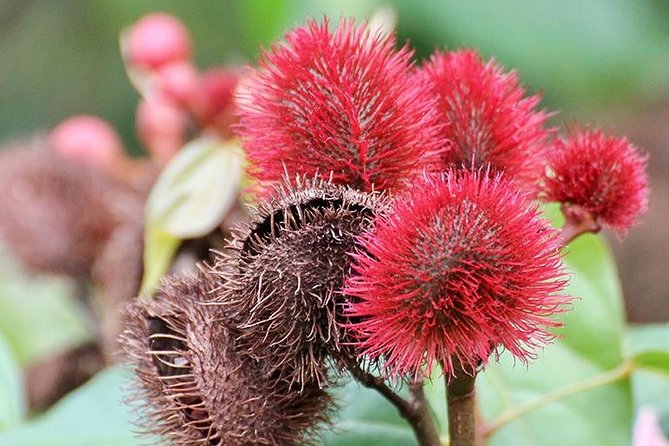
Follow Zanzibar’s scent trail inland. This three-hour private walk takes you from Zanzibar City into village farms where you can see spices and fruit growing, watch workers climb spice trees, and taste produce straight from the field. I like the small private format and the chance to see rural life on foot rather than from behind a vehicle window. I also like that the guide connects farming to Zanzibar’s long spice trade, giving the plants a useful cultural setting.
The main drawback is the limited public feedback and the uneven value of the shopping stop. One review rated the tour 7 out of 10 and found the community spice shop expensive, though the buyer still felt the purchase was worthwhile. You should also expect a moderate amount of walking, conservative dress, and no included food or drinks beyond the fruit samples described during the visit.
In This Review
- Key points to know before booking
- Why Zanzibar’s spice farms are worth your morning
- Beginning in Stone Town at Hamamni Persian Baths
- Walking through farms and plantations
- Spices, fruit, and the story behind the trade
- The community spice shop and what to buy
- What $75 means for the value
- Timing, transport, and comfort
- Who should book this farm walk?
- Should you book the Zanzibar spice farm tour?
- FAQ
- How long is the Zanzibar Spice Farm Half-Day Walking Tour?
- What is included in the price?
- Is the tour private?
- Are morning and afternoon departures available?
- Does the tour include a visit to Hamamni Persian Baths?
- What can I see at the spice farms?
- Is food included?
- What should I wear?
- What is the cancellation policy?
Key points to know before booking
- Workers climb into spice trees: You may see farm workers high among the branches, a memorable look at how cultivation is done by hand.
- Fresh fruit is part of the visit: The walk includes chances to sample local fruit from the farm, not just packaged spices.
- Hamamni Persian Baths adds a Stone Town link: The 15-minute stop introduces a historic public bath built for Sultan Barghash bin Said.
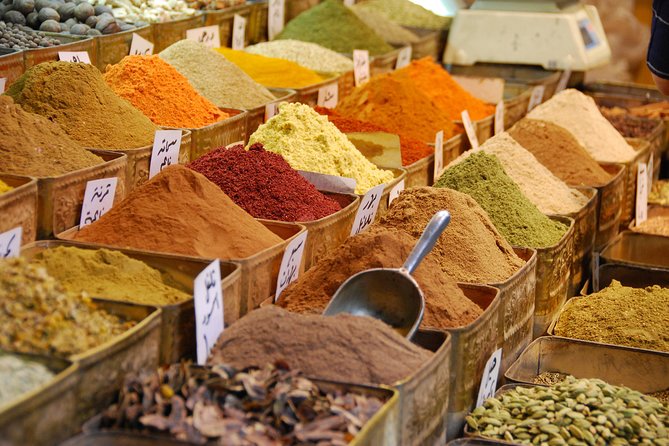
- The guide brings useful trade context: You can learn about cloves, government control of their sale, and the high value of saffron.
- The tour is private: Only your own group participates, which makes it easier to ask questions and set a comfortable walking pace.
- Hotel transport is included: Pickup and drop-off in Zanzibar are covered, a helpful feature for a half-day outing outside the city.
Why Zanzibar’s spice farms are worth your morning
Zanzibar is closely tied to cloves, but the island’s farms produce more than one famous crop. On this walking tour, you see spices and fruit in the places where they grow, rather than meeting them only as dried goods in a market stall.
That difference matters. A jar of ground spice tells you very little about the plant. A farm walk lets you connect the smell, texture, tree, worker, and finished product. You may see spice cultivation at close range, sample fruit, and hear how trade shaped Zanzibar’s economy and culture.
I especially like the human scale of the experience. The tour is not built around a long list of city monuments. It gives you time to notice farm work, village surroundings, and the practical side of growing crops. The guide’s job is important here. A good explanation turns a pleasant walk into a lesson about trade, pricing, and daily work.
The outing lasts about three hours, so it fits neatly into a morning or afternoon. You get enough time for a meaningful visit without giving up a full day of beach time, Stone Town exploring, or other plans.
More Walking Tours in Zanzibar
- Stone Town Private Walking Tour
★ 5.0 · 371 reviews - Zanzibar: 3 Hours Private Stone Town walking Tour with Guide
★ 4.6 · 301 reviews - Zanzibar: Stone Town Historical Cultural Walking Guided Tour
★ 4.5 · 179 reviews
Beginning in Stone Town at Hamamni Persian Baths
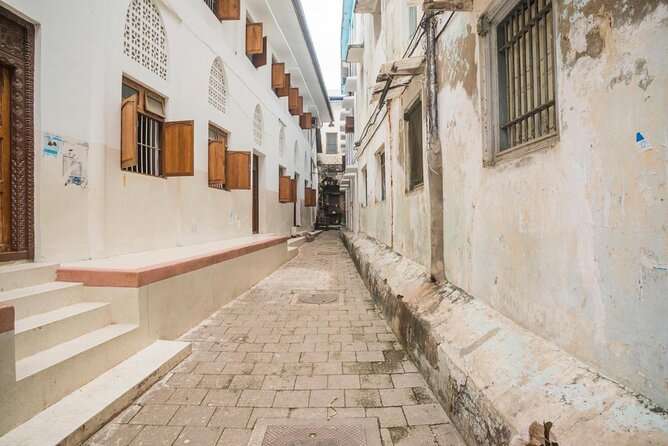
The stated itinerary includes a 15-minute stop at Hamamni Persian Baths in Stone Town. The building was constructed between 1870 and 1888 for Sultan Barghash bin Said and continued as a public bath until 1920. The name also applies to the surrounding Hamamni neighborhood.
This is a short introduction, not a full museum visit. You should think of it as a quick historical marker before or alongside the farm portion of the outing. The stop helps place Zanzibar’s urban past beside its rural economy. Stone Town represents the island’s trade, sultanate, and public life, while the farms show where some of the valuable goods moving through that world began.
Admission to this stop is free. Since only about 15 minutes are assigned to it, do not book this tour expecting a detailed architectural tour of the baths. Its value lies in the connection it creates, not in a long indoor visit.
The stop can also help you get your bearings if you are staying in or near Zanzibar City. After that brief city context, the tour shifts toward farms and plantations, where the pace becomes more practical and outdoors-focused.
Walking through farms and plantations

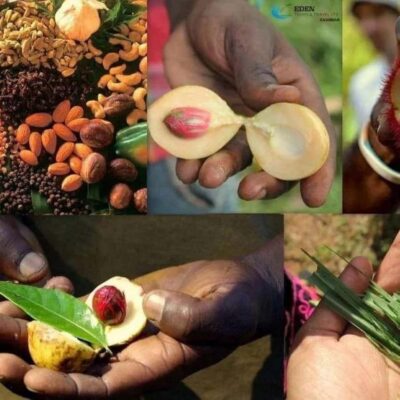
The central part of the experience is a guided walk through local spice farms. You will see spice and fruit cultivation and get a closer look at the work behind products often sold in small packets as souvenirs.
The walk is the reason to choose this outing. You are not simply driven to a shop and shown finished goods. You move through the growing areas and learn how the plants are part of village life. The guide can explain what you are seeing as you go, which is useful because many spice plants are not obvious if you only know them from a kitchen shelf.
One memorable detail is the chance to see workers climb into spice trees. That sight gives the farm visit a real sense of scale and effort. It also reminds you that cultivation is physical work, not a polished display made only for sightseeing.
You should bring good walking shoes. The operator recommends them, and the tour requires moderate physical fitness. The supplied details do not describe the exact trail surface, distance, or amount of shade, so comfortable footwear is the safe choice. If a three-hour outdoor walk sounds tiring, the private format may help because you are with your own group, but the activity is still a walking tour.
The guide may be multilingual. That can be helpful for mixed-language groups, though your booking confirmation should clarify the language available for your party. The strongest praise given to the experience focused on clear explanations about how spices are used, so the quality of the guide is a major part of what you are paying for.
Spices, fruit, and the story behind the trade
The best part of the tour is likely the combination of farm sights and explanation. You learn about Zanzibar’s spice trade while standing among the plants that made the island famous. This gives the subject more meaning than a general history talk delivered far from the farms.
The guide can explain how spices are used and discuss their commercial value. One particularly useful point concerns cloves, which are sold only through government channels. You may also hear that saffron is more expensive. These details show that spices are not all equal in price or access, even when they sit together on a souvenir shelf.
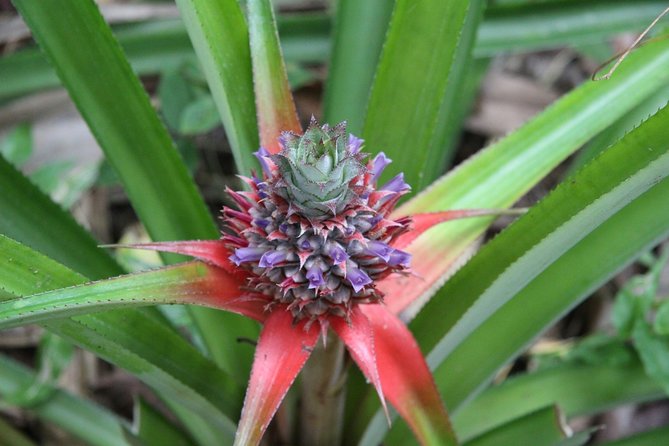
Fresh fruit adds a welcome change of pace. At the end of the walk, local fruit is available to sample. Food and drinks are not generally included, so you should not treat this as a meal. Still, tasting fruit from the farm gives the visit a simple, direct connection to local produce.
I would keep your expectations sensible. The provided details do not promise a cooking lesson, a full meal, or a set menu of tastings. The strongest food-related feature is the farm fruit, along with the chance to smell and examine spices as they grow.
For me, that is enough to make the visit worthwhile. You get a few senses working at once: sight, smell, and taste. That makes the information easier to remember than a talk alone.
More spice farm visits:
- Zanzibar: Stone Town, Spice Tour, Prison Island with Lunch
★ 4.4 · 1,219 reviews - Zanzibar: Prison Island, Stone Town, & Spice Farm Tour
★ 4.5 · 579 reviews - Zanzibar: Stone Town, Spice tour & Prison Island with Lunch
★ 4.6 · 453 reviews - Full-Day Private Stone Town +Spice Farm and Prison Island Tour
★ 4.5 · 216 reviews
The community spice shop and what to buy
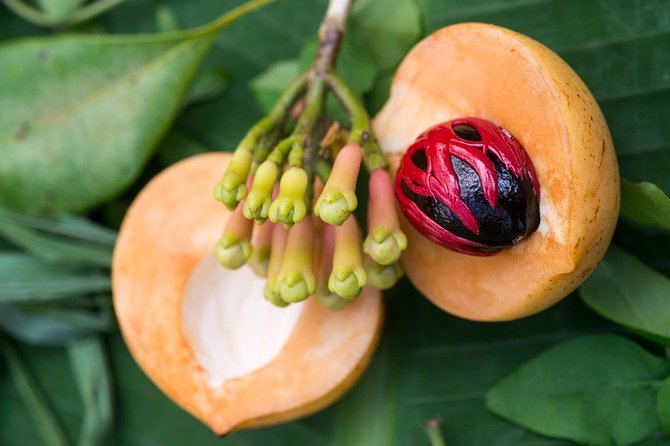
The tour includes time to shop for spices, which may be the moment you have been waiting for. It is also where you should pay attention to value. A community spice shop may offer an important way to support local sellers, but prices can feel high compared with what you might expect from a market.
One review gave the shopping stop a clear warning, calling it a little expensive, while still deciding that the purchase made sense in context. That is a fair way to approach it. You are not paying only for the raw spice. You are also buying at a place connected with the tour and local community.
Still, do not feel obliged to purchase. Ask about prices, compare package sizes, and buy only what you genuinely want to carry home. If you prefer to shop carefully, use the stop to learn what is available rather than treating it as the final test of the whole tour.
The guide’s explanations can help here. Knowing that cloves are handled through government channels, for example, gives you more context when you see them sold. You may also gain a better sense of why some products cost far more than others.
Souvenir photos are not included but are available to purchase. That is a minor extra cost to keep in mind. The tour price also excludes food and drinks.
What $75 means for the value
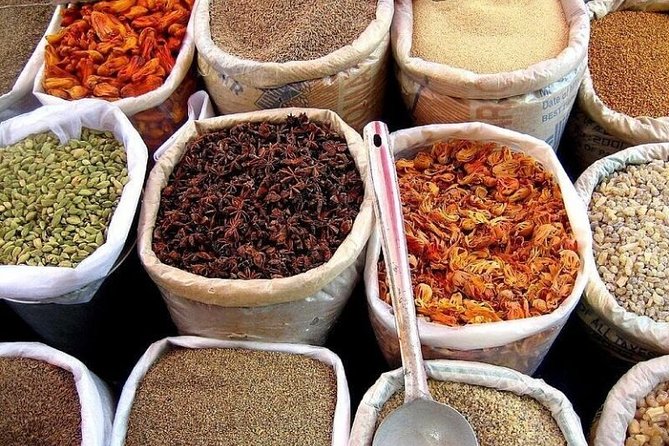
The listed price is $75 per person. That is not the cheapest way to see local farms, so value depends on what you want from the day.
You are paying for a private experience, professional guiding, hotel pickup and drop-off, the farm walk, the Stone Town stop, and the chance to learn about Zanzibar’s agriculture and trade. The private arrangement is important. Only your own group participates, so the outing should feel more personal than a large coach excursion, and you can ask questions without competing with a crowd.
The price makes the most sense if you value explanation and convenience. Hotel transport removes the need to arrange your own route to the farms. A guide adds meaning to the plants and farming work. The three-hour length also keeps the commitment manageable.
The value is weaker if you mainly want a cheap way to buy spices. In that case, the shop prices may bother you, and you may prefer to explore markets independently. This tour is better understood as a guided cultural outing with shopping attached, not as a bargain spice run.
The rating information gives the experience an overall score of 4 from three reviews. That is too small a sample to settle the question, but the comments point to a useful pattern: the guide and educational content are the strongest elements, while the shop price is the main caution.
Timing, transport, and comfort
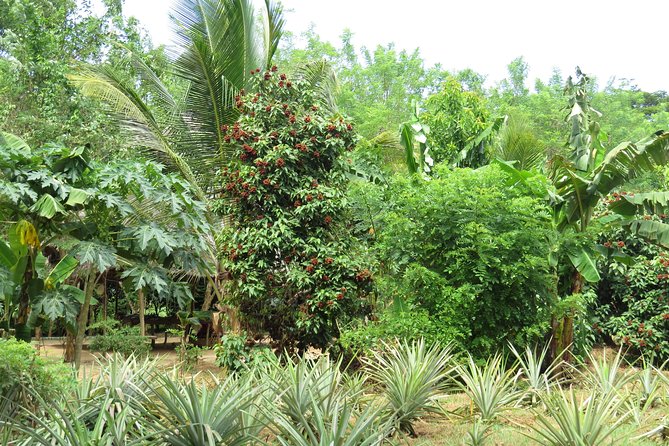
Morning and afternoon departures are available. Pick the time that fits your Zanzibar plans and your tolerance for outdoor heat, though the supplied information does not promise a particular temperature or weather arrangement.
Pickup and drop-off are offered at Zanzibar hotels. The exact pickup window and service area should be confirmed after booking, since confirmation is sent within 48 hours and remains subject to availability.
Wear conservative clothing. The stated dress code asks women to cover their shoulders and wear long skirts or trousers. A respectful outfit is also practical for visiting local communities and the historic Stone Town setting. Good walking shoes are strongly advisable.
Bring any drinks or snacks you may want, since food and drinks are not included. The visit does include local fruit sampling, but that should not replace breakfast or lunch.
Because this is a private activity, it suits couples, families, and small groups that want a more flexible conversation with the guide. It can also work well for anyone who has only a half-day free. You should be comfortable with moderate physical activity before booking.
Who should book this farm walk?
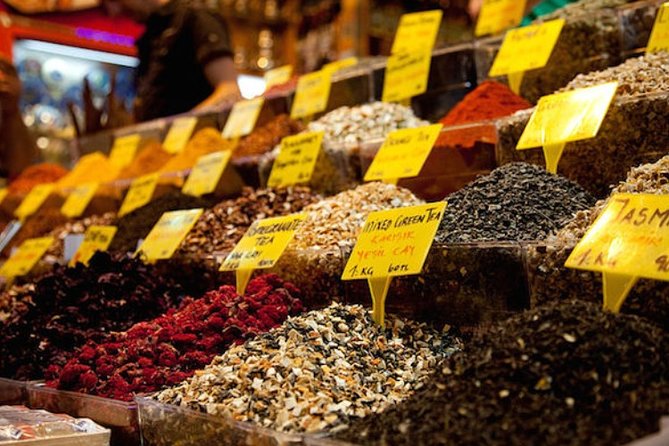
I would recommend it to you if you want more than a postcard view of Zanzibar. It is a good fit if you enjoy learning how products are grown, asking questions, tasting local fruit, and seeing working farms without spending a full day away from the city.
It is also a strong choice for first-time visitors who want a quick introduction to both Stone Town history and rural life. The Hamamni Persian Baths stop is brief, but it creates a helpful bridge between the city and the countryside.
Families may appreciate the visual parts of the tour, especially seeing workers climb trees and finding out where familiar spices come from. Children who need constant entertainment may find the explanation-heavy sections slow, but the walking and tasting add variety.
You may want to skip it if you dislike walking, prefer a fully indoor activity, or are focused only on finding the lowest spice prices. The tour also may not suit you if conservative dress is a problem or if you need a fully specified meal and refreshment plan.
Should you book the Zanzibar spice farm tour?
Book this experience if you want a private, guided look at Zanzibar’s farms and the people and trade connected to them. The strongest reasons are the farm walk, the tree-climbing demonstration, the clear spice explanations, the local fruit, and the convenience of hotel transport.
Approach the shopping stop with an open but careful wallet. Prices may be higher than expected, and no food or drinks are included. If you are comfortable with those limits and can manage moderate walking, $75 buys a useful half-day introduction to the island beyond Stone Town’s streets and beaches.
The cancellation terms are strict close to departure: cancel at least three full days before the start time for a full refund. Changes or cancellations made later are not accepted for a refund.
FAQ
How long is the Zanzibar Spice Farm Half-Day Walking Tour?
The experience lasts approximately three hours.
What is included in the price?
A professional guide and hotel pickup and drop-off in Zanzibar are included.
Is the tour private?
Yes. Only your own group participates in this private tour or activity.
Are morning and afternoon departures available?
Yes. Both morning and afternoon departure options are offered.
Does the tour include a visit to Hamamni Persian Baths?
Yes. The itinerary includes a 15-minute stop at Hamamni Persian Baths in Stone Town. Admission is free.
What can I see at the spice farms?
You can see spice and fruit cultivation, walk through local farms, watch workers climb into spice trees, and learn about Zanzibar’s spice trade.
Is food included?
No. Food and drinks are not included. Local fruit is available to sample during the experience.
What should I wear?
Dress conservatively. Women should cover their shoulders and wear long skirts or trousers. Good walking shoes are recommended.
What is the cancellation policy?
You can receive a full refund if you cancel at least three full days before the experience start time. Cancellations or changes made less than three full days before the start time are not accepted for a refund.
More Walking Tours
- Stonetown: Food Markets and Street Food Walking Tour
★ 4.7 · 151 reviews - Zanzibar Stone Town Walking Tour
★ 5.0 · 145 reviews - Stone Town Historical Walking Tour
★ 5.0 · 143 reviews - Walking City Tour in Zanzibar Island
★ 5.0 · 122 reviews
More Farms
- Zanzibar: Stone Town & Spice Farm Tour with Lunch
★ 4.5 · 97 reviews - Zanzibar:Stone Town & Spice Farm Private Tour Lunch Included
★ 4.2 · 94 reviews - Zanzibar full day Jozani forest + Spice farm and stone town
★ 4.7 · 90 reviews - Zanzibar: Spice Farm & Stone Town Tour with Lunch
★ 4.5 · 80 reviews
Just added around Zanzibar
- Spice Tour of Zanzibar★ 4.5 · 3 reviews
- Zanzibar : Stone Town Tour,history without transport★ 4.8 · 3 reviews
- Zanzibar: 3-Day Northern Safari with Flights Included★ 4.8 · 3 reviews
- Starfish Beach; The Rock; Kuza Cave; Paje Beach; Salaam Cave Tour★ 4.5 · 3 reviews
- Jozani Forest, kuza cave and mtende beach★ 5.0 · 3 reviews
- ZANZIBAR: Stone Town and Jozani Forest Guided Tour★ 4.0 · 3 reviews
- Zanzibar: African Sunset Boat Party in Zanzibar Music, Views★ 4.3 · 3 reviews
- Joazani forest & Spice farm with lunch★ 5.0 · 3 reviews
Spice Farm Tours, compared.

Stone Town, Spice Tour, Prison Island with Lunch
Read our review →
Stone Town, Spice tour & Prison Island with Lunch
Read our review →
Full-Day Private Stone Town +Spice Farm and Prison Island Tour
Read our review →

The Swahili Spice Experience – Spice Tour + Culinary Journey
Read our review →Browse the lists this tour appears in